Missouri Notice of Default in Payment of Rent as Warning Prior to Demand to Pay or Terminate for Nonresidential or Commercial Property
About this form
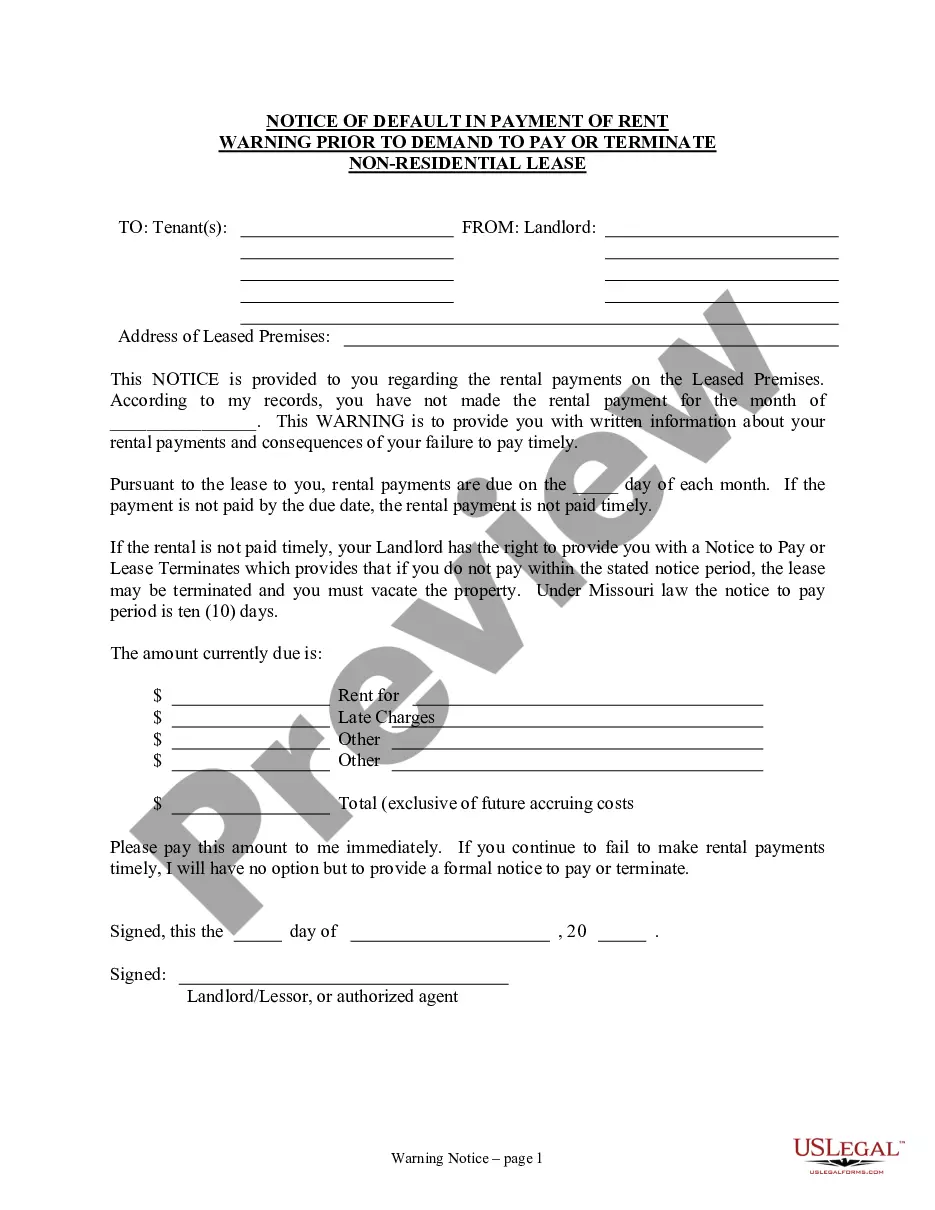
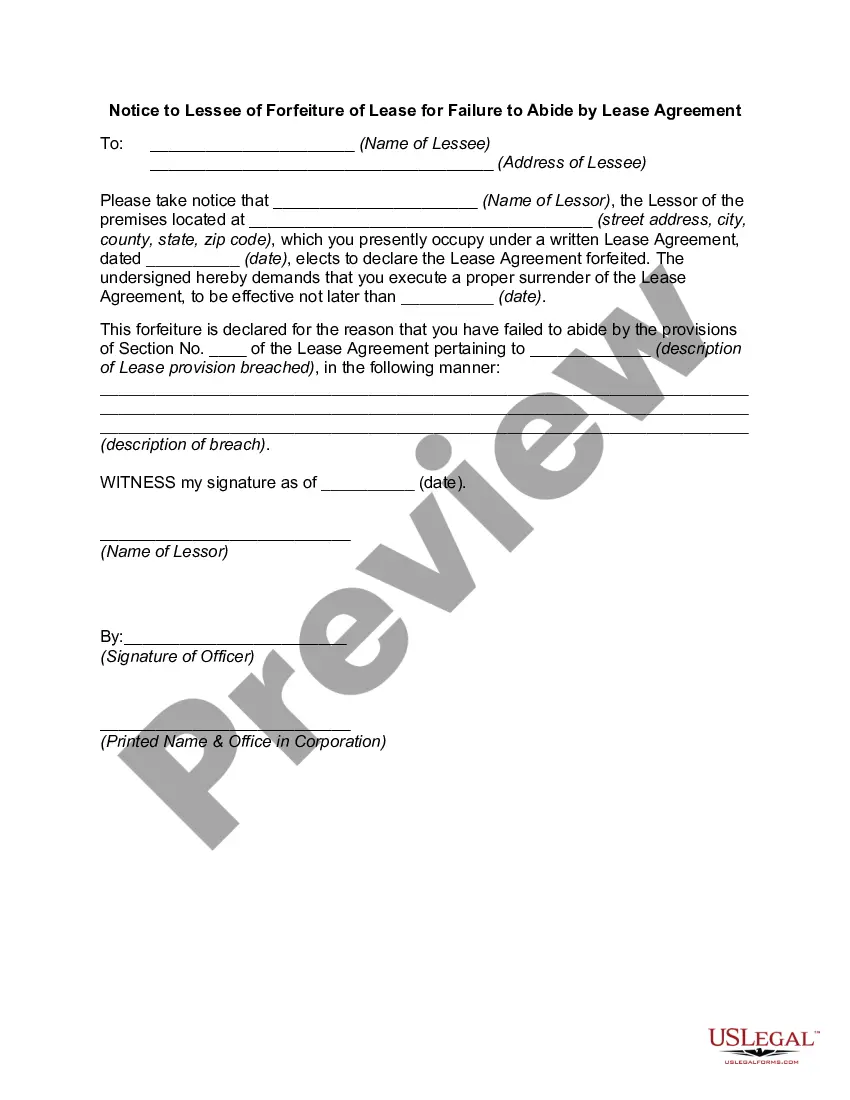
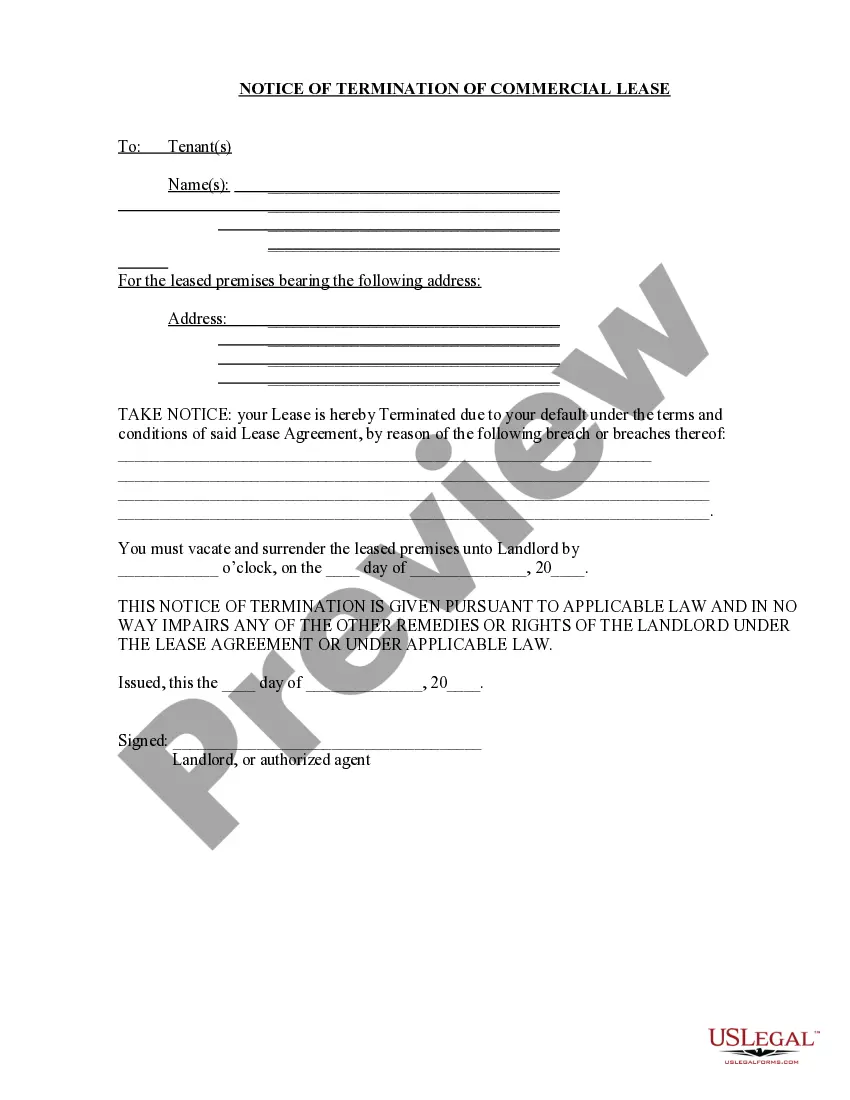
The Notice of Default in Payment of Rent as Warning Prior to Demand to Pay or Terminate for Nonresidential or Commercial Property is a legal document that allows a Landlord to officially inform a Tenant of their failure to pay rent. This form serves as a formal warning before the Landlord may issue a demand for payment or initiate a lease termination process. It is essential for Landlords to document the communication of rent default to protect their rights under rental agreements.
What’s included in this form
- Identification of the rental property and parties involved
- Statement of the missed rental payment and the due date
- Explanation of legal rights regarding late payment and potential lease termination
- Total amount due, including any late charges
- Signature of the Landlord or authorized agent


When to use this document
This form should be used when the Tenant has not paid rent on time, and the Landlord wishes to provide a formal warning. It is appropriate in situations where the Landlord seeks to remind the Tenant of their obligations under the lease and the consequences of failing to make rent payments timely. This notice is an important step before further legal actions can be taken, such as filing for eviction.
Who can use this document
- Landlords of non-residential or commercial properties
- Property managers acting on behalf of Landlords
- Anyone managing a lease agreement where timely payment of rent is critical
Instructions for completing this form
- Identify the parties: clearly state the names of the Landlord and Tenant.
- Specify the property: include the address of the leased premises.
- Enter the month and due date of the unpaid rent in the designated fields.
- Calculate and state the total amount due, including any late fees.
- Sign and date the notice, ensuring that it reflects your capacity (Landlord, Manager, or Agent).
Does this document require notarization?
This form does not typically require notarization unless specified by local law. However, it is crucial to check your jurisdiction's requirements to ensure compliance.
Get your form ready online
Our built-in tools help you complete, sign, share, and store your documents in one place.
Make edits, fill in missing information, and update formatting in US Legal Forms—just like you would in MS Word.
Download a copy, print it, send it by email, or mail it via USPS—whatever works best for your next step.
Sign and collect signatures with our SignNow integration. Send to multiple recipients, set reminders, and more. Go Premium to unlock E-Sign.
If this form requires notarization, complete it online through a secure video call—no need to meet a notary in person or wait for an appointment.
We protect your documents and personal data by following strict security and privacy standards.

Make edits, fill in missing information, and update formatting in US Legal Forms—just like you would in MS Word.

Download a copy, print it, send it by email, or mail it via USPS—whatever works best for your next step.

Sign and collect signatures with our SignNow integration. Send to multiple recipients, set reminders, and more. Go Premium to unlock E-Sign.

If this form requires notarization, complete it online through a secure video call—no need to meet a notary in person or wait for an appointment.

We protect your documents and personal data by following strict security and privacy standards.
Mistakes to watch out for
- Failing to provide correct details about the rental property.
- Not specifying the exact amount due, leading to confusion.
- Omitting the date and signature, which could render the notice invalid.
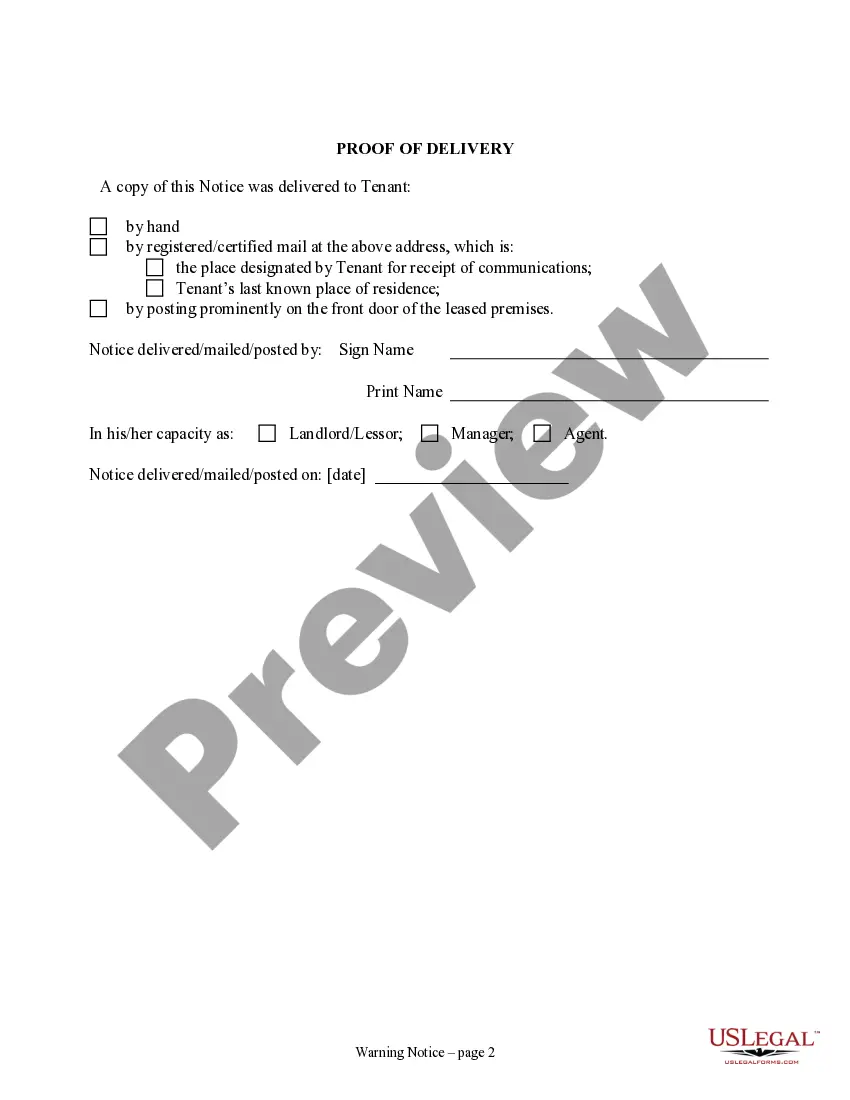
- Neglecting to deliver the notice properly, which may impact legal standing.
Why use this form online
- Easy access to a legally compliant and professionally drafted document.
- Fast and convenient download for immediate use.
- Editability to tailor the form according to specific rental agreements.
- Reassurance of accuracy and reliability from licensed attorneys.
Legal use & context
- The notice serves as an essential legal step before eviction proceedings can be initiated.
- Failure to provide this notice may affect a landlord's ability to enforce lease terms.
- It ensures tenants are aware of their obligations and the consequences of non-payment.
What to keep in mind
- The notice informs tenants about their overdue rent and potential lease termination.
- It's necessary to complete and deliver the form properly to avoid legal issues.
- Landlords should understand state-specific requirements for this document.
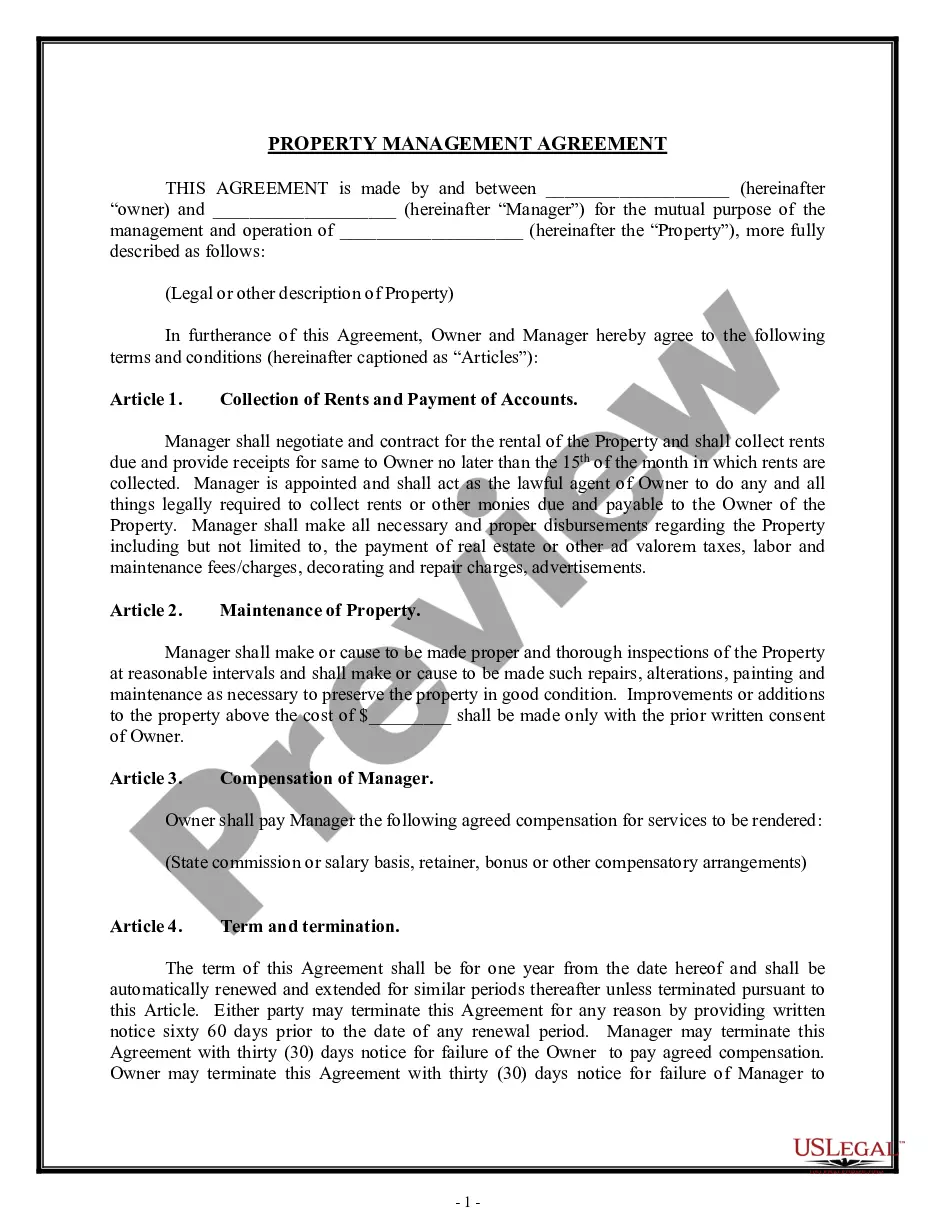
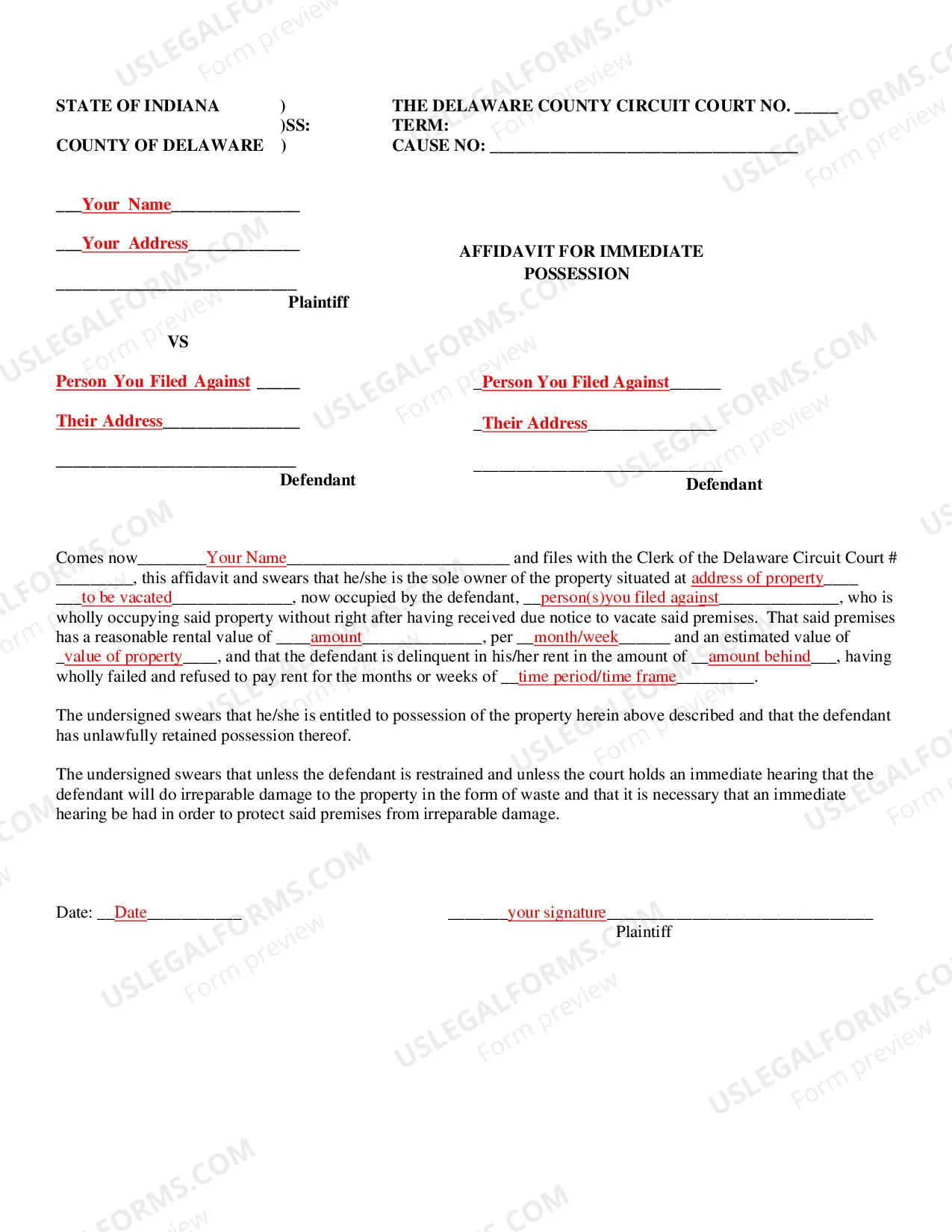
Looking for another form?
Form popularity
FAQ
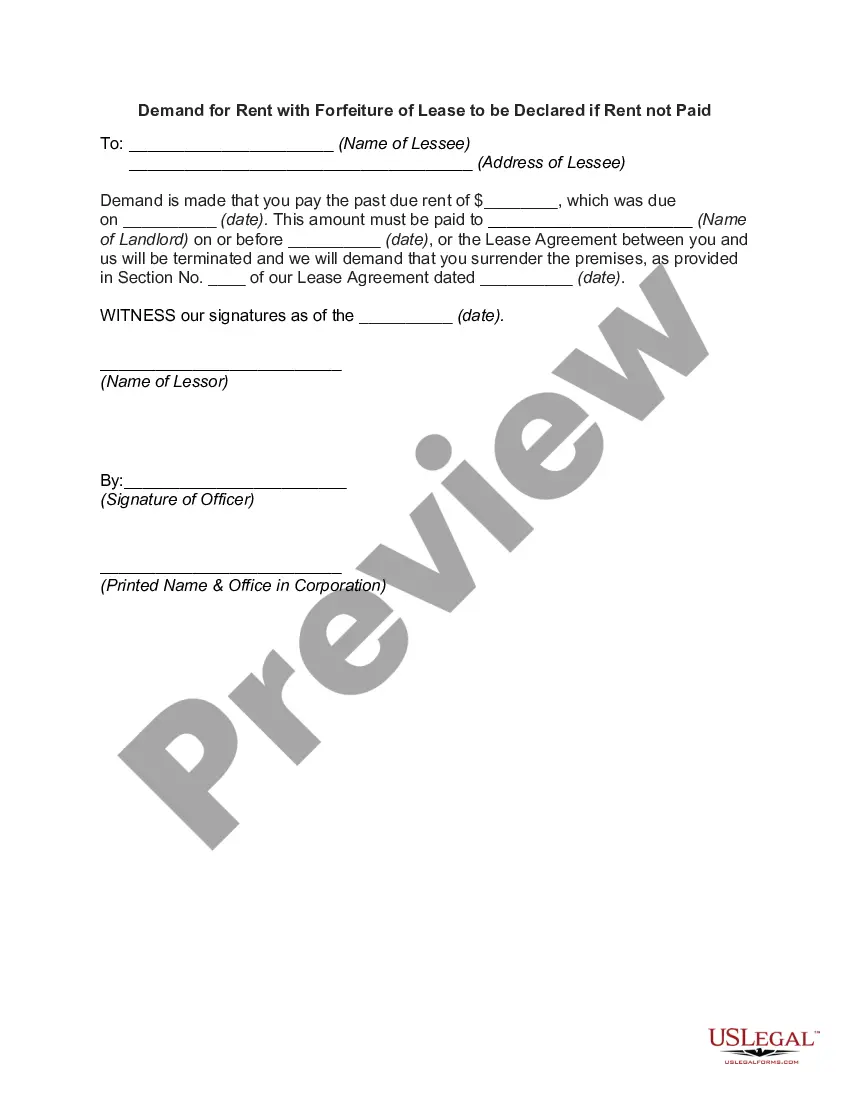
A default letter for rent is a formal document sent to a tenant indicating that they have failed to meet their rental payment obligations. This letter outlines the overdue amounts and may specify a deadline for payment to avoid eviction. It functions as a Missouri Notice of Default in Payment of Rent as Warning Prior to Demand to Pay or Terminate for Nonresidential or Commercial Property. You can access resources on uslegalforms to create an effective default letter that adheres to legal requirements.
Writing a warning letter for late rent payment involves clearly stating the overdue amount and the payment due date. You should also specify that failure to pay may lead to further action, such as eviction. This letter serves as a Missouri Notice of Default in Payment of Rent as Warning Prior to Demand to Pay or Terminate for Nonresidential or Commercial Property. Platforms like uslegalforms can provide you with templates to ensure your letter is clear and legally sound.
A notice to pay rent or quit in Missouri serves as a formal warning to tenants regarding unpaid rent. This notice informs tenants of their obligation to pay outstanding rent or face potential eviction. It is vital to understand that this notice acts as a Missouri Notice of Default in Payment of Rent as Warning Prior to Demand to Pay or Terminate for Nonresidential or Commercial Property. Utilizing legal forms can simplify the process and ensure compliance with state laws.
The law 441.060 in Missouri outlines the rights and responsibilities of landlords and tenants regarding rental agreements. This law specifies the procedures for handling rent payments, including the issuance of notices for nonpayment. It is vital for both parties to understand this law to ensure compliance and avoid disputes. The Missouri Notice of Default in Payment of Rent as Warning Prior to Demand to Pay or Terminate for Nonresidential or Commercial Property is directly tied to this regulation, making it a key element in rental agreements.
In Missouri, a 14/30 notice refers to a specific type of eviction notice. This notice gives tenants 14 days to remedy a rent payment issue or face a 30-day termination of their lease. It is an essential part of the legal process for landlords dealing with nonpayment. Familiarity with the Missouri Notice of Default in Payment of Rent as Warning Prior to Demand to Pay or Terminate for Nonresidential or Commercial Property can help landlords navigate this process effectively.
A notice of default letter to a tenant is a formal communication that informs the tenant of their failure to pay rent. This document serves as a warning prior to further legal action, such as eviction. In Missouri, this notice indicates that the tenant must address the rent payment issue promptly. Understanding the Missouri Notice of Default in Payment of Rent as Warning Prior to Demand to Pay or Terminate for Nonresidential or Commercial Property is crucial for both landlords and tenants.
As a tenant, you have the right to live in a safe, secure and quiet environment that is managed in accordance with the law. You also have a responsibility to take good care of the property, pay the rent on time, and adhere to the terms of your tenancy agreement.
Landlord Right to Entry in Missouri Although many states have laws requiring landlords to give prior notice to their tenants, in Missouri, there are no laws requiring it.Landlords may enter a rental unit for various reasons. Some of these reasons include: To make property repairs.
Although renters must abide by the Homeowners' Association rules, they still have rights under the law. The property owner must also follow their home state's Landlord-Tenant Laws that include the Fair Housing Act and Fair Credit Reporting Act.
Talk to Your Landlord You may be able to come to an agreement without going to court. An eviction will cost both of you money (as well as time), and your landlord may be willing to stop the eviction if you agree to certain terms, such as paying rent you owe or stopping behavior that violates the lease.