Minnesota Letter from Tenant to Landlord containing Notice that premises in uninhabitable in violation of law and demand immediate repair
Overview of this form
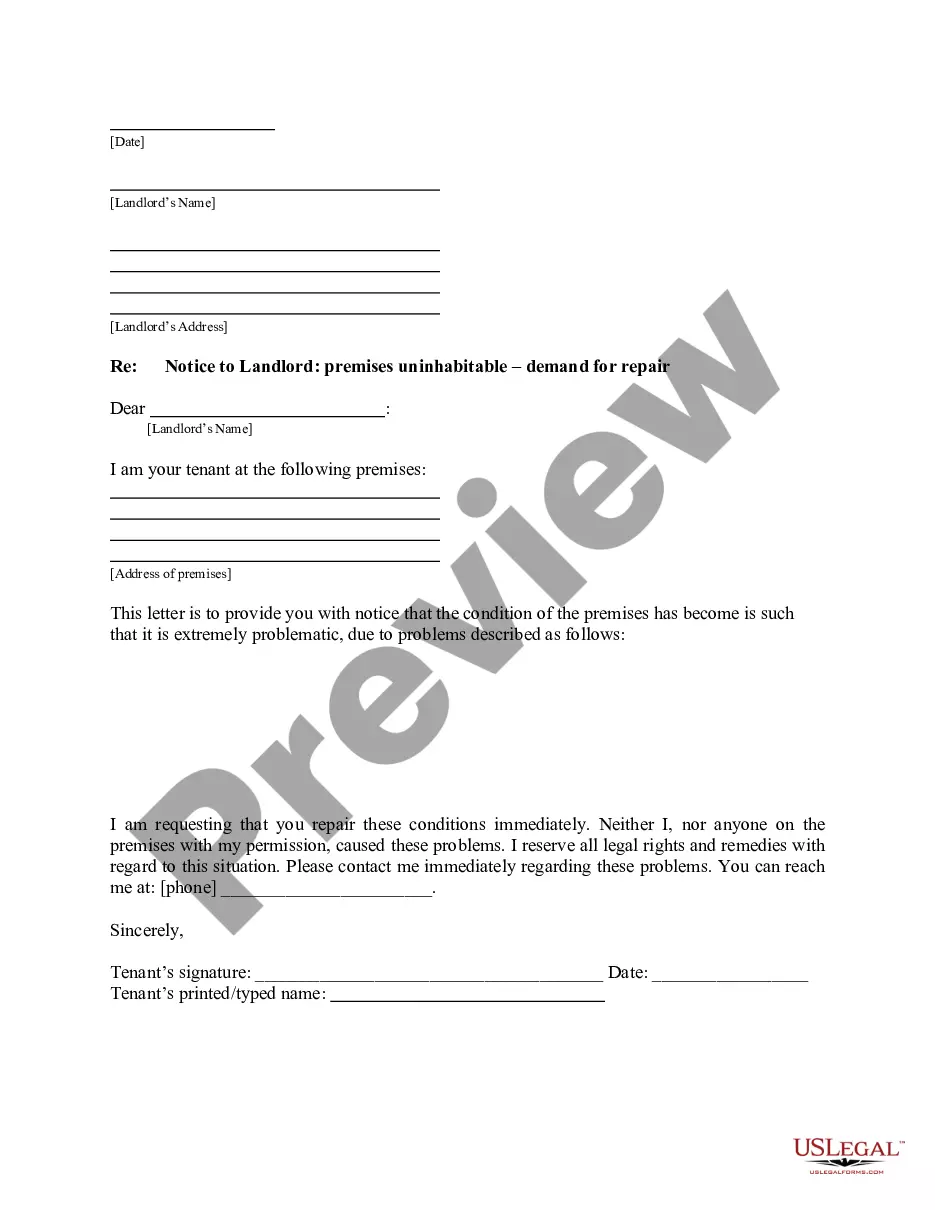
This form is a letter from a tenant to a landlord notifying them that the rented premises are uninhabitable and not compliant with legal standards. This letter demands immediate repairs. As a tenant, utilizing this form allows you to formally document your concerns and request necessary action from your landlord. If the repairs are not completed, you may have the right to terminate your lease or reduce your rent until the issues are resolved.
Key components of this form
- Tenant's signature and date for validation
- Landlord's details to ensure proper delivery
- A clear statement of the issues making the property uninhabitable
- A demand for specific repairs within a reasonable time frame
- A warning about potential lease termination or rent abatement if repairs are not made

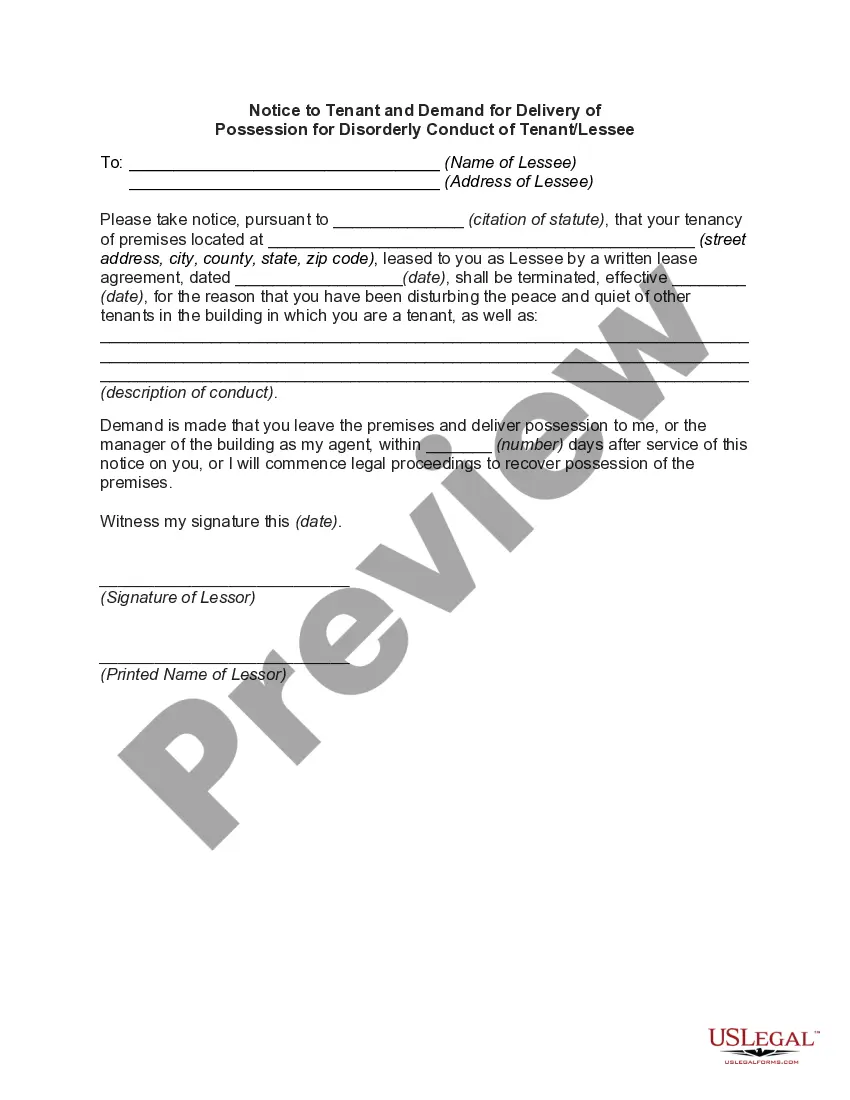
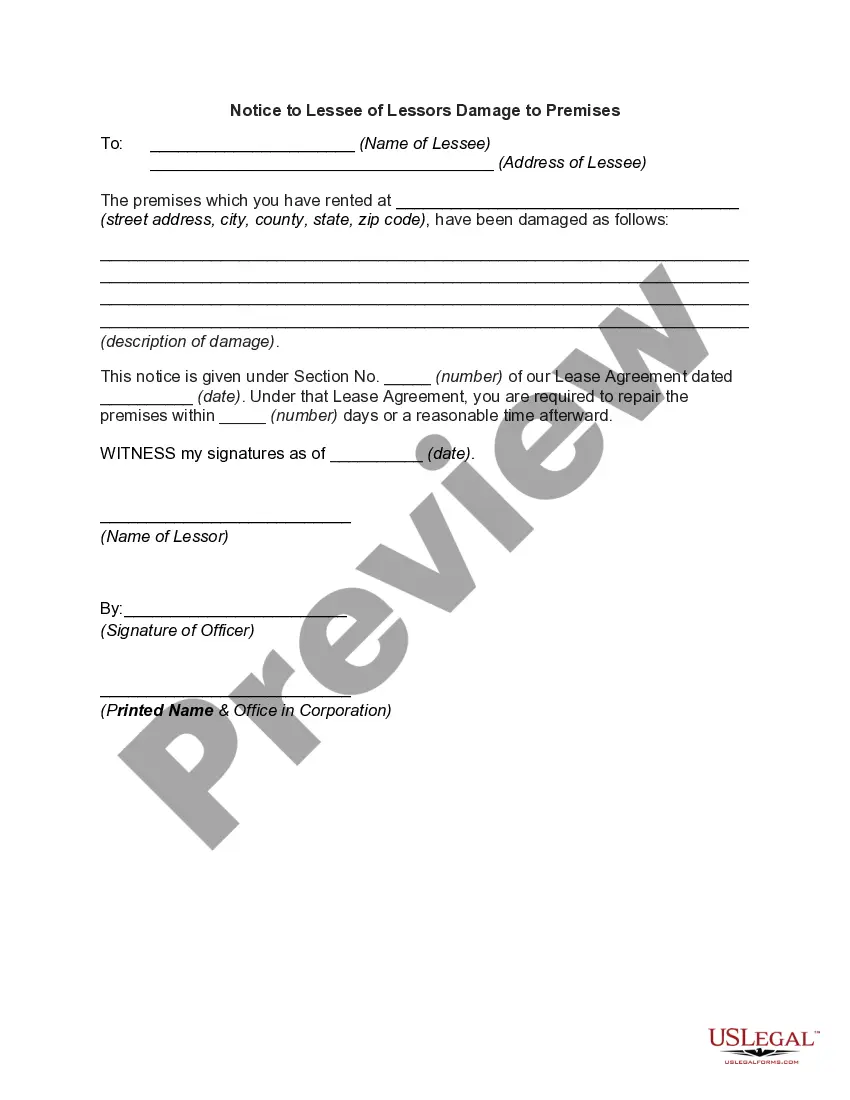
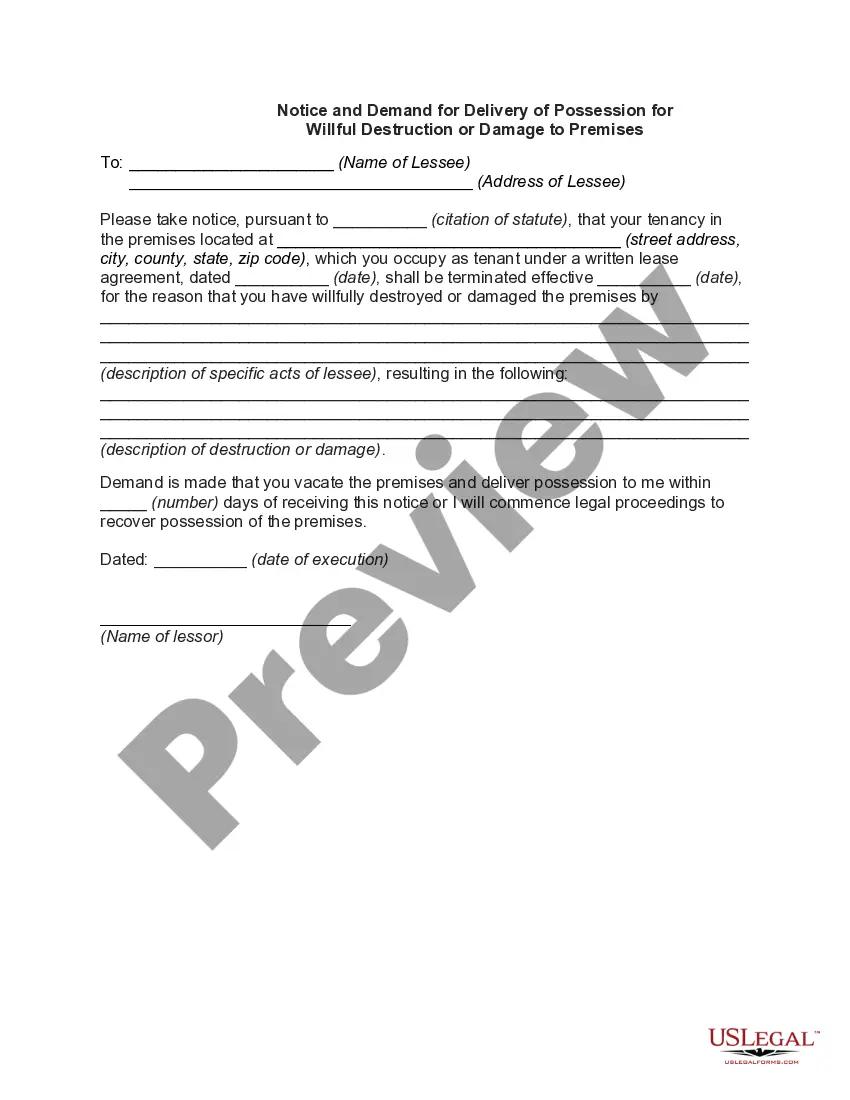

When to use this form
This form is necessary when you, as a tenant, encounter serious issues in your rental property that affect your ability to live there safely and comfortably. For example, if there are significant plumbing problems, hazardous conditions, or lack of essential services like heating or electricity, this letter serves as an official notice that requires the landlord to take action. Use this form before considering any further legal steps, such as lease termination or withholding rent.
Who can use this document
- Tenants who are experiencing significant issues with their rental property
- Individuals who have previously reported conditions to their landlord without resolution
- Renters who wish to formally document their requests for repair
Instructions for completing this form
- Identify the parties involved: Enter your name and address as the tenant, along with the landlord's name and address.
- Describe the issues: Clearly outline the conditions that make the premises uninhabitable.
- Demand repairs: Specify what repairs need to be made and the timeframe for completion.
- Sign and date the letter: Provide your signature and the date to authenticate the notice.
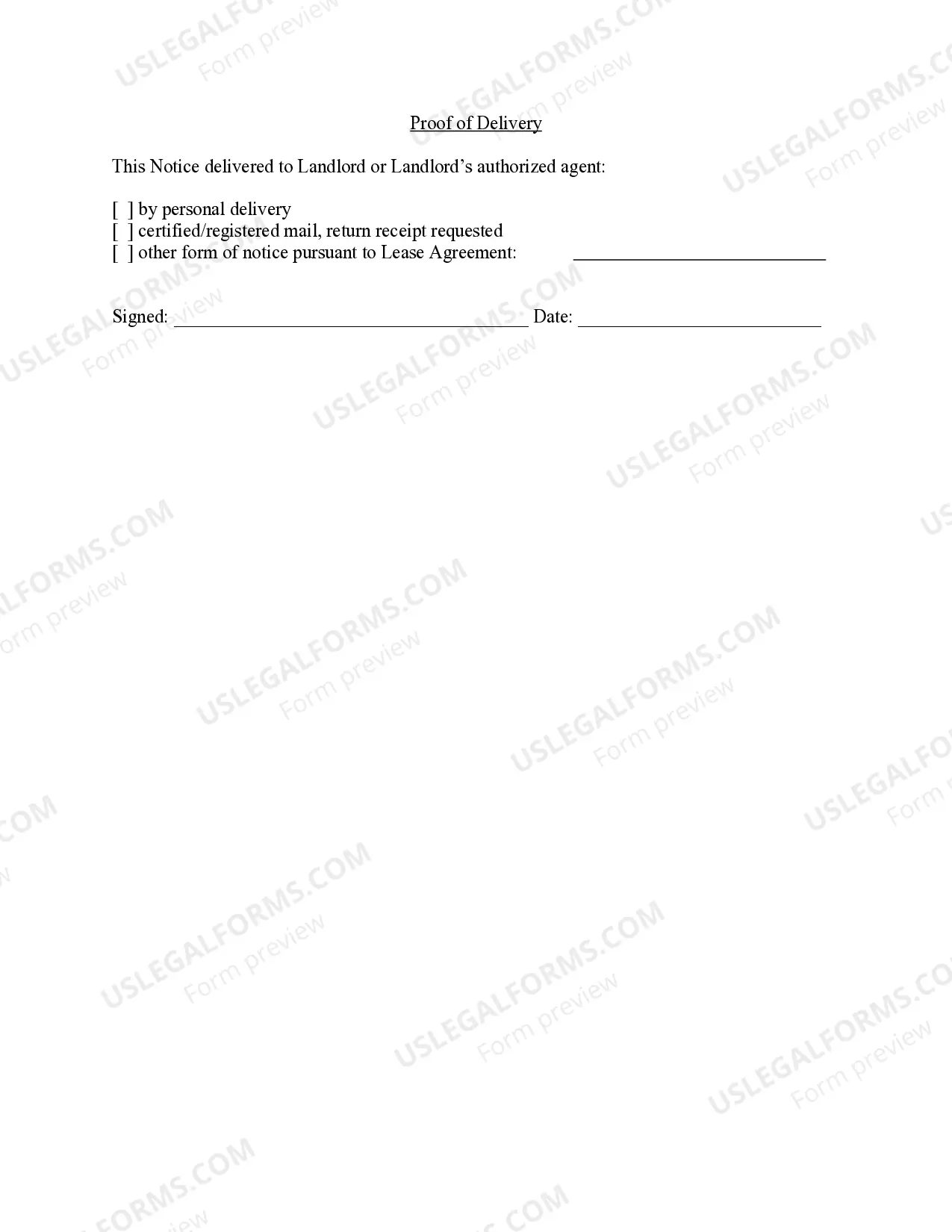
- Send the letter: Deliver the letter to the landlord via a method that allows you to keep a record of receipt.
Is notarization required?
This form does not typically require notarization to be legally valid. However, some jurisdictions or document types may still require it. US Legal Forms provides secure online notarization powered by Notarize, available 24/7 for added convenience.
Get your form ready online
Our built-in tools help you complete, sign, share, and store your documents in one place.
Make edits, fill in missing information, and update formatting in US Legal Forms—just like you would in MS Word.
Download a copy, print it, send it by email, or mail it via USPS—whatever works best for your next step.
Sign and collect signatures with our SignNow integration. Send to multiple recipients, set reminders, and more. Go Premium to unlock E-Sign.
If this form requires notarization, complete it online through a secure video call—no need to meet a notary in person or wait for an appointment.
We protect your documents and personal data by following strict security and privacy standards.

Make edits, fill in missing information, and update formatting in US Legal Forms—just like you would in MS Word.

Download a copy, print it, send it by email, or mail it via USPS—whatever works best for your next step.

Sign and collect signatures with our SignNow integration. Send to multiple recipients, set reminders, and more. Go Premium to unlock E-Sign.

If this form requires notarization, complete it online through a secure video call—no need to meet a notary in person or wait for an appointment.

We protect your documents and personal data by following strict security and privacy standards.
Avoid these common issues
- Failing to document specific issues in detail.
- Not providing enough time for the landlord to respond.
- Neglecting to keep a copy of the letter for personal records.
- Using unclear language that might confuse the landlord.
Benefits of using this form online
- Convenience: Download the form immediately from any device.
- Editability: Fill out the form easily to ensure all necessary information is included.
- Reliability: Use professionally drafted content tailored for your legal needs.
Legal use & context
- This form is legally recognized in rental disputes and serves as a formal notice.
- It helps tenants document their communications, which can be crucial in any legal proceedings.
- Utilizing this document effectively communicates the seriousness of the situation to the landlord.
Quick recap
- The letter serves as a formal notification to your landlord regarding uninhabitable conditions.
- It is essential to document any issues clearly to support your case.
- A failure to respond may lead to further actions such as lease termination or rent discount.
Looking for another form?

Form popularity
FAQ
A notice of uninhabitable conditions is a formal communication from a tenant to a landlord, detailing problems that make a rental unit unsafe or unsuitable for living. This notice outlines specific violations of health and safety codes and requests immediate attention to rectify these issues. Crafting a clear and precise Minnesota Letter from Tenant to Landlord containing Notice that premises in uninhabitable in violation of law and demand immediate repair is crucial in ensuring your rights are recognized and addressed.
If your landlord ignores uninhabitable conditions, you have several options to protect yourself. First, document all communication and the problems you face. It is advisable to send a Minnesota Letter from Tenant to Landlord containing Notice that premises in uninhabitable in violation of law and demand immediate repair to formally request action. If the landlord still fails to respond, you may need to consider legal action or seek assistance from local housing authorities.
Emergency repairs for a rental property typically include issues that pose immediate risks to health or safety. This may involve severe plumbing leaks, electrical failures, or heating system breakdowns, especially in cold weather. If you encounter such issues, it is essential to document the situation and communicate with your landlord. In many cases, using a Minnesota Letter from Tenant to Landlord containing Notice that premises in uninhabitable in violation of law and demand immediate repair can help expedite the necessary actions.
An emergency tenant remedies action in Minnesota allows tenants to seek immediate court intervention when their landlord fails to address serious living condition issues. This legal action can result in repairs being mandated by the court or even rent reductions. If you're facing uninhabitable conditions, consider using a Minnesota Letter from Tenant to Landlord containing Notice that premises in uninhabitable in violation of law and demand immediate repair as a first step before escalating to legal remedies.
To prove that your apartment is uninhabitable, gather evidence of any health or safety violations, such as mold, sewage leaks, or significant structural issues. Take photos and keep detailed records of your communications with the landlord. A Minnesota Letter from Tenant to Landlord containing Notice that premises in uninhabitable in violation of law and demand immediate repair can also strengthen your case by formally outlining the problems and your expectations for resolution.
In most cases, a landlord is not required to provide a written notice before addressing issues like uninhabitable conditions. However, sending a Minnesota Letter from Tenant to Landlord containing Notice that premises in uninhabitable in violation of law and demand immediate repair serves as a formal request for action. This documentation can protect your rights and clarify the landlord’s obligations regarding necessary repairs.
If you find your rented property uninhabitable, it is important to act quickly. First, document the issues with photos and notes. Next, send a Minnesota Letter from Tenant to Landlord containing Notice that premises in uninhabitable in violation of law and demand immediate repair. This formal communication helps establish your case and ensures that the landlord is aware of the urgent need for repairs.
To terminate a lease for uninhabitable conditions, you must first document the issues in your rental unit. Next, send a Minnesota Letter from Tenant to Landlord containing Notice that premises in uninhabitable in violation of law and demand immediate repair. This letter serves as a formal notification to your landlord, outlining the specific violations and requesting prompt action. If the landlord fails to make the necessary repairs, you may proceed with terminating the lease, ensuring you follow the proper legal protocols.