Removing or altering a flowage easement can be tricky and usually requires legal procedures, so it's best to consult with a lawyer if you’re considering this route.
If you think your property might have a flowage easement, it's a good idea to check public records or consult with a local real estate attorney.
Flowage easements benefit local communities by reducing flood risks, maintaining water quality, and supporting natural habitats in the area.
In some cases, property owners can negotiate the terms of a flowage easement, but it usually requires discussions with local government or agencies involved.
Yes, flowage easements are generally permanent unless specific legal actions are taken to change or eliminate them.
Property owners may have some limitations on what they can do with their land if it has a flowage easement, since certain activities could interfere with water flow.
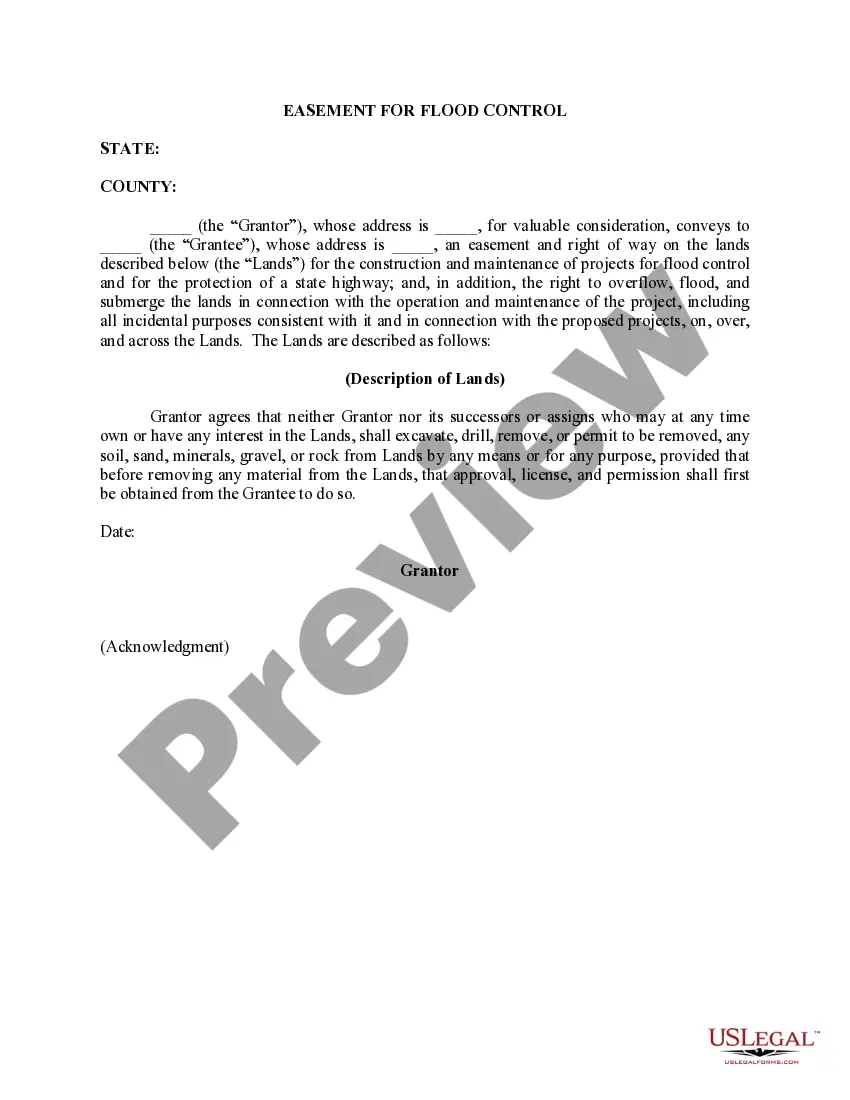
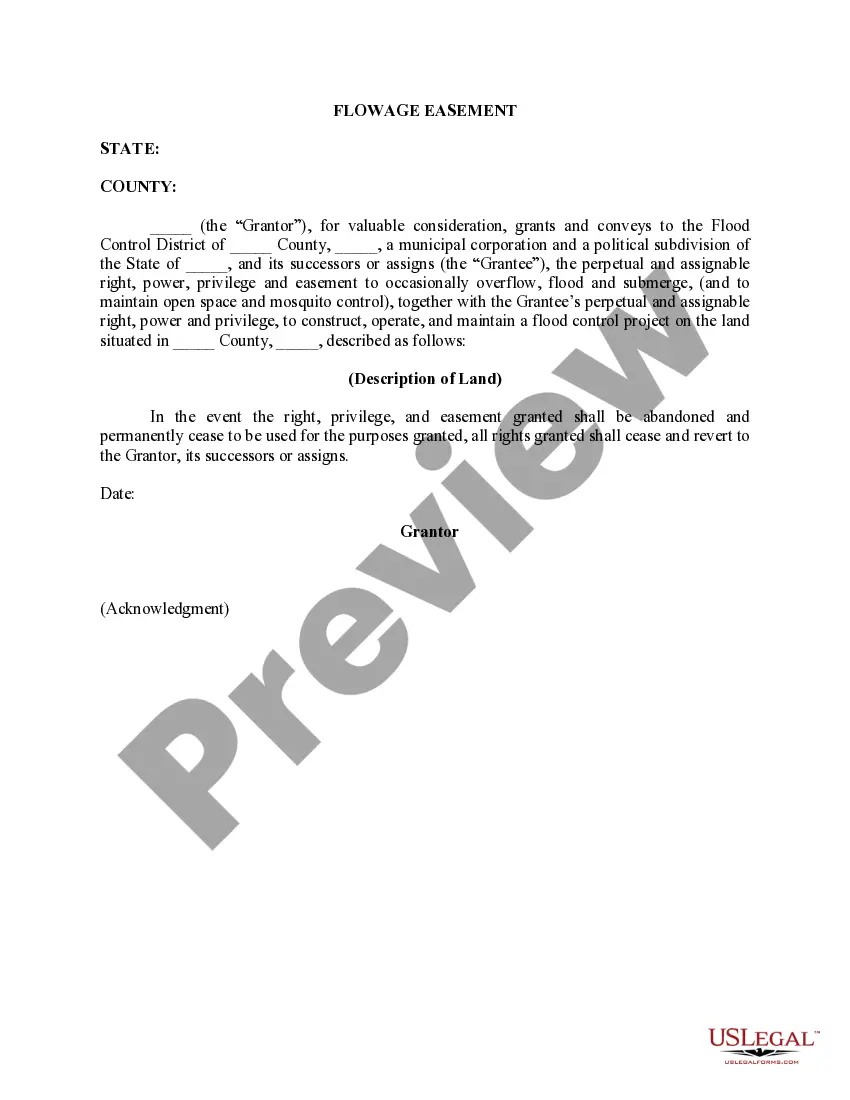
A flowage easement is a legal right that allows water to flow over a piece of land, which helps manage water levels and prevents flooding in the area.