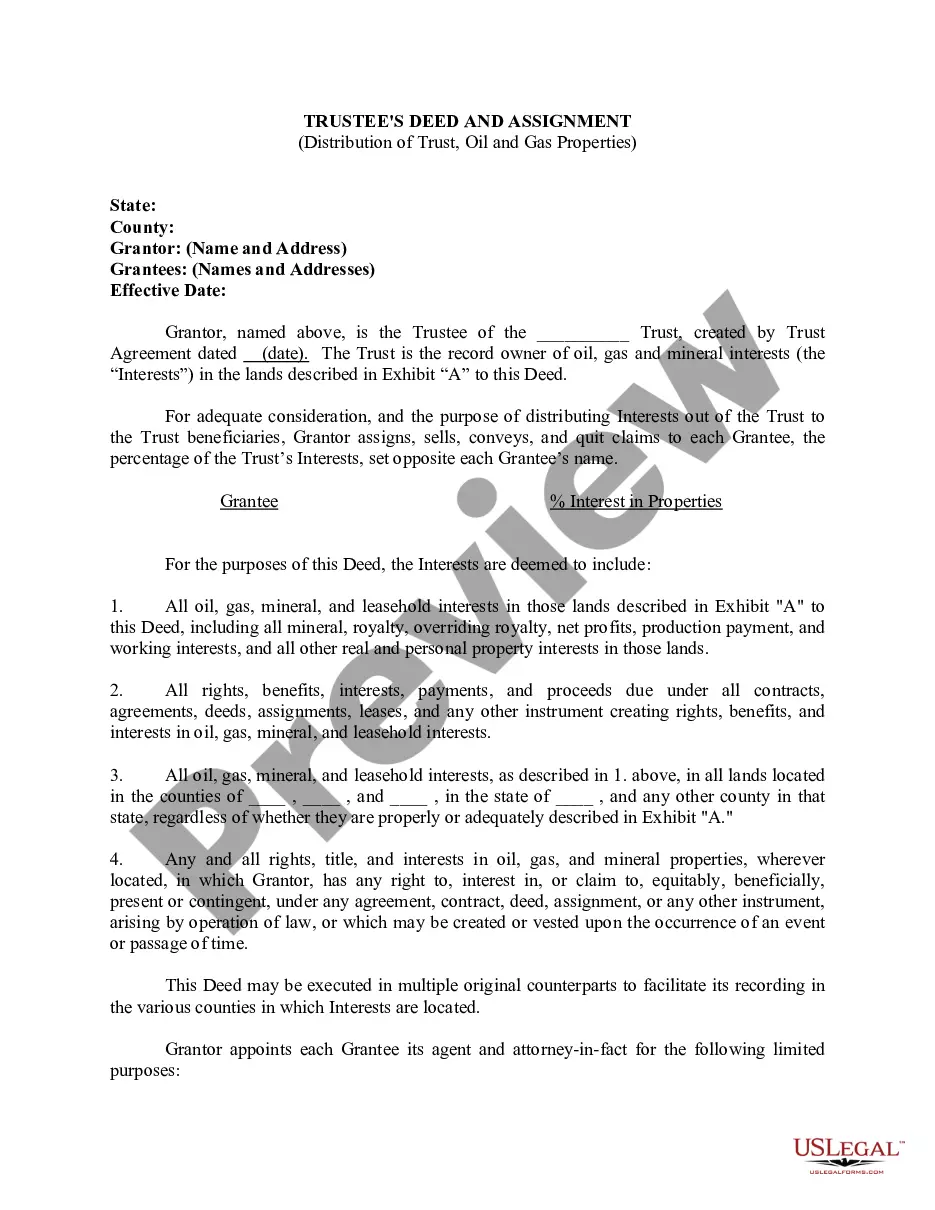
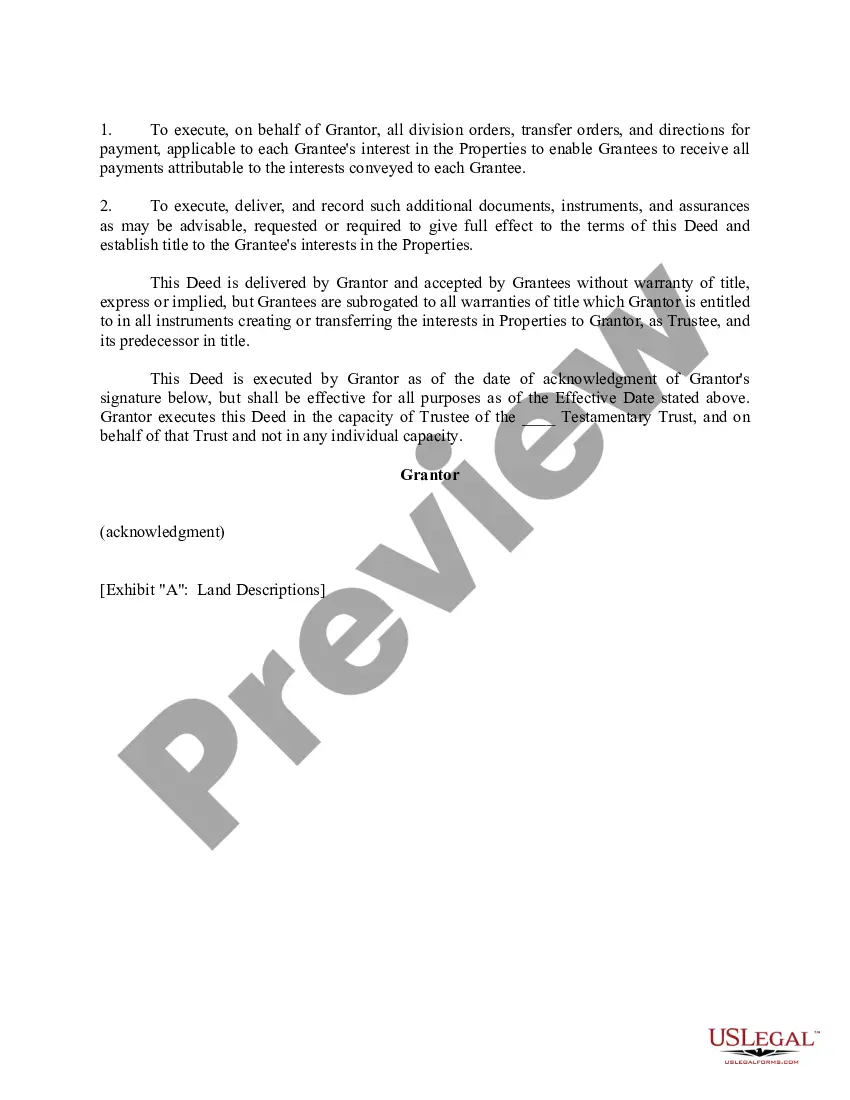
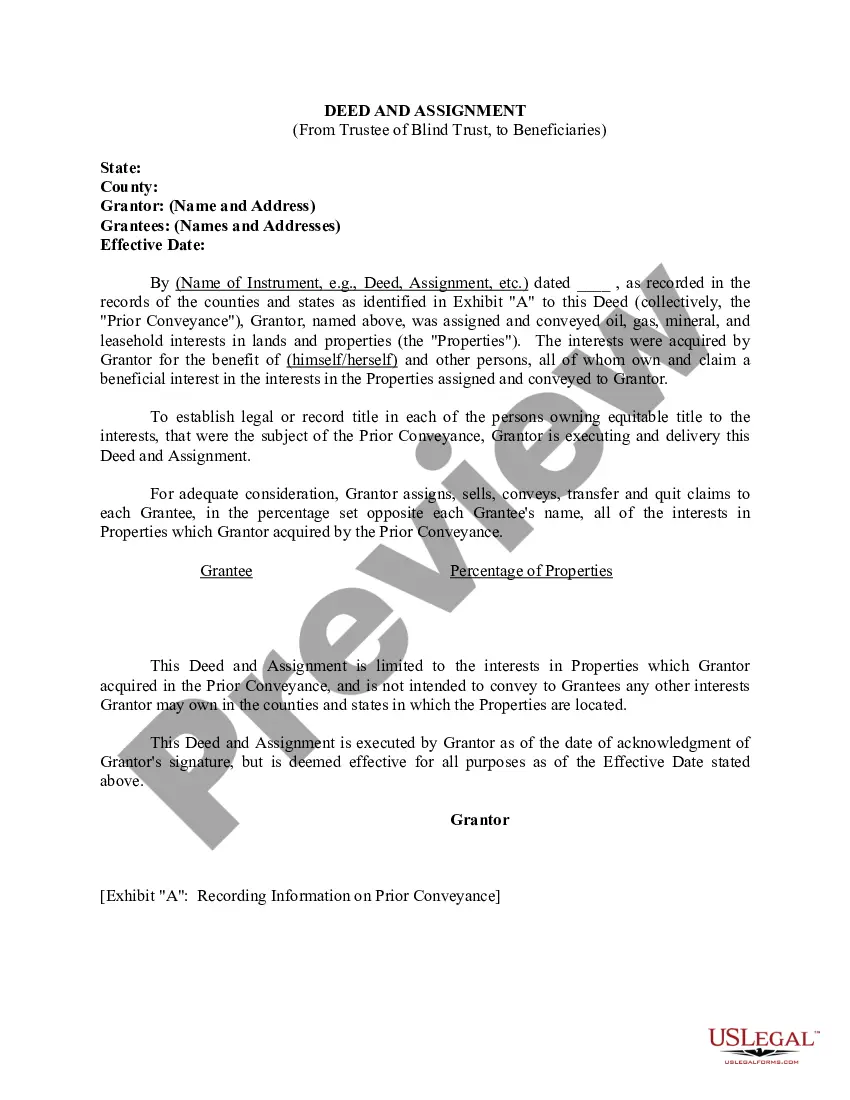
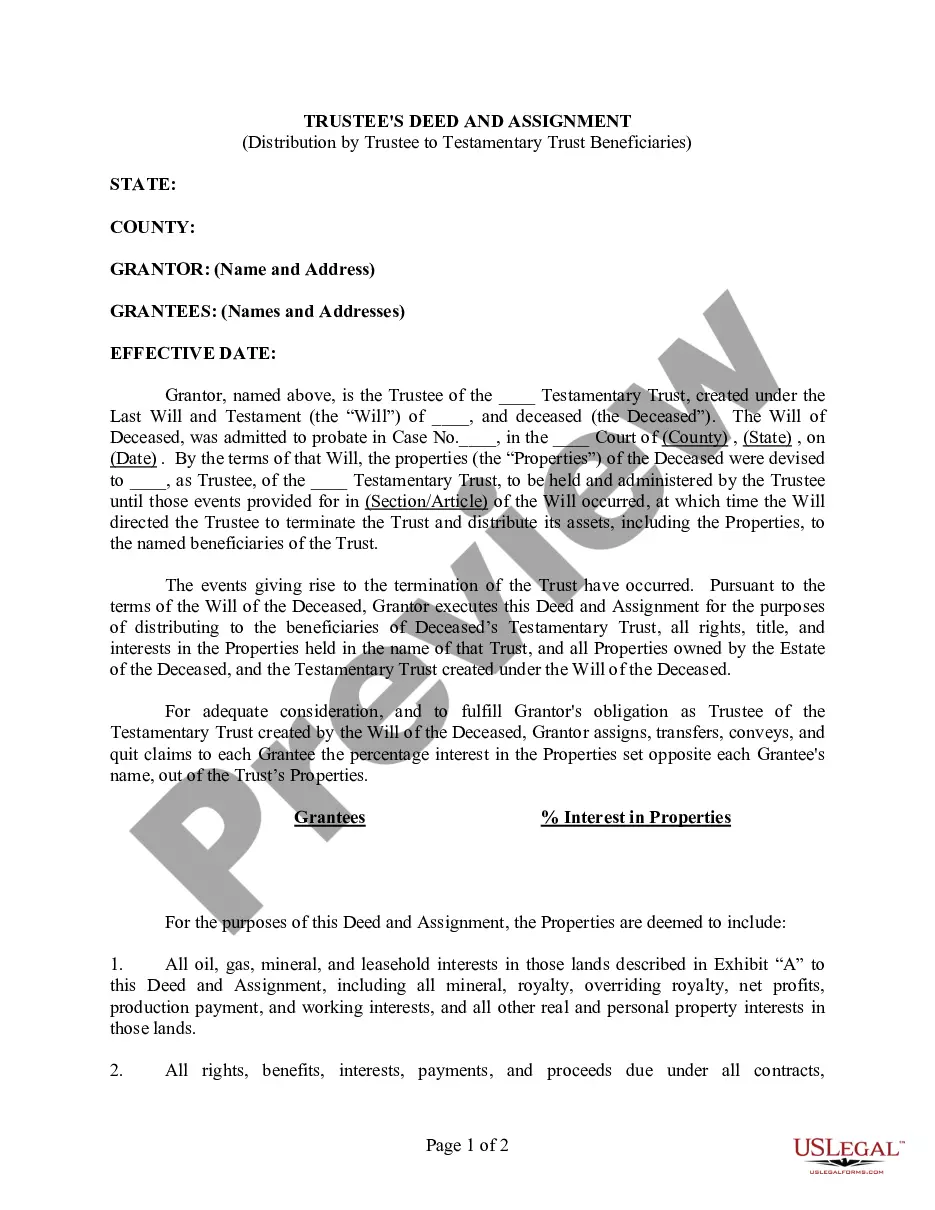
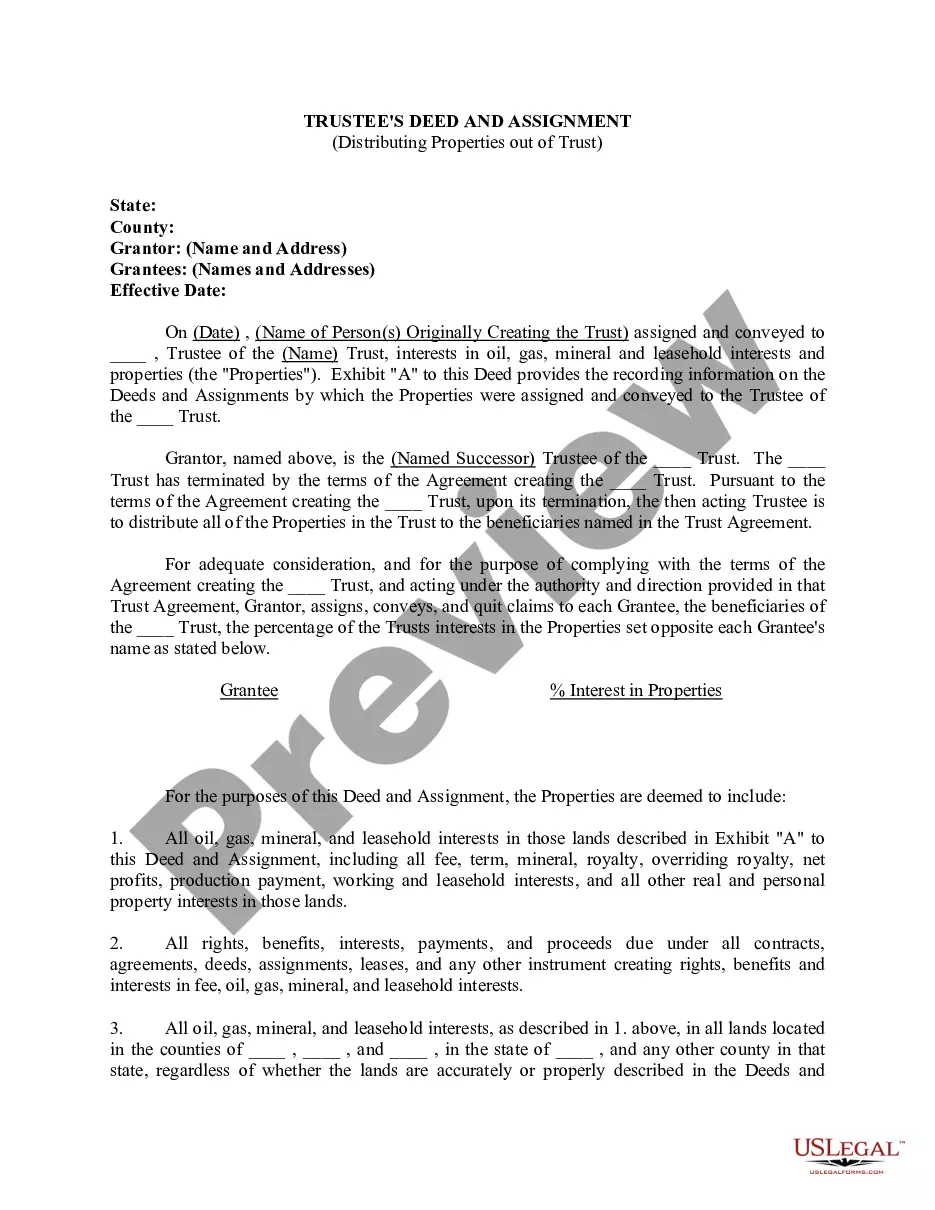
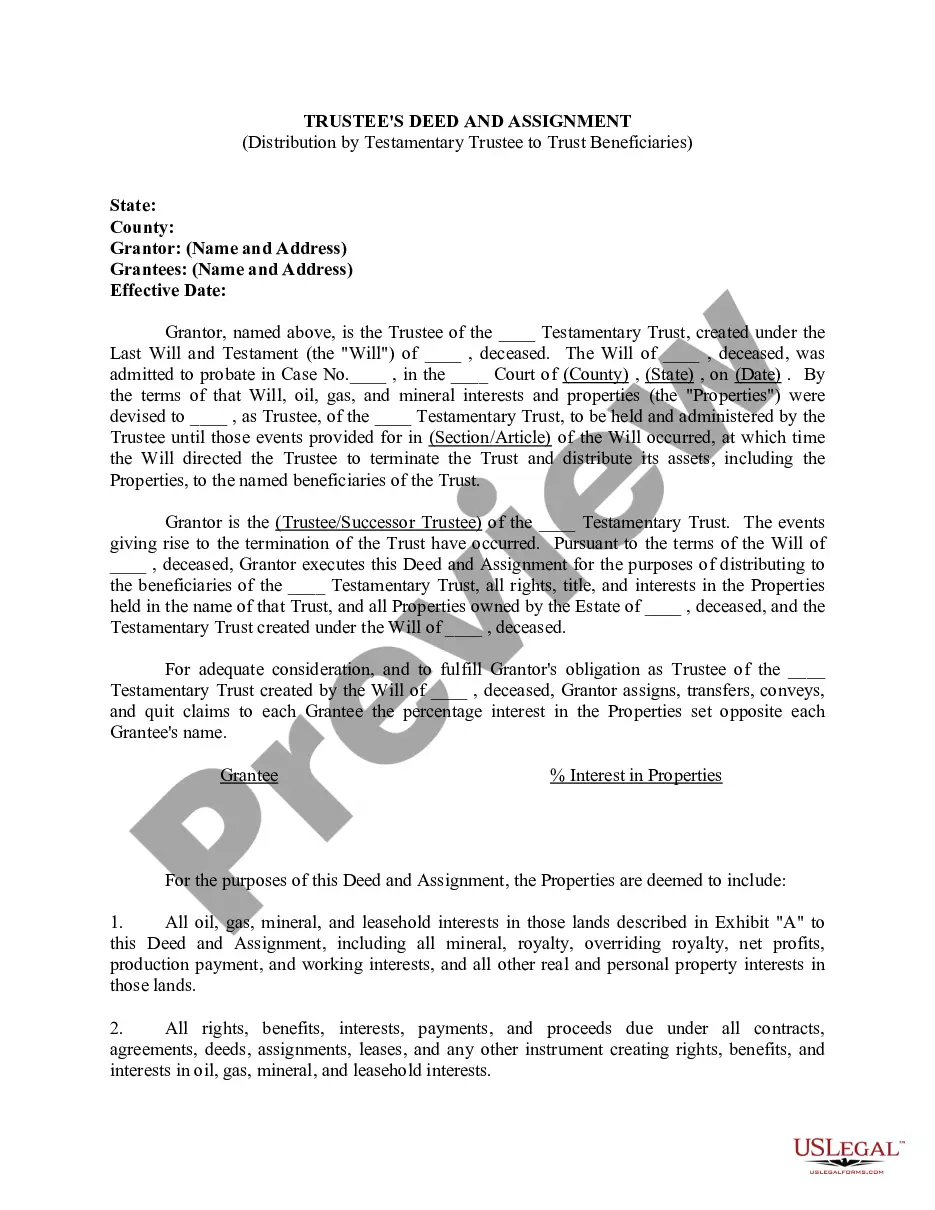
If interests have been conveyed to a trust and the Trustee is prepared to distribute those interests to the beneficiaries named in the trust, this form addresses that situation.
To find out about oil and gas properties held in a trust, you can take a trip to the county clerk's office or check property records—it's like digging for buried treasure!
If a beneficiary disagrees with the Trustee's decisions, they can raise their concerns in court, but it's wise to try talking it out first—often, a little conversation goes a long way.
Generally speaking, a Trustee can sell properties but must act in the best interests of the beneficiaries, so it's like walking a tightrope—balance is key!
When transferring oil and gas properties via a Trustee's Deed, it's essential to ensure the deed is properly executed and recorded to avoid any hiccups down the road.
Including oil and gas properties in a trust helps to manage these valuable assets more efficiently and ensures that the benefits flow to the right people, just like passing down the family recipe.
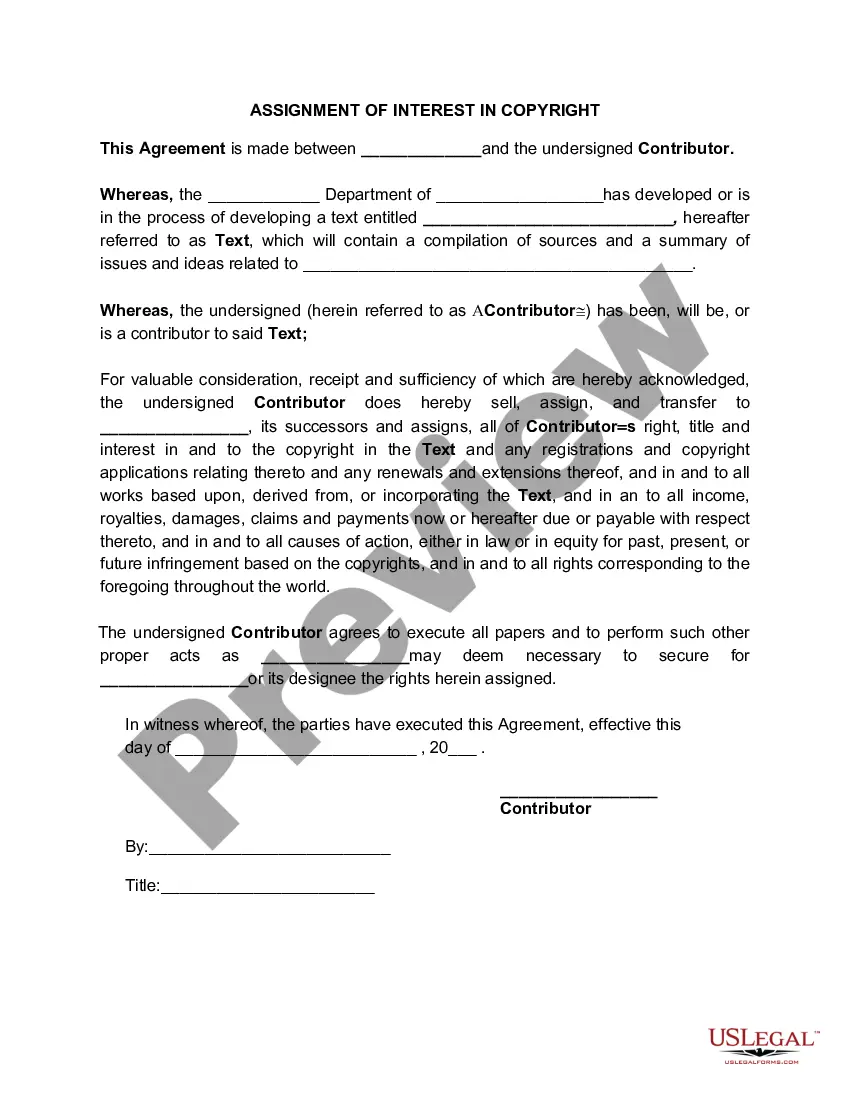
An Assignment for Distribution of Trust spells out how a trust's assets, like oil and gas properties, are allotted to beneficiaries, making sure everyone gets their fair share.
A Trustee's Deed is a legal document that transfers property from a trust to a new owner, ensuring everything's above board in the Lone Star State.