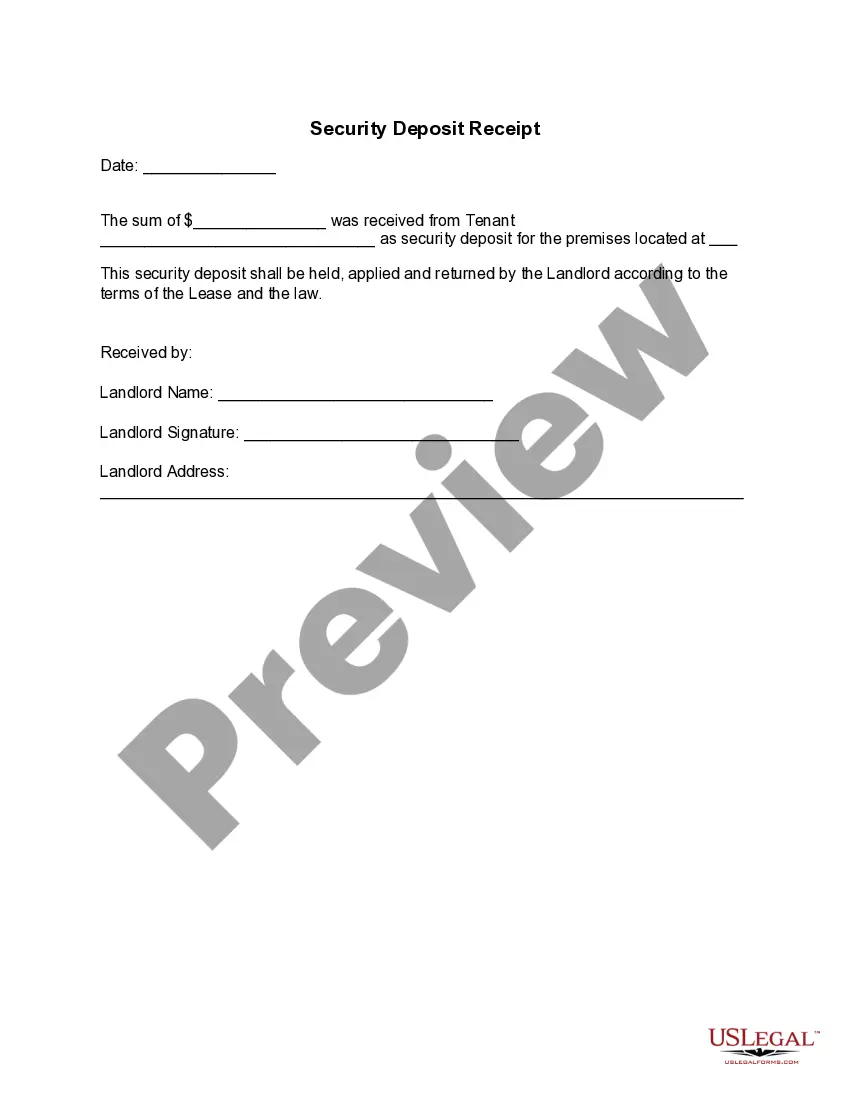
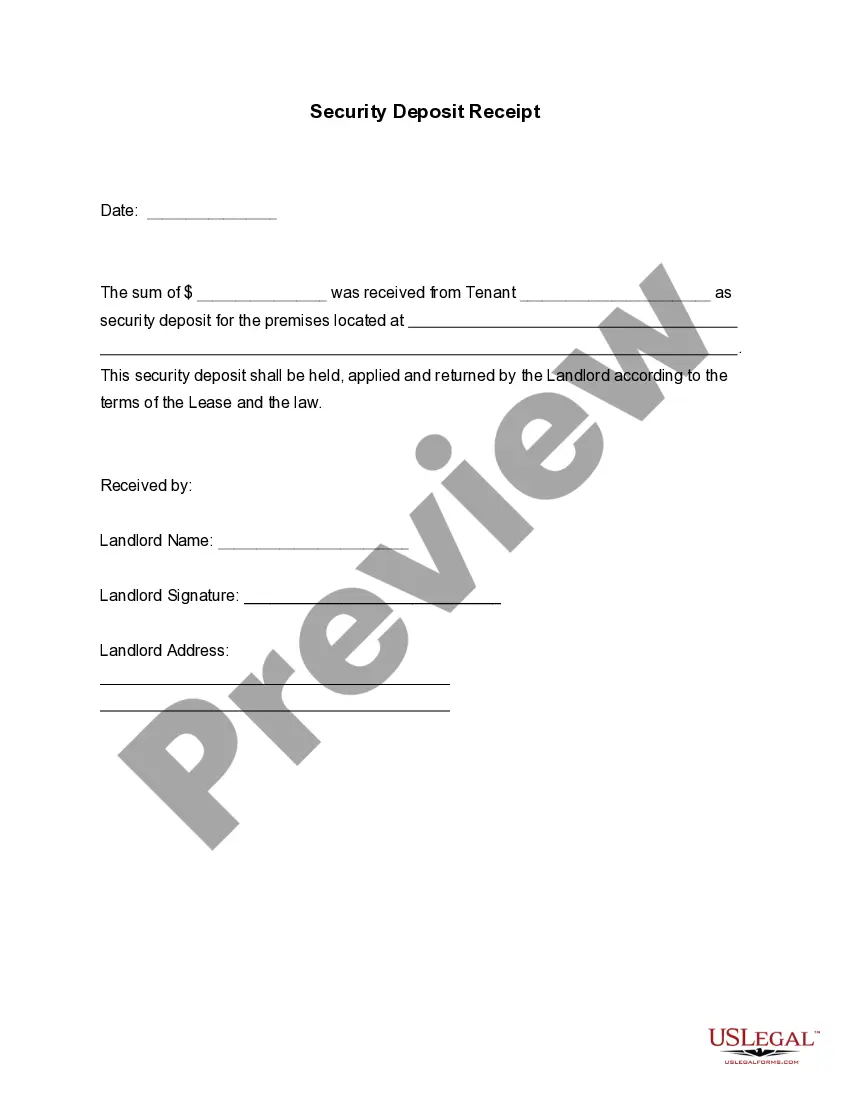
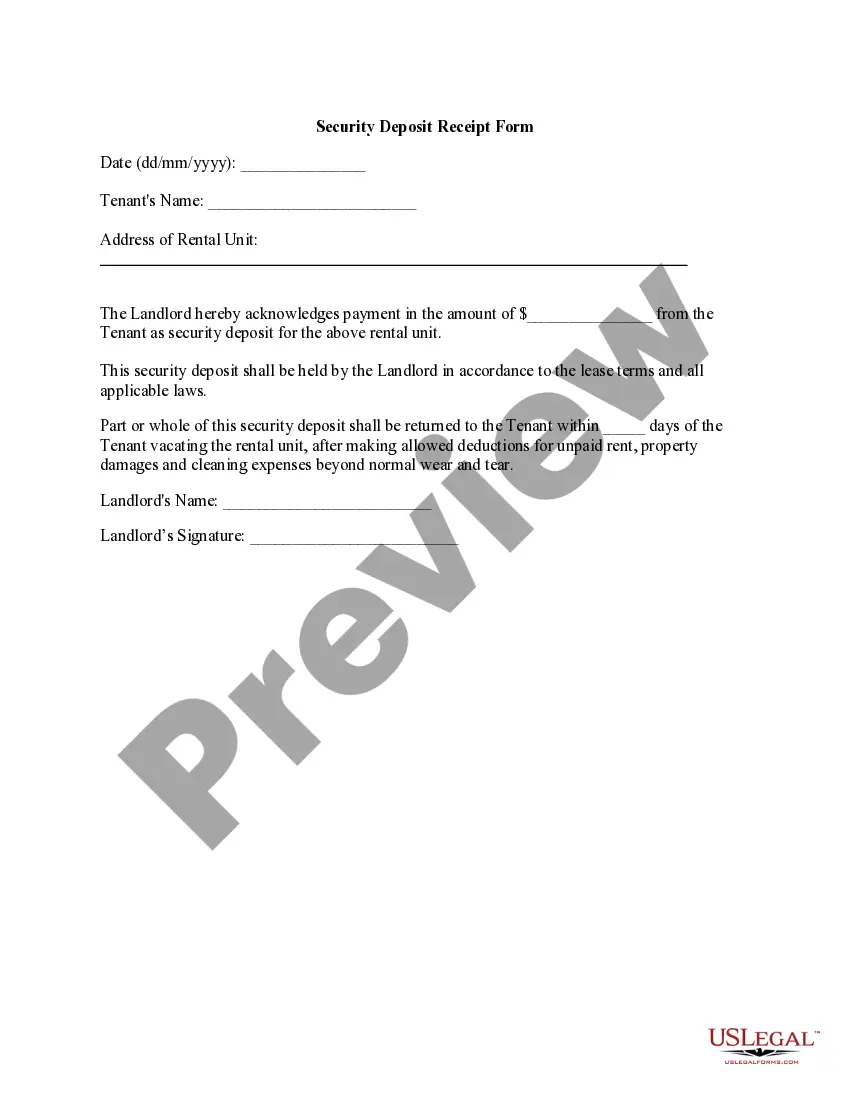
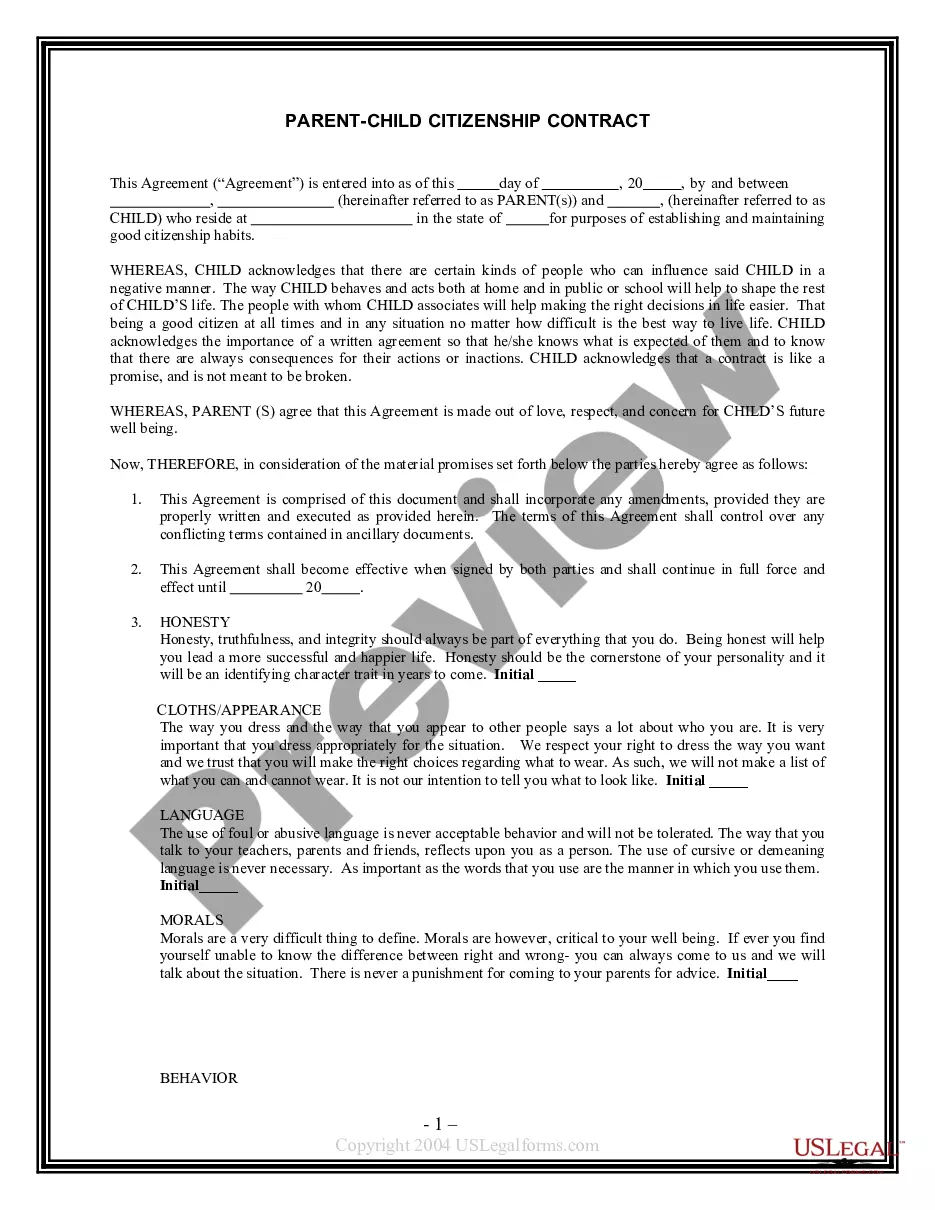
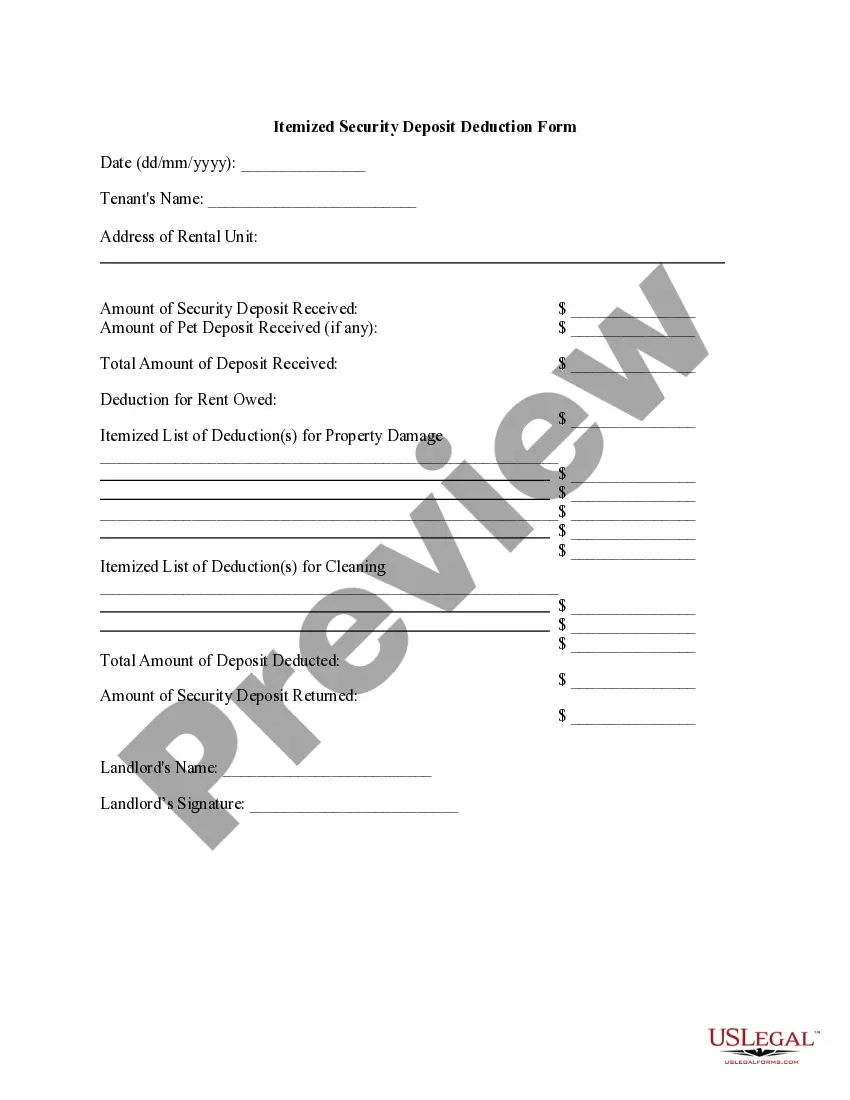
This is a sample Itemized Security Deduction Form. The law requires landlords to give an itemized list when making deductions from tenant security deposit. A disposition of security deposit, or security deposit deduction form, is used by landlords to provide tenants a detailed breakdown of charges applied against the security deposit. Once the tenant has moved out of the rental the landlord must return any unused portion of the security deposit. The form may be customized to suit your needs.
Definitely! A well-structured Itemized Security Deduction Form can serve as solid evidence in a dispute. It will back up your claims, like having a witness at a trial.
Yes, landlords usually need to provide this form along with the remaining amount of your deposit within a certain timeframe, often within 21 days. It's like a ticking clock once you've said goodbye to the property.
If you think the deductions are unfair, you can dispute them. Talk to your landlord first – communication is key! If that doesn’t work, you might want to consider seeking legal advice.
Absolutely! Tenants should receive a copy to check the deductions for accuracy. It’s only fair that you know how they arrived at that final number, like getting your ticket after a concert.
Deductions can include cleaning fees, repairs for damages, or even unpaid rent. It’s the landlord's way of showing what needs to be covered, so there are no surprises when you get your deposit back.
Typically, landlords or property managers fill out this form. It’s their way of breaking down the costs and showing tenants where their deposit went, like laying all the cards on the table.
This form helps you keep track of your security deposit deductions when moving out of a rental property. It’s like taking a snapshot of what you should get back and what the landlord might keep.
Trusted and secure by over 3 million people of the world’s leading companies
Bakersfield California Itemized Security Deduction Form