Living Trust

Create a living trust to manage and distribute assets during life and after death. Attorney-drafted templates make setup simple, secure, and quick to complete online.

intro Living Trust
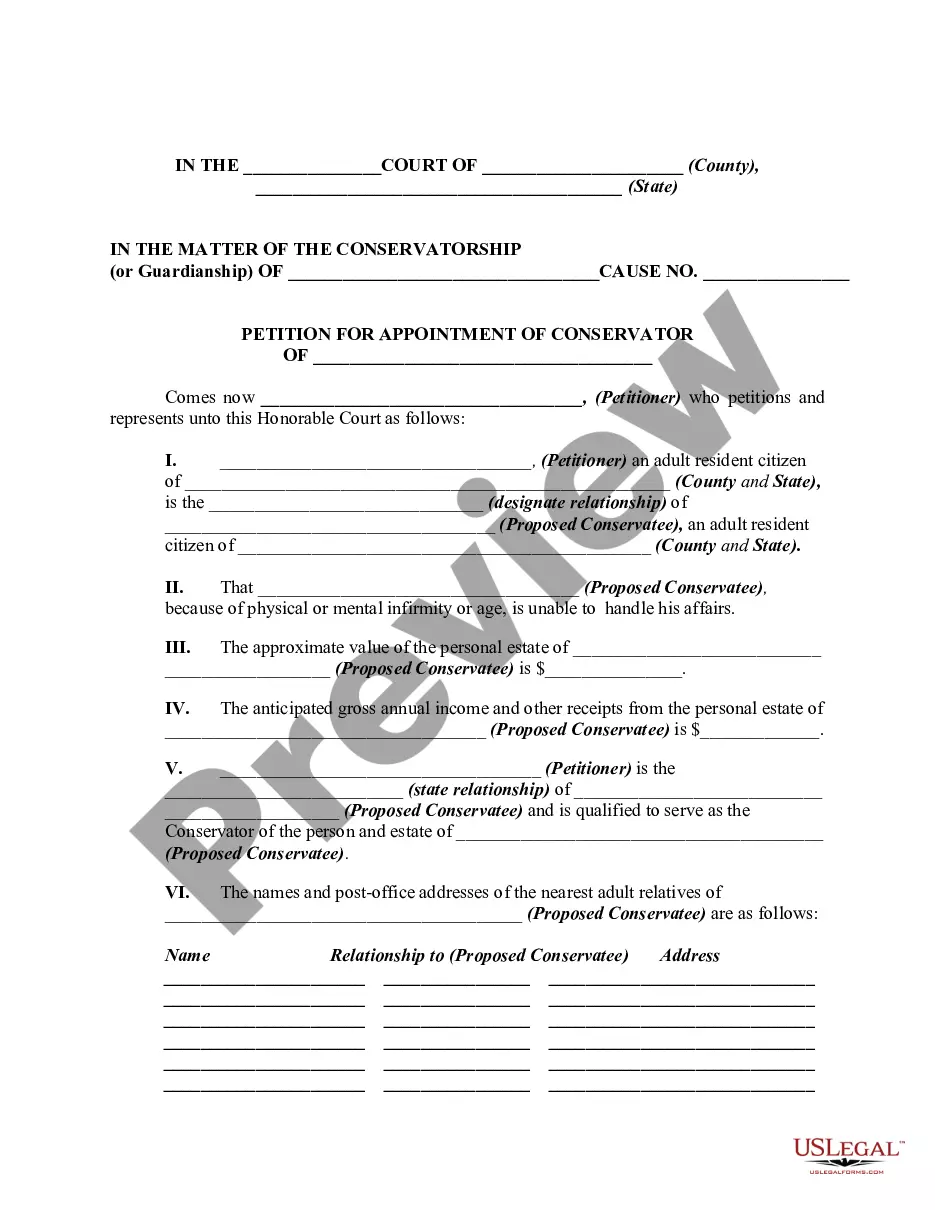
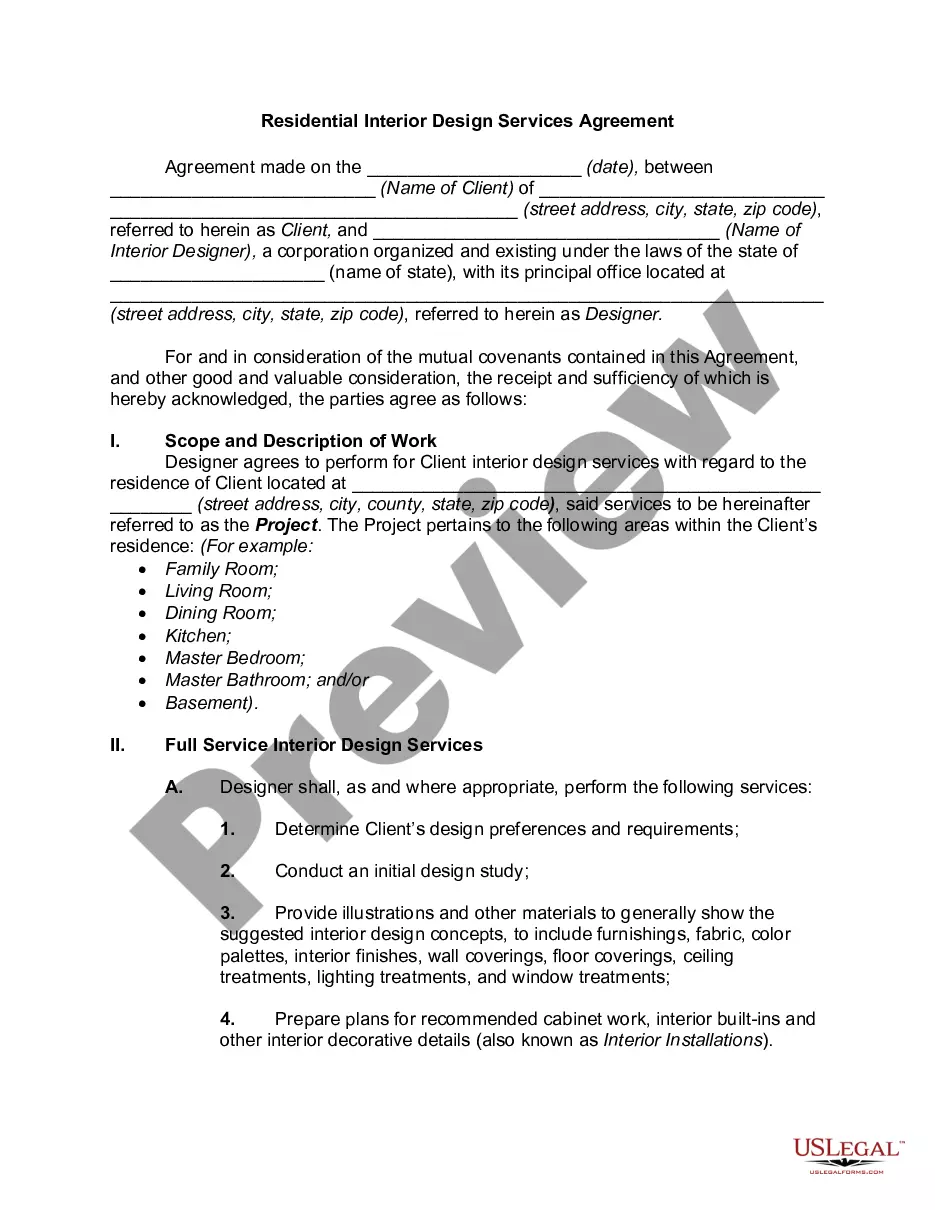
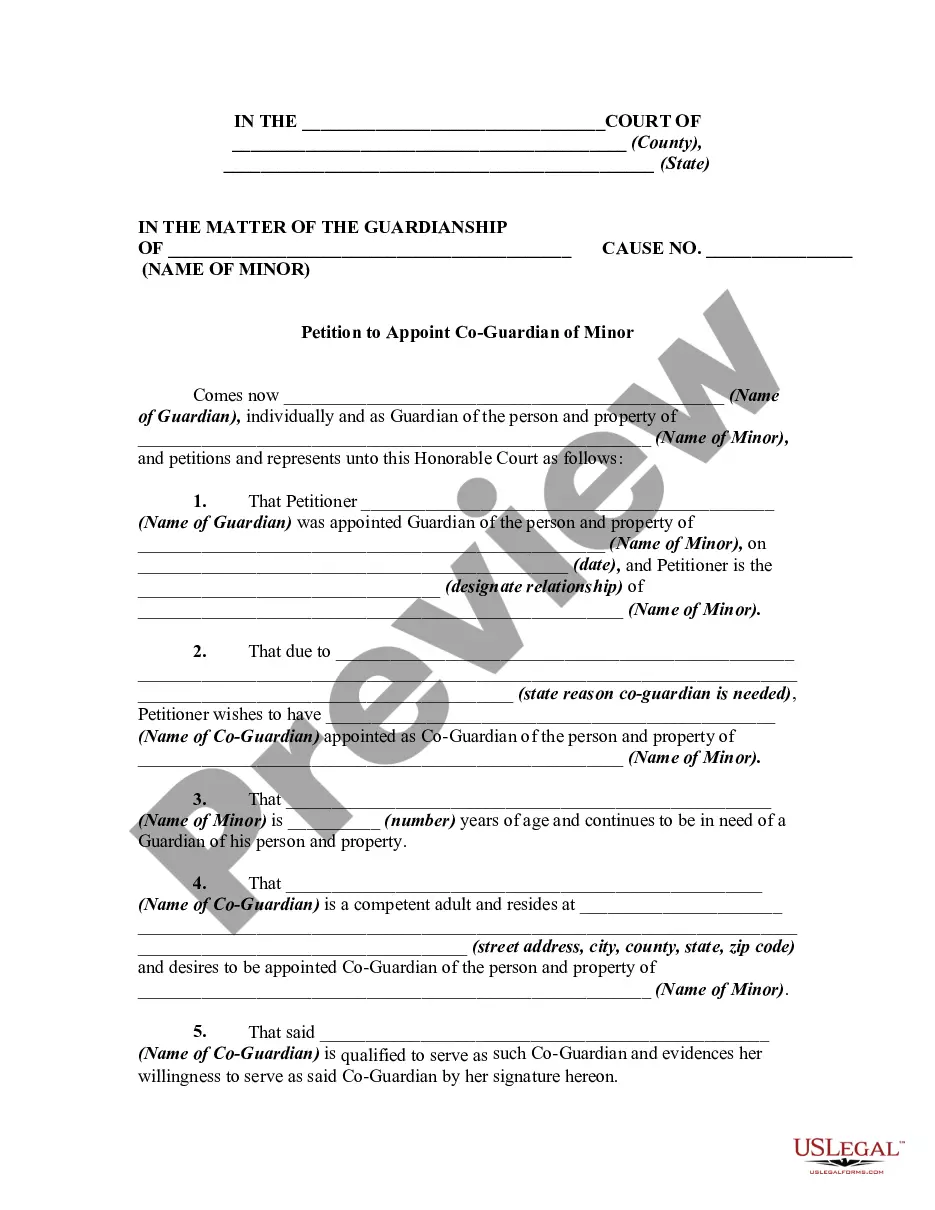
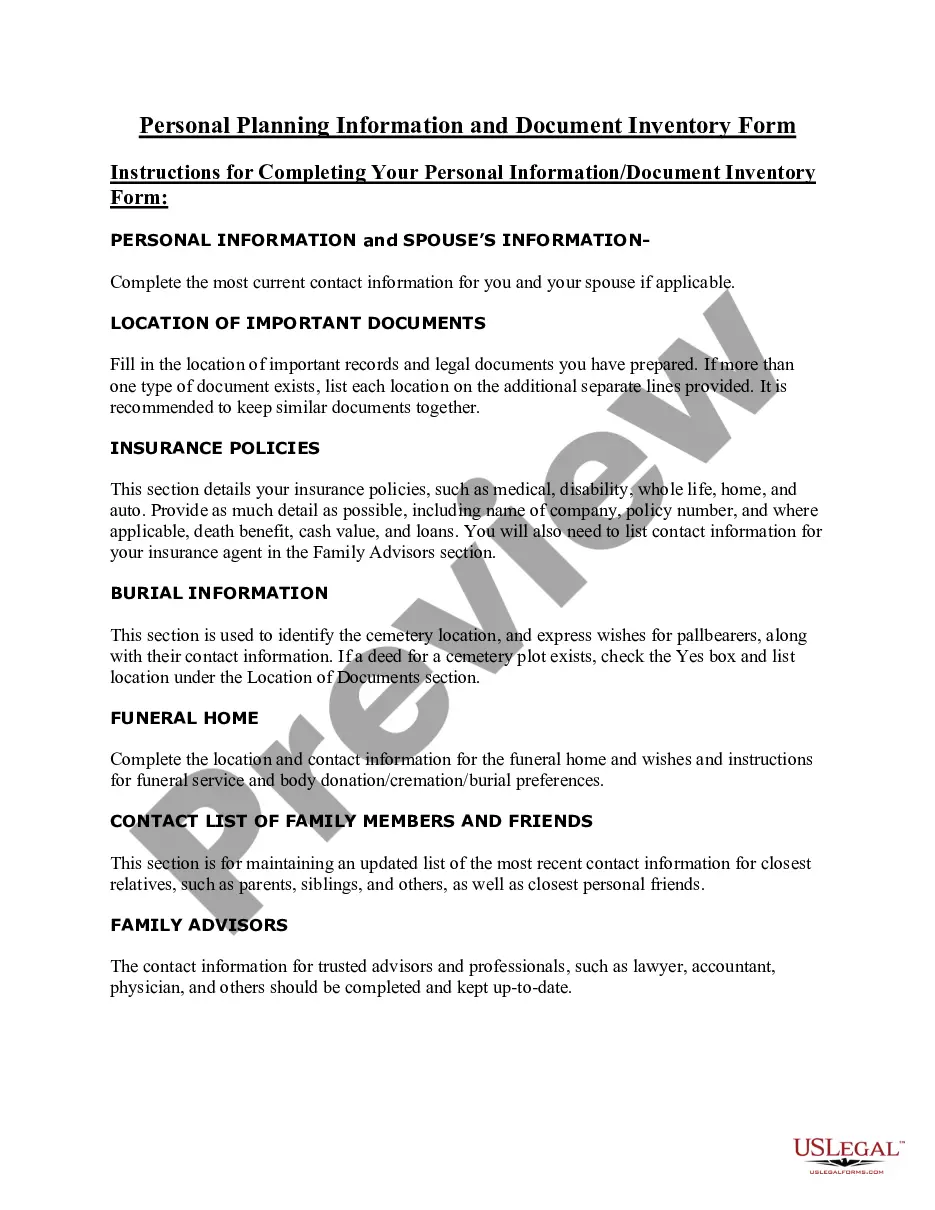
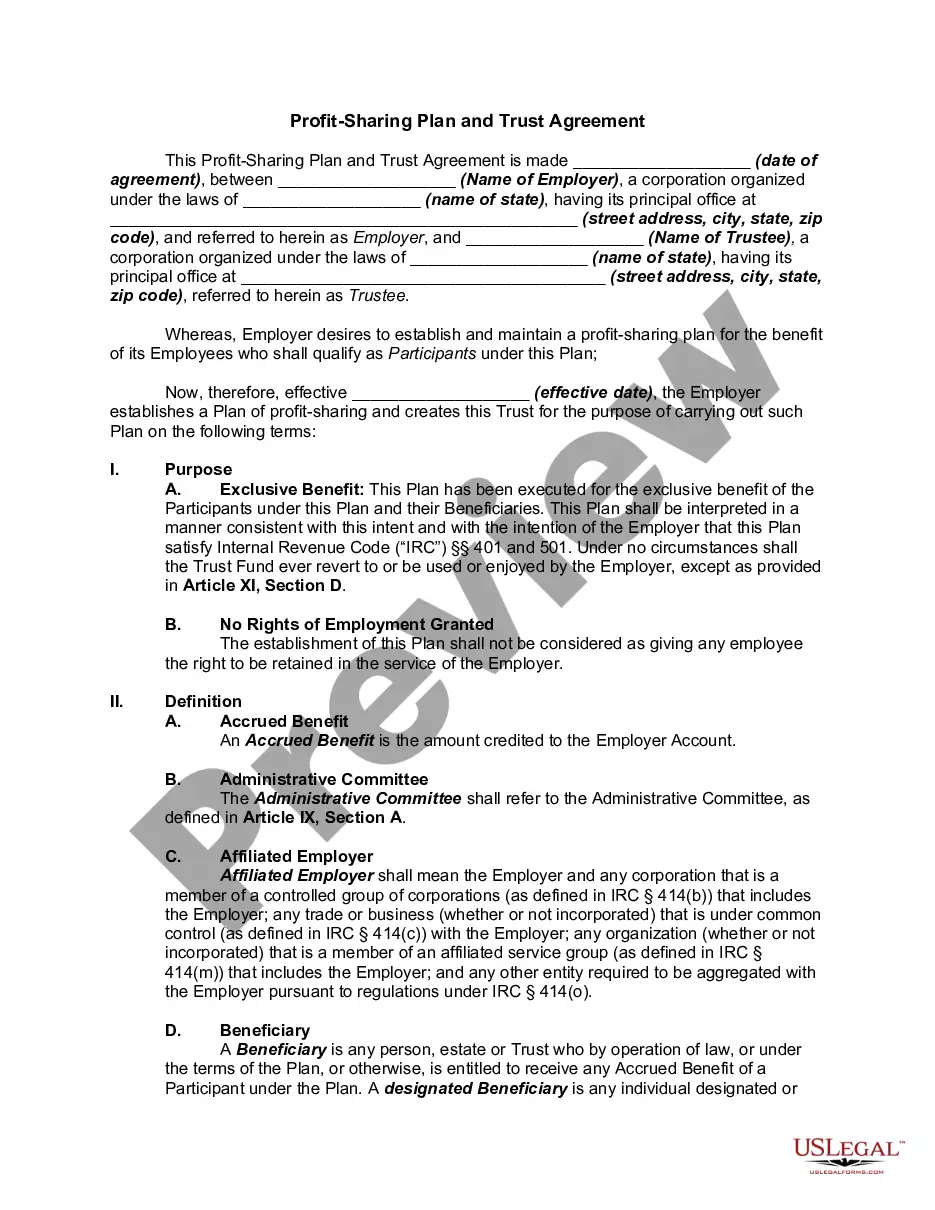
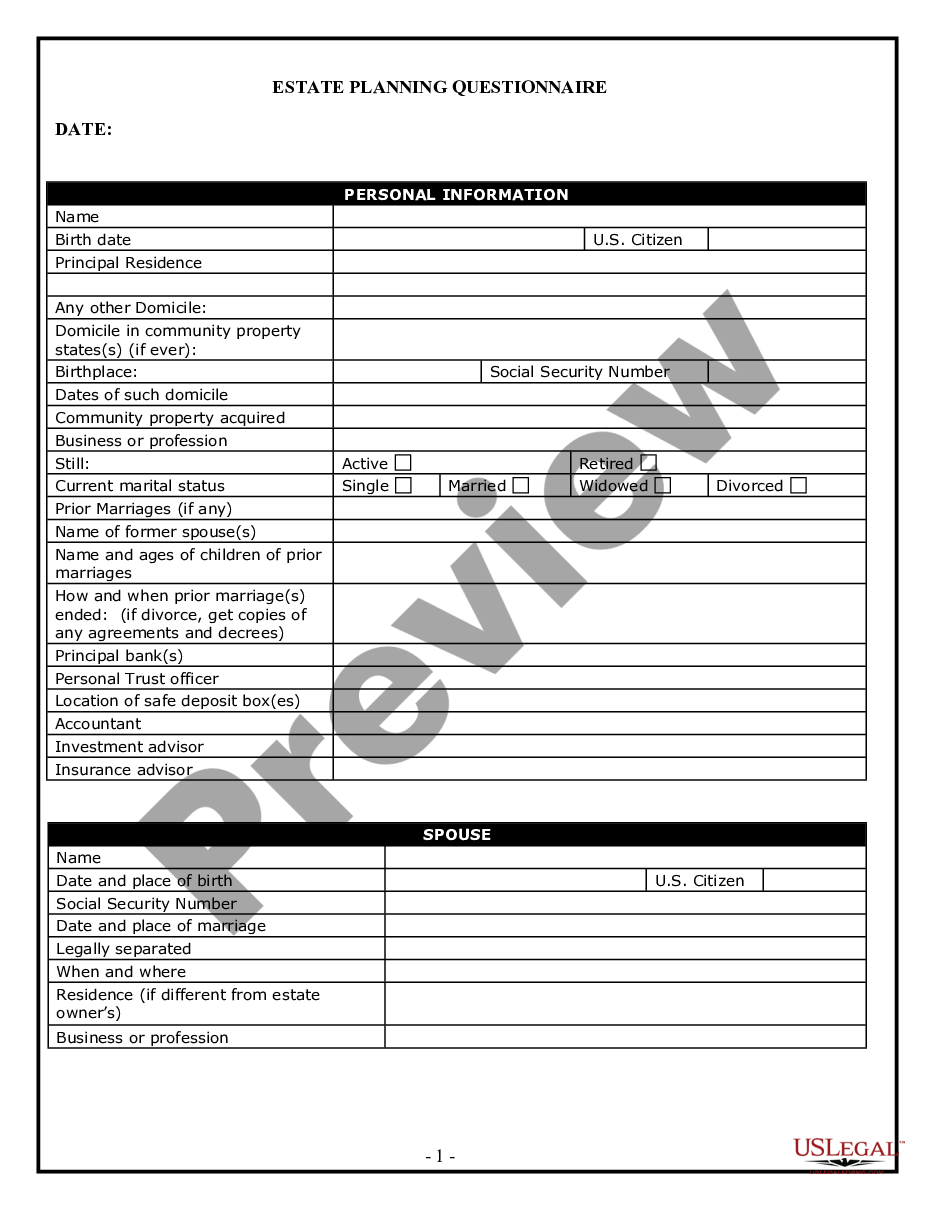
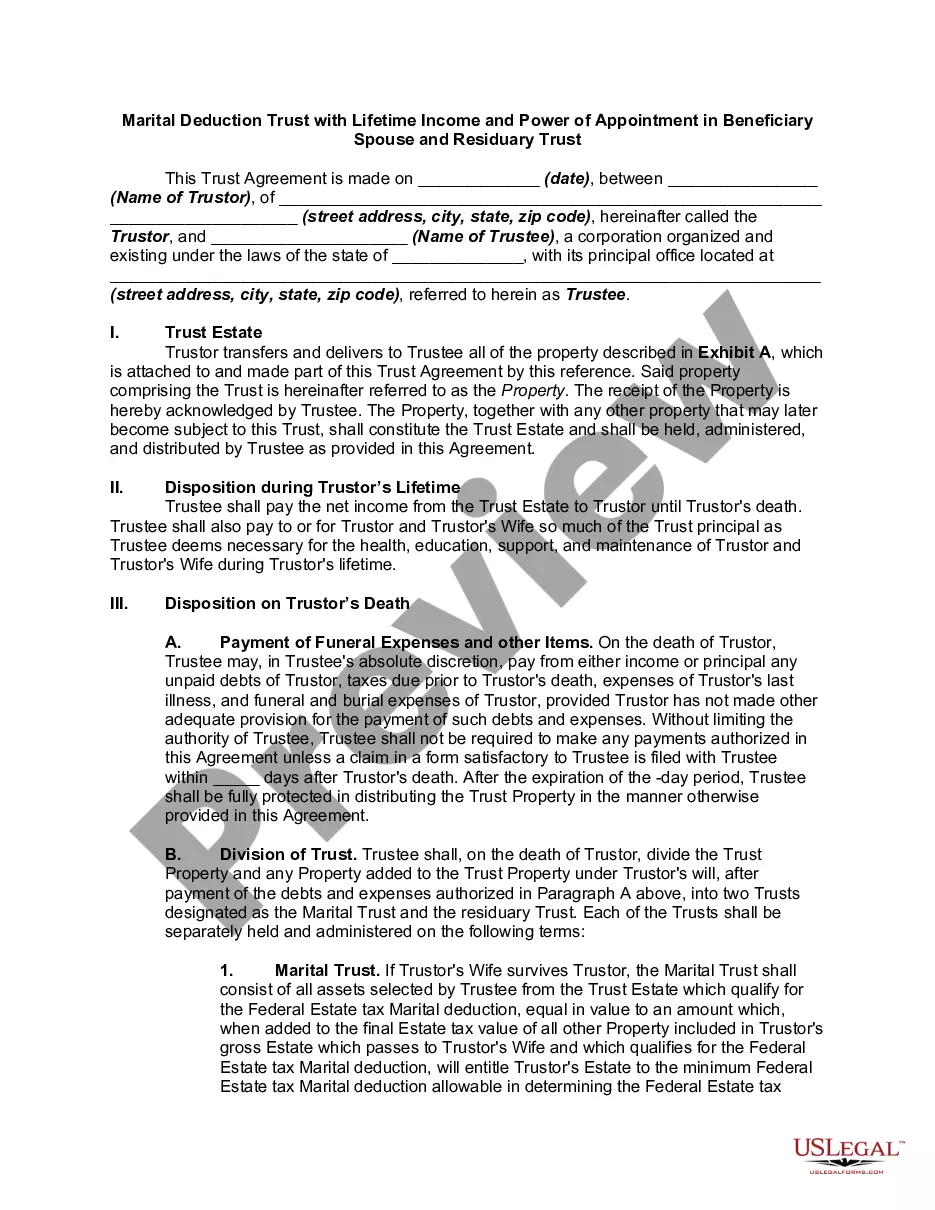
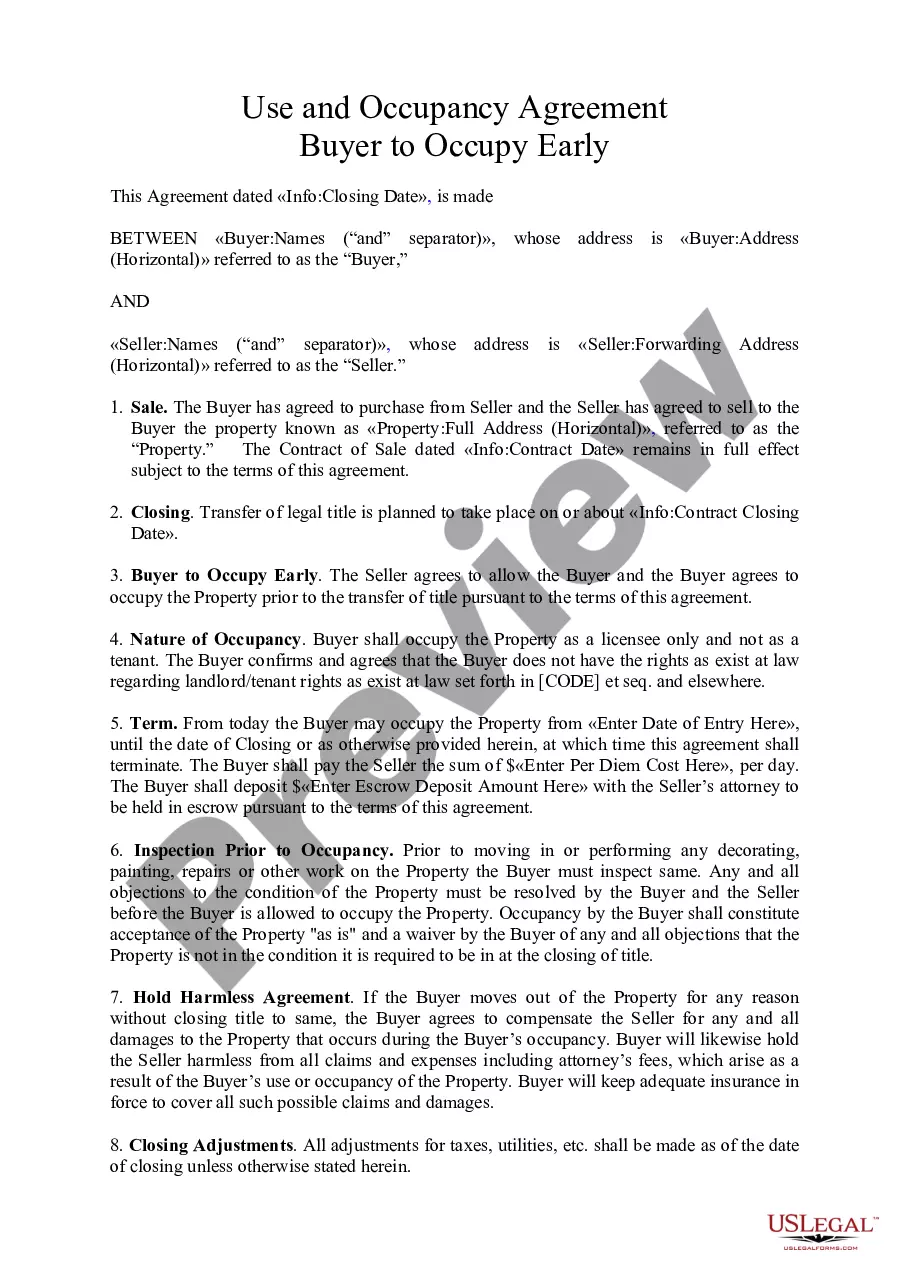
Form preview

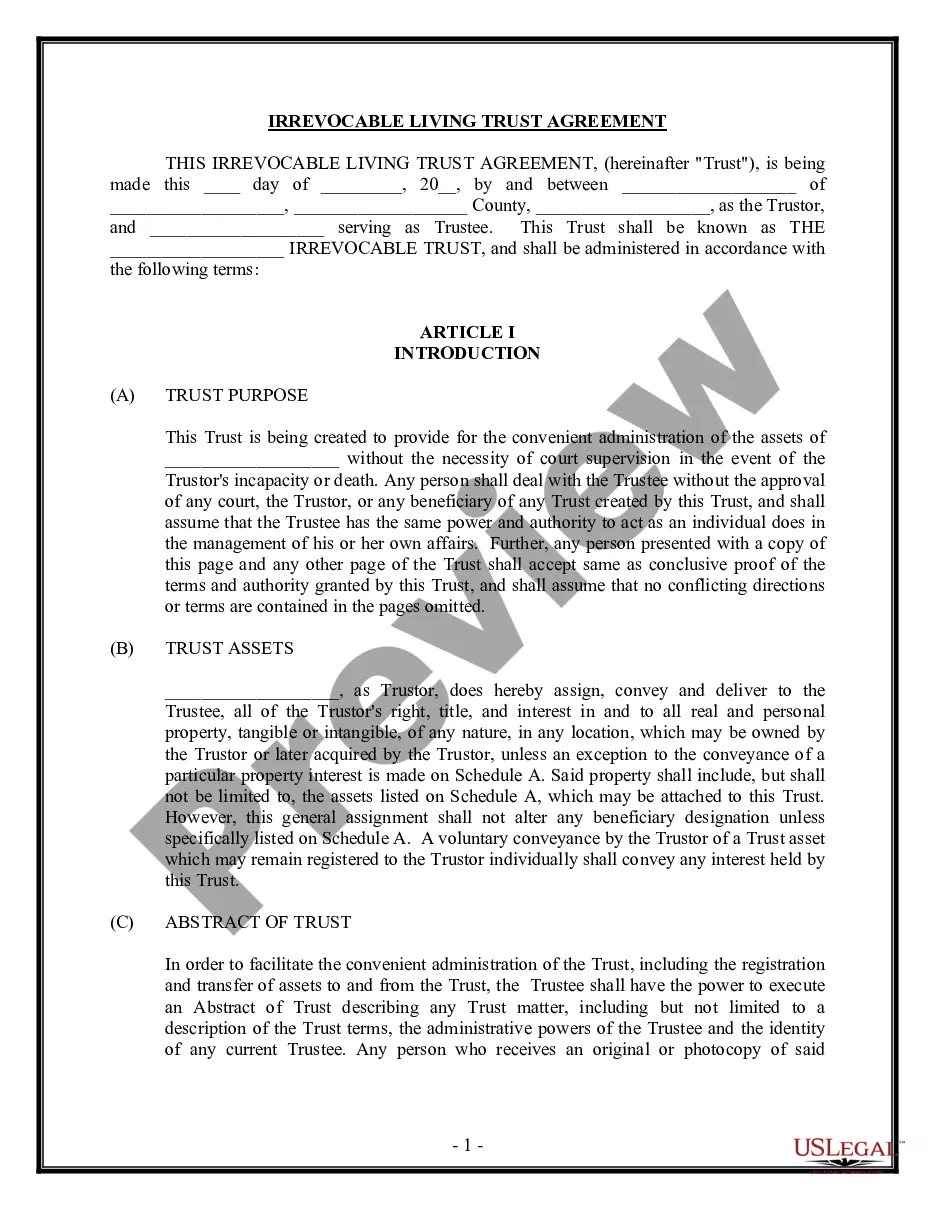
Living Trust - Irrevocable

Ensure your assets are managed without court involvement during incapacity or after death.

View form

Common Living Trust documents

  • Revocable Living Trust Agreement — Establishes ownership and management of assets during life and after death.
  • Amendment to Living Trust — Updates terms or beneficiaries without replacing the entire trust.
  • Revocation of Living Trust — Cancels or dissolves an existing trust.
  • Joint Living Trust — Combines assets of spouses or partners under one trust.
  • Declaration of Trust — Records creation of the trust and identifies the grantor and trustee.
  • Trust Property Schedule — Lists assets included in the trust for recordkeeping.
  • Trustee Appointment or Resignation — Documents a change in who manages the trust.

Similar documents: key differences

  • Living Trust vs. Will — A will takes effect at death; a trust works during life and after.
  • Revocable Trust vs. Irrevocable Trust — Revocable can be changed; irrevocable generally cannot.
  • Grantor Trust vs. Family Trust — Grantor trust focuses on tax ownership; family trust names family beneficiaries.
  • Individual Living Trust vs. Joint Living Trust — Individual covers one person; joint includes two or more.
  • Declaration of Trust vs. Trust Agreement — Often interchangeable; both establish the trust’s terms.
  • Revocable Management Trust vs. Revocable Declaration of Trust — Both mean the grantor keeps control; names vary by state.

How to get started

Start in minutes with these simple steps.

  • Find the living trust template that fits your situation.
  • Review the description, preview, and signing details.
  • Access the full document with your subscription.
  • Complete it in the online editor and add your details.
  • Export or send — download, email, mail, notarize online, or e-sign (Premium).

FAQs

A will names who receives your property, but it still goes through probate. A living trust transfers property privately and often faster.

State law decides who inherits your property, and a court may appoint someone to manage your estate.

Review it every few years or after major life changes like marriage, divorce, or new property.

Accounts with named beneficiaries, such as life insurance, pass directly to them, not through the trust.

Yes. A trustee can manage assets, while another person may hold power of attorney for health care.

Glossary

  • Grantor/Trustor — Person who creates the trust.
  • Trustee — Person or entity managing trust property.
  • Beneficiary — Person or group receiving trust benefits.
  • Revocable Trust — Can be changed or ended anytime.
  • Irrevocable Trust — Cannot be easily changed once signed.
  • Successor Trustee — Steps in if the trustee cannot serve.
  • Corpus — Property or assets held by the trust.
  • Probate — Court process for settling an estate.
  • Living Trust Agreement — Main document establishing the trust.
  • Declaration of Trust — Formal statement that the trust exists.

Trusted by over 3 million people of the world’s leading companies