South Carolina Living Trust
Living Trusts help manage your assets during your lifetime and beyond. Attorney-drafted templates are quick and easy to fill out.

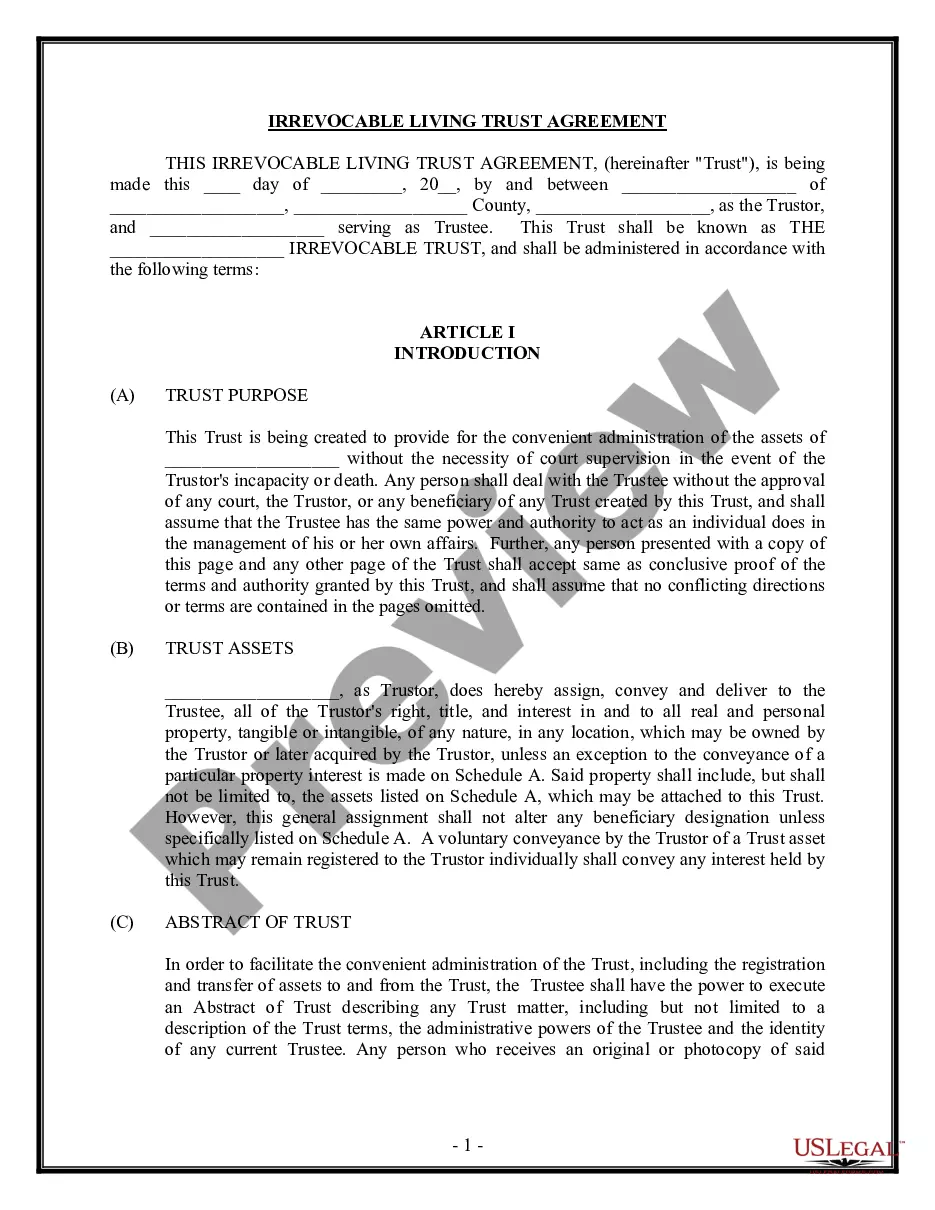
Living Trust - Irrevocable
PopularEstablishes an irrevocable living trust to manage and transfer assets during and after your lifetime, bypassing the probate process.
Similar documents: key differences
- Living Trust vs. Will — a Living Trust manages assets during life; a Will only takes effect after death.
- Revocable Trust vs. Irrevocable Trust — a Revocable Trust can be changed; an Irrevocable Trust cannot.
- Grantor Trust vs. Non-Grantor Trust — a Grantor Trust allows the creator to retain control; a Non-Grantor Trust does not.
- Family Trust vs. Personal Trust — a Family Trust benefits family members; a Personal Trust can benefit individuals or groups.
Search for more forms
Types of Living trusts forms
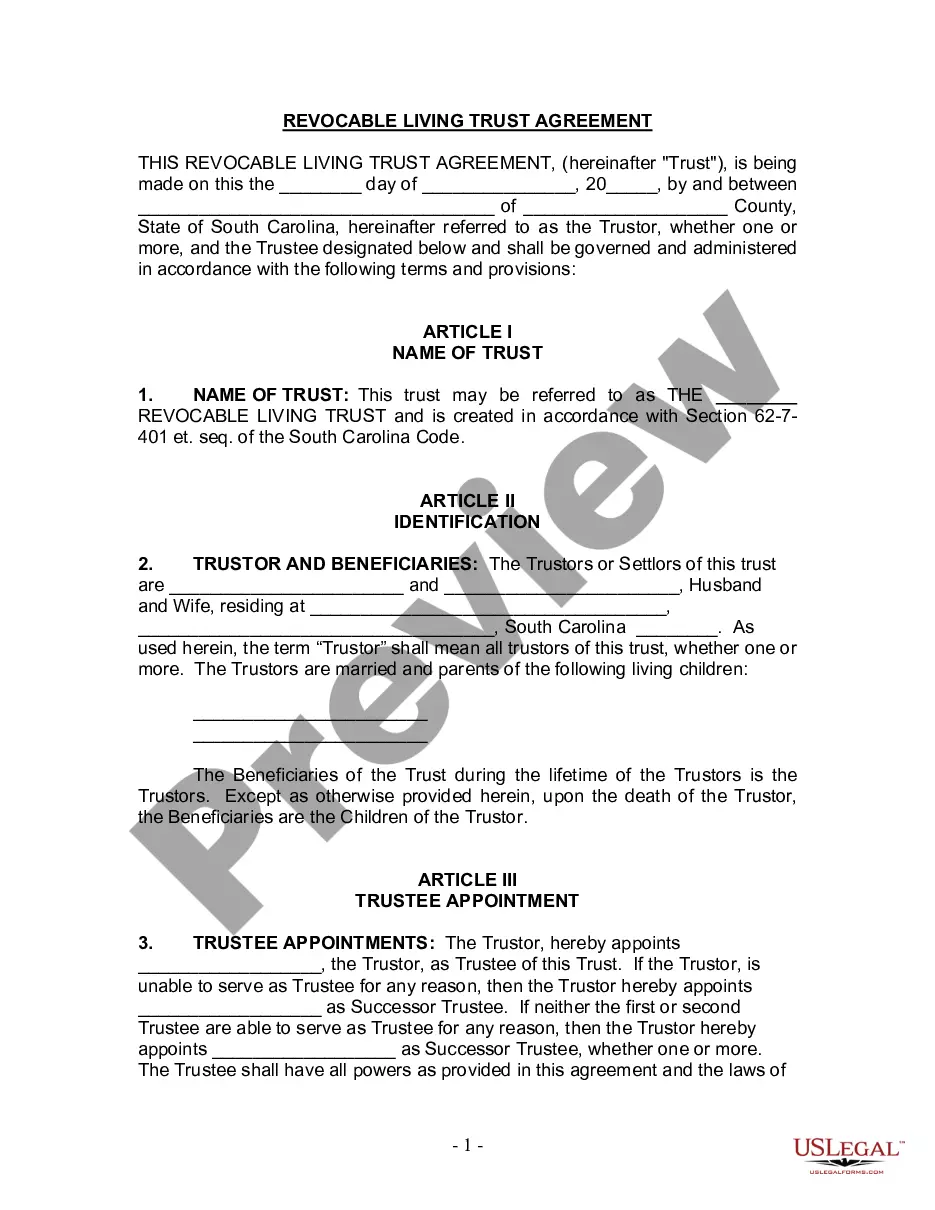
Revocable for Married Couple
Create a flexible estate plan that lets married couples manage and transfer their assets easily and efficiently.
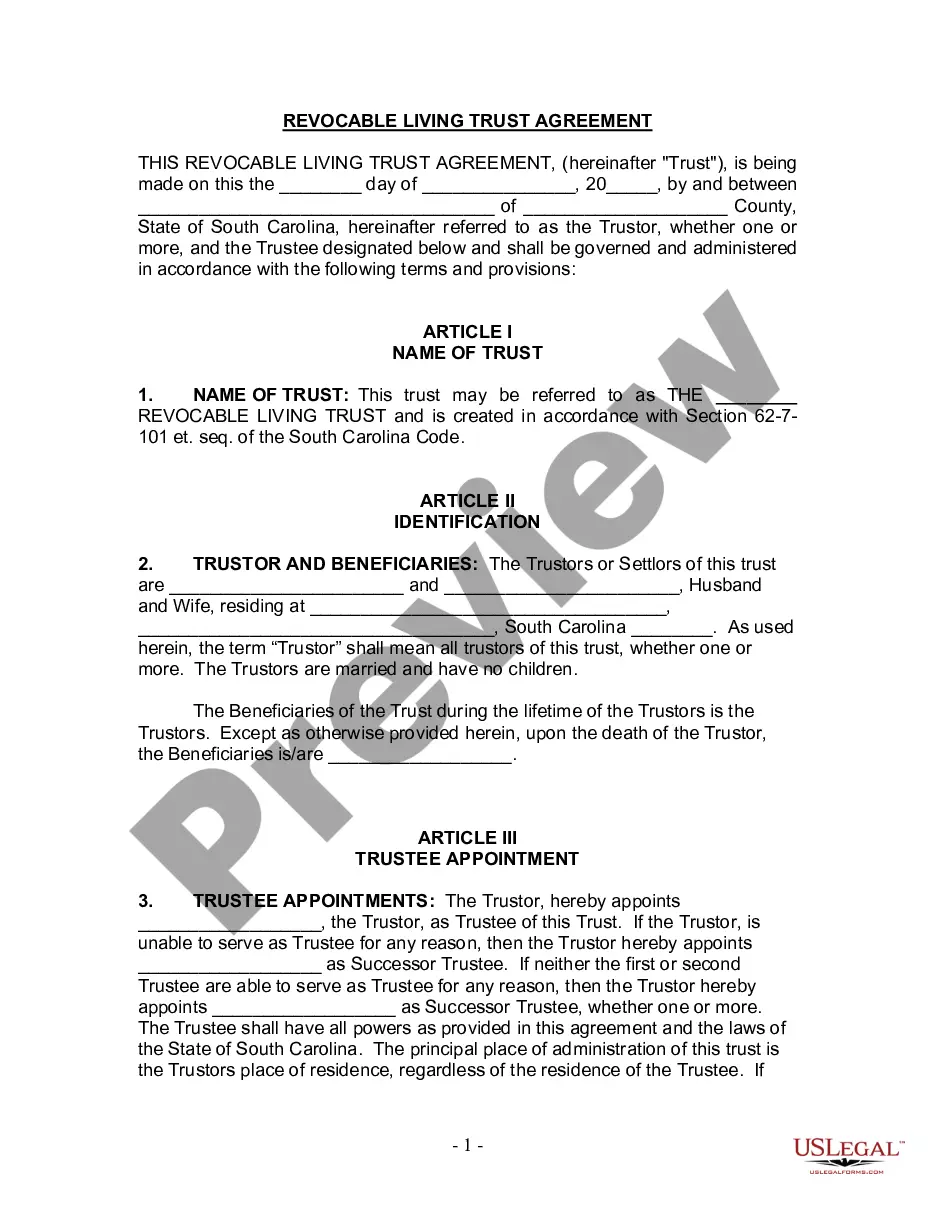
Husband and Wife with No Children
Create a trust to manage and distribute assets during your lifetime and after death, ensuring peace of mind for spouses without children.
Husband and Wife with Minor
Create a trust to manage and distribute your assets for the benefit of your spouse and children.
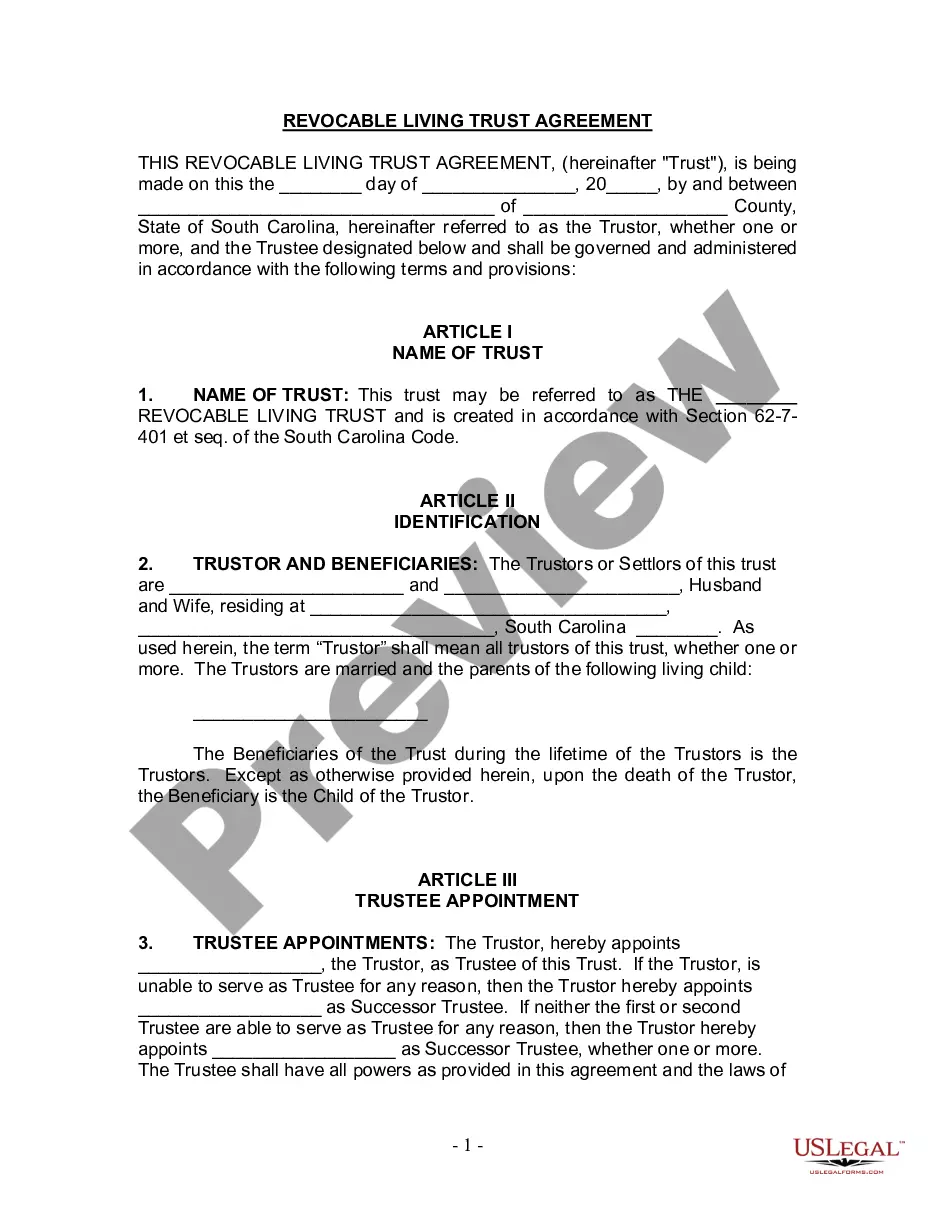
Husband and Wife with One Child
Create a revocable trust to manage and distribute assets between partners while ensuring the child's future needs are met.
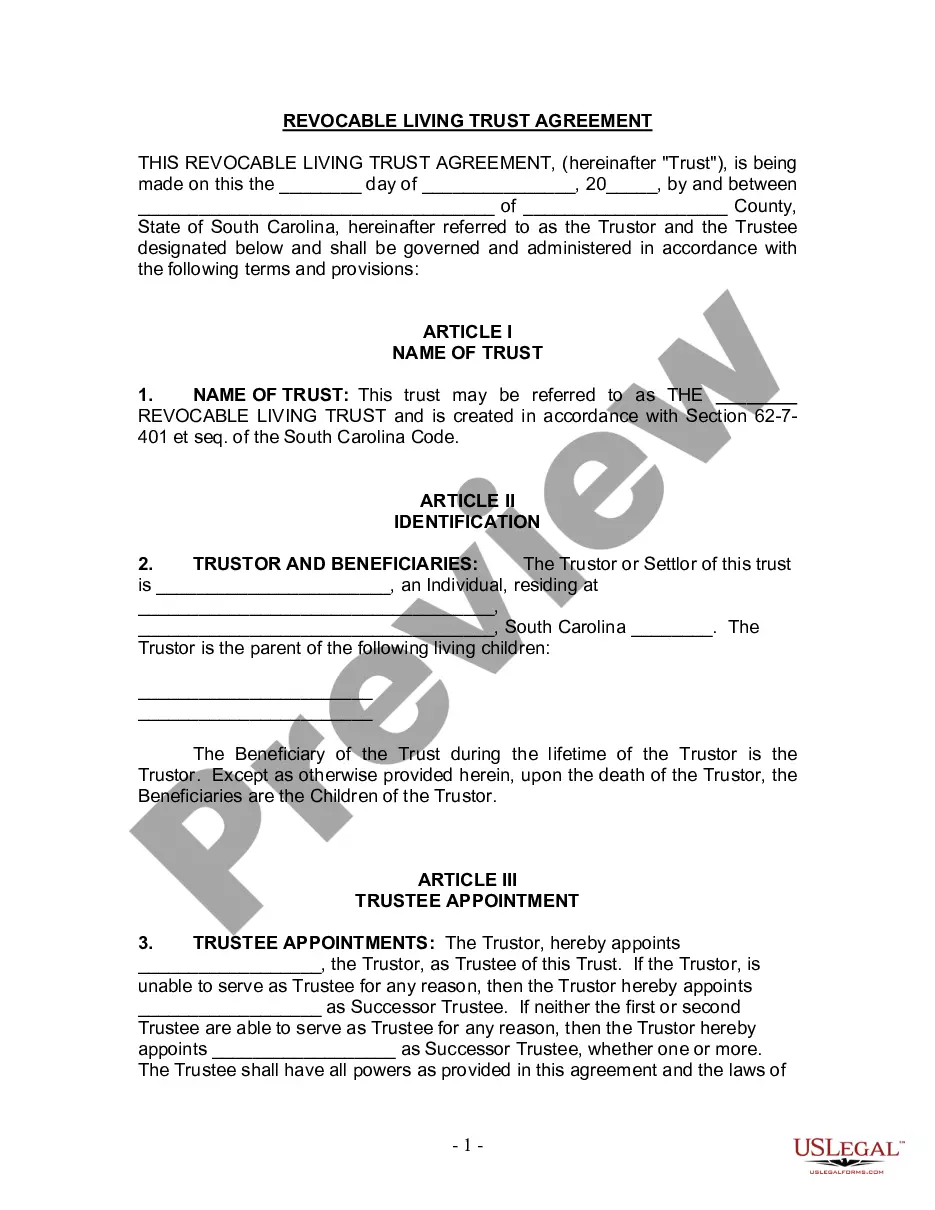
Revocable for Single Person
Establish a flexible estate plan that you can modify anytime, making it ideal for individuals managing their own assets.
Living Trust - Basic Revocable
Create a personalized estate plan that allows you to manage and distribute your assets during your lifetime and after your passing.
Irrevocable
Ensure your assets are managed without court involvement during incapacity or after death.
Individual Who Is Single, Divorced
Secure your children's future with a revocable living trust, designed specifically for single, divorced, or widowed individuals with children.
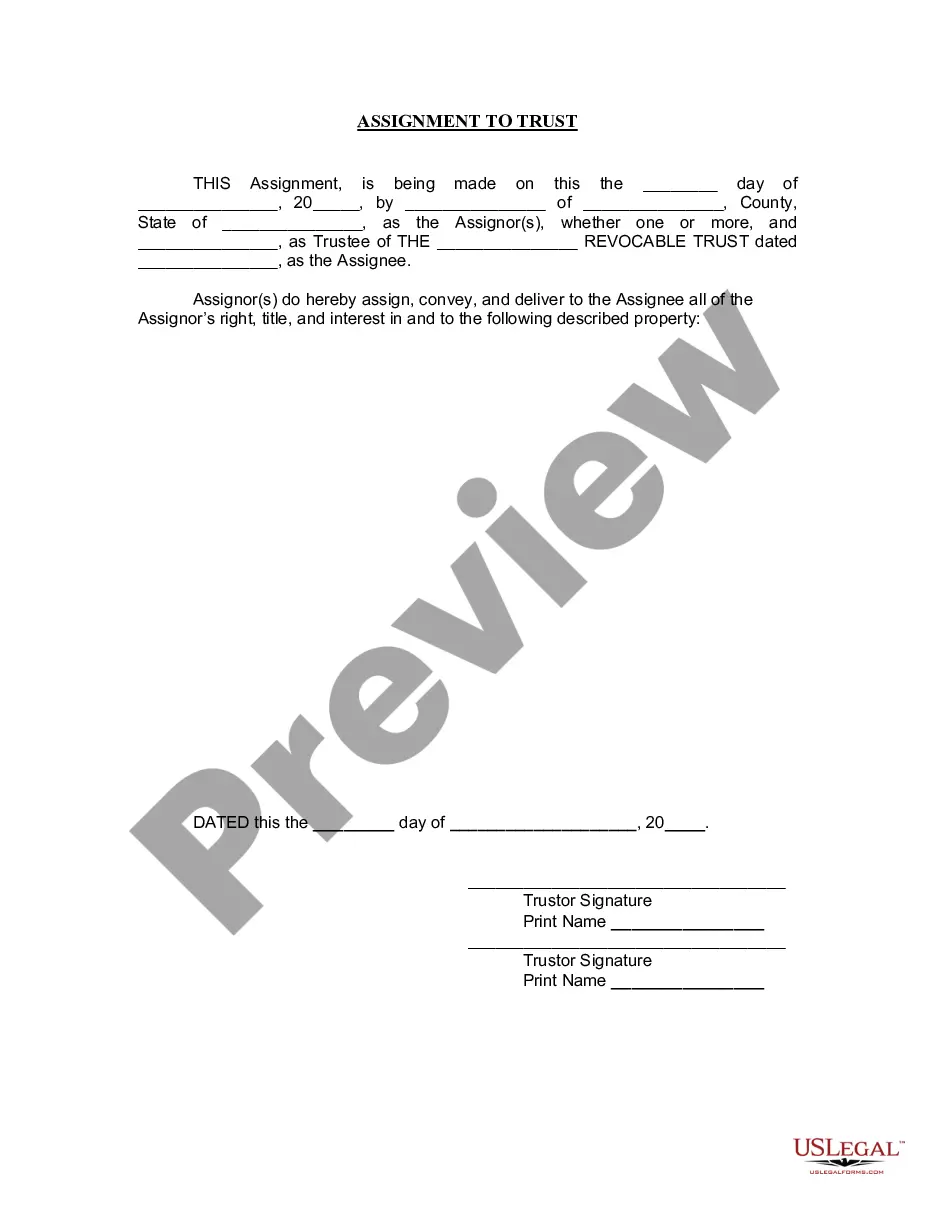
Assignment
Safeguard your assets by transferring ownership to a living trust, ensuring they are managed according to your wishes and avoiding probate.
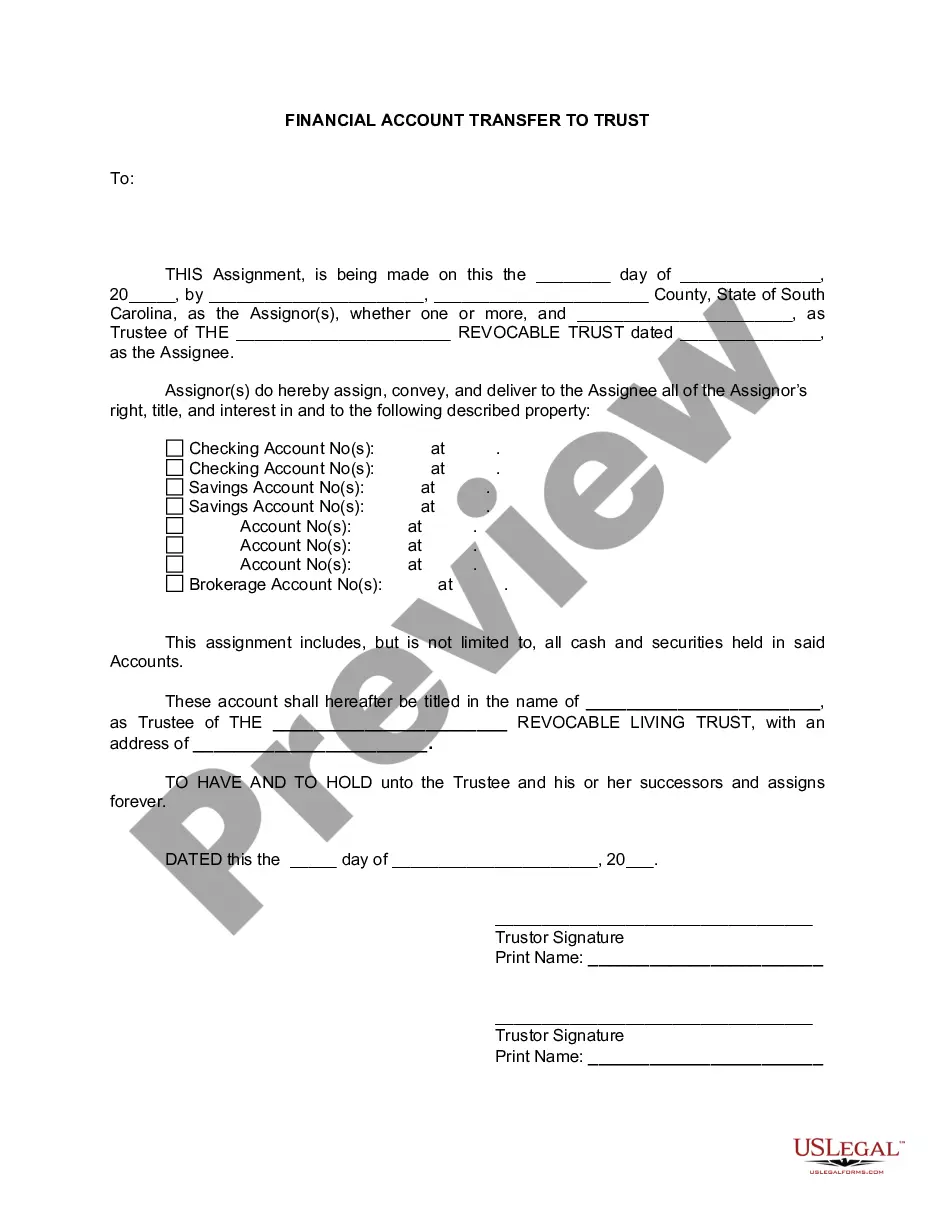
Financial Account Transfer
Transfer your financial accounts into a living trust to ensure proper management and distribution of your assets.
Letter to Lienholder
Notify lienholders of property transfers to a living trust, ensuring proper record updates.
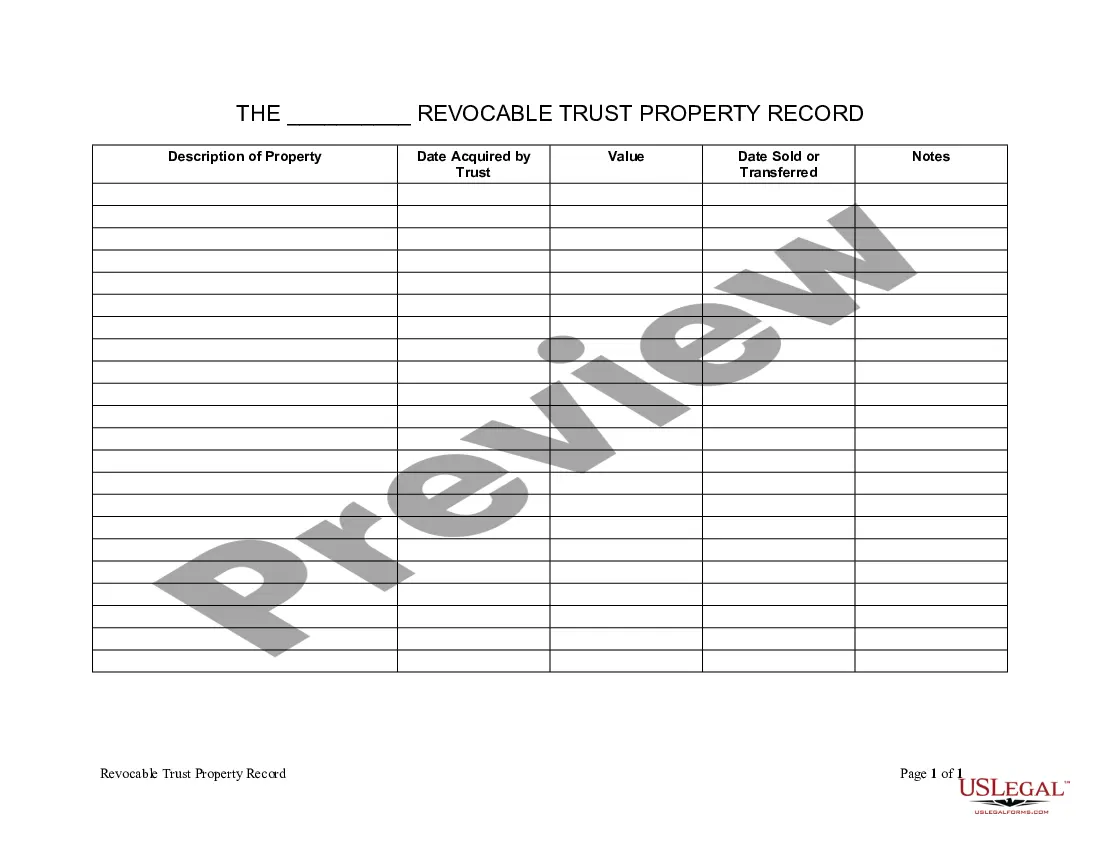
Property Record
Record and manage the assets held within a living trust to ensure clear documentation and organization.
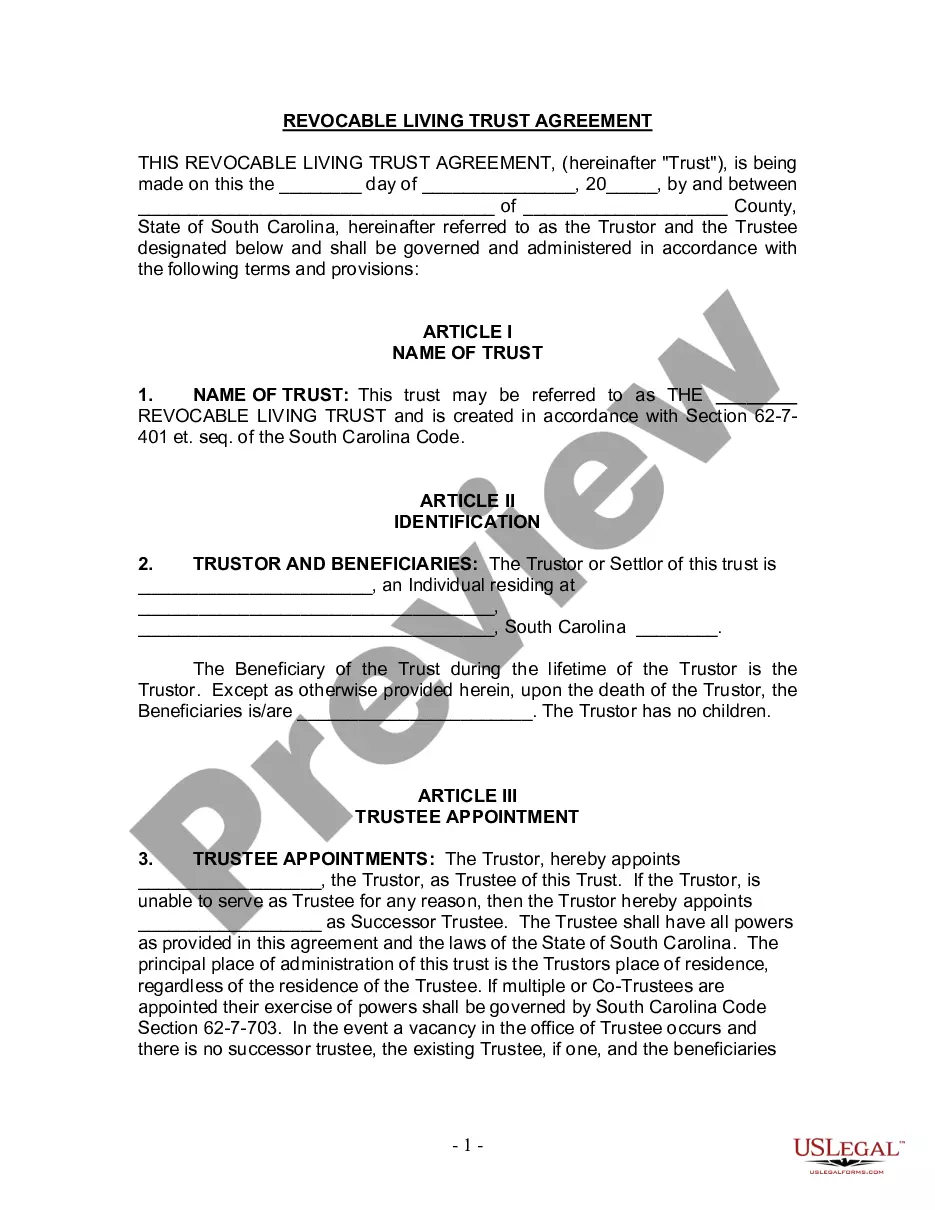
Individual Who Is Single, Divorced
Create a flexible estate plan without children to manage your assets and avoid probate.
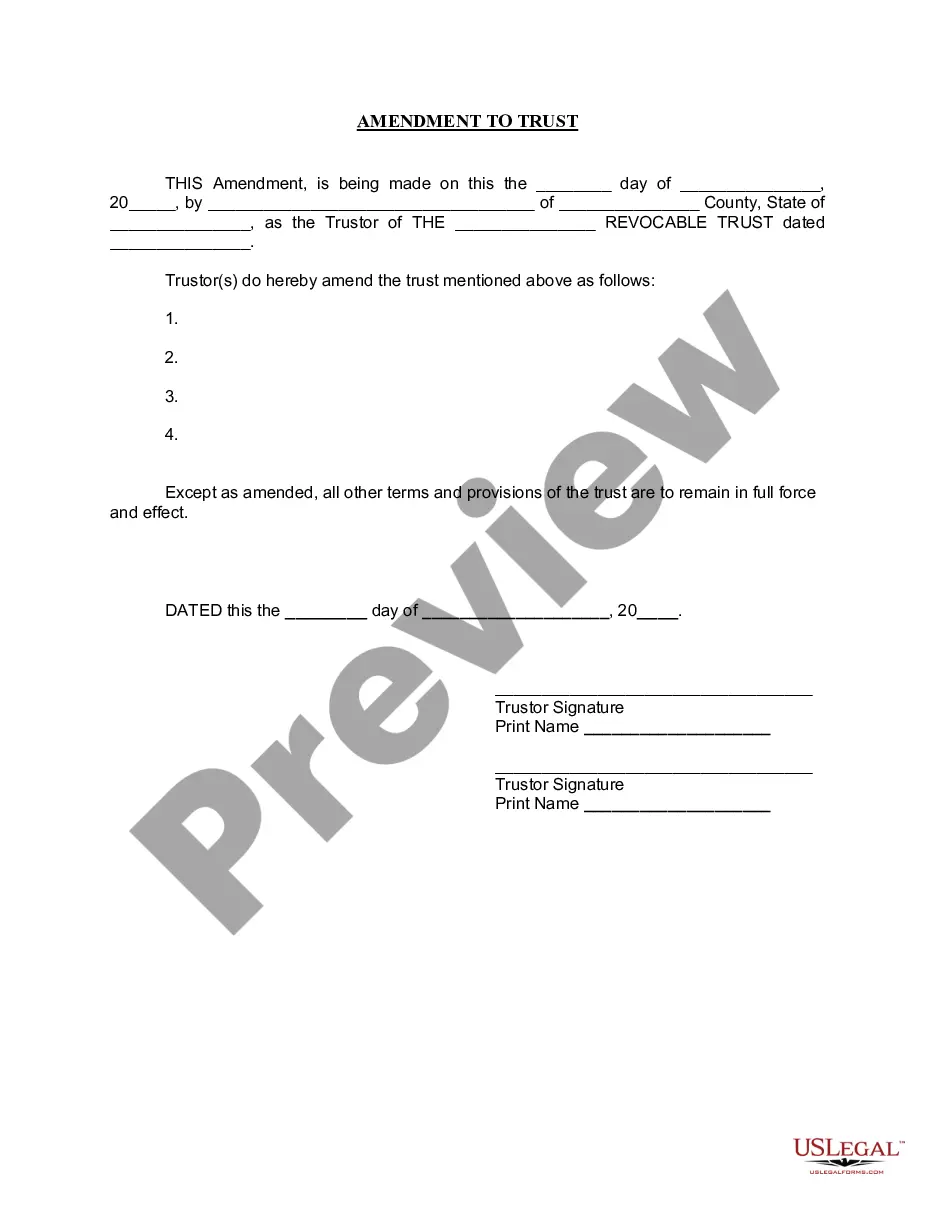
Amendment
Modify the terms of a revocable trust to reflect new wishes or circumstances.
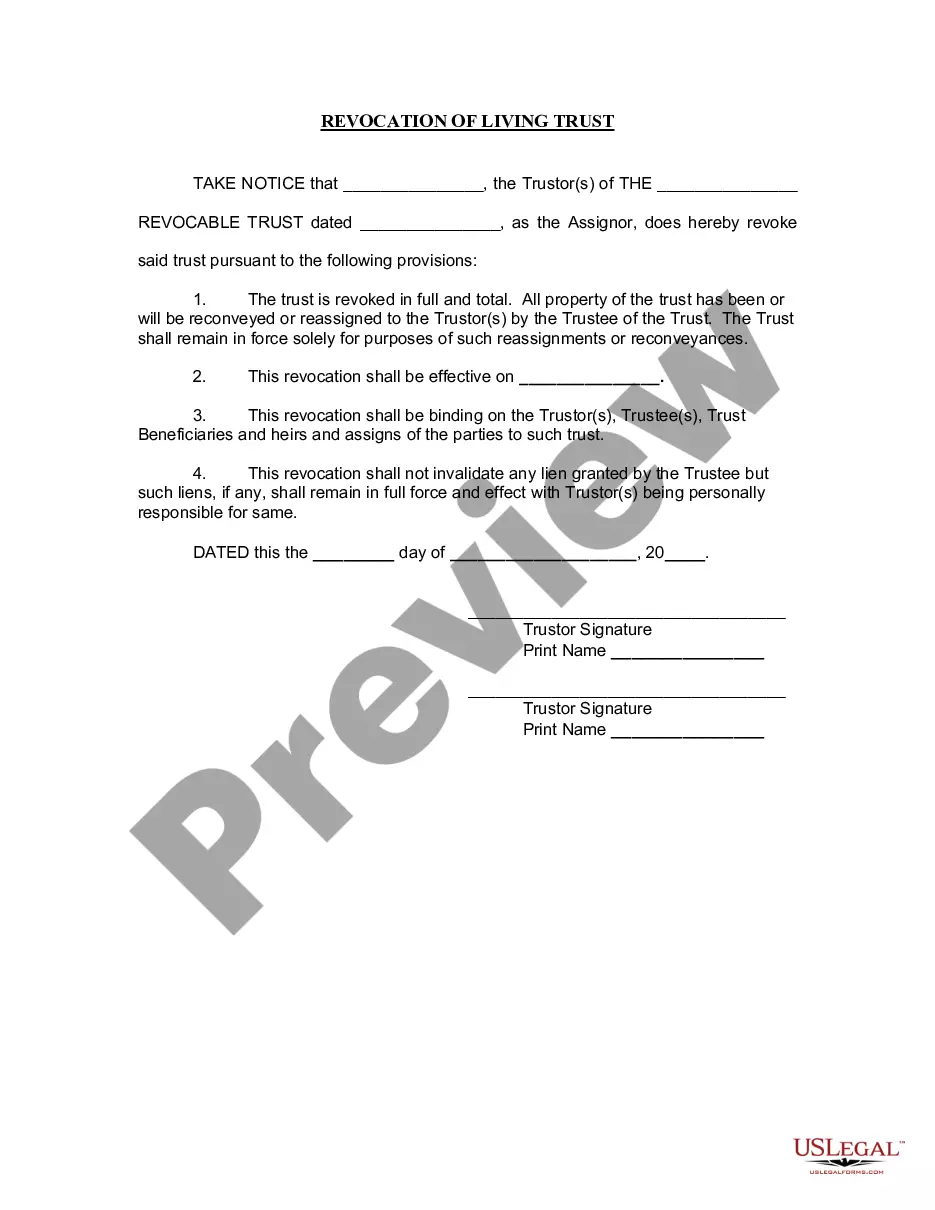
Revocation
Revoking a living trust is crucial when you want to dissolve a trust agreement and reclaim your assets.
Common South Carolina Living Trust documents
- Revocable Living Trust — allows you to change terms during your lifetime.
- Amendment to Living Trust — updates existing trust provisions.
- Revocation of Living Trust — cancels a trust agreement.
- Living Trust Agreement — outlines trust terms and conditions.
- Family Trust — benefits family members through asset management.
- Grantor Trust — provides control over assets while living.
FAQs
Do I need a trust if I have a will?
What happens if I do nothing?
How often should I update my plan?
How do beneficiary designations interact with my plan?
Can different people handle finances and health decisions?
Key legal points
- A Living Trust can help avoid probate.
- Trusts can be revocable or irrevocable.
- Beneficiaries receive assets directly from the trust.
- Trustees manage the trust assets according to its terms.
- Living Trusts can include various types of assets.
How to get started
Begin the process easily with these steps.
- Find a template or package that fits your situation.
- Review the description, preview, and signing requirements.
- Get full access with a subscription.
- Complete it in the online editor.
- Export or send: download, email, USPS mail, notarize online, or send for e-signature (Premium).
Practical tip
Consider creating a Living Trust alongside your Will for comprehensive estate planning.