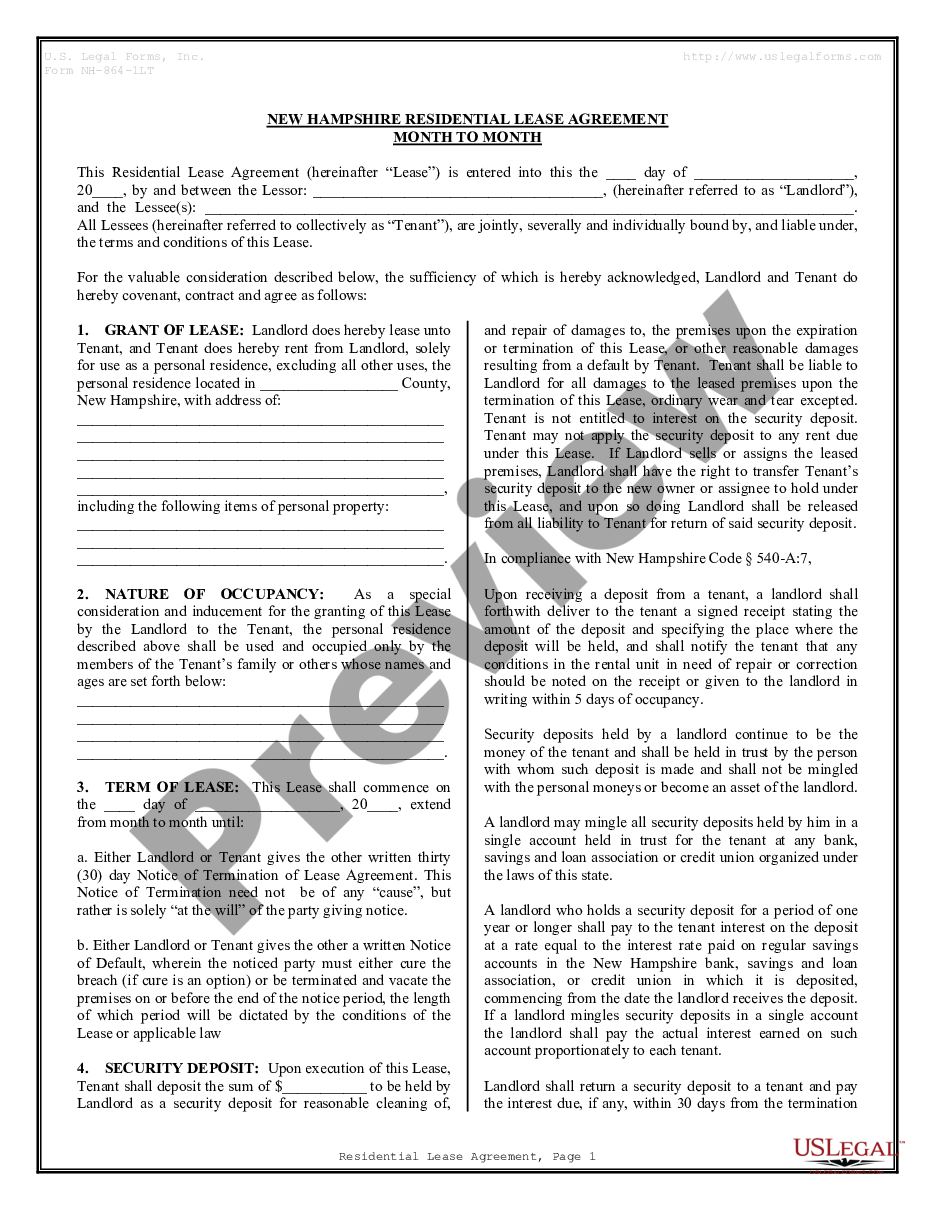
What is Lease?
Leases are legal agreements between landlords and tenants outlining rental terms. They are used in residential, commercial, and various rental situations. Explore state-specific templates for your needs.
Leases are essential documents for renting property. Our attorney-drafted templates are quick and easy to fill out.

Access all essential forms for purchasing or leasing real estate in one package, providing everything needed for a smooth transaction.
Get everything needed to assign a leasehold interest securely and efficiently, all in one convenient package.
Get everything you need for running a storage business in one package, including essential legal forms to handle customer situations effectively.
Easily modify lease terms with multiple related forms all in one convenient package.
Access essential forms for managing commercial leases in one convenient package.
Get essential forms for storage agreements and customer defaults in one convenient package.
This package provides multiple legal forms for managing commercial landlord-tenant relationships, offering everything needed for smooth operation in one place.
Everything you need for managing commercial landlord-tenant relationships in one convenient package of related legal forms.
Everything needed for New Hampshire landlord-tenant relationships in one package, including multiple essential legal forms.
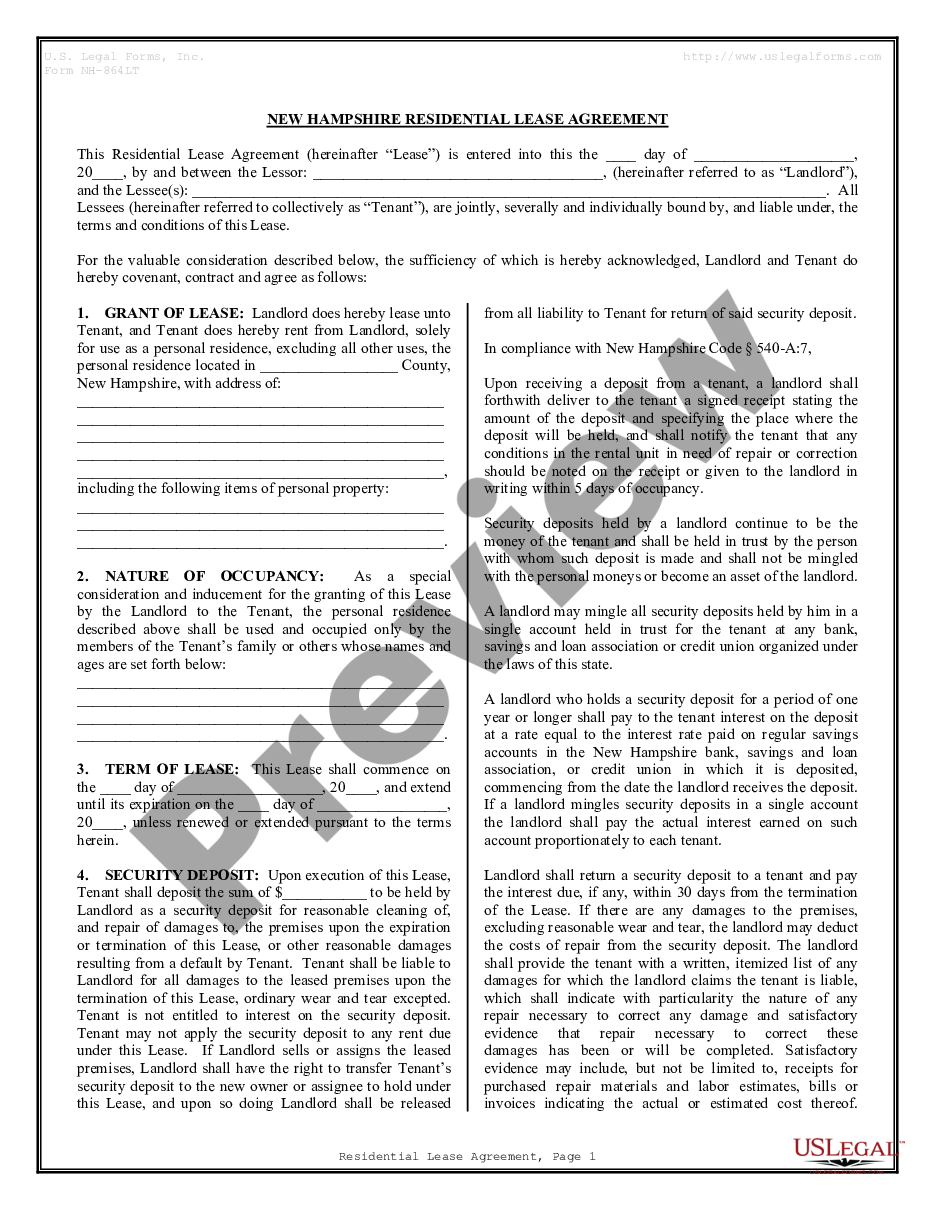
Secure a clear agreement between landlords and tenants for renting residential property.
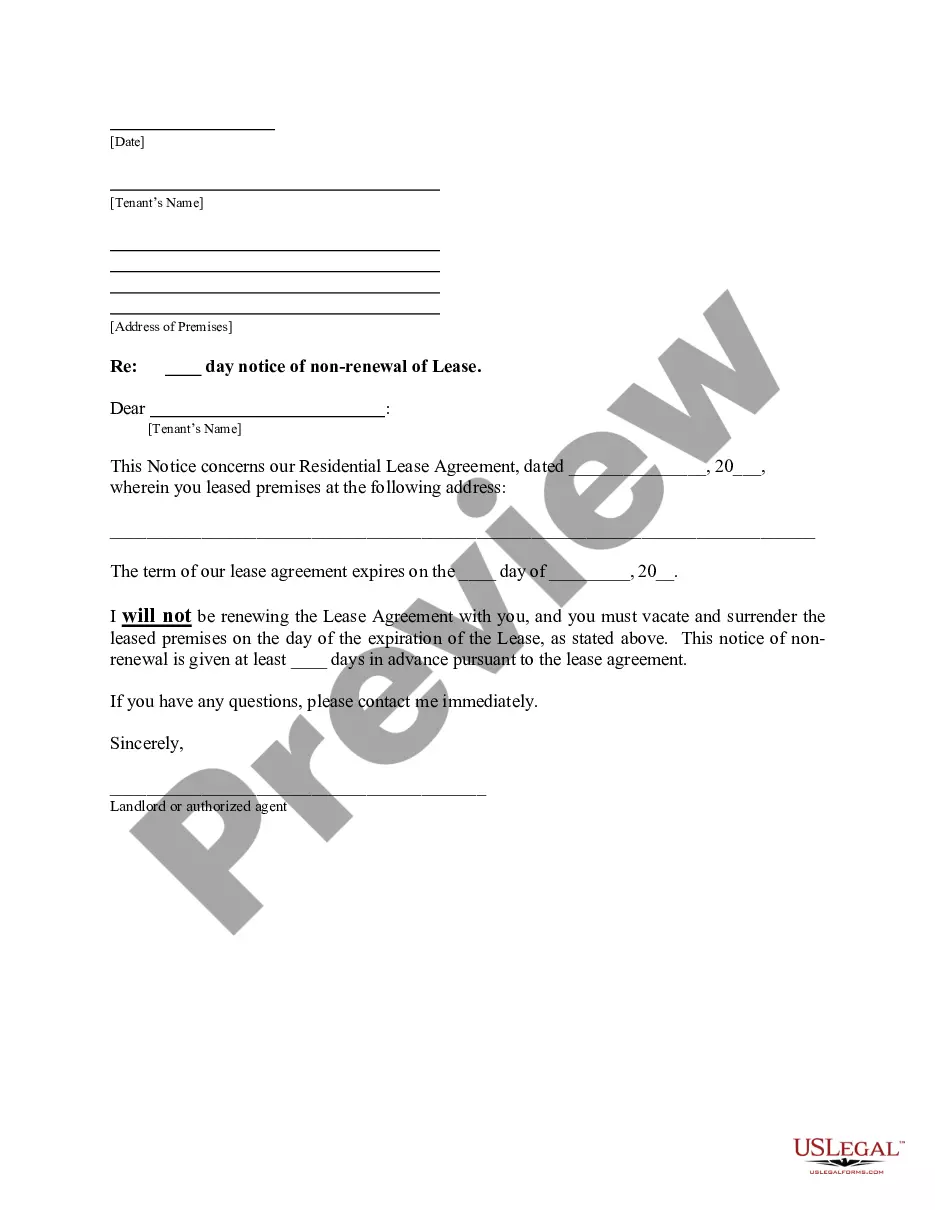
Provide tenants with proper notice to vacate due to lease expiration, ensuring compliance with rental agreement timelines.
Access all essential forms for purchasing or leasing real estate in one package, providing everything needed for a smooth transaction.
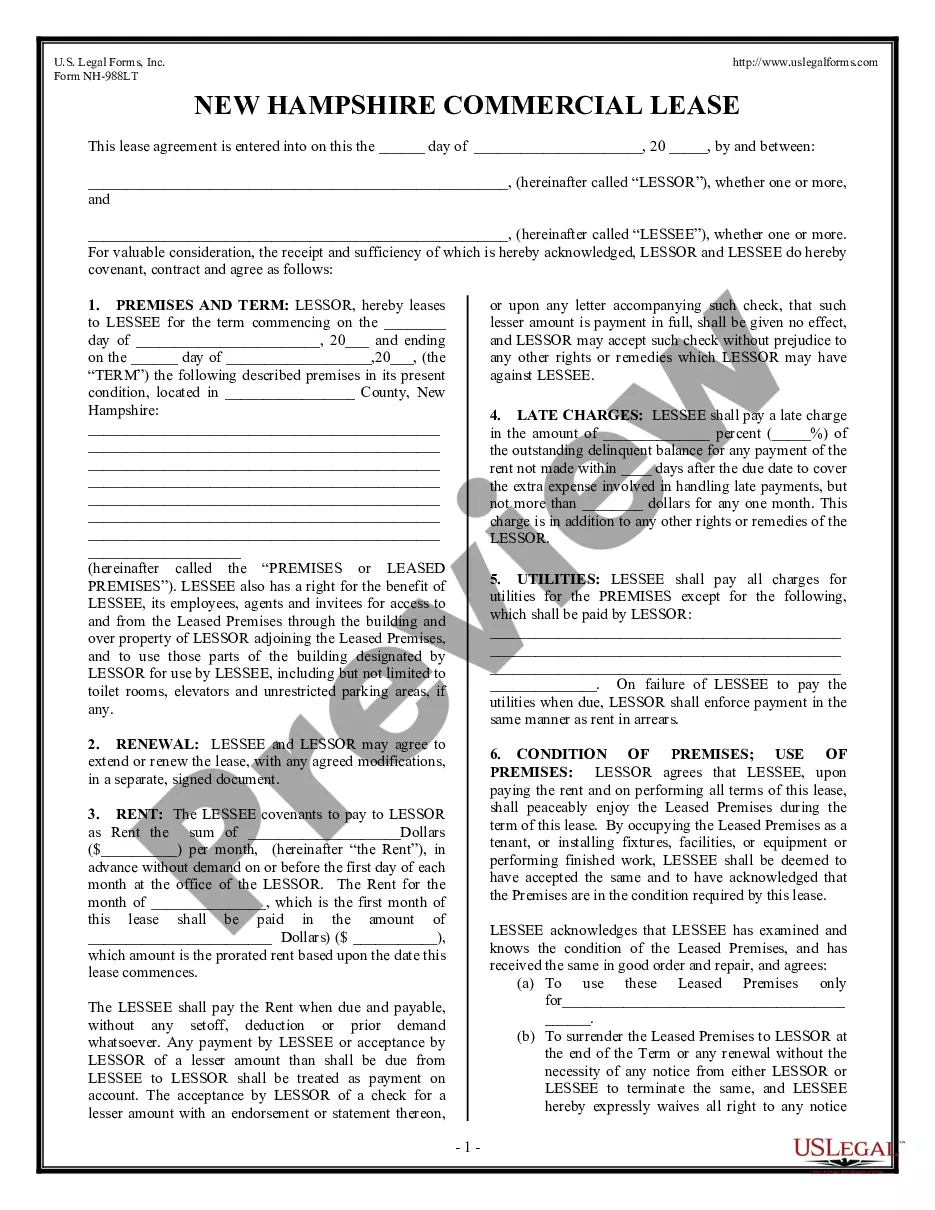
Secure your commercial space with a legally binding lease agreement tailored to your needs.
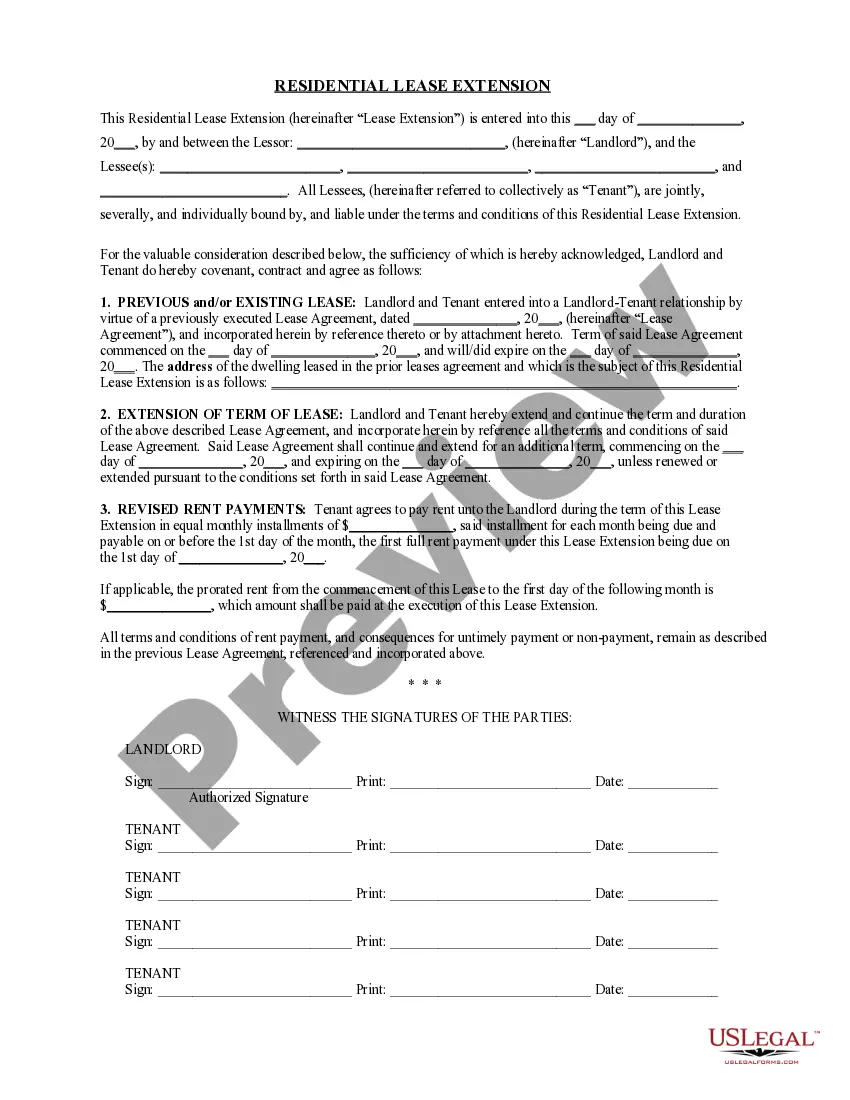
Use this agreement to extend an existing residential lease, ensuring continuity of rental terms and conditions.
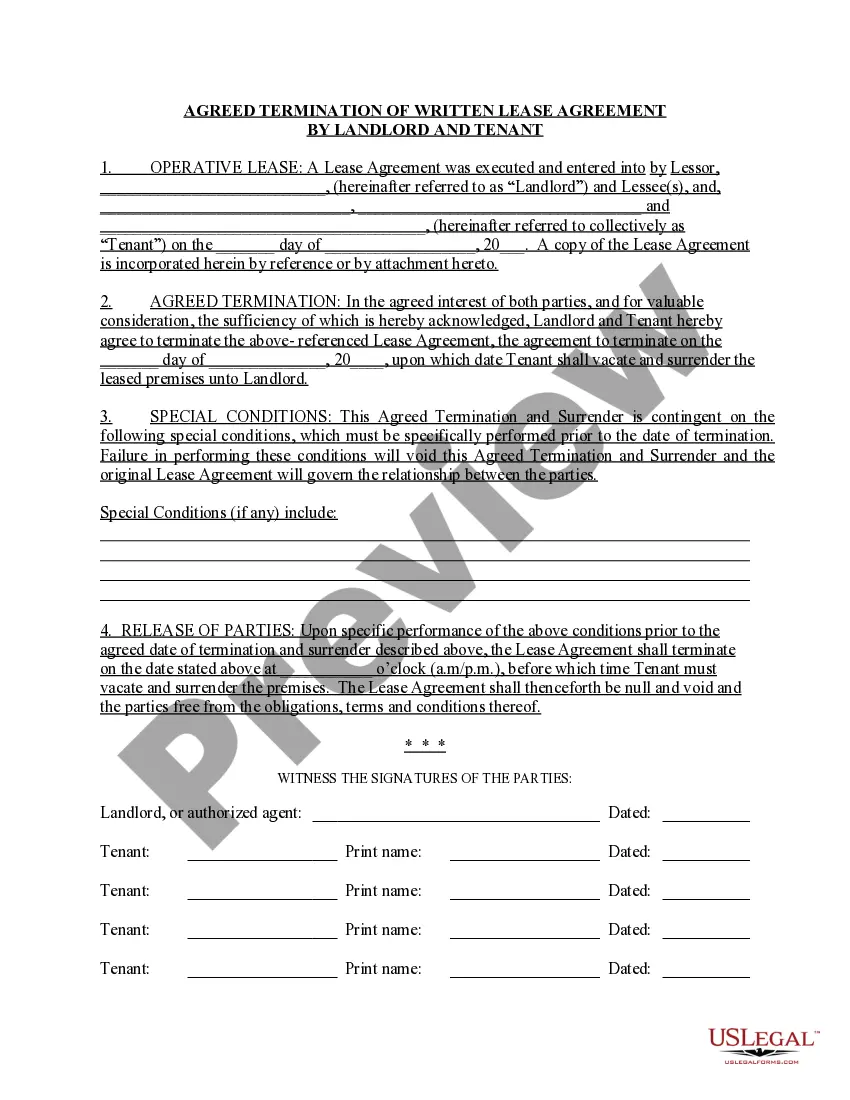
Landlords and tenants use this form to formally agree on ending a lease, ensuring both parties are released from obligations.
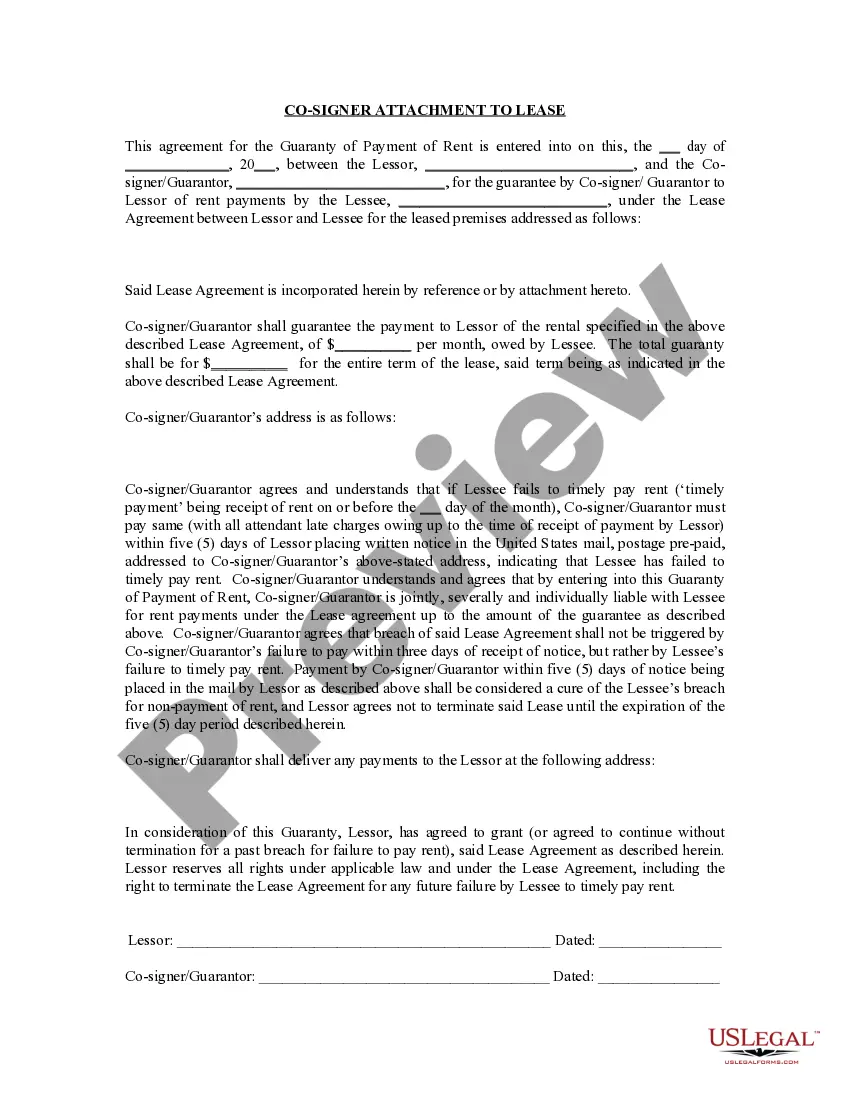
Secure a lease by adding a co-signer or guarantor who agrees to cover obligations if the tenant defaults.
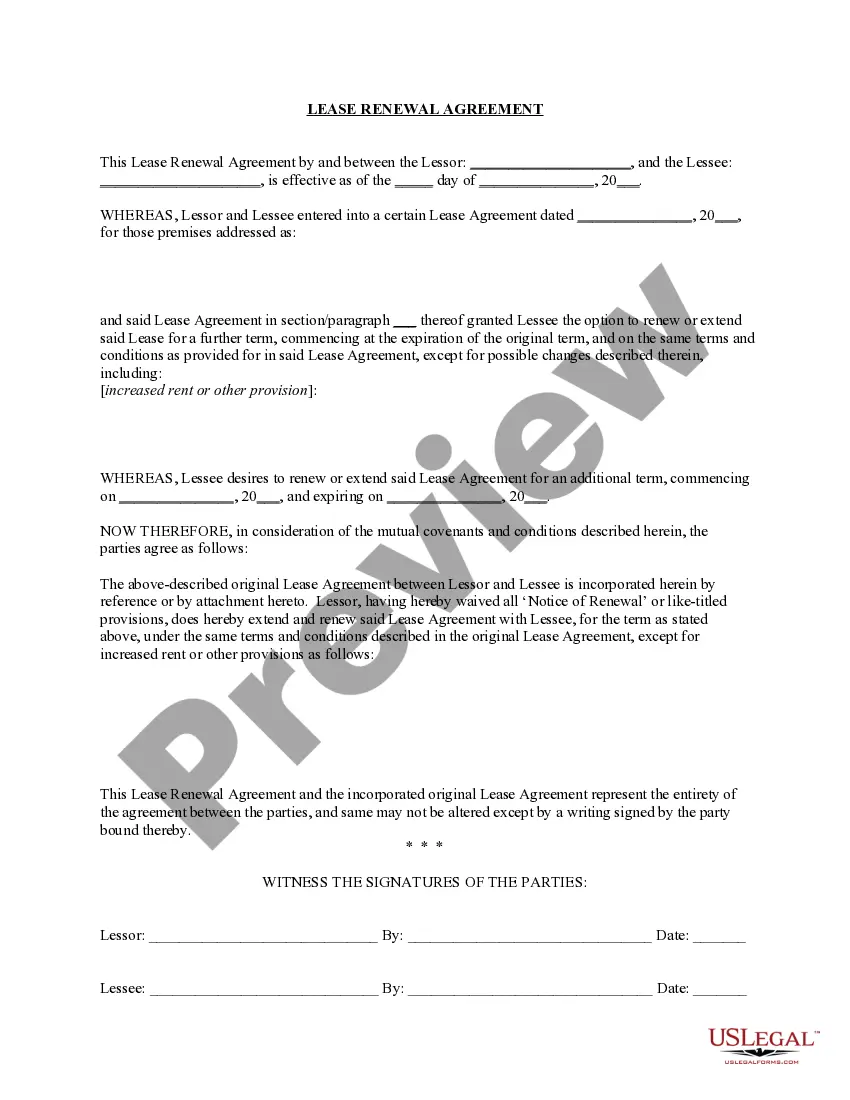
Renew your residential lease with this agreement, ensuring both parties' terms remain clear and legally binding for continued occupancy.
Use this to establish monthly rental terms between a landlord and tenant, simplifying ongoing residential agreements.
A lease outlines payment terms and property use rights.
Most leases require signatures from both parties.
Leases can include specific conditions about the property.
Tenants should understand their rights and responsibilities.
Landlords must maintain the property as agreed.
Begin quickly with these simple steps.
A lease is a contract between a landlord and tenant for property rental.
Breaking a lease usually requires following specific procedures outlined in the agreement.
Failure to pay rent may lead to eviction proceedings by the landlord.
Verbal agreements can be difficult to enforce; written agreements are preferred.
Adding someone to a lease typically requires landlord approval and a lease amendment.