Category
Landlord Tenant Please choose forms
Choose forms

Landlord Tenant

Landlord Tenant forms set clear terms for renting and managing property. Access attorney-drafted templates that protect both sides and are simple to prepare and sign.

intro Landlord Tenant
Form preview

Residential Landlord Tenant Rental Lease Forms and Agreements Package

Everything needed for a smooth landlord-tenant relationship in one convenient package.

Select your state Please select your state
Select state
Get form

Common Landlord Tenant documents

  • Residential Lease Agreement — Sets out rental terms for homes, apartments, or condos.
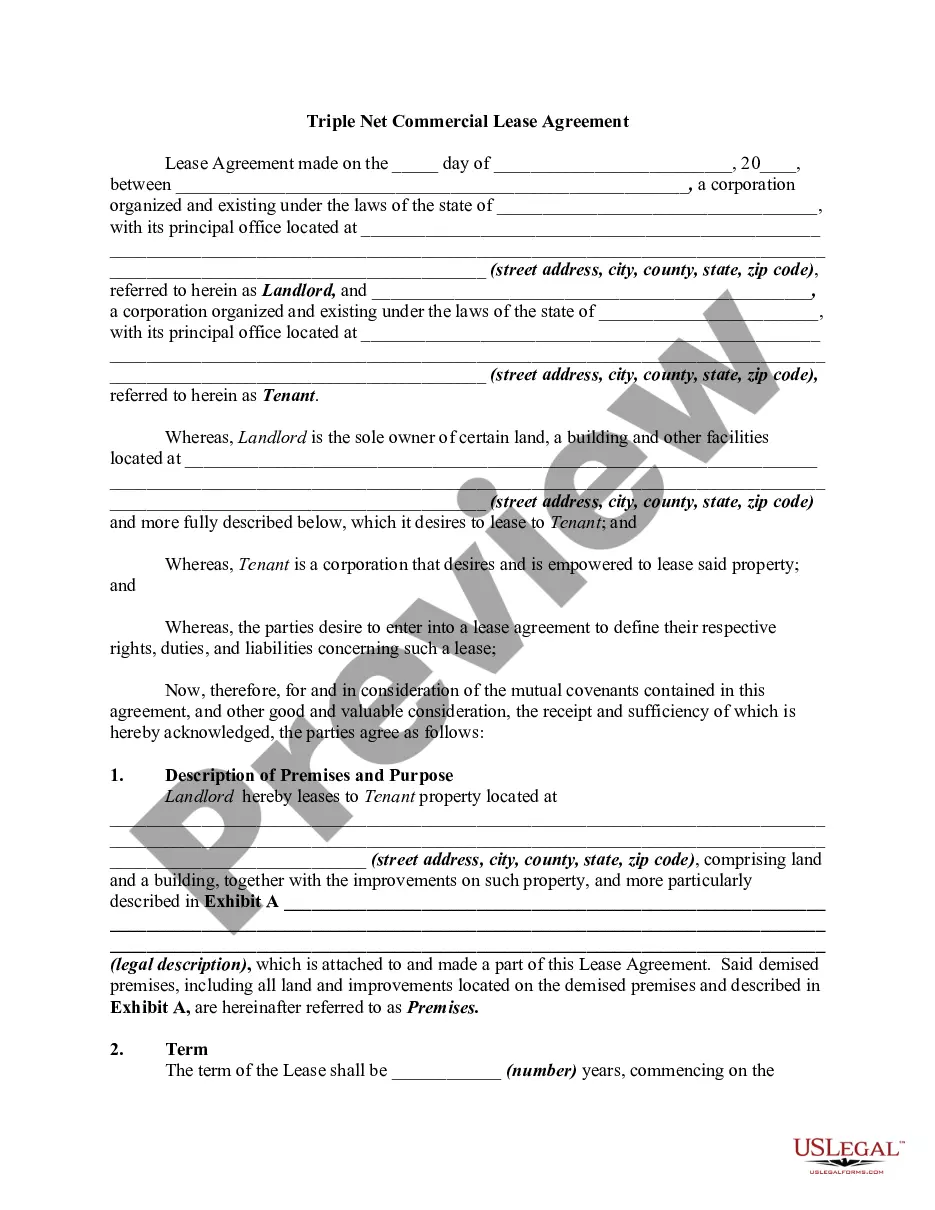
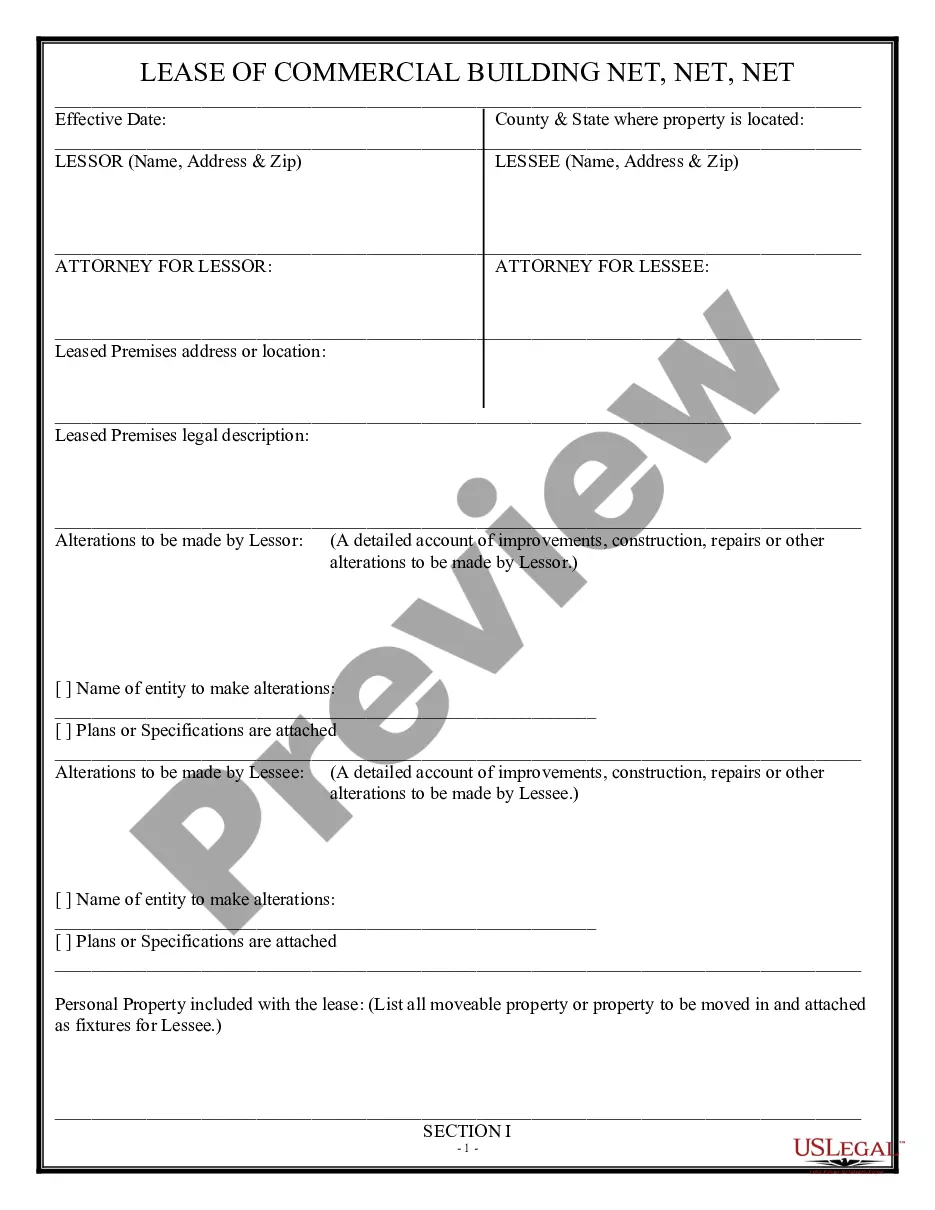
  • Commercial Lease Agreement — Establishes terms for renting offices, retail spaces, or warehouses.
  • Rental Application — Collects tenant background, income, and reference information.
  • Security Deposit Receipt — Confirms the tenant’s deposit amount and return conditions.
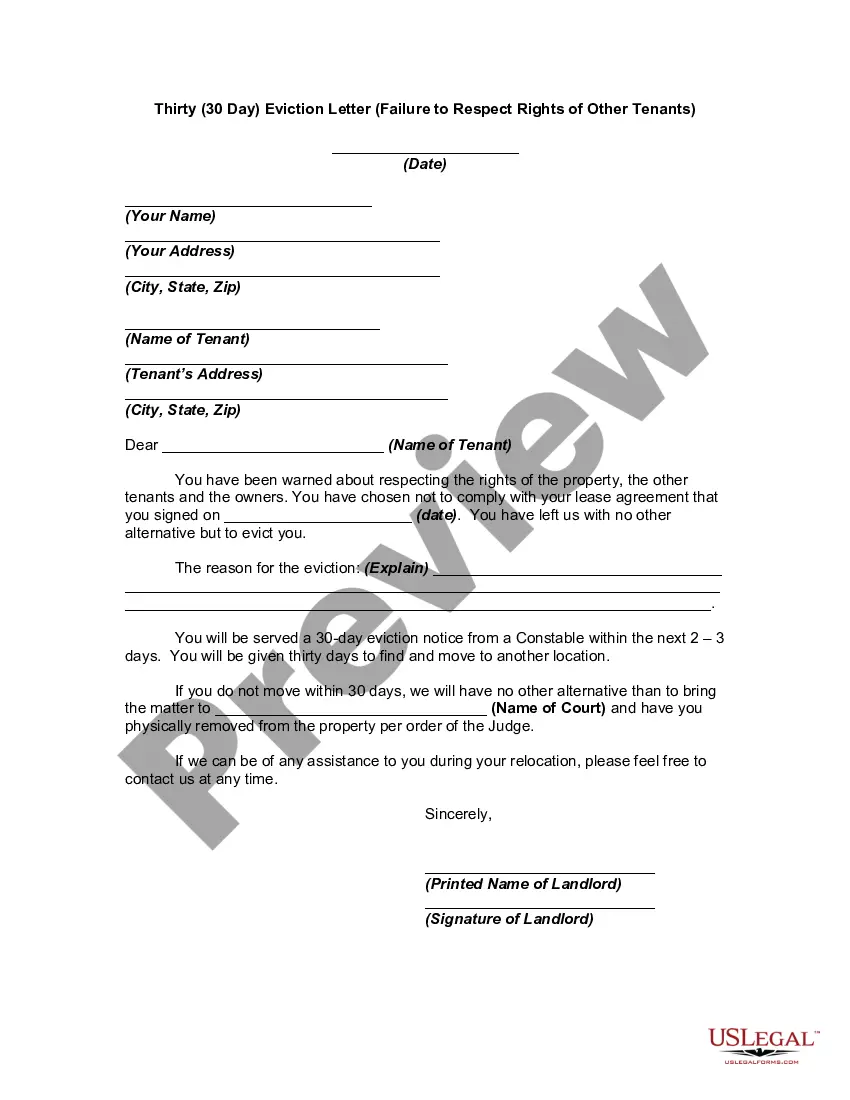
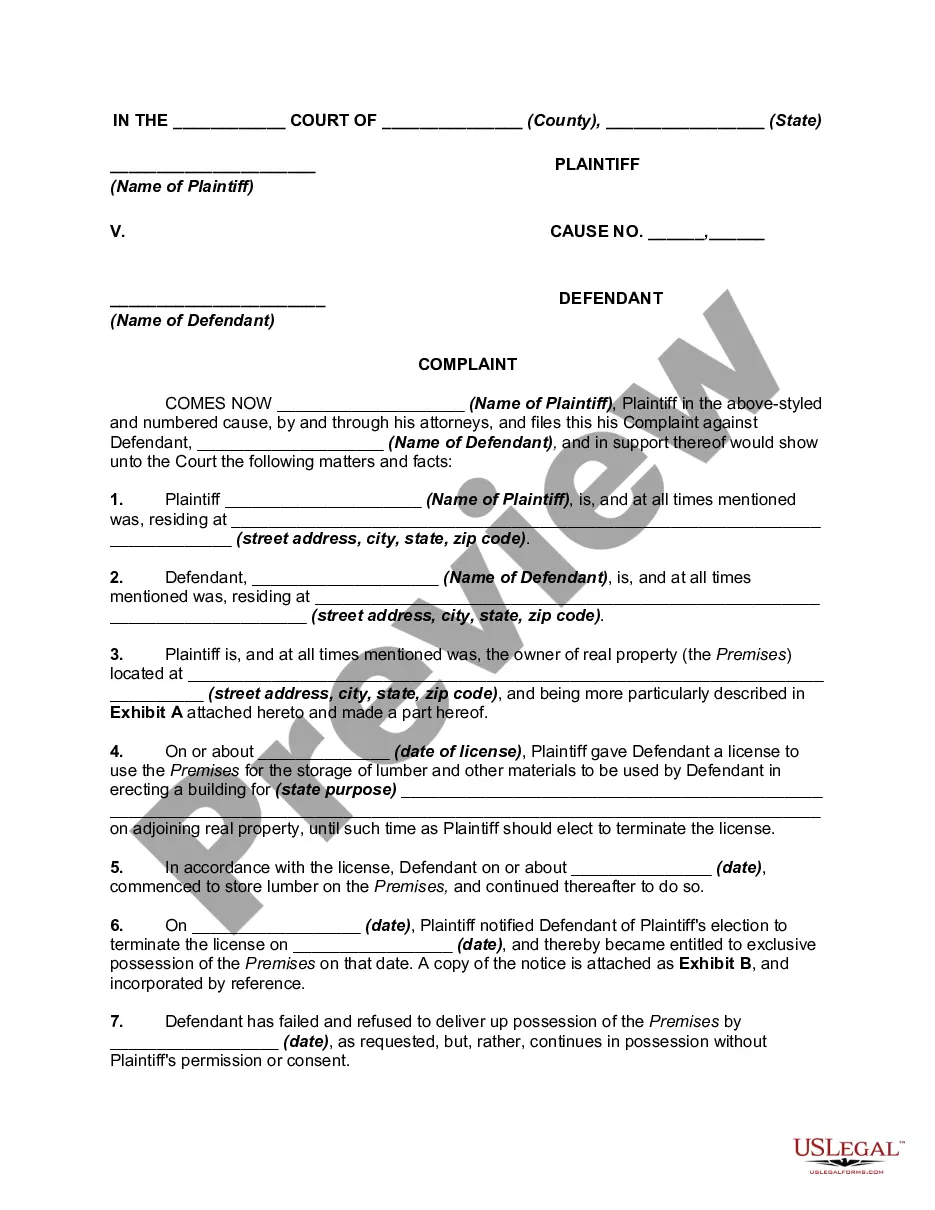
  • Eviction Notice — Informs a tenant of a lease violation or intent to end tenancy.
  • Lease Renewal Agreement — Extends a lease under existing or new terms.
  • Move-In/Move-Out Checklist — Records property condition at the start and end of a lease.

Form packages

Similar documents: key differences

  • Lease Agreement vs. Rental Agreement — A lease runs for a fixed term; a rental agreement renews month-to-month.
  • Residential Lease vs. Commercial Lease — Residential leases cover living spaces; commercial leases apply to business use.
  • Eviction Notice vs. Lease Termination Notice — An eviction notice follows a violation; termination is a voluntary or scheduled end of lease.
  • Sublease vs. Assignment — Subleasing keeps the original tenant responsible; an assignment transfers all obligations to the new tenant.
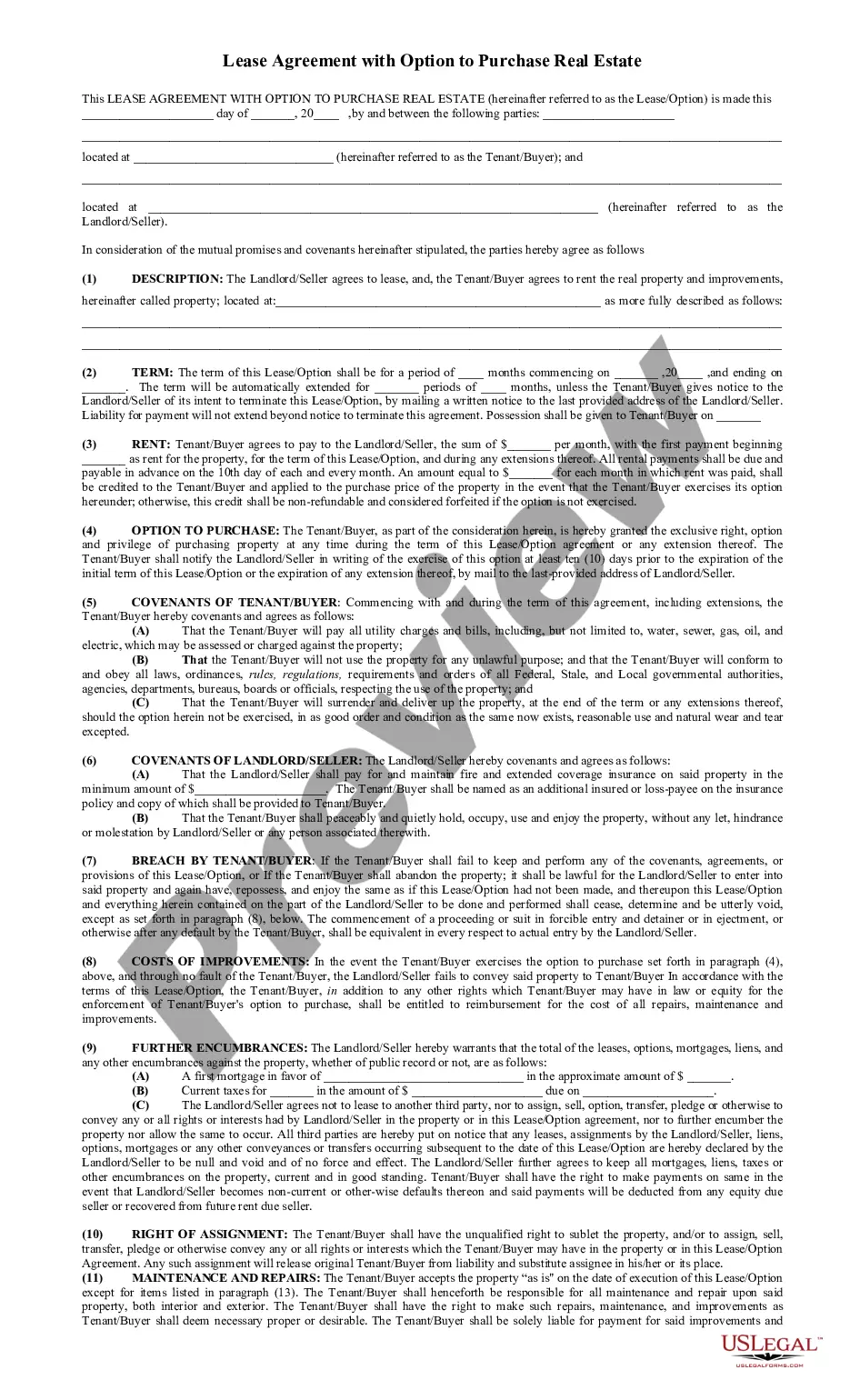
  • Rent-to-Own Agreement vs. Standard Lease — Rent-to-own lets tenants apply rent toward purchase; a standard lease does not.
  • Security Deposit Receipt vs. Security Deposit Agreement — A receipt confirms payment; an agreement sets conditions for holding and returning funds.

How to get started

Set up or manage your rental arrangement with confidence.

  • Find the landlord-tenant form or package that fits your property or situation.
  • Review the description, preview, and signing details.
  • Unlock full access with a subscription.
  • Complete the document easily in the online editor.
  • Export or send — download, email, mail, notarize online, or e-sign (Premium).

FAQs

No. A lease is for a fixed term, while a rental agreement usually renews monthly.

Usually not, unless the lease specifically allows adjustments or both parties agree.

The tenant may owe rent for the remaining term unless the property is re-rented or the lease allows early termination.

It depends on the reason and local laws, but written notice is typically required.

Only with landlord approval, unless the lease allows minor modifications.

Glossary

  • Landlord — Property owner renting to a tenant.
  • Tenant — Person occupying property under a lease.
  • Lease Term — Duration of the rental agreement.
  • Security Deposit — Money held for damage or unpaid rent.
  • Eviction — Legal removal of a tenant from property.
  • Sublease — Tenant rents property to another person.
  • Assignment — Transfer of lease rights to another tenant.
  • Notice to Quit — Written demand to vacate property.
  • Rent-to-Own — Lease with option to buy later.
  • Habitability — Legal standard for livable housing conditions.

Trusted by over 3 million people of the world’s leading companies