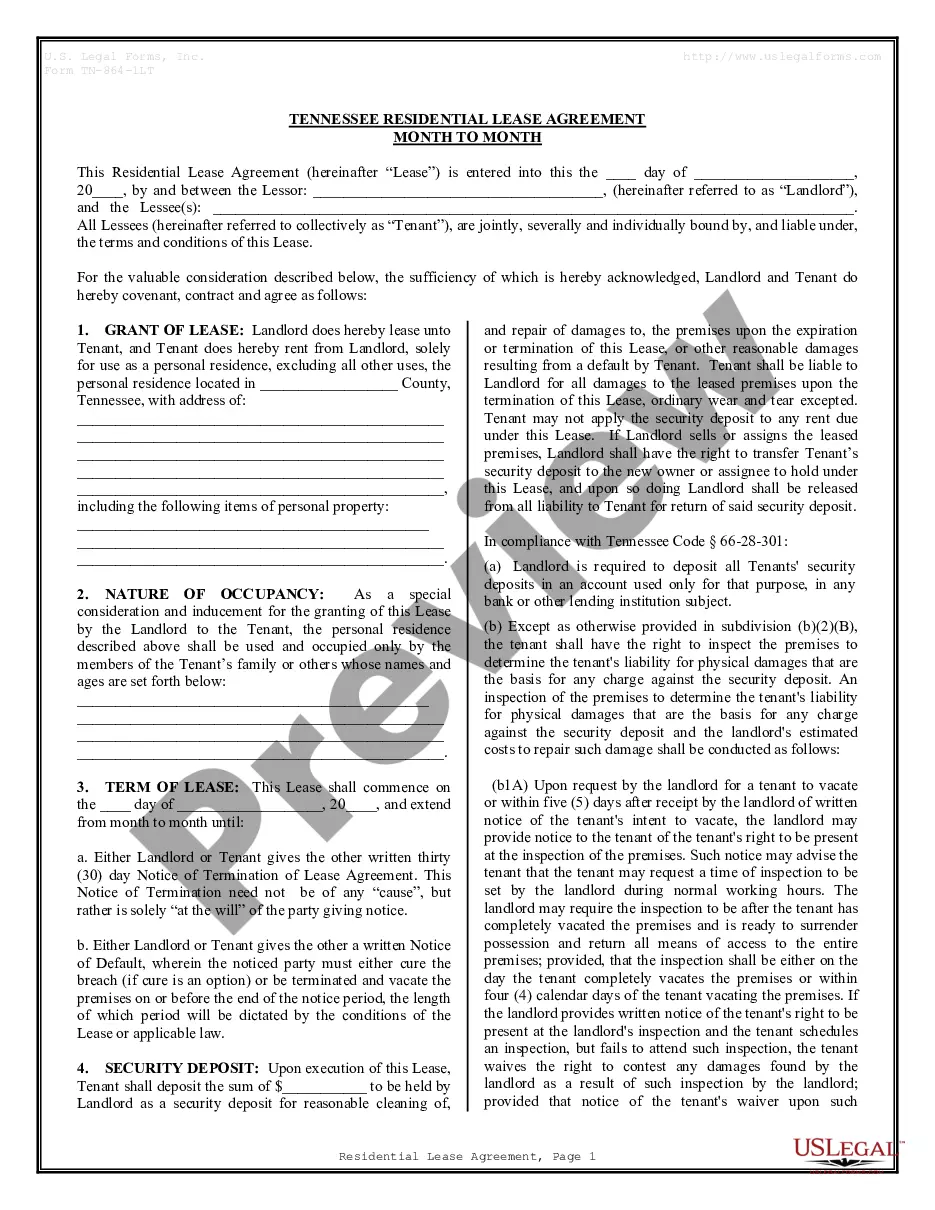
Tennessee Landlord Tenant
Landlord Tenant documents help manage rental agreements and tenant rights. Our attorney-drafted templates are quick and easy to complete.

Similar documents: key differences
- Lease vs. Rental Agreement — a lease typically covers a longer term than a rental agreement.
- Eviction Notice vs. Notice to Quit — an eviction notice initiates formal eviction, while a notice to quit requests tenants vacate.
- Sublease vs. Lease Assignment — a sublease involves a new tenant under the original lease, while an assignment transfers the lease entirely.
- Tenant Rights vs. Landlord Rights — tenant rights protect renters, while landlord rights allow property management and maintenance.
Search for more forms
Types of Landlord tenant forms
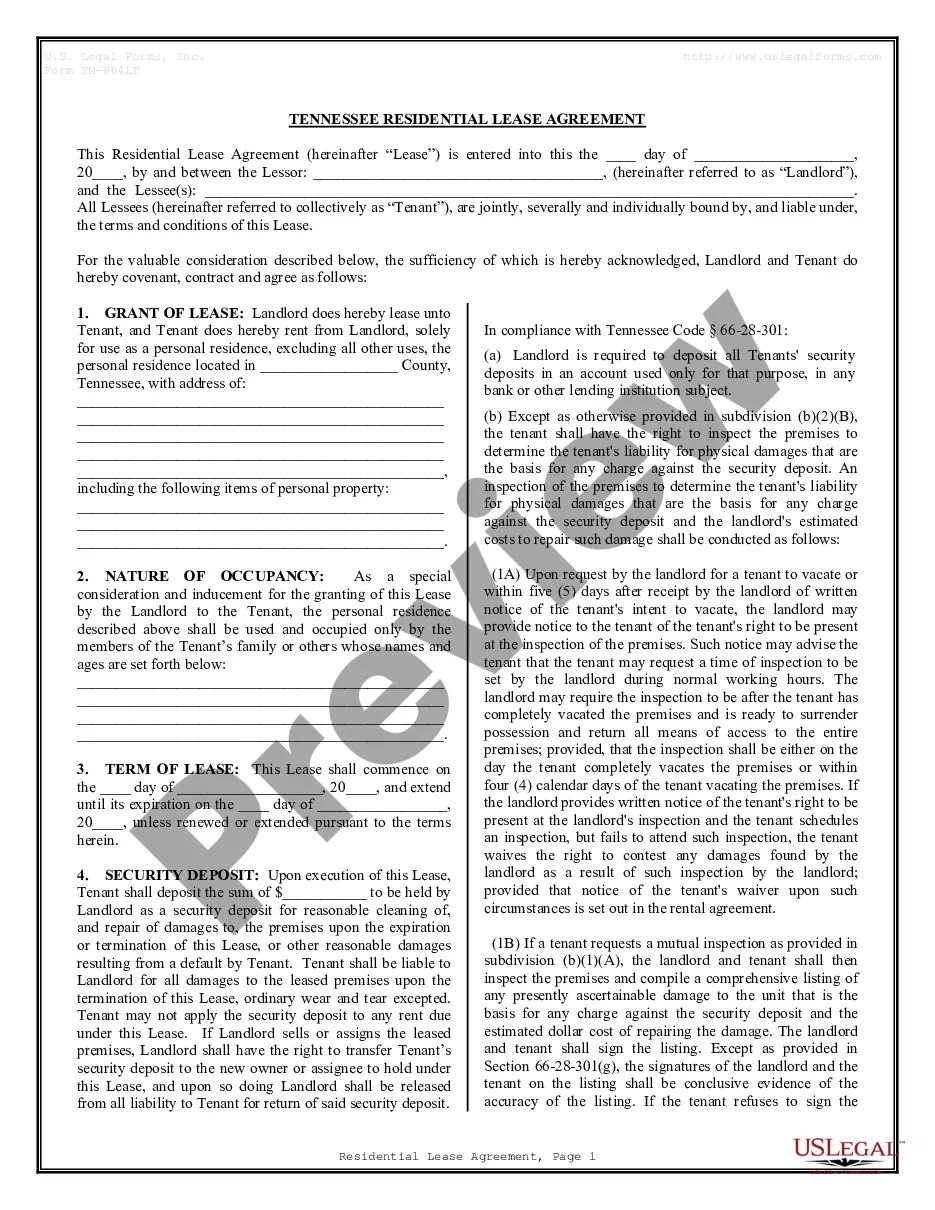
Residential Rental Lease
Use this document to establish legally binding rental terms between a landlord and tenant for residential property.
Residential Lease
Establish a flexible rental arrangement with this lease, allowing tenants to stay month to month while providing essential protections for both parties.
10 Day Notice — Week-to-Week, Landlord to Tenant
Use this notice to formally terminate a week-to-week residential lease. It's essential for ensuring compliance with legal requirements.
10 Day Notice — Week-to-Week, Tenant to Landlord
Use this notice to formally terminate a week-to-week lease, ensuring both tenant and landlord comply with legal requirements.
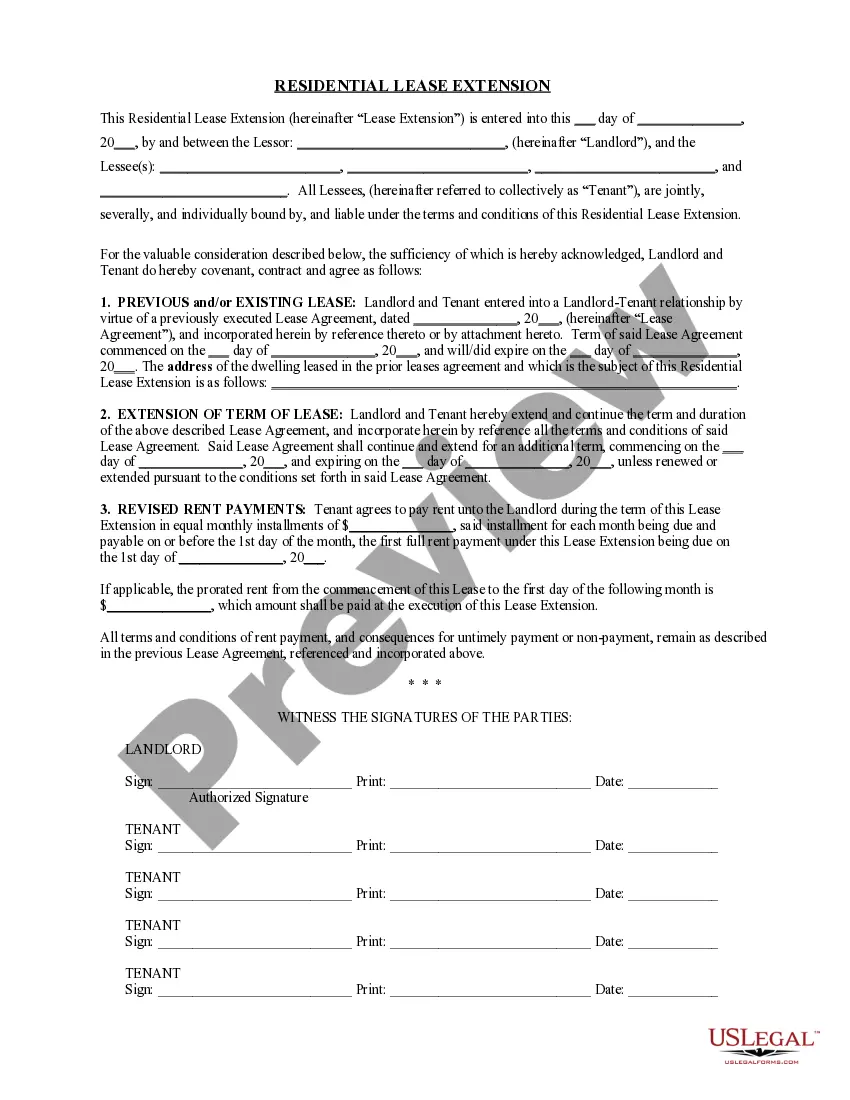
Amendment of Residential Lease
Make changes to an existing residential lease agreement to reflect updated terms or conditions. Ideal for landlords and tenants needing to adjust their lease.
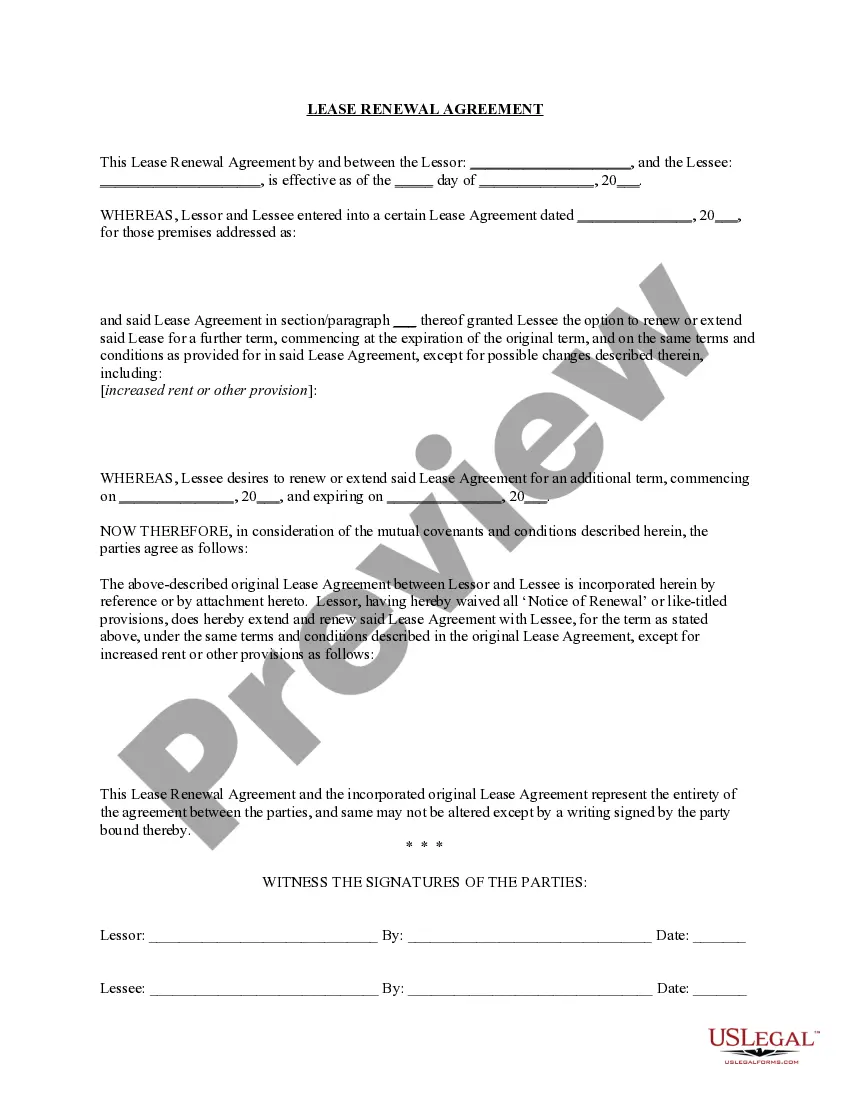
Amendment to Lease
Revise an existing lease or rental agreement with this document, ensuring that both landlord and tenant are on the same page about changes.
Notice to Lessor Exercising Option
Notify your lessor of your decision to exercise the purchase option in the lease agreement, securing your right to buy the property.
Option to Purchase Addendum
Secure an option to purchase your rental property while leasing, allowing you to decide later without losing your home.
Application for Sublease
Essential for anyone seeking to sublease a property, ensuring all necessary information is provided for approval.
Notice: Sublease Granted
Notify tenants when a sublease is approved, relieving the original tenant of rent liability.
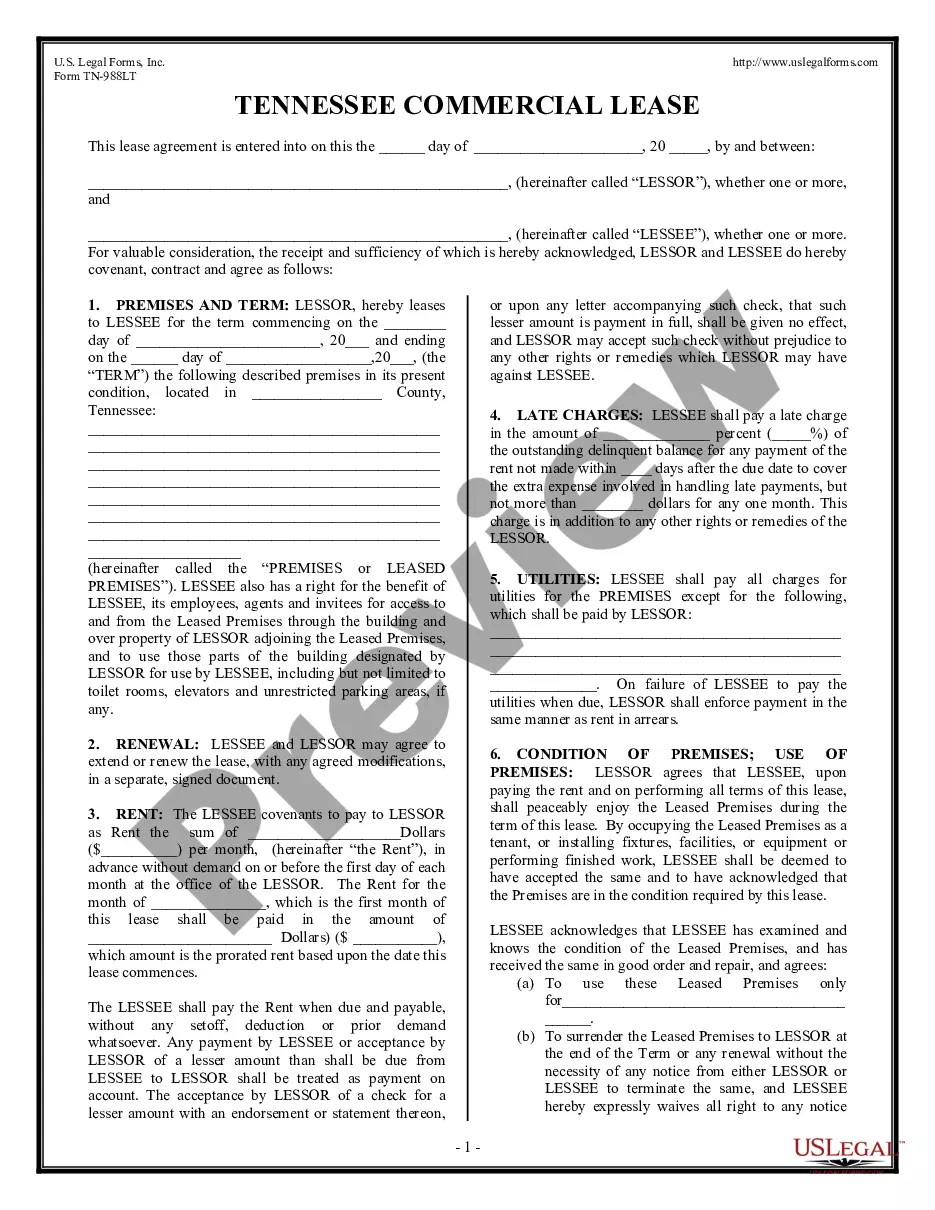
Commercial Building
Secure your commercial rental agreement with clear terms for both landlord and tenant.
Triple Net (NNN) Commercial Lease
Ideal for landlords and tenants, this agreement clarifies rental responsibilities and terms for commercial properties.
Triple Net (NNN) Lease — "Net Net Net" Form
Ideal for landlords and tenants seeking clear leasing terms, this document outlines responsibilities in a triple net lease arrangement.
Office Lease
Secure your office space with a formal lease agreement outlining terms, responsibilities, and rental details for both parties.
Commercial Lease Assignment from Tenant to New Tenant
Transfer leasing rights to a new tenant while managing landlord requirements and obligations effectively.
Warning of Default on Commercial Lease
Notify tenants of a lease default without legal obligation, allowing landlords to maintain rights under the lease.
14 Day Notice to Pay Rent
A crucial notice for landlords to inform tenants about unpaid rent, with specific actions required to avoid lease termination.
14 Day Notice to Terminate Lease for Damage
Notify tenants of lease termination due to substantial damage and provide a chance to remedy the issue.
Commercial Sublease
Use this agreement when leasing a property to another tenant, outlining rental terms and responsibilities.
Commercial Rental Lease Application Questionnaire
Use this application to apply for a commercial rental lease and provide necessary information to the landlord.
Agreement for Delayed
Use this agreement when tenants need to request delayed or partial rent payments to ensure both parties understand their rights and responsibilities.
Agreement for Payment of Unpaid Rent
Use this agreement to outline a plan for tenants to repay any unpaid rent, helping both parties manage their financial obligations clearly.
Notice: Rent Reduced for Tenant Repairs
Notify your tenant of a voluntary rent reduction in exchange for repairs they will undertake, ensuring clear communication of updated obligations.
Notice: to Tenant
Notify tenants of required repairs to maintain rental property standards.
Notice: Illegal Activity on Premises
Notify a tenant of illegal activities reported by law enforcement and the risk of eviction for repeat offenses.
Notice: Disturbing Neighbors
Notify tenants of disruptive behavior towards neighbors and outline necessary action to maintain peace.
Tenant Notice: Sexual Harassment
Notify your landlord about experiencing sexual harassment and request appropriate action to ensure a safe living environment.
Tenant Notice: to Landlord
Use this notice when the landlord fails to provide essential services as required by the lease, prompting a need for formal communication.
Warning Notice Due to Complaint from Neighbors
Notify tenants of issues raised by neighbors to address potential disturbances and maintain good relationships.
Warning of Default on Residential Lease
Notify tenants of a lease default without binding consequences, providing a clear warning before potential legal actions.
Notice: Returning Security Deposit Less Deductions
Use this to inform tenants about their security deposit return, including any deductions for repairs or unpaid rent.
Tenant Notice: Security Deposit Not Returned
Use this letter to formally notify your landlord of their obligation to return your security deposit, while expressing your desire to resolve the matter amicably.
Tenant Notice: Wrongful Security Deposit Deductions
Notify your landlord about wrongful deductions from your security deposit and demand its return to protect your rights as a tenant.
Tenant Notice: Prepaid Rent Not Returned
Use this letter when your landlord fails to return prepaid rent or security deposits after your lease ends, ensuring your rights are protected.
Detainer Summons
Initiate a court action to obtain possession of property due to non-payment of rent.
Eviction Case Appeal Bond - Surety
Secure a bond to appeal an eviction judgment, ensuring financial responsibility for any resulting costs.
Writ of Possession
Obtain legal authority to regain possession of property after a court ruling, ensuring swift enforcement of a judgment.
Tenant Estoppel, Subordination, Non-Disturbance and Attornment
Use this agreement to clarify tenant rights and lender priorities in a lease, ensuring protection during property transactions.
Apartment Rules and Regulations
Establish guidelines for tenants to ensure a safe and pleasant living environment and understand their responsibilities.
Notice: to Remove Unauthorized Pets from Premises
Address unauthorized pets in a rental property with this formal notice, ensuring compliance with lease agreements and potential eviction consequences.
Assignment of Lease from Lessor with Notice of Assignment
Assign your lease rights to another party with this form, ensuring a smooth transition and clear responsibilities.
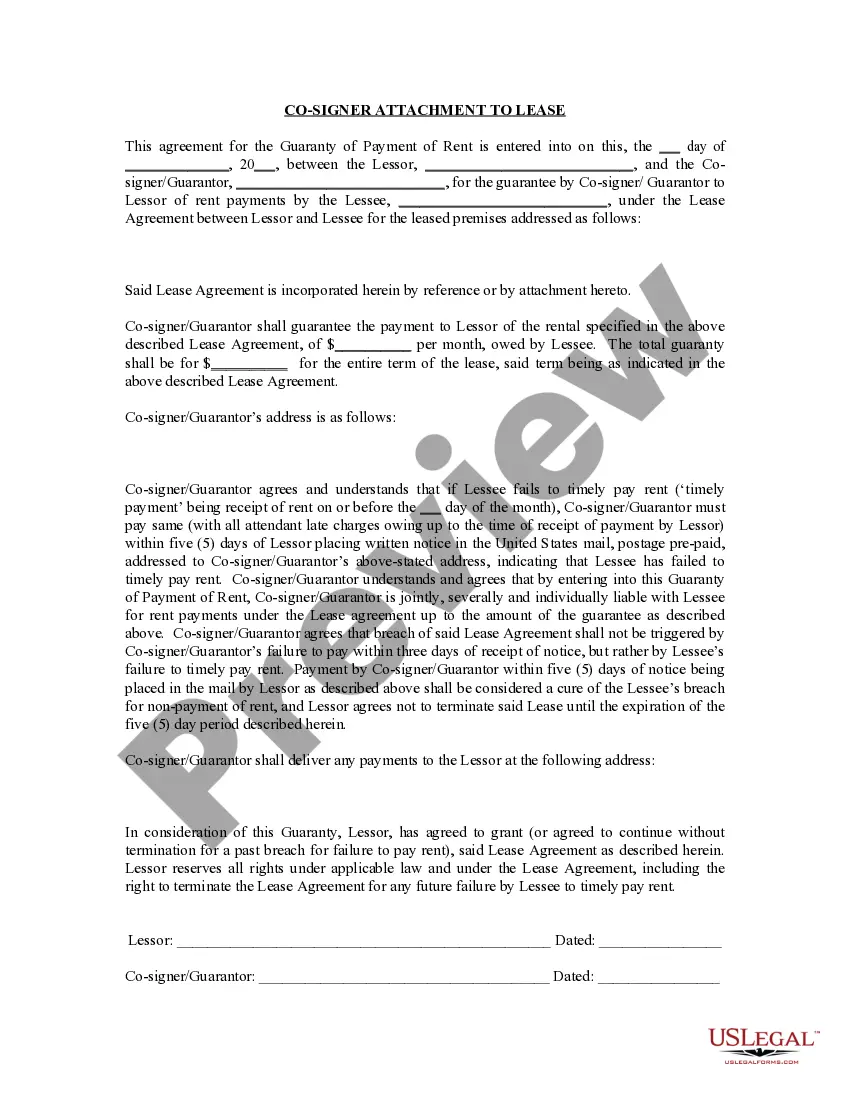
Landlord Tenant Lease Co-Signer
Secure your rental agreement by ensuring a cosigner is legally liable for the lease obligations.
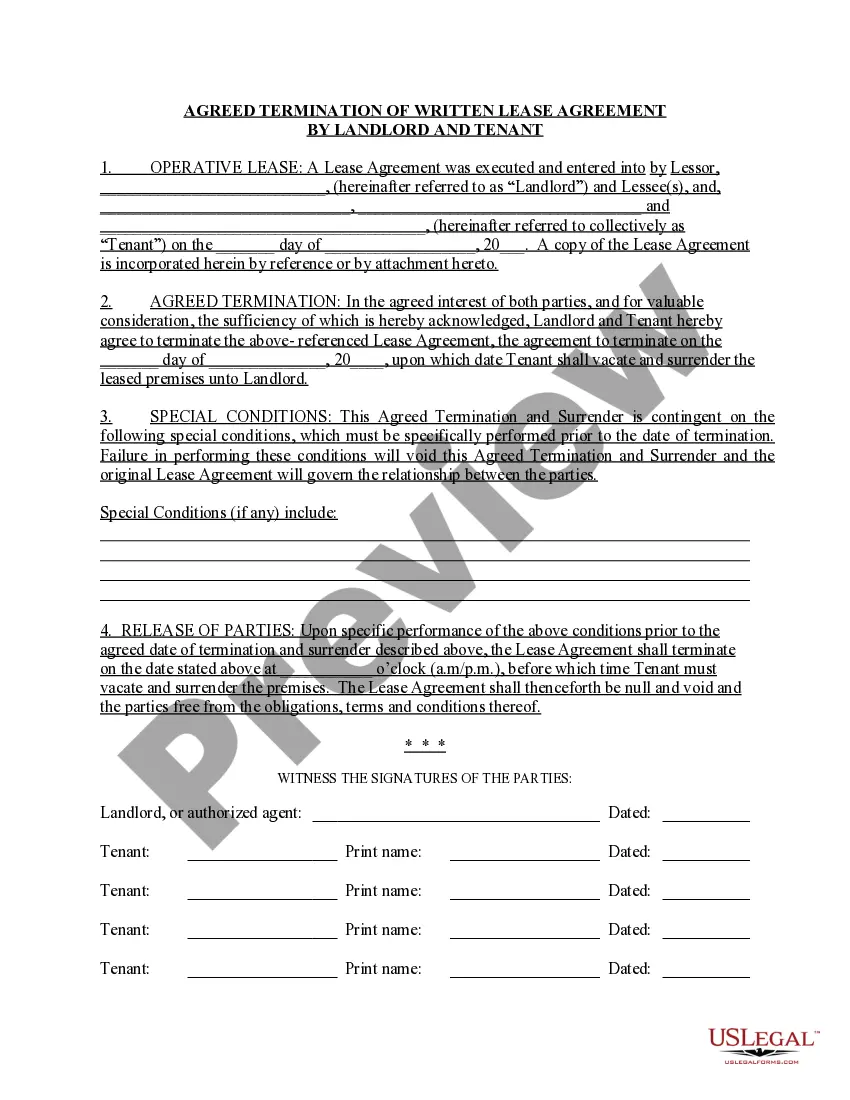
Agreed Cancellation of Lease
Terminate a lease agreement mutually and clearly, ensuring both parties are released from obligations.
Guaranty Attachment to Lease for Guarantor
Secure a lease with added assurance from a guarantor or co-signer, ensuring payment obligations are met.
Guaranty
Provide a guaranty to ensure timely rent payment, protecting landlords when tenants struggle to meet their obligations.
Lease Subordination
Use this agreement to prioritize a lease over existing mortgages, ensuring lessees' interests are protected against foreclosure.
Subordination, Non-Disturbance and Attornment
This agreement protects a tenant’s rights in case the property is foreclosed upon, ensuring stability in their lease even amid ownership changes.
Property Manager
Create a clear agreement for managing a property, defining roles and responsibilities between the owner and the manager.
Notice of Lease for Recording
Use this notice to formally record a lease agreement with the appropriate authorities, ensuring legal acknowledgment and protection for both parties involved.
Tenant Notice: Fair Housing Reduction
Address unfair housing practices related to families with children in rental situations.
Landlord Agreement to Allow Tenant Alterations
Obtain consent for tenant improvements and alterations in rental properties, ensuring clarity on ownership and restoration obligations.
Lead Based Paint Disclosure for Rental Transaction
Ensure safety by disclosing lead paint hazards when renting homes built before 1978.
Common Tennessee Landlord Tenant documents
- Residential Lease Agreement — outlines terms for renting a residential property.
- Commercial Lease Agreement — governs rental of commercial real estate.
- Rental Application — collects information from prospective tenants.
- Eviction Notice — notifies tenants of lease violations and potential eviction.
- Security Deposit Agreement — details terms for the deposit held by the landlord.
Complete Tennessee Landlord Tenant packages
Bundle every form you need for a complete situation — not just one document.

 2 forms
6 forms
2 forms
6 forms
Tennessee Amendment of Lease Package
Easily modify lease terms with everything you need in one package, ensuring compliance and clarity between landlords and tenants.
- Tennessee Amendment of Residential Lease
- Modification of a Lease to Extend the Term and Increase the Base Rent
- Modification of Lease Agreement
- Amended Lease - Amendment for office building
- Commercial Lease Modification Agreement
- Lease Modification Adding One or More Entities as Tenant Parties
10 forms
Tennessee Supplemental Residential Lease Forms Package
Access multiple essential forms for effective lease management, all in one convenient package.
- Tennessee 30 day Notice to Terminate for Material Noncompliance with Lease - 14 Days to Cure for Residential from Landlord to Tenant
- Tennessee 14 Day Notice to Terminate for Nonpayment of Rent - Residential
- Tennessee Notice of Default in Payment of Rent as Warning Prior to Demand to Pay or Terminate for Residential Property
- Tennessee Residential Rental Lease Application
- Tennessee Salary Verification form for Potential Lease
- Tennessee Inventory and Condition of Leased Premises for Pre Lease and Post Lease
- Tennessee Tenant Consent to Background and Reference Check
- Tennessee Tenant Welcome Letter
- Tennessee Landlord Tenant Closing Statement to Reconcile Security Deposit
- Tennessee Lead Based Paint Disclosure for Rental Transaction
6 forms
Tennessee Landlord Tenant Sublease Package
Access essential legal forms for managing sublease agreements, ensuring smooth transitions between tenants and landlords.
- Tennessee Letter from Tenant to Landlord containing Request for permission to sublease
- Tennessee Letter from Landlord to Tenant that Sublease granted - Rent Paid by Subtenant, but Tenant Still Liable for Rent and Damages
- Tennessee Letter from Landlord to Tenant that Sublease granted - Rent Paid by Subtenant, Old Tenant Released from Liability for Rent
- Tennessee Letter from Tenant to Landlord about Landlord's refusal to allow sublease is unreasonable
- Tennessee Application for Sublease
- Sublease of an Apartment - Real Estate Rental
9 forms
Tennessee Property Management Package
Get all the essential legal forms for property management in one convenient package, ensuring compliance and peace of mind.
- Tennessee Residential Rental Lease Application
- Tennessee Inventory and Condition of Leased Premises for Pre Lease and Post Lease
- Tennessee Property Manager Agreement
- Tennessee Residential Rental Lease Agreement
- Tennessee Landlord Tenant Closing Statement to Reconcile Security Deposit
- Tennessee Commercial Building or Space Lease
- Security Deposit Agreement
- Agreement to Lease Commercial Property with Option to Purchase at End of Lease Term - Rent to Own - Real Estate Rental
- Lease or Rental Agreement of Residential Property with Option to Purchase and Own Property - Lease or Rent to Own
12 forms
Landlord Tenant Commercial Package
This package provides multiple legal forms for managing commercial landlord-tenant relationships, offering everything needed for smooth operation in one place.
- Office Space Lease Agreement
- Three Day Notice to Pay Rent or Surrender Possession of Premises - Vacate - Past Due Rent - Eviction
- Notice from Lessor to Lessee's Requesting an Extension or Renewal of Lease Agreement
- Checklist of Matters to be Considered in Drafting a Lease of a Commercial Building
- Assignment of Lease by Lessee with Consent of Lessor
- Letter - Notice To Tenants Announcing Rent Increase
- Amended Lease - Amendment for office building
- Building Operating Cost Addendum
- Expansion Option Clause
- Sublease Agreement
- Short Form Landlord Consent - Assignment of Office Lease
- Landlord Consent to Sublease
16 forms
Landlord Tenant Commercial Package - Deluxe
Everything you need for managing commercial landlord-tenant relationships in one convenient package of related legal forms.
- Office Space Lease Agreement
- Short Form Lease of Office Space - Real Estate Rental
- Three Day Notice to Pay Rent or Surrender Possession of Premises - Vacate - Past Due Rent - Eviction
- Notice from Lessor to Lessee's Requesting an Extension or Renewal of Lease Agreement
- Sublease of Office Space
- Checklist of Matters to be Considered in Drafting a Lease of a Commercial Building
- Month to Month Commercial Rental Agreement
- Assignment of Lease by Lessee with Consent of Lessor
- Terms Sheet for Commercial Lease Agreement
- Letter - Notice To Tenants Announcing Rent Increase
- Amended Lease - Amendment for office building
- Building Operating Cost Addendum
- Expansion Option Clause
- Sublease Agreement
- Short Form Landlord Consent - Assignment of Office Lease
- Landlord Consent to Sublease
FAQs
A rental agreement should include rent amount, lease duration, and tenant responsibilities.
Failure to pay rent can lead to eviction proceedings initiated by the landlord.
Landlords typically need to provide notice before entering the property for maintenance or inspections.
A security deposit is a sum held by the landlord to cover potential damages or unpaid rent.
Key legal points
- A lease is a contract between a landlord and tenant.
- Tenants must pay rent on time as agreed in the lease.
- Landlords are responsible for maintaining safe living conditions.
- Eviction procedures require specific notifications and timelines.
- Security deposits may be subject to state-specific regulations.
How to get started
Begin your rental journey with these simple steps.
- Find a template or package that meets your needs.
- Review the description, preview, and signing requirements.
- Get full access with a subscription.
- Complete the document in the online editor.
- Export or send via download, email, mail, notarization, or e-signature.
Practical tip
Consider discussing lease terms with your landlord to clarify expectations early.