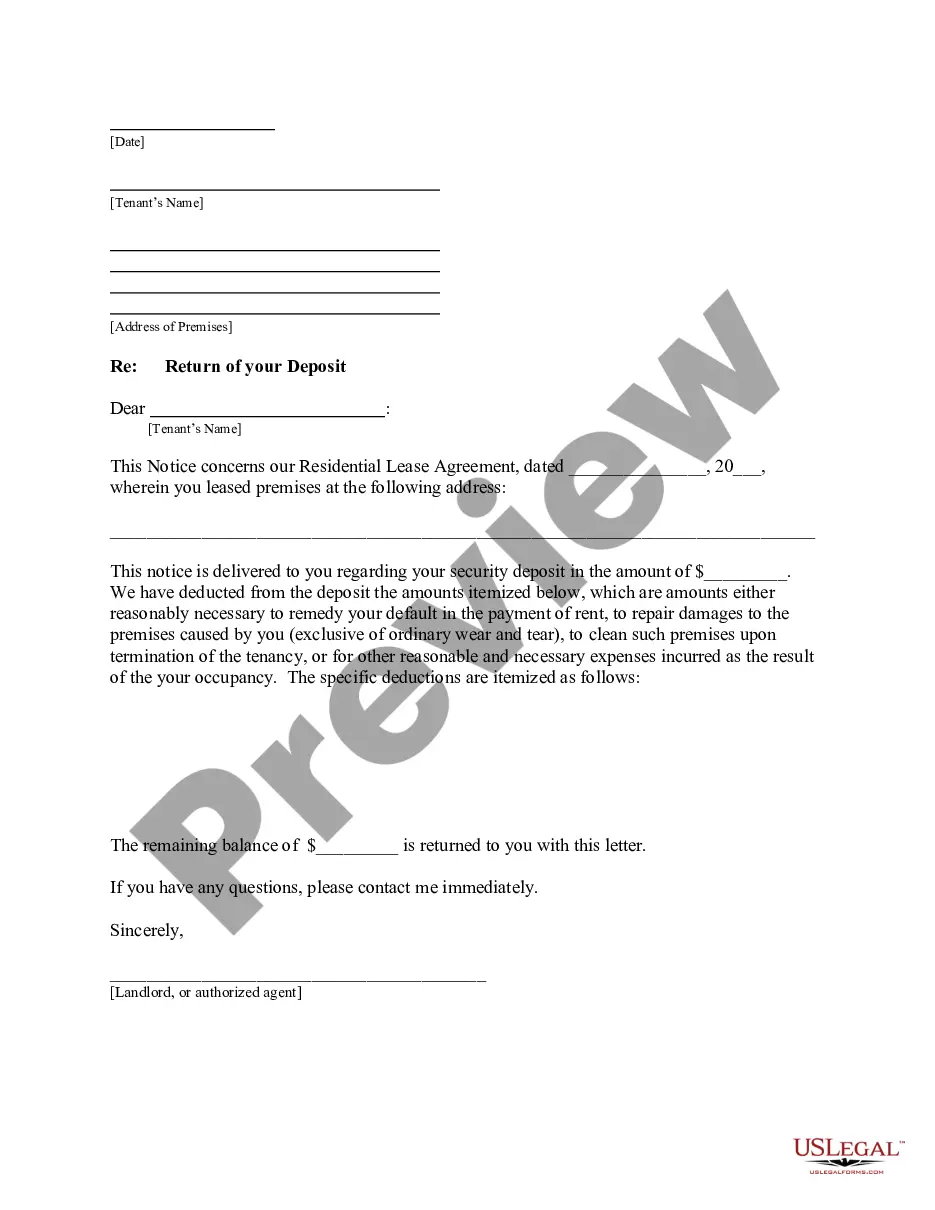
Kansas Last Will and Testament for Married person with Adult Children
Understanding this form
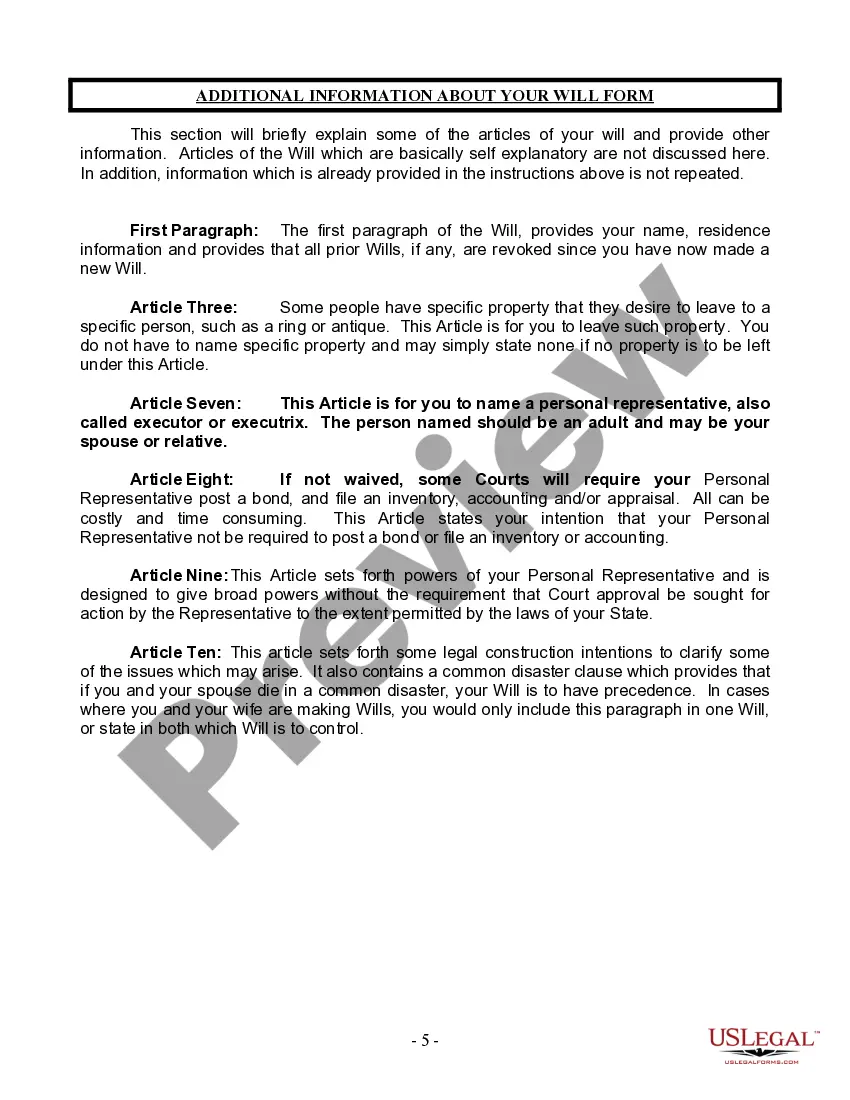
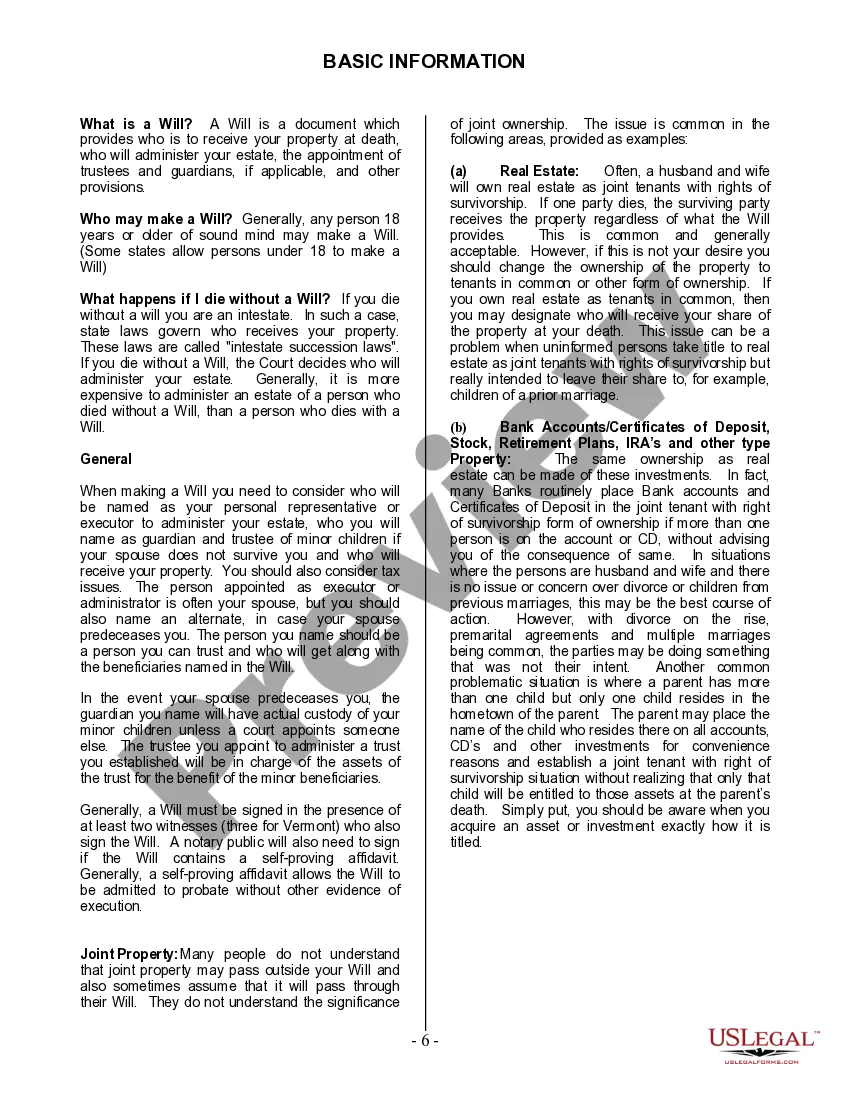
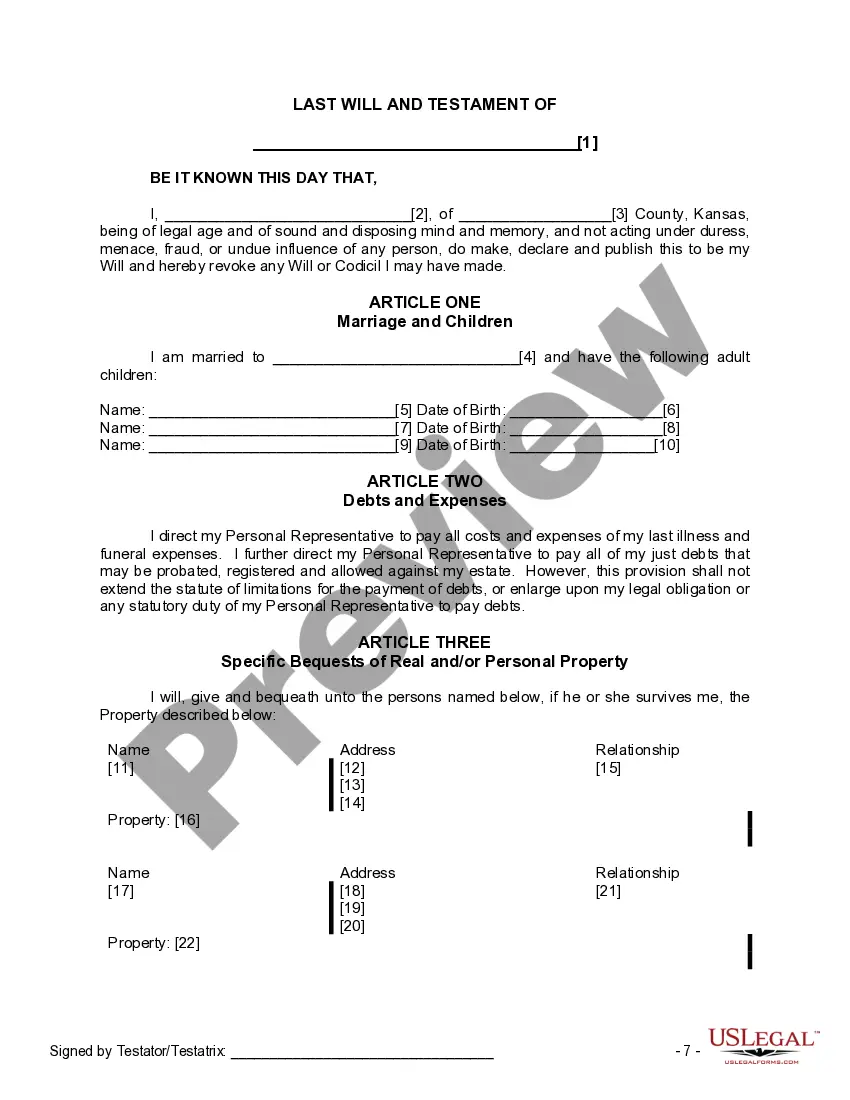
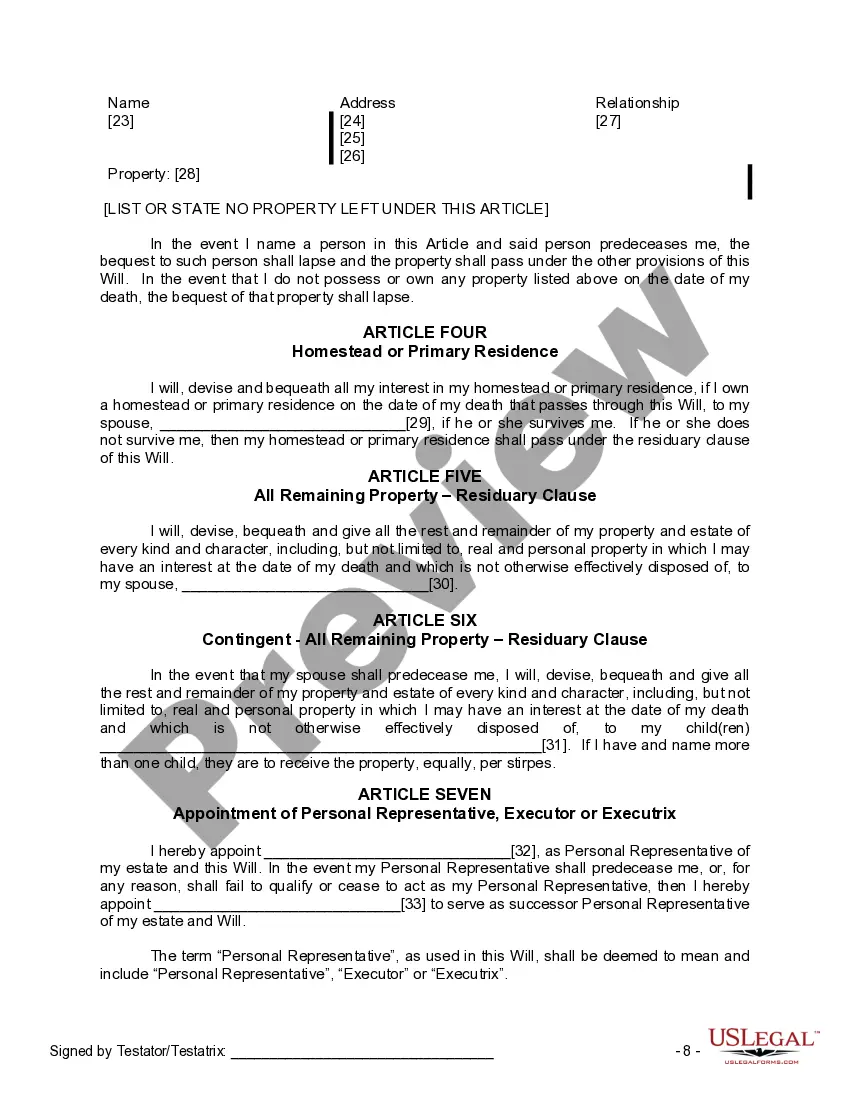
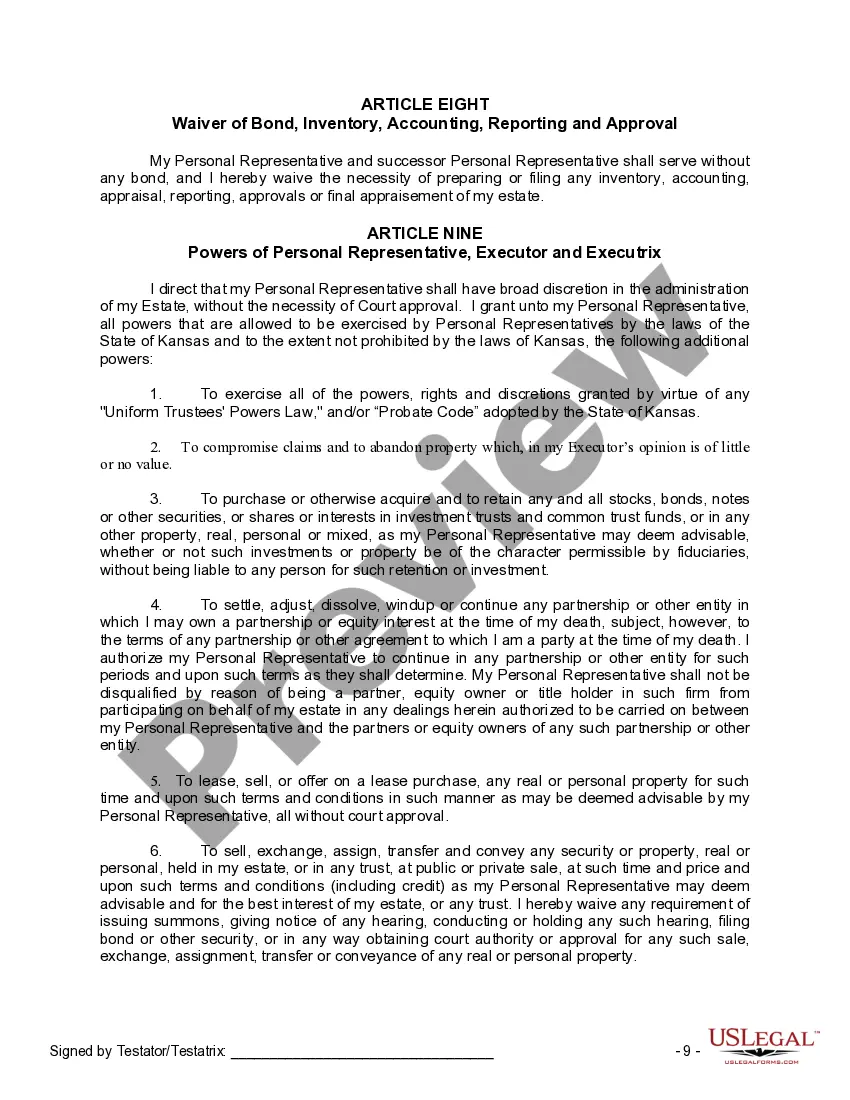
The Last Will and Testament for Married Person with Adult Children is a legal document that outlines how a married individual wishes to distribute their assets after death, specifically when they have adult children. This form includes the appointment of an executor to manage the estate, specific bequests, and provisions ensuring that both the spouse and children are provided for. It differs from other wills by tailoring its clauses to meet the needs of married individuals with grown children, making it a vital tool for estate planning.
What’s included in this form
- Personal details of the testator, including their spouse and children.
- Appointment of a personal representative (executor) to manage the estate.
- Specific bequests of property to designate recipients for designated items.
- Provisions for the distribution of the homestead or primary residence.
- Residuary clauses detailing how remaining assets should be distributed.
- Optional clauses for specific instructions regarding funeral arrangements and other personal wishes.







Situations where this form applies
This form should be used when a married person with adult children wants to prepare a legally-binding will. It is essential for ensuring that their wishes are honored regarding the distribution of their property and assets after their death. This will is particularly relevant in situations involving complex family dynamics, such as previous marriages or differing financial situations among adult children.
Intended users of this form
- Married individuals with adult children who want to outline their final wishes.
- Those wishing to designate specific assets to particular family members.
- People looking to appoint a trusted personal representative to manage their estate.
- Anyone who wants to ensure clarity in asset distribution to avoid family conflicts after their passing.
How to prepare this document
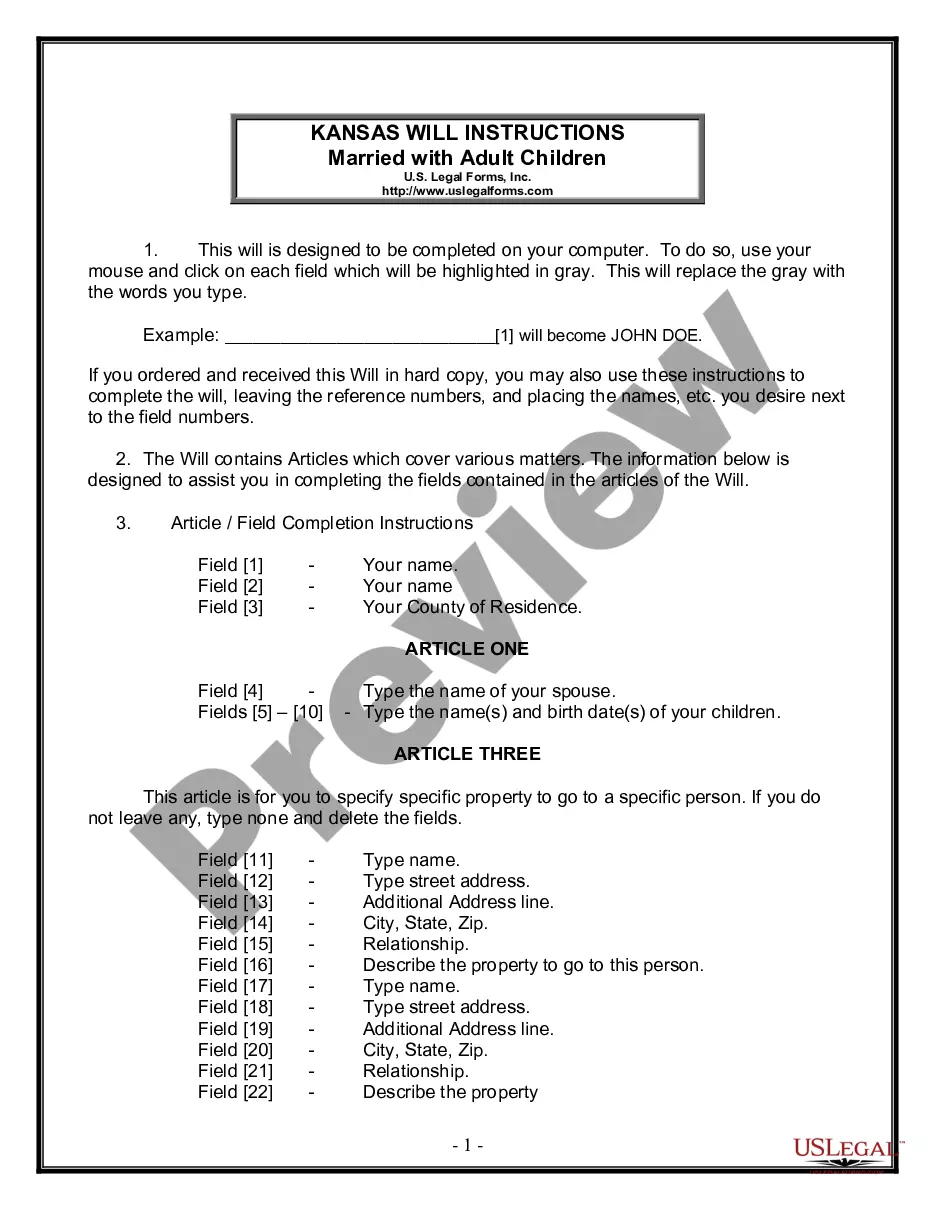
- Identify yourself as the testator, including your full name and county of residence.
- List your spouse's name and the names and birthdates of your children in the specified fields.
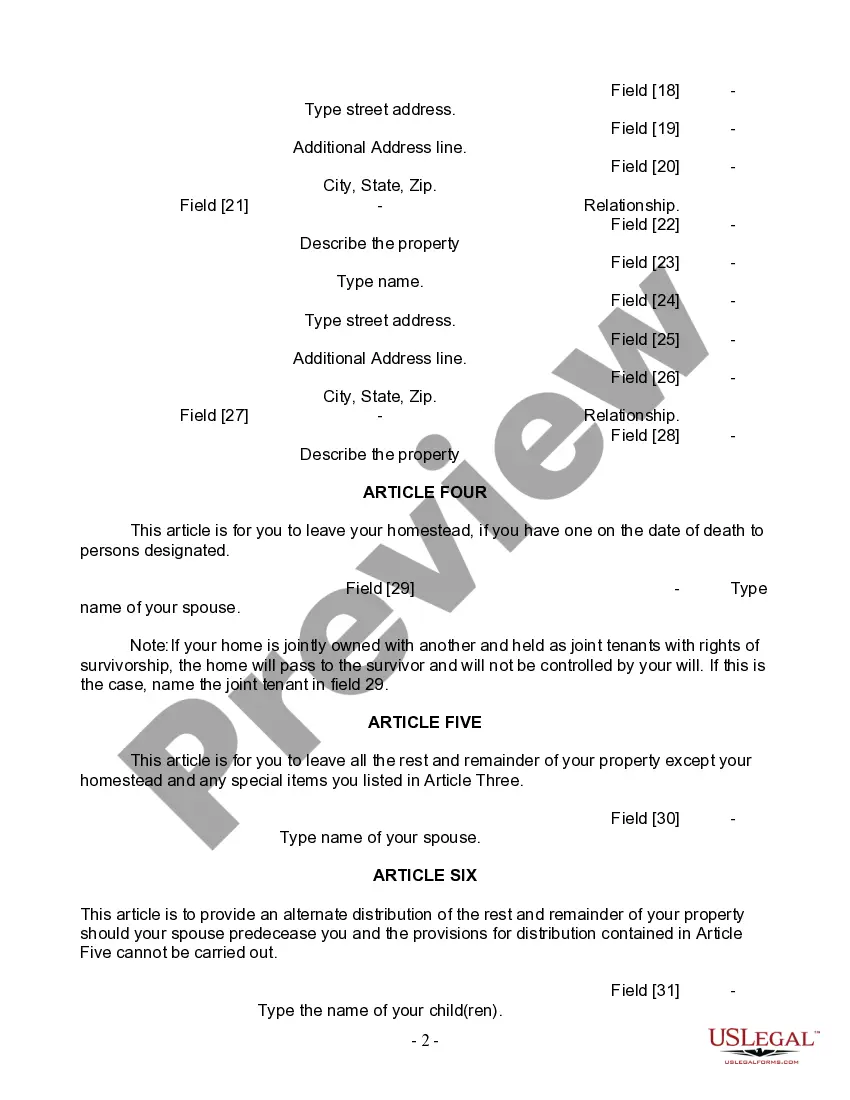
- Designate specific property to beneficiaries or indicate specific bequests in the appropriate sections.
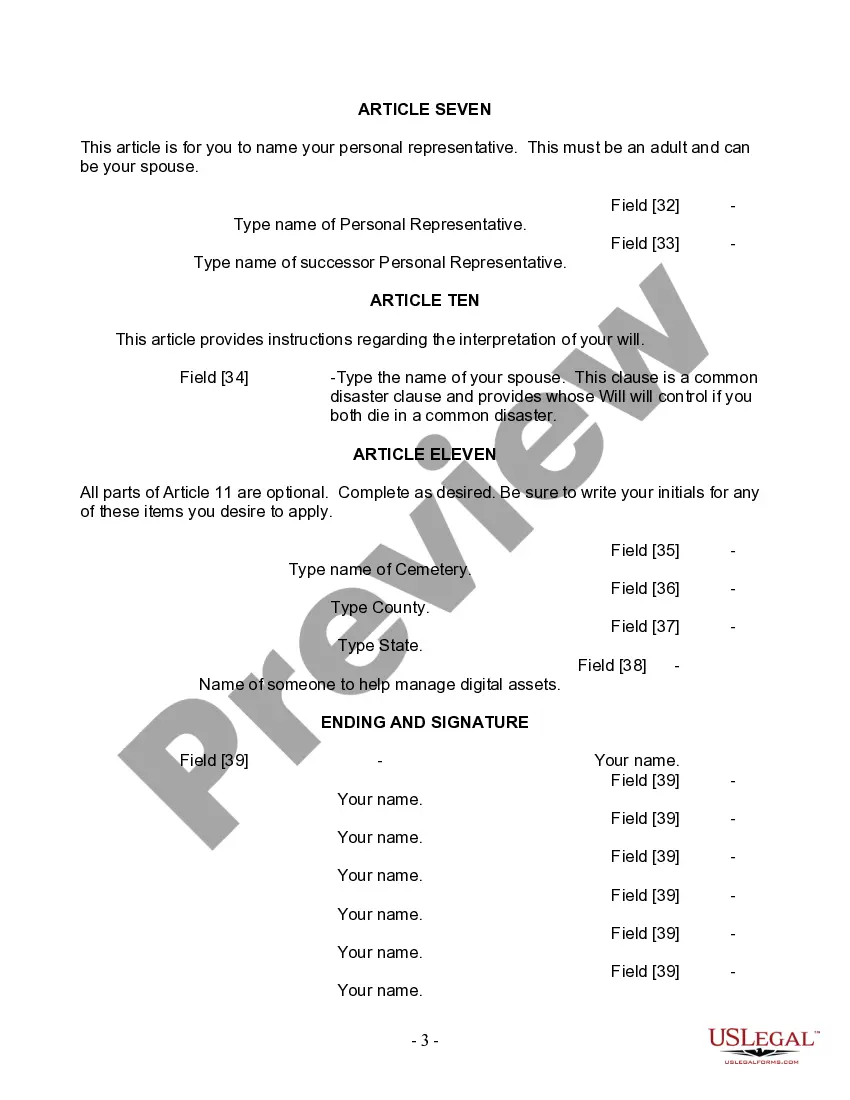
- Complete the homestead and residuary clauses to declare how these assets will be distributed.
- Appoint a personal representative who will handle your estate and ensure they are of legal age.
- Sign the will in front of two disinterested witnesses and, if applicable, have a notary public witness the signing to utilize the self-proving affidavit.
Notarization requirements for this form
To make this form legally binding, it must be notarized. Our online notarization service, powered by Notarize, lets you verify and sign documents remotely through an encrypted video session.
Get your form ready online
Our built-in tools help you complete, sign, share, and store your documents in one place.
Make edits, fill in missing information, and update formatting in US Legal Forms—just like you would in MS Word.
Download a copy, print it, send it by email, or mail it via USPS—whatever works best for your next step.
Sign and collect signatures with our SignNow integration. Send to multiple recipients, set reminders, and more. Go Premium to unlock E-Sign.
If this form requires notarization, complete it online through a secure video call—no need to meet a notary in person or wait for an appointment.
We protect your documents and personal data by following strict security and privacy standards.

Make edits, fill in missing information, and update formatting in US Legal Forms—just like you would in MS Word.

Download a copy, print it, send it by email, or mail it via USPS—whatever works best for your next step.

Sign and collect signatures with our SignNow integration. Send to multiple recipients, set reminders, and more. Go Premium to unlock E-Sign.

If this form requires notarization, complete it online through a secure video call—no need to meet a notary in person or wait for an appointment.

We protect your documents and personal data by following strict security and privacy standards.
Typical mistakes to avoid
- Failing to have two qualified witnesses for the signing of the will.
- Not including clear instructions for all significant assets, leading to potential disputes.
- Neglecting to review and update the will after major life changes, such as divorce or the birth of new grandchildren.
- Not storing the will in a safe and accessible location for heirs to find after death.
Benefits of completing this form online
- Convenience of completing the form from home at your own pace.
- Editability allows for easy updates as family situations change.
- Access to templates drafted by licensed attorneys, ensuring legal compliance.
- Secure digital storage options to protect sensitive information.
Looking for another form?
Form popularity
FAQ
§ 59-601. In Kansas, your will affects the property you own at the time of your death, as well as any property your estate receives after your death.Kansas does not permit holographic (handwritten) wills.
Dying Without a Will in KansasIf there isn't a will, the court then appoints someone, usually an adult child or surviving spouse, to be the executor or personal representative. The executor or personal representative takes care of the decedent's estate.
Hiring an attorney will cost you more than $1,000. If you choose to use the DIY approach, you'll spend a few hundred dollars. Both methods have pros and cons, of course. DIY estate planning, though less expensive, requires more detail and planning.
Legal Requirements A will is valid in Kansas only if it is in writing and signed at the final draft by the testator, or by a proxy who has been directed by the testator to sign it. The will also needs to be signed by two witnesses who have seen the testator sign the will or have heard the acknowledgement of the will.