Maine Letter from Tenant to Landlord about Landlord using Unlawful Self-Help to Gain Possession
Understanding this form
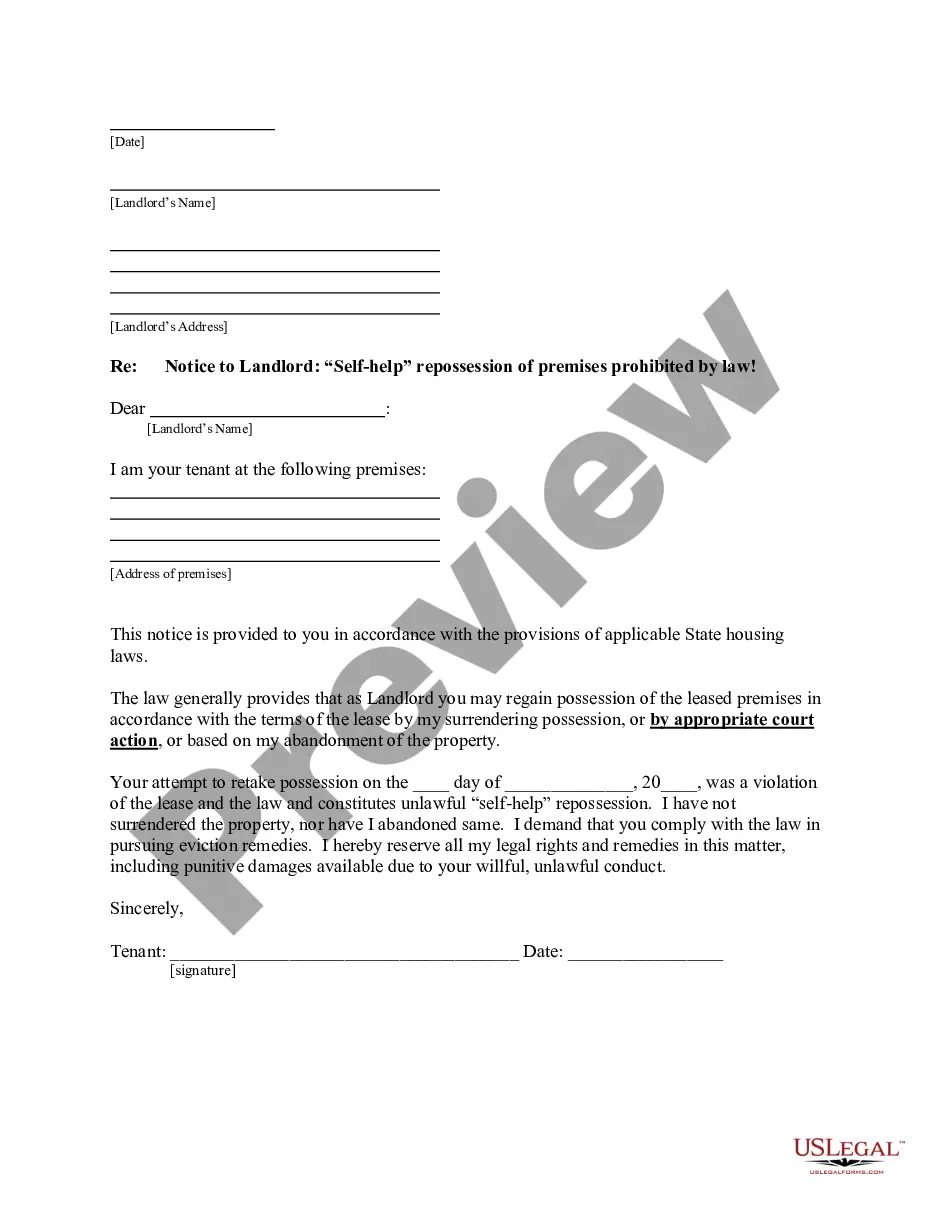
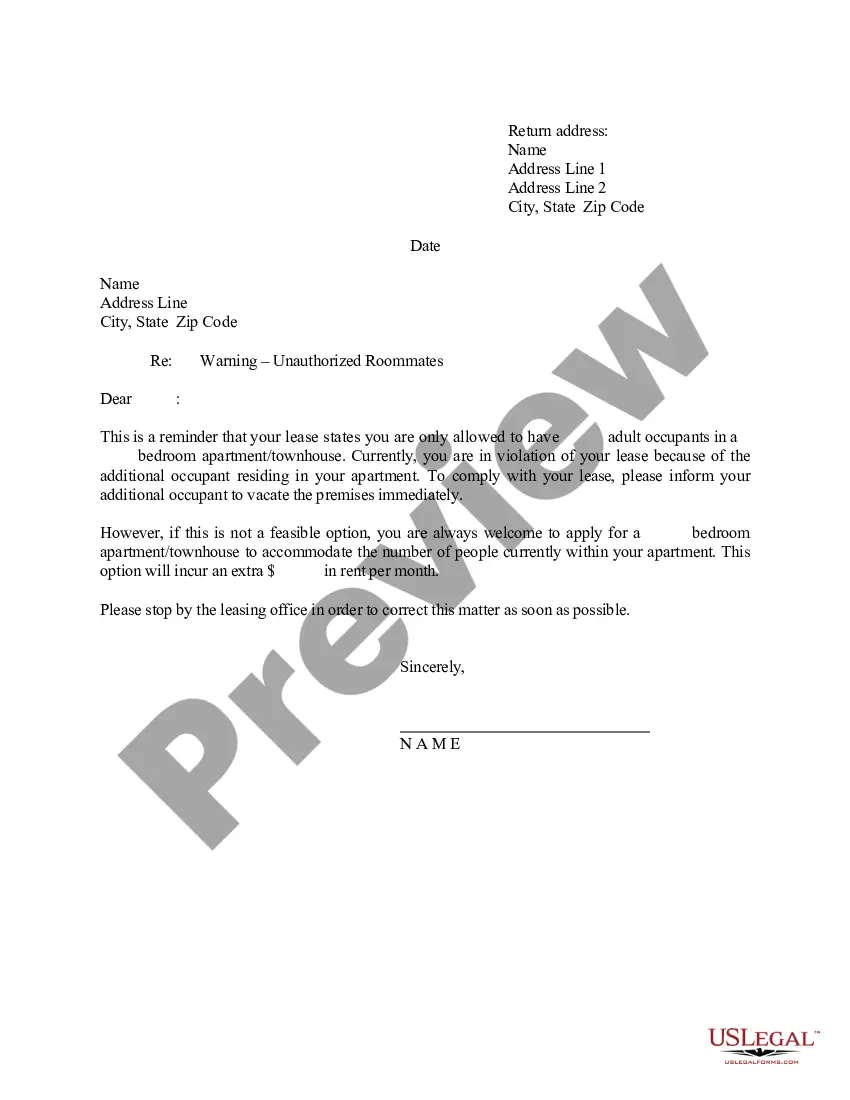
This letter from tenant to landlord about unlawful self-help to gain possession is a formal communication that a tenant can use to address illegal actions taken by a landlord to regain possession of a leased property. Unlike other eviction notices, this letter specifically informs the landlord that their method of reclaiming possession may violate both the lease agreement and existing laws. It serves to assert the tenant's rights and request lawful proceedings for eviction, ensuring the landlord is aware of their legal obligations.
Key components of this form
- Date of the unlawful self-help action taken by the landlord.
- Statement asserting the tenant has not abandoned the property.
- Demand for the landlord to comply with legal eviction processes.
- Reservation of legal rights and potential for punitive damages.
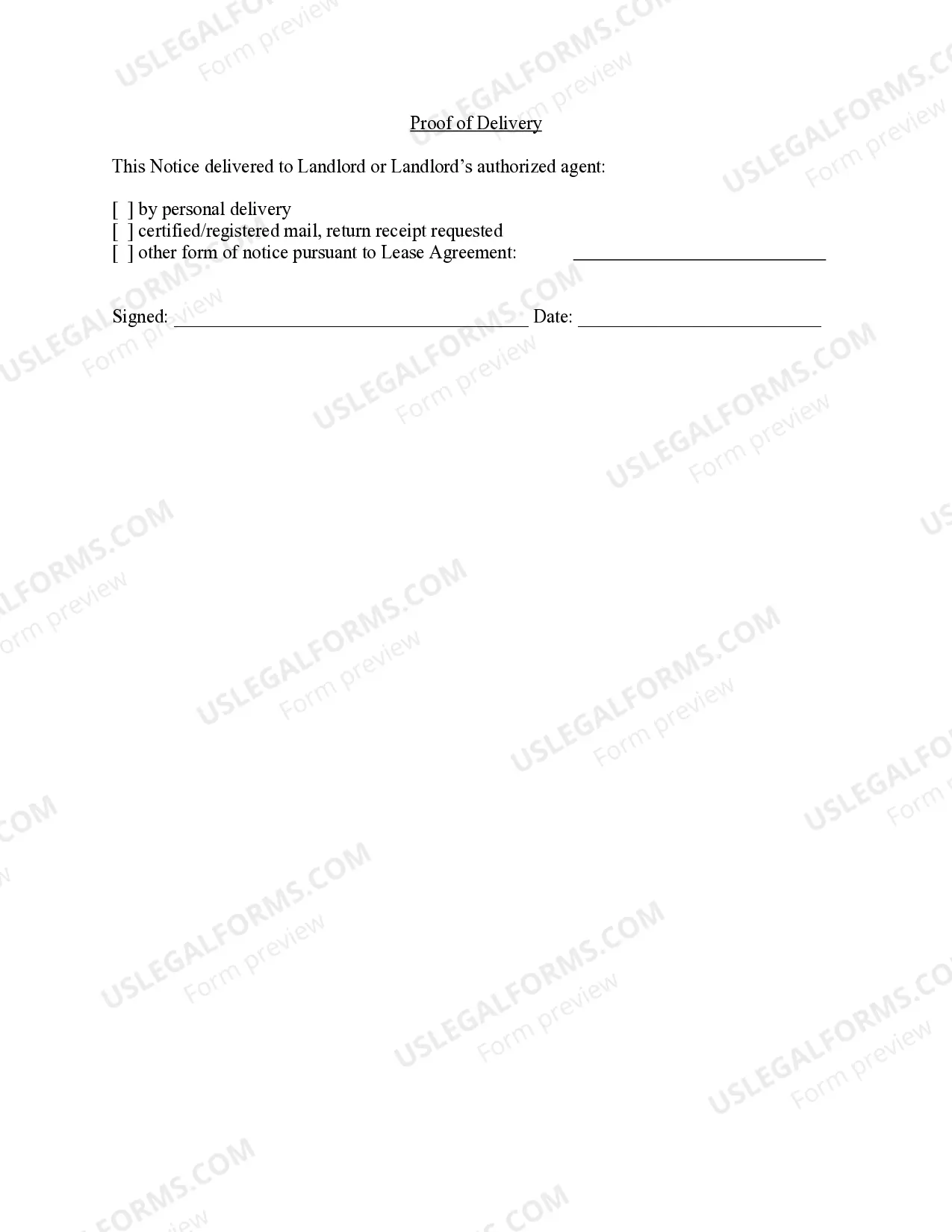
- Signature line for the tenant and space for proof of delivery.
When to use this document
This letter should be used when a tenant believes that their landlord is attempting to regain possession of a rental property through unlawful means, such as changing locks or removing personal belongings without proper legal procedures. It is an important tool for communicating with the landlord about their illegal actions before further legal steps are taken, helping to prevent escalation into a lengthy eviction process.
Intended users of this form
- Tenants who are currently leasing a property.
- Individuals who believe their landlord is using illegal actions to regain possession.
- Renters who wish to formally document their stance on unlawful eviction attempts.
Completing this form step by step
- Identify the date your landlord attempted to regain possession.
- Clearly state that you have not abandoned the property.
- Demand that your landlord follow legal eviction processes.
- Reserve your rights to any legal actions, including punitive damages.
- Sign the letter and include the date of signing.
Notarization requirements for this form
This form usually doesn’t need to be notarized. However, local laws or specific transactions may require it. Our online notarization service, powered by Notarize, lets you complete it remotely through a secure video session, available 24/7.
Get your form ready online
Our built-in tools help you complete, sign, share, and store your documents in one place.
Make edits, fill in missing information, and update formatting in US Legal Forms—just like you would in MS Word.
Download a copy, print it, send it by email, or mail it via USPS—whatever works best for your next step.
Sign and collect signatures with our SignNow integration. Send to multiple recipients, set reminders, and more. Go Premium to unlock E-Sign.
If this form requires notarization, complete it online through a secure video call—no need to meet a notary in person or wait for an appointment.
We protect your documents and personal data by following strict security and privacy standards.
Make edits, fill in missing information, and update formatting in US Legal Forms—just like you would in MS Word.
Download a copy, print it, send it by email, or mail it via USPS—whatever works best for your next step.
Sign and collect signatures with our SignNow integration. Send to multiple recipients, set reminders, and more. Go Premium to unlock E-Sign.

If this form requires notarization, complete it online through a secure video call—no need to meet a notary in person or wait for an appointment.
We protect your documents and personal data by following strict security and privacy standards.
Avoid these common issues
- Failing to accurately date the landlord's unlawful action.
- Not clearly stating your intention to remain in the property.
- Omitting a clear demand for lawful eviction processes.
- Not signing the letter before submission.
Benefits of completing this form online
- Easy access to legally vetted templates tailored for your needs.
- Editable fields to customize the letter according to your situation.
- Time-efficient process that allows for immediate download and use.
- Peace of mind knowing you are following legal standards.
Legal use & context
- This letter helps protect tenant rights against unlawful eviction tactics.
- Using this form may serve as a legal record of the tenant's notification to the landlord.
- It can be important in any future court proceedings related to the eviction process.
Key takeaways
- This form is essential for tenants facing illegal eviction attempts by their landlord.
- It helps document your position and protect your legal rights.
- Proper use of this letter can help prevent further unlawful actions and potential eviction proceedings.
- Ensure you adhere to your state's specific legal requirements when using this form.
Looking for another form?
Form popularity
FAQ
If you're seeking damages for emotional distress caused by a landlord's discrimination, or punitive damages for especially blatant and intentional discrimination, a lawsuit may well be your best bet. Understand what's involved in suing your landlord. You may file a lawsuit in either federal or state court.
If you have rent arrears, your landlord may try and evict you. This is called seeking possession. To do this, in most cases they will need to follow a procedure which involves getting a court order.your landlord must give you notice to leave your home, this is called a notice of seeking possession or a notice to quit.
Generally a possession order is enforceable any time up until six years after the possession order was made. After that, you will need to get permission from the court (CPR 83.2(3)(a)).
If you think your landlord is violating the Fair Housing Act, you can get that landlord in trouble by filing a complaint at HUD.gov. Your remedy for breach of quiet enjoyment is to terminate the lease and move or sue in small claims court.
Know Your Landlord-Tenant Act. Be Aware of Scams. Get Tenant Insurance. Ask For a Walk-Through Inspection. Read the Lease Agreement. Understand Notices and Eviction Terms. Look Out For Your Safety.
If your landlord breaches the warranty of habitability or the warranty of quiet enjoyment, you may be able to sue her to recover monetary damages.In some states, such as California and Arizona, you may be able to seek emotional distress damages if the landlord's actions were particularly egregious.
Order for possession (or 'outright possession order') This means your tenants must leave your property before the date given in the order.You can ask the court to evict them with a 'warrant for possession' if your tenants do not leave your property by the date given.
If you have rent arrears, your landlord may try and evict you. This is called seeking possession. To do this, in most cases they will need to follow a procedure which involves getting a court order.your landlord must give you notice to leave your home, this is called a notice of seeking possession or a notice to quit.
Your landlord must generally have made a claim for possession in the court within 10 months of giving you the notice, if they gave you the notice on or after 29 August 2020.