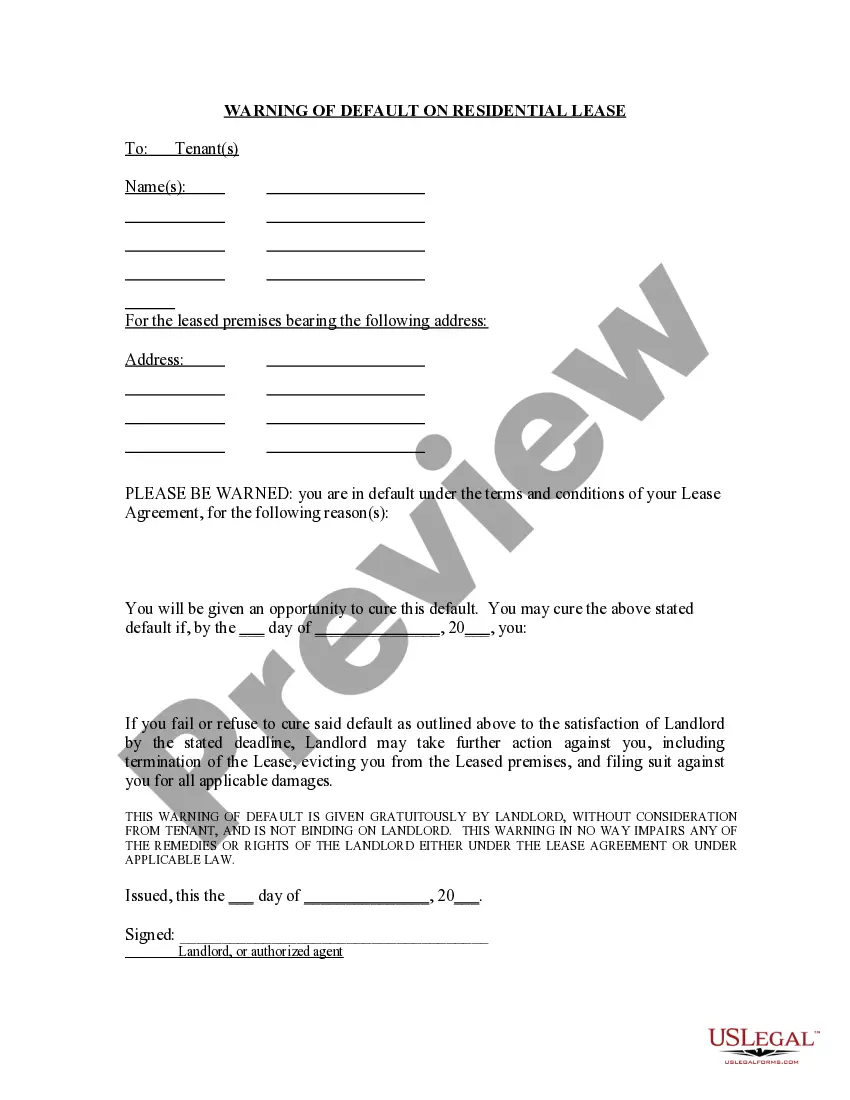
Kansas Warning of Default on Residential Lease
Overview of this form
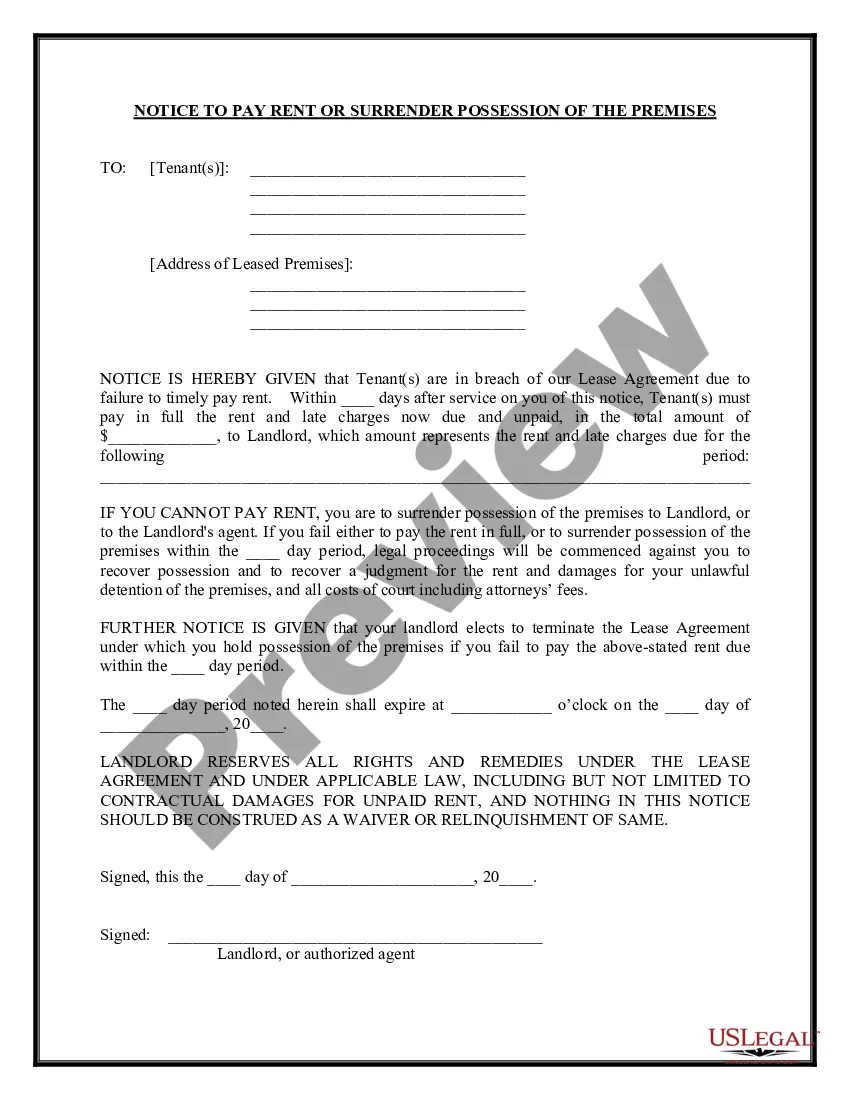
The Warning of Default on Residential Lease is a crucial document issued by a landlord to a tenant to formally express concerns regarding potential defaults under the lease agreement. This form serves as an official reminder that if certain conditions are not addressed promptly, the tenant may be held in default. Unlike other notices, this form specifically outlines the landlord's intentions without binding them legally, allowing for flexibility in addressing lease violations.
What’s included in this form
- Date of issuance, indicating when the warning was given
- Signature of the landlord or authorized agent
- Clear statement that the warning is not binding on the landlord
- Expression of concern regarding conditions that may lead to default
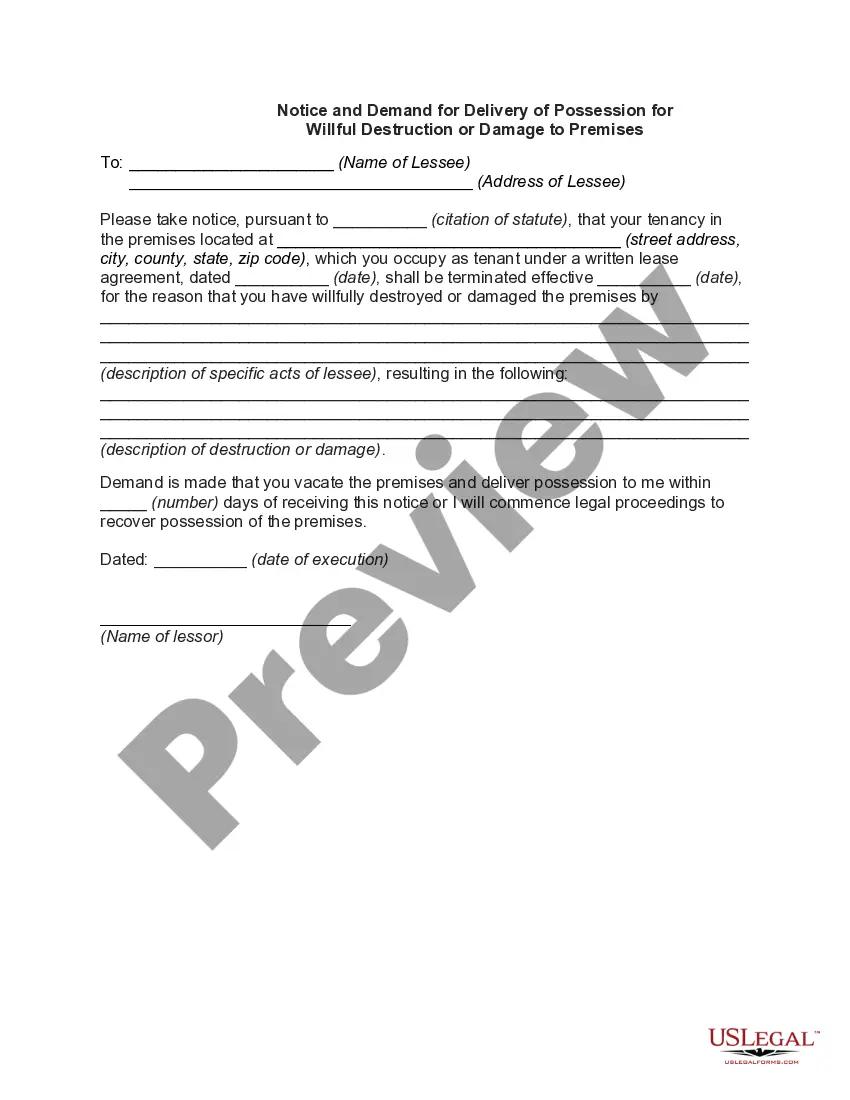
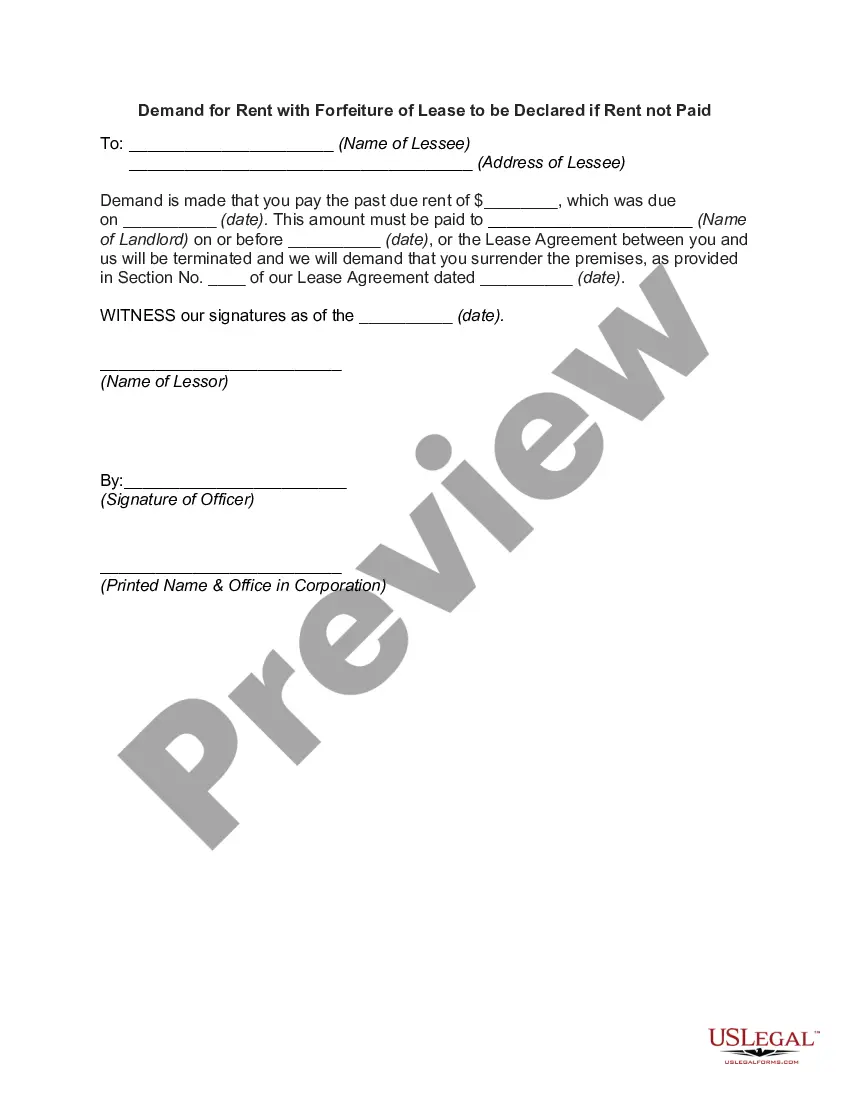
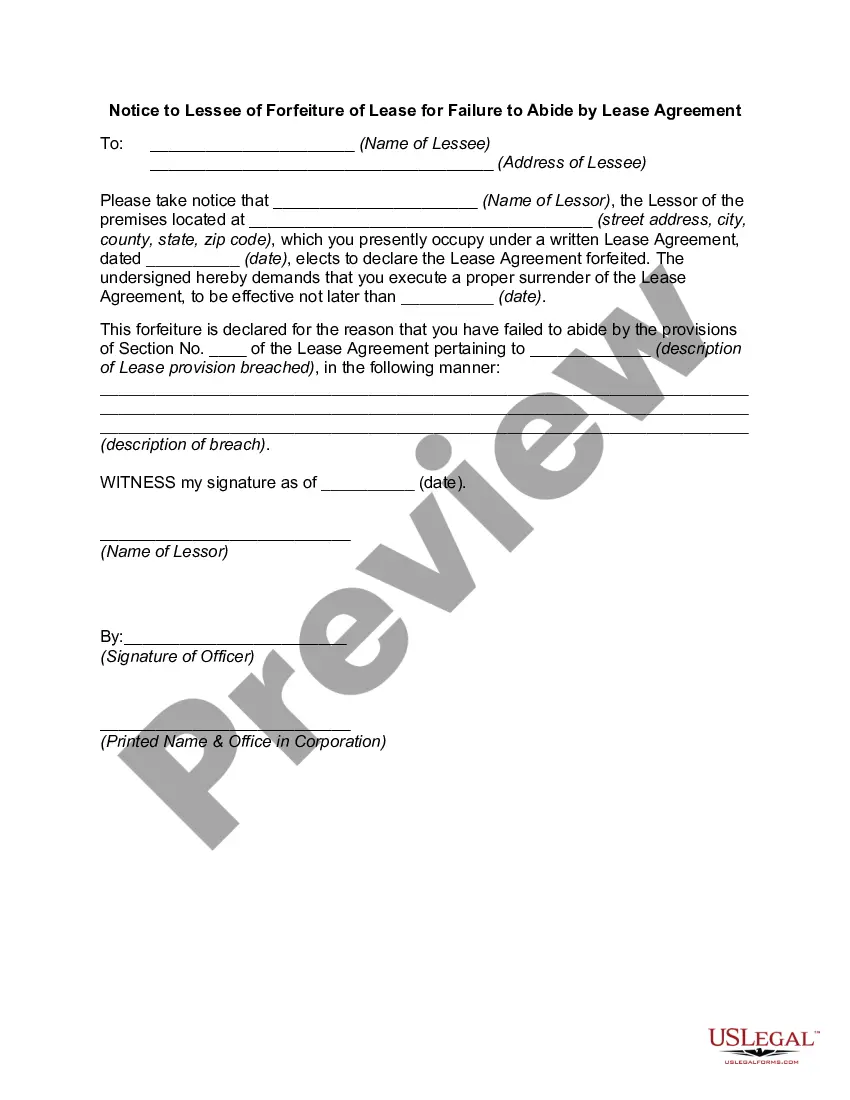

When this form is needed
This form is used when a tenant fails to comply with specific terms of the lease agreement. For example, if rent payments are late or if there are violations of property rules, the landlord can utilize this warning to formally notify the tenant of these issues. It establishes a record that can be important if further action becomes necessary.
Who can use this document
Eligible users of this form include:
- Residential landlords who have concerns about tenant compliance
- Property managers acting on behalf of landlords
- Tenants who need to understand the implications of lease defaults
Completing this form step by step
- Enter the date the warning is issued
- Provide the tenant's details as outlined in the lease agreement
- Clearly state the specific breaches of the lease agreement
- Sign the document as the landlord or authorized agent
- Deliver the warning to the tenant, following any local delivery requirements
Notarization requirements for this form
This form does not typically require notarization unless specified by local law. However, it is always recommended to check local regulations to ensure compliance.
Get your form ready online
Our built-in tools help you complete, sign, share, and store your documents in one place.
Make edits, fill in missing information, and update formatting in US Legal Forms—just like you would in MS Word.
Download a copy, print it, send it by email, or mail it via USPS—whatever works best for your next step.
Sign and collect signatures with our SignNow integration. Send to multiple recipients, set reminders, and more. Go Premium to unlock E-Sign.
If this form requires notarization, complete it online through a secure video call—no need to meet a notary in person or wait for an appointment.
We protect your documents and personal data by following strict security and privacy standards.

Make edits, fill in missing information, and update formatting in US Legal Forms—just like you would in MS Word.

Download a copy, print it, send it by email, or mail it via USPS—whatever works best for your next step.

Sign and collect signatures with our SignNow integration. Send to multiple recipients, set reminders, and more. Go Premium to unlock E-Sign.

If this form requires notarization, complete it online through a secure video call—no need to meet a notary in person or wait for an appointment.

We protect your documents and personal data by following strict security and privacy standards.
Common mistakes to avoid
- Failing to provide a specific date when the warning is issued
- Not clearly stating the conditions that led to the warning
- Omitting the signature of the landlord or authorized agent
- Ignoring local laws regarding notification requirements
Why complete this form online
- Access legal form templates drafted by licensed attorneys
- Easy to fill out and download from the comfort of your home
- Editable templates that can be customized to suit your specific situation
- Secure and convenient, ensuring compliance with applicable laws
Looking for another form?

Form popularity
FAQ
The 14/30-day notice to tenants in Kansas informs them of their lease violations and provides a timeframe to rectify the issue. This notice is part of the Kansas Warning of Default on Residential Lease, allowing tenants to address any breaches before legal action. A 14-day notice typically applies to serious breaches, while a 30-day notice can cover less urgent matters. It is vital for tenants to take these notices seriously to maintain their rental agreements.
Review Your Lease Before You Sign. Research Local Laws. Keep Records. Pay Your Rent. Maintain Respectful Communication. Seek an Agreeable Solution. Request Repairs in Writing. What Do You Think?
In landlord-tenant law, default refers to the failure of a tenant to timely pay rent due.In general, the landlord is required to give the tenant notice of the default before bringing eviction proceedings or applying security deposit proceeds to the payment in default.
Default by landlord The most common form of landlord default is failure to provide services and maintain the property condition. When a landlord defaults on the terms of the lease, tenants may sue for damages.
Notice to terminate a week-to-week lease. Seven-day written notice. Notice to terminate a month-to-month lease. 30-day written notice. Notice to terminate a yearly lease with no end date.
If a tenant fails to pay rent, breaks a rule, or significantly damages the property, then it is considered breach of contract and you have grounds for eviction. If there are people living in the unit that are not on the lease, then that is also breach of contract and you have grounds to evict them.
Tenant default occurs when a Tenant breaches one of the tenant's covenants in its lease. Tenant default can arise in a number of different ways but will typically be for one of the following: Non-payment of rent or other sums reserved under the lease.
If you think your landlord is violating the Fair Housing Act, you can get that landlord in trouble by filing a complaint at HUD.gov. Your remedy for breach of quiet enjoyment is to terminate the lease and move or sue in small claims court.
Step 1: Speak to your tenant. Step 2: Provide notice of contract breach. Step 3: Decide between an interdict or cancellation. Step 4: Eviction process. Step 5: Eviction notice. Final advice.
Protect your rental income. Even the most reliable tenants sometimes struggle to pay their rent.Tenant default insurance from Simply Business provides vital back-up for landlords it can cover your rental income if your tenant fails to pay rent.