What is a notice of hearing in probate?
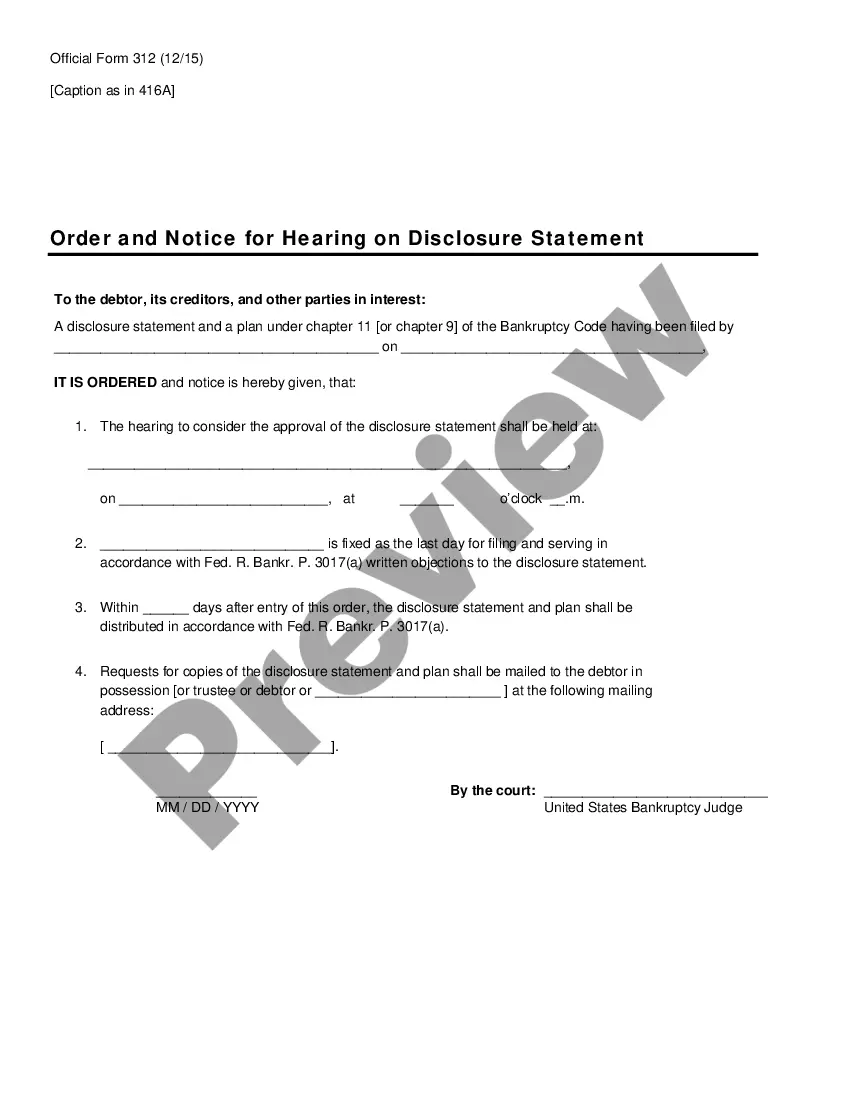
A notice of hearing in probate is a formal notification that informs all interested parties about a scheduled court hearing regarding a deceased person's estate. This notice typically outlines the details of the hearing, including the date, time, and location, allowing individuals to attend or respond as necessary. It serves to ensure transparency in the probate process and allows those affected by the estate to prepare for legal proceedings.
Key components of the form
The notice of hearing in probate includes several important components:
- Case Information: The title of the case, including the name of the deceased and the case number.
- Hearing Details: Specifics regarding when and where the hearing will occur.
- Documents Filed: A list of documents that have been filed with the court.
- Notification of Parties: Information on whom the notice has been sent to and their respective roles or relationships to the deceased.
- Signature: The signature of the person giving the notice, confirming its authenticity.
Who should use this form
This form should be used by personal representatives, estate executors, or administrators responsible for handling the probate process of a deceased person's estate. Additionally, attorneys representing these individuals may also use the notice to formally notify interested parties, such as beneficiaries, creditors, and other stakeholders involved in the probate proceedings.
Common mistakes to avoid when using this form
When completing a notice of hearing in probate, avoid the following common mistakes:
- Inaccurate Information: Ensure that the names, dates, and details match official court records to prevent confusion.
- Omission of Recipients: Make sure all relevant parties are included in the notification to comply with legal standards.
- Late Filing: Submit the notice in a timely manner to adhere to court schedules and avoid delays in the probate process.
- Incorrect Signatures: Verify that the person providing the notice has the legal authority to do so and signs appropriately.
What to expect during notarization or witnessing
If the notice of hearing in probate requires notarization, the following steps typically occur:
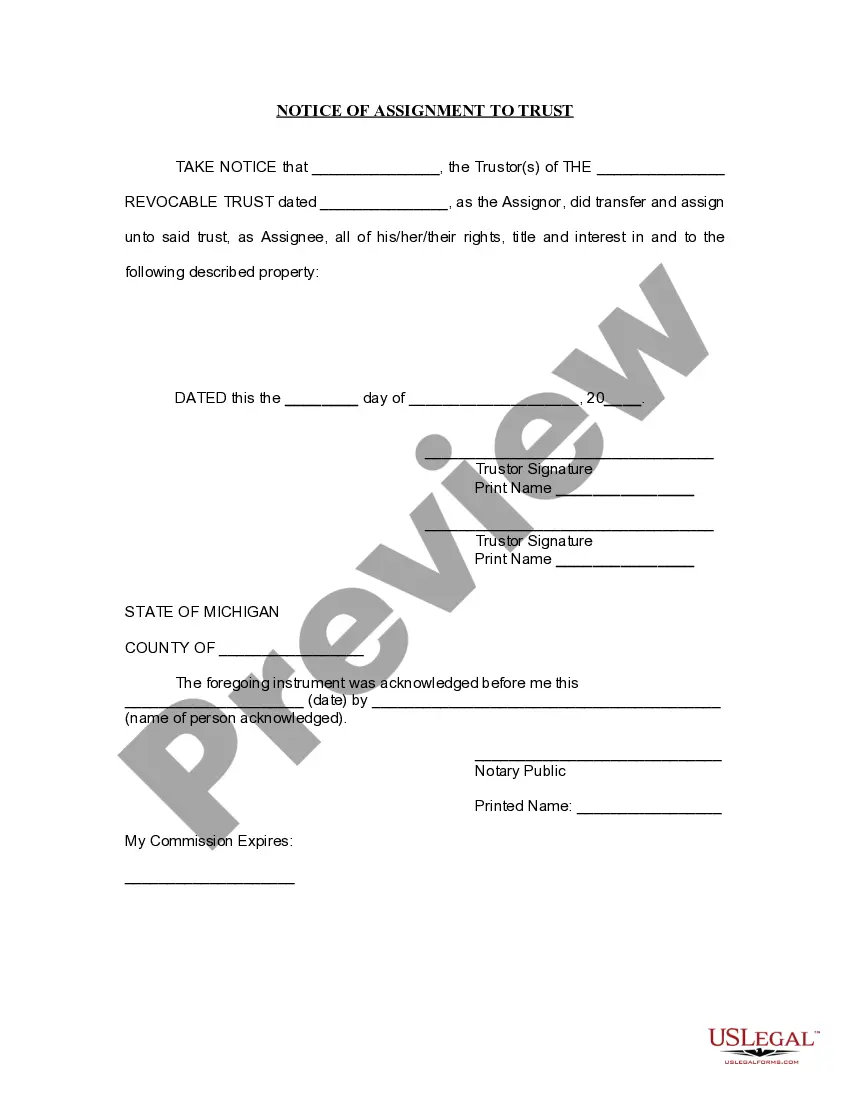
- Presentation of ID: The individual signing the document presents a valid form of identification to the notary public.
- Signature in Presence: The signatory must sign the document in the presence of the notary.
- Notarial Acknowledgment: The notary will then complete a notarial certificate, affirming that the signatory was identified appropriately and signed willingly.
In some cases, witnesses may also be required to sign the notice to further validate the document.
Legal use and context
A notice of hearing in probate is legally required in most jurisdictions as part of the probate process. It ensures all interested parties have the opportunity to partake in the proceedings, which is essential for upholding the rights of beneficiaries and creditors. The form is used in various legal contexts, including informal or formal probate hearings, and its purpose is anchored in the principle of equitable treatment for all individuals with a stake in the estate.