Michigan Assignment to Living Trust
About this form
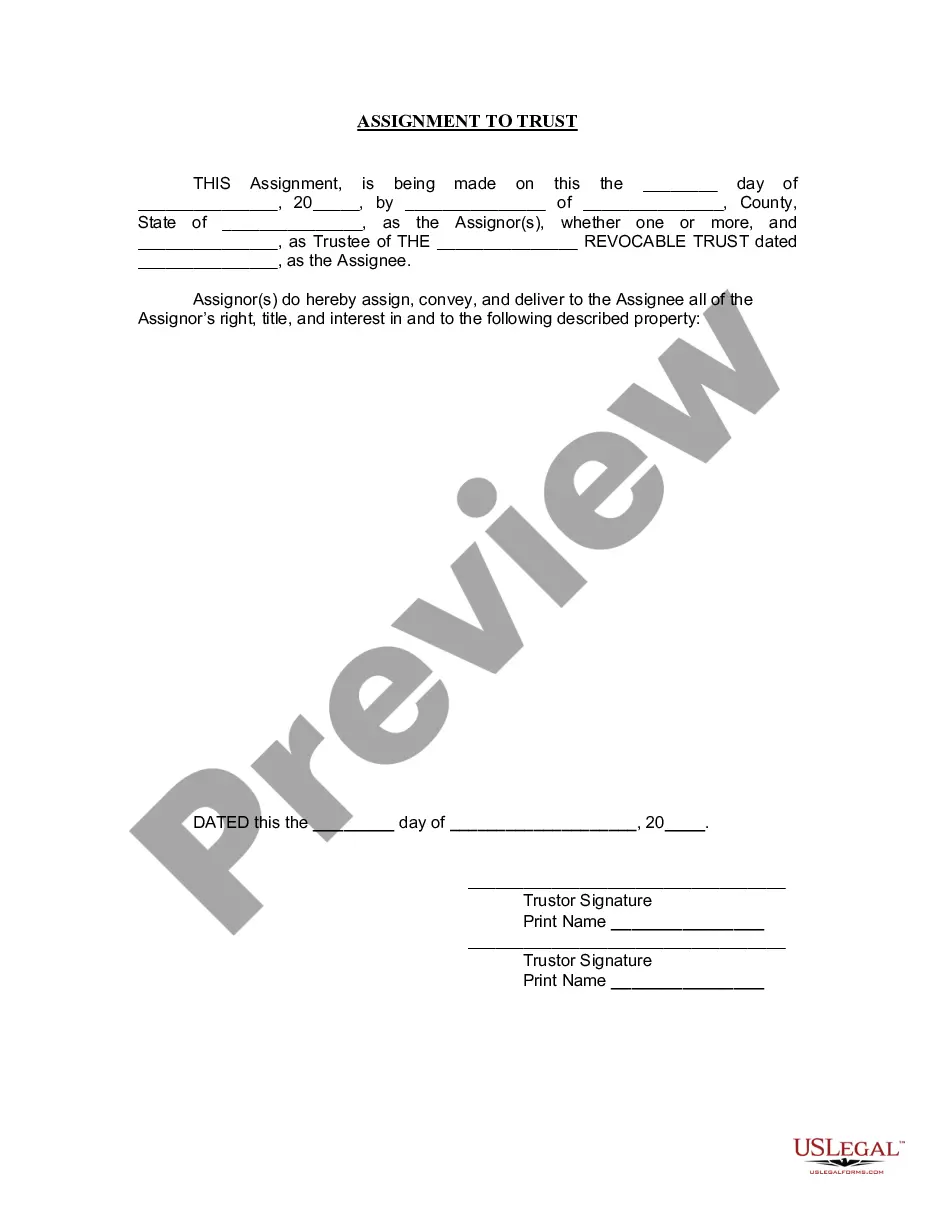
The Assignment to Living Trust form is a legal document used to assign all rights, title, and interest in specific property to a living trust. Unlike other types of trust documents, this form specifically facilitates the transfer of assets into a living trust during a person's lifetime, which is essential for effective estate planning. This ensures that the assets are managed and distributed according to the trustor's wishes after their passing.
Key components of this form
- Assignor details: Name and location of the individual transferring property.
- Trustee information: Name of the trustee managing the living trust.
- Property description: Specific details of the property being assigned to the trust.
- Date of assignment: The date on which the assignment is made.
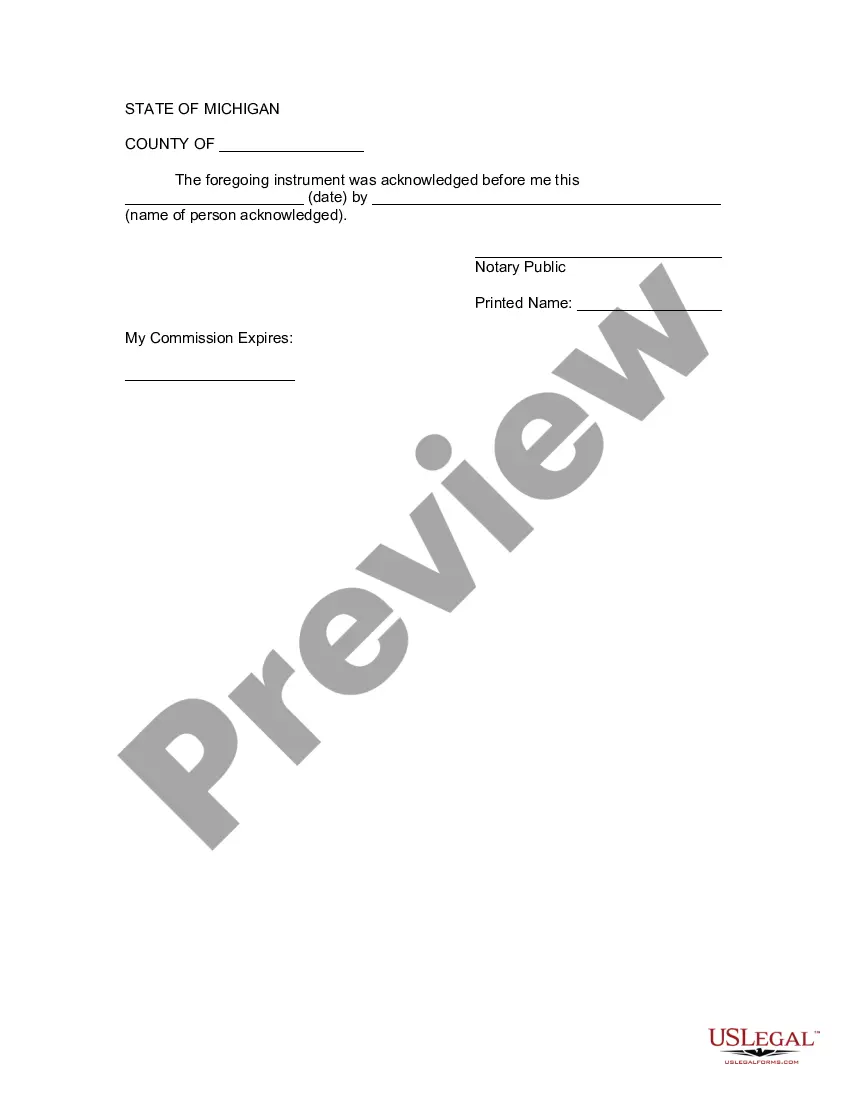
- Signature lines: Space for the Assignor and notary public signatures.
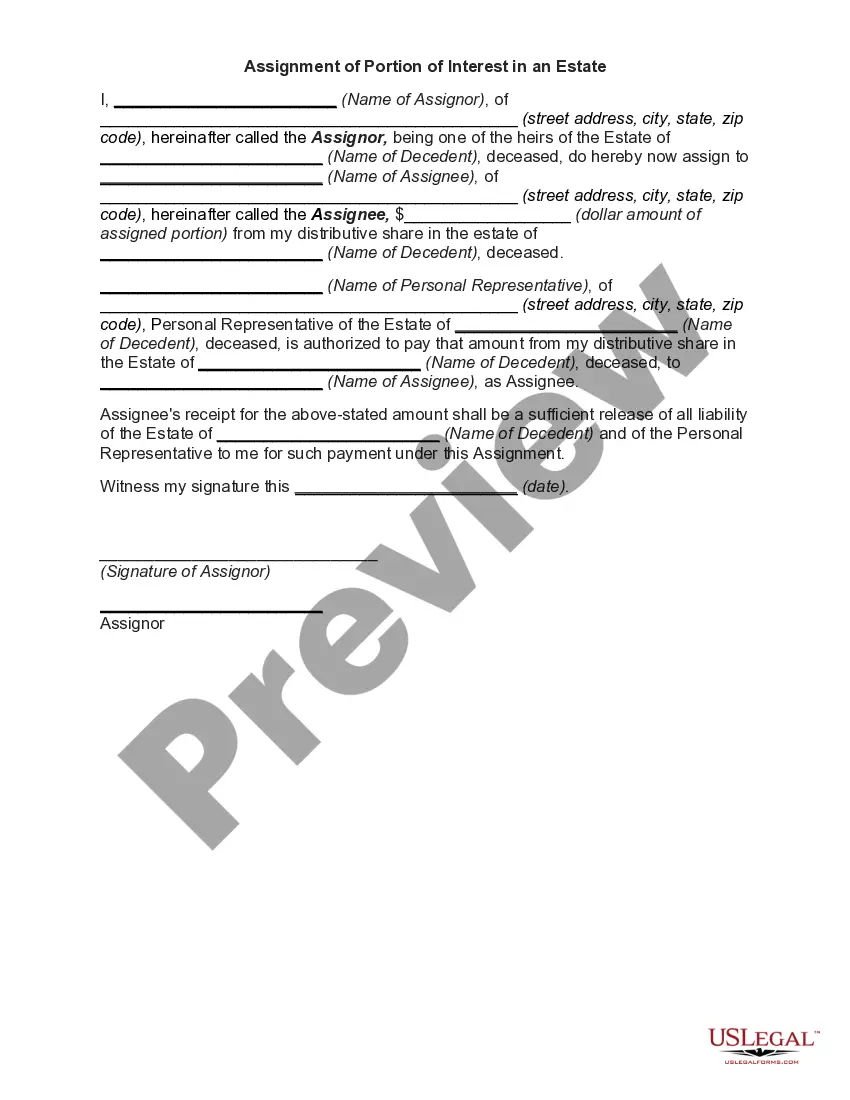


When to use this form
This form is typically used when an individual wants to transfer ownership of property into their living trust. It may be necessary when preparing for estate planning, ensuring that assets are properly managed and distributed according to the individual's wishes, and avoiding probate after death.
Who this form is for
- Individuals establishing a living trust to manage their assets.
- Trustors who wish to transfer property into a trust for estate planning purposes.
- Anyone looking to ensure their property is handled according to their instructions after their demise.
How to complete this form
- Identify the Assignor: Enter the name and address of the person assigning the property.
- Specify the Trustee: Indicate the name of the trustee who will oversee the living trust.
- Detail the Property: Clearly describe the property being assigned to the trust.
- Enter the Date: Fill in the date when the assignment takes place.
- Sign the Document: The Assignor must sign the form in the presence of a notary public.
Is notarization required?
This form must be notarized to be legally valid. US Legal Forms provides secure online notarization powered by Notarize, allowing you to complete the process through a verified video call.
Get your form ready online
Our built-in tools help you complete, sign, share, and store your documents in one place.
Make edits, fill in missing information, and update formatting in US Legal Forms—just like you would in MS Word.
Download a copy, print it, send it by email, or mail it via USPS—whatever works best for your next step.
Sign and collect signatures with our SignNow integration. Send to multiple recipients, set reminders, and more. Go Premium to unlock E-Sign.
If this form requires notarization, complete it online through a secure video call—no need to meet a notary in person or wait for an appointment.
We protect your documents and personal data by following strict security and privacy standards.

Make edits, fill in missing information, and update formatting in US Legal Forms—just like you would in MS Word.

Download a copy, print it, send it by email, or mail it via USPS—whatever works best for your next step.

Sign and collect signatures with our SignNow integration. Send to multiple recipients, set reminders, and more. Go Premium to unlock E-Sign.

If this form requires notarization, complete it online through a secure video call—no need to meet a notary in person or wait for an appointment.

We protect your documents and personal data by following strict security and privacy standards.
Avoid these common issues
- Failing to accurately describe the property being assigned.
- Not signing the document in the presence of a notary public.
- Leaving out essential information such as dates or names.
Advantages of online completion
- Convenience: Download and fill the form from home at any time.
- Editability: Easily modify the form to meet your specific needs.
- Reliability: Access professionally drafted templates created by licensed attorneys.
Quick recap
- The Assignment to Living Trust form is essential for transferring property into a Living Trust.
- Notarization is a key step to ensure the assignment is legally recognized.
- This form helps streamline estate planning and avoid probate.
- Completing the assignment requires careful attention to detail to ensure all information is accurate.
Looking for another form?
Form popularity
FAQ
To put your assets in a living trust, start by creating the trust document that outlines the terms and conditions. Next, you will need to retitle your assets, like real estate or bank accounts, in the name of the trust. This process is known as the Michigan Assignment to Living Trust. Lastly, consider consulting a legal expert or using platforms like USLegalForms to guide you through the necessary paperwork.
Putting your house into a trust can have some disadvantages, such as the complexities of managing the trust and possibly incurring fees for its setup and maintenance. Additionally, while a Michigan Assignment to Living Trust can help avoid probate, it does not protect against creditors or lawsuits. Also, you may lose certain tax benefits associated with direct ownership, so it's important to weigh these factors carefully. Consulting with professionals, or utilizing U.S. Legal Forms, can assist in making informed decisions.
Setting up a living trust in Michigan involves drafting a trust document that defines your wishes for property management and distribution. This document should detail who the trustee and beneficiaries are, as well as the terms of trust management. You can establish a Michigan Assignment to Living Trust by also funding it with your assets, thereby ensuring smooth transitions upon your passing. Consider using U.S. Legal Forms for guidance and templates to streamline the setup.
To transfer property to a trust in Michigan, start by creating your living trust document, clearly outlining all beneficiaries and terms. Next, prepare a new deed to transfer ownership from yourself to the trust, which must be signed and notarized. Finally, file the new deed with the local county clerk’s office, ensuring that your Michigan Assignment to Living Trust is legally recognized. Using platforms like U.S. Legal Forms can simplify this entire process.
A trust becomes valid in Michigan when it is created with a clear intent, involves a competent trustor, and contains identifiable trust property. Additionally, a valid trust should have at least one beneficiary and an appointed trustee to manage the trust’s assets. It is essential to ensure compliance with Michigan laws when creating your trust. If you need help, US Legal Forms provides valuable resources for establishing a Michigan Assignment to Living Trust.
In Michigan, a trust does not have to be filed with the court to be valid. Unlike a will, a living trust can operate privately without court involvement. However, assets held within the trust must be managed according to Michigan state laws for the trust to fulfill your wishes effectively. For more detailed information on the Michigan Assignment to Living Trust, consider visiting US Legal Forms.
To write an amendment to a living trust, start by clearly identifying the original trust document you wish to amend. Use straightforward language to specify which sections you are changing and what the new provisions will be. Be sure to sign and date the amendment, as well as have it witnessed or notarized if necessary, depending on Michigan laws. US Legal Forms offers templates and guidance to help you through the Michigan Assignment to Living Trust amendment process.
To file a trust in Michigan, you need to prepare the trust document, ensuring it complies with state laws. After drafting the document, you should review it to confirm that it reflects your intentions. Once reviewed, you can fund the trust by transferring assets into it. If you need assistance, US Legal Forms provides resources to guide you through the Michigan Assignment to Living Trust process.
The 2 year rule for trusts in Michigan refers to the time frame during which certain actions, like transferring assets without tax implications, must occur. This rule essentially helps streamline the management of your trust and avoid complications with asset transfers later on. Understanding this rule is vital, and using platforms like US Legal Forms can assist you in mastering the Michigan Assignment to Living Trust and ensuring compliance.
Transferring property to a trust in Michigan involves creating a new deed that assigns ownership from you to your trust. It's crucial to reference the trust document to ensure clarity. If you're navigating this process for the first time, US Legal Forms offers helpful resources and templates specifically for Michigan Assignment to Living Trust, making your transfer seamless and efficient.