Hawaii Letter from Tenant to Landlord containing Notice to landlord to withdraw retaliatory rent increase
Understanding this form
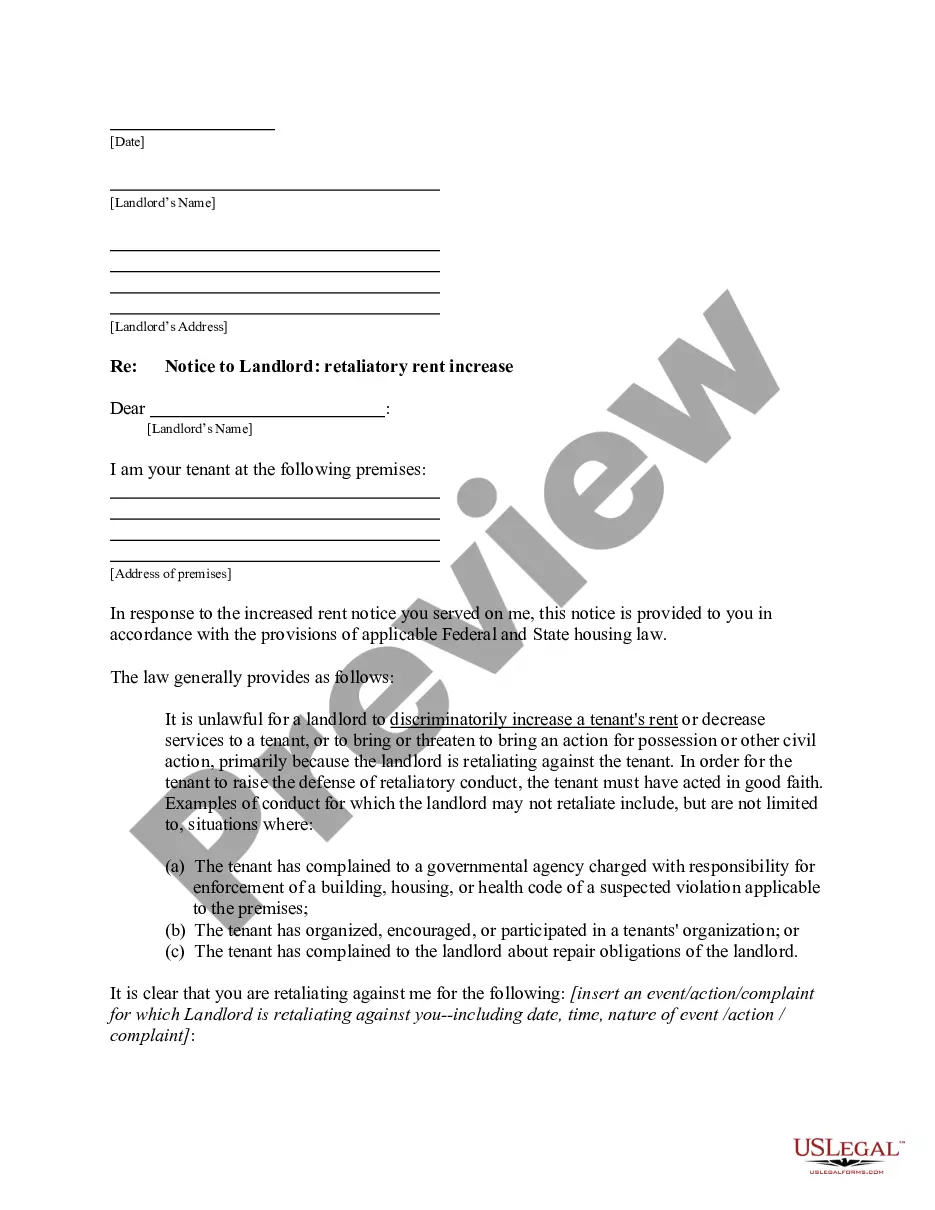
This letter serves as a formal notification from a tenant to a landlord, indicating the tenant's intention to challenge a retaliatory rent increase. By using this form, tenants can demand the immediate withdrawal of the increase, highlighting the legal protections against such actions. It differs from other tenant-landlord communication forms by specifically addressing retaliatory conduct and asserting the tenant's rights under applicable laws.
Form components explained
- Identification of parties: Includes names and addresses of both tenant and landlord.
- Statement of the issue: Clearly expresses the tenant's objection to the rent increase as retaliation.
- Legal context: Outlines relevant legal protections against retaliatory actions by landlords.
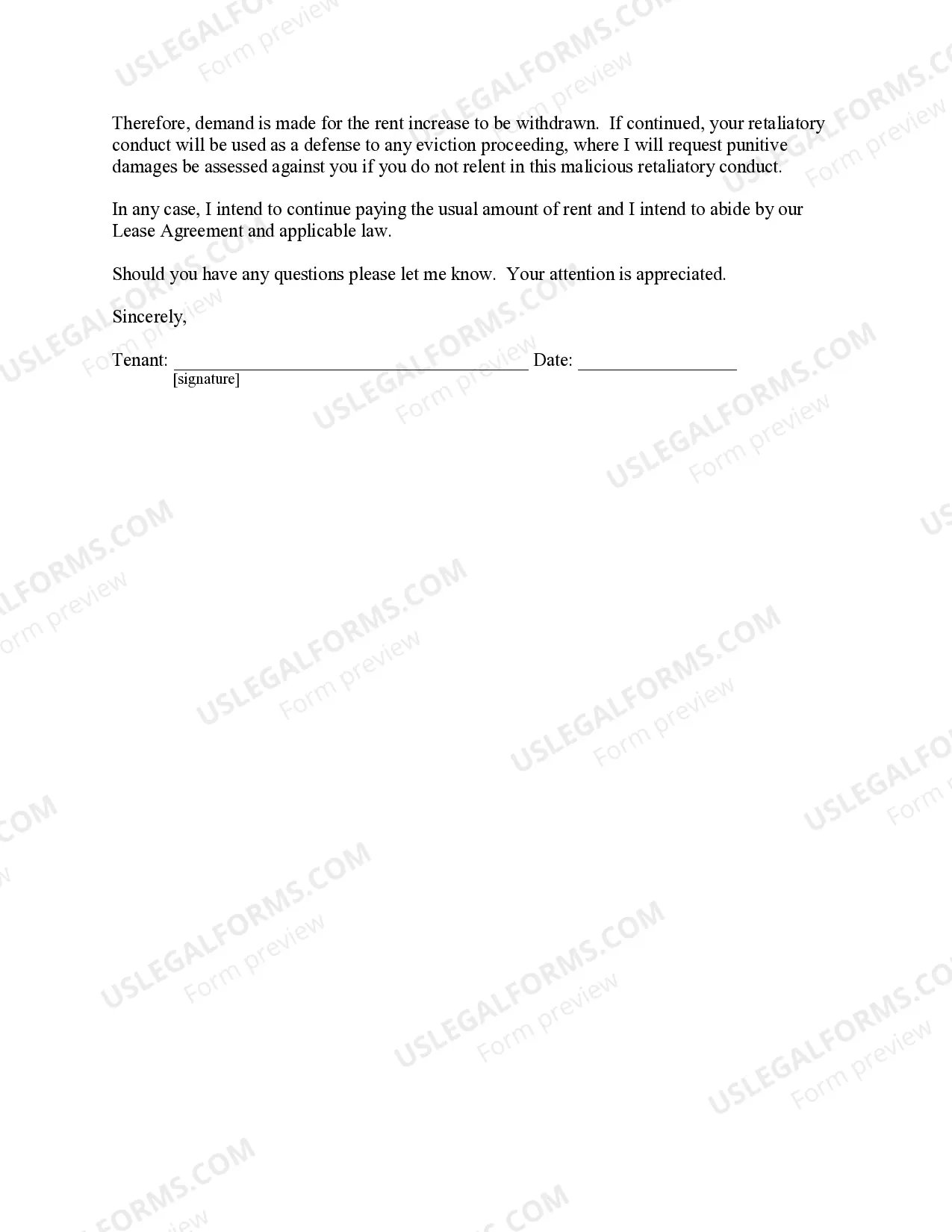
- Tenant's intentions: Affirms the tenant's commitment to paying rent and abiding by the lease agreement.
- Signature section: Provides space for the tenant to sign and date the letter.
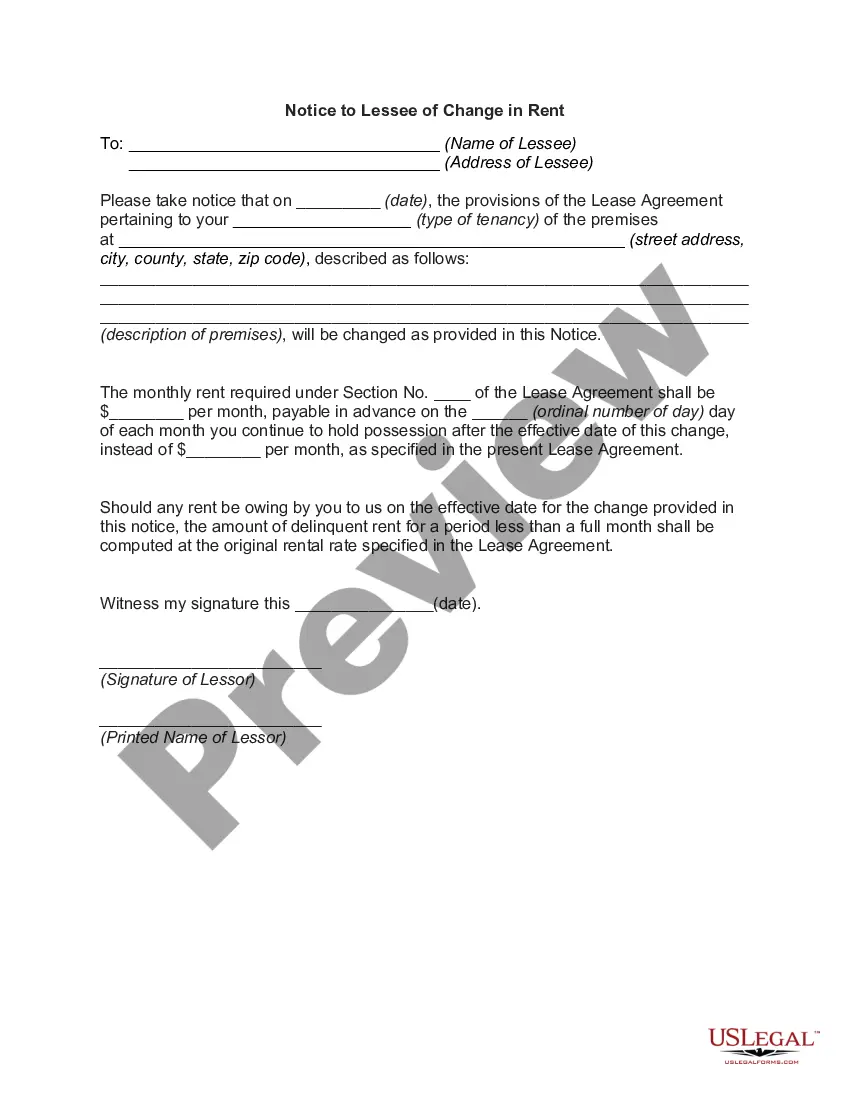

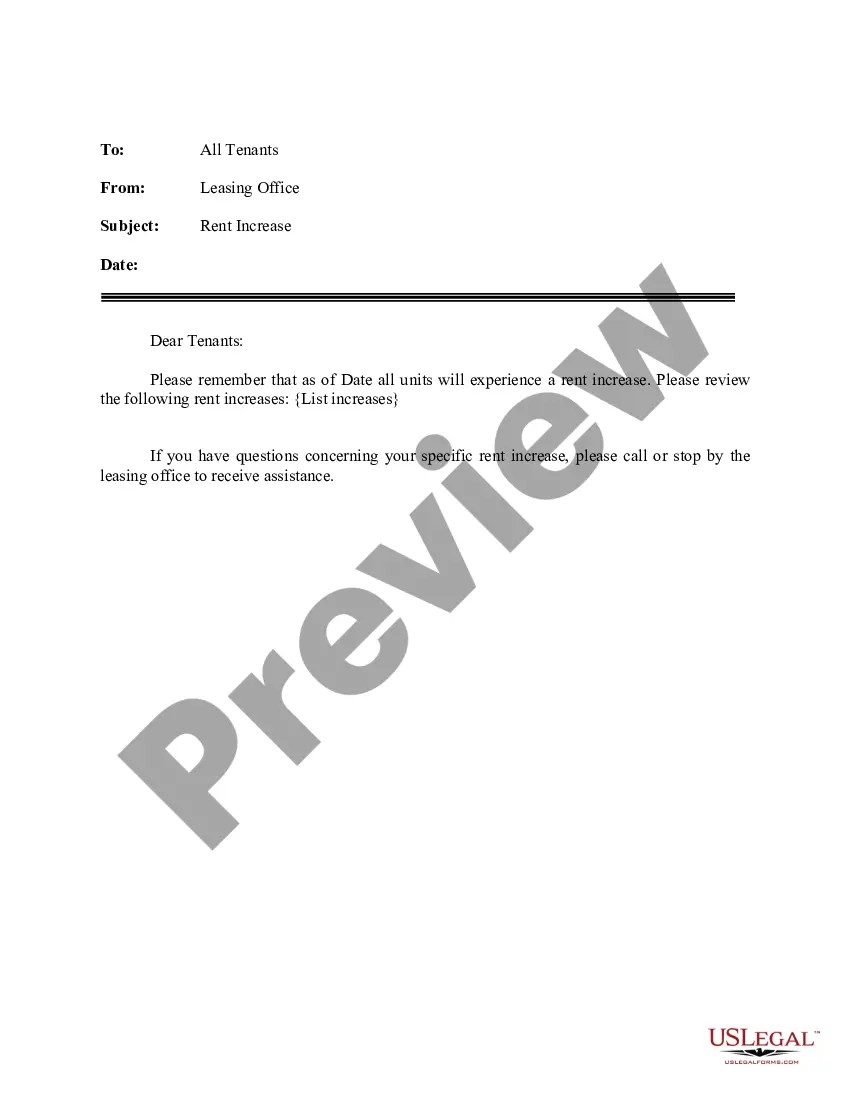

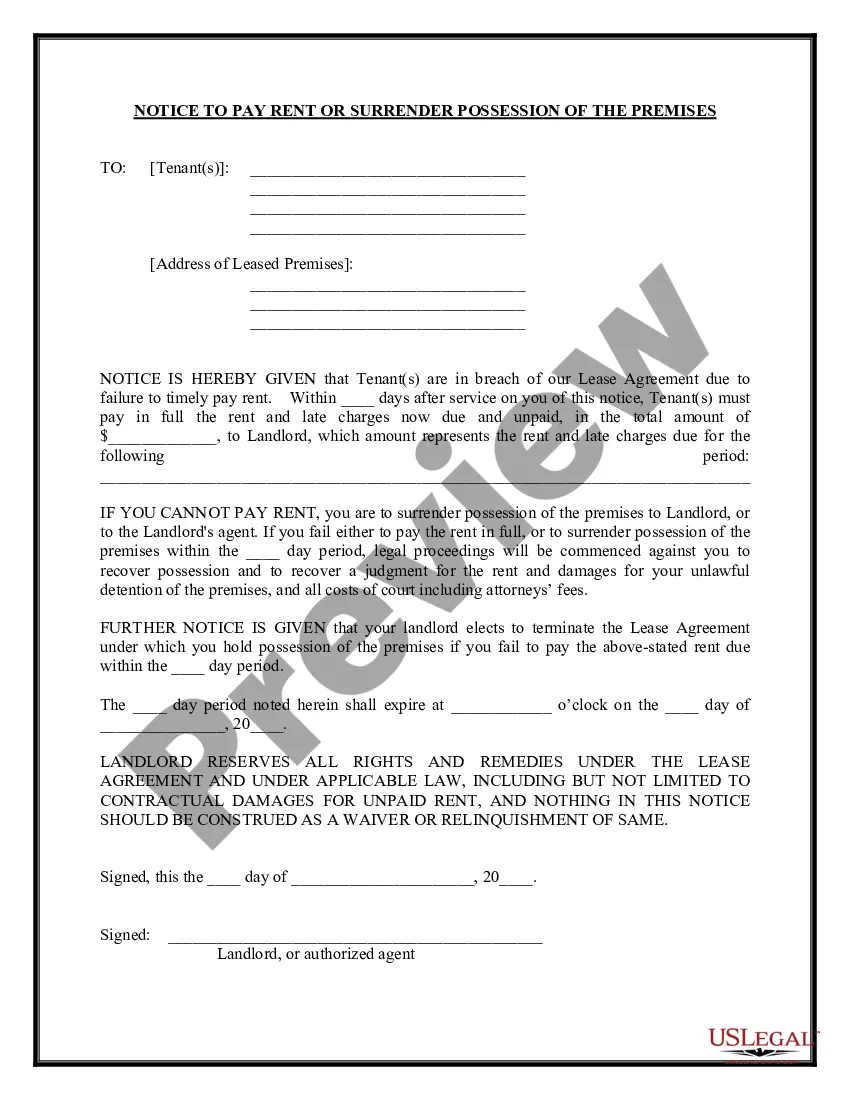
Situations where this form applies
This form is essential when a tenant suspects that a rent increase is in retaliation for their lawful actions, such as reporting repairs or participating in tenant organizations. It is appropriate to use this letter when the tenant wants to formally communicate their position and seek the withdrawal of the rent increase before pursuing legal remedies.
Who should use this form
- Tenants who have received a rent increase they suspect is retaliatory.
- Individuals aware of their tenant rights and seeking to assert them.
- Residents involved in health, housing, or tenant organization complaints to their landlords.
How to prepare this document
- Identify the parties: Enter the names and addresses of both the tenant and the landlord.
- Specify the issue: State clearly that the rent increase is perceived as retaliatory and the actions prompting it.
- Include legal references: Reference applicable tenant protection laws against retaliation.
- Affirm intentions: Indicate your intention to continue paying the agreed rent and following the lease terms.
- Sign and date: Ensure the tenant signs and dates the letter for validity.
Does this form need to be notarized?
This form does not typically require notarization unless specified by local law. It is advisable to check any state-specific requirements that may apply to your situation.
Get your form ready online
Our built-in tools help you complete, sign, share, and store your documents in one place.
Make edits, fill in missing information, and update formatting in US Legal Forms—just like you would in MS Word.
Download a copy, print it, send it by email, or mail it via USPS—whatever works best for your next step.
Sign and collect signatures with our SignNow integration. Send to multiple recipients, set reminders, and more. Go Premium to unlock E-Sign.
If this form requires notarization, complete it online through a secure video call—no need to meet a notary in person or wait for an appointment.
We protect your documents and personal data by following strict security and privacy standards.

Make edits, fill in missing information, and update formatting in US Legal Forms—just like you would in MS Word.

Download a copy, print it, send it by email, or mail it via USPS—whatever works best for your next step.

Sign and collect signatures with our SignNow integration. Send to multiple recipients, set reminders, and more. Go Premium to unlock E-Sign.

If this form requires notarization, complete it online through a secure video call—no need to meet a notary in person or wait for an appointment.

We protect your documents and personal data by following strict security and privacy standards.
Typical mistakes to avoid
- Failing to clearly specify the retaliatory actions that prompted the letter.
- Not including a date on the letter, which can affect the timeline of legal proceedings.
- Omitting the tenant's contact information for follow-up communications.
Benefits of completing this form online
- Convenient access: Easily download and fill out the form at any time.
- Editability: Customize the form to match your situation without hassle.
- Reliability: Ensure the form meets legal standards developed by licensed attorneys.
Legal use & context
- Allows tenants to formally assert their rights against retaliatory practices by landlords.
- Helps establish a documented communication trail which may be beneficial in legal disputes.
Quick recap
- This form serves to contest a retaliatory rent increase by notifying the landlord of legal obligations.
- It's crucial for tenants to act promptly and document instances of retaliation.
- Understanding tenant rights can empower residents to negotiate effectively with landlords.
Looking for another form?





Form popularity
FAQ
Landlord harassment in Hawaii involves actions that interfere with a tenant’s right to quiet enjoyment of their home. This could include repeated unwanted contact, ignoring maintenance requests, or unlawful eviction threats. If you encounter such behavior, consider compiling evidence and sending a Hawaii Letter from Tenant to Landlord containing Notice to landlord to withdraw retaliatory rent increase to assert your rights.
A tenant in Hawaii typically must provide a 30-day notice to the landlord when planning to move out. This notice period is crucial for both parties to prepare. Always check your rental agreement for specific terms, and if you need to address any issues regarding this matter, a Hawaii Letter from Tenant to Landlord containing Notice to landlord to withdraw retaliatory rent increase can be a useful tool.
In Hawaii, there is no limit on how much a landlord can raise rent for most rental properties. However, landlords must provide proper notice before making any increases, typically 30 days. If you feel that the increase is retaliatory, a Hawaii Letter from Tenant to Landlord containing Notice to landlord to withdraw retaliatory rent increase may help you formally request reconsideration.
The eviction process in Hawaii can take anywhere from a few weeks to several months, depending on the circumstances. Landlords must follow specific legal procedures, which include providing proper notices. If you face eviction and need to respond, consider using a Hawaii Letter from Tenant to Landlord containing Notice to landlord to withdraw retaliatory rent increase to protect your position.
Landlord harassment in Hawaii can include unwarranted entry into your unit, threatening eviction without cause, and failure to make necessary repairs. It's important to recognize these behaviors as violations of tenant rights. Document each incident carefully and, if necessary, draft a Hawaii Letter from Tenant to Landlord containing Notice to landlord to withdraw retaliatory rent increase to address these issues formally.
When writing a letter to your landlord requesting a rent reduction, be clear and concise about your reasons. Include any financial hardships and provide relevant documentation to support your request. You can use a Hawaii Letter from Tenant to Landlord containing Notice to landlord to withdraw retaliatory rent increase as a formal way to articulate your needs, ensuring your message is professional.
Harassment in Hawaii includes behaviors such as excessive phone calls, threats, or attempts to intimidate a tenant. It’s essential to document any incidents of harassment for your records. If you find yourself in this situation, consider sending a Hawaii Letter from Tenant to Landlord containing Notice to landlord to withdraw retaliatory rent increase to assert your rights.
Failing to give a 30-day notice may lead to forfeiture of your security deposit or liability for additional rent. It’s crucial to understand the terms of your lease to avoid penalties. You can address your situation by sending a Hawaii Letter from Tenant to Landlord containing Notice to landlord to withdraw retaliatory rent increase, which might open up negotiations.
In Hawaii, the amount of notice a landlord must give a tenant to move out typically ranges from 5 to 45 days, depending on the length of the tenancy. For a month-to-month lease, a 45-day notice is usually required. Always check your lease agreement for specific terms. If you need assistance, a Hawaii Letter from Tenant to Landlord containing Notice to landlord can outline your rights.
Dealing with a disrespectful landlord can be challenging. Begin by documenting all interactions, including dates and details. It’s important to communicate your concerns clearly, and if necessary, consider sending a Hawaii Letter from Tenant to Landlord containing Notice to landlord to withdraw retaliatory rent increase. If communication fails, seek legal advice to address further steps.