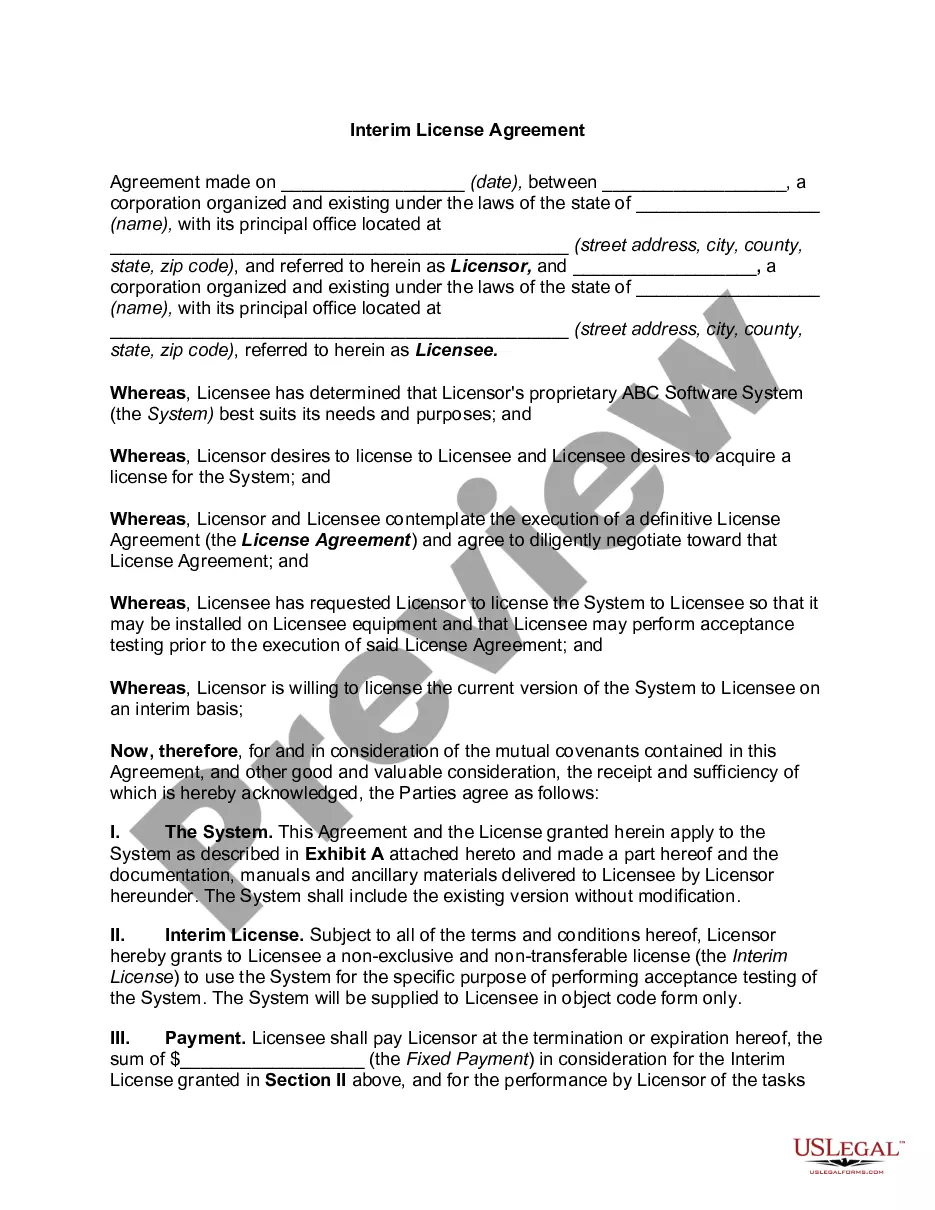
Georgia Letter from Landlord to Tenant Returning security deposit less deductions
Overview of this form
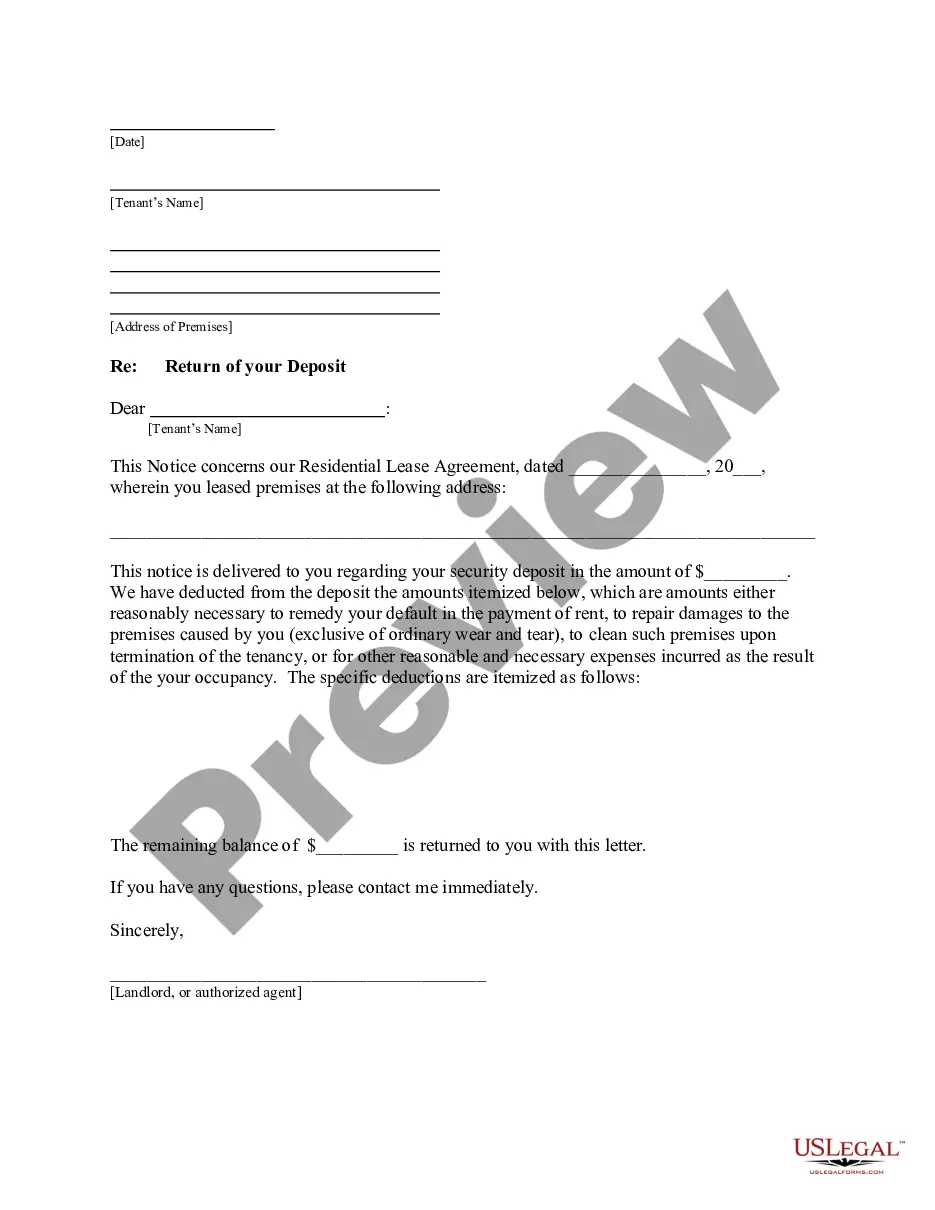
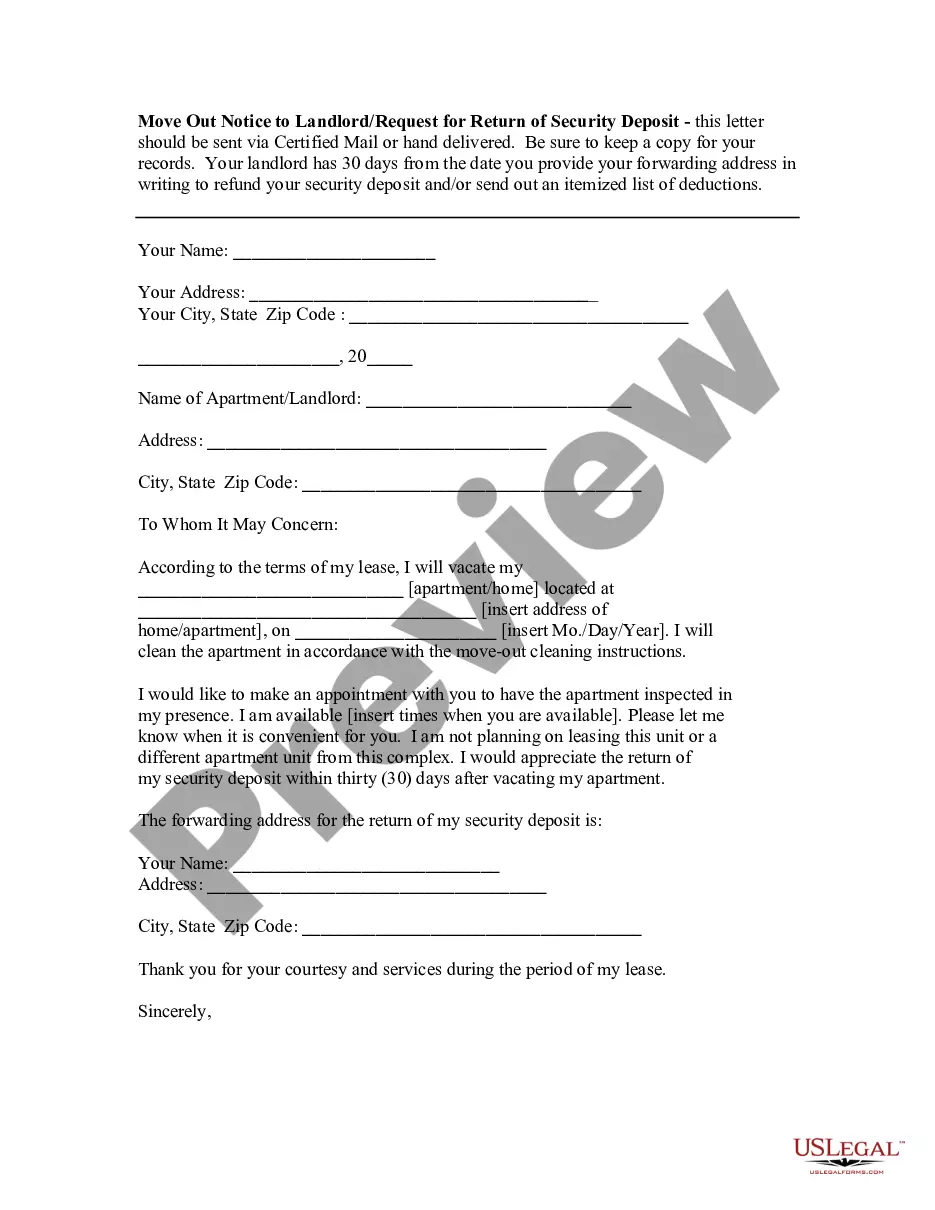
This Letter from Landlord to Tenant Returning Security Deposit Less Deductions is a formal notification from a landlord to a tenant regarding the return of their security deposit. The letter details any deductions made from the deposit for reasons such as unpaid rent, damages beyond normal wear and tear, cleaning costs, or other expenses incurred during the tenant's occupancy. Unlike a rental payment, the security deposit is the tenant's money held by the landlord to cover potential damages or unpaid rent at the end of a lease. This form helps ensure that the process of returning the deposit is transparent and compliant with legal standards.
Key components of this form
- Reference to the Residential Lease Agreement, including the lease date.
- Details of the property address leased by the tenant.
- Amount of the security deposit being returned.
- List of specific deductions itemized with explanations.
- Clear statement about the deductions related to unpaid rent, damages, cleaning, or other necessary expenses.

When this form is needed
This form should be used whenever a landlord is returning a tenant's security deposit, particularly when there are deductions involved. It is essential for landlords to provide this documentation to ensure transparency and avoid disputes about the deductions made from the deposit. Use this letter after the tenant has vacated the property to clarify any charges related to non-payment, damages, or cleaning required before the tenant's departure.
Who should use this form
- Landlords who have leased residential property to tenants.
- Property managers responsible for handling tenant deposits and leases.
- Anyone needing to formally document the return of a security deposit with deductions for clarity and legal assurance.
Instructions for completing this form
- Identify the lease date and enter it in the designated section.
- Specify the property address for which the lease was signed.
- Document the total amount of the security deposit being returned.
- Clearly list and explain each deduction being made from the deposit.
- Sign and date the letter to formalize the communication.
Notarization requirements for this form
This form does not typically require notarization unless specified by local law. It is important to review regional guidelines to determine if notarization is needed for your specific case.
Get your form ready online
Our built-in tools help you complete, sign, share, and store your documents in one place.
Make edits, fill in missing information, and update formatting in US Legal Forms—just like you would in MS Word.
Download a copy, print it, send it by email, or mail it via USPS—whatever works best for your next step.
Sign and collect signatures with our SignNow integration. Send to multiple recipients, set reminders, and more. Go Premium to unlock E-Sign.
If this form requires notarization, complete it online through a secure video call—no need to meet a notary in person or wait for an appointment.
We protect your documents and personal data by following strict security and privacy standards.

Make edits, fill in missing information, and update formatting in US Legal Forms—just like you would in MS Word.

Download a copy, print it, send it by email, or mail it via USPS—whatever works best for your next step.

Sign and collect signatures with our SignNow integration. Send to multiple recipients, set reminders, and more. Go Premium to unlock E-Sign.

If this form requires notarization, complete it online through a secure video call—no need to meet a notary in person or wait for an appointment.

We protect your documents and personal data by following strict security and privacy standards.
Typical mistakes to avoid
- Failing to provide specific and clear reasons for deductions.
- Not including the correct lease date or property address.
- Neglecting to conform to state-specific regulations regarding security deposits.
Advantages of online completion
- Convenience of immediate access and download from any location.
- Editable fields allow for customization based on specific circumstances.
- Prepared by licensed attorneys ensuring the document's legal validity.
Legal use & context
- Ensures compliance with state laws regarding security deposit returns.
- Helps avoid disputes between landlord and tenant regarding deductions.
- Serves as documentation for any legal proceedings that may arise concerning deposit disputes.
Key takeaways
- This form is essential for landlords when returning a security deposit.
- Clarity and detail in itemized deductions are crucial to avoid future disputes.
- Understanding state-specific requirements is important for compliance.
Looking for another form?






Form popularity
FAQ
A good example of a Georgia Letter from Landlord to Tenant Returning security deposit less deductions specifies the damage costs and explains the deductions made from the security deposit. The letter should start with a clear statement about the total security deposit returned, followed by detailed information about the damages and associated costs. It is important to be transparent and courteous, ensuring the tenant understands the deductions. Utilizing uslegalforms can help you draft this letter accurately and effortlessly.
To write a letter for a deposit refund, start with your name and contact information and the recipient's details. Clearly outline the reason for the refund request, such as overpayment or deposit return, and specify the amount. Additionally, include any relevant transaction details to support your request. This approach not only clarifies your request but also provides the recipient with necessary information to process the refund swiftly.
When writing a letter to a tenant to vacate, include the tenant's name, your name, and property address. Clearly state the reason for the notice and the date by which the tenant must vacate. Make sure to comply with Georgia state laws concerning notice periods, including any grace periods or specific timelines that apply. This letter serves as an official document, so clarity is essential.
An example of a security deposit return is a letter from a landlord detailing the amount of the security deposit being returned to the tenant, alongside any deductions. This letter typically includes the tenant’s name and addresses, the date, and clear explanations for the deductions. Formulating this as a Georgia Letter from Landlord to Tenant Returning security deposit less deductions will ensure it meets legal standards, creating clarity and accountability.
A security deposit return letter should begin with your contact information and that of the tenant. State the amount being returned and include a breakdown of any deductions, if applicable. It’s important to outline the reasons for these deductions to maintain transparency. This is a valuable document for both parties and can help avoid disputes in the future.
In your demand letter for the return of the security deposit, specify the amount owed, and provide details of the rental agreement. Include any relevant dates, such as the end of the lease and when you provided notice to vacate. Clearly indicate the date by which you expect a response. A strong demand letter can sometimes prompt immediate action from the landlord, encouraging a resolution.
When writing a security deposit demand letter, include your address, the landlord's address, and a clear subject line stating your intention. Specify the amount of the deposit you expect back and mention the timeline for when you are requesting this return. Reference any applicable laws, emphasizing your right to get the security deposit back in full. A well-structured letter can create pressure for your landlord to act promptly.
Begin your letter by addressing your landlord and stating your request for a rent reduction. Include reasons supporting your request, such as changes in circumstances or market comparisons. Be polite and respectful in your language, and offer to discuss the matter further. Utilizing a respectful tone can lead to a better outcome, especially when you outline your situation clearly.
To write a letter returning a security deposit, start by including your name, address, and the tenant's name and address. Clearly state the amount being returned and detail any deductions being applied. It’s crucial to mention the reasons for any deductions, ensuring transparency and compliance with Georgia regulations. Using a structured format, like a Georgia Letter from Landlord to Tenant Returning security deposit less deductions, will help make your letter clear and professional.
Writing a return request for a security deposit involves being direct and courteous. Start with a clear statement requesting your deposit return while referencing the Georgia Letter from Landlord to Tenant Returning security deposit less deductions. Provide details about the property and your tenancy to clarify your claim. For assistance in drafting your request, consider using US Legal Forms, where you can find templates that make this process easier.