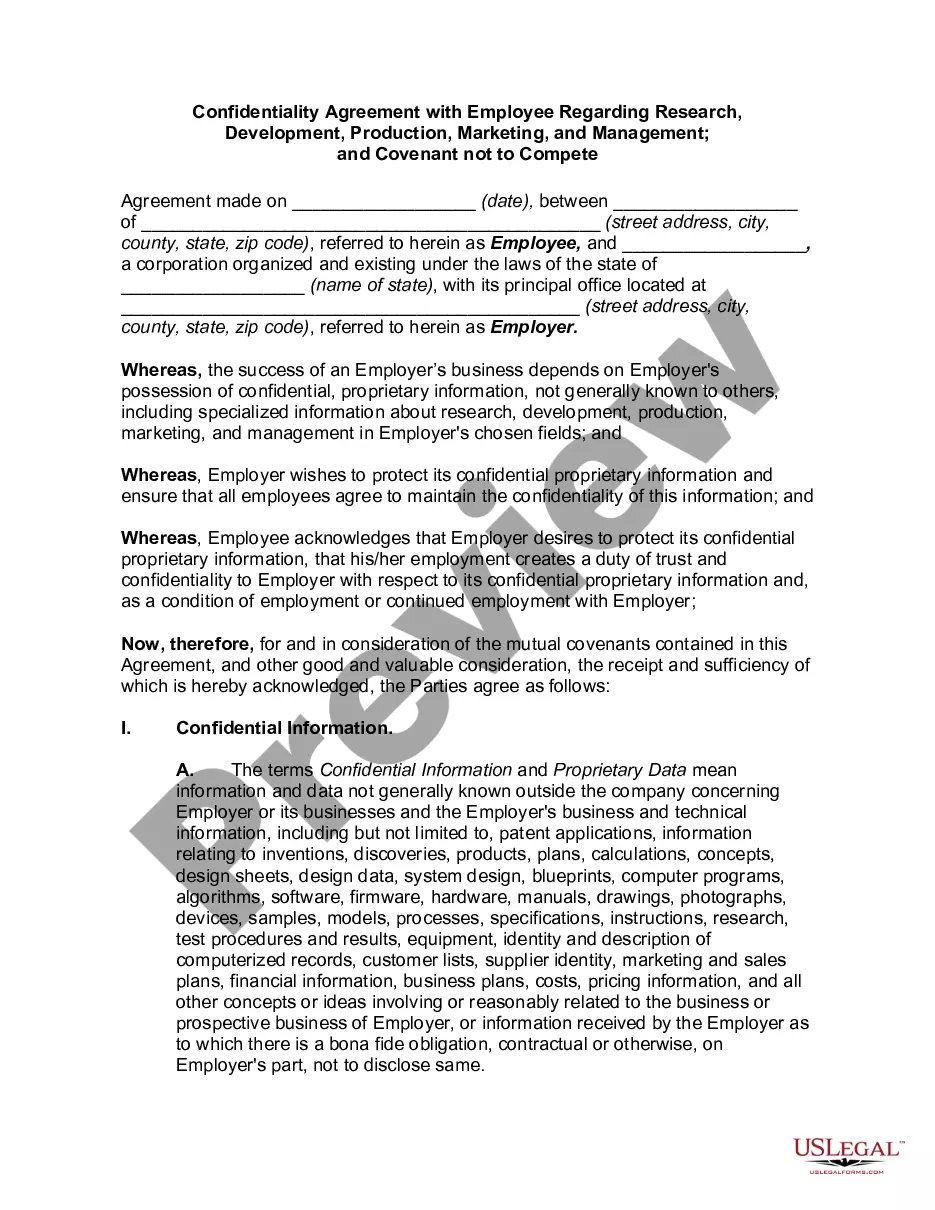
Confidentiality Agreement with Employee Regarding Research, Development, Production, Marketing, and Management; and Covenant not to Compete
What is this form?
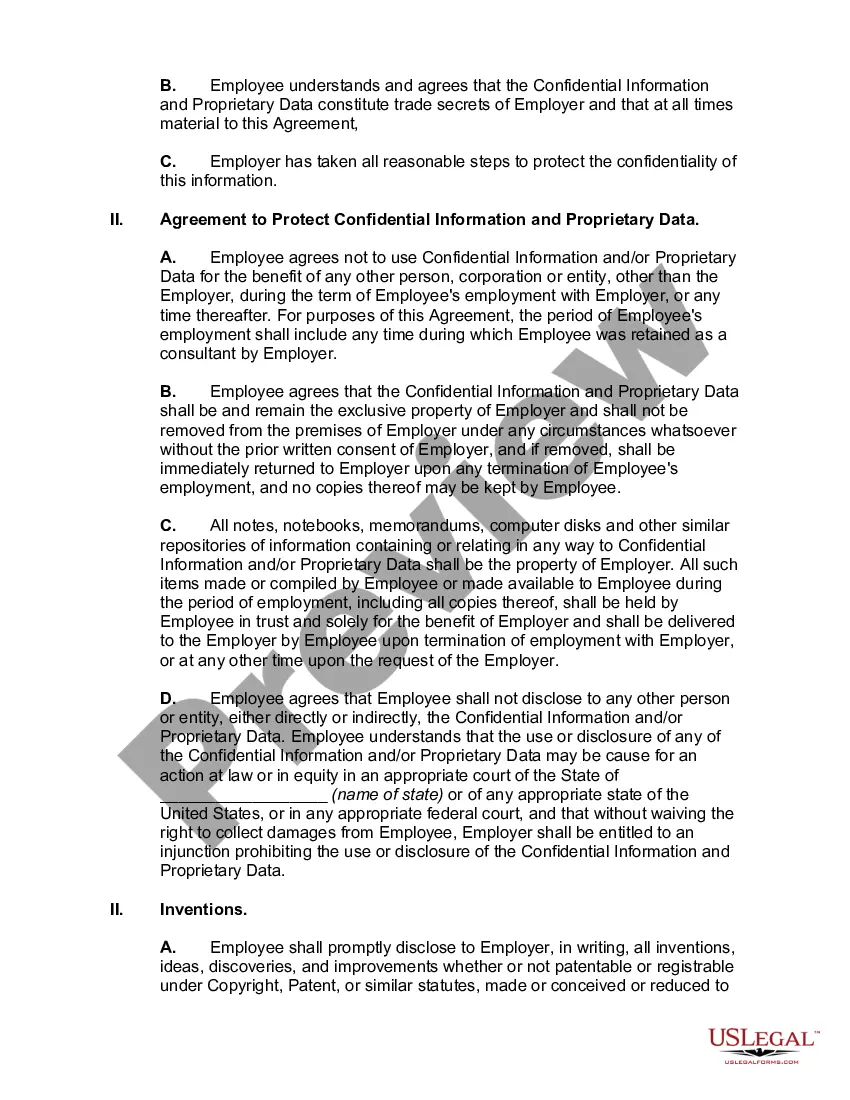
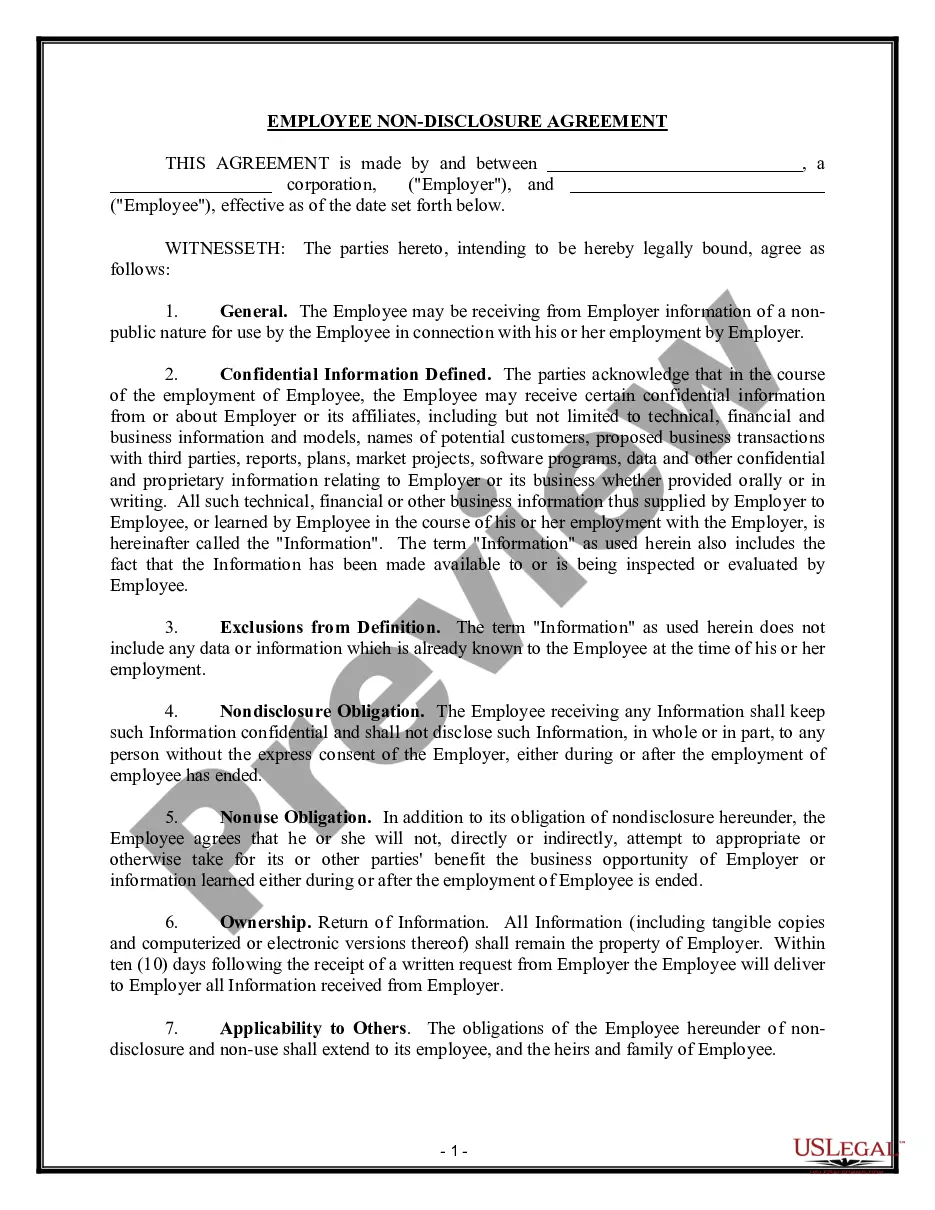
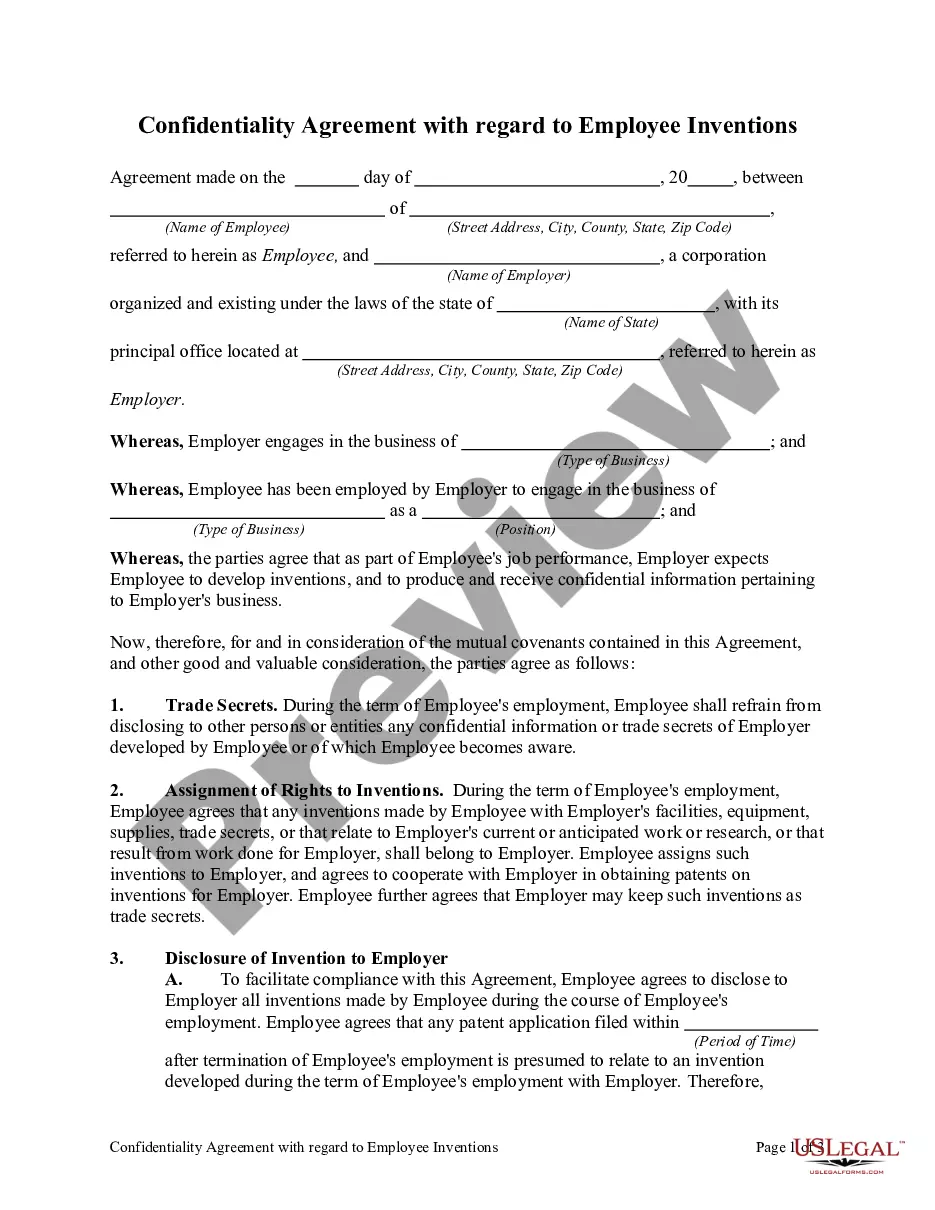
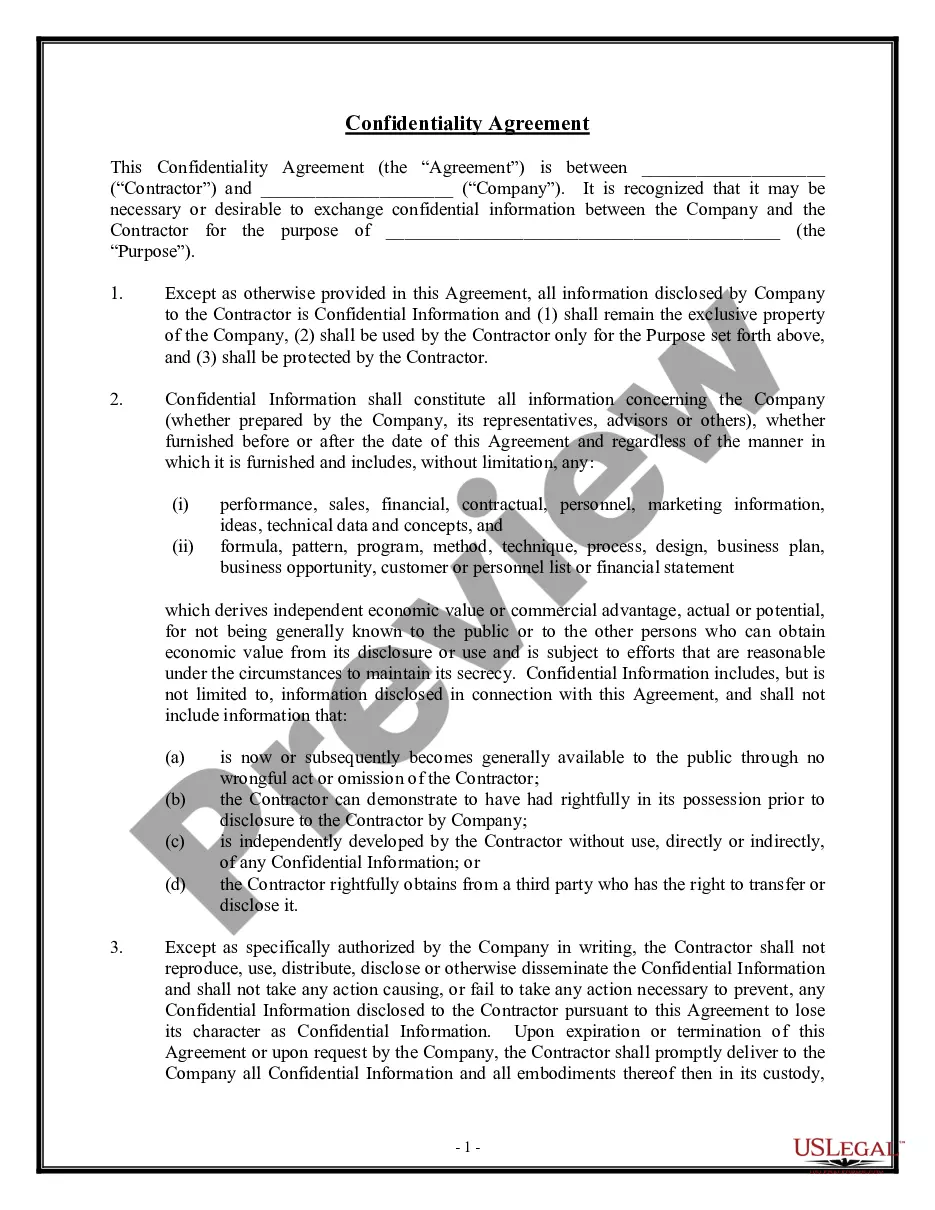
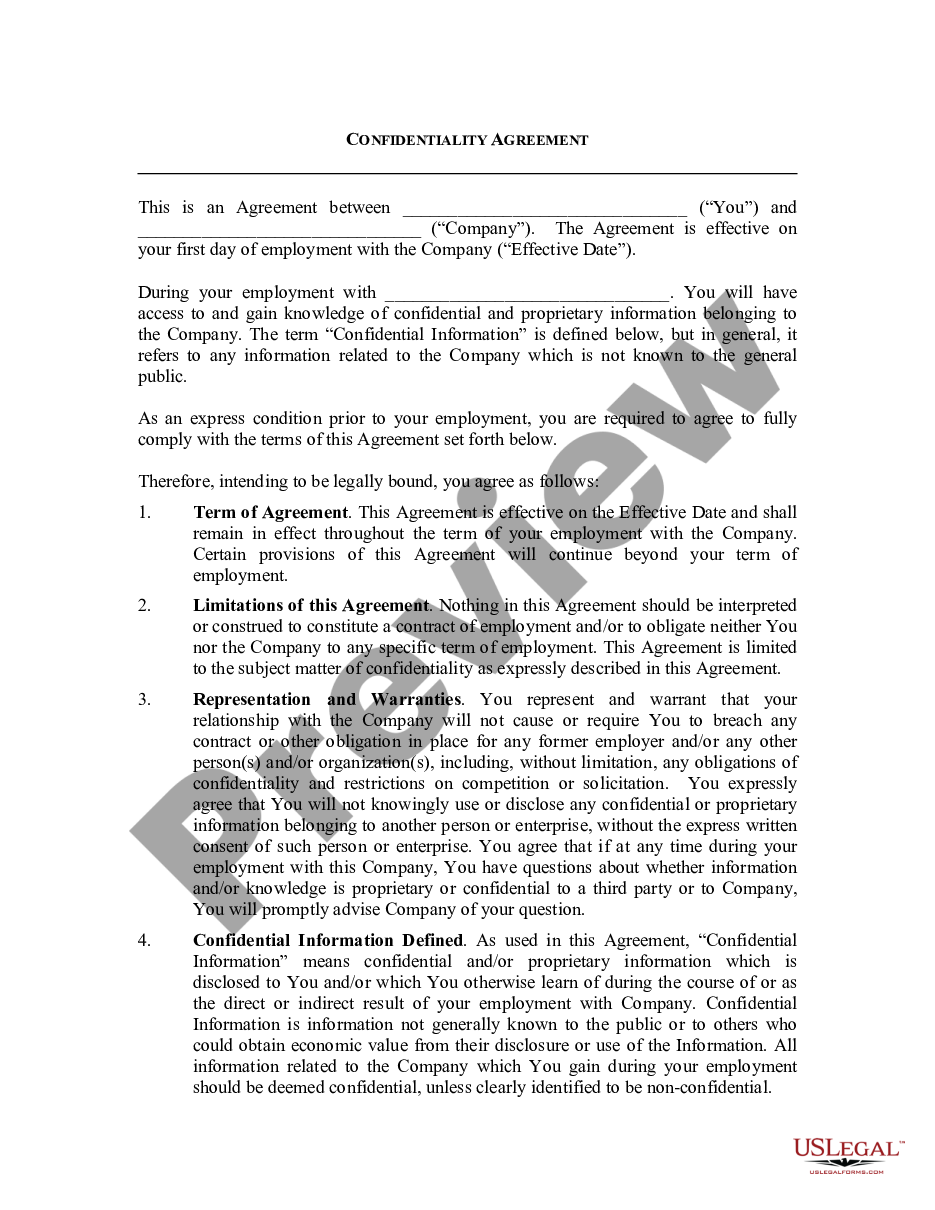
The Confidentiality Agreement with Employee Regarding Research, Development, Production, Marketing, and Management; and Covenant not to Compete is a legal document designed to protect sensitive business information shared between an employer and an employee. This form serves to ensure that an employee maintains confidentiality about proprietary information and trade secrets acquired during their employment. It also includes a covenant not to compete, restricting the employee from engaging in competitive activities after leaving the employer. This form differs from other employment contracts by specifically focusing on confidentiality and competitive restrictions.
Key parts of this document
- Confidential Information Definition: Outlines what constitutes confidential and proprietary data, including trade secrets and sensitive business information.
- Employee Obligations: Details the responsibilities of the employee to protect this information during and after their employment.
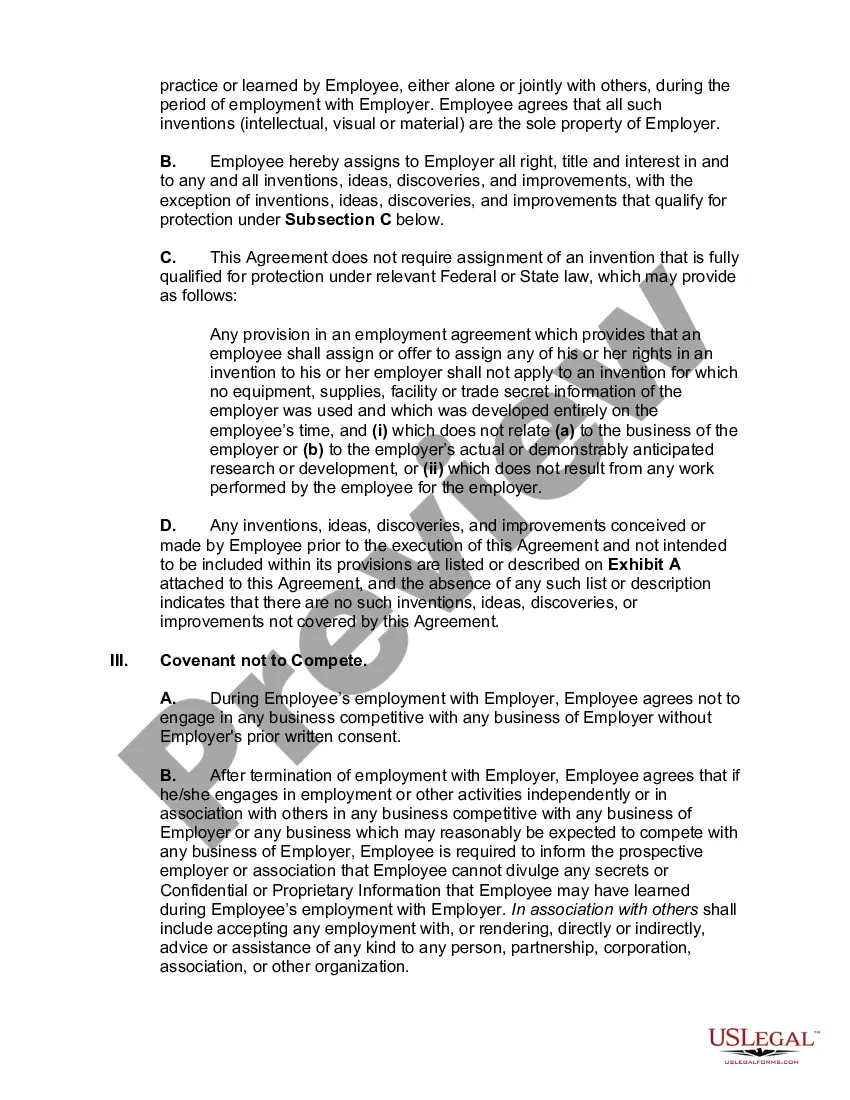
- Invention Disclosure: Requires the employee to disclose any inventions or ideas developed during employment, assigning ownership of those to the employer.
- Covenant Not to Compete: Prohibits the employee from engaging in competitive activities during and after their employment without consent from the employer.
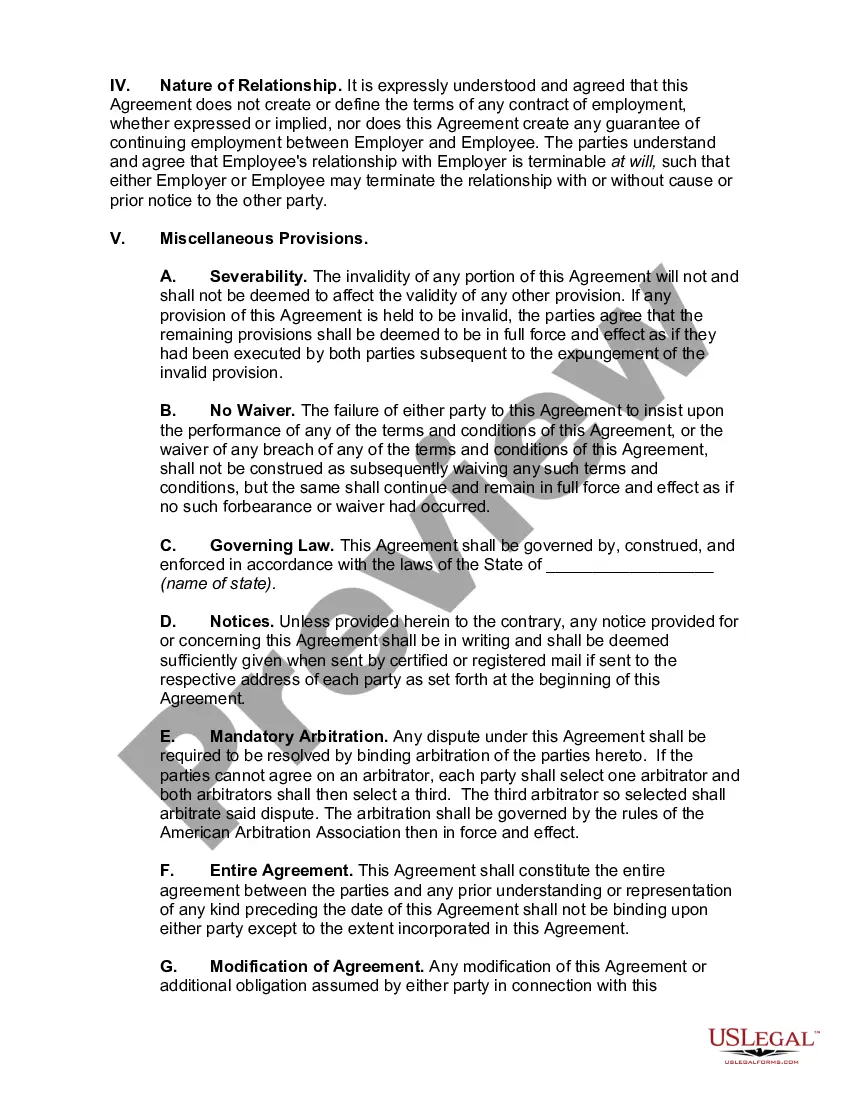
- Governing Law: Specifies that this agreement is subject to the laws of a designated state.
When to use this document
This form should be used when an employer hires an employee who will have access to confidential and proprietary information, especially in sectors like research, development, production, marketing, or management. It is also applicable when an employer wants to protect its business interests from potential competition that may arise after an employee leaves the company. Use this form as a precautionary measure to maintain trade secrets and safeguard intellectual property rights.
Who can use this document
- Employers who need to protect sensitive business information from being disclosed by employees.
- Organizations engaging employees in roles that involve significant proprietary knowledge or trade secrets.
- Business owners seeking to enforce a non-compete clause with their employees.
- Human resource professionals looking to maintain company confidentiality standards and protect company interests.
How to prepare this document
- Identify the parties involved: Fill in the names and addresses of the employer and employee.
- Specify the effective date of the agreement: Write the date on which the agreement is made.
- Define confidential information: Include any relevant examples of what constitutes confidential information pertinent to your organization.
- Detail the obligations of the employee: Clearly outline the terms and conditions that the employee must adhere to regarding confidentiality and non-compete.
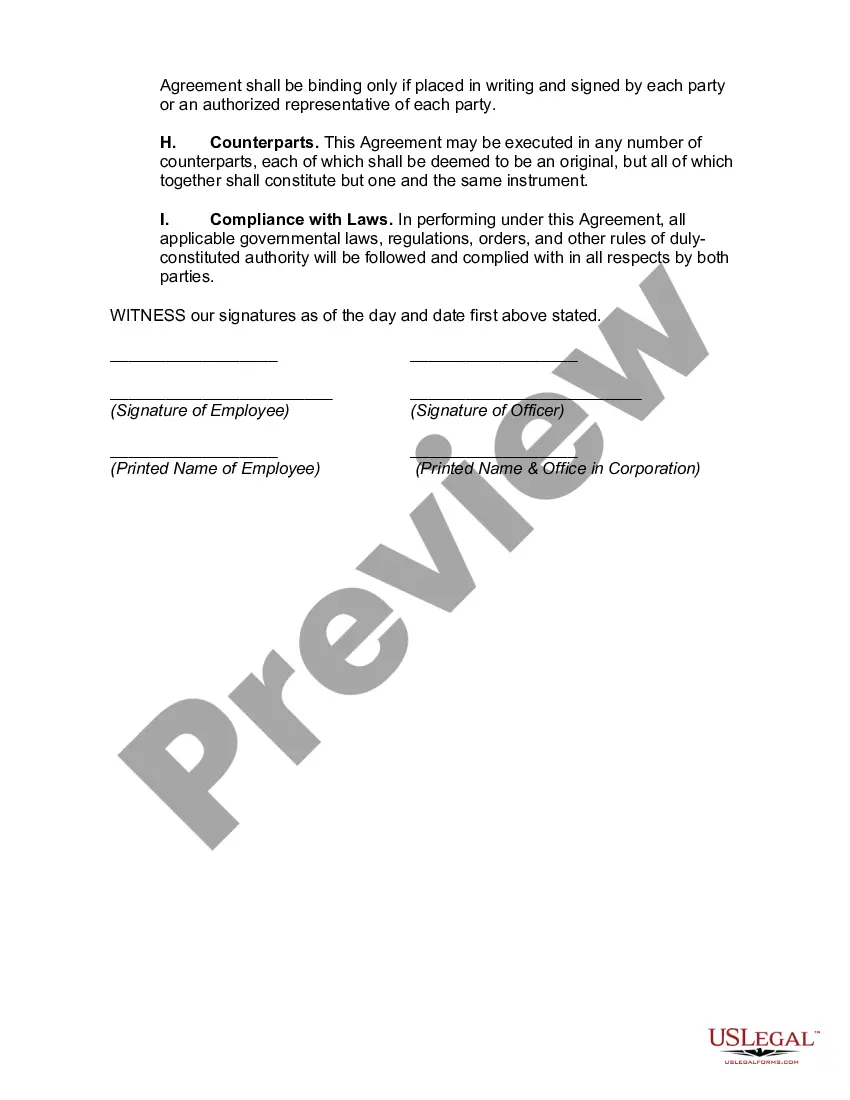
- Sign and date: Ensure both parties sign and date the agreement to make it legally binding.
Does this document require notarization?
This form does not typically require notarization unless specified by local law. However, having it notarized can offer an extra layer of legal protection by verifying the identities of the signatories and the authenticity of the signatures.
Get your form ready online
Our built-in tools help you complete, sign, share, and store your documents in one place.
Make edits, fill in missing information, and update formatting in US Legal Forms—just like you would in MS Word.
Download a copy, print it, send it by email, or mail it via USPS—whatever works best for your next step.
Sign and collect signatures with our SignNow integration. Send to multiple recipients, set reminders, and more. Go Premium to unlock E-Sign.
If this form requires notarization, complete it online through a secure video call—no need to meet a notary in person or wait for an appointment.
We protect your documents and personal data by following strict security and privacy standards.

Make edits, fill in missing information, and update formatting in US Legal Forms—just like you would in MS Word.

Download a copy, print it, send it by email, or mail it via USPS—whatever works best for your next step.

Sign and collect signatures with our SignNow integration. Send to multiple recipients, set reminders, and more. Go Premium to unlock E-Sign.

If this form requires notarization, complete it online through a secure video call—no need to meet a notary in person or wait for an appointment.

We protect your documents and personal data by following strict security and privacy standards.
Typical mistakes to avoid
- Failing to clearly define what constitutes confidential information.
- Not specifying the duration of confidentiality obligations after employment ends.
- Overly broad non-compete clauses that may not be enforceable in certain states.
- Neglecting to ensure both parties sign and retain copies of the agreement.
- Omitting the requirement to disclose prior inventions that fall outside the agreement.
Advantages of online completion
- Convenience: Easily download and fill out the form at your convenience, without the need for physical paperwork.
- Editability: Customize the agreement to fit the specific needs of your business and the nature of the employment relationship.
- Reliability: This form is drafted by licensed attorneys, ensuring that it adheres to legal standards and protects your interests.
Looking for another form?
Form popularity
FAQ
Telling Your New Employer About Your Existing Non-Compete Yes, but you should be informed when you do. This is important because you want to make sure you alert your new employer to any issues it may face as a result of your current non-compete since those obligations follow you after you leave your current employer.
Non-disclosure agreements are essential where the relationship between parties is reliant on a disclosing party being able to divulge its confidential information, with the assurance that the receiving party will neither disclose nor use any of its confidential information for any reason or purpose beyond that agreed
Confidentiality agreements can either protect both parties and so both parties are agreeing not to disclose or use each other's confidential information. In contrast, non-compete agreements are almost always one-sided agreements. Usually, one party (the employer) requires the other party not to compete.
Restrictive Covenants 101: An Intro to Confidentiality, Non-Solicitation & Non-Compete Agreements. There are three main agreements or restrict covenants regularly used by business owners to limit disclosure or competition.They include confidentiality, non-solicitation and non-compete agreements or provisions.
Voiding a non-compete contract is possible in certain circumstances. For instance, if you can prove that you never signed the contract, or if you can demonstrate that the contract is against the public interest, you may be able to void the agreement.
Confidentiality/non-disclosure agreements are contracts in which the employee promises not to disclose certain proprietary information, such as trade secrets. Non-compete agreements are contracts in which the employee agrees not to unfairly compete against his/her (former) employer.
A confidentiality agreement is a written legal contract between an employer and an employee. The confidentiality agreement lays out binding terms and conditions that prohibit the employee from disclosing company confidential and proprietary information.
To prevent employees from revealing sensitive information that could jeopardize your business, you might have them sign an employee confidentiality agreement. Businesses use employee confidentiality agreements to protect their innovative ideas, effective processes, unique products, or customer information.