Non-Disclosure Agreement for Software Development
What this document covers
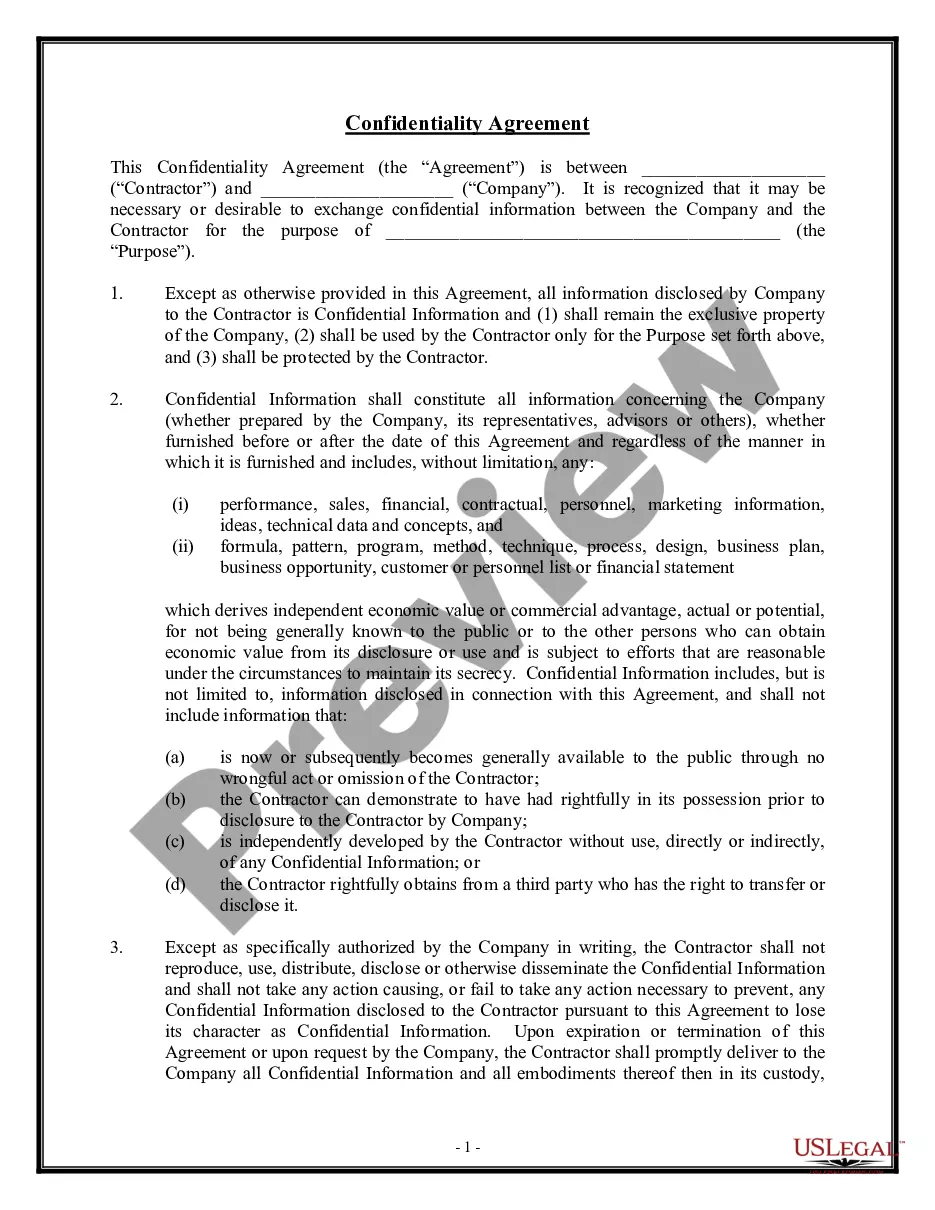
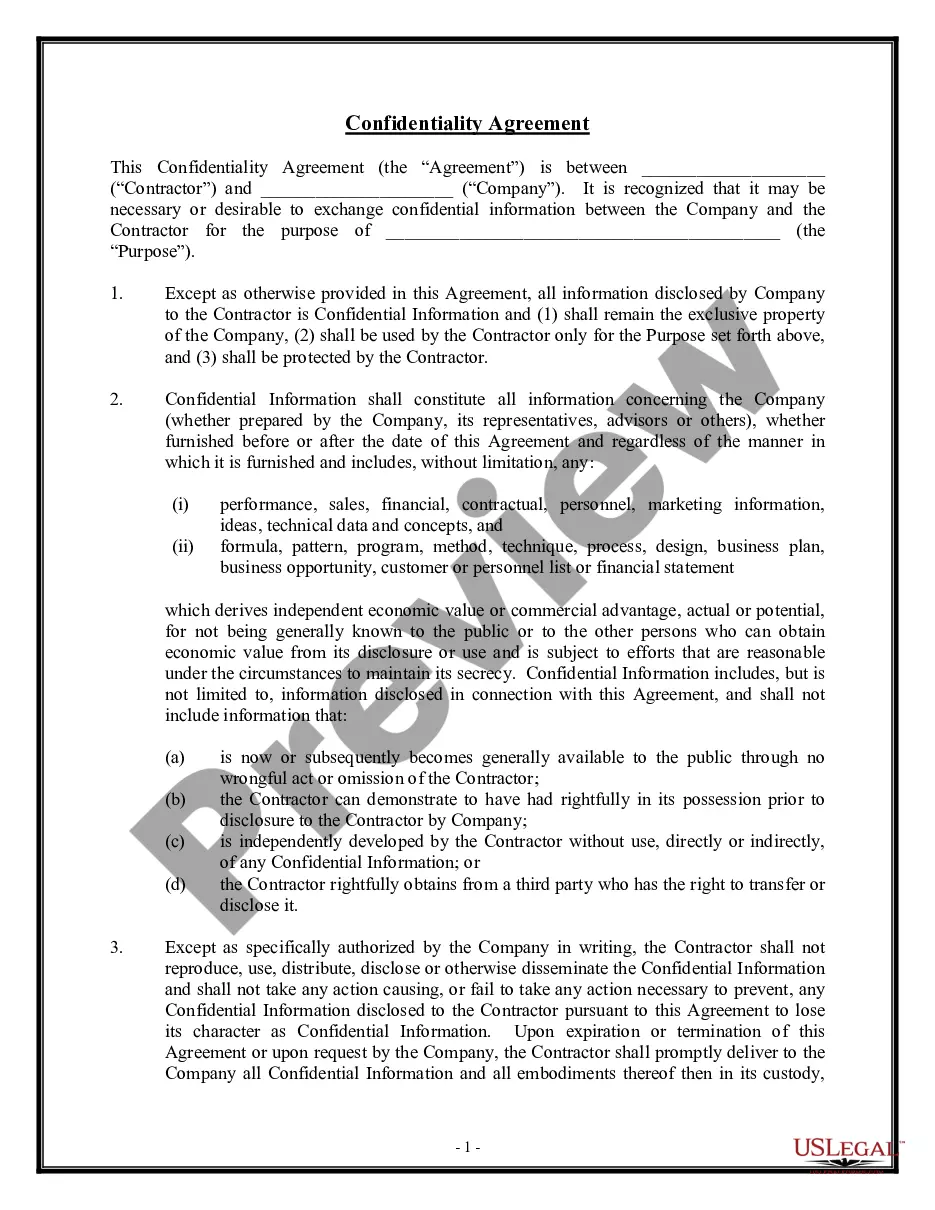
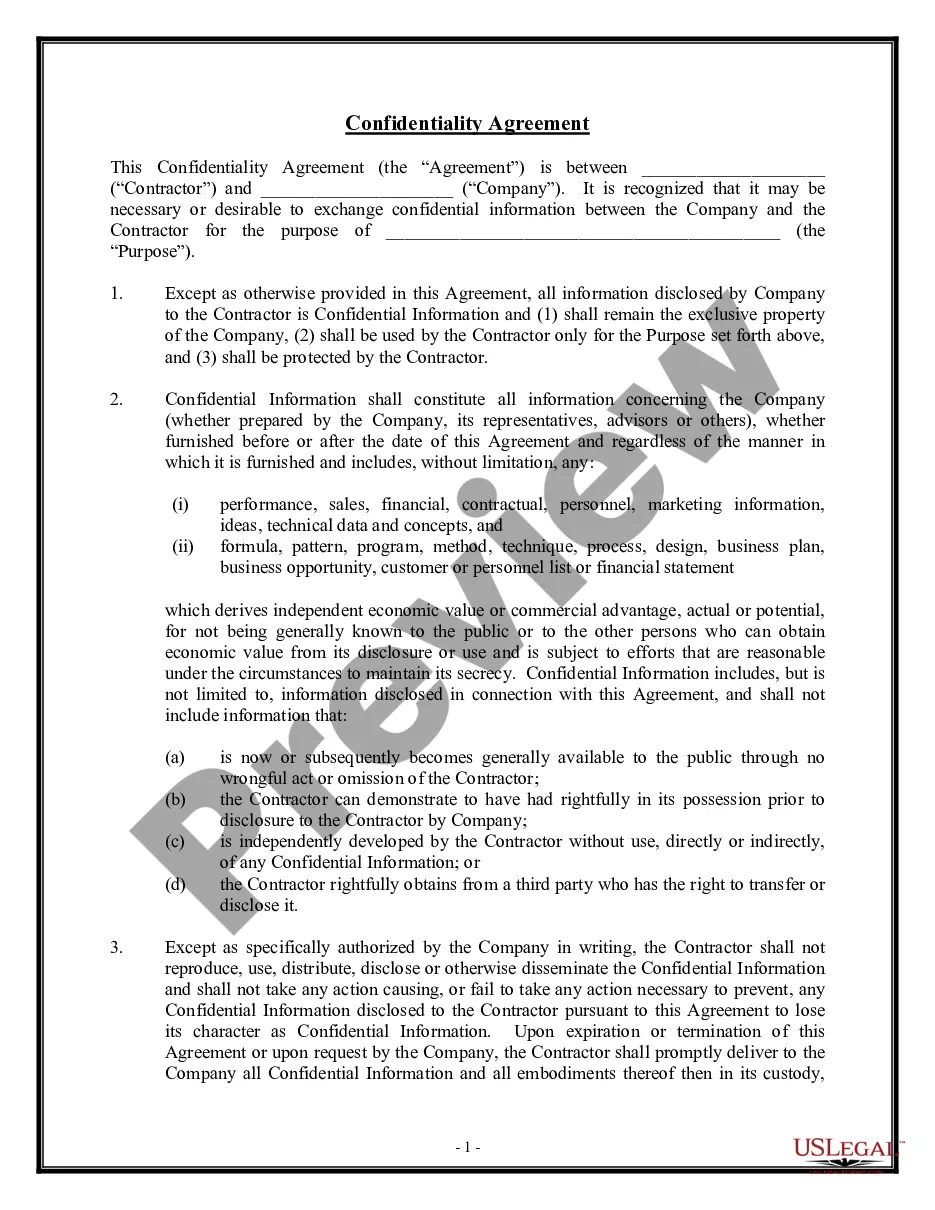
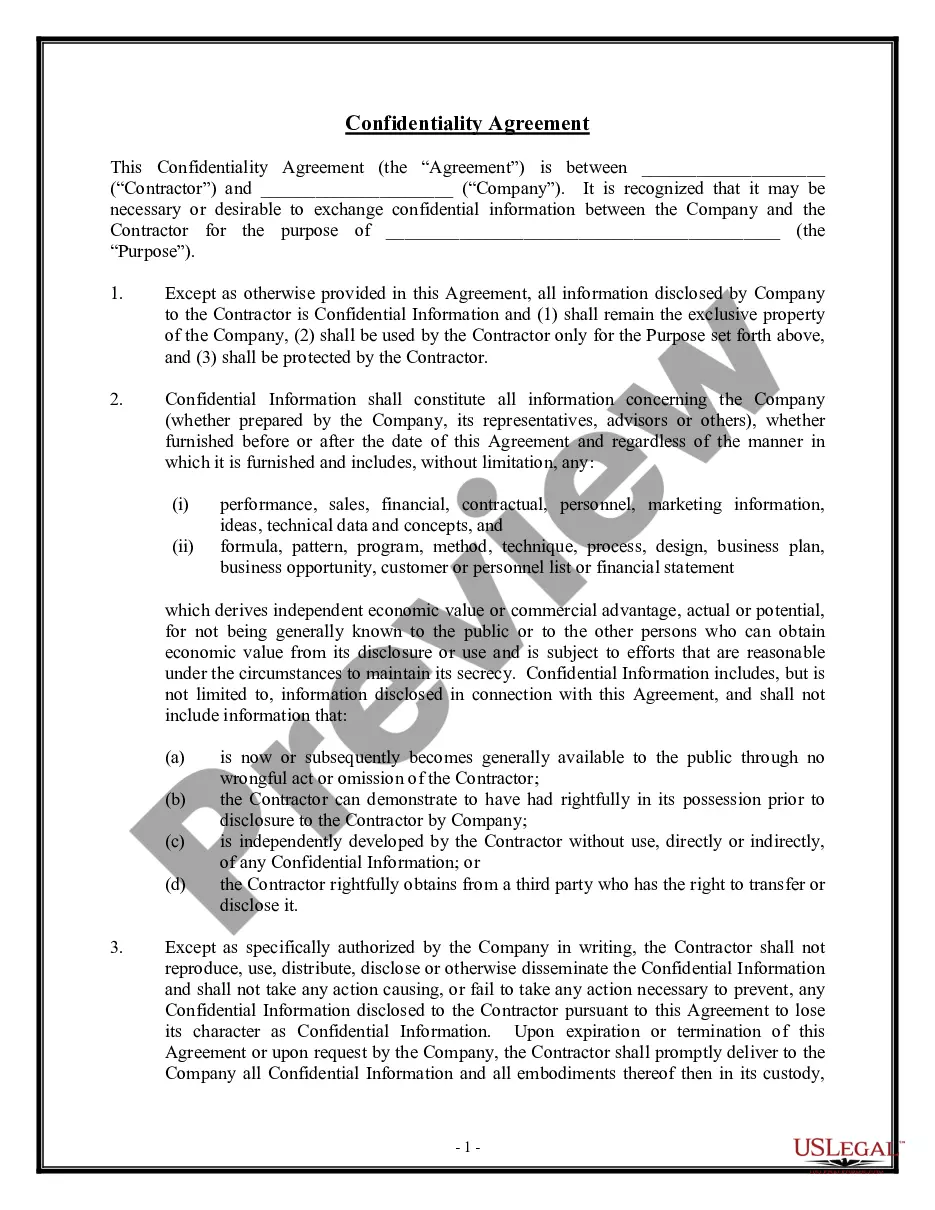
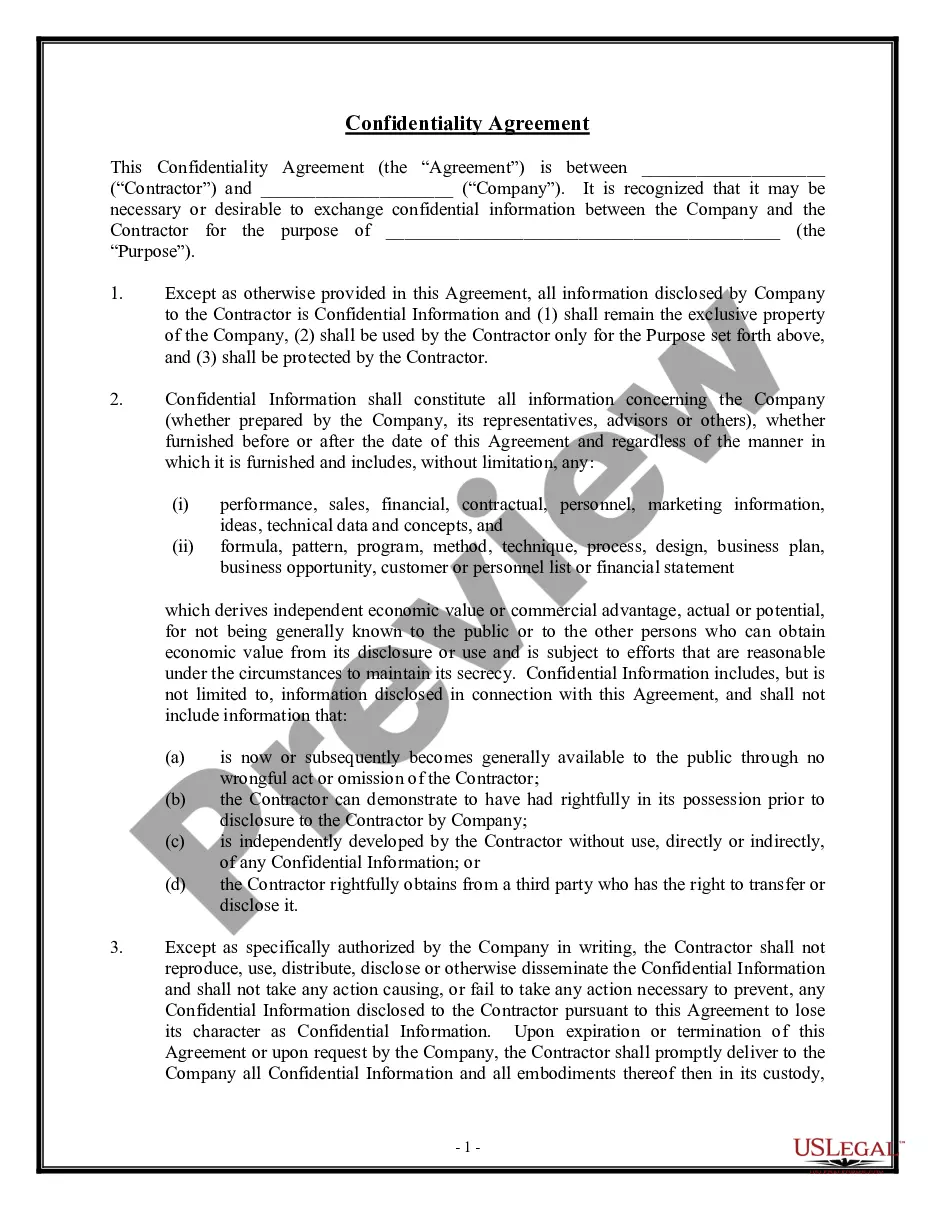
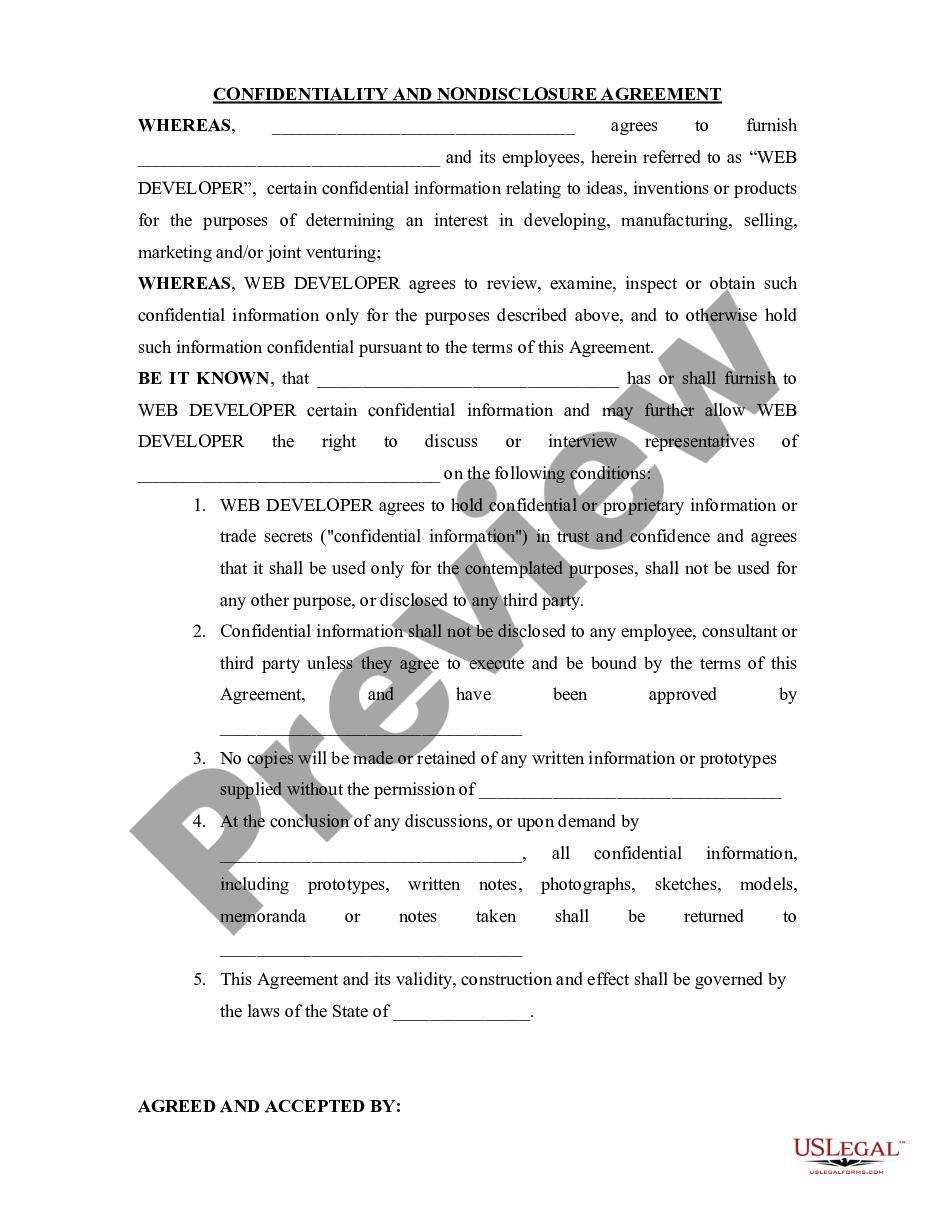
The Non-Disclosure Agreement for Software Development is a legal document that ensures confidentiality between a contractor and a company during the development process. This agreement prevents unauthorized disclosure of sensitive information shared for a specific purpose, distinguishing it from other types of confidentiality agreements by its focus on software development contexts. It is crucial for protecting intellectual property and sensitive business data.
Main sections of this form
- The identity of the parties involved: Contractor and Company.
- Definition of Confidential Information and its scope.
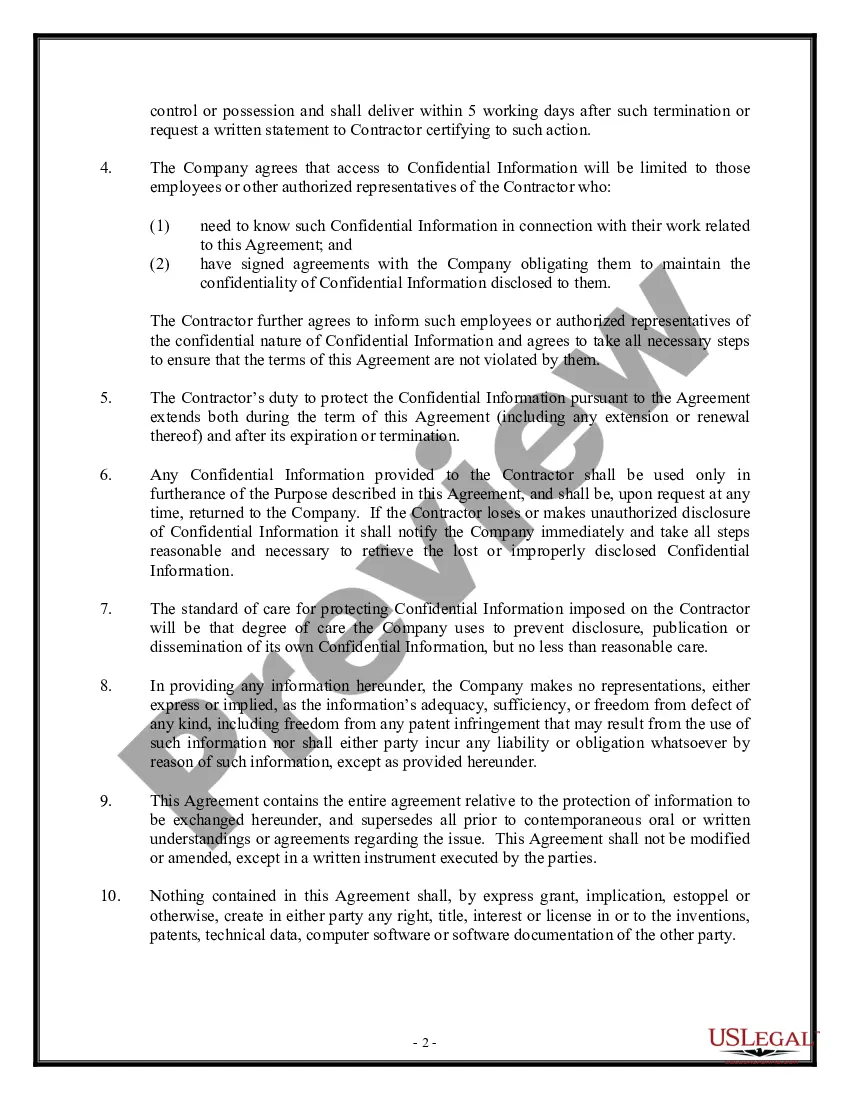
- Obligations of the Contractor to protect and use the Confidential Information.
- Rights of the Company regarding the disclosure and ownership of the Confidential Information.
- Conditions for the return of Confidential Information upon termination of the agreement.
- Limitation of access to Confidential Information to authorized personnel only.
Situations where this form applies
This form should be used when a company is looking to engage a contractor or developer to create software and will be sharing confidential business information or proprietary technology. It is appropriate in scenarios involving initial project discussions, sharing of trade secrets, or providing access to technical specifications that are critical to the projectâs success.
Intended users of this form
- Companies hiring contractors for software development projects.
- Freelance developers who need to protect confidential information while working with clients.
- Startups looking to share their innovative ideas securely with development partners.
- Any business that aims to protect its intellectual property during collaborative efforts.
How to complete this form
- Identify the Contractor and the Company by entering their names in the designated fields.
- Specify the purpose of the agreement clearly to define the scope of shared information.
- Include any specific details pertaining to Confidential Information that will be shared.
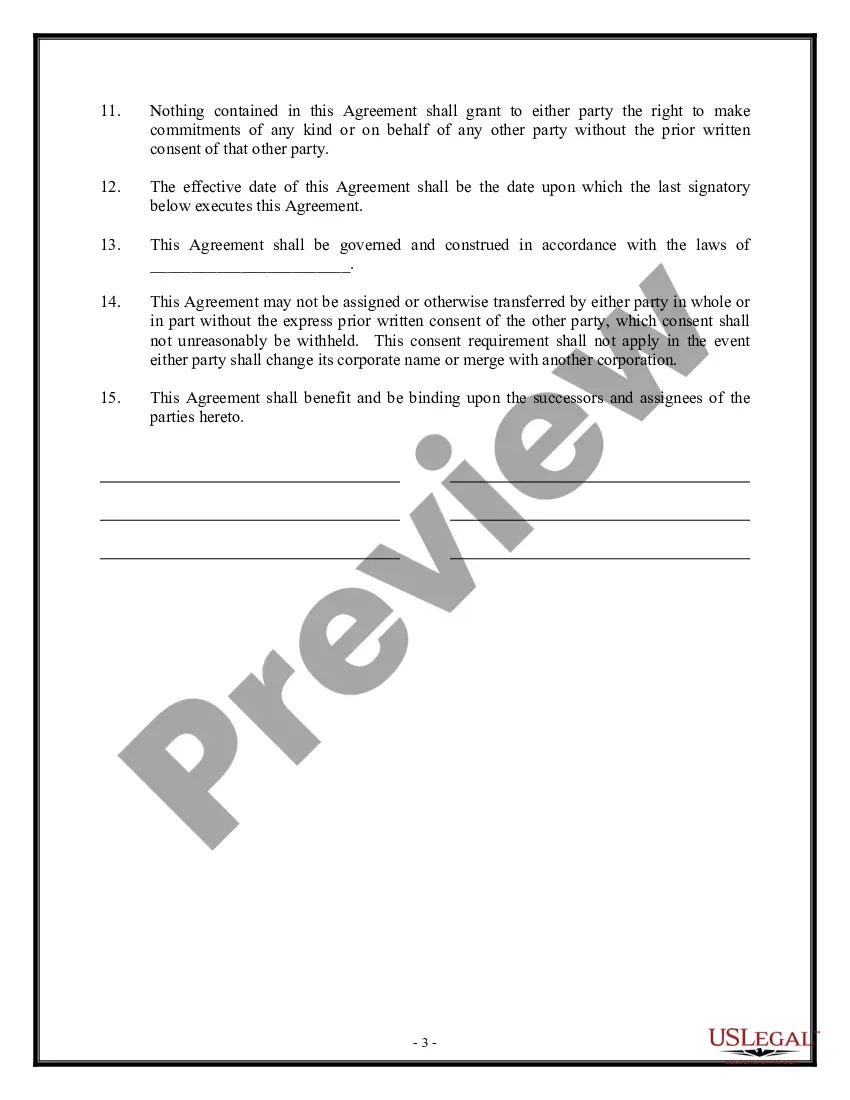
- Ensure that the agreement is reviewed and signed by both parties to make it legally binding.
- Keep a copy of the signed agreement for your records, as it defines the confidentiality terms.
Is notarization required?
This form does not typically require notarization unless specified by local law. It is advisable to check local regulations to ensure compliance.
Get your form ready online
Our built-in tools help you complete, sign, share, and store your documents in one place.
Make edits, fill in missing information, and update formatting in US Legal Forms—just like you would in MS Word.
Download a copy, print it, send it by email, or mail it via USPS—whatever works best for your next step.
Sign and collect signatures with our SignNow integration. Send to multiple recipients, set reminders, and more. Go Premium to unlock E-Sign.
If this form requires notarization, complete it online through a secure video call—no need to meet a notary in person or wait for an appointment.
We protect your documents and personal data by following strict security and privacy standards.

Make edits, fill in missing information, and update formatting in US Legal Forms—just like you would in MS Word.

Download a copy, print it, send it by email, or mail it via USPS—whatever works best for your next step.

Sign and collect signatures with our SignNow integration. Send to multiple recipients, set reminders, and more. Go Premium to unlock E-Sign.

If this form requires notarization, complete it online through a secure video call—no need to meet a notary in person or wait for an appointment.

We protect your documents and personal data by following strict security and privacy standards.
Avoid these common issues
- Failing to clearly define what constitutes Confidential Information.
- Not including specific purposes for which the Confidential Information will be used.
- Neglecting to set a timeline for the protection of Confidential Information.
- Not ensuring that all relevant personnel sign off on the confidentiality terms.
Why use this form online
- Convenient access to downloadable templates saves time and effort.
- Editability allows for customization to better fit specific project needs.
- Reliability of professionally drafted legal documents ensures compliance with legal standards.
What to keep in mind
- The Non-Disclosure Agreement protects sensitive information in software development.
- Clear definition of parties and information is essential for the agreementâs effectiveness.
- Using the form online provides accessibility and ease of customization.
Looking for another form?

Form popularity
FAQ
NDA stands for a non-disclosure agreement. This document ensures that when you share your proprietary information (ideas, trade secrets, etc.) with another person, they will keep it a secret.
The cold hard truth is that most NDAs do not hold up in court. Non-Disclosure Agreements are most effective in establishing a paper trail of confidential information as it relates to partnerships, and discouraging partners from misappropriating proprietary information.
A confidentiality agreement (also called a nondisclosure agreement or NDA) is a legally binding contract in which a person or business promises to treat specific information as a trade secret and promises not to disclose the secret to others without proper authorization.
Yes, unless specified otherwise, you can share that you signed an NDA. You however can not share whatever the NDA is in regards to.
Non-disclosure agreements are an important legal framework used to protect sensitive and confidential information from being made available by the recipient of that information. Companies and startups use these documents to ensure that their good ideas won't be stolen by people they are negotiating with.
NDAs are legally enforceable contracts, but they're now coming under increased scrutiny from lawmakers, attorneys and legal experts.Companies often use them as part of an employment contract or settlement agreement to protect sensitive information like trade secrets.
Identification of the parties. Definition of what is deemed to be confidential. The scope of the confidentiality obligation by the receiving party. The exclusions from confidential treatment. The term of the agreement.
No, it is not necessary for the nondisclosure agreement to be "notarized", nor is it necessary under California law for the signatures on such an agreement to be "witnessed".
NDAs protect sensitive information. By signing an NDA, participants promise to not divulge or release information shared with them by the other people involved. If the information is leaked, the injured person can claim breach of contract. The type of information covered by an NDA is virtually unlimited.