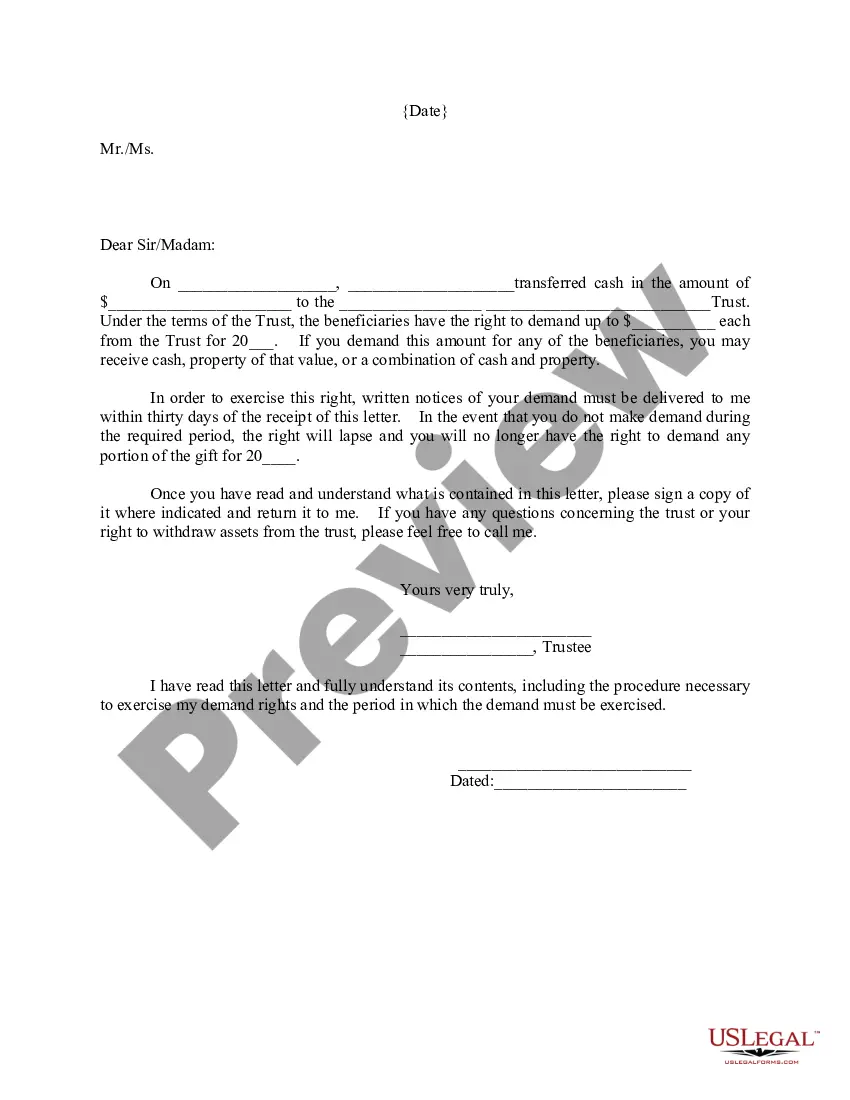
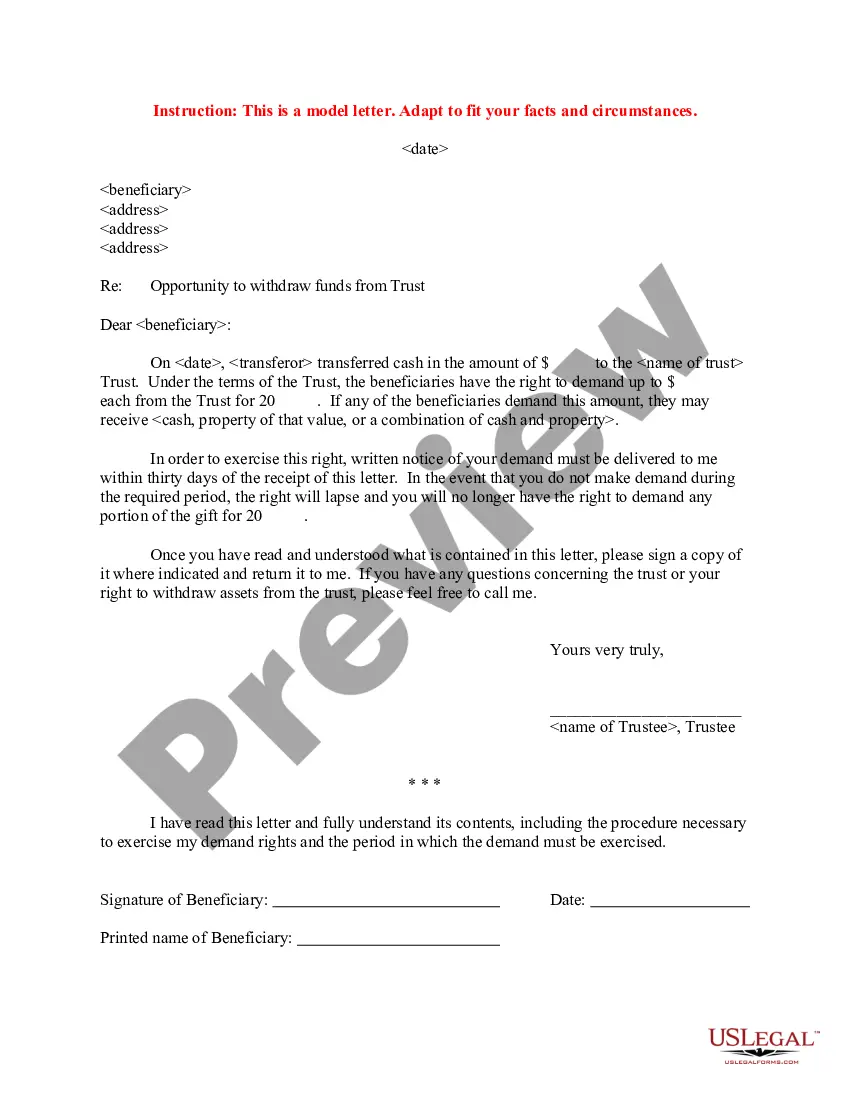
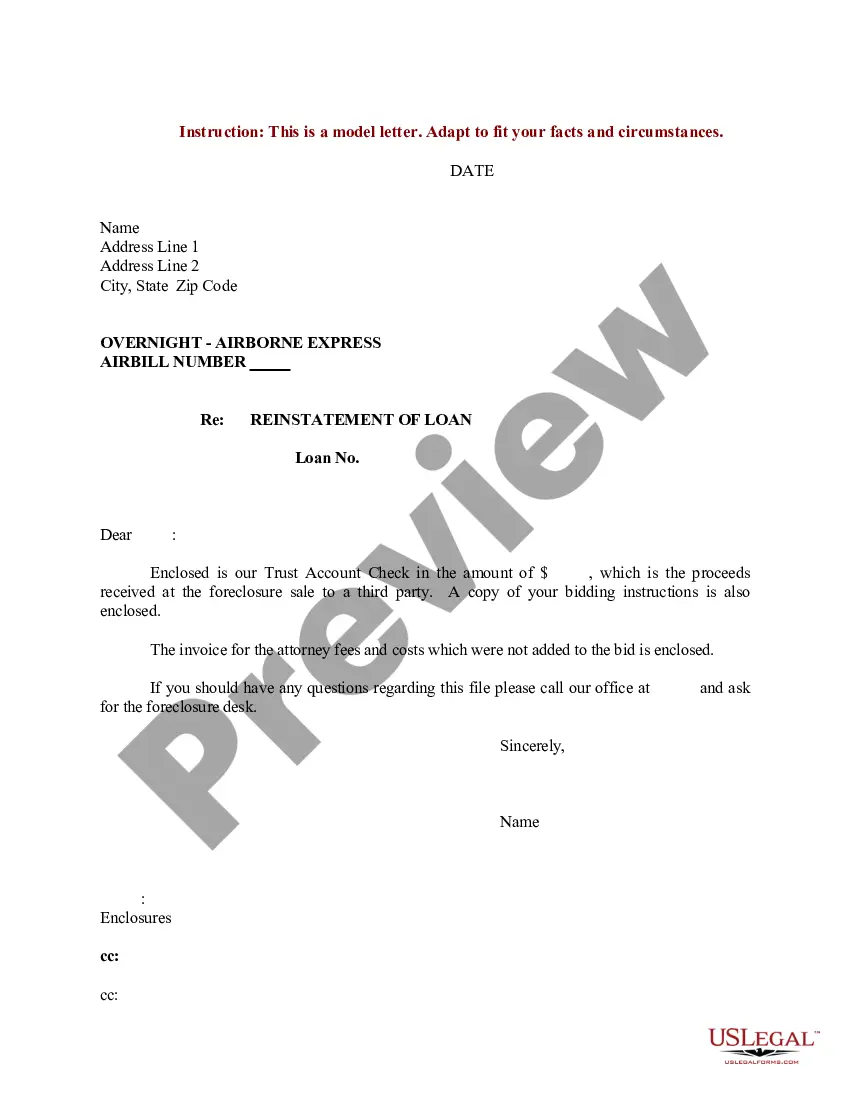
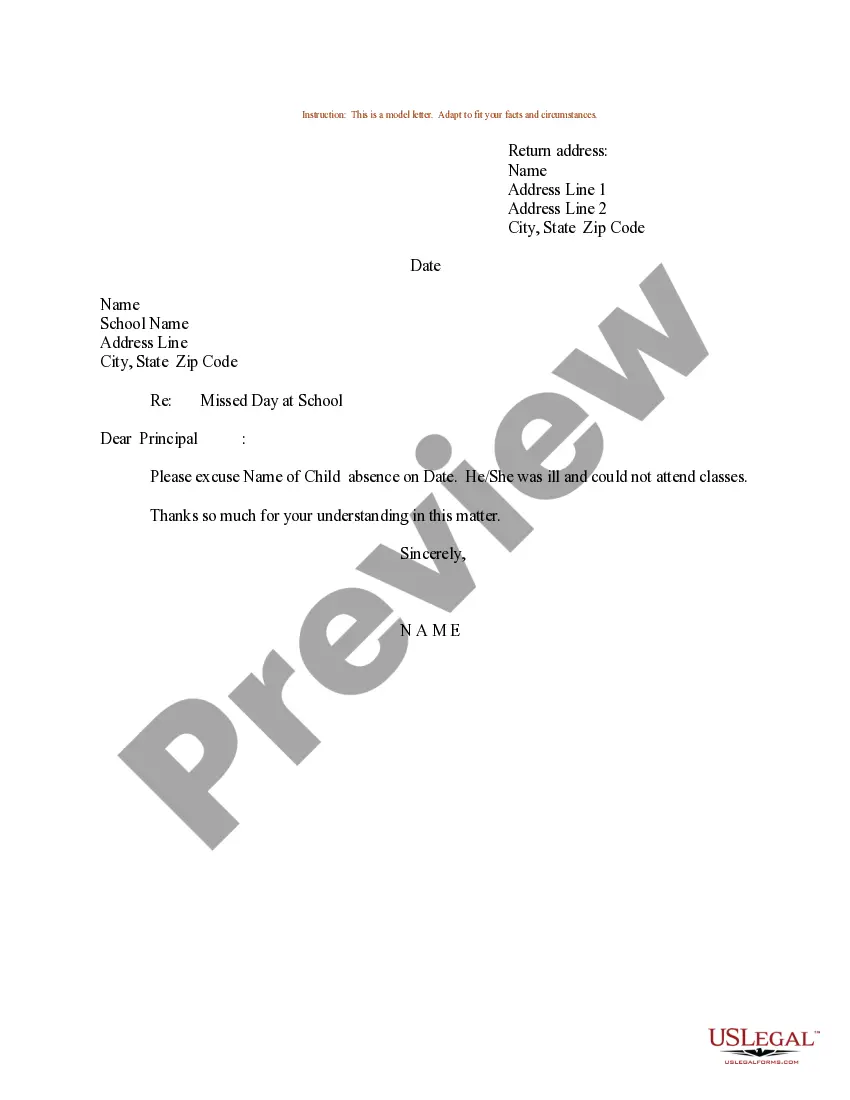
Trustee informs the trustor that he/she has the right to demand a certain amount of funds from the trust during the year. If the trustor demands a withdrawal for any of the beneficiaries, he/she may receive cash, property of that value, or a combination of cash and property.
Wisconsin Letter regarding trust money
Instant download
Description

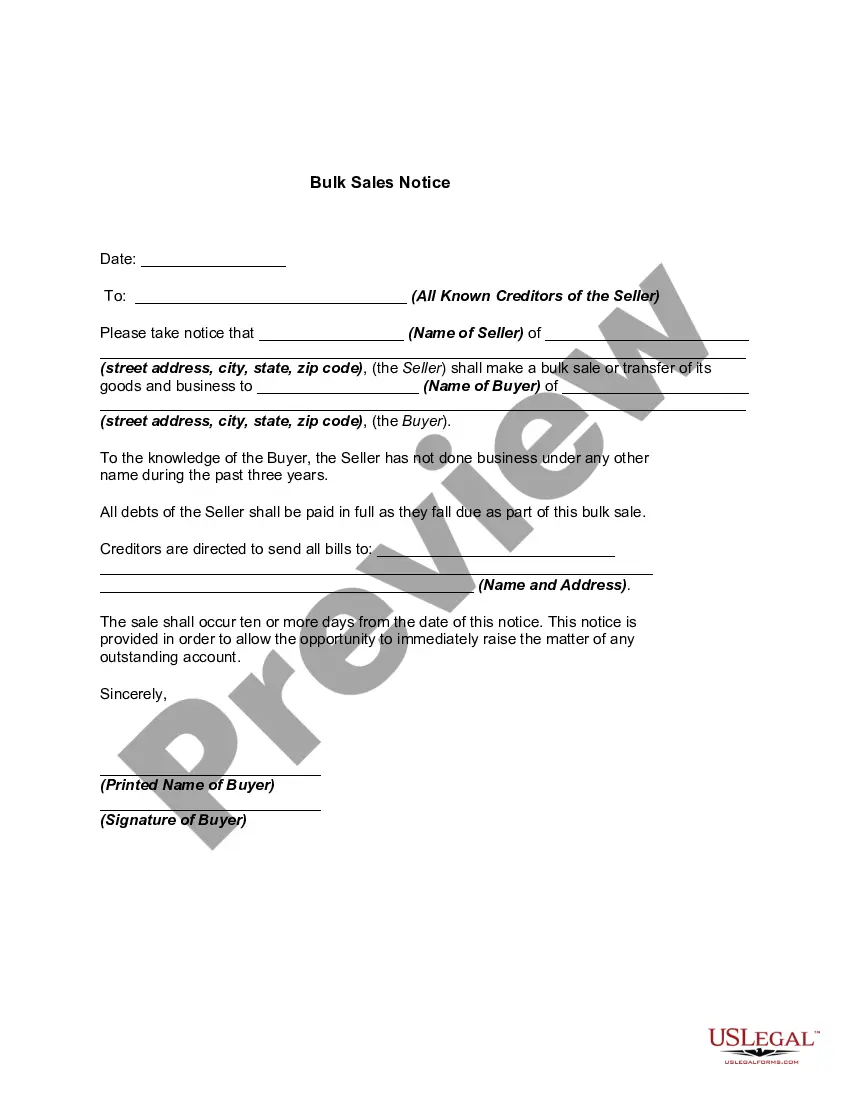

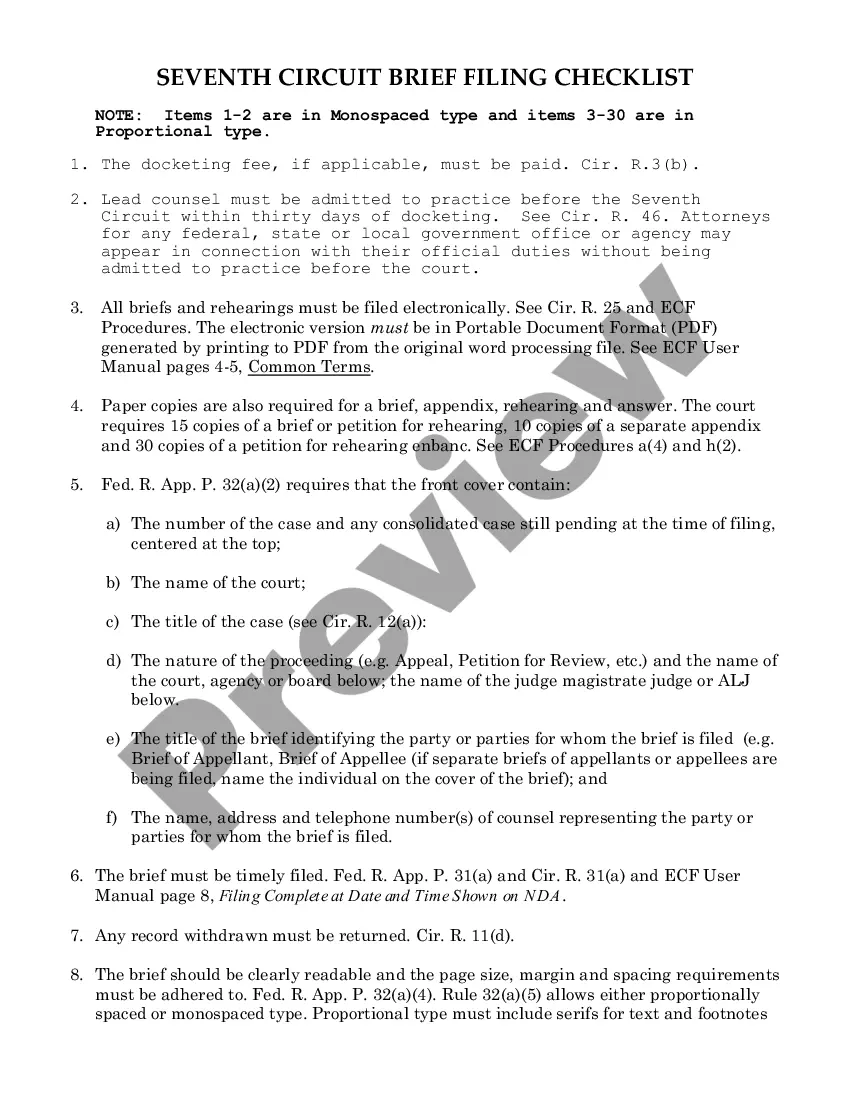
How to fill out Letter Regarding Trust Money?
Have you ever been in a situation where you require documents for potential business or personal purposes nearly every working day.
There are numerous legal document templates available online, but finding reliable versions can be challenging.
US Legal Forms offers a vast array of form templates, including the Wisconsin Letter concerning trust money, which can be tailored to meet state and federal requirements.
Once you locate the appropriate form, simply click Buy now.
Select the pricing plan you prefer, fill in the required information to set up your account, and complete the payment using your PayPal or credit card.
- If you are already familiar with the US Legal Forms website and possess an account, simply Log In.
- Following that, you may download the Wisconsin Letter concerning trust money template.
- If you do not have an account and wish to start using US Legal Forms, follow these steps.
- Identify the form you need and ensure it is appropriate for your specific city/region.
- Utilize the Preview button to review the document.
- Read the description to ensure you have selected the correct form.
- If the form is not what you are looking for, use the Search field to find the form that fits your needs and requirements.
Form popularity
FAQ
To report trust income in Wisconsin, you must first determine whether the trust is revocable or irrevocable. For irrevocable trusts, the trustee typically files IRS Form 1041, reporting income and expenses of the trust. Beneficiaries also need to report their share of the income on their personal tax returns. If you seek assistance, uslegalforms can help guide you in the required documentation and process.
Setting up a trust fund in Wisconsin involves several key steps. First, determine your goals and the type of trust you wish to create. Next, you will need to draft a trust document, which specifies all the details, and then fund the trust with your assets. For further assistance, consider using uslegalforms to easily draft the necessary paperwork and ensure compliance with all Wisconsin laws.
In Wisconsin, the three main types of trusts are revocable trusts, irrevocable trusts, and testamentary trusts. A revocable trust allows you to retain control over your assets during your lifetime, even after you create it. An irrevocable trust, on the other hand, removes your control over the assets, providing benefits such as tax savings. Testamentary trusts are established through a will and come into effect after your passing, handling your estate effectively.
You can get a copy of a trust document by asking the trustee for a copy. If they refuse to provide it, you can compel them to provide a copy through a Surrogate's Court proceeding to compel a copy of the trust. Unlike wills that are admitted to probate, trusts are not part of public records.
If you have a revocable trust, you can get money out by making a request via the trustee. Should you yourself be listed as the trustee, you'll be able to transfer funds and assets out of the trust as you see fit.
The assets, beneficiaries, and terms of the trust are never public record. If you choose to pass your assets through a will, it must go through probate and then becomes public record. A trust is more difficult to challenge or contest than a will, offering additional security.
Beneficiaries are entitled to an accountinga detailed report of all income, expenses, and distributions from the estatewithin a reasonable amount of time. Beneficiaries are also entitled to review and approve any compensation requested by the executor.
The beneficiary can get income from the trust straight away but cannot control the assets that provide the income.
Can a trustee refuse to pay a beneficiary? Yes, a trustee can refuse to pay a beneficiary if the trust allows them to do so. Whether a trustee can refuse to pay a beneficiary depends on how the trust document is written. Trustees are legally obligated to comply with the terms of the trust when distributing assets.
Elder Law AttorneyPayment. Current beneficiaries have the right to distributions as set forth in the trust document.Right to information.Right to an accounting.Remove the trustee.End the trust.