Wisconsin Assignment of Lien - Individual
Understanding this form
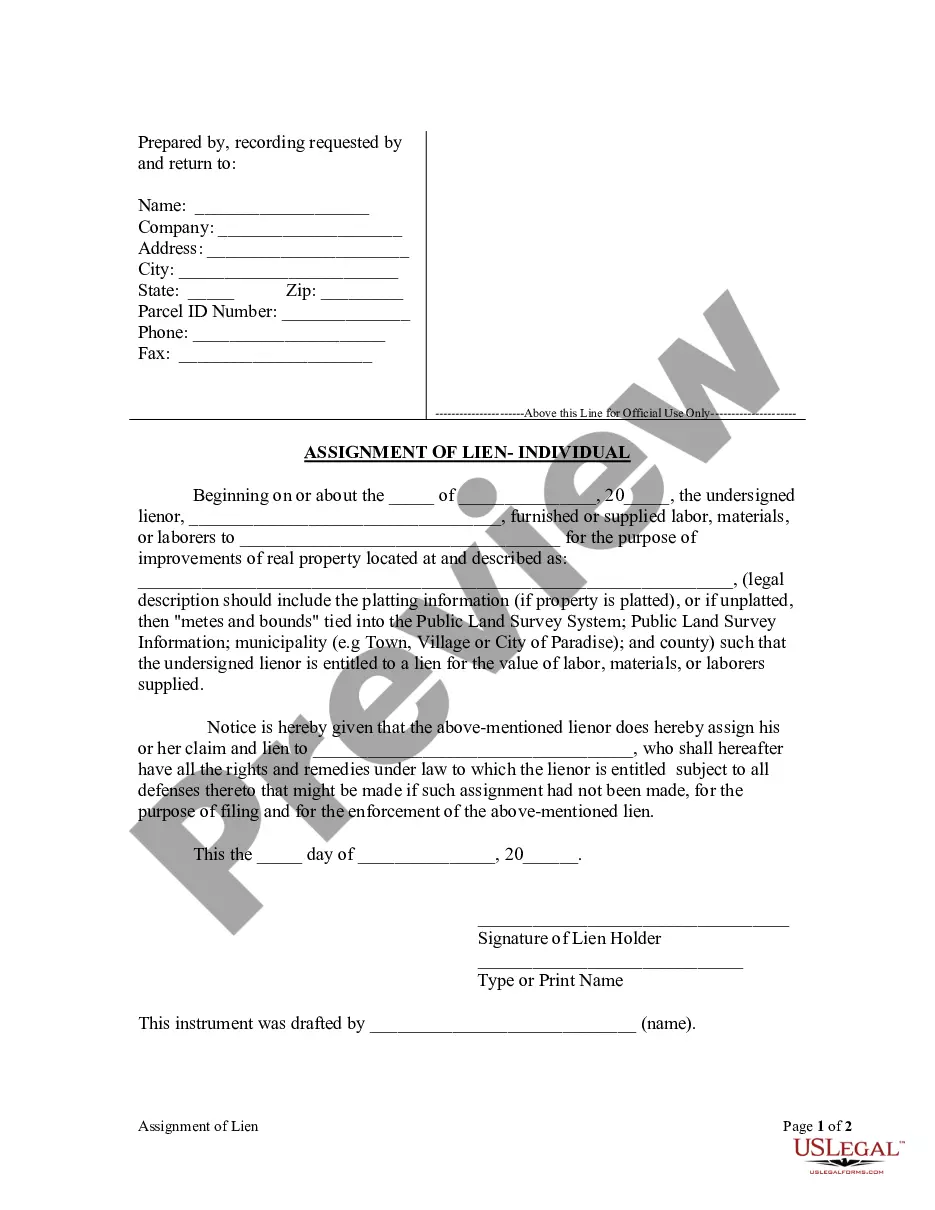
The Assignment of Lien - Individual form is a legal document used by an individual lienor who has supplied labor or materials for the improvement of real property. This form serves to assign the lienor's rights and claims to another individual, allowing that individual to enforce the lien in accordance with the law. Unlike other lien forms, this specific assignment allows for the transfer of rights tied to the value of the labor or materials provided, making it critical in real estate and construction contexts.
What’s included in this form
- Identification of the lienor and assignee.
- Details of the improvements made to the property.
- The legal description of the property, including parcel ID number.
- Date of the assignment and signatures of the involved parties.
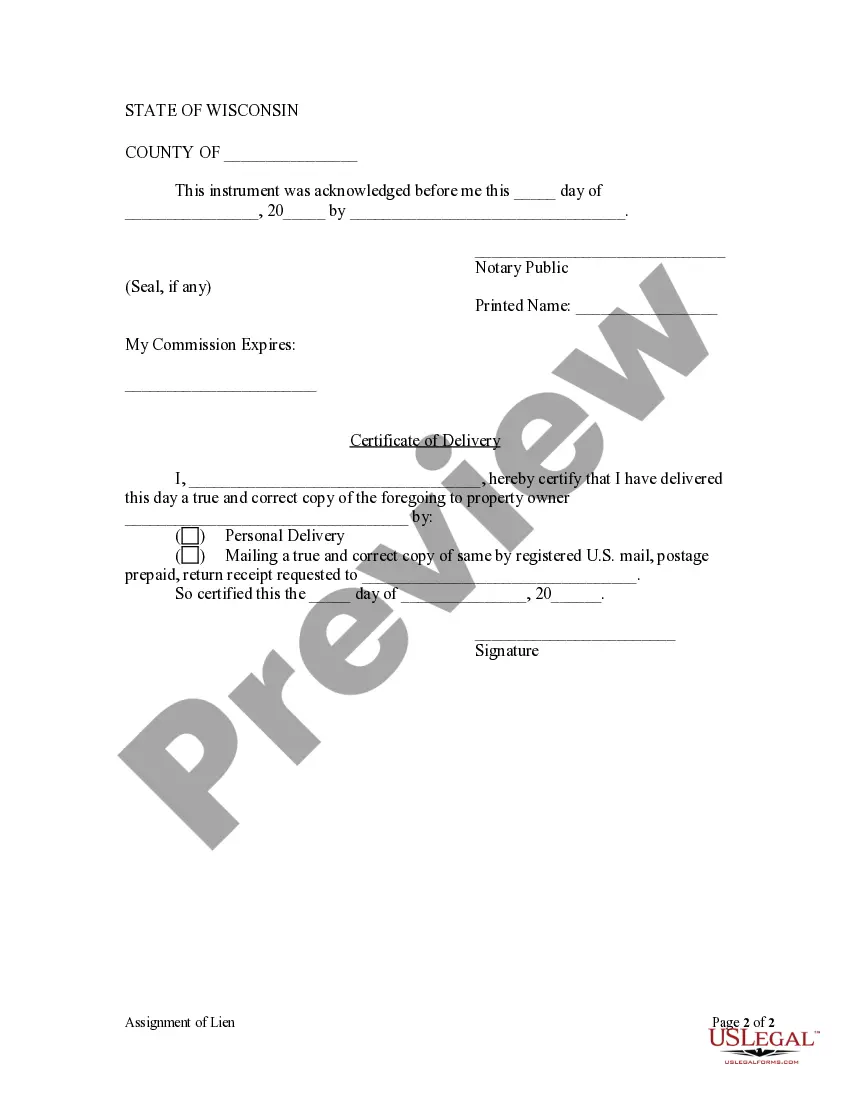
- Notary acknowledgment for legal validity.
- Certificate of delivery to the property owner.
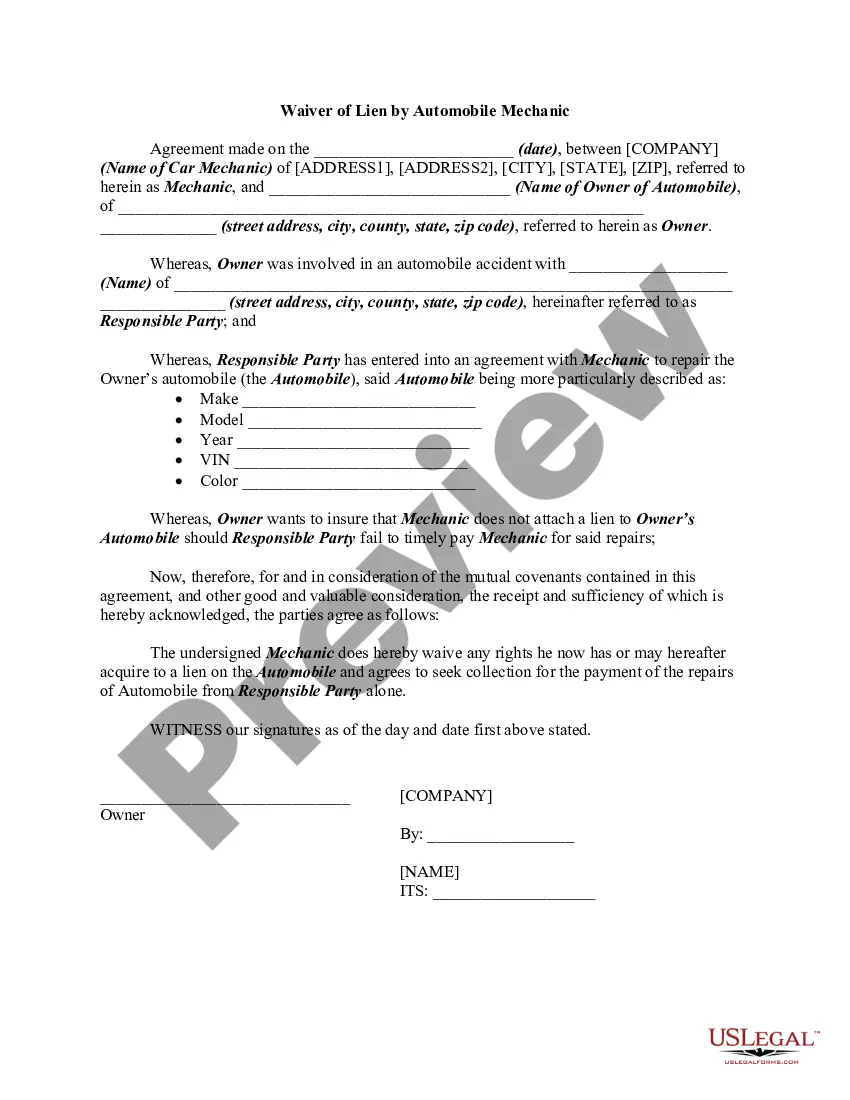
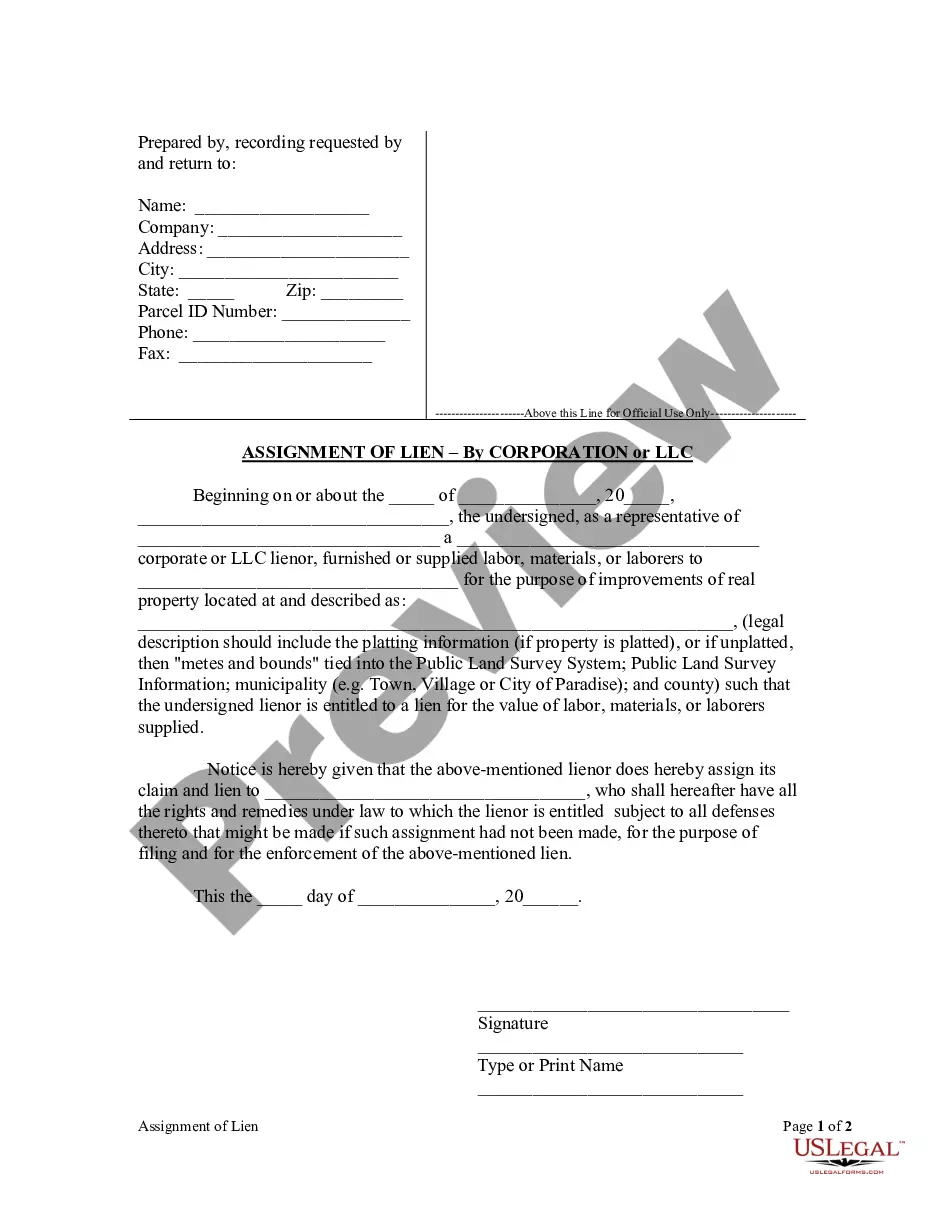
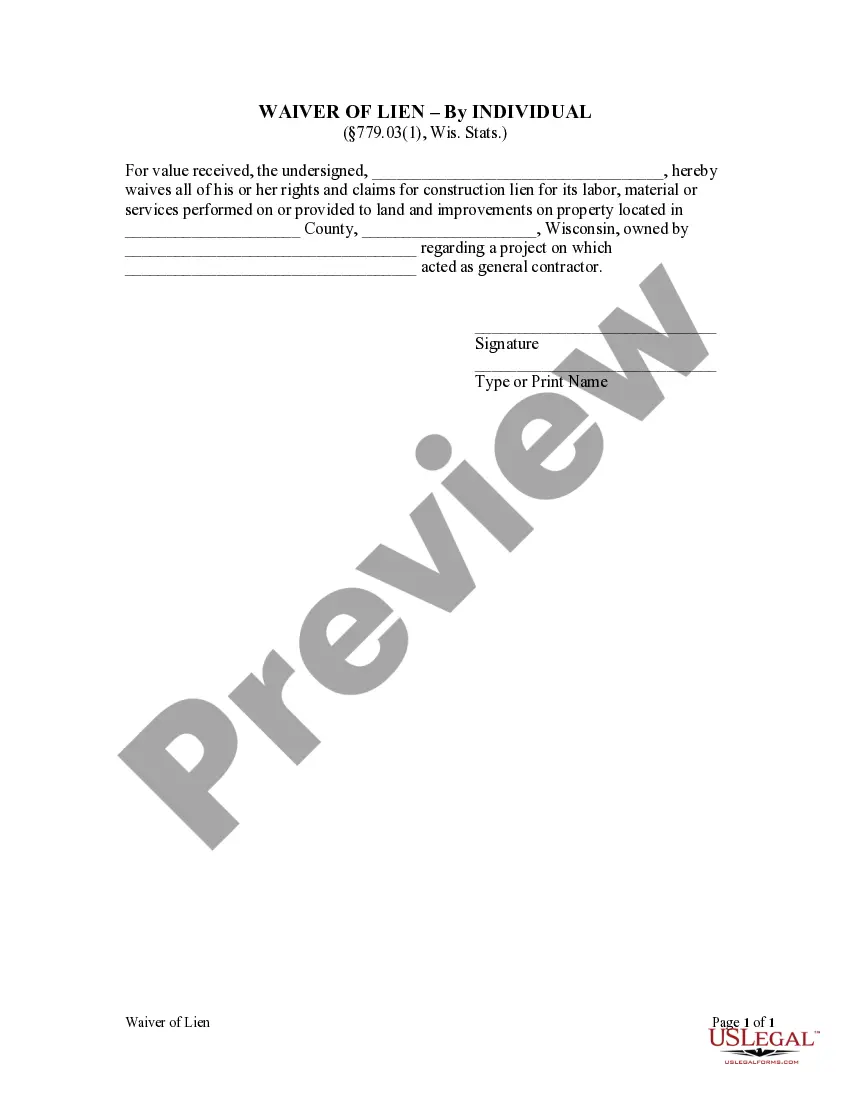
When to use this document
This form is necessary when an individual who has provided labor or materials for real property improvements wishes to transfer their lien rights to another party. It is often used in the construction industry, where contractors or suppliers need to ensure their claims are enforceable by a designated individual in the event of payment disputes or enforcement actions against the property owner.
Who this form is for
This form is typically used by:
- Individuals who have supplied labor or materials for property improvement.
- Contractors or subcontractors looking to assign their lien rights.
- Suppliers of materials who need to enforce their claims on property.
- Anyone involved in real estate transactions requiring lien assignments.
Instructions for completing this form
- Identify the parties involved: the lienor and the assignee.
- Provide the legal description of the property including parcel ID number.
- Fill in the dates and signatures where indicated.
- Ensure all details regarding the labor or materials supplied are accurately stated.
- Have the form notarized to ensure legal validity.
Notarization guidance
Notarization is required for this form to take effect. Our online notarization service, powered by Notarize, lets you verify and sign documents remotely through an encrypted video session, available 24/7.
Get your form ready online
Our built-in tools help you complete, sign, share, and store your documents in one place.
Make edits, fill in missing information, and update formatting in US Legal Forms—just like you would in MS Word.
Download a copy, print it, send it by email, or mail it via USPS—whatever works best for your next step.
Sign and collect signatures with our SignNow integration. Send to multiple recipients, set reminders, and more. Go Premium to unlock E-Sign.
If this form requires notarization, complete it online through a secure video call—no need to meet a notary in person or wait for an appointment.
We protect your documents and personal data by following strict security and privacy standards.

Make edits, fill in missing information, and update formatting in US Legal Forms—just like you would in MS Word.

Download a copy, print it, send it by email, or mail it via USPS—whatever works best for your next step.

Sign and collect signatures with our SignNow integration. Send to multiple recipients, set reminders, and more. Go Premium to unlock E-Sign.

If this form requires notarization, complete it online through a secure video call—no need to meet a notary in person or wait for an appointment.

We protect your documents and personal data by following strict security and privacy standards.
Common mistakes
- Failing to include a complete legal description of the property.
- Not providing the correct details regarding the labor or materials supplied.
- Missing signatures from either the lienor or the assignee.
- Notarization errors, such as forgetting to include the notary seal.
- Inaccurate or incomplete information in the certificate of delivery.
Why use this form online
- Immediate access to the form allows for quicker completion and filing.
- Editable templates help tailor the document to specific needs.
- Guidance provided throughout the form ensures accuracy and compliance.
- Secure downloads protect sensitive personal information.
Legal use & context
- The Assignment of Lien is enforceable under state law once properly completed and filed.
- Understanding local lien laws is crucial to ensure the assignment is valid.
- Failure to follow legal requirements may invalidate the lien assignment.
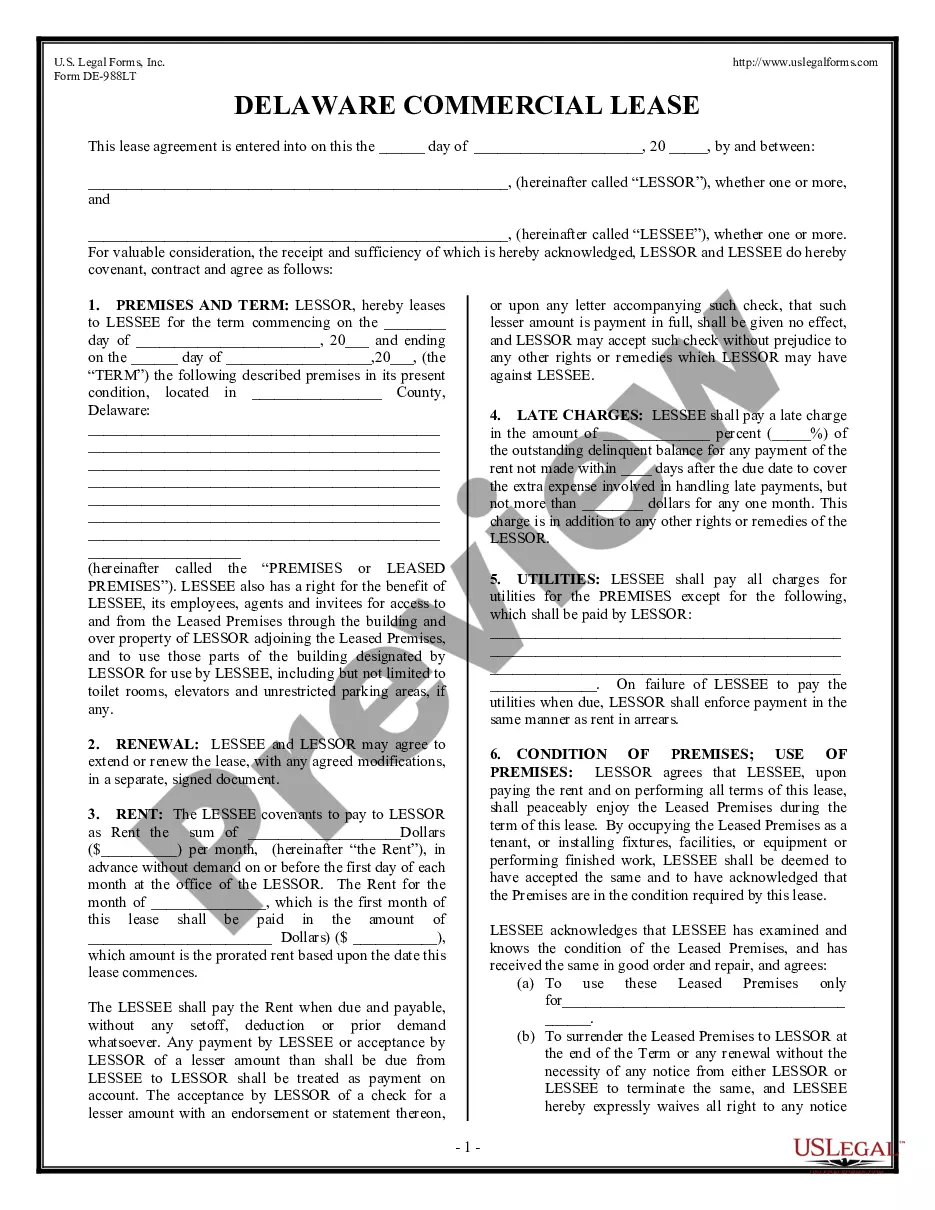
Looking for another form?


Form popularity
FAQ
A Lien Release (also considered a Lien Cancellation or Release of Lien) is a legally binding document that is sent by the current lien holder, the individual who has leased the property or provided payment to secure the property, that informs any debt in relation to that property has been fulfilled and they relinquish
While it's unlikely that just anyone can put a lien on your home or land, it's not unheard of for a court decision or a settlement to result in a lien being placed against a property.
Write your name and return address in the top three lines of the letter. Insert the complete date (month, day, year). Enter the recipient's name, title, company name and address on the next five lines. Greet the reader by writing "Dear (recipient's name):" Skip two lines. State the subject in a subject line.
A mortgage creates a lien on your property that gives the lender the right to foreclose and sell the home to satisfy the debt. A deed of trust (sometimes called a trust deed) is also a document that gives the lender the right to sell the property to satisfy the debt should you fail to pay back the loan.
If you have unpaid debt of any kind, this can lead the creditors that you owe money to place a lien on your assets.In other cases, liens may be placed on property by a court order as a result of legal action.
Basically, a lienholder is the party that holds the lien. It could be a lender, bank, finance company, credit card issuer, or individual that a contract has been signed within which money is owed.
In Wisconsin, a potential lien claimant must file a mechanics lien within 6 months after the last day on which labor and/or materials were furnished to the project, but at least 30 days after the filing of a Notice of Intention to File a Claim of Lien.
There, a construction lien on a commercial project must be filed with a county clerk within 90 days of the last day services or materials were provided. Filing a construction lien on residential projects requires filing a Notice of Unpaid Balance and Right to File Lien within 90 days of the last day of service.
A claimant must file an original and 2 signed, copies of a Wisconsin "Claim for Lien" form with the clerk of circuit court in the county where the property is located, at least thirty (30) days after service of the notice of intent to file claim for lien, but within, and no later than, 6 months from the date that the