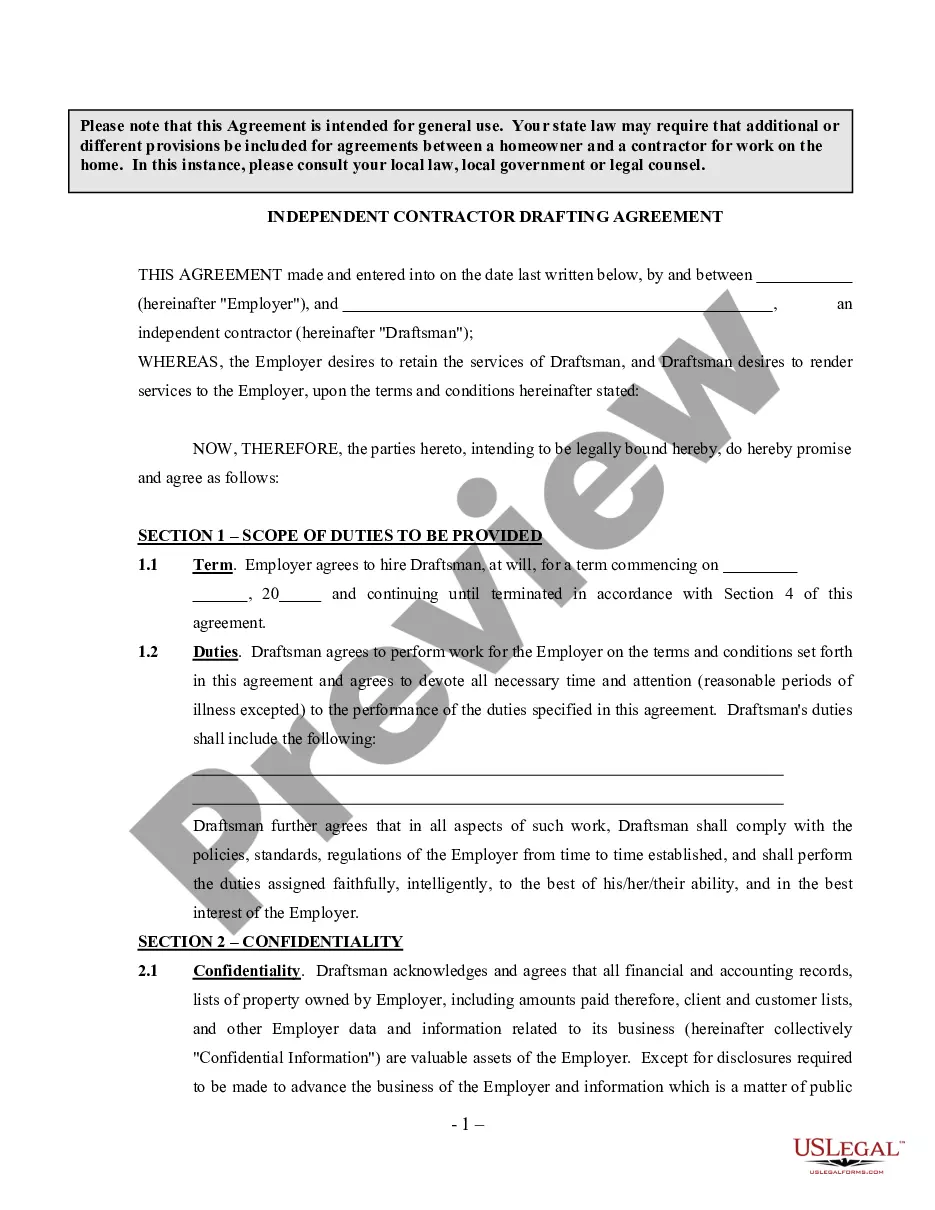
Washington Form to Claim Property on Behalf of Another
Overview of this form
The Form to Claim Property on Behalf of Another is a legal document that allows an individual, known as the non-claiming successor, to authorize another person, referred to as the claiming successor, to claim property belonging to them. This form serves to ensure that property claims are made formally and legally, particularly in instances where the property owner is unable to do so themselves. It differs from other forms by including specific provisions for notifying other potential heirs or successors about the claim being made.
Key components of this form
- Authorization section where the non-claiming successor grants permission to the claiming successor
- Property details section for specifying the property being claimed
- Notification to other successors to inform them of the property claim
- Affidavit declaration by the claiming successor including personal information and relationships
- Signature and notarization sections to validate the document legally


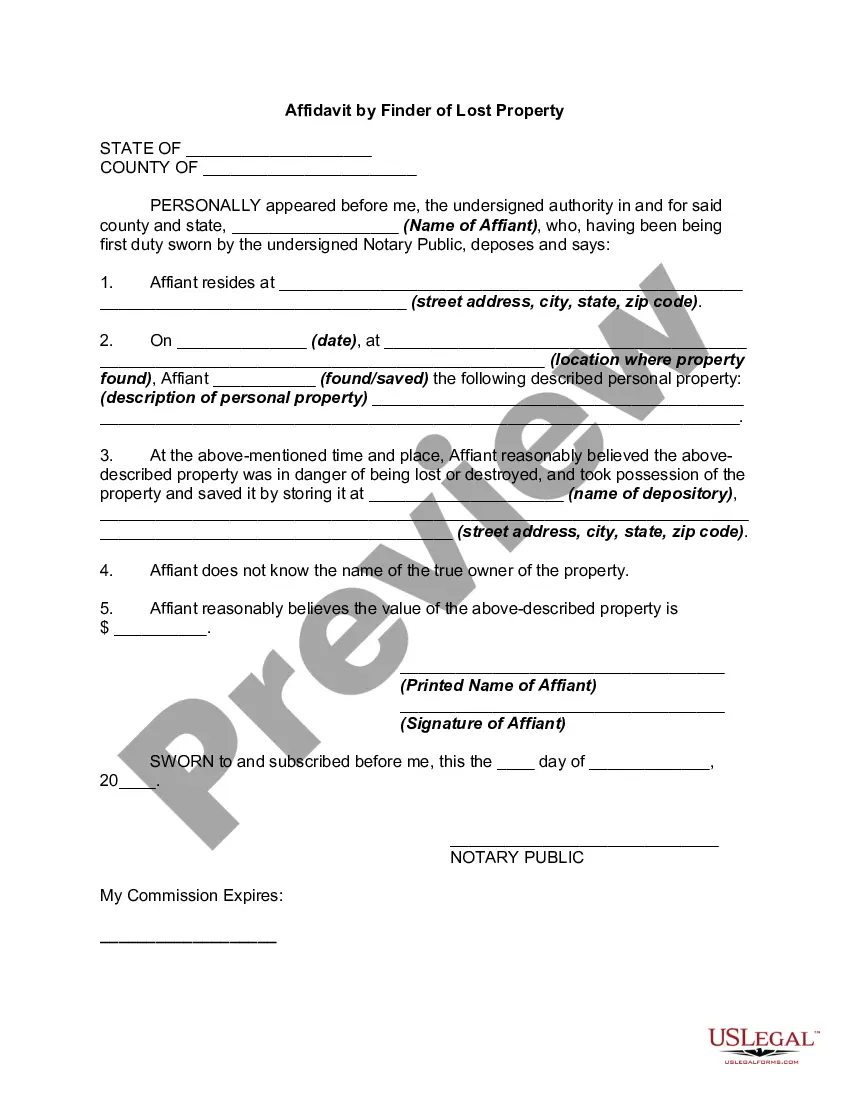
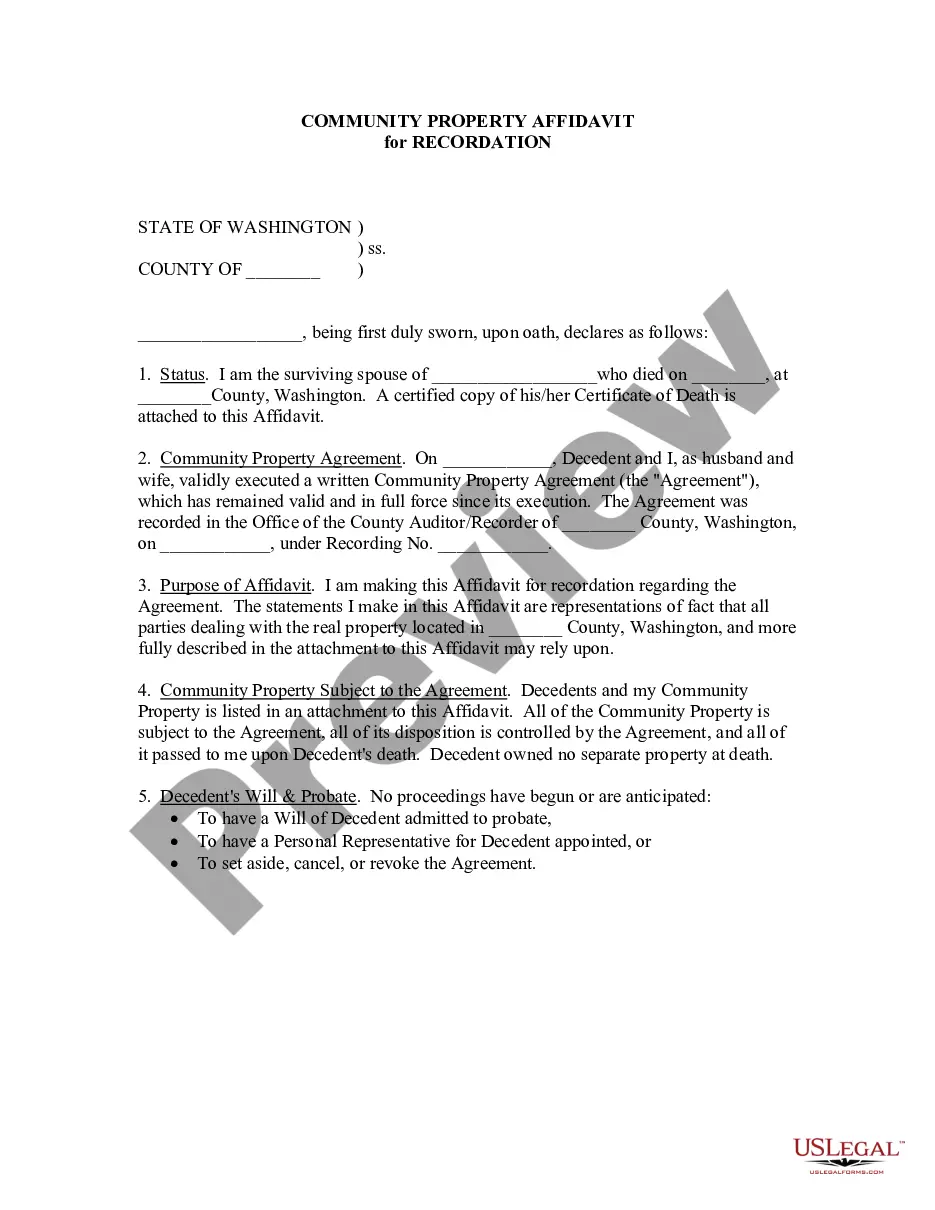
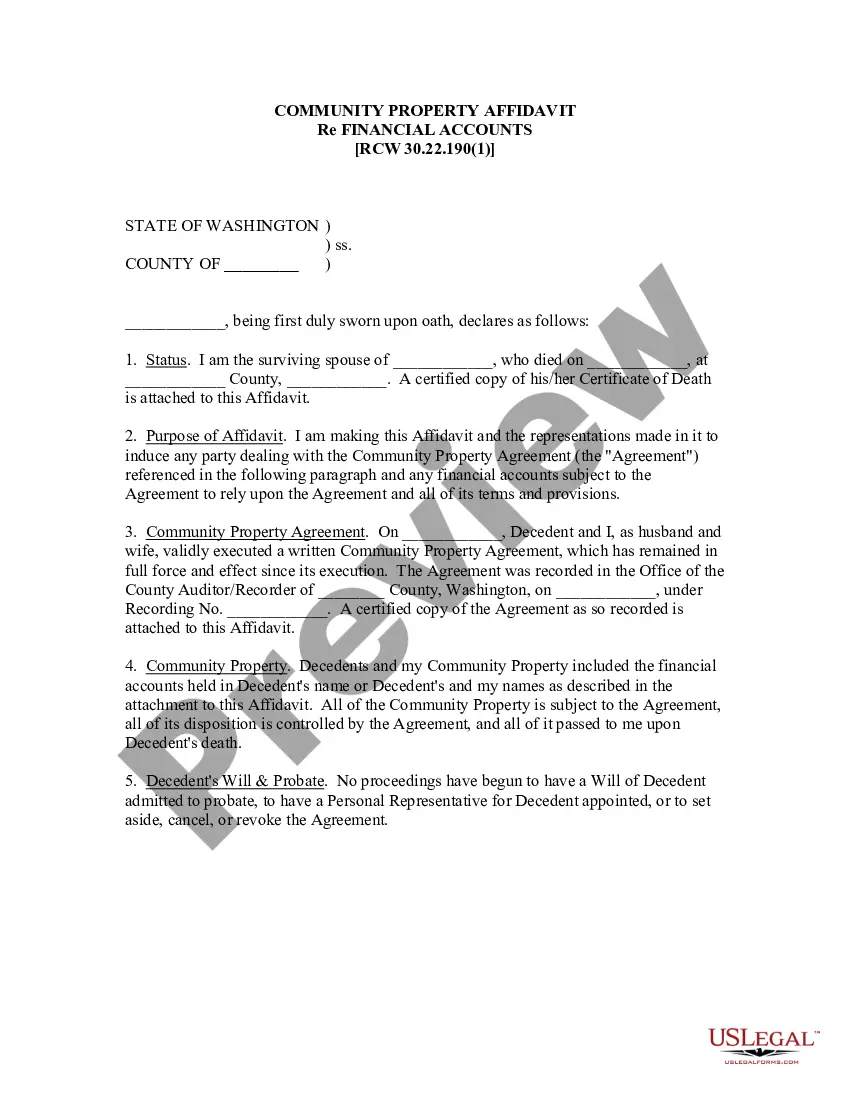
When to use this document
This form should be used in specific situations, such as when a property owner has passed away, and the heirs wish to claim the property on their behalf. It is especially relevant when the non-claiming successor is unable to file a claim due to various reasons, such as distance or incapacity. Additionally, it is needed when there is a need to ensure that all potential heirs are informed of the claim being made.
Who should use this form
- Non-claiming successors who are unable to claim property directly
- Claiming successors acting on behalf of another individual
- Heirs or beneficiaries of a deceased person's estate who wish to claim property
- Individuals needing to formally notify others of a property claim
Completing this form step by step
- Identify the non-claiming successor and provide their full name.
- Specify the claiming successor's full name and the property details being claimed.
- Complete the notification section to inform other successors about the claim.
- Fill out personal information, including the deceased's name, Social Security number, and estate value as required.
- Sign and date the form in front of a notary public to ensure its legal validity.
Notarization guidance
Yes, this form must be notarized to be legally valid. Notarization ensures that the signatures are authentic and that the document is witnessed properly. US Legal Forms offers integrated online notarization through secure video calls, allowing users to complete this requirement easily without the need to travel.
Get your form ready online
Our built-in tools help you complete, sign, share, and store your documents in one place.
Make edits, fill in missing information, and update formatting in US Legal Forms—just like you would in MS Word.
Download a copy, print it, send it by email, or mail it via USPS—whatever works best for your next step.
Sign and collect signatures with our SignNow integration. Send to multiple recipients, set reminders, and more. Go Premium to unlock E-Sign.
If this form requires notarization, complete it online through a secure video call—no need to meet a notary in person or wait for an appointment.
We protect your documents and personal data by following strict security and privacy standards.

Make edits, fill in missing information, and update formatting in US Legal Forms—just like you would in MS Word.

Download a copy, print it, send it by email, or mail it via USPS—whatever works best for your next step.

Sign and collect signatures with our SignNow integration. Send to multiple recipients, set reminders, and more. Go Premium to unlock E-Sign.

If this form requires notarization, complete it online through a secure video call—no need to meet a notary in person or wait for an appointment.

We protect your documents and personal data by following strict security and privacy standards.
Mistakes to watch out for
- Failing to notify all other successors as required.
- Not providing accurate property details, leading to claims being contested.
- Neglecting to have the form notarized, which may invalidate the claim.
- Submitting the form without the necessary attachments or supporting documents.
Benefits of using this form online
- Convenience of instant access and download from home.
- Editability allows customization to meet individual specifications.
- Reliable templates drafted by licensed attorneys ensure legality.
- Time-saving as documents can be prepared and filed quickly.
What to keep in mind
- This form allows a successor to claim property on behalf of another.
- Notification to other successors is a critical aspect of the process.
- Completing the form accurately and having it notarized is essential for legality.
- Understanding state-specific requirements helps avoid issues during the claiming process.
Looking for another form?

Form popularity
FAQ
A letter of administration is a court-issued document that gives someone the authority to act as the estate administrator. The administrator can then access and manage the late person's assets, such as financial accounts and real estate property.
Under Washington probate law, any person who has the deceased person's will must turn it over either to the probate court or to the personal representative within 30 days of finding out about the death. And if the personal representative has the will, they have 40 days to turn it over to the Washington probate court.
The ?Affidavit of Successor? may be used to claim a debt or personal property from any person or organization indebted to or having possession of any personal property belonging to a decedent. Please note this affidavit is only to be used to claim a debt or personal property.
If the decedent died without a Will, a petition is filed to appoint a personal representative to administer the estate and the assets of the decedent pass by way of the intestate succession laws of the State of Washington. The court issues letters of administration in the case of a probate without a Will.
If the decedent died without a Will, a petition is filed to appoint a personal representative to administer the estate and the assets of the decedent pass by way of the intestate succession laws of the State of Washington. The court issues letters of administration in the case of a probate without a Will.
Opening a Washington Probate Estate Obtaining a Certified Copy of Decedent's Death Certificate: In King County.Determining the Proper Court.Filing a Case Cover Sheet.Petitioning for Letters.Obtaining Nonintervention Powers.Avoiding Notice of Hearing.Avoiding Posting Bond.Avoiding Designating a Resident Agent.
How to File (7 steps) Step 1 ? Pay Debts. Step 2 ? Wait Forty (40) Days. Step 3 ? Prepare Affidavit. Step 4 ? Notify Other Successors. Step 5 ? Get It Notarized. Step 6 ? Mail Notarized Copy. Step 7 ? Collect the Assets.
Obtaining Letters Testamentary This is the document that you will show financial institutions and other parties who are holding the decedent's assets to prove that you are the court appointed representative of the estate.