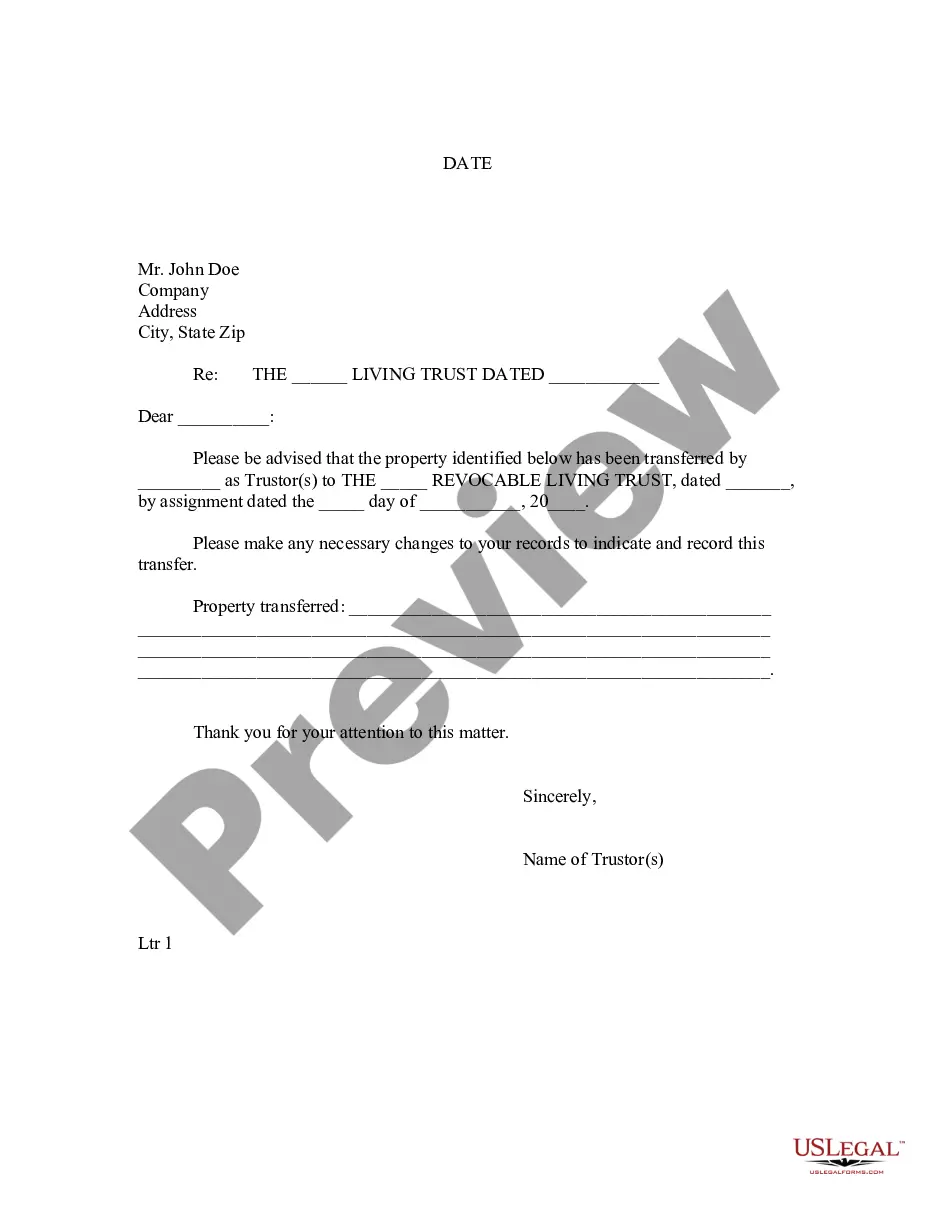
Washington Easement for Sewer Lines With Access Road
What this document covers
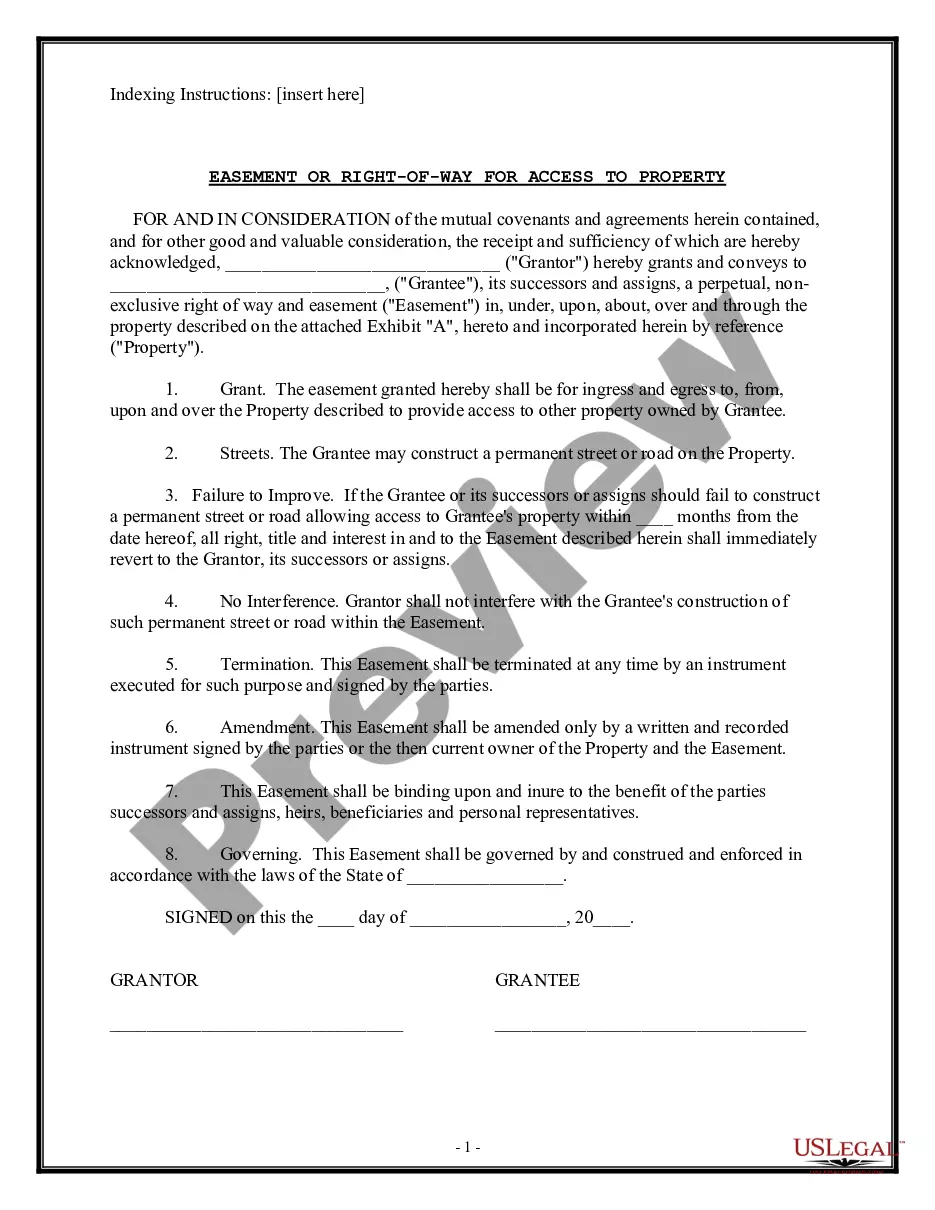
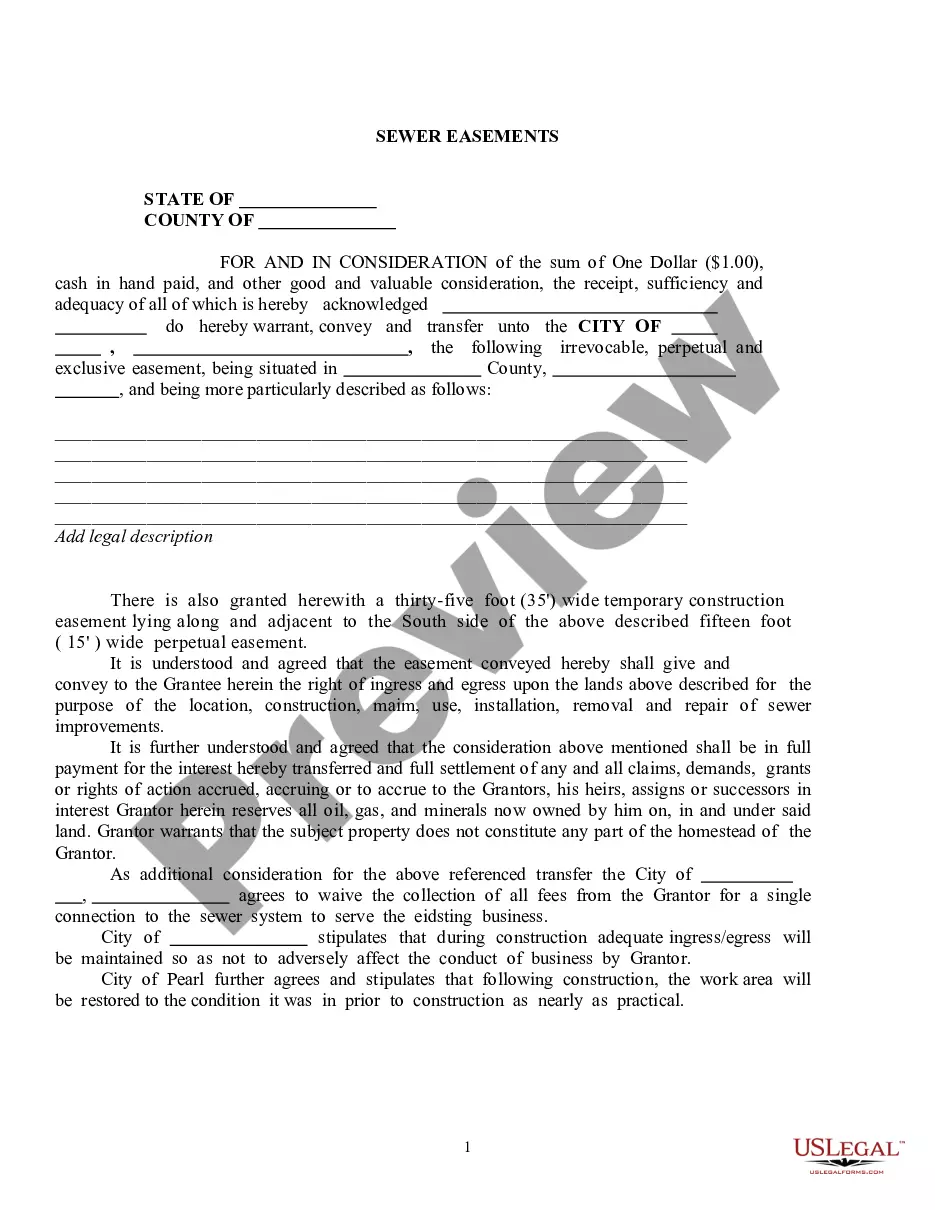
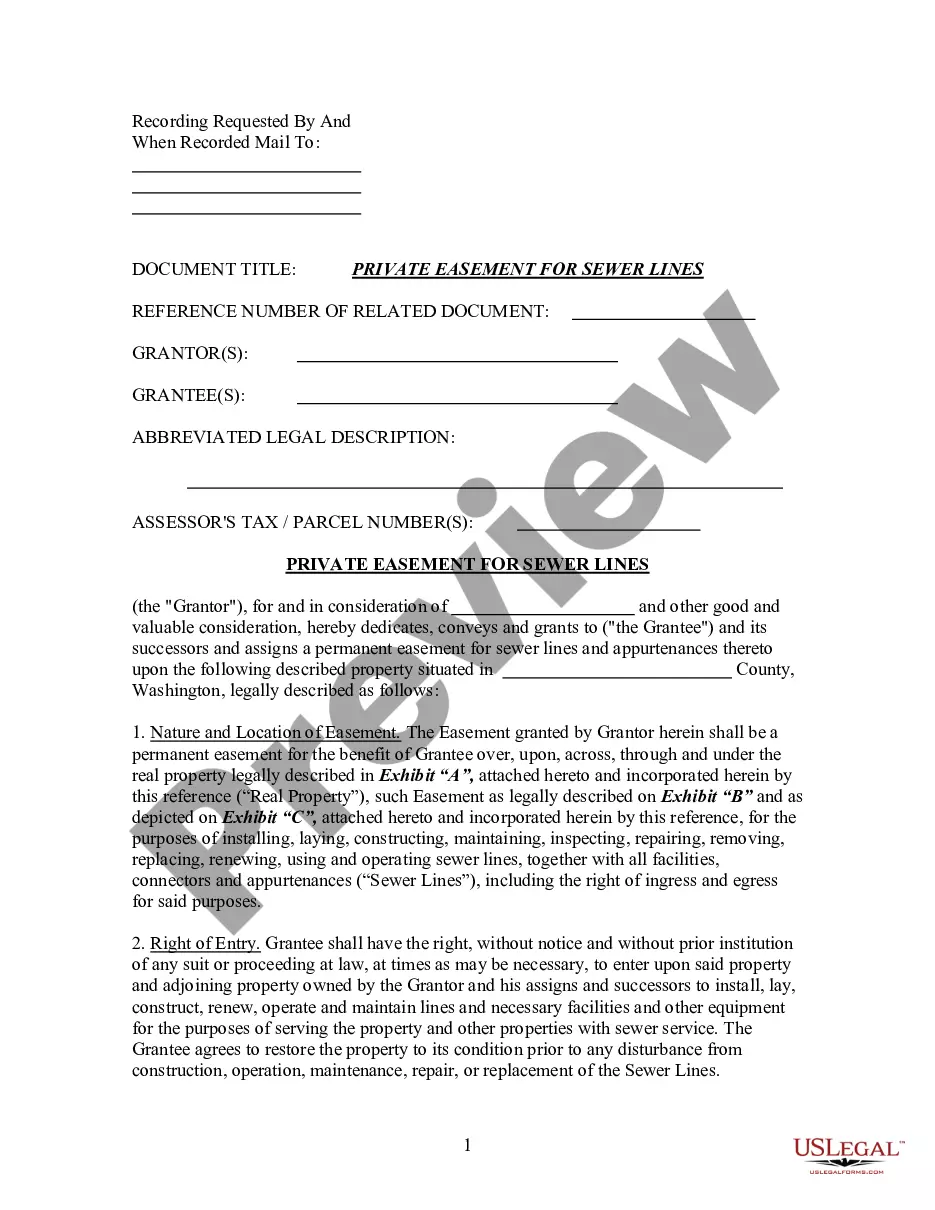
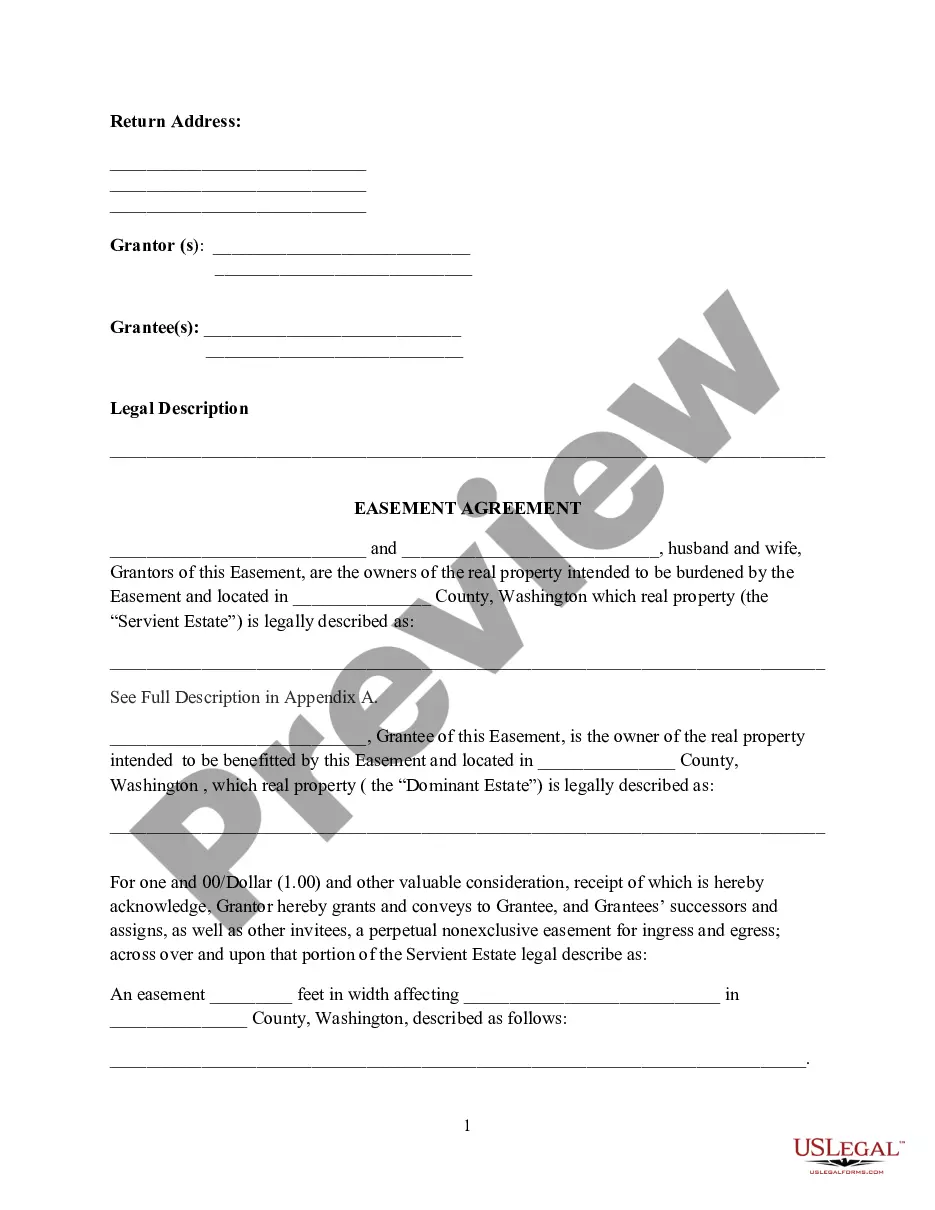
The Easement for Sewer Lines With Access Road is a legal document that grants a party (the Grantee) the right to install, maintain, and operate sewer lines on another party's property (the Grantor). This form specifically addresses the need for access to the property to facilitate the sewer lines, making it distinct from other types of easements that may not include explicit access rights. It ensures the utility service can be reliably managed while protecting both parties' interests.
Key parts of this document
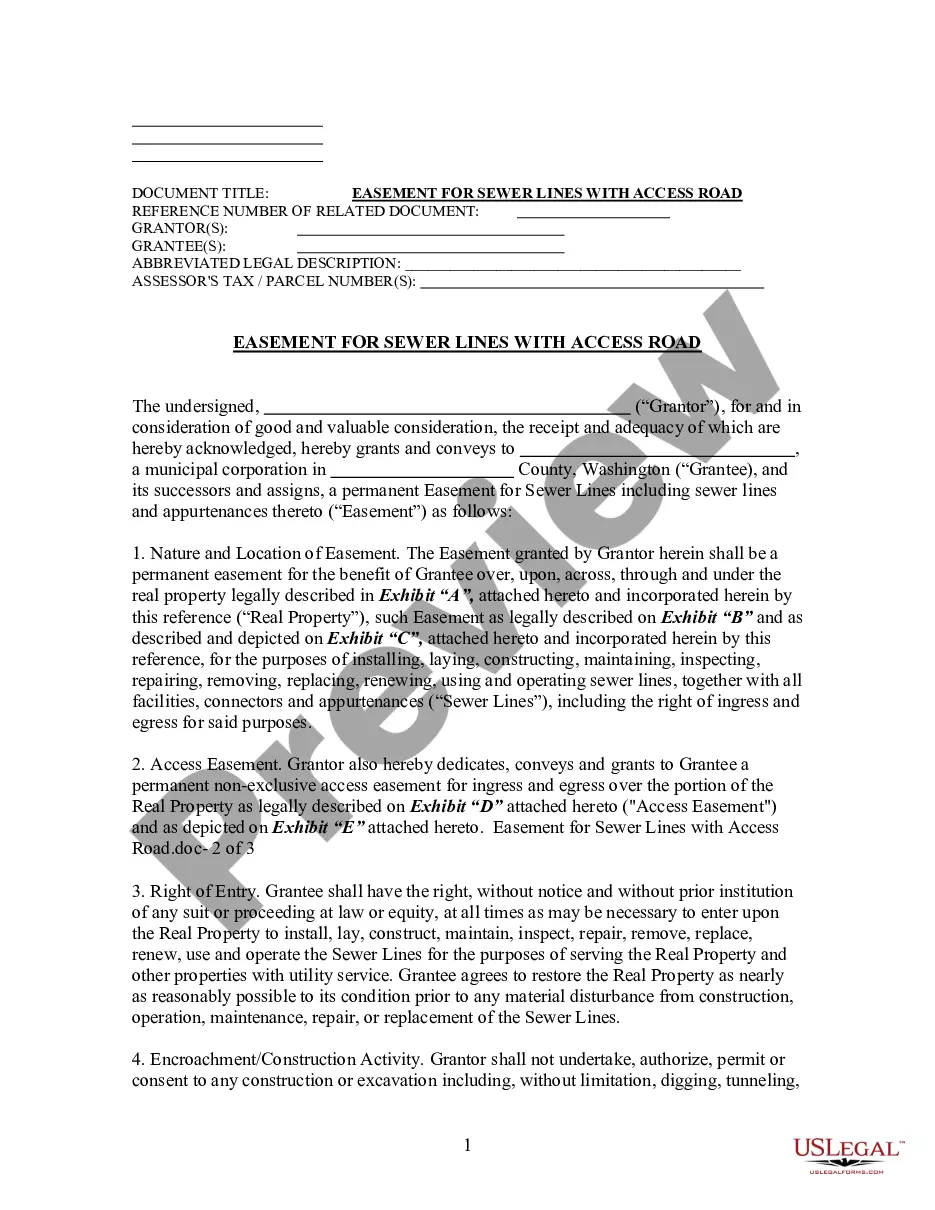
- Nature and location of the easement, detailing the specific rights granted to the Grantee.
- Access easement, outlining the non-exclusive right of ingress and egress for maintenance and construction purposes.
- Right of entry, allowing the Grantee to enter the property to perform necessary work on the sewer lines.
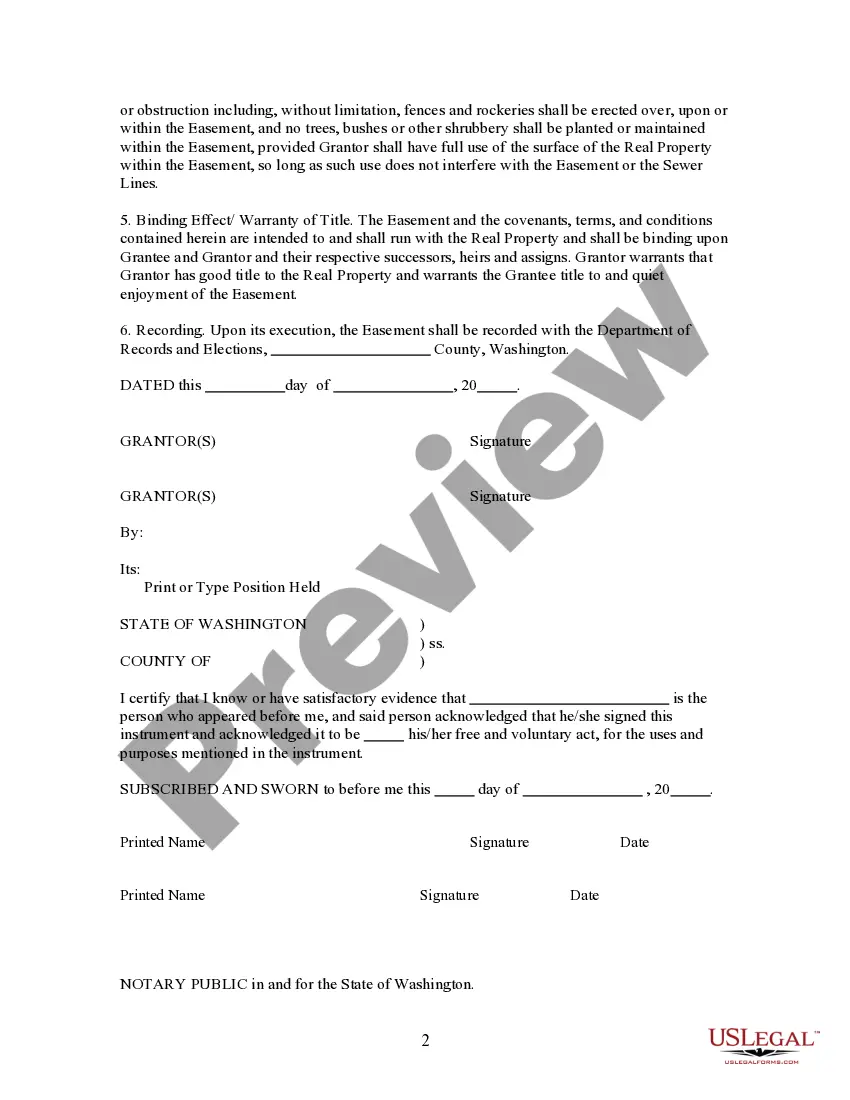
- Prohibitions on construction or planting over the easement, ensuring protection of utility lines.
- Binding effect and warranty of title, confirming that the easement runs with the property and is binding on successors.
When to use this document
This form is typically used when a property owner needs to grant access to a utility company or another party for the installation and maintenance of sewer lines on their property. It is essential when the property is developed or requires utility services that necessitate access roads for construction and repairs.
Who should use this form
This form is appropriate for:
- Property owners (Grantors) who need to allow utilities to install sewer lines.
- Utility companies or service providers (Grantees) requiring easements for sewer line installation and maintenance.
- Homeowners associations or groups that manage common utilities shared by multiple properties.
How to prepare this document
- Identify the parties involved: the Grantor (property owner) and the Grantee (utility provider).
- Specify the property location by attaching legal descriptions as referenced in the exhibits.
- Detail the nature and purpose of the easement, ensuring clarity on the rights granted.
- Include information on access rights for maintenance and construction activities.
- Obtain signatures from both parties to finalize the agreement.
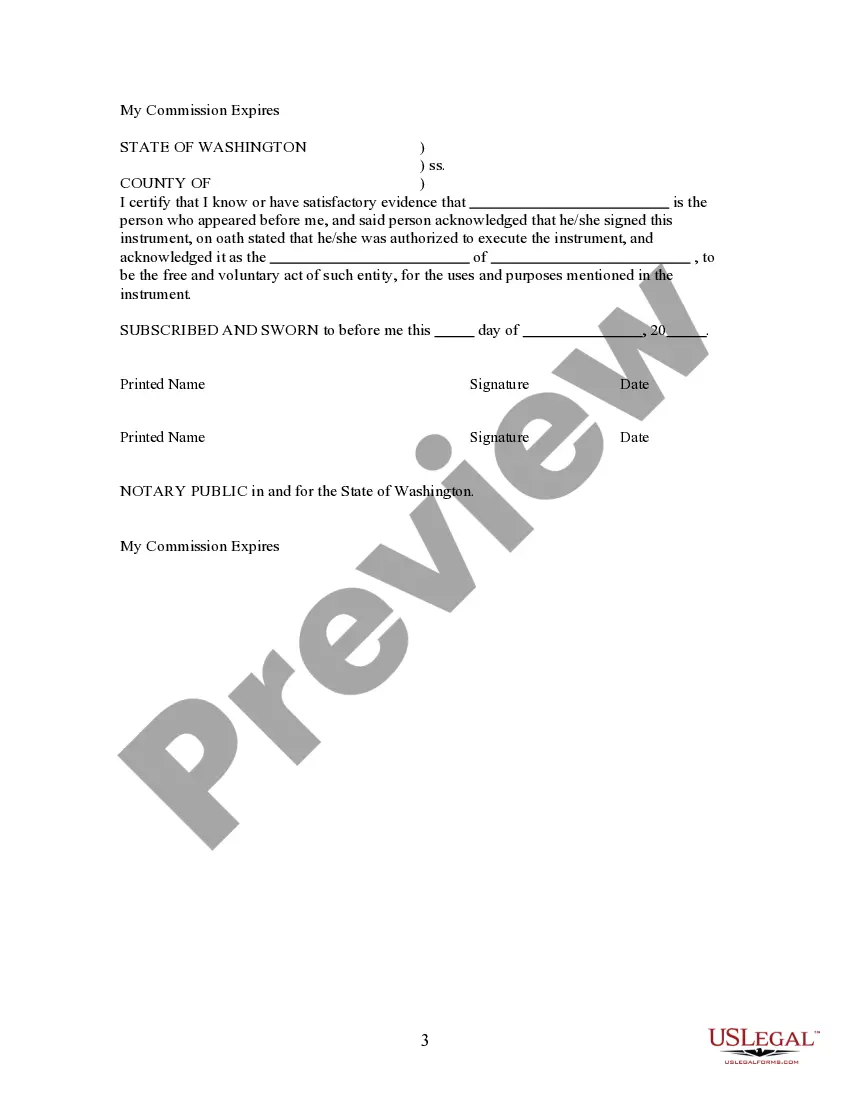
Does this form need to be notarized?
Notarization is required for this form to take effect. Our online notarization service, powered by Notarize, lets you verify and sign documents remotely through an encrypted video session, available 24/7.
Get your form ready online
Our built-in tools help you complete, sign, share, and store your documents in one place.
Make edits, fill in missing information, and update formatting in US Legal Forms—just like you would in MS Word.
Download a copy, print it, send it by email, or mail it via USPS—whatever works best for your next step.
Sign and collect signatures with our SignNow integration. Send to multiple recipients, set reminders, and more. Go Premium to unlock E-Sign.
If this form requires notarization, complete it online through a secure video call—no need to meet a notary in person or wait for an appointment.
We protect your documents and personal data by following strict security and privacy standards.

Make edits, fill in missing information, and update formatting in US Legal Forms—just like you would in MS Word.

Download a copy, print it, send it by email, or mail it via USPS—whatever works best for your next step.

Sign and collect signatures with our SignNow integration. Send to multiple recipients, set reminders, and more. Go Premium to unlock E-Sign.

If this form requires notarization, complete it online through a secure video call—no need to meet a notary in person or wait for an appointment.

We protect your documents and personal data by following strict security and privacy standards.
Typical mistakes to avoid
- Failing to include accurate legal descriptions of the property.
- Not clearly outlining the rights granted, leading to misunderstandings.
- Omitting the signatures of all involved parties.
Why use this form online
- Convenient access to professionally drafted legal forms.
- Editability allows customization to fit specific needs.
- Reliable templates created by licensed attorneys.
Legal use & context
- An easement for sewer lines is a recognized legal property interest, allowing utility companies to maintain essential infrastructure.
- Properly executed easement forms help prevent future disputes regarding property access and usage.
- Incorporating local legal requirements ensures the easement's enforceability in specific jurisdictions.
Main things to remember
- The Easement for Sewer Lines With Access Road is crucial for legally permitting sewer line access on a property.
- Both parties must understand their rights and obligations under the easement.
- Proper completion, signing, and possibly notarization of this form are essential for legal validity.
Looking for another form?


Form popularity
FAQ
An easement in gross is personal to the party that receives the benefit of easement. An example of an easement in gross is an easement to a utility company to run a power line across a burdened piece of property. The utility company is the benefited party and there isn't necessarily a benefited parcel of land.
An easement is a limited right to use another person's land for a stated purpose. Examples of easements include the use of private roads and paths, or the use of a landowner's property to lay railroad tracks or electrical wires.
In short, it allows another to use and/or enter into the property of another without possessing it, e.g. a landowner may enjoy the right of way over the land of another to access their property.
An easement is a nonpossessory right to use and/or enter onto the real property of another without possessing it. It is "best typified in the right of way which one landowner, A, may enjoy over the land of another, B".
Rights of way (similar to the driveway example, but also including walkways or pathways); Public utilities, such as gas, electricity or water and sewer mains; Parking areas; Access to light and air; and. Shared walls.
What are Easements and Rights-of-Way? Easements are nonpossessory interests in real property. More simply, an easement is the right to use another's property for a specific purpose. Rights-of-way are easements that specifically grant the holder the right to travel over another's property.
An easement is a property right that provides its holder with a non-possessory interest on another person's land.If there are only personal individual benefits from an easement the term used is in gross. The majority of easements are affirmative, this means that they authorise the use of another person's land.
An easement gives a person or organization a legal right to use someone else's landbut only for a needed purpose. A utility company may have an easement on your property to access an electrical pole.
A private right of way is an easement, which is the right to use part of another's property in a particular way even though they do not own it.