FAQs concerning the Educational Records of Students with Disabilities
About this form
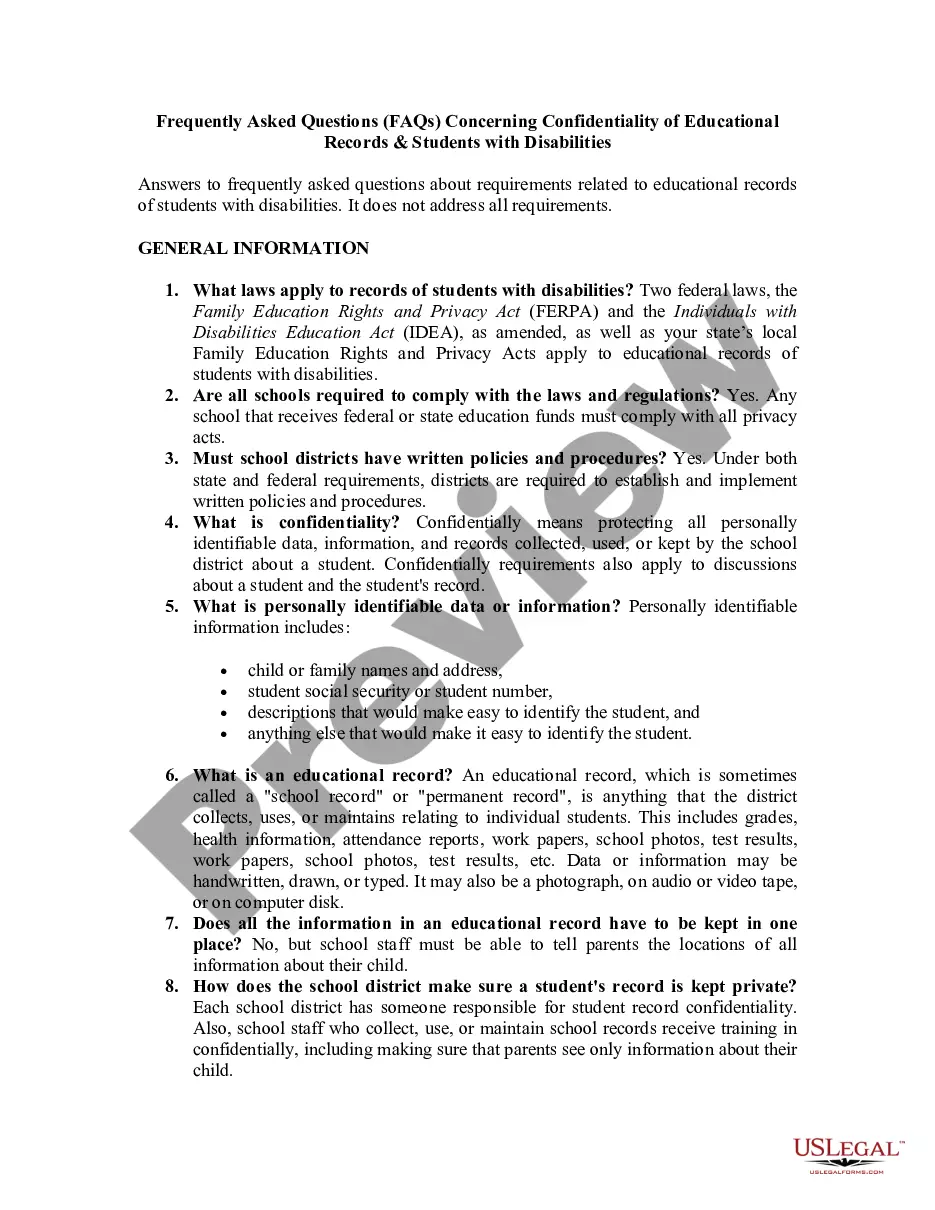
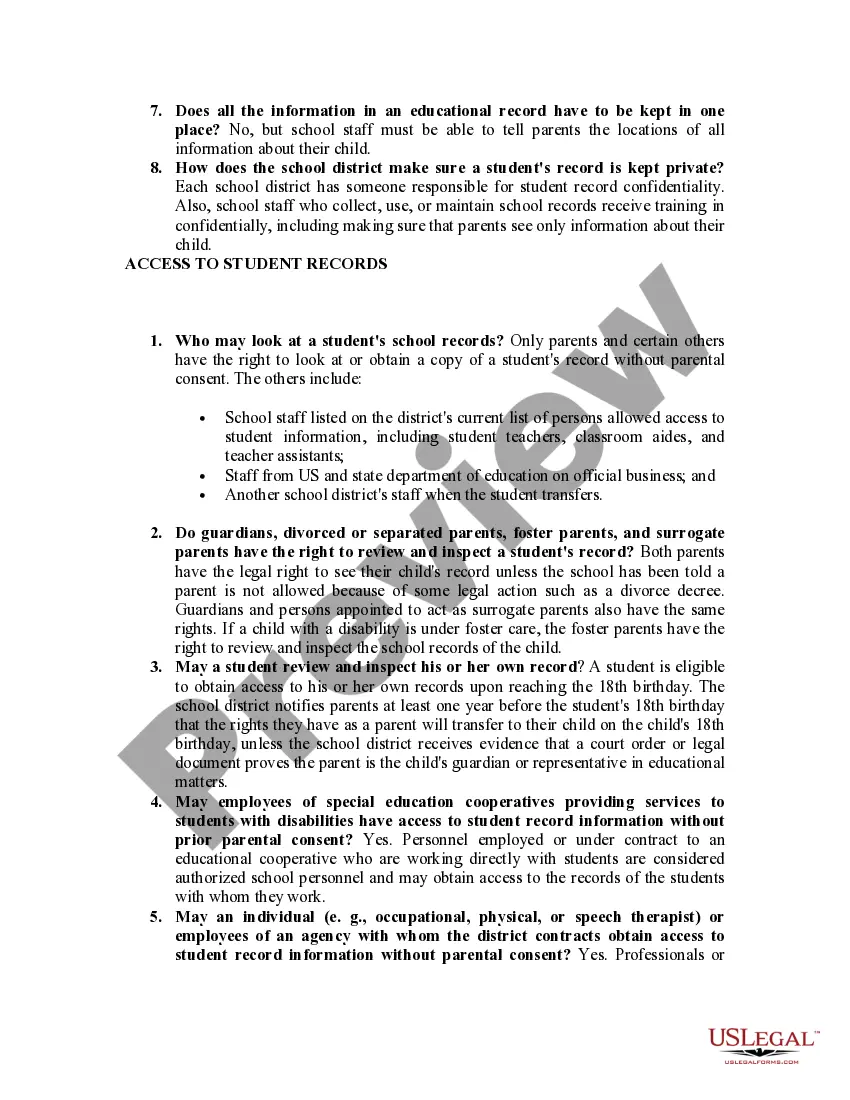
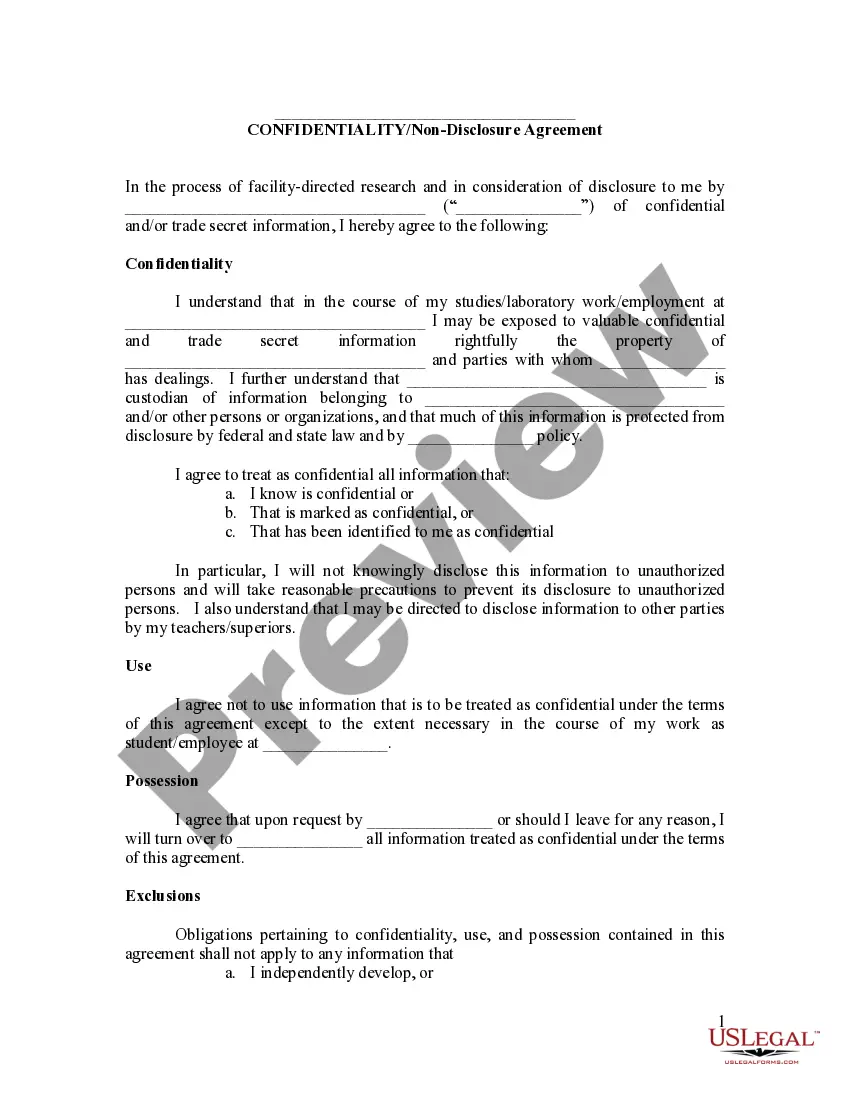
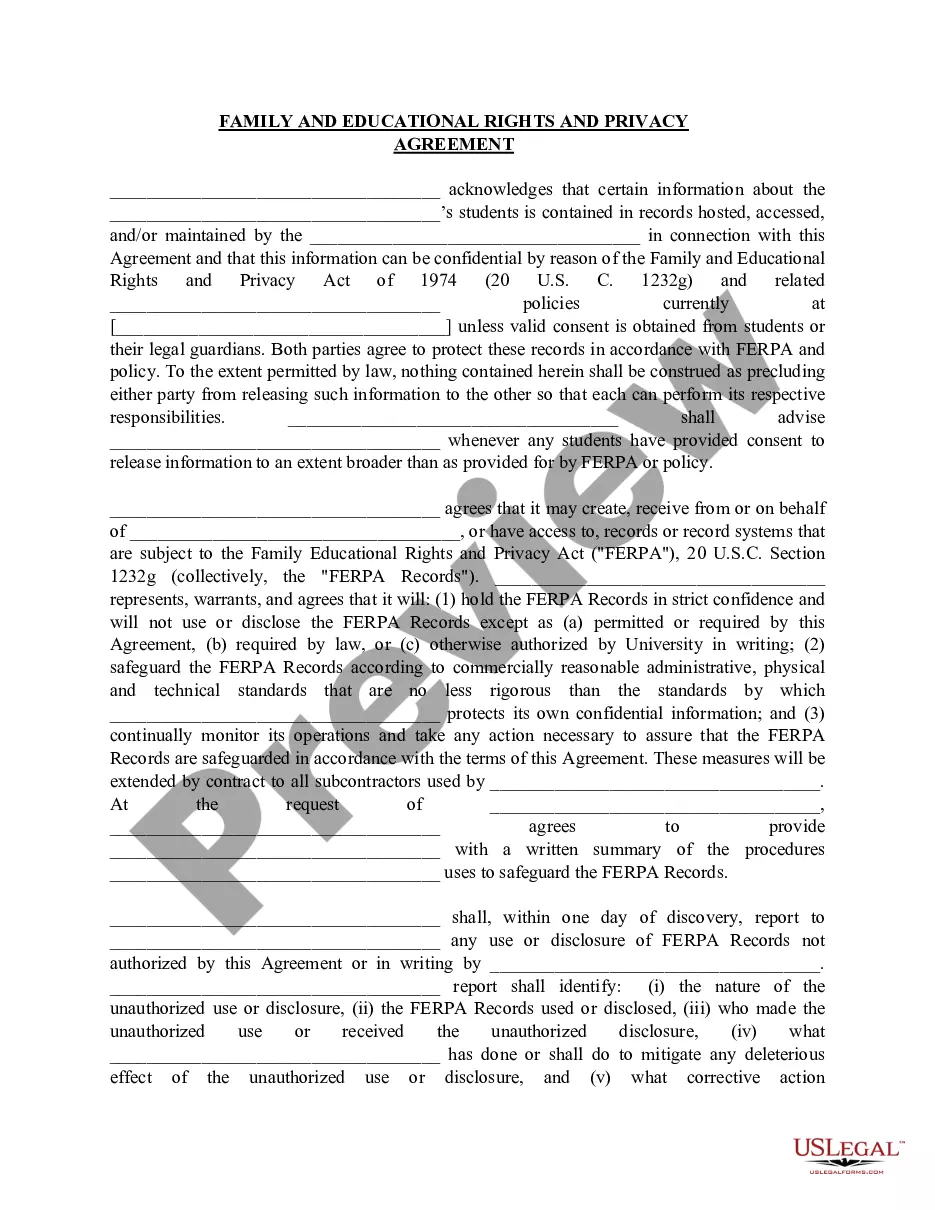
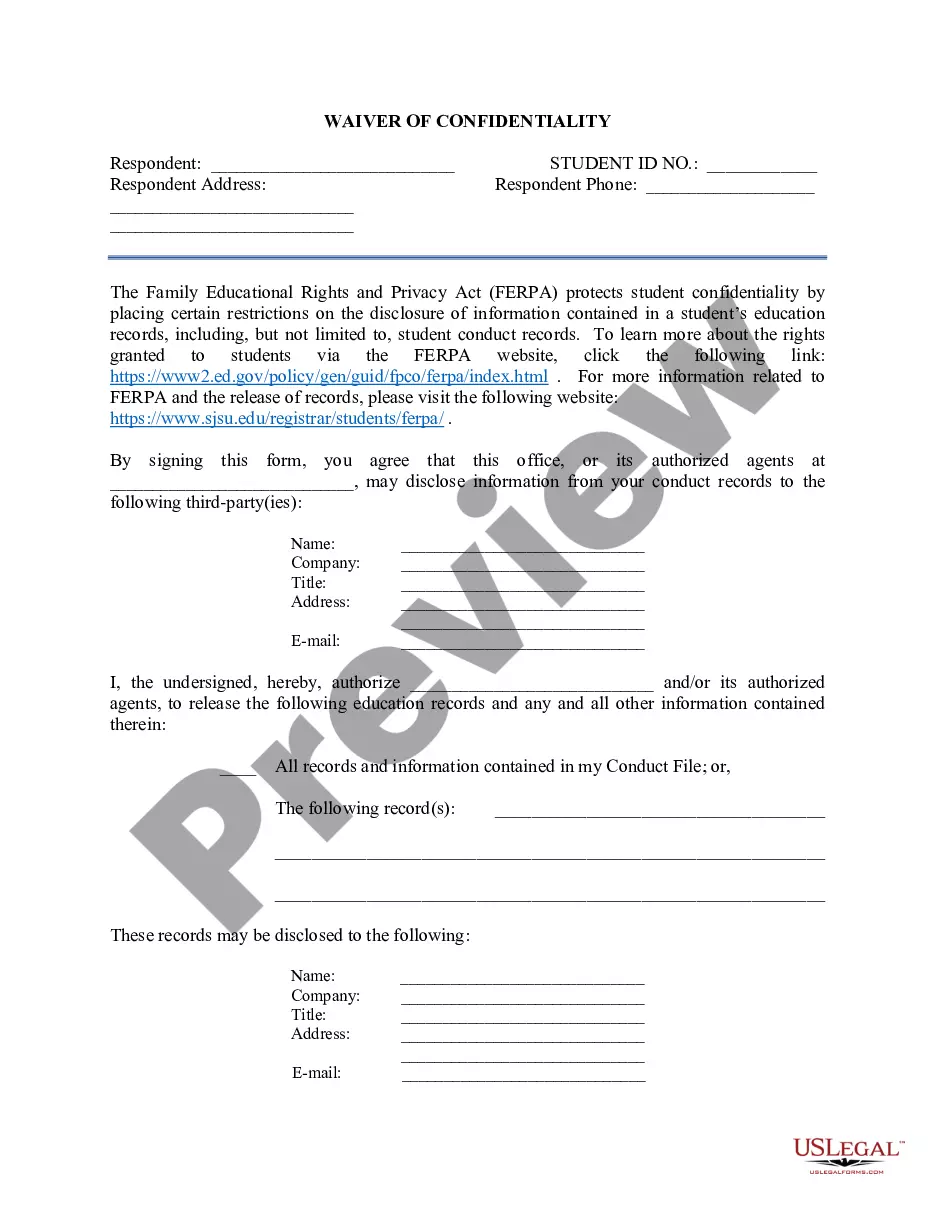
This form addresses the FAQs concerning the educational records of students with disabilities. It provides crucial information about the legal requirements under the Family Education Rights and Privacy Act (FERPA) and the Individuals with Disabilities Education Act (IDEA). This content is important for parents, guardians, and educators who need to understand their rights and responsibilities regarding student records.
Main sections of this form
- Overview of laws governing educational records of students with disabilities
- Requirements for school districts regarding written policies and record confidentiality
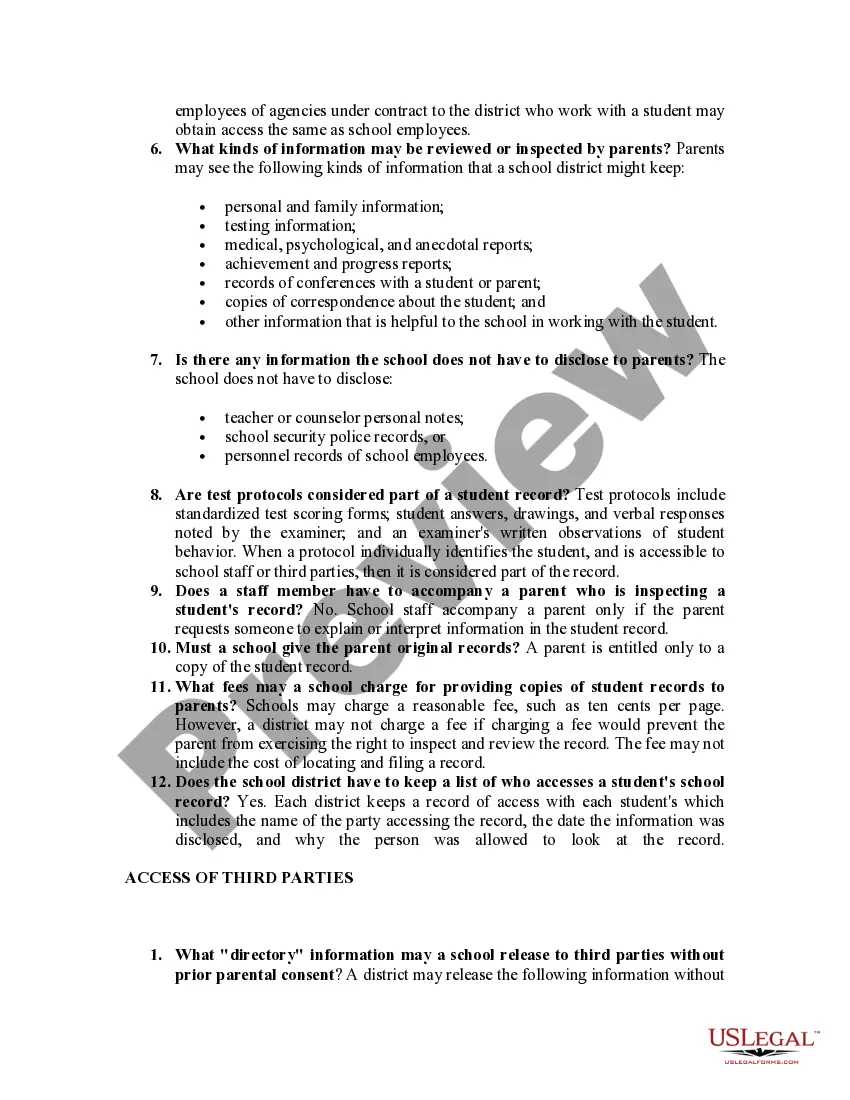
- Who has access to student records and under what conditions
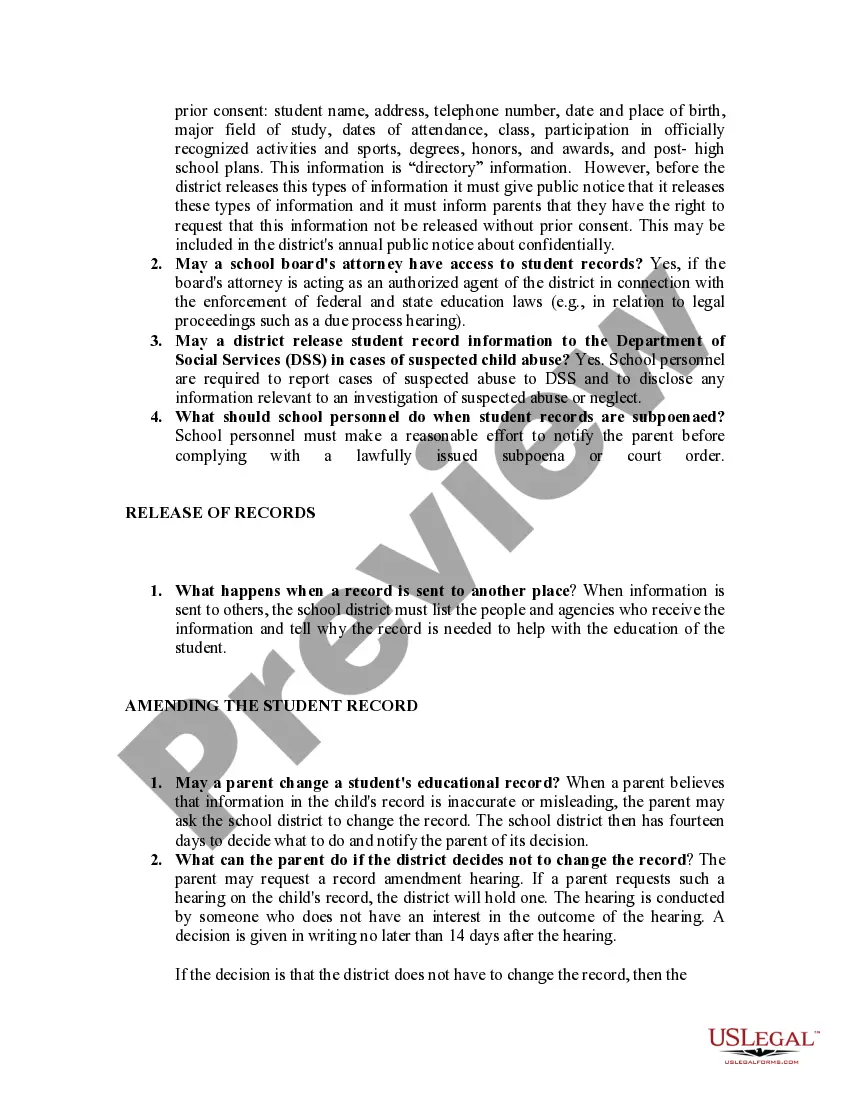
- Process for parents to request changes to educational records
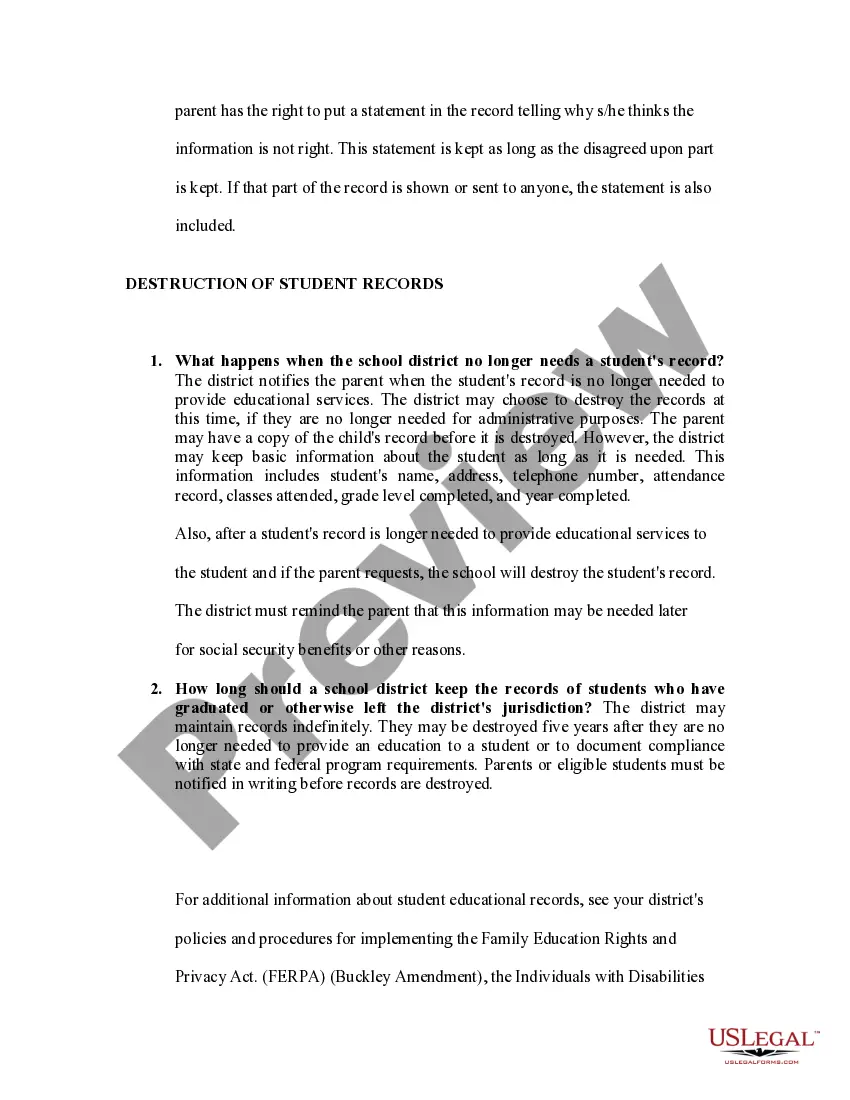
- Guidelines for the destruction and retention of student records
When to use this form
This form should be used when individuals need to understand their legal rights and obligations related to the educational records of students with disabilities. It is especially useful at the start of the school year, during special education meetings, or if there are concerns about privacy or the accuracy of records.
Who can use this document
- Parents and guardians of students with disabilities
- Educators and school administrators
- Special education professionals
- Advocates for individuals with disabilities
Instructions for completing this form
- Read the detailed information on laws and requirements about educational records.
- Identify who has access to the studentâs records and under what circumstances.
- Understand the rights of parents and guardians regarding record requests and amendments.
- Review the information about the destruction and retention of records.
- Contact your school district for further clarification or assistance as needed.
Notarization guidance
This form usually doesn’t need to be notarized. However, local laws or specific transactions may require it. Our online notarization service, powered by Notarize, lets you complete it remotely through a secure video session, available 24/7.
Get your form ready online
Our built-in tools help you complete, sign, share, and store your documents in one place.
Make edits, fill in missing information, and update formatting in US Legal Forms—just like you would in MS Word.
Download a copy, print it, send it by email, or mail it via USPS—whatever works best for your next step.
Sign and collect signatures with our SignNow integration. Send to multiple recipients, set reminders, and more. Go Premium to unlock E-Sign.
If this form requires notarization, complete it online through a secure video call—no need to meet a notary in person or wait for an appointment.
We protect your documents and personal data by following strict security and privacy standards.

Make edits, fill in missing information, and update formatting in US Legal Forms—just like you would in MS Word.

Download a copy, print it, send it by email, or mail it via USPS—whatever works best for your next step.

Sign and collect signatures with our SignNow integration. Send to multiple recipients, set reminders, and more. Go Premium to unlock E-Sign.

If this form requires notarization, complete it online through a secure video call—no need to meet a notary in person or wait for an appointment.

We protect your documents and personal data by following strict security and privacy standards.
Mistakes to watch out for
- Failing to understand the difference between educational records and personal notes kept by teachers.
- Neglecting to verify who has access to the records after legal changes, such as divorce.
- Overlooking the rights of foster parents or guardians in relation to student records.
Benefits of using this form online
- Immediate access to vital legal information without needing to wait for a physical meeting.
- The ability to download and save the document for future reference or sharing.
- Clear, easy-to-understand explanations help ensure proper compliance with legal requirements.
Key takeaways
- Understand the laws governing educational records for students with disabilities.
- Recognize the rights of parents and guardians to access and amend student records.
- Ensure school districts comply with legal requirements regarding confidentiality and record retention.
Looking for another form?

Form popularity
FAQ
Both HIPAA and FERPA are nationally mandated laws that protect information. HIPAA keeps medical records secure while FERPA keeps education records private. Failure to comply with either results in fines, penalties, or revocation of funding.
The general education curriculum follows specific content standards and subject matter, and students with disabilities have the right to access the same standards. Through accessing this curriculum, students with disabilities move towards learning the same critical information and abilities taught to all students.
An Eligible Student Guide to the Family Educational Rights and Privacy Act (FERPA) The Family Educational Rights and Privacy Act or FERPA provides certain rights for parents regarding their children's education records.
The Family Educational Rights and Privacy Act (FERPA) is a federal law that affords parents the right to have access to their children's education records, the right to seek to have the records amended, and the right to have some control over the disclosure of personally identifiable information from the education
3 Student Privacy Laws Every Teacher Should Know The Family Educational Rights and Privacy Act (FERPA) The Children's Online Privacy Protection Act (COPPA) The Children's Internet Protection Act (CIPA) Conclusion.
Except under certain specified circumstances, FERPA affords parents/guardians or eligible students the right to inspect and review the student's education records.
The Family Educational Rights and Privacy Act (FERPA) prohibits a school from disclosing personally identifiable information from students' education records without the consent of a parent or eligible student, unless an exception to FERPA's general consent rule applies.
The Family Educational Rights and Privacy Act (FERPA) is a federal law enacted in 1974 that protects the privacy of student education records. FERPA applies to any public or private elementary, secondary, or post-secondary school.