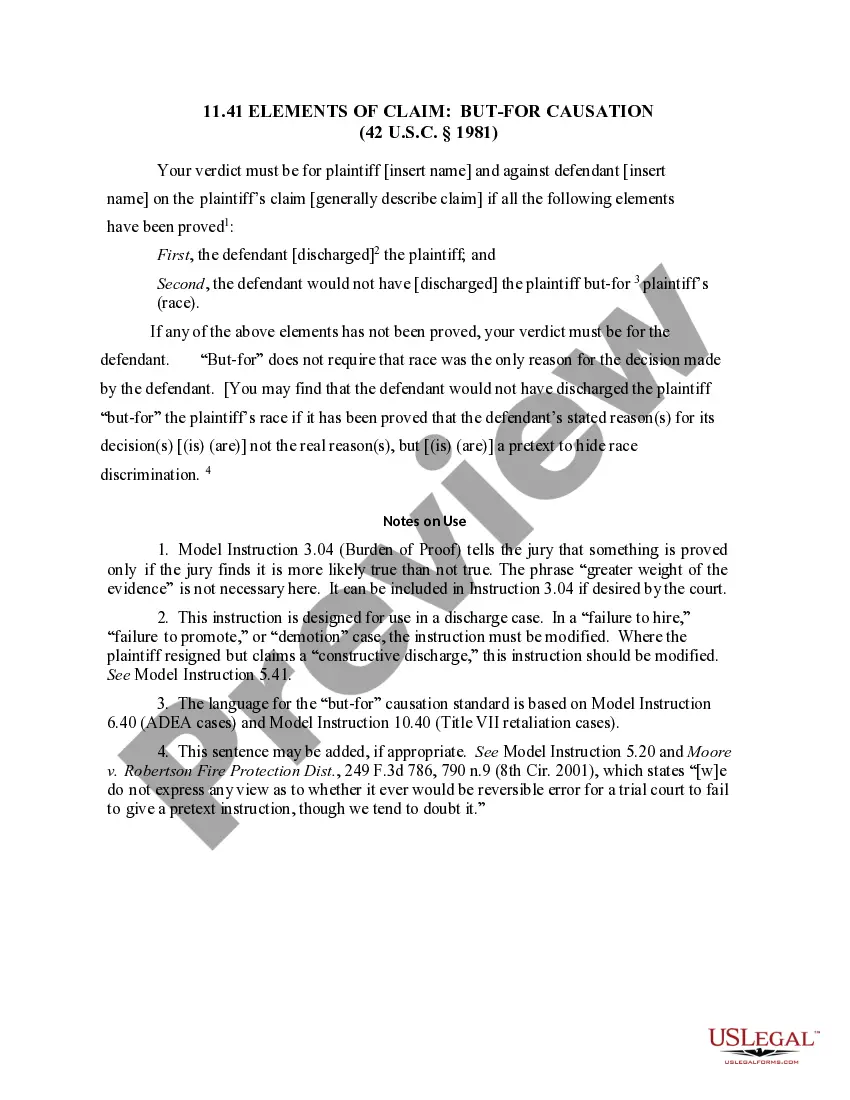
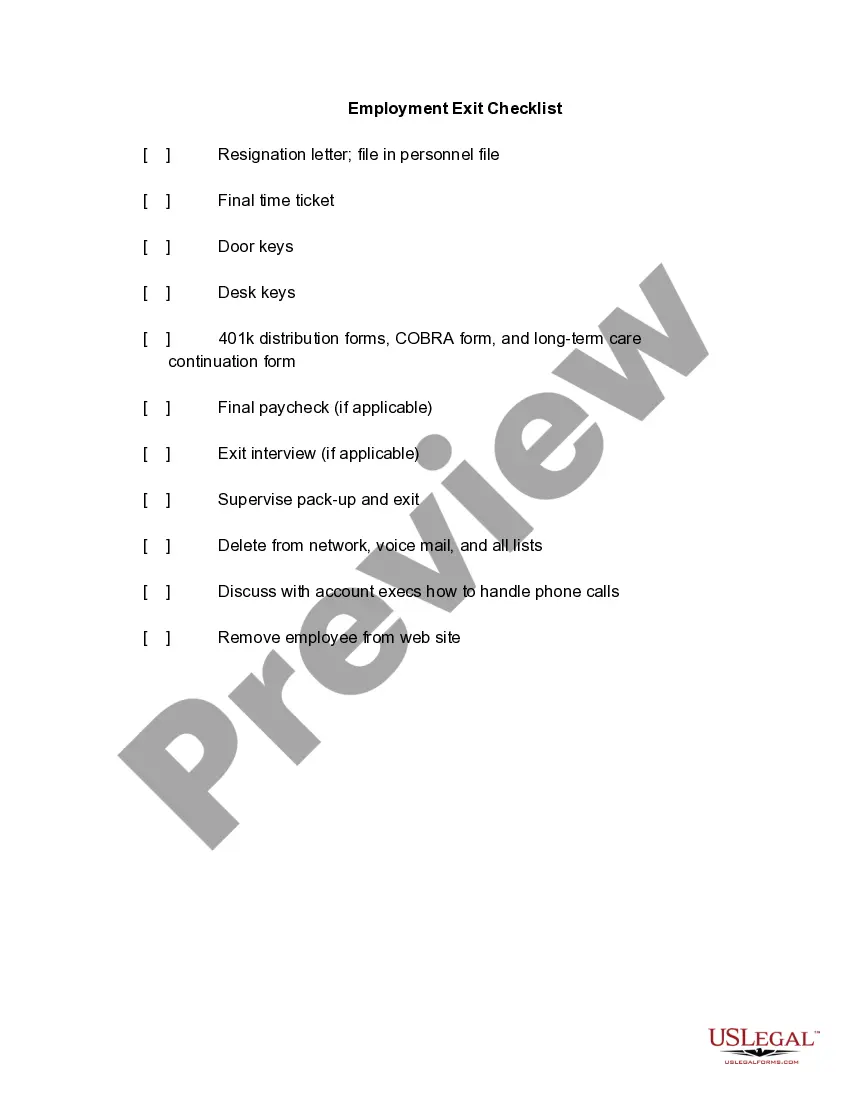
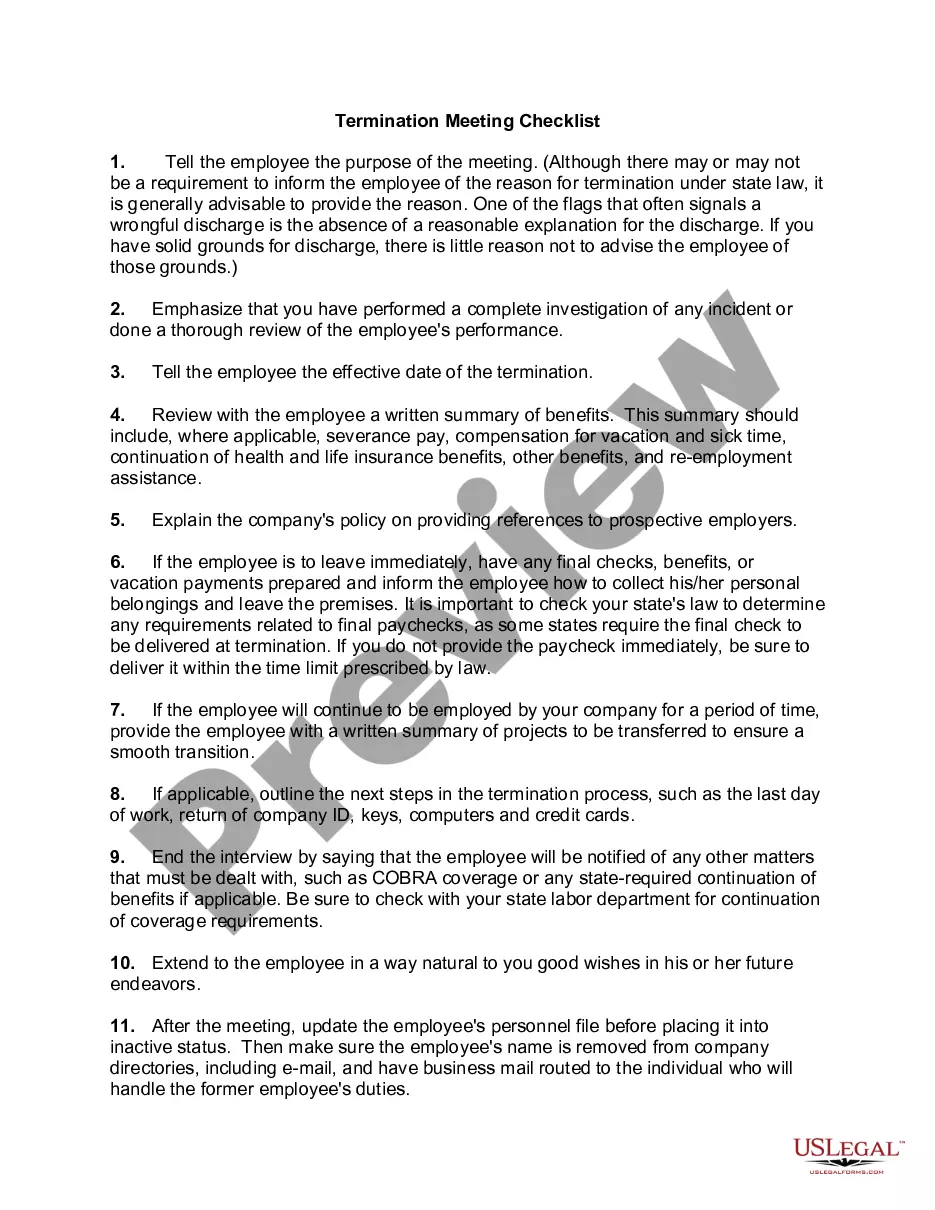
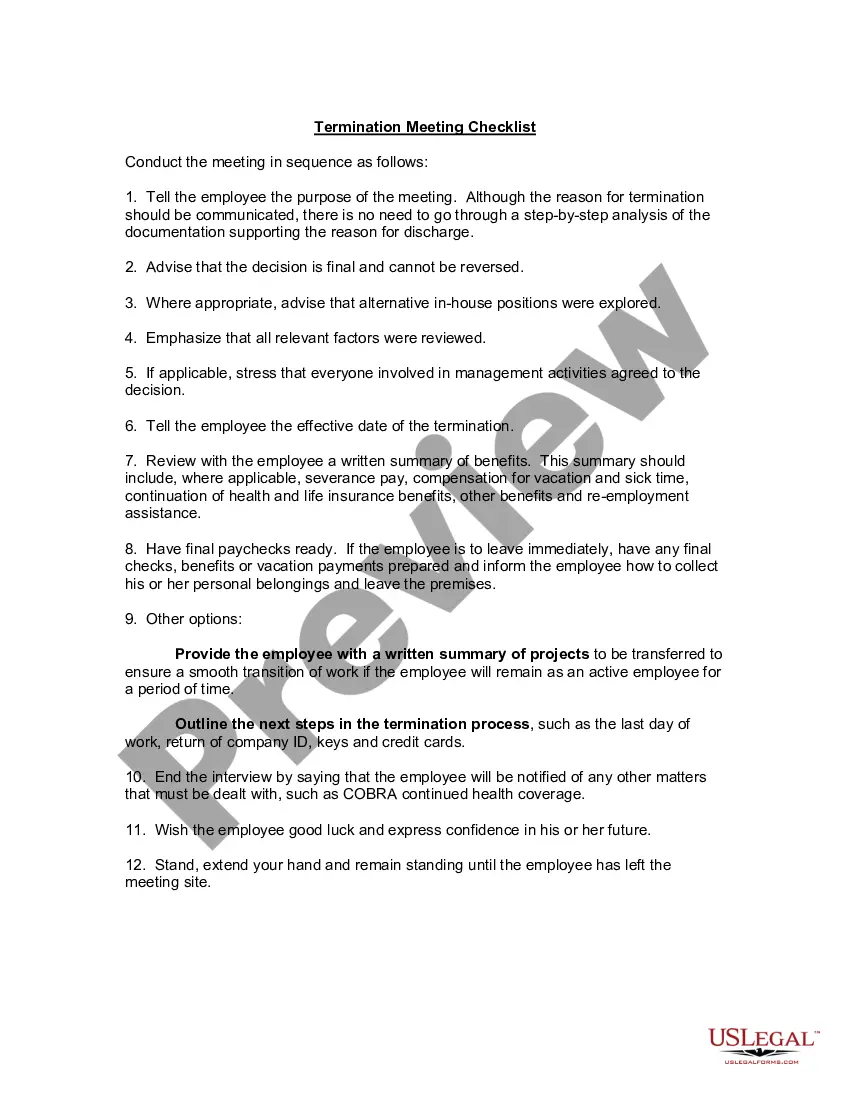
Vermont Employment Exit Checklist
Description
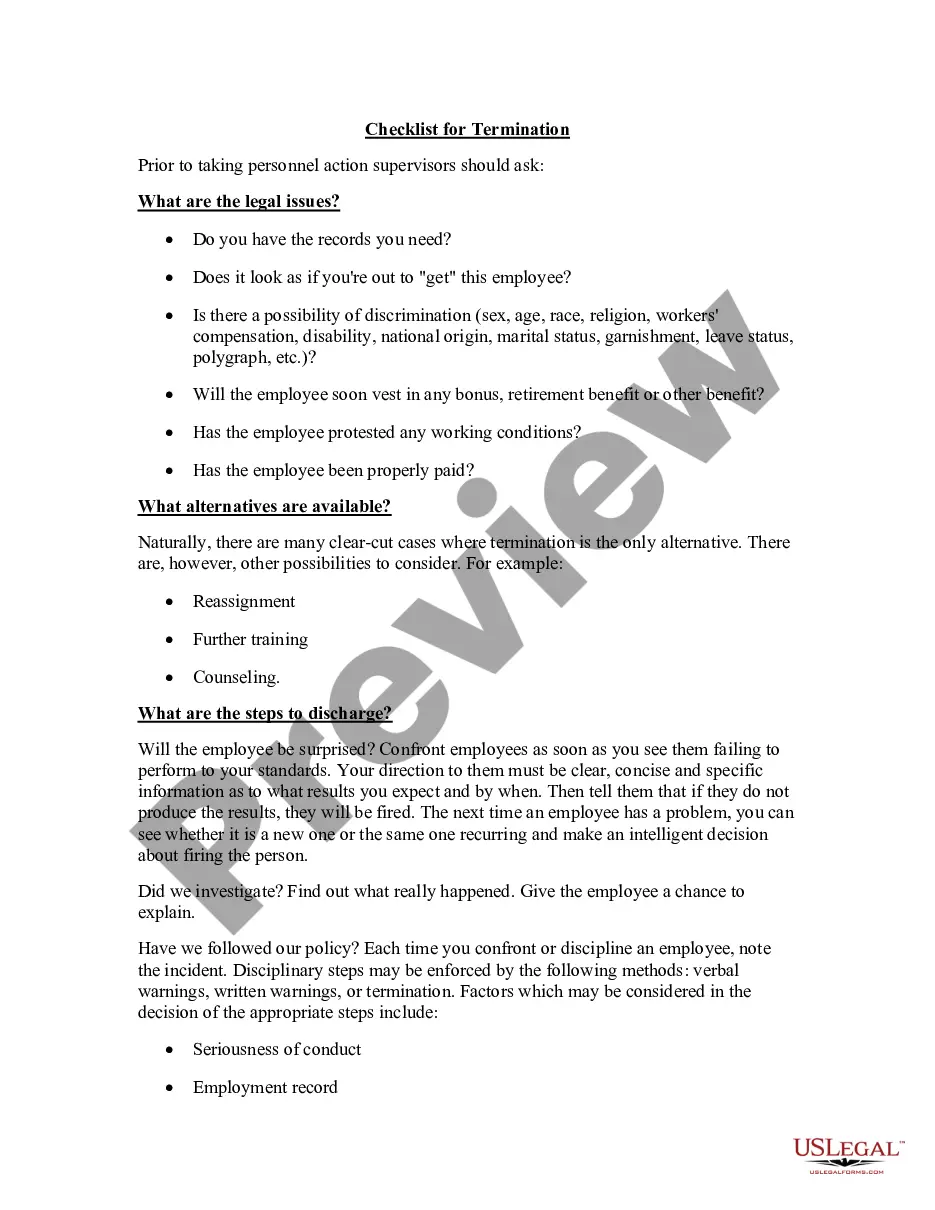
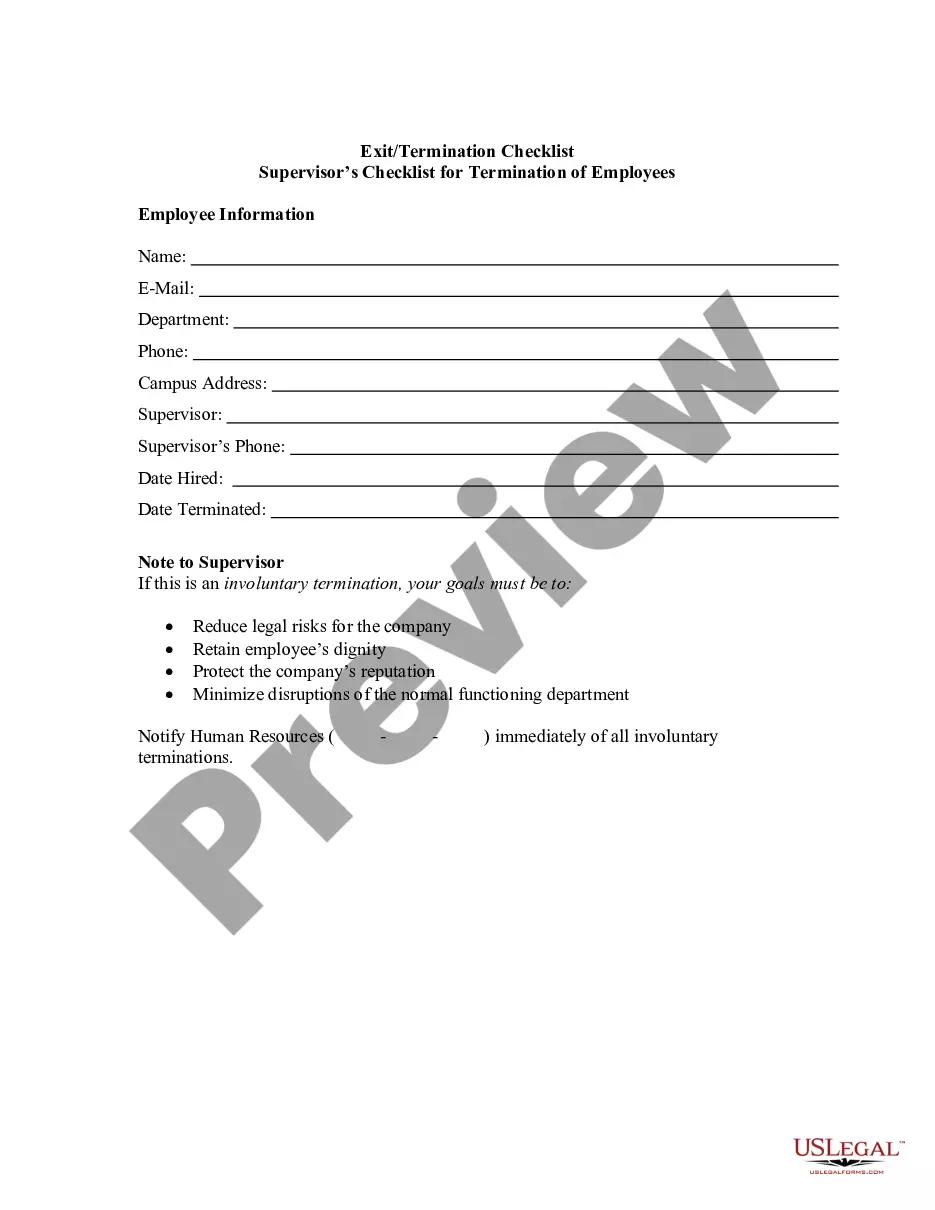
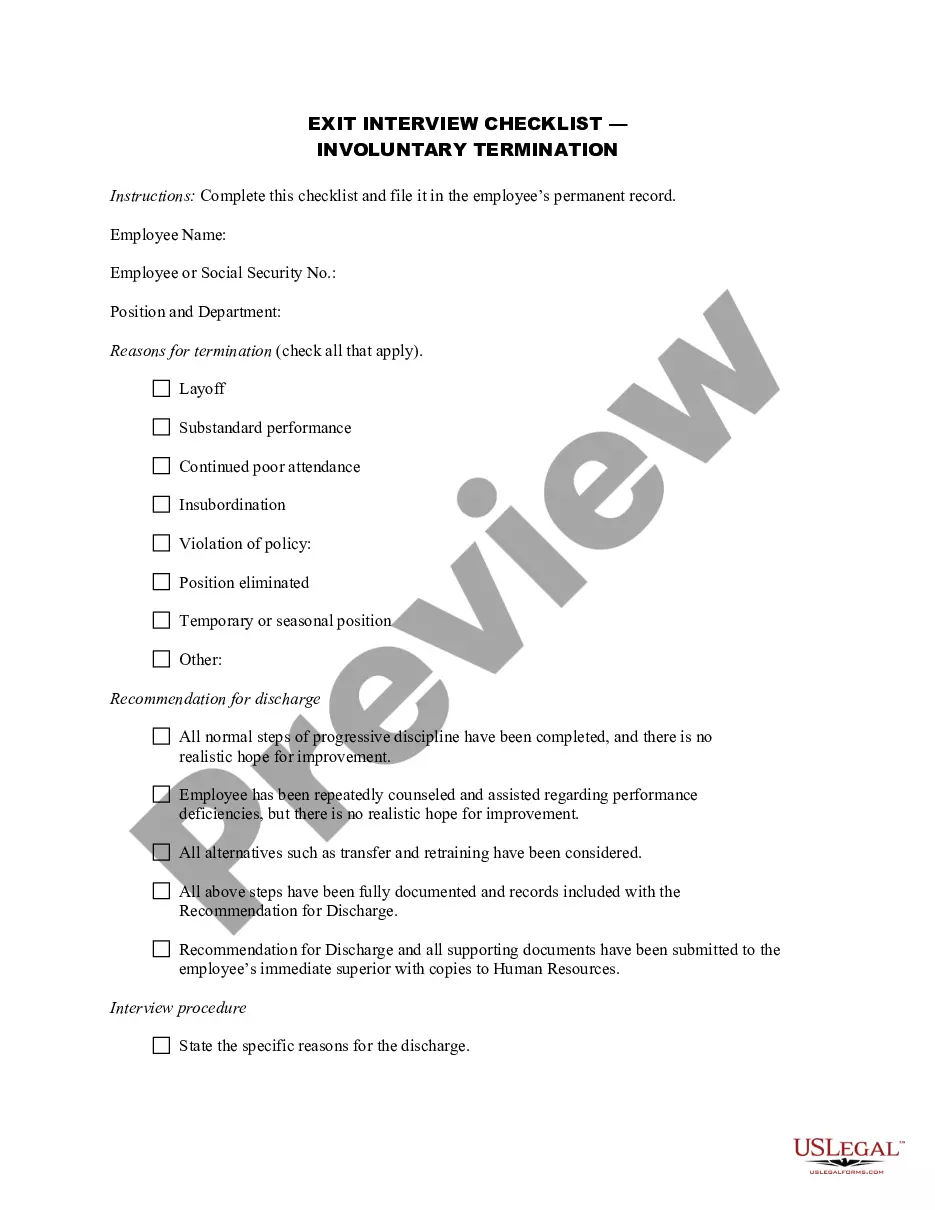
Get your form ready online
Our built-in tools help you complete, sign, share, and store your documents in one place.
Make edits, fill in missing information, and update formatting in US Legal Forms—just like you would in MS Word.
Download a copy, print it, send it by email, or mail it via USPS—whatever works best for your next step.
Sign and collect signatures with our SignNow integration. Send to multiple recipients, set reminders, and more. Go Premium to unlock E-Sign.
If this form requires notarization, complete it online through a secure video call—no need to meet a notary in person or wait for an appointment.
We protect your documents and personal data by following strict security and privacy standards.

Make edits, fill in missing information, and update formatting in US Legal Forms—just like you would in MS Word.

Download a copy, print it, send it by email, or mail it via USPS—whatever works best for your next step.

Sign and collect signatures with our SignNow integration. Send to multiple recipients, set reminders, and more. Go Premium to unlock E-Sign.

If this form requires notarization, complete it online through a secure video call—no need to meet a notary in person or wait for an appointment.

We protect your documents and personal data by following strict security and privacy standards.
Looking for another form?




How to fill out Employment Exit Checklist?
If you wish to finish, download, or produce authorized document templates, utilize US Legal Forms, the primary collection of legal documents, which is accessible online.
Utilize the site’s straightforward and user-friendly search feature to locate the forms you require.
Various templates for business and personal uses are organized by categories and states, or keywords.
Step 4. Once you have located the form you need, click the Buy now button. Choose the pricing plan you prefer and input your credentials to register for an account.
Step 5. Process the transaction. You can utilize your credit card or PayPal account to finalize the transaction.
- Utilize US Legal Forms to find the Vermont Employment Exit Checklist within a few clicks.
- If you are already a US Legal Forms customer, Log In to your account and click the Download button to locate the Vermont Employment Exit Checklist.
- You can also access forms you previously downloaded in the My documents section of your account.
- If you are using US Legal Forms for the first time, follow the steps below.
- Step 1. Ensure you have chosen the form for the correct city/state.
- Step 2. Use the Review option to examine the form’s details. Be sure to read the information.
- Step 3. If you are not satisfied with the form, use the Search area at the top of the screen to find other versions of the legal form template.
Form popularity
FAQ
Yes, Vermont is an at-will state, which means that employers and employees can terminate employment at any time, for any reason, as long as it's not illegal. This characteristic of Vermont employment law underscores the importance of having a solid Vermont Employment Exit Checklist. Such a checklist helps you understand your rights and the necessary steps to take when leaving your job. Additionally, using our platform can guide you through the process, ensuring you cover all aspects of your exit from employment.
An example of wrongful termination includes dismissing an employee for filing a complaint about workplace safety violations. If your employer fires you because you asserted your rights protected by law, you may have grounds for a wrongful termination claim. A Vermont Employment Exit Checklist can guide you in documenting these incidents and strengthening your case. Taking proactive steps can make a significant difference in your situation.
In Vermont, employers can typically fire employees without providing a reason, as the state follows an 'at-will' employment principle. However, terminating someone for unlawful reasons, such as discrimination or retaliation, is prohibited. It’s beneficial to review a Vermont Employment Exit Checklist to ensure your termination aligns with legal standards. Knowing your rights matters and can help you navigate this process confidently.
Unfair termination occurs when an employee is dismissed for reasons that violate company policies or legal protections. For instance, firing someone based on race, gender, or retaliation for reporting illegal activity can be categorized as unfair. Utilizing a Vermont Employment Exit Checklist can help identify aspects of your dismissal that may be unjust. Understanding your rights empowers you to challenge such actions effectively.
Yes, you can sue for wrongful termination in Vermont. If you believe your firing violated state or federal laws, you may have a case. It's essential to review your circumstances using a Vermont Employment Exit Checklist, which can help you gather necessary documentation and understand your rights. Seeking legal advice can also provide clarity on the best course of action.
Wrongful termination occurs when an employee is fired for illegal reasons, such as discrimination or retaliation for whistleblowing. Vermont's laws protect employees from such unfair treatment, emphasizing the importance of following a Vermont Employment Exit Checklist. This checklist helps employers document all aspects of the termination process, reducing the risk of wrongful termination claims. By adhering to legal standards, employers can create a fair workplace.
In Vermont, there are no specific laws mandating the amount of notice required for schedule changes. However, many companies choose to provide at least a few days' notice to maintain good relations with employees. Using a Vermont Employment Exit Checklist can guide businesses in developing standard practices for notifying staff about schedule adjustments. This approach helps create a transparent work environment and fosters employee trust.
Vermont follows the 'at-will' employment doctrine, meaning an employer can terminate an employee for nearly any reason, as long as it is not illegal. Importantly, employees also have the right to leave a job without notice. However, businesses should follow a Vermont Employment Exit Checklist to ensure compliance with any relevant laws and company policies. This checklist helps avoid misunderstandings and minimizes legal risks.