Vermont Property Management Package
What is this form package?
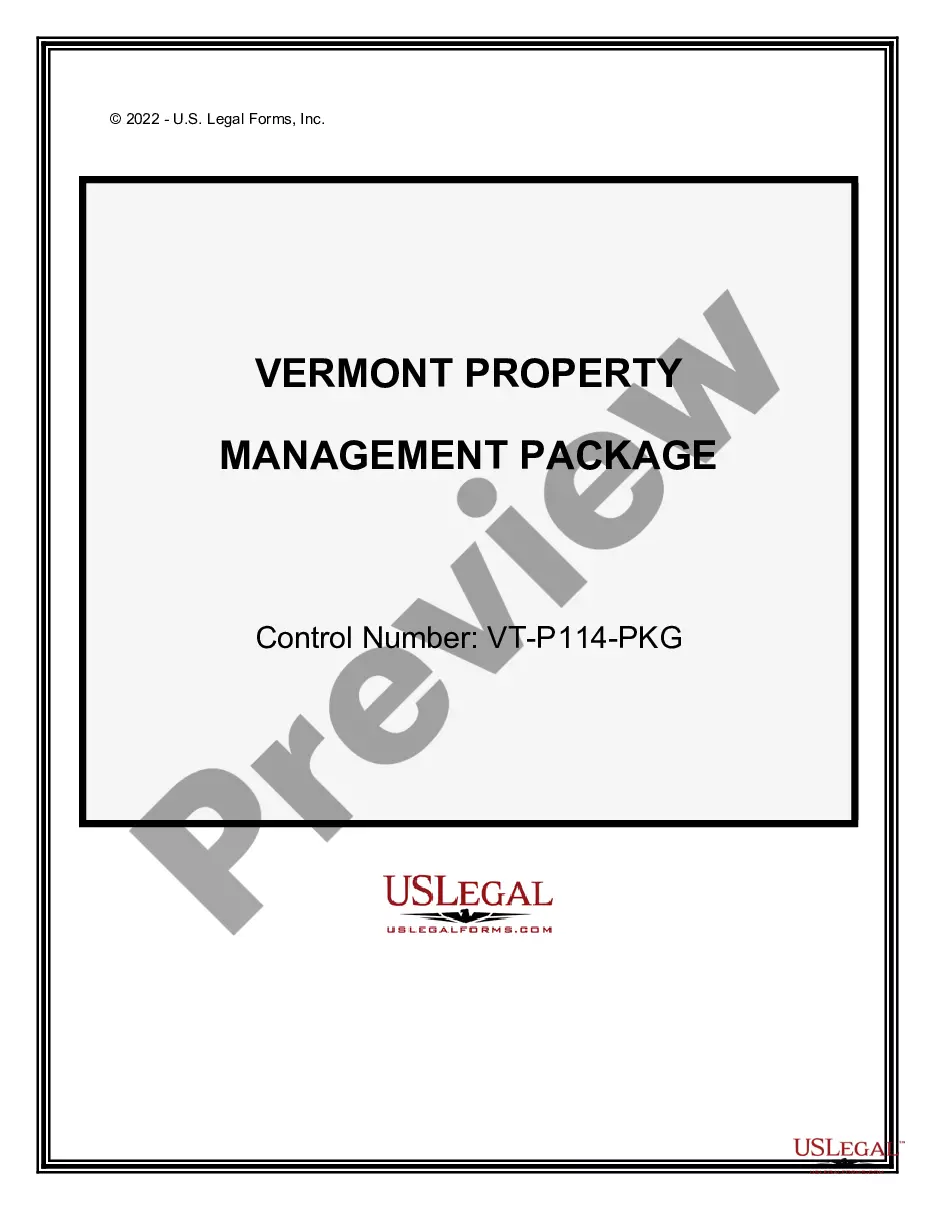
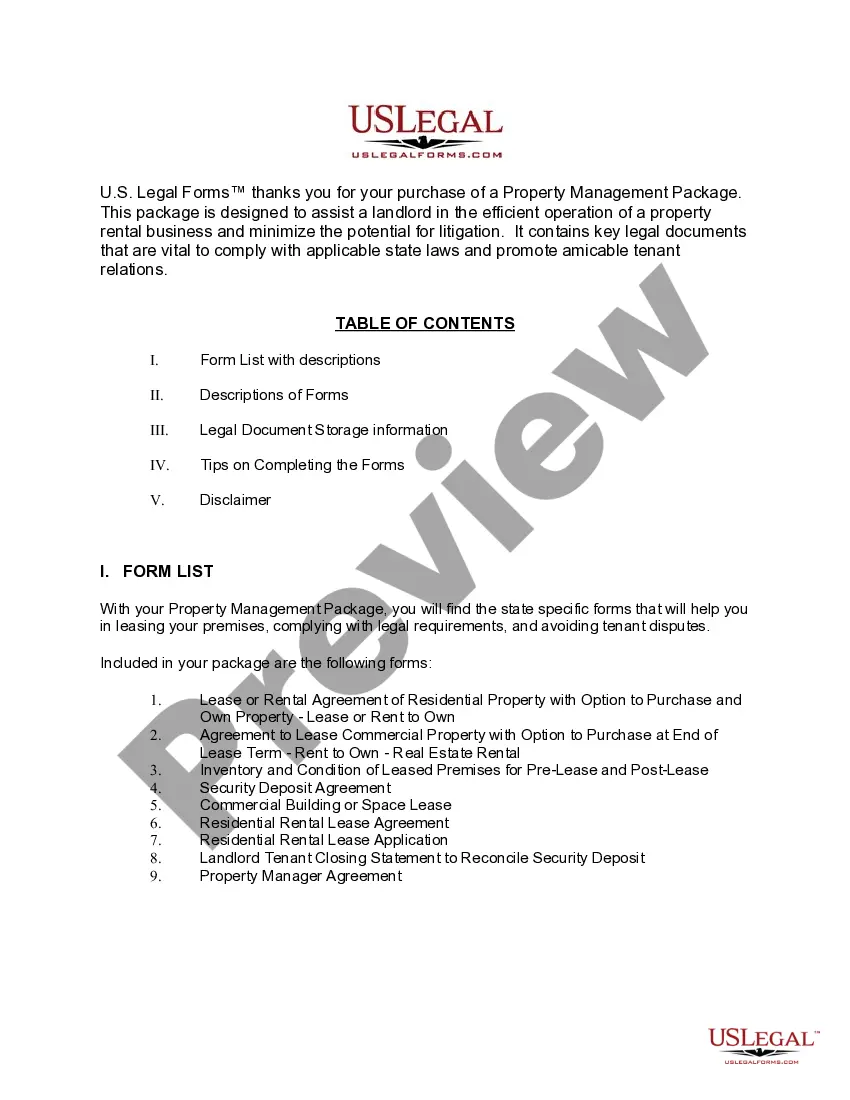
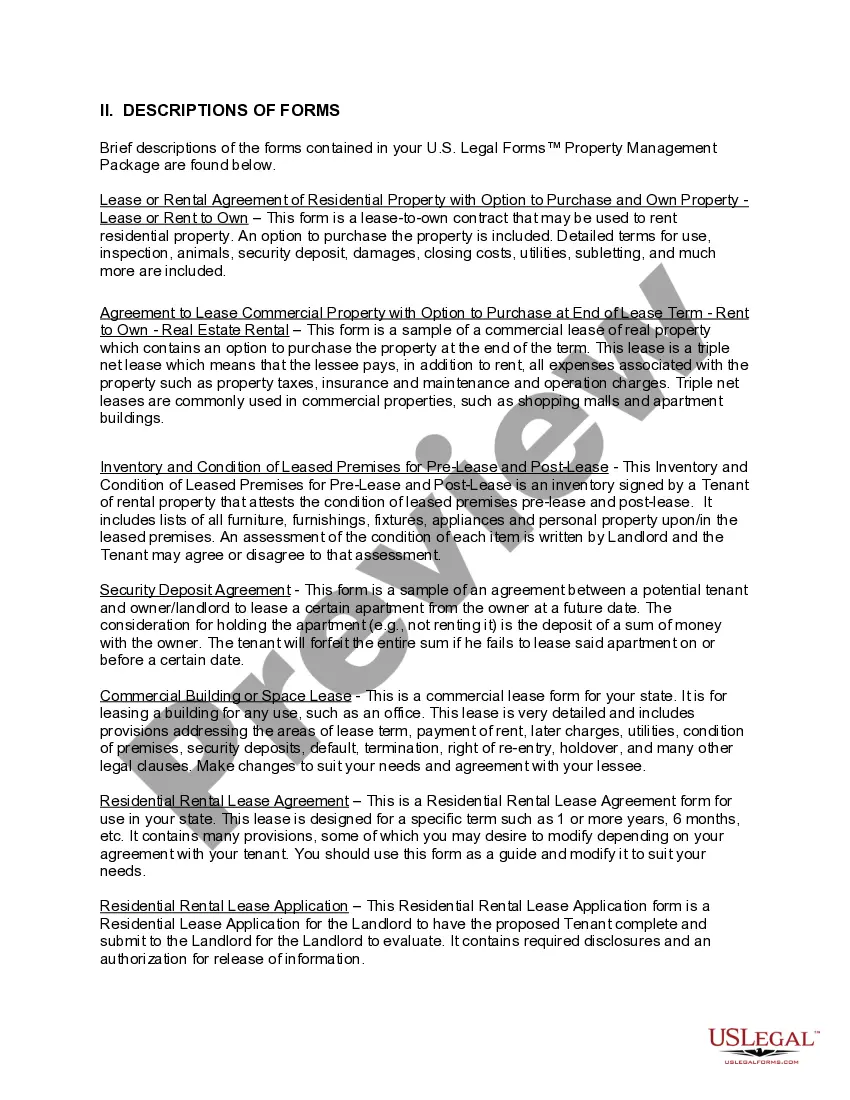
The Vermont Property Management Package is a comprehensive set of essential forms designed to support landlords in managing rental properties. This package includes state-specific forms that ensure compliance with Vermont's legal requirements, facilitating effective landlord-tenant relationships and smooth leasing processes. Whether you are leasing residential or commercial properties, this package provides everything you need to manage your property legally and efficiently.
Forms provided in this package
- Residential Rental Lease Application
- Inventory and Condition of Leased Premises for Pre Lease and Post Lease
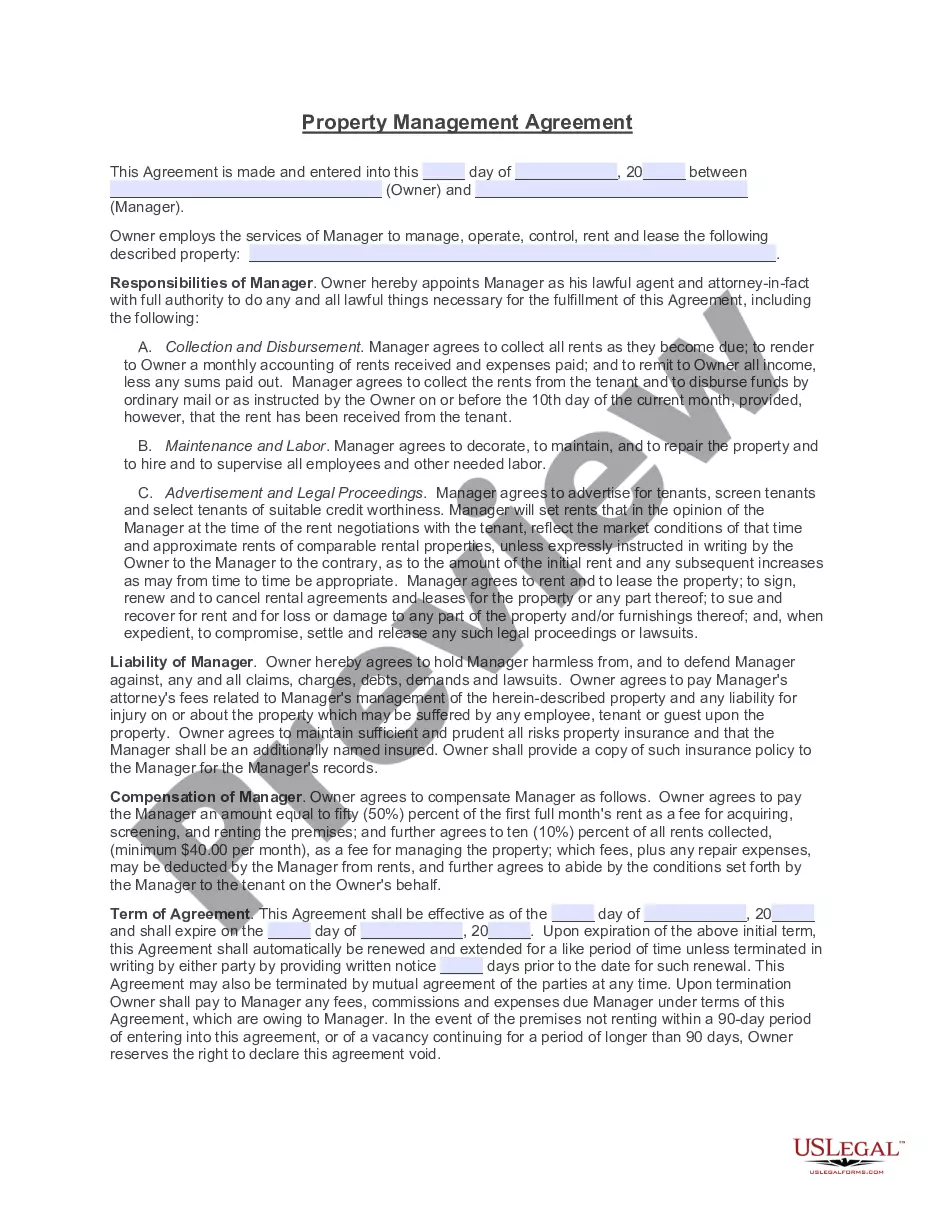
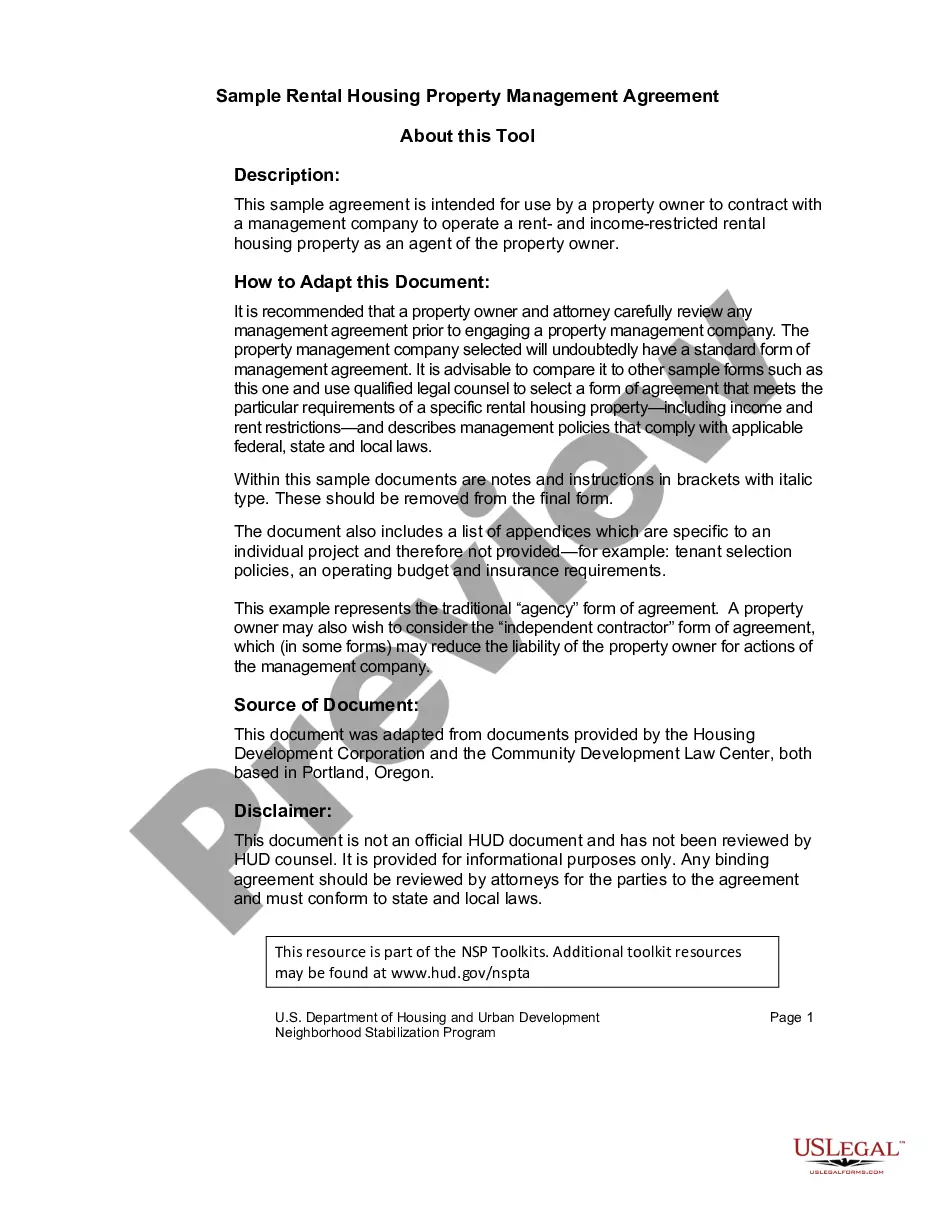
- Property Manager Agreement
- Residential Rental Lease Agreement
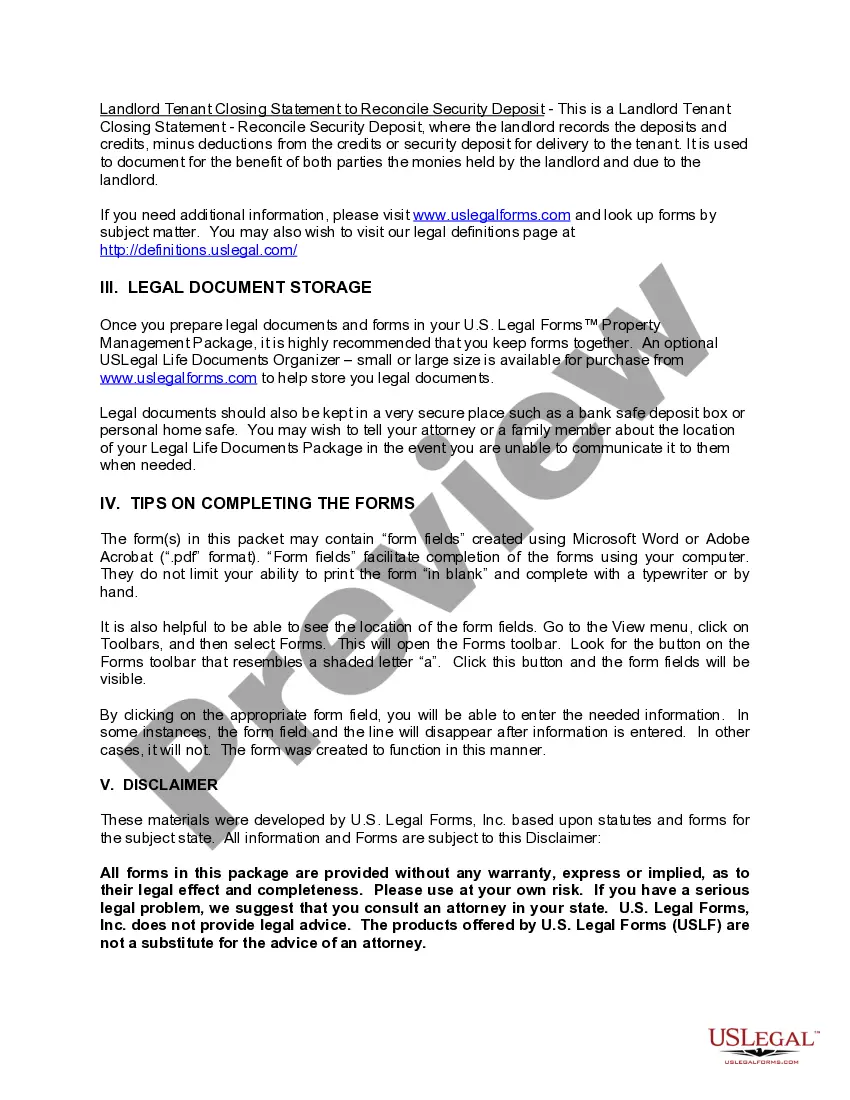
- Landlord Tenant Closing Statement to Reconcile Security Deposit
- Commercial Building or Space Lease
- Security Deposit Agreement
- Agreement to Lease Commercial Property with Option to Purchase at End of Lease Term - Rent to Own - Real Estate Rental
- Lease or Rental Agreement of Residential Property with Option to Purchase and Own Property - Lease or Rent to Own
Common use cases
This form package is ideal for landlords who:
- Are entering into rental agreements for residential or commercial properties.
- Need a structured approach to managing tenant relationships and legal obligations.
- Want to ensure compliance with state laws regarding security deposits and lease agreements.
- Seek to maintain accurate records of property condition and tenant agreements.
Who should use this form package
- New landlords looking to navigate leasing processes.
- Experienced property managers needing additional documentation.
- Real estate investors managing multiple properties.
- Any property owner in Vermont seeking legal forms for leasing agreements.
How to prepare this document
- Review all included forms and their descriptions to understand their purpose.
- Identify the parties involved, such as landlords and tenants.
- Fill in the required information in each form accurately.
- Ensure that both parties sign the relevant agreements where necessary.
- Keep copies of all completed forms for your records.
Notarization guidance for this package
Forms in this package typically do not require notarization unless required by local law. However, check specific requirements for certain agreements to ensure compliance with Vermont regulations.
Get your form ready online
Our built-in tools help you complete, sign, share, and store your documents in one place.
Make edits, fill in missing information, and update formatting in US Legal Forms—just like you would in MS Word.
Download a copy, print it, send it by email, or mail it via USPS—whatever works best for your next step.
Sign and collect signatures with our SignNow integration. Send to multiple recipients, set reminders, and more. Go Premium to unlock E-Sign.
If this form requires notarization, complete it online through a secure video call—no need to meet a notary in person or wait for an appointment.
We protect your documents and personal data by following strict security and privacy standards.

Make edits, fill in missing information, and update formatting in US Legal Forms—just like you would in MS Word.

Download a copy, print it, send it by email, or mail it via USPS—whatever works best for your next step.

Sign and collect signatures with our SignNow integration. Send to multiple recipients, set reminders, and more. Go Premium to unlock E-Sign.

If this form requires notarization, complete it online through a secure video call—no need to meet a notary in person or wait for an appointment.

We protect your documents and personal data by following strict security and privacy standards.
Typical mistakes to avoid
- Not specifying lease terms clearly in agreements.
- Failing to document the condition of the property before leasing.
- Not providing required disclosures to tenants.
- Overlooking the formalities of signing and dating the agreements.
Why use this package online
- Immediate access to necessary legal forms, ready for download.
- Forms are designed for easy customization to fit specific needs.
- Cost-effective; purchasing the package saves you nearly 60% compared to buying forms individually.
- Designed by licensed attorneys to ensure compliance with state laws.
Looking for another form?
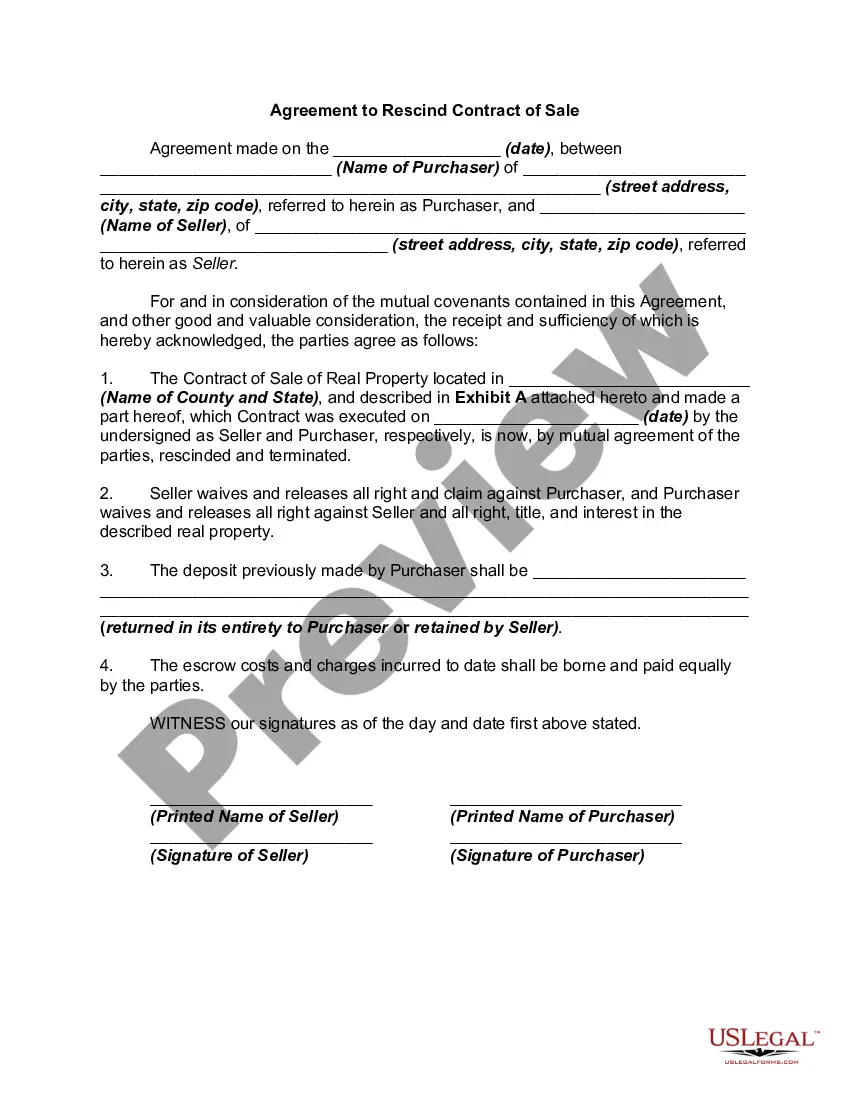
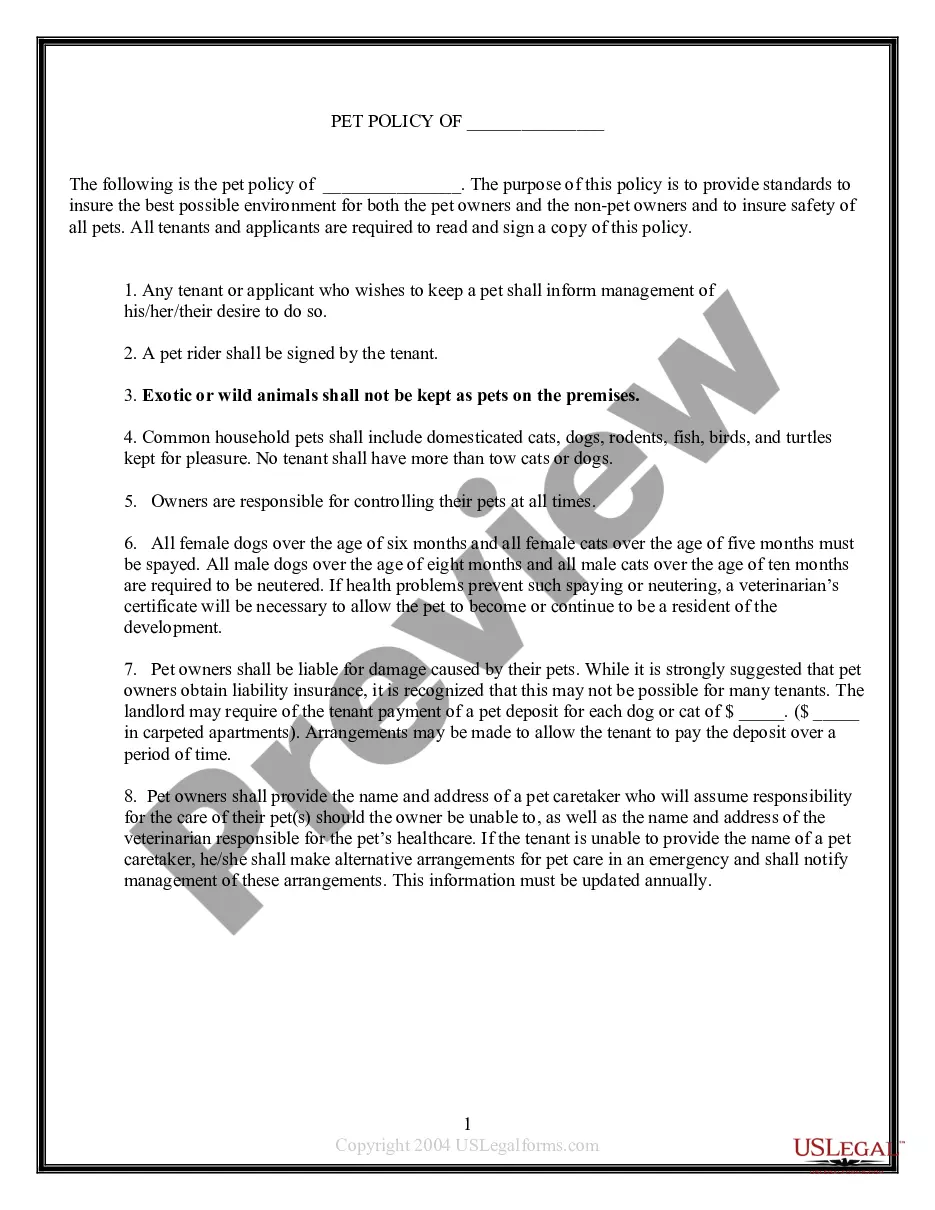
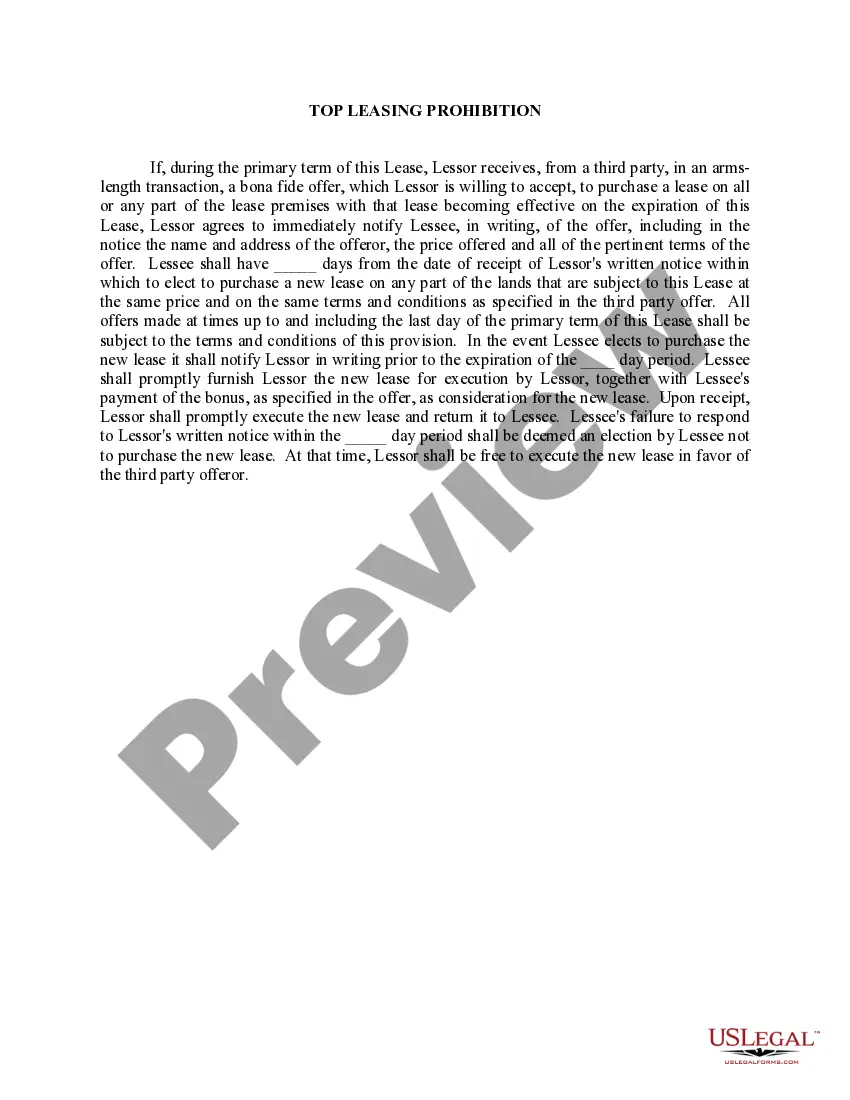
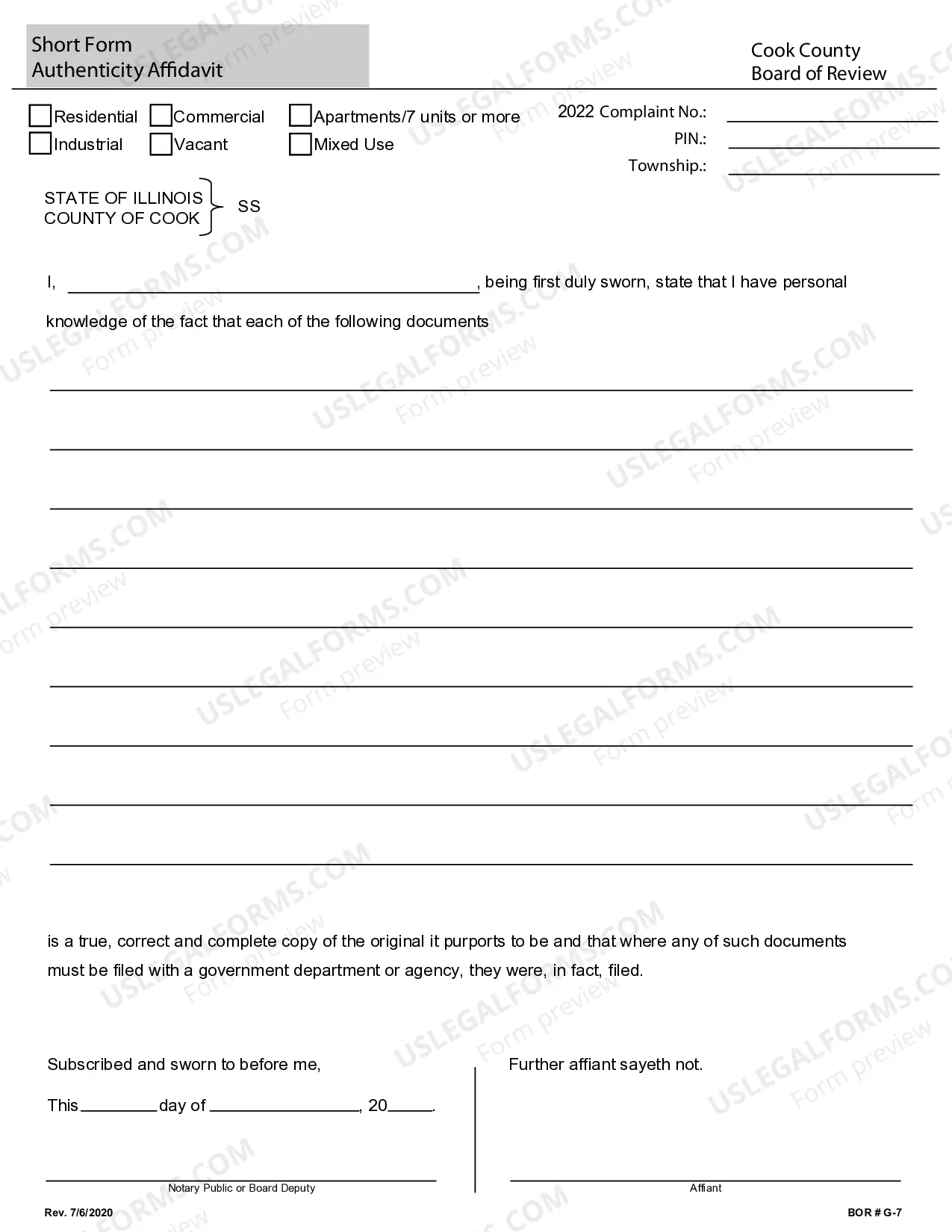
Form popularity
FAQ
Tenants cannot use a deposit as last month's rent. Deposits can be deducted from for unpaid rent, unpaid utility bills, damages and cleaning. Deposits cannot be kept as a penalty for breaking a lease. Leases can be verbal or written.
Buy and repair a property. Set up a rental cost & tenant requirements. Find tenants and rent the house to them. Maintain the property. Collect rent and pay taxes. Profit!
As a landlord you can choose to either manage your rental property yourself or have it managed by a property manager.
Trust accounts for property managers are typically used to keep tenant deposits and rent payments separate from operating capital. Some states require that all owner funds be maintained in a separate federally insured checking account.
In my experience, typically property managers collect the rent, deposit it in a designated bank account they have for client monies, pay all expenses you have authorized them to, and then issue you the balance by a certain date every month (on or about the 10th is customary).
Renting a home is the hardest part of management; at least it should be. If you take time to screen tenants and pick the best tenants it will make you more money and save many future headaches. You have to have to advertise the property, show the home, check references, check credit, create a lease and collect money.
The management fee is usually a percentage of the gross collected rent, but you'll also find rental property managers who charge a monthly flat fee. Rates vary by market, but most management companies charge 10% of the monthly rent to manage a single-family home.
One of the most popular ways among landlords to get rent is through the mail. Tenants simply place their rent in an envelope and mail it to you. By having the tenant mail the rent, you don't need to go pick it up; it simply is delivered to you.
Personality and professional distance. Legal and legislation. Rent collection. Leasing your property. Advertising. Receiving enquiries. Tenant screening. Application acceptance.