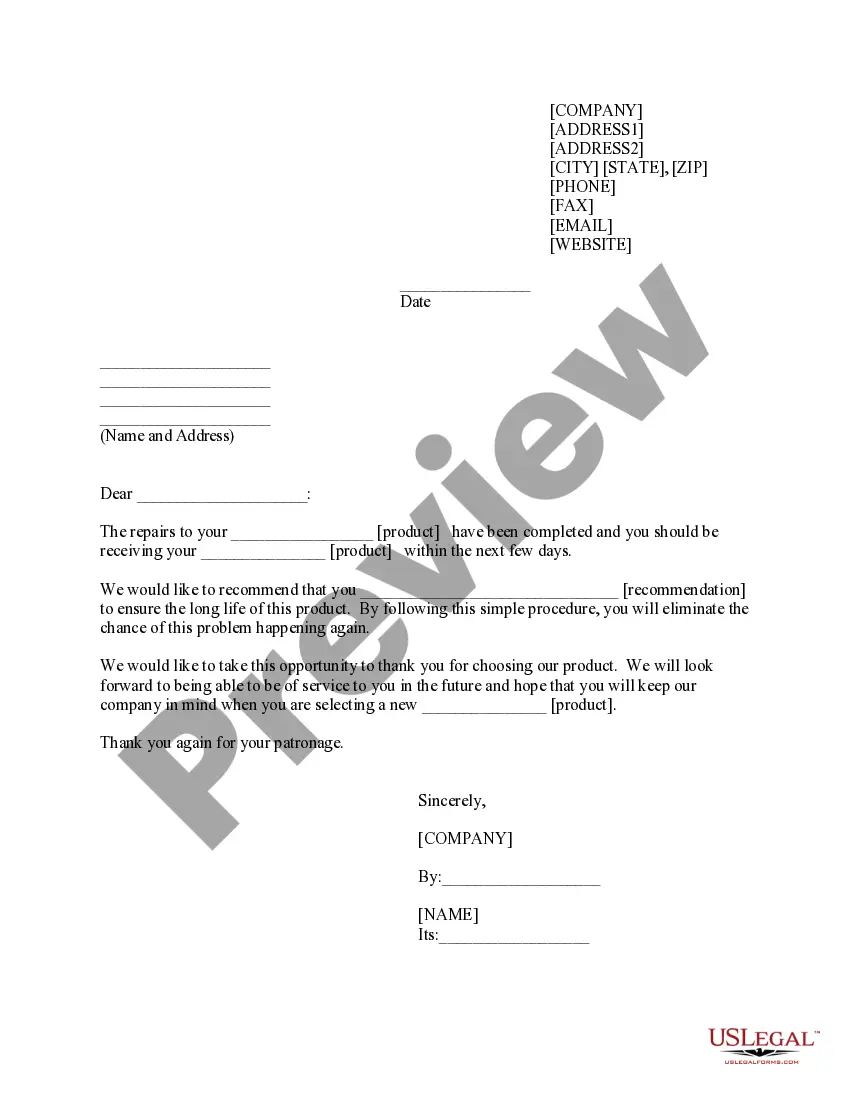
Virginia Plumbing Contract for Contractor
What is this form?
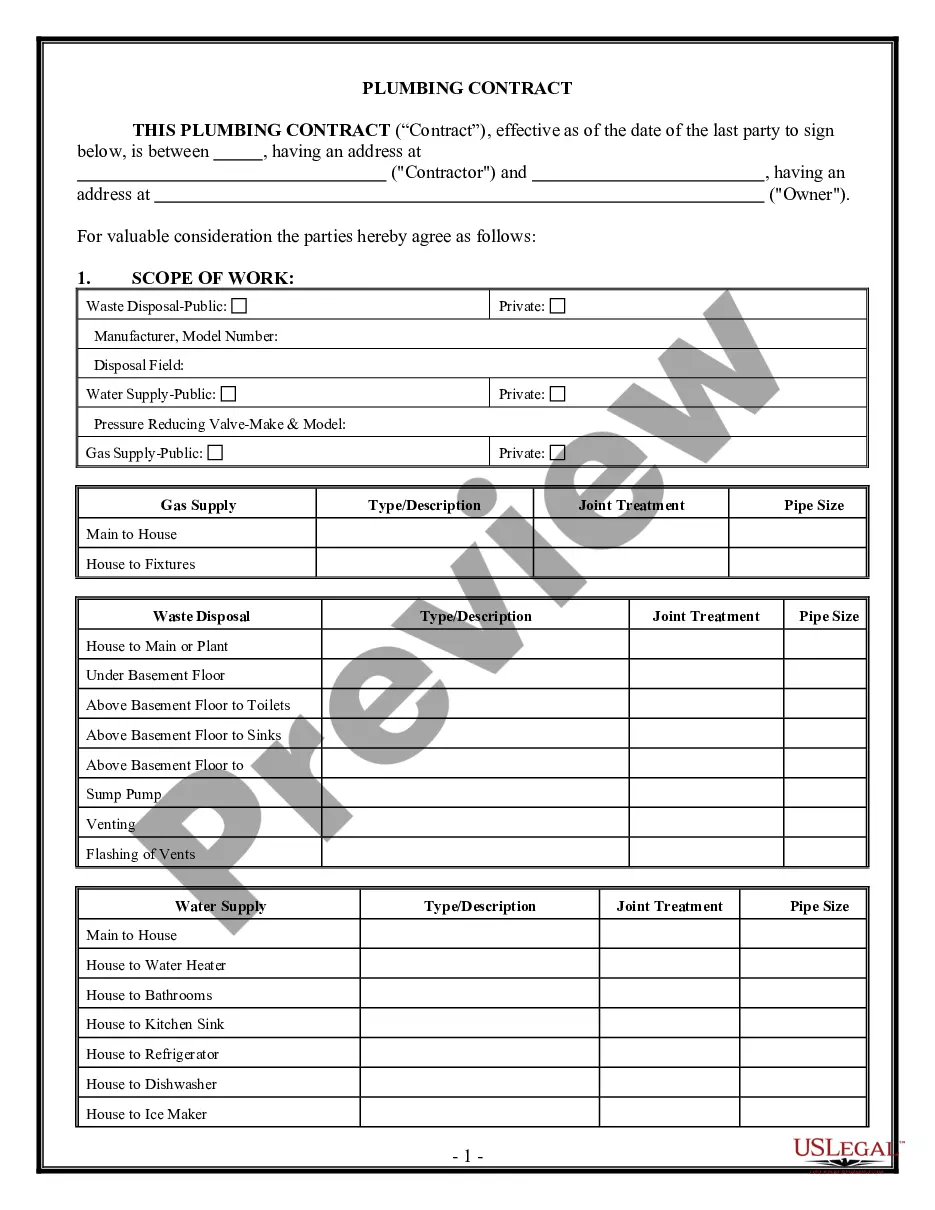
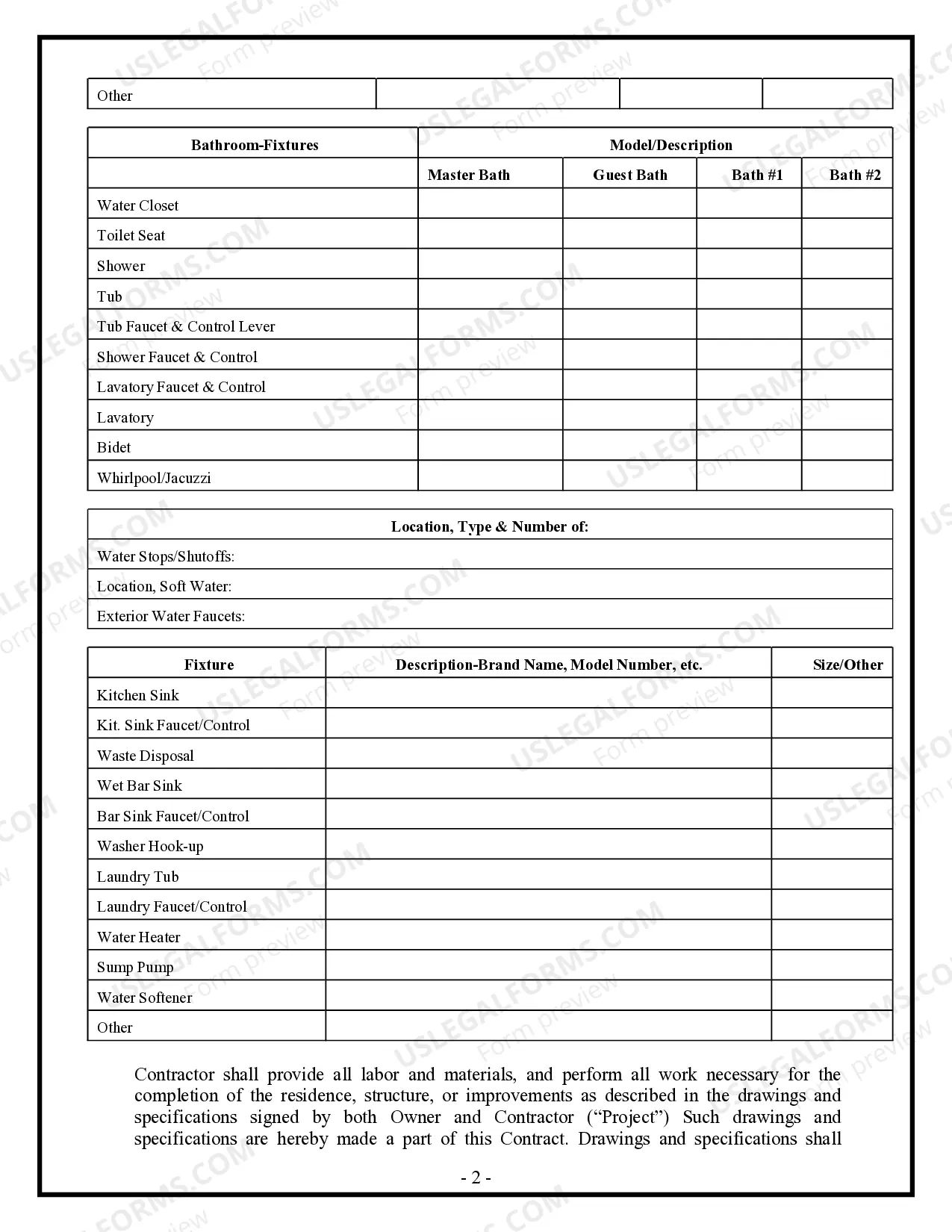
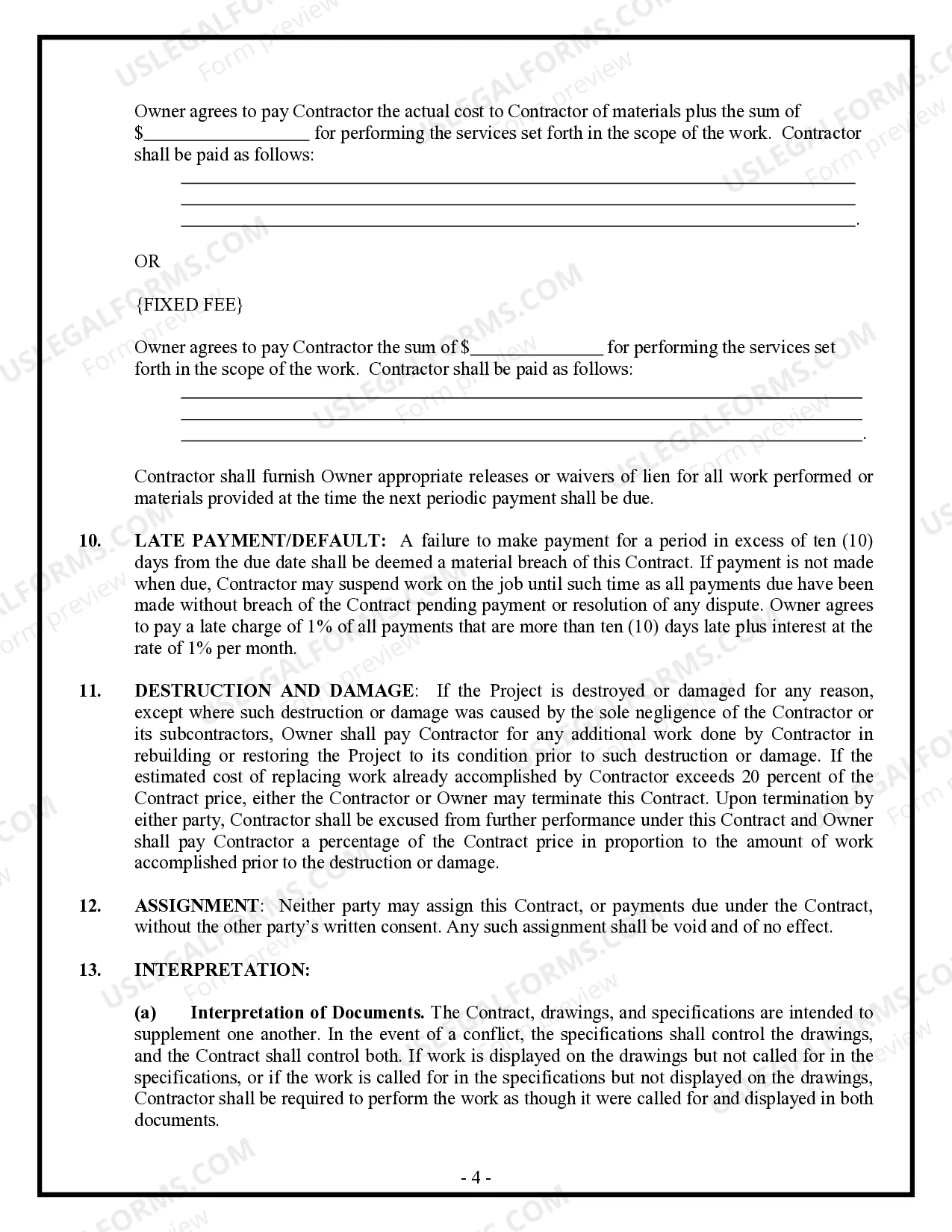
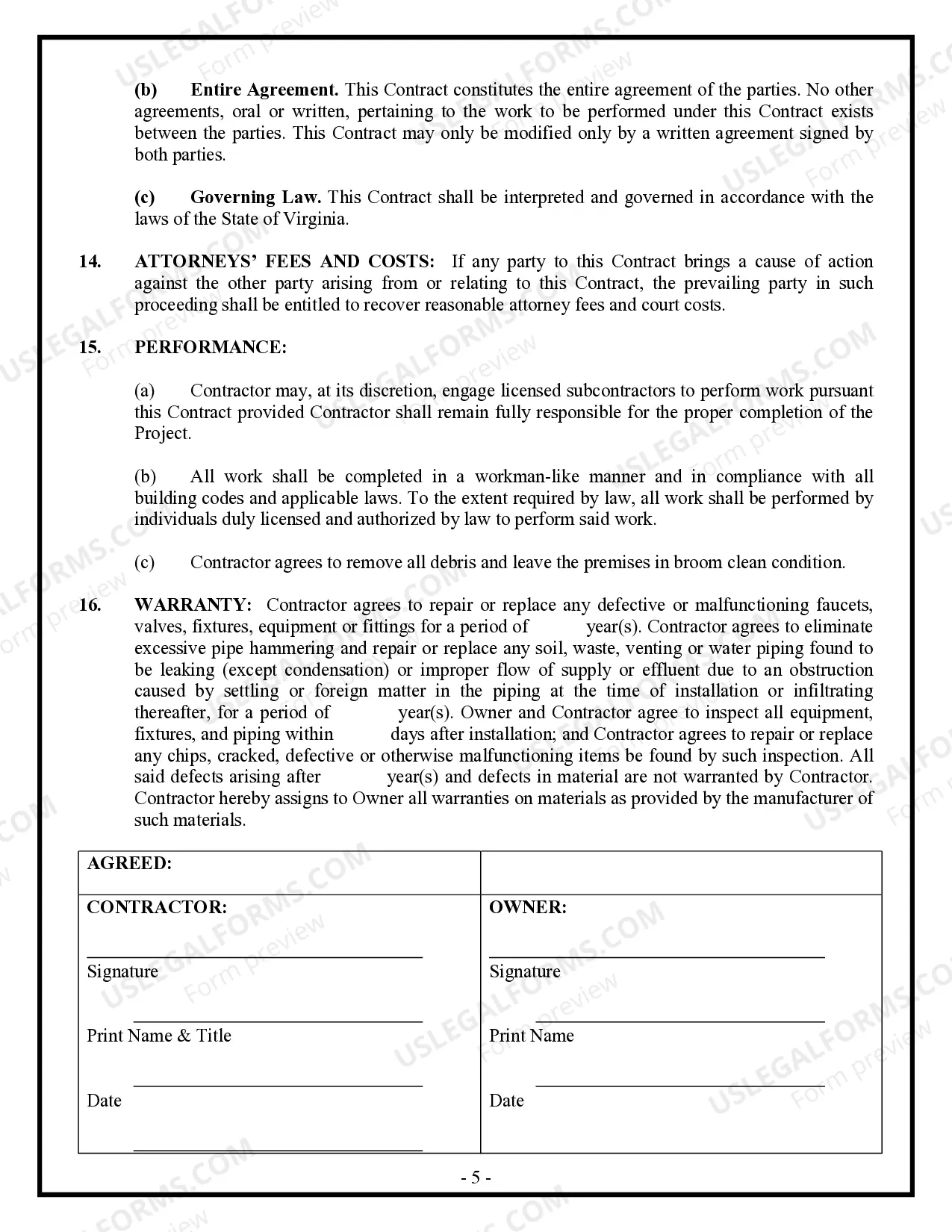
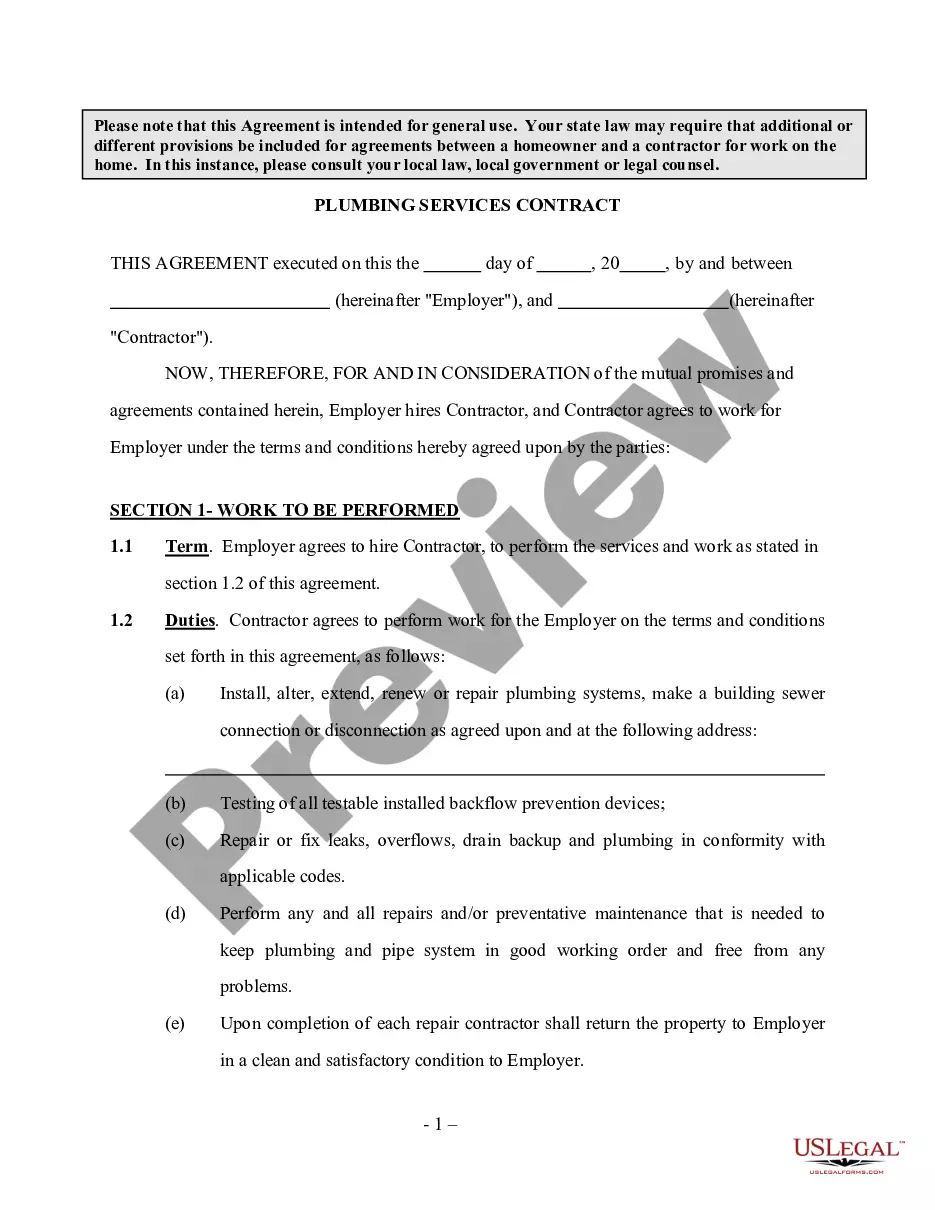
The Plumbing Contract for Contractor is a legal document that establishes the terms of agreement between plumbing contractors and property owners. This contract outlines the scope of work, payment arrangements, project requirements, and the responsibilities of both parties involved. Unlike generic contracts, this form is tailored to comply with the specific laws of Virginia, ensuring that both parties are protected under state regulations.
Key components of this form
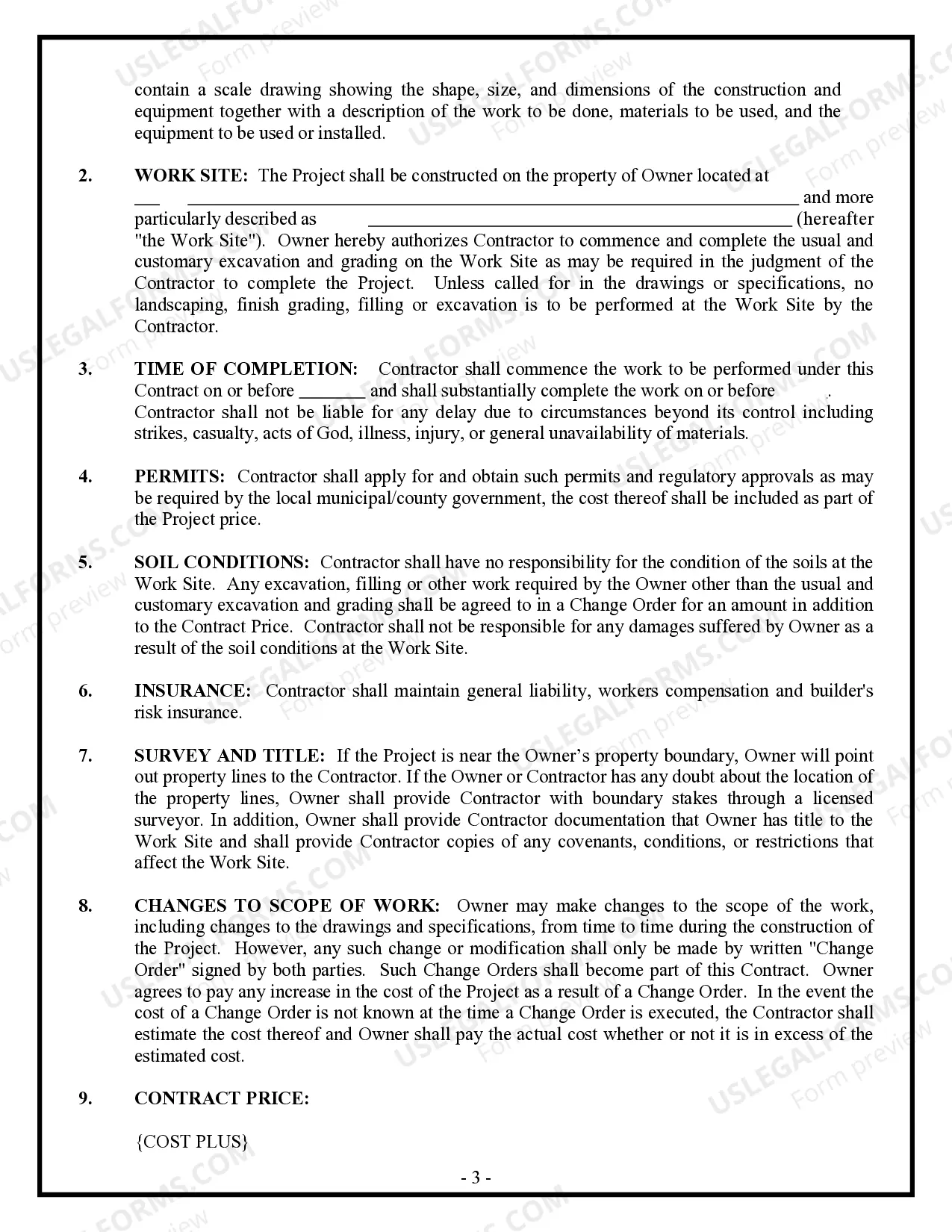
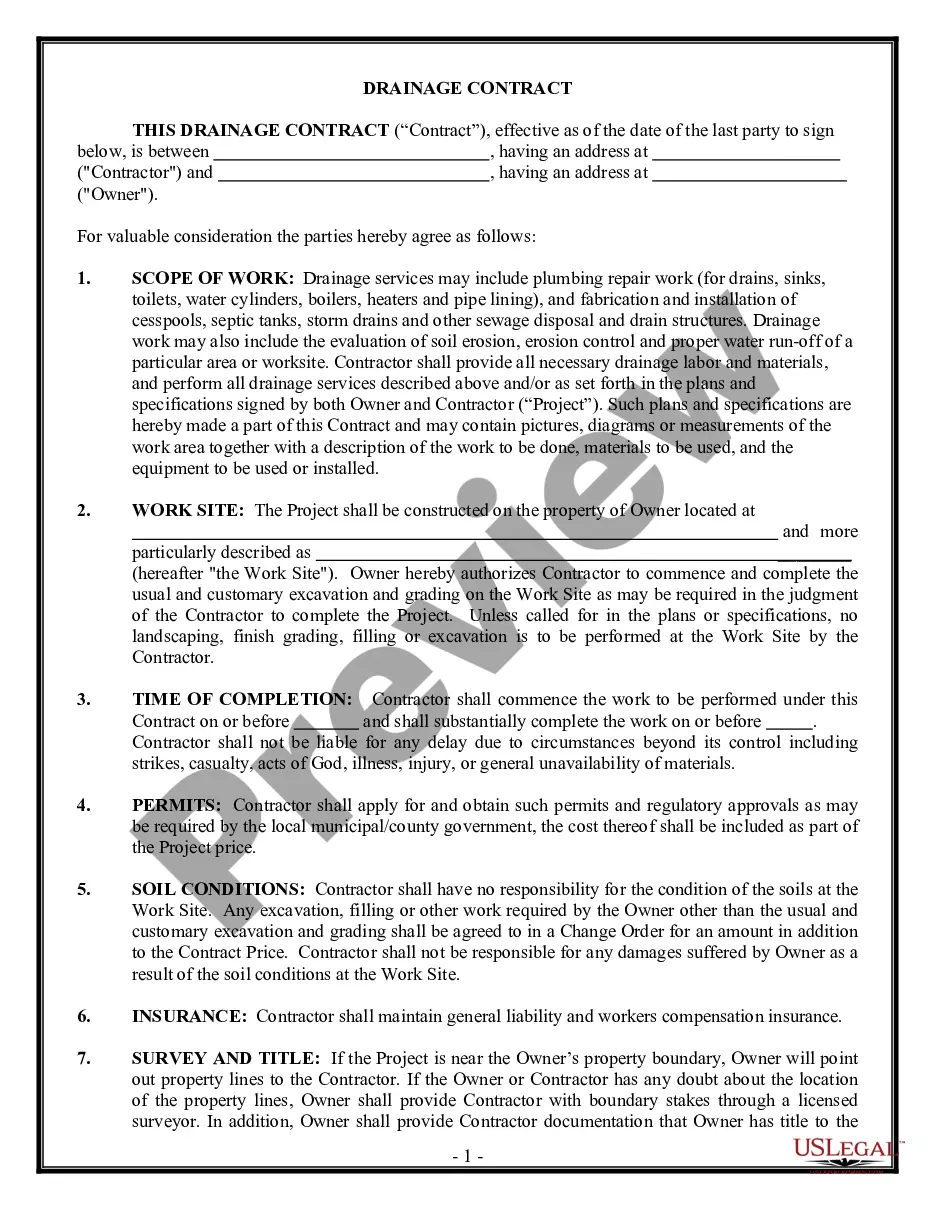
- Permits: Outlines the contractor's responsibility for obtaining necessary permits.
- Soil Conditions: States that the contractor is not responsible for soil conditions at the work site.
- Insurance: Details the insurance requirements the contractor must maintain.
- Changes to Scope of Work: Describes how changes can be made through written change orders.
- Late Payment and Default: Defines the consequences of late payment and the contractor's right to suspend work.
- Termination: Addresses the conditions under which either party can terminate the contract due to damages or destruction of the project.


Situations where this form applies
This plumbing contract should be used when a property owner hires a plumbing contractor for any plumbing work, whether the payment is based on a fixed fee or a cost-plus arrangement. It is essential for outlining the expectations, responsibilities, and procedures for modifications during the project, protecting both parties and providing legal clarity.
Who should use this form
This form is intended for:
- Plumbing contractors who need a structured agreement for their services.
- Property owners seeking to hire plumbing professionals for renovation, installation, or repair projects.
- Both parties looking to ensure compliance with Virginia's legal requirements regarding construction and contractual obligations.
Instructions for completing this form
- Identify the parties involved: Enter the names and contact information of both the contractor and the property owner.
- Specify the project details: Describe the nature of the plumbing work to be performed.
- Outline payment terms: Clearly state whether the payment is fixed fee or cost-plus and include any relevant details.
- Detail changes: Acknowledge the process for making changes to the scope of work through written change orders.
- Obtain signatures: Ensure that both parties sign and date the contract to make it legally binding.
Notarization requirements for this form
Notarization is not commonly needed for this form. However, certain documents or local rules may make it necessary. Our notarization service, powered by Notarize, allows you to finalize it securely online anytime, day or night.
Get your form ready online
Our built-in tools help you complete, sign, share, and store your documents in one place.
Make edits, fill in missing information, and update formatting in US Legal Forms—just like you would in MS Word.
Download a copy, print it, send it by email, or mail it via USPS—whatever works best for your next step.
Sign and collect signatures with our SignNow integration. Send to multiple recipients, set reminders, and more. Go Premium to unlock E-Sign.
If this form requires notarization, complete it online through a secure video call—no need to meet a notary in person or wait for an appointment.
We protect your documents and personal data by following strict security and privacy standards.

Make edits, fill in missing information, and update formatting in US Legal Forms—just like you would in MS Word.

Download a copy, print it, send it by email, or mail it via USPS—whatever works best for your next step.

Sign and collect signatures with our SignNow integration. Send to multiple recipients, set reminders, and more. Go Premium to unlock E-Sign.

If this form requires notarization, complete it online through a secure video call—no need to meet a notary in person or wait for an appointment.

We protect your documents and personal data by following strict security and privacy standards.
Common mistakes to avoid
- Failing to specify clear payment terms can lead to disputes.
- Not addressing how changes in scope will be handled can create confusion.
- Overlooking insurance requirements may expose both parties to liability.
- Not documenting soil conditions could lead to unexpected costs later.
Why use this form online
- Convenience: Easily download and fill out the form on your schedule.
- Editability: Customize the contract to fit the specific details of your plumbing project.
- Reliability: Ensure that the template adheres to Virginia's legal standards.
- Time-saving: Bypass lengthy legal consultations and obtain a vetted document quickly.
Looking for another form?
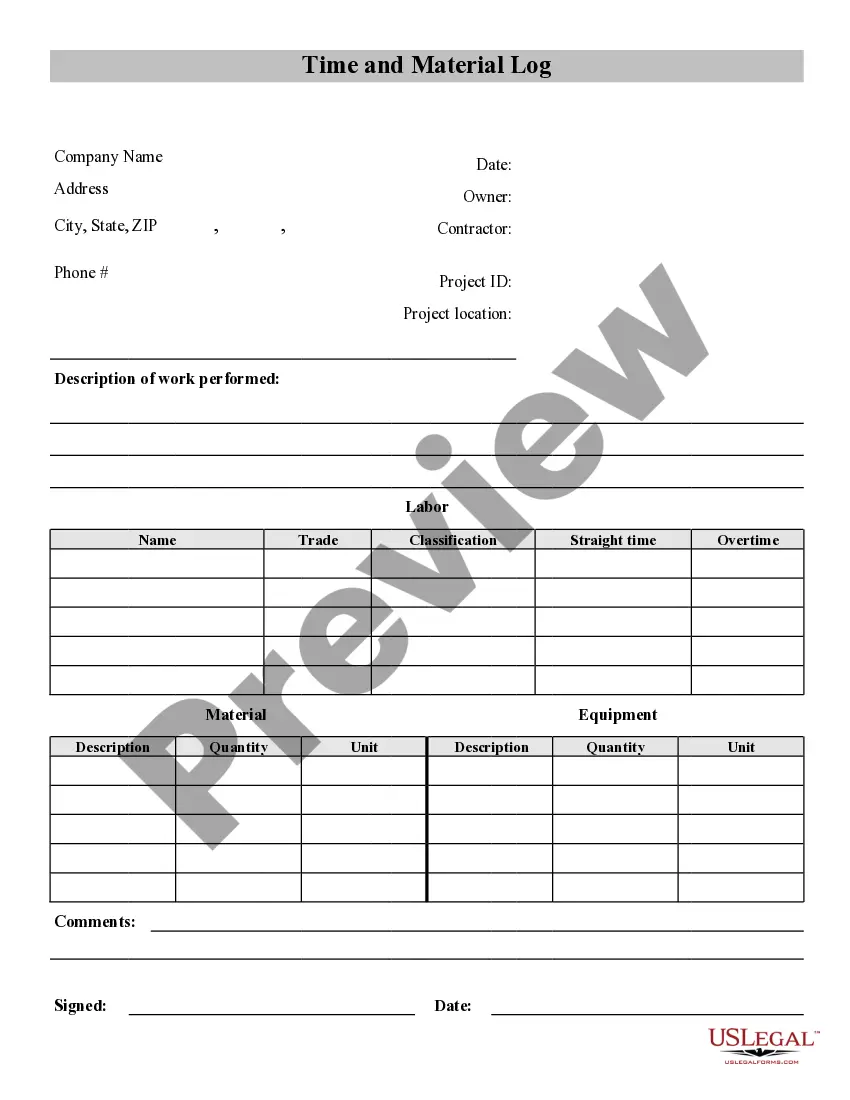
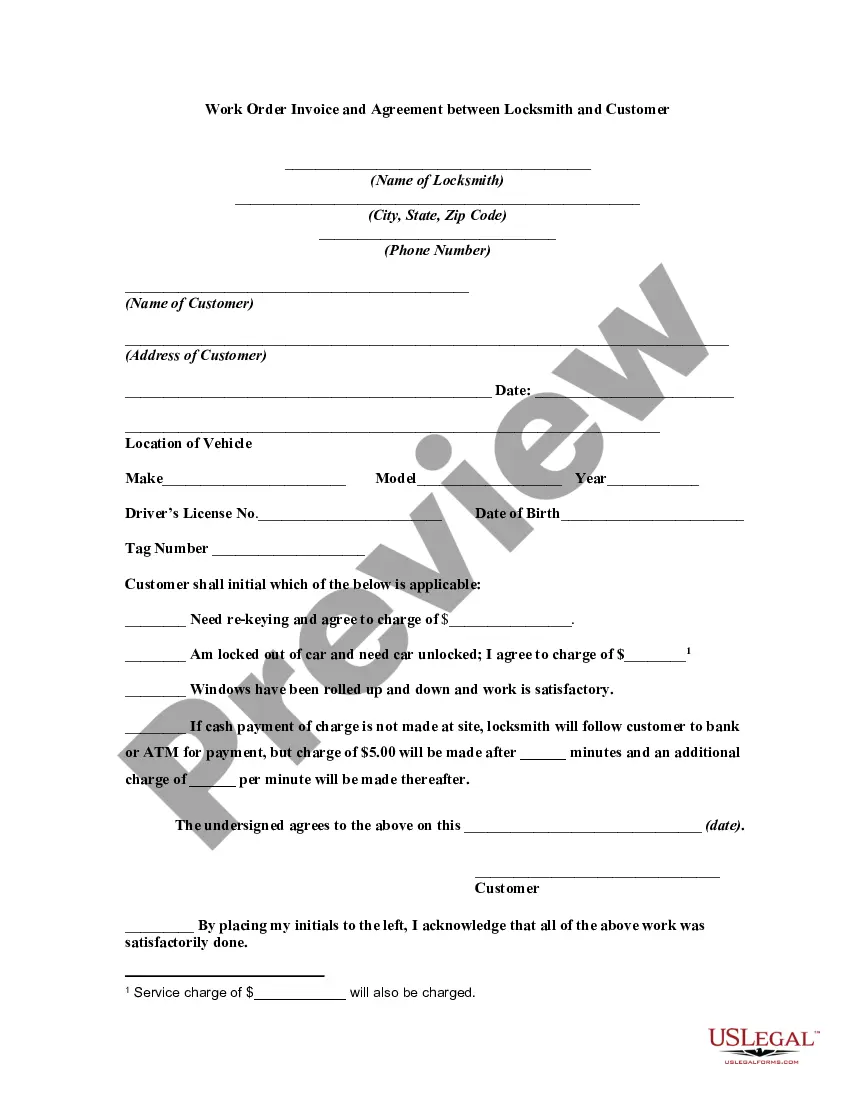
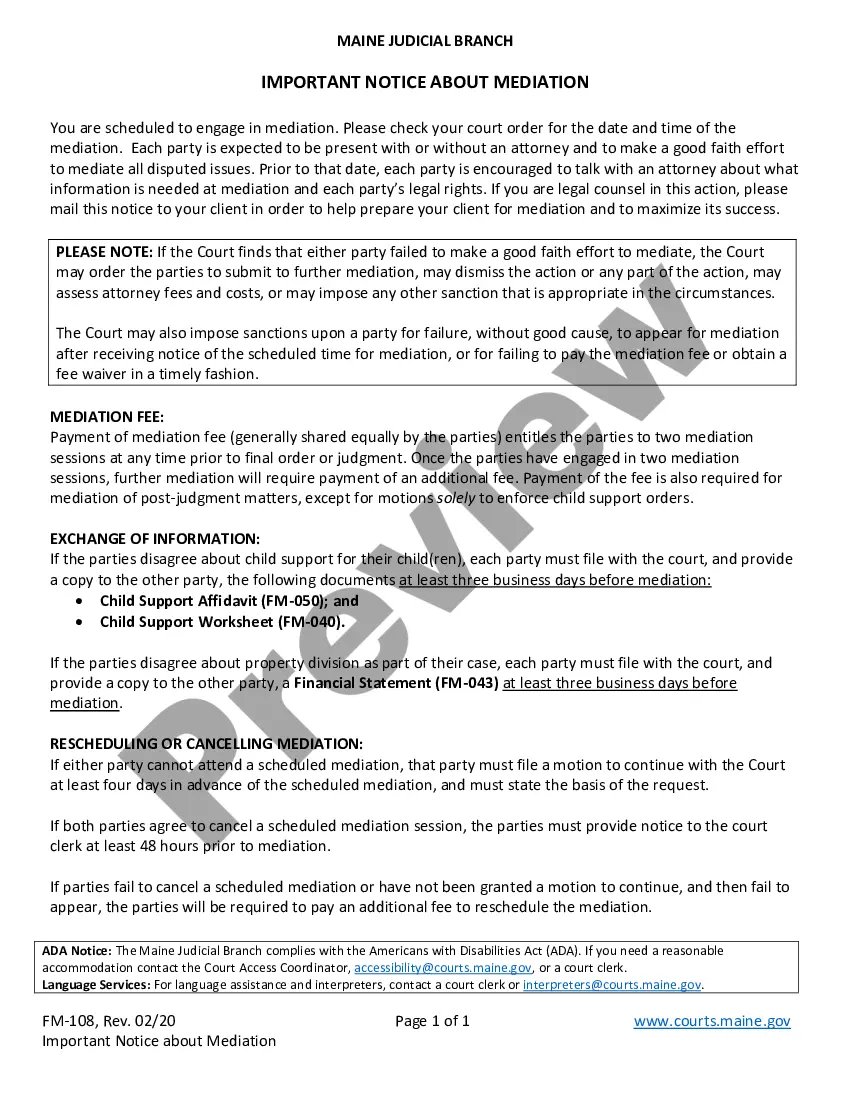

Form popularity
FAQ
If you think you have been a victim of an unlicensed contractor please reach out to the Office through Consumer Protection Hotline at 1-800-552-9963, or file a complaint on its website.
Class B General Building Contractors, unlike both a Class A General Engineering Contractor and a Class C Specialty Contractor, may enter into direct contracts and subcontracts involving: (1) Projects involving framing or carpentry only; (2) Projects involving two or more unrelated trades other than framing or
Virginia. A handyman will need a Virginia contractors license to do work worth more than $1,000. There are three classes of licenses, depending on the monetary value of the projects you plan to work on. You'll need to complete a pre-license education course approved by the board.
Operating without a required contractor's license is a criminal class one misdemeanor. There can be DPOR civil penalties. Operating without a required contractor license would be a violation of the Virginia Consumer Protection Act. This is a very legitimate police power by the state.
In the state of Virginia (VA), a contractor's license is legally required for any work that exceeds $1,000 in labor and materials.
PSA: Performing Construction Work in Virginia Requires a Contractor's License.However, the risk is great for the unlicensed subcontractor or contractor even where they hold a license from another state. These risks run from non-payment due to a lack of license to the inability to record a mechanic's lien.