Discharge of Mortgage
Overview of this form
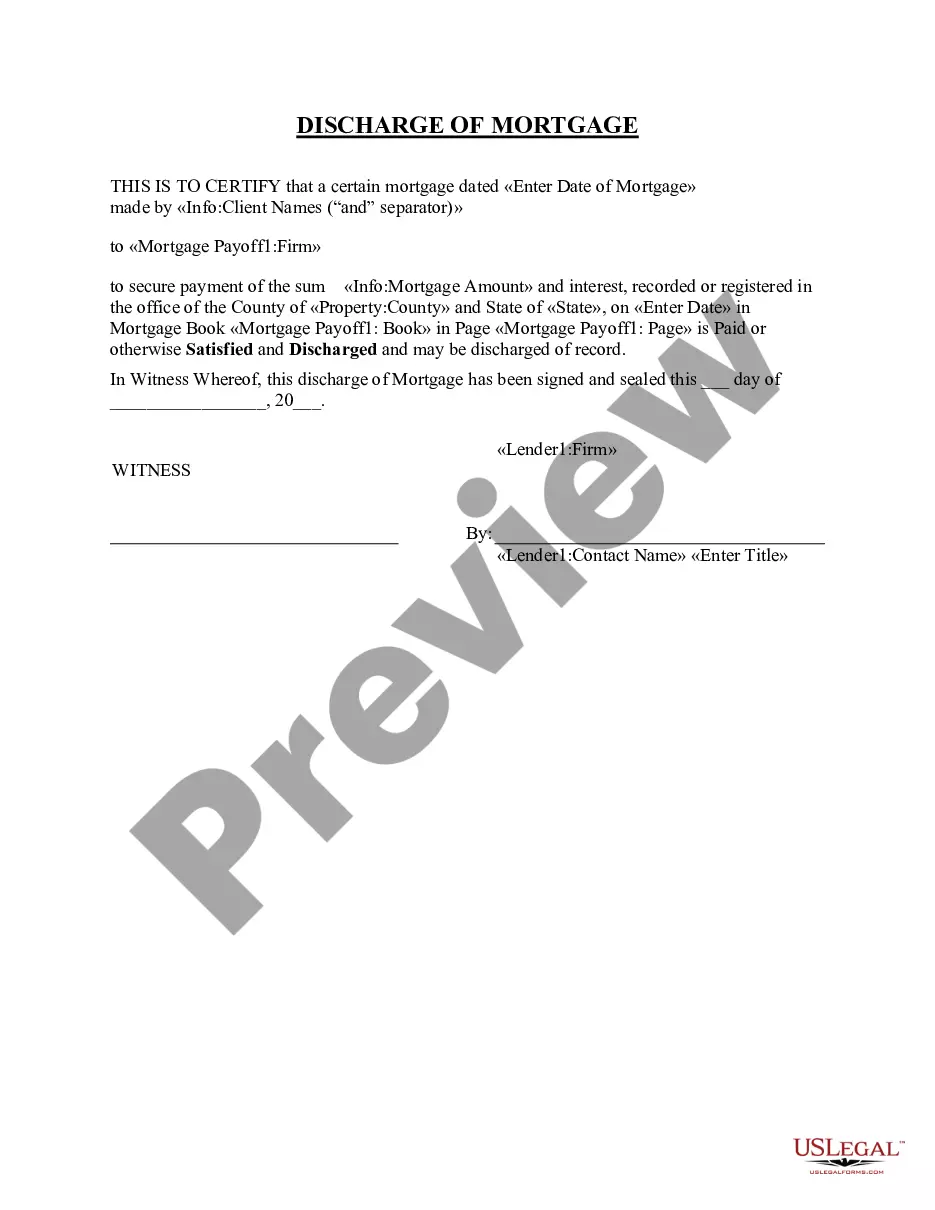
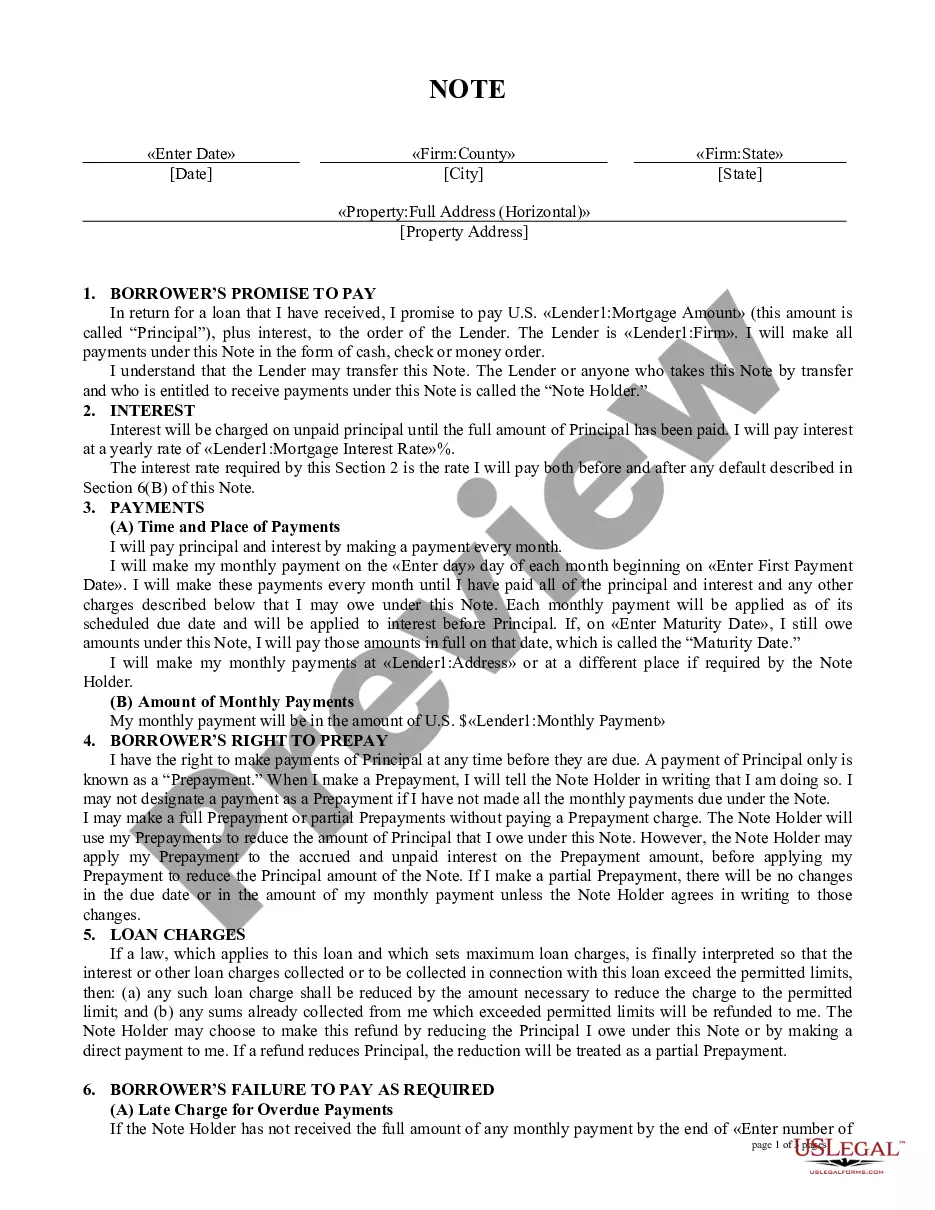
The Discharge of Mortgage is a legal document that serves to clear the title of a property once the corresponding mortgage has been paid in full. This form is issued by the lender, stating that the mortgage obligation has been satisfied. Recording this discharge is important as it officially updates the property records and removes any liens associated with the mortgage, distinguishing it from other documents like a mortgage agreement or reconveyance deed.
Key parts of this document
- Date of the original mortgage
- Borrower's names
- Lender's name and contact information
- Mortgage amount and interest details
- Record registration information (County and State)
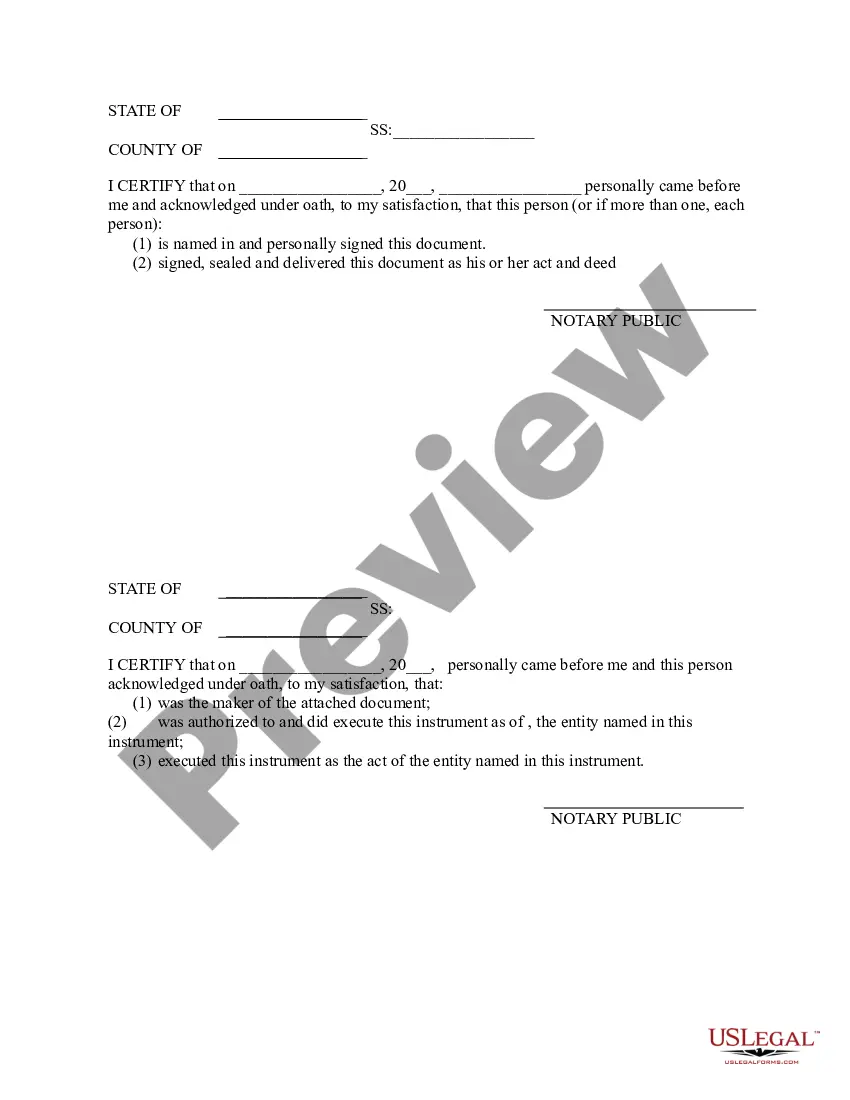
- Signatures of the lender and notary public
When to use this document
This form should be used once you have fully paid off your mortgage. Filing it with the Registry of Deeds is necessary to inform the public and protect your property title from claims related to the paid mortgage. It is essential in situations such as selling a property or when seeking new financing, as it verifies that there are no outstanding liens on the title.
Who this form is for
- Homeowners who have paid off their mortgages
- Individuals preparing to sell a property
- Borrowers looking to refinance their property
- Lenders who need to officially release a mortgage on records
How to complete this form
- Identify the date of the original mortgage.
- List the names of the borrower(s) precisely as recorded.
- Provide the lenderâs name and the details of the mortgage amount.
- Enter the county and state where the mortgage is recorded.
- Sign the document in the presence of a notary public.
- File the completed discharge form with the local Registry of Deeds.
Does this form need to be notarized?
Yes, this form must be notarized to be legally valid. Notarization verifies the authenticity of the signatures and ensures that the document is executed according to the applicable laws. US Legal Forms offers integrated online notarization services, allowing you to complete the process through secure video calls without needing to visit a notary in person.
Get your form ready online
Our built-in tools help you complete, sign, share, and store your documents in one place.
Make edits, fill in missing information, and update formatting in US Legal Forms—just like you would in MS Word.
Download a copy, print it, send it by email, or mail it via USPS—whatever works best for your next step.
Sign and collect signatures with our SignNow integration. Send to multiple recipients, set reminders, and more. Go Premium to unlock E-Sign.
If this form requires notarization, complete it online through a secure video call—no need to meet a notary in person or wait for an appointment.
We protect your documents and personal data by following strict security and privacy standards.

Make edits, fill in missing information, and update formatting in US Legal Forms—just like you would in MS Word.

Download a copy, print it, send it by email, or mail it via USPS—whatever works best for your next step.

Sign and collect signatures with our SignNow integration. Send to multiple recipients, set reminders, and more. Go Premium to unlock E-Sign.

If this form requires notarization, complete it online through a secure video call—no need to meet a notary in person or wait for an appointment.

We protect your documents and personal data by following strict security and privacy standards.
Mistakes to watch out for
- Not properly identifying all parties involved.
- Failing to include accurate dates of the mortgage and payment.
- Omitting necessary signatures, including the notaryâs stamp.
- Not filing the document with the correct local office.
Benefits of completing this form online
- Convenient access to the form anytime and anywhere.
- Editable templates ensure accurate information entry.
- Reliable resources drafted by licensed attorneys for legal validity.
Looking for another form?
Form popularity
FAQ
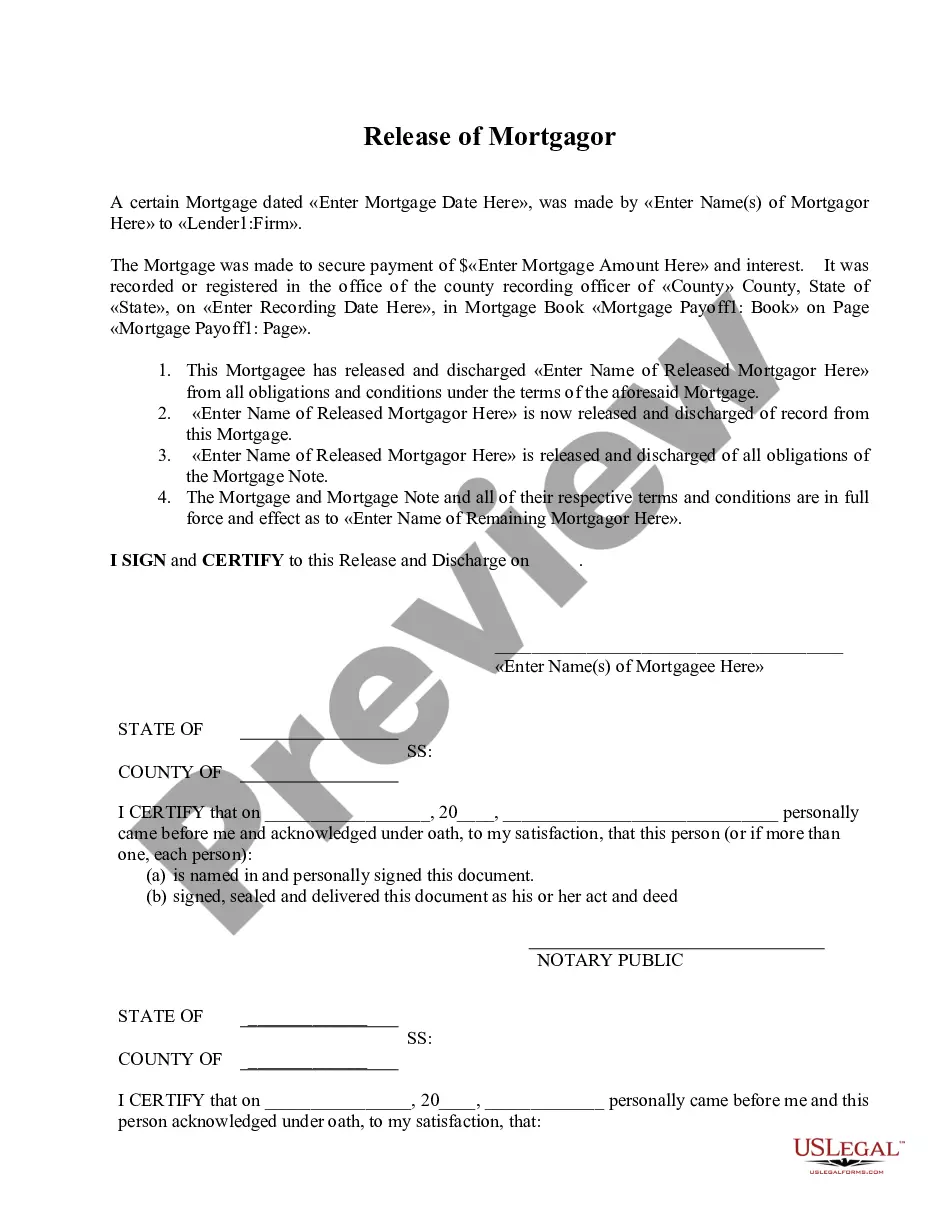
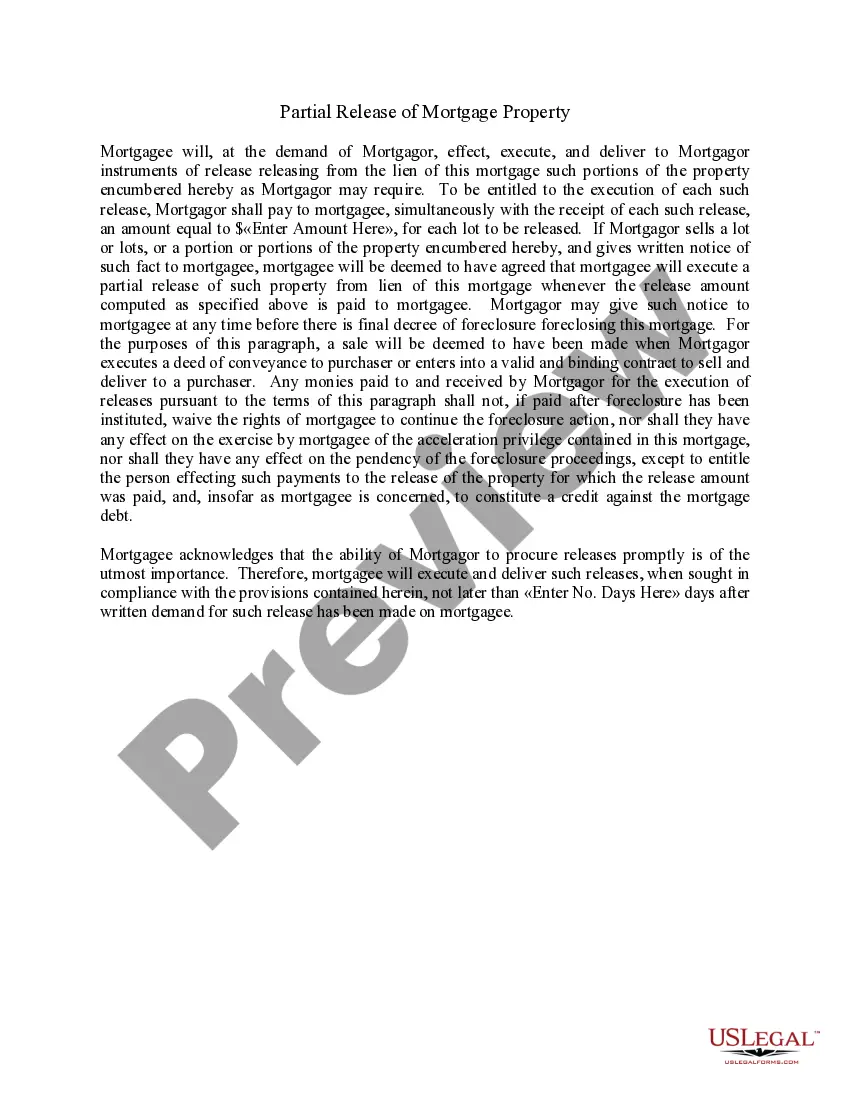
What is the distinction between a release and a discharge? With a release, your creditor confirms that all the sums due have been paid. The document certifies that the property is mortgage-free. The discharge releases only part of the property or only one of the individuals responsible for the mortgage payments.
Timely discharge of the mortgage updates your lending status (no more financial responsibility towards paying the said lender) so that you can take the next step. The mortgage will need to be discharged before the property settlement can occur in the process of selling your property.
A mortgage discharge happens when you remove a home loan from the title of your property. Usually, when you have a home loan, the lender has the title - or ownership - of your home until the loan is repaid.
Reasons for discharging a mortgage are: When the borrower sells the property. When the mortgage has been paid in full, but the paperwork for legally removing the lender from the title is not completed yet. When the borrower wants to refinance the property with a different lender.
When you pay off your mortgage and meet the terms and conditions of your mortgage contract, the lender doesn't automatically give up the rights to your property. There are steps you need to take. This process is called discharging a mortgage.
What is the distinction between a release and a discharge? With a release, your creditor confirms that all the sums due have been paid. The document certifies that the property is mortgage-free. The discharge releases only part of the property or only one of the individuals responsible for the mortgage payments.
A mortgage discharge fee is a fee charged by the lender when you pay off your mortgage loan. This fee covers the costs of processing and closing out the loan, including any administrative costs associated with it.
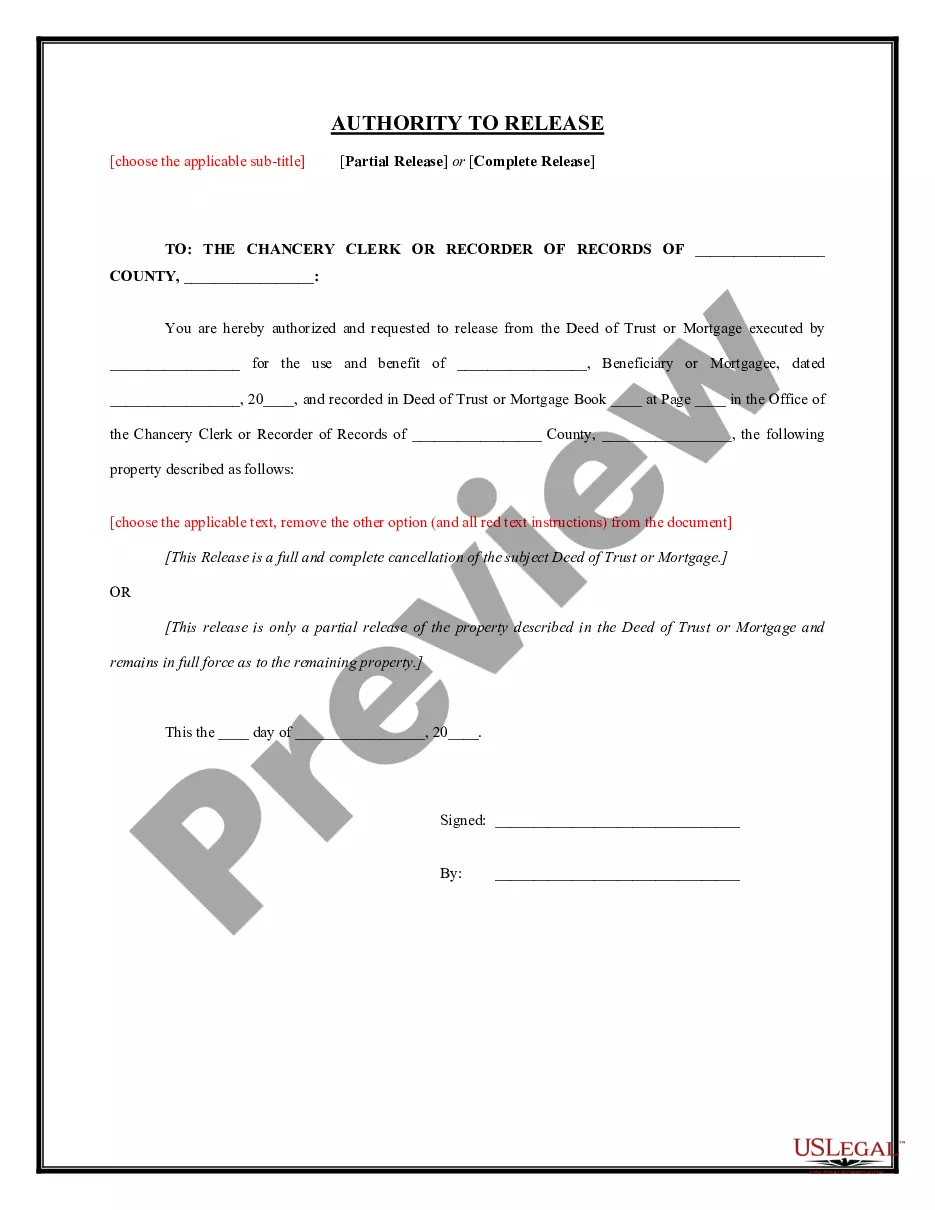
A mortgage discharge is when a mortgage securing your home loan is removed from the title of your property once you have repaid your home loan in full. You'll need to complete a mortgage discharge or release form to release the mortgage over the property you have provided as security to your home loan.