Pud Worksheet
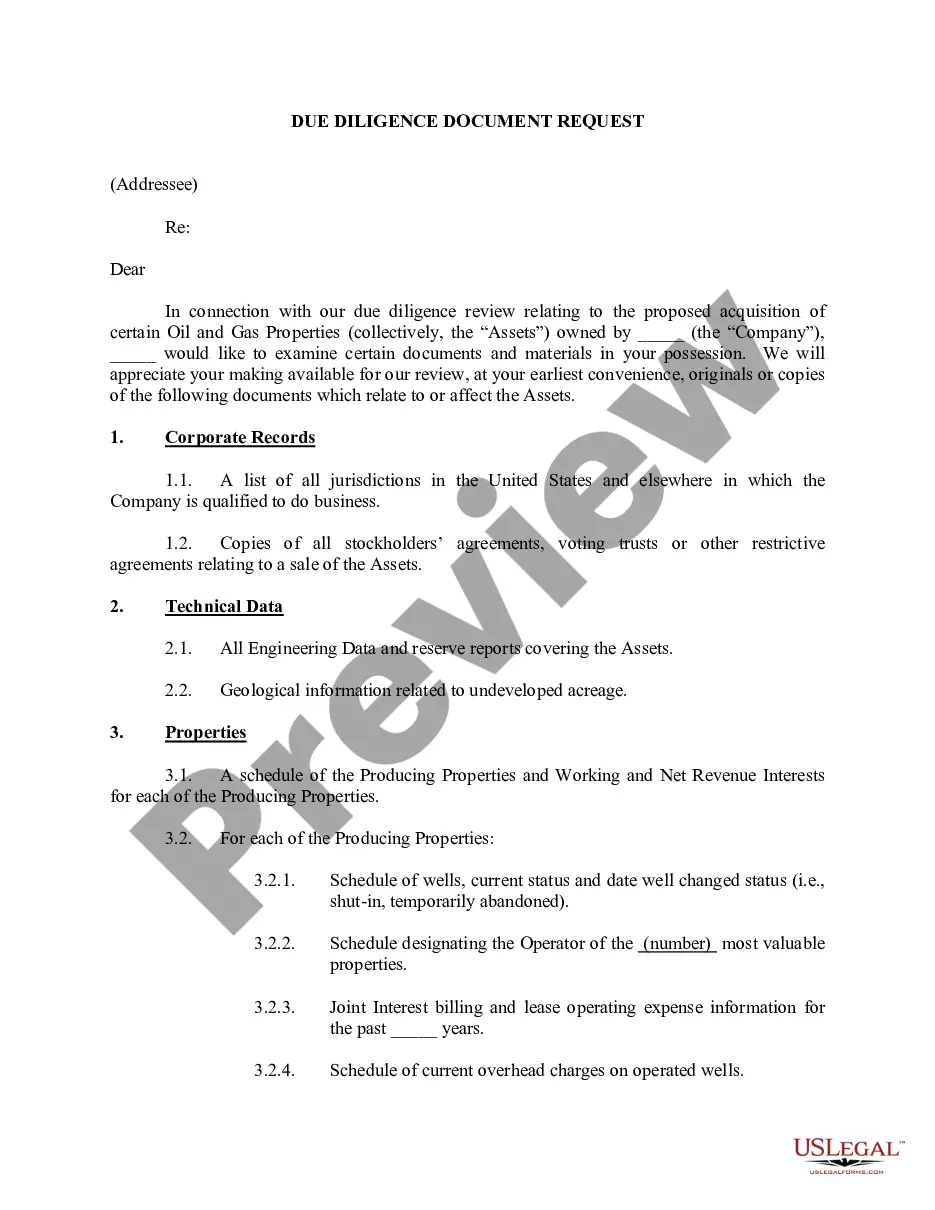
Overview of this form
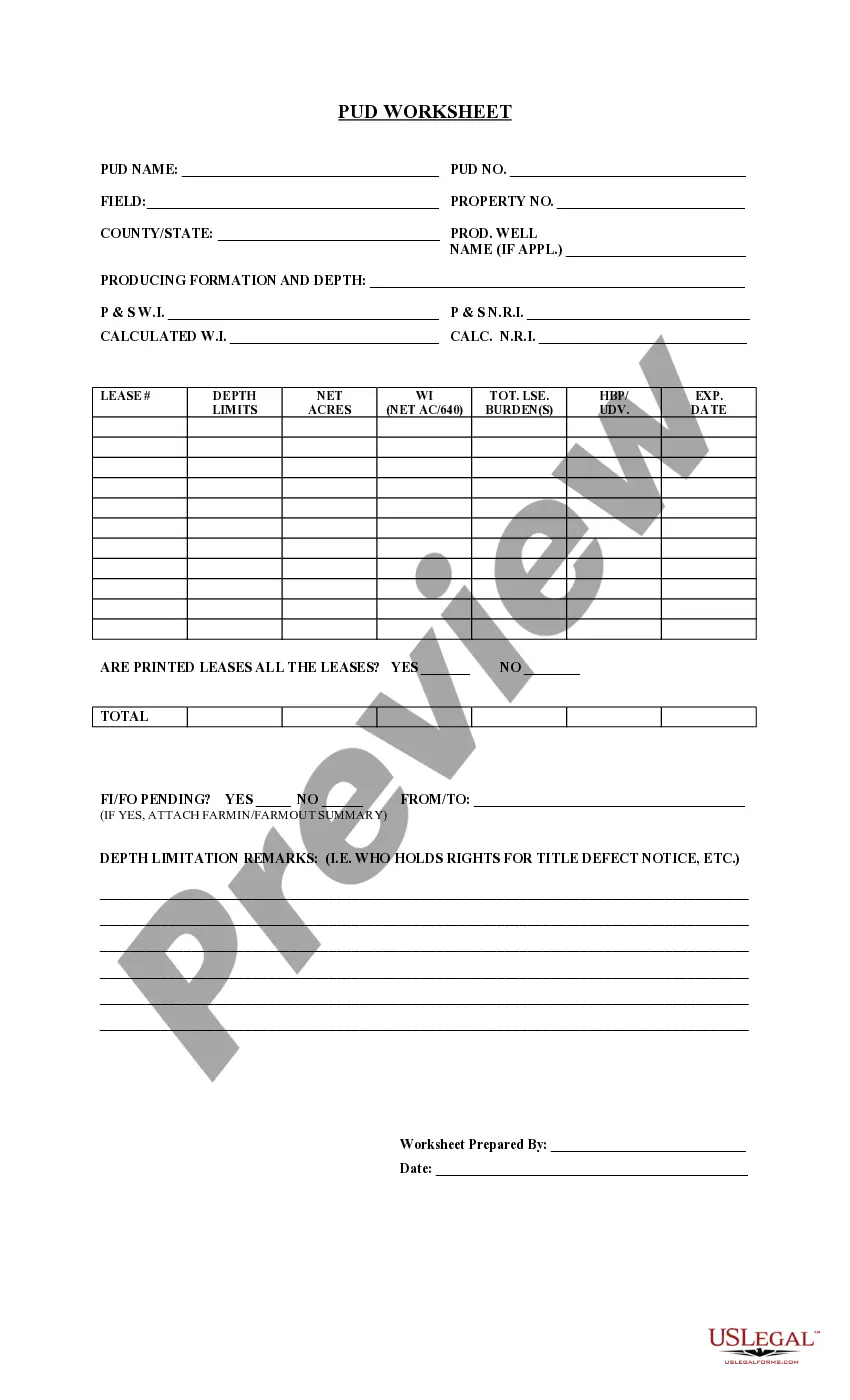
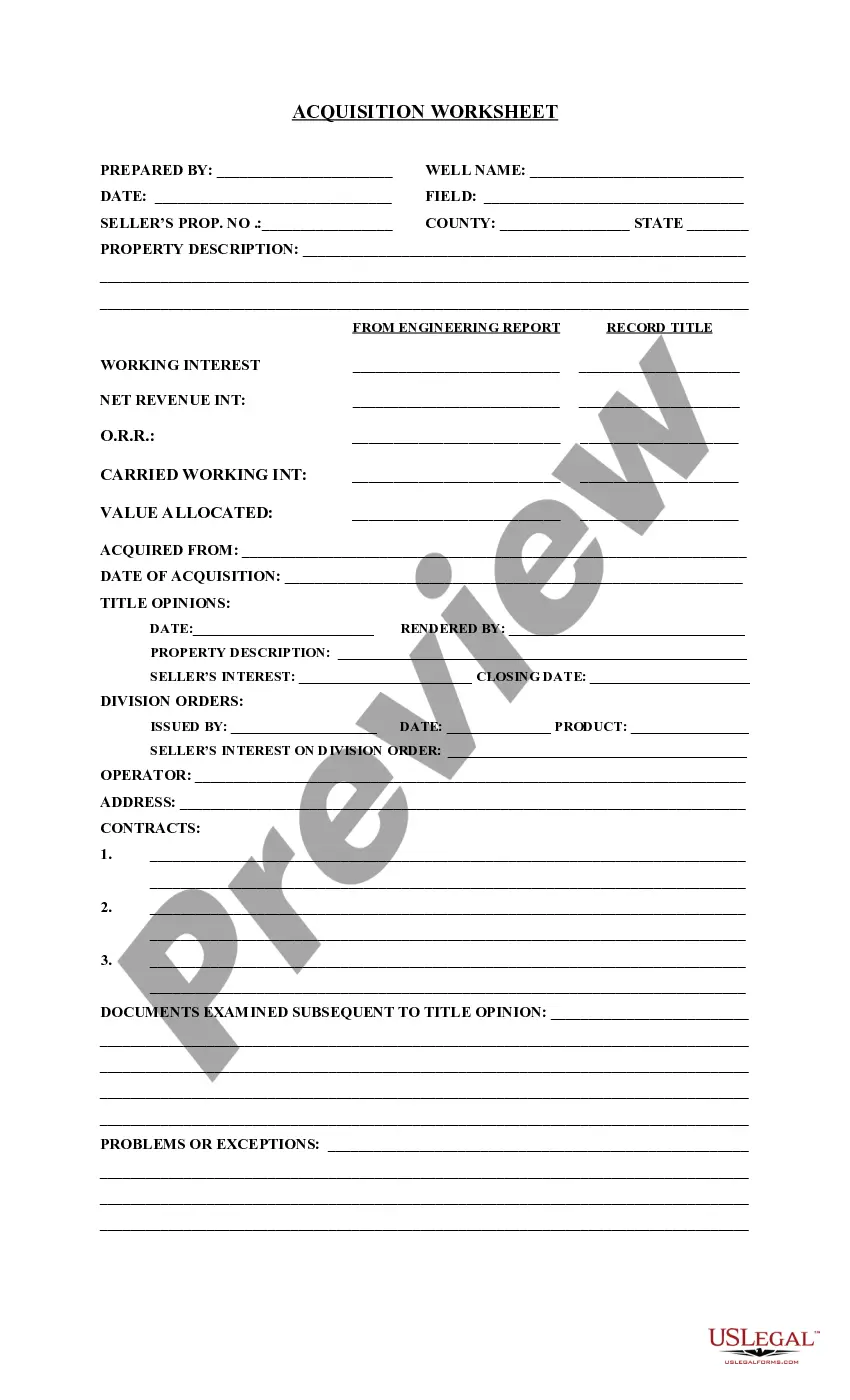
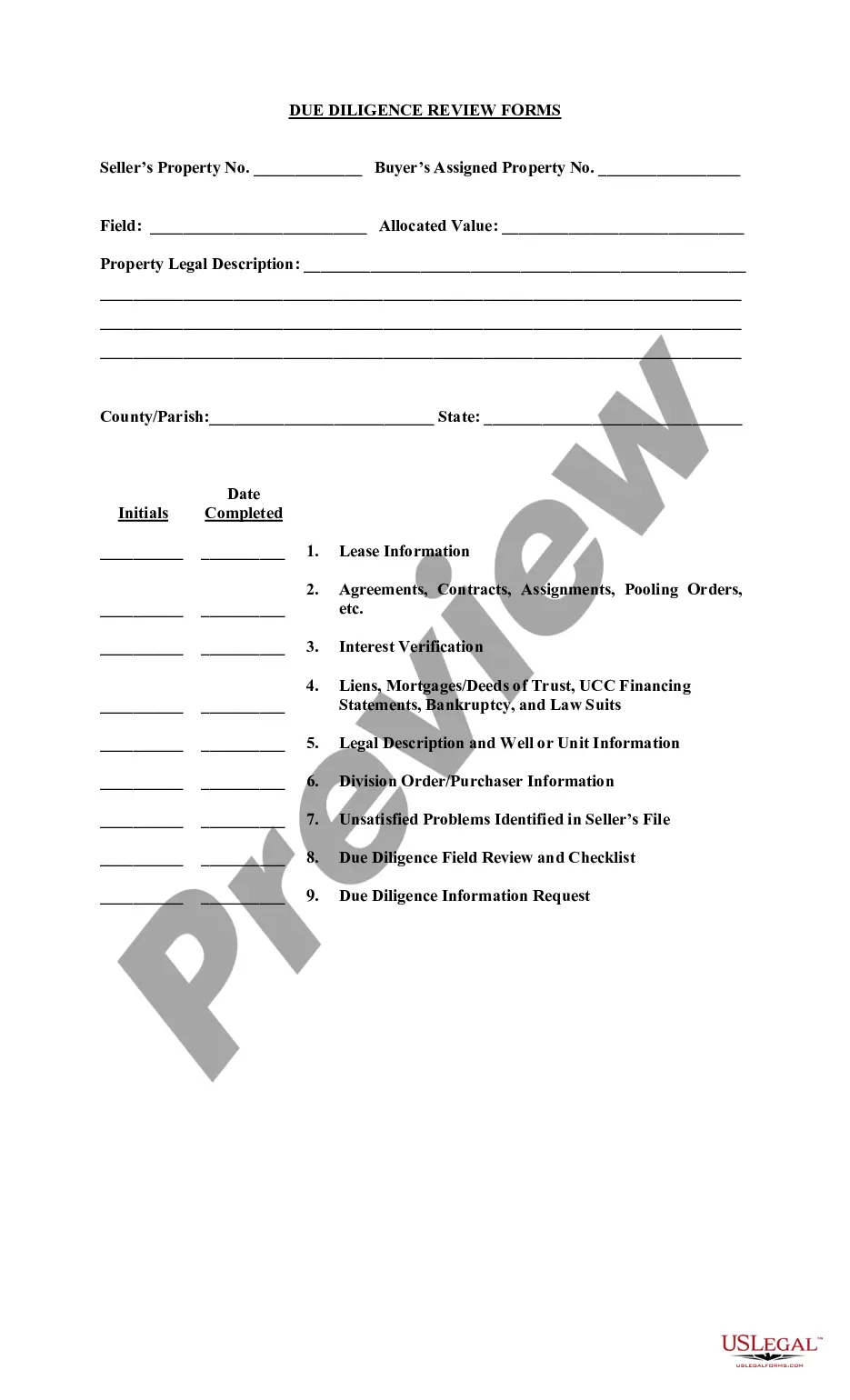
The Pud Worksheet is a specialized form designed to gather essential information regarding proved undeveloped locations in the oil and gas industry. It serves as a practical tool to document details about production wells, formations, and lease agreements, differentiating it from other standard worksheets used in different contexts. By utilizing this form, users can streamline the data collection process necessary for evaluating oil and gas properties.
Main sections of this form
- PUD Name and No.: Designation for the proved undeveloped location.
- Field and Property No.: Identifies the specific field and property associated with the PUD.
- County/State: Geographic location of the property.
- Producing Well Name: Optional field for naming the production well.
- Producing Formation and Depth: Details regarding the depth and type of formation being utilized.
- Calculated Working Interest (W.I.) and Net Revenue Interest (N.R.I.): Financial interests related to the drilling rights.
- Lease Depth Limits and Acreage Information: Specifications about the depth and net acres involved in the lease.
- Total Lease Burdens and Expiration Dates: Summary of burdens imposed by the lease on production rights.
- Remarks Section: Space for additional details or notes regarding title defects or rights.
Situations where this form applies
This form should be utilized when collecting and organizing information regarding proved undeveloped locations within the oil and gas industry. It is particularly useful during the exploration and evaluation phases, when establishing new drilling permits, or when assessing existing leases for potential development. Use the Pud Worksheet to ensure comprehensive documentation of key details that influence decision-making within the sector.
Intended users of this form
- Oil and gas operators managing proved undeveloped locations.
- Landmen conducting lease negotiations and evaluations.
- Geologists or engineers involved in resource assessments.
- Accountants or financial analysts assessing production interests.
- Legal professionals preparing documents related to oil and gas transactions.
How to complete this form
- Begin by entering the PUD Name and No. at the top of the worksheet.
- Fill in the Field and Property No., along with the County/State of the location.
- If applicable, provide the name of the producing well and details of the producing formation and depth.
- Record calculated Working Interest (W.I.) and Net Revenue Interest (N.R.I.) values.
- Document any lease depth limits and specify the net acres involvement.
- Complete the remarks section with any additional information or specific instructions regarding rights and title defect notices.
Notarization guidance
Notarization is generally not required for this form. However, certain states or situations might demand it. You can complete notarization online through US Legal Forms, powered by Notarize, using a verified video call available anytime.
Get your form ready online
Our built-in tools help you complete, sign, share, and store your documents in one place.
Make edits, fill in missing information, and update formatting in US Legal Forms—just like you would in MS Word.
Download a copy, print it, send it by email, or mail it via USPS—whatever works best for your next step.
Sign and collect signatures with our SignNow integration. Send to multiple recipients, set reminders, and more. Go Premium to unlock E-Sign.
If this form requires notarization, complete it online through a secure video call—no need to meet a notary in person or wait for an appointment.
We protect your documents and personal data by following strict security and privacy standards.

Make edits, fill in missing information, and update formatting in US Legal Forms—just like you would in MS Word.

Download a copy, print it, send it by email, or mail it via USPS—whatever works best for your next step.

Sign and collect signatures with our SignNow integration. Send to multiple recipients, set reminders, and more. Go Premium to unlock E-Sign.

If this form requires notarization, complete it online through a secure video call—no need to meet a notary in person or wait for an appointment.

We protect your documents and personal data by following strict security and privacy standards.
Common mistakes
- Neglecting to fill out all mandatory fields, which can lead to incomplete data.
- Failing to verify the accuracy of calculated interests, potentially affecting financial assessments.
- Omitting the remarks section, which may contain vital information regarding lease agreements.
- Not updating the worksheet as new information becomes available or conditions change.
Why complete this form online
- Convenience of accessing and completing the form from anywhere at any time.
- Editable fields allow users to update information easily as new details emerge.
- Reliability of templates drafted by licensed attorneys ensures legal compliance.
- Immediate availability of forms to facilitate timely decision-making in projects.
Looking for another form?
Form popularity
FAQ
PUD stands for Planned Urban Development and is similar to a small town that is self-contained. PUDs usually are formed in condominium buildings due to their location in urban areas; however, PUDs can also include single-family and townhome communities.
A PUD is a community in which individual unit owners have ownership of their home, their lot, and the common area.In a PUD, the homeowner owns the land and is free to use the land more or less when and how they wish.
The term PUD is the abbreviation for Planned Unit Development. A PUD property may be an attached or detached single family dwelling within a project or subdivision that typically involves a cluster of attached or detached homes with common shared spaces such as walkways, cul-de-sacs, walking trails, parks,
While PUD developers will likely create their own rules for individual PUD's they develop, subdivision developers do not have that ability. They must adhere to the regulations that apply in their particular municipality.
PUDs are basically detached single family homes in a subdivision or other "master planned" community which offers amenities and benefits above and beyond those made available by the local municipal government.
In a PUD, individual unit owners have ownership of their home, lot, and common area.The primary difference between HOA vs PUD is who owns the land on which the property sits. PUDs offer a more traditional landowner rights structure than HOAs do, given that HOAs are imposing particular regulations on residents.
A planned unit development (PUD) is a project or subdivision that consists of common property and improvements that are owned and maintained by an owners association for the benefit and use of the individual units within the project.
Again, the main difference between a PUD townhome and a condominium townhome is that in a PUD, you own some land. In a condo, you don't. Condo and Townhouse's have a homeowners' association and the association maintains the grounds, structures and systems in the complex.PUD ~ Owns the land front and back of unit.