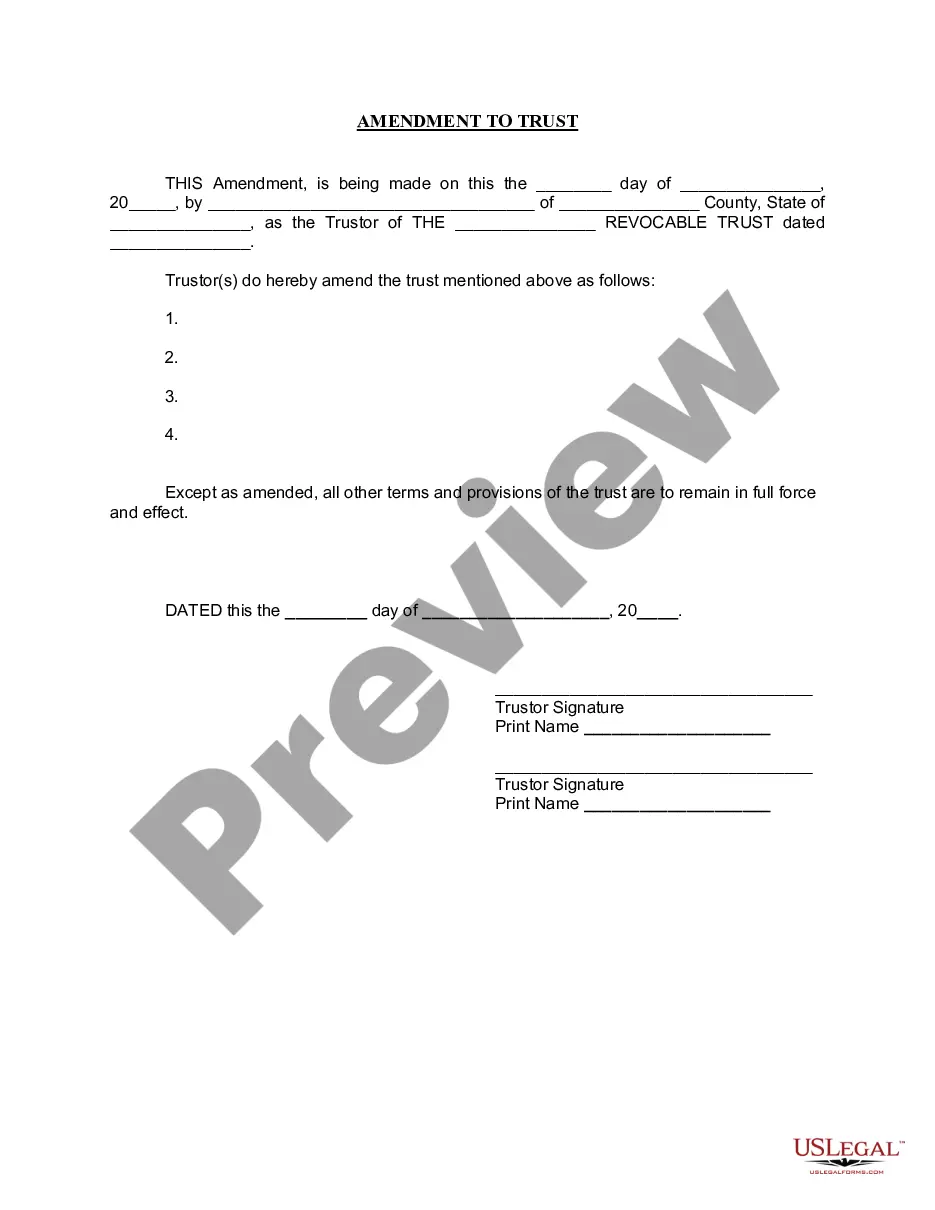
Arizona Amendment to Living Trust

What is this form?
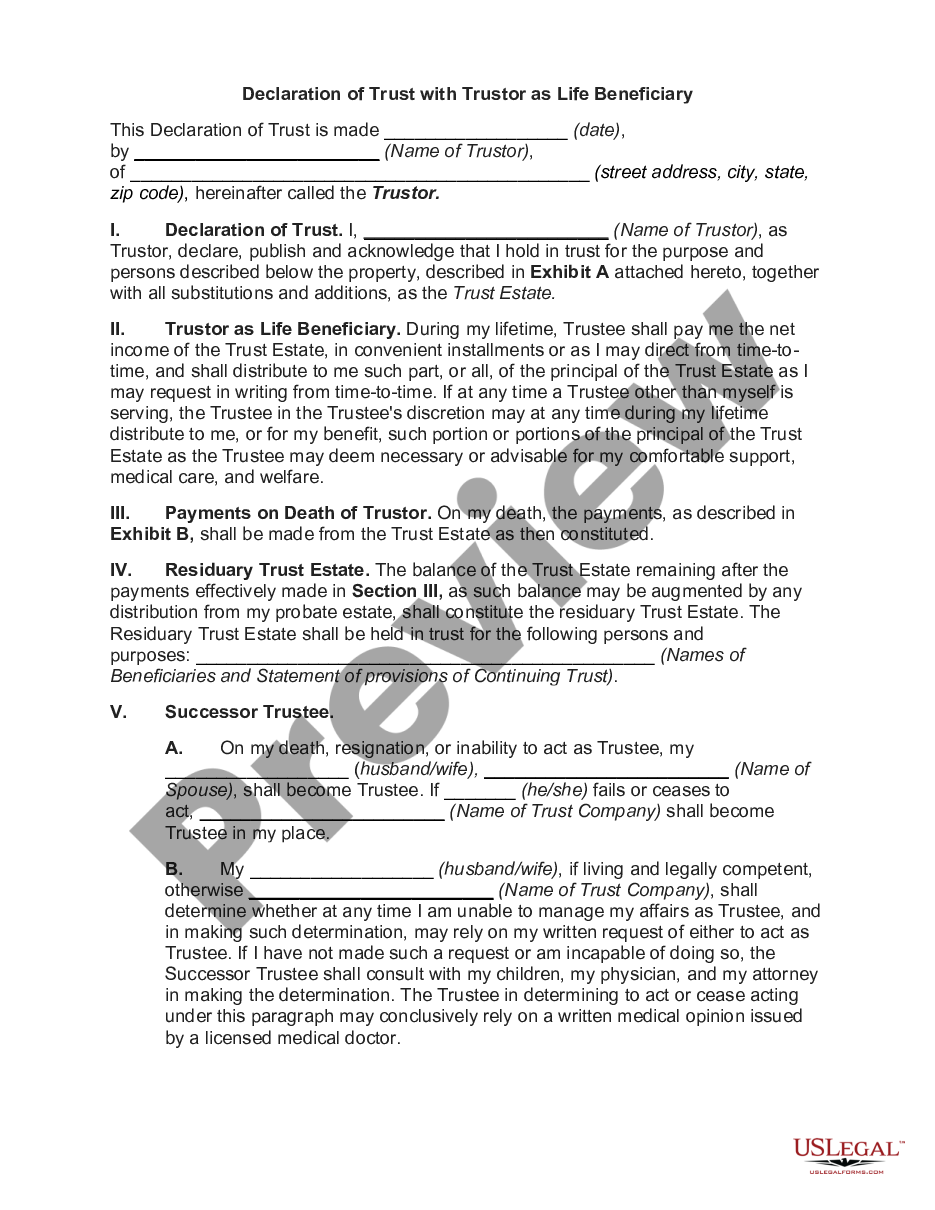
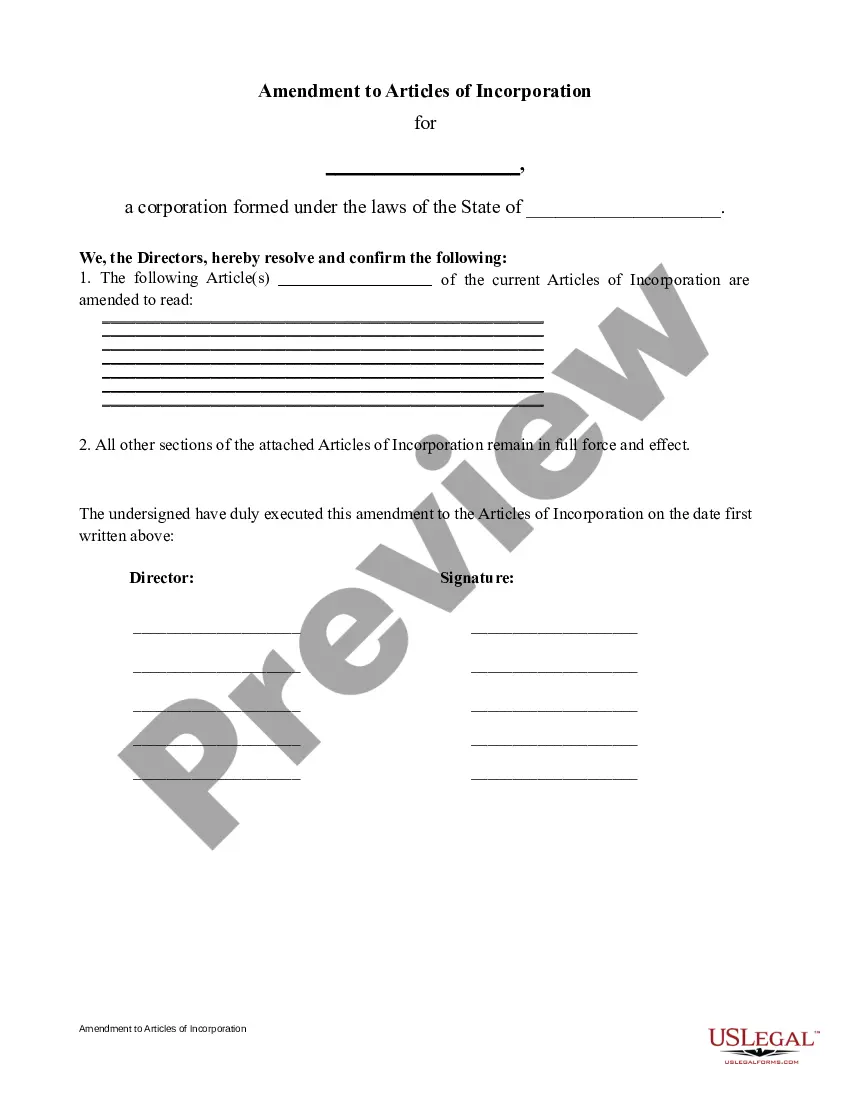
The Amendment to Living Trust is a legal document used to modify the terms of an existing living trust without altering its overall purpose. This form allows the Trustor to amend specific provisions regarding asset distribution or management while retaining the validity of the trust itself. It differs from other estate planning documents by focusing solely on changes to the trust rather than creating a new legal entity.
Key parts of this document
- Date of amendment
- Name and address of the Trustor
- Identification of the existing trust being amended
- Details of the provisions being changed
- Trustor signatures
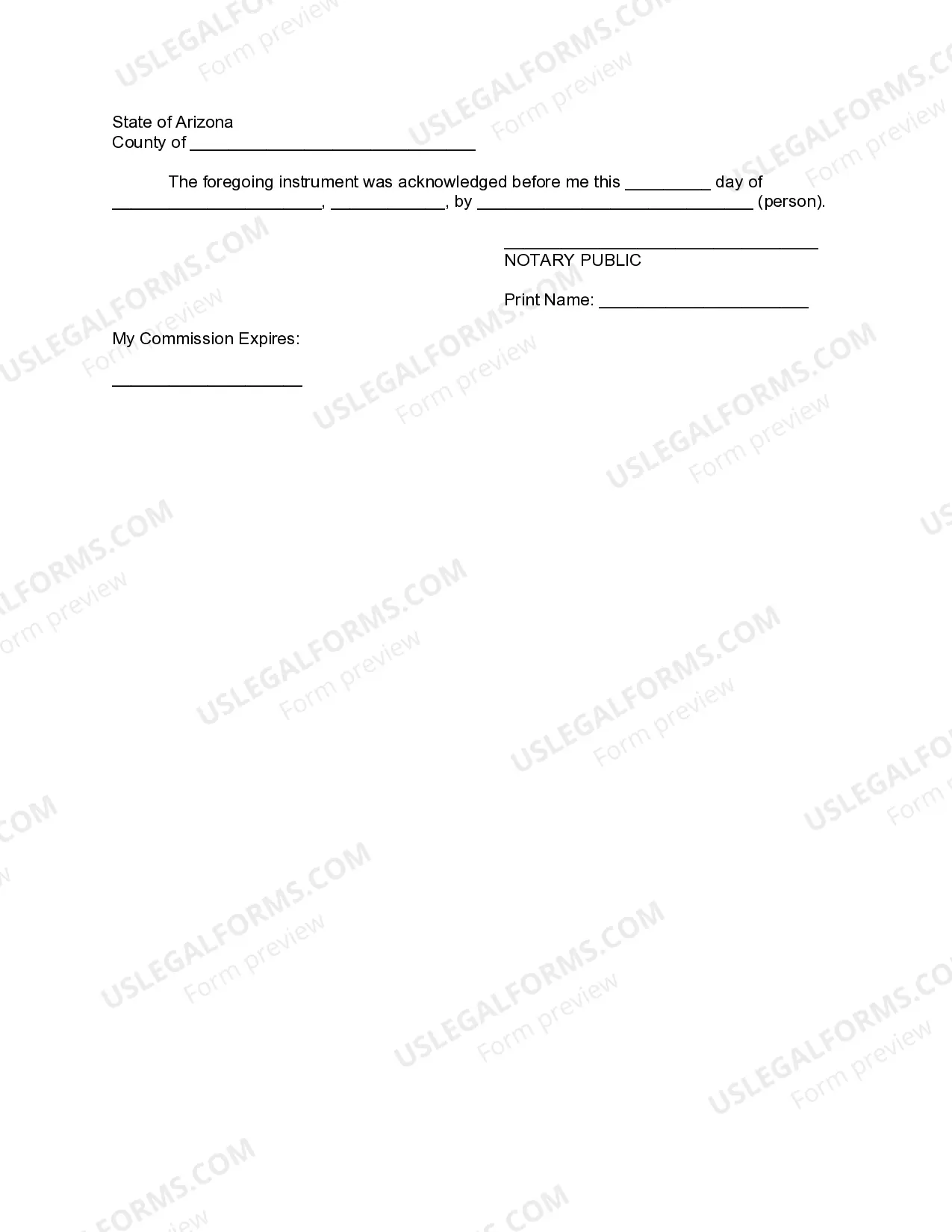
- Notary public acknowledgment

Situations where this form applies
This form is needed when the Trustor wishes to make changes to a living trust, such as adding or removing beneficiaries, altering terms related to asset management, or updating the trust's provisions without creating a new trust. It is particularly useful during life events such as marriage, divorce, the birth of a child, or the acquisition of new properties.
Who this form is for
This form is suitable for:
- Individuals or couples who have established a living trust and wish to update its terms.
- Trustors looking to adapt their estate plan in response to personal circumstances or changes in asset ownership.
- Anyone who seeks legal modifications to their existing trust without the complexity of drafting a new trust document.
How to prepare this document
- Enter the date when the amendment is made.
- Provide the Trustor's name and county of residence.
- Identify the living trust by its official name and date of establishment.
- Clearly state the provisions that are being amended.
- Have all Trustors sign the document.
- Complete the notary section, ensuring that it is acknowledged before a notary public.
Is notarization required?
This form must be notarized to be legally valid. US Legal Forms provides secure online notarization powered by Notarize, allowing you to complete the process through a verified video call.
Get your form ready online
Our built-in tools help you complete, sign, share, and store your documents in one place.
Make edits, fill in missing information, and update formatting in US Legal Forms—just like you would in MS Word.
Download a copy, print it, send it by email, or mail it via USPS—whatever works best for your next step.
Sign and collect signatures with our SignNow integration. Send to multiple recipients, set reminders, and more. Go Premium to unlock E-Sign.
If this form requires notarization, complete it online through a secure video call—no need to meet a notary in person or wait for an appointment.
We protect your documents and personal data by following strict security and privacy standards.

Make edits, fill in missing information, and update formatting in US Legal Forms—just like you would in MS Word.

Download a copy, print it, send it by email, or mail it via USPS—whatever works best for your next step.

Sign and collect signatures with our SignNow integration. Send to multiple recipients, set reminders, and more. Go Premium to unlock E-Sign.

If this form requires notarization, complete it online through a secure video call—no need to meet a notary in person or wait for an appointment.

We protect your documents and personal data by following strict security and privacy standards.
Common mistakes
- Failing to properly identify the existing trust by name and date.
- Not specifying the amendments clearly enough.
- Omitting one or more Trustor signatures.
- Neglecting notarization or providing an incomplete notary section.
Advantages of online completion
- Quick and easy download for immediate access.
- Editable format allows customization to fit specific needs.
- Prepared by licensed attorneys, ensuring reliability.
What to keep in mind
- The Amendment to Living Trust is essential for making specific changes to an existing living trust.
- Always ensure notarization for legal validity.
- Consult local laws when preparing your amendments to ensure compliance.
Looking for another form?


Form popularity
FAQ
You can contest a trust in Arizona if you have valid legal grounds, such as the mental competency of the trustor at the time of the trust's creation or amendment. It is crucial to file your contest within the stipulated timeframe, usually two years, to ensure your claims are heard. Engaging with professionals experienced in Arizona estate planning and amendments to living trust can provide you with the guidance needed during this complex process.
Yes, a living trust can be contested in Arizona under specific circumstances, such as claims of undue influence, lack of capacity, or improper execution. If you feel the terms of the trust do not reflect the true intentions of the trustor, you can take legal action. Consulting with an expert in Arizona amendment to living trust is essential to navigate the legal intricacies involved.
In Arizona, the statute of limitations for challenging a trust or its provisions is typically two years from the date you knew or should have known about the trust’s existence. This is critical when considering amendments to your living trust. Understanding this timeline helps you address any concerns and take necessary actions without delay, protecting your interests and those of your beneficiaries.
To revoke a living trust in Arizona, you must create a written document stating your intention to revoke the trust. You may also need to sign and date this document in front of a notary. Once you've revoked the trust, you should inform all relevant parties, including your beneficiaries and any financial institutions involved, to ensure a smooth amendment to your living trust.
In Arizona, while a living trust does not need to be notarized, it is highly recommended to have it notarized to streamline the process of verifying your identity and the trust's authenticity. This notarization helps prevent disputes later on, especially during the amendment to living trust. Additionally, if your trust contains real estate, notarization can simplify the transfer of property titles.
Transferring property to a living trust in Arizona involves re-titling the assets in the name of the trust. This process requires preparing and recording a new deed for real property, usually completed with the help of legal advice. By utilizing the Arizona Amendment to Living Trust, you can easily handle this transfer and ensure that your assets are protected and distributed according to your wishes. It’s a critical step in protecting your estate.
In Arizona, a living trust must be created and funded according to state laws to be effective. These rules stipulate who can be a trustee, how property is managed, and the responsibilities tied to the trust. Living trusts can help avoid probate and ensure smooth asset distribution upon death. For those seeking to establish or amend a living trust, the Arizona Amendment to Living Trust offers a clear path forward.
Trusts in Arizona are governed by state laws that outline their formation and administration. These rules include requirements for creating trusts, duties of the trustee, and rights of the beneficiaries. It's important to understand these regulations to ensure compliance and effectiveness of your trust. Exploring the Arizona Amendment to Living Trust can provide additional insights into managing these rules.
The deed of amendment of a trust is a specific document used to record changes to a trust. This deed outlines the particular modifications being made and must usually be signed by the trustee. In the context of an Arizona Amendment to Living Trust, the deed formalizes the changes you wish to implement, providing clarity and legal backing to your amendments. Proper documentation helps avoid misunderstandings in the future.
An amendment to a trust in Arizona is a legal document that formally changes the terms of an existing trust. This process can accommodate various needs, such as adding or removing beneficiaries or altering distribution methods. For residents who need to adjust their estate plans, utilizing the Arizona Amendment to Living Trust streamlines this process. It’s a practical tool for ensuring your trust aligns with your updated intentions.