Lease Information
Overview of this form
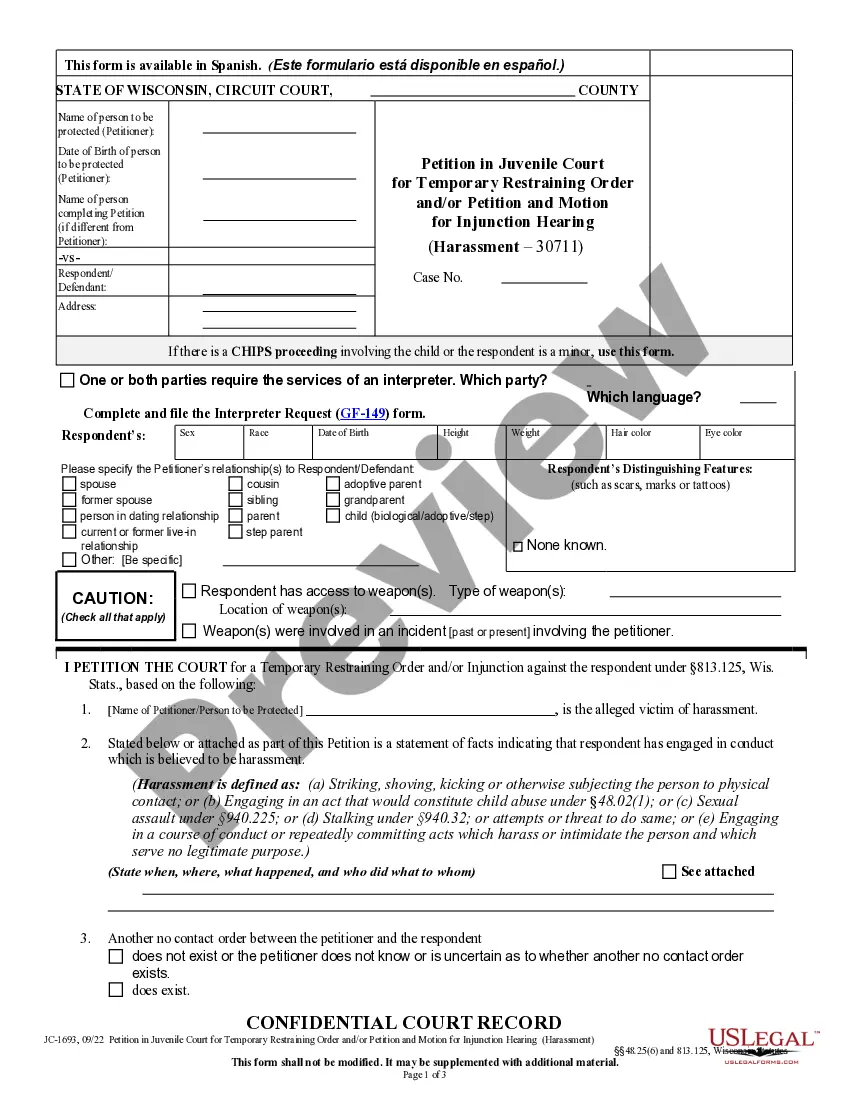
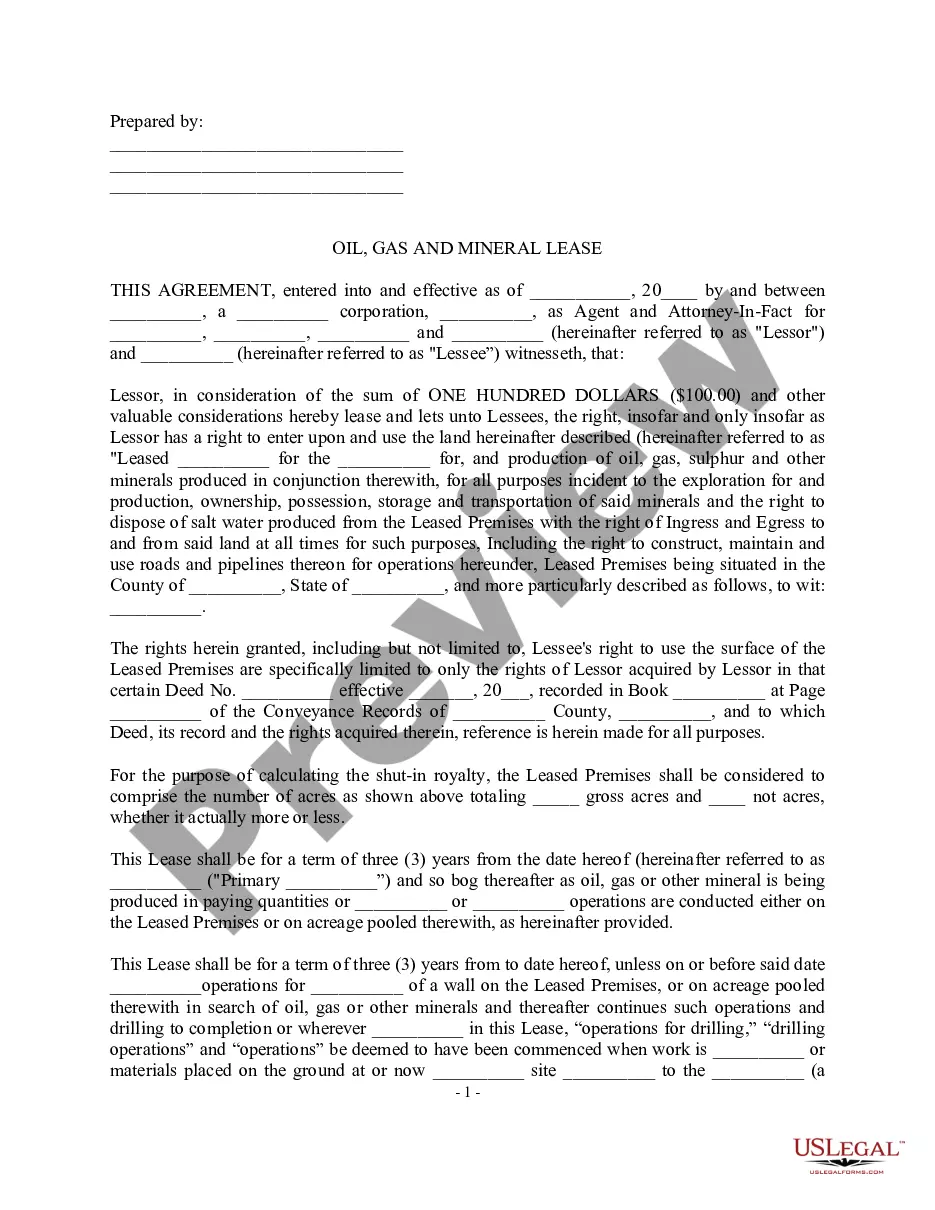
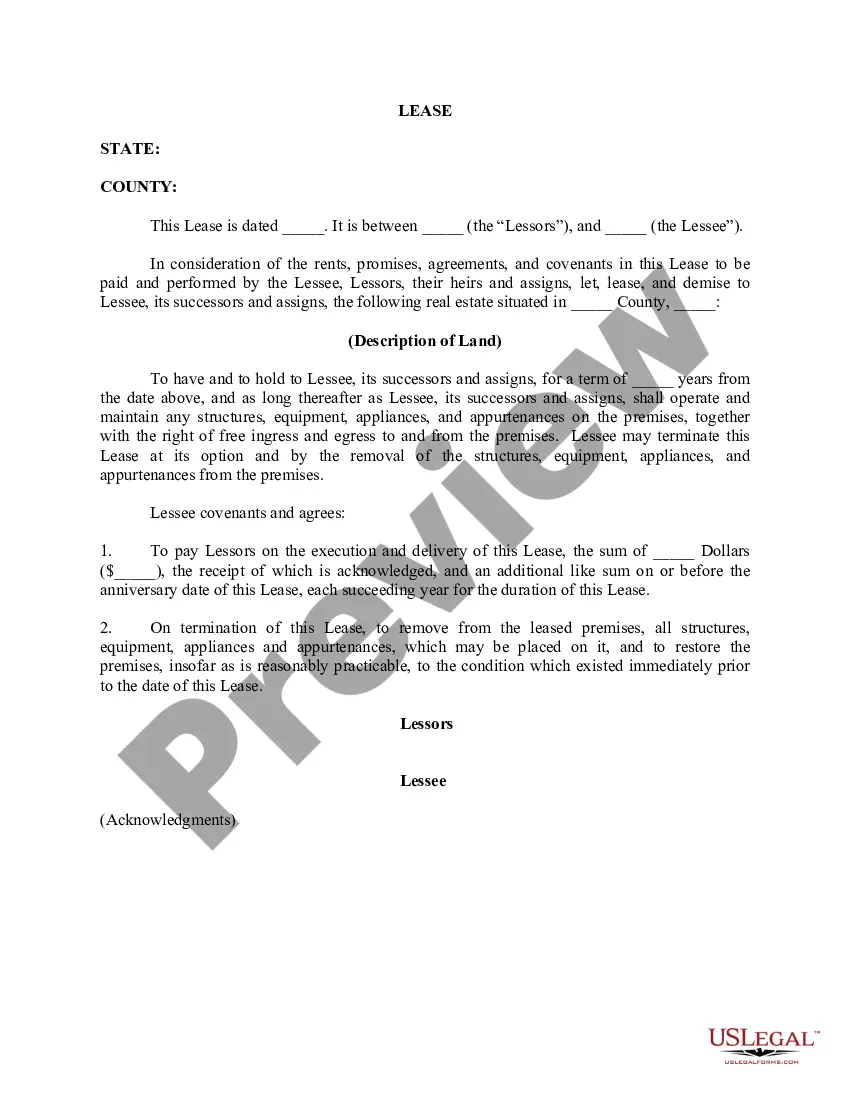
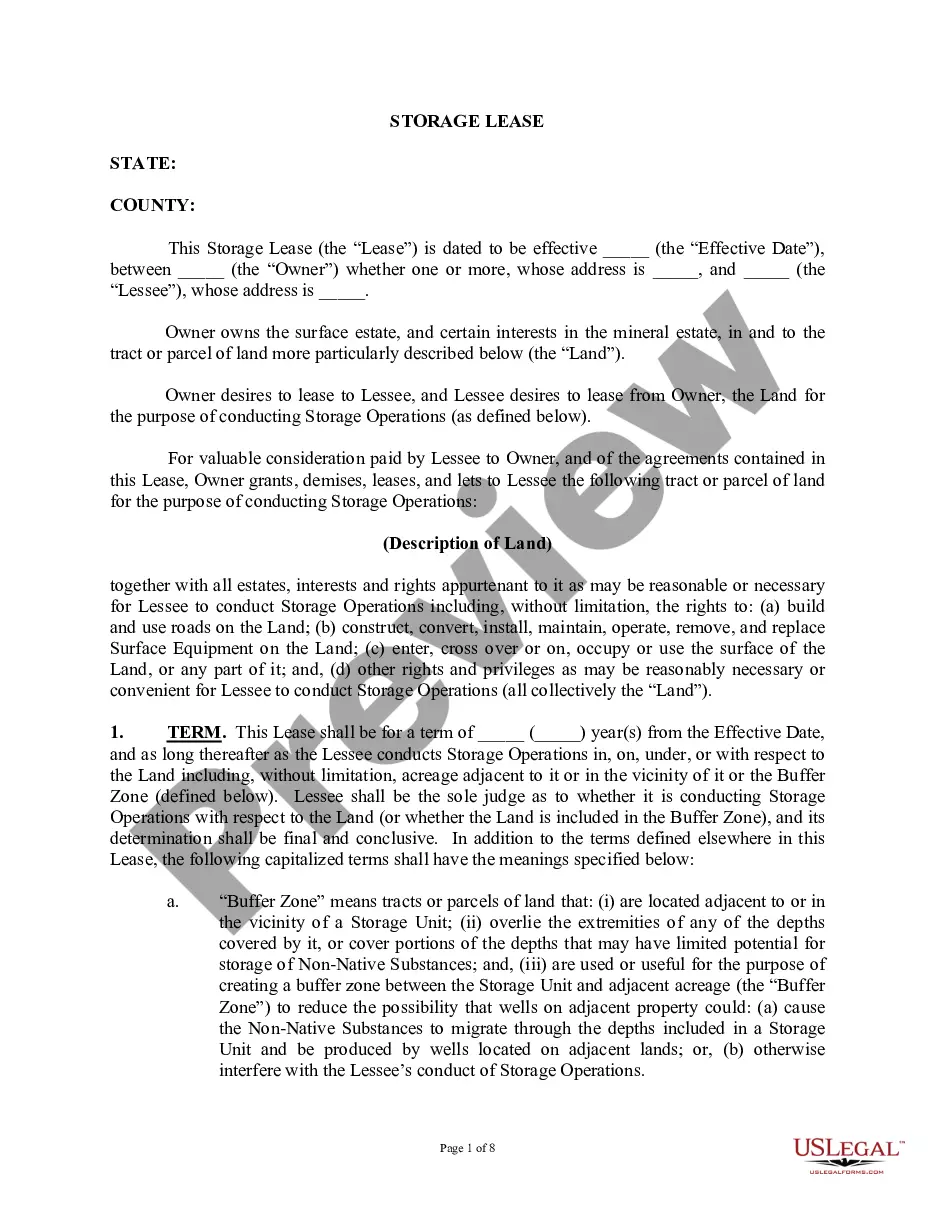
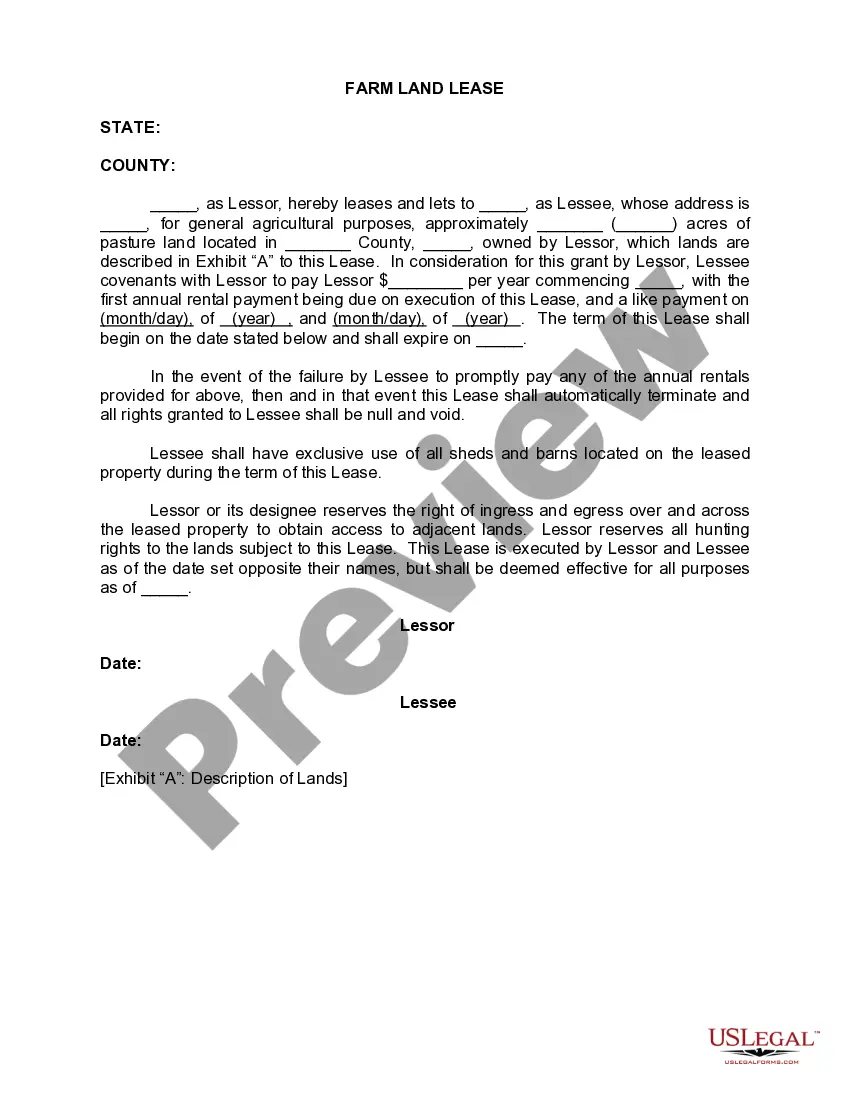
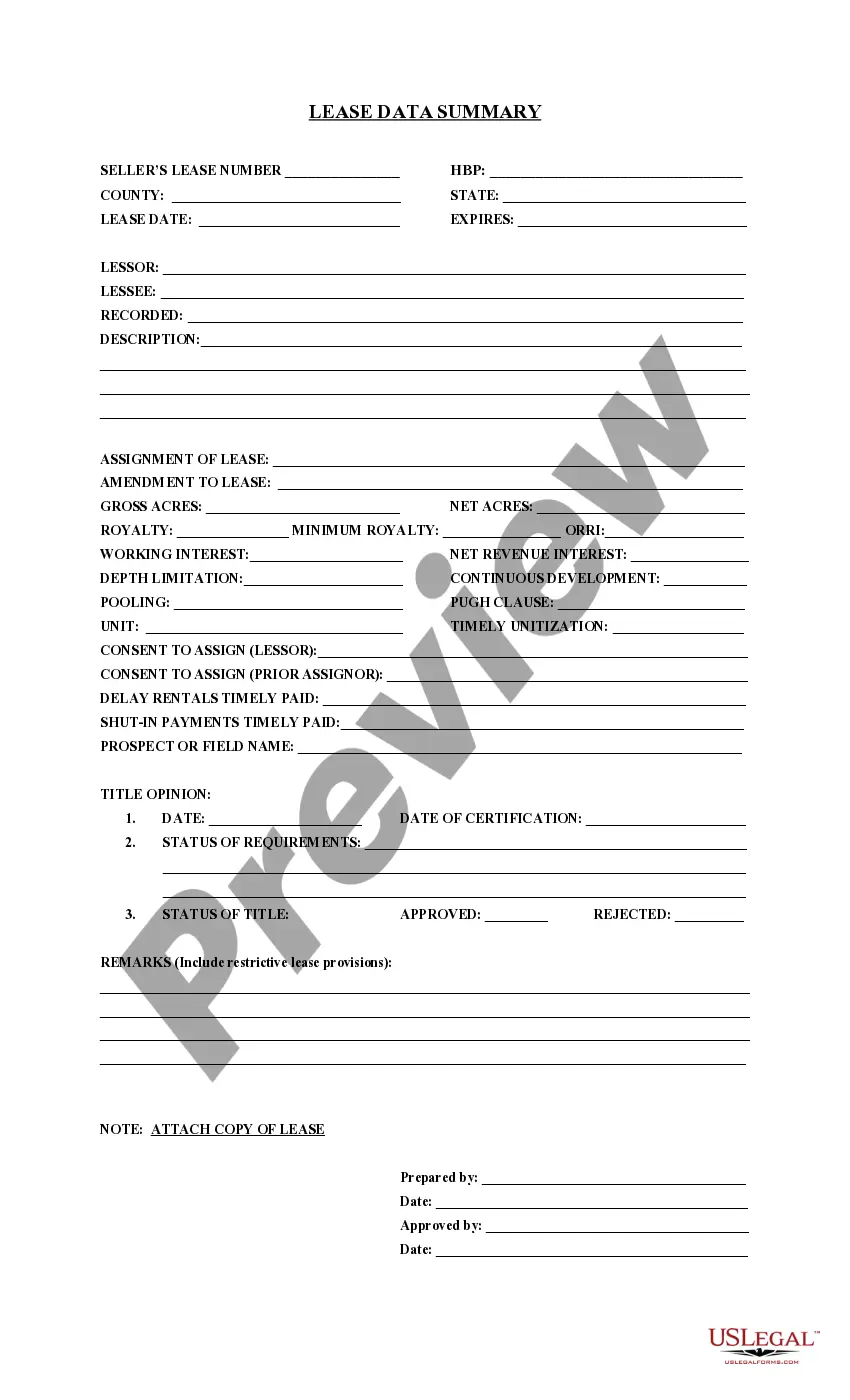
The Lease Information form is a legal document used to record specific details related to a lease agreement. This form assists parties involved in a lease transaction by compiling important information about the lease, the lessor, and lessee agreements. It is distinct from other real estate forms as it focuses specifically on lease agreements, ensuring that all pertinent lease data is organized and verified before finalizing transactions.
Key components of this form
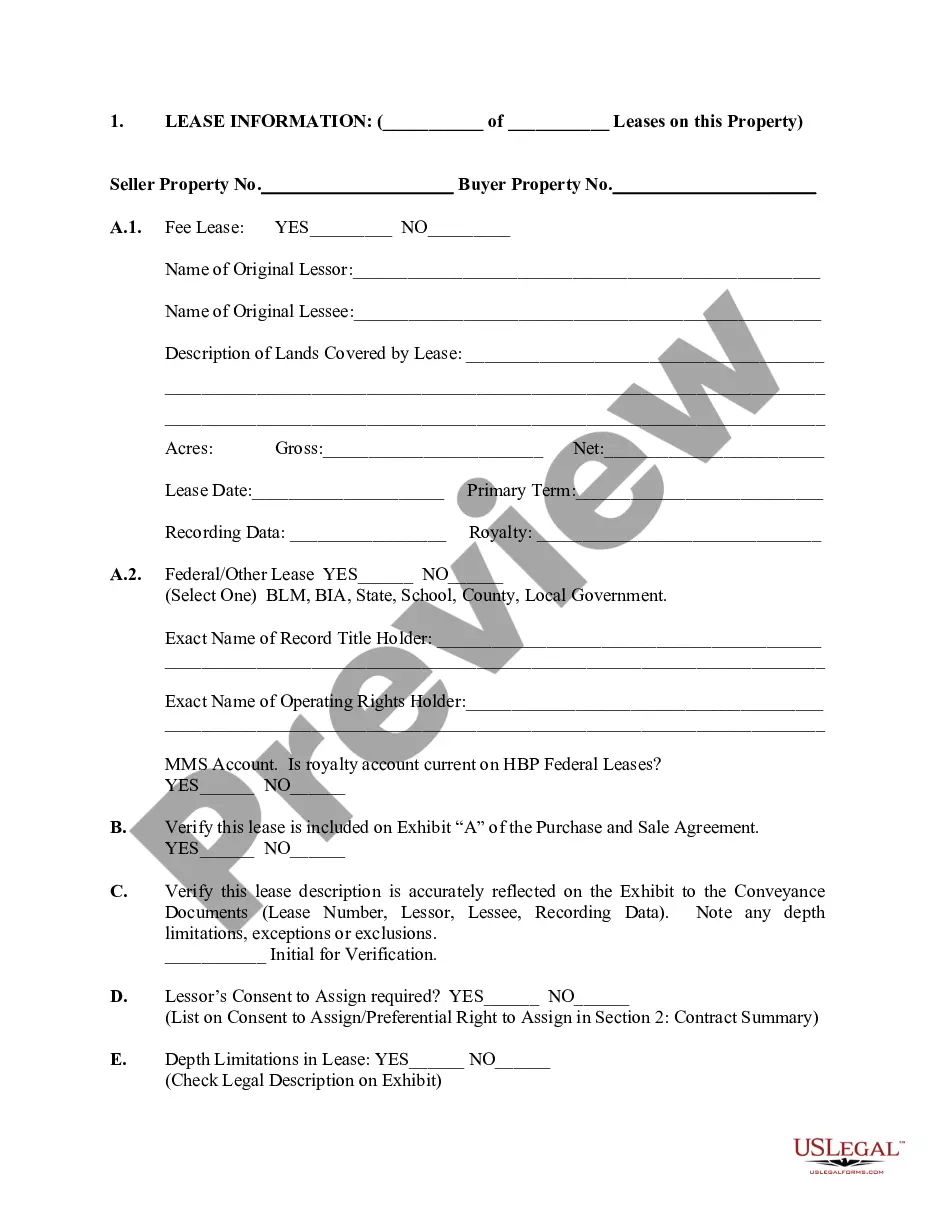
- Fee lease and federal/other lease identification
- Names of original lessor and lessee
- Description of lands covered by the lease
- Lease details including dates, royalties, and primary terms
- Verification of lease inclusion in purchase and sale agreements
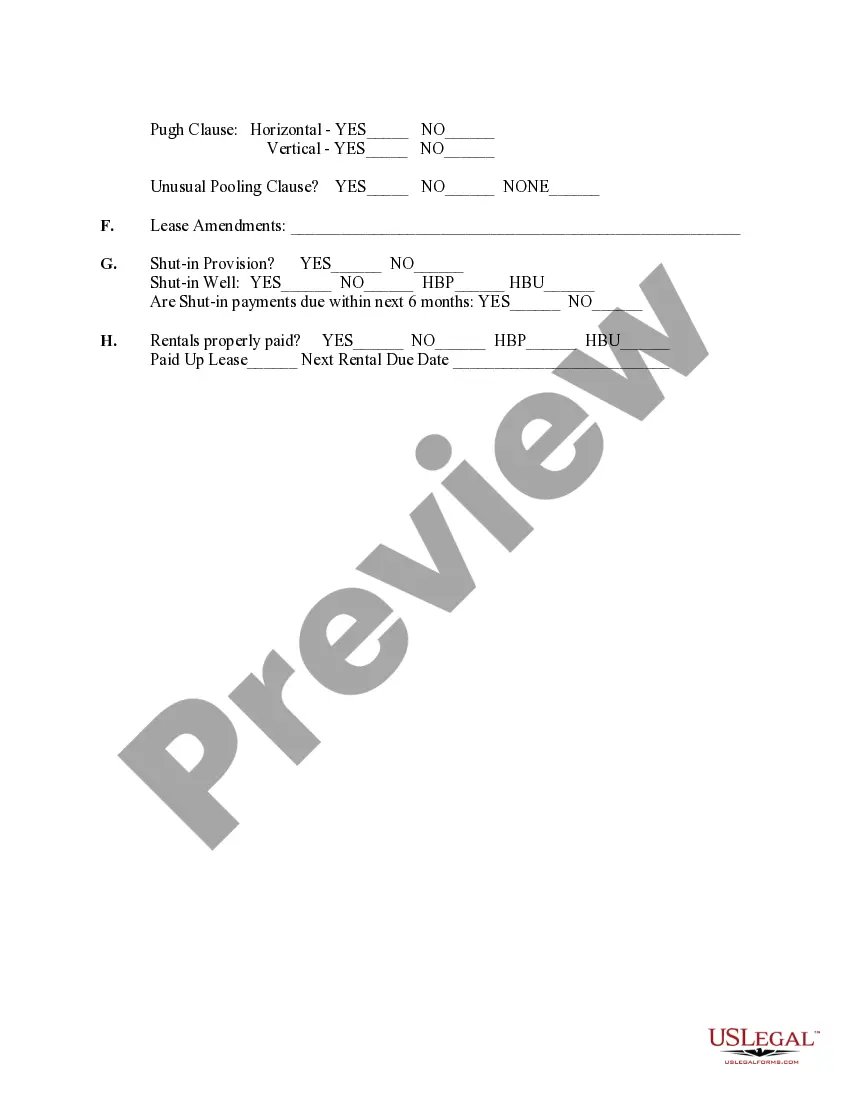
- Consent and conditions related to assignment of the lease
Common use cases
This form should be used when entering into a lease transaction involving land or property. It is essential when confirming lease details during property sales, ensuring both parties have accurate records of their agreements. Typically, it is relevant in cases where property rights are being transferred, and clarification on lease terms is necessary for a smooth transfer.
Who this form is for
- Real estate sellers and buyers during property transactions
- Landowners entering into lease agreements
- Lessee or lessee representatives managing lease conditions
- Attorneys assisting clients with lease-related issues
- Property managers overseeing multiple lease agreements
Completing this form step by step
- Identify the parties involved, including the lessor and lessee names.
- Provide a detailed description of the leased property, including any relevant acreage.
- Enter the lease date and specify the primary term of the lease.
- Verify and check the inclusion of the lease in the purchase agreement.
- Initial in the specified areas to confirm understanding and agreement of terms.
Does this form need to be notarized?
This form does not typically require notarization unless specified by local law. It is advisable to check local regulations to confirm if notarization is necessary to ensure the form's legal validity.
Get your form ready online
Our built-in tools help you complete, sign, share, and store your documents in one place.
Make edits, fill in missing information, and update formatting in US Legal Forms—just like you would in MS Word.
Download a copy, print it, send it by email, or mail it via USPS—whatever works best for your next step.
Sign and collect signatures with our SignNow integration. Send to multiple recipients, set reminders, and more. Go Premium to unlock E-Sign.
If this form requires notarization, complete it online through a secure video call—no need to meet a notary in person or wait for an appointment.
We protect your documents and personal data by following strict security and privacy standards.

Make edits, fill in missing information, and update formatting in US Legal Forms—just like you would in MS Word.

Download a copy, print it, send it by email, or mail it via USPS—whatever works best for your next step.

Sign and collect signatures with our SignNow integration. Send to multiple recipients, set reminders, and more. Go Premium to unlock E-Sign.

If this form requires notarization, complete it online through a secure video call—no need to meet a notary in person or wait for an appointment.

We protect your documents and personal data by following strict security and privacy standards.
Typical mistakes to avoid
- Failing to include accurate property descriptions, which may lead to disputes.
- Not verifying if the lease is included in the purchase sale agreement.
- Omitting essential details about rental payment schedules and conditions.
- Ignoring consent requirements that may affect the lease assignment.
Benefits of using this form online
- Convenience of instant access and downloadable format.
- Editability allows for personalization to fit specific circumstances.
- Reliability in using attorney-drafted templates for accuracy.
Looking for another form?
Form popularity
FAQ
A lease is a contractual arrangement calling for the lessee (user) to pay the lessor (owner) for use of an asset.For example, a person leasing a car may agree to the condition that the car will only be used for personal use. The term rental agreement can refer to two kinds of leases.
Leases are contracts in which the property/asset owner allows another party to use the property/asset in exchange for money or other assets. The two most common types of leases in accounting are operating and financing (capital leases). Advantages, disadvantages, and examples. Lessor vs Lessee.
The time duration for leasing is long, whereas rent is for the short term. There are two parties in a lease agreement, i.e. lessor and lessee. Conversely, the landlord and tenant are the parties in case of renting. The lessee pays lease rentals to the lessor while the tenant pays rent to the landlord.
Names of all tenants. Limits on occupancy. Term of the tenancy. Rent. Deposits and fees. Repairs and maintenance. Entry to rental property. Restrictions on tenant illegal activity.
In leasing, the servicing and maintenance are done by the lessee when s/he takes the equipment on lease. In renting, on the other hand, the servicing and maintenance are done by the landlord even if the tenant takes the property on rent. Leasing is done for a fixed period of time mostly for the medium to long term.
Names of All Tenants and Occupants. Description of Rental Property. Term of the Tenancy. Rental Price. Security Deposits and Fees. Repair and Maintenance Policies. Landlord's Right to Enter Rental Property. Rules and Important Policies.
Financial Lease. Financial leasing is a contract involving payment over a longer period. Operating Lease. Leveraged and non-leveraged leases. Conveyance type lease. Sale and leaseback. Full and non pay-out lease. Specialized service lease. Net and non-net lease.
The two most common types of leases are operating leases and financing leases (also called capital leases). In order to differentiate between the two, one must consider how fully the risks and rewards associated with ownership of the asset have been transferred to the lessee from the lessor.
Leases are contracts in which the property/asset owner allows another party to use the property/asset in exchange for money or other assets. The two most common types of leases in accounting are operating and financing (capital leases). Advantages, disadvantages, and examples. Lessor vs Lessee.