Noise Ordinance
Understanding this form
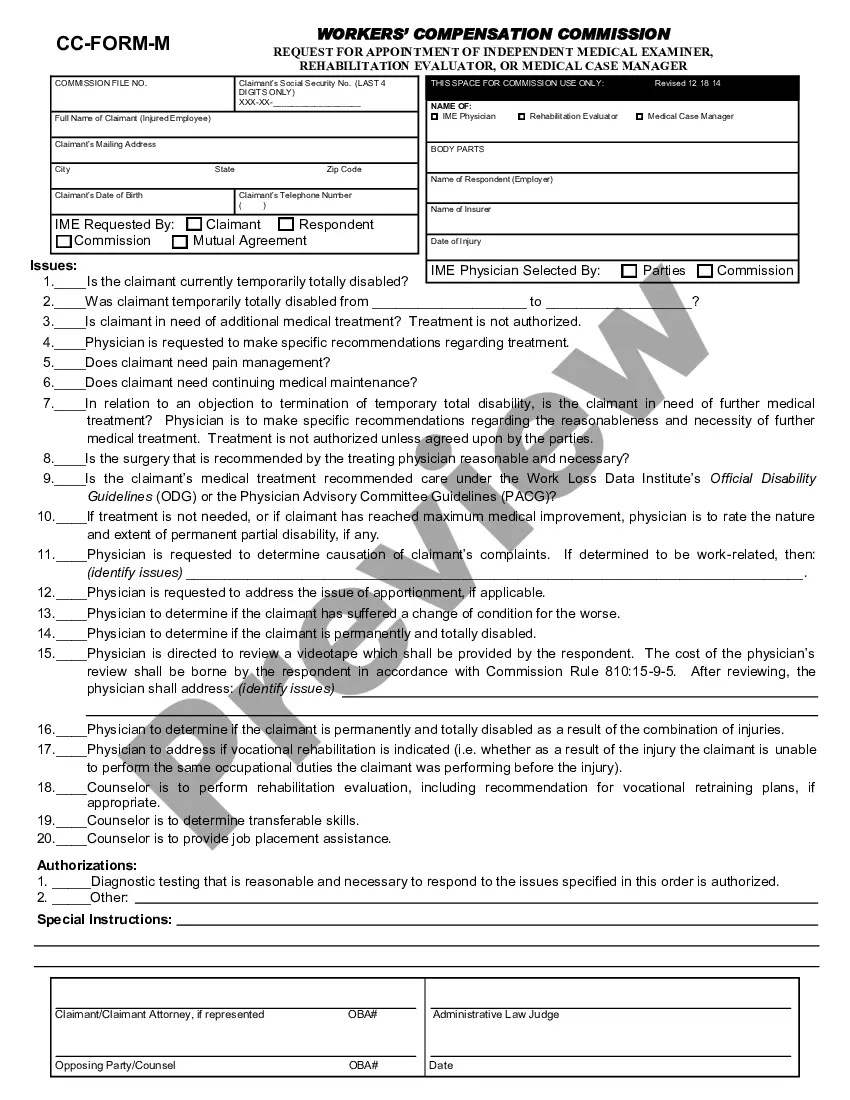
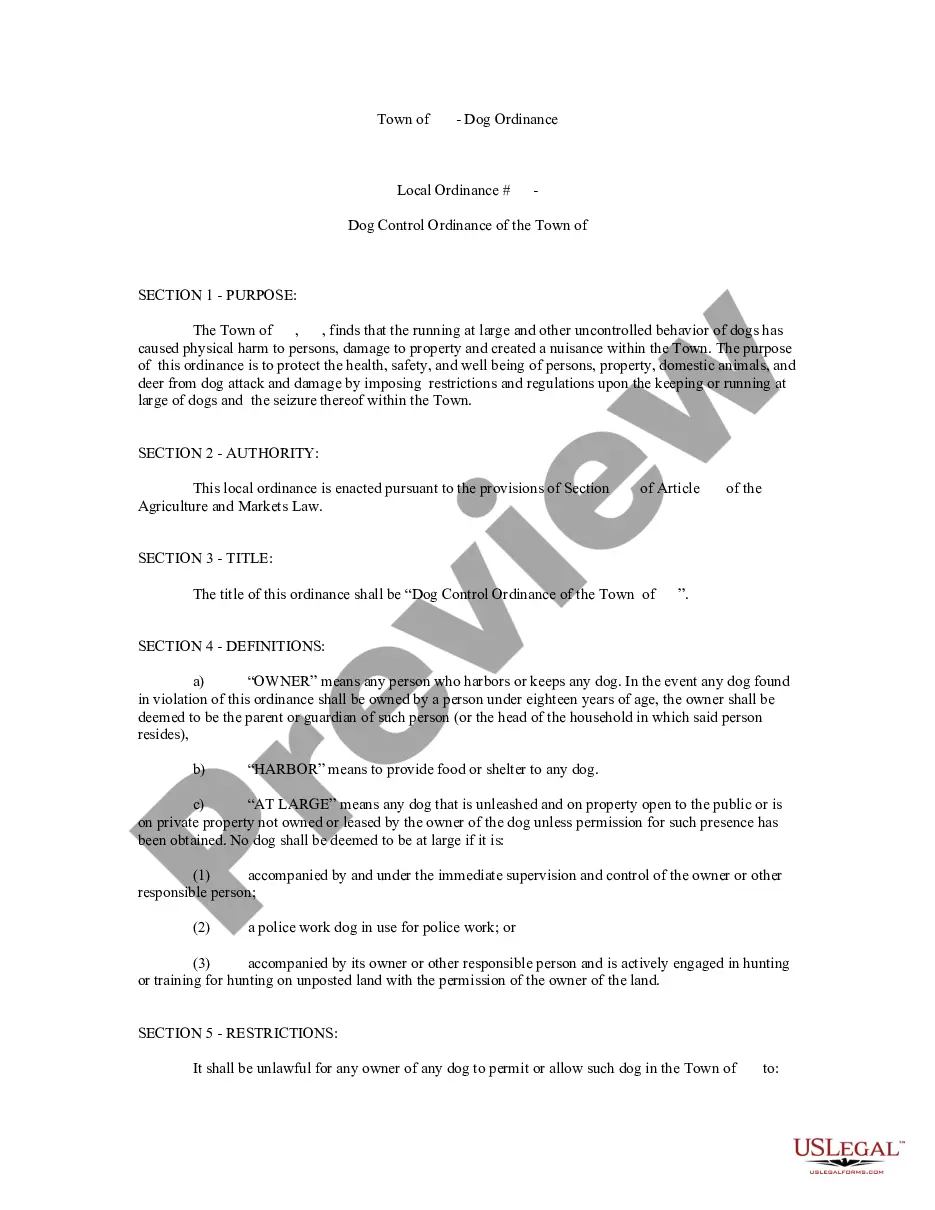
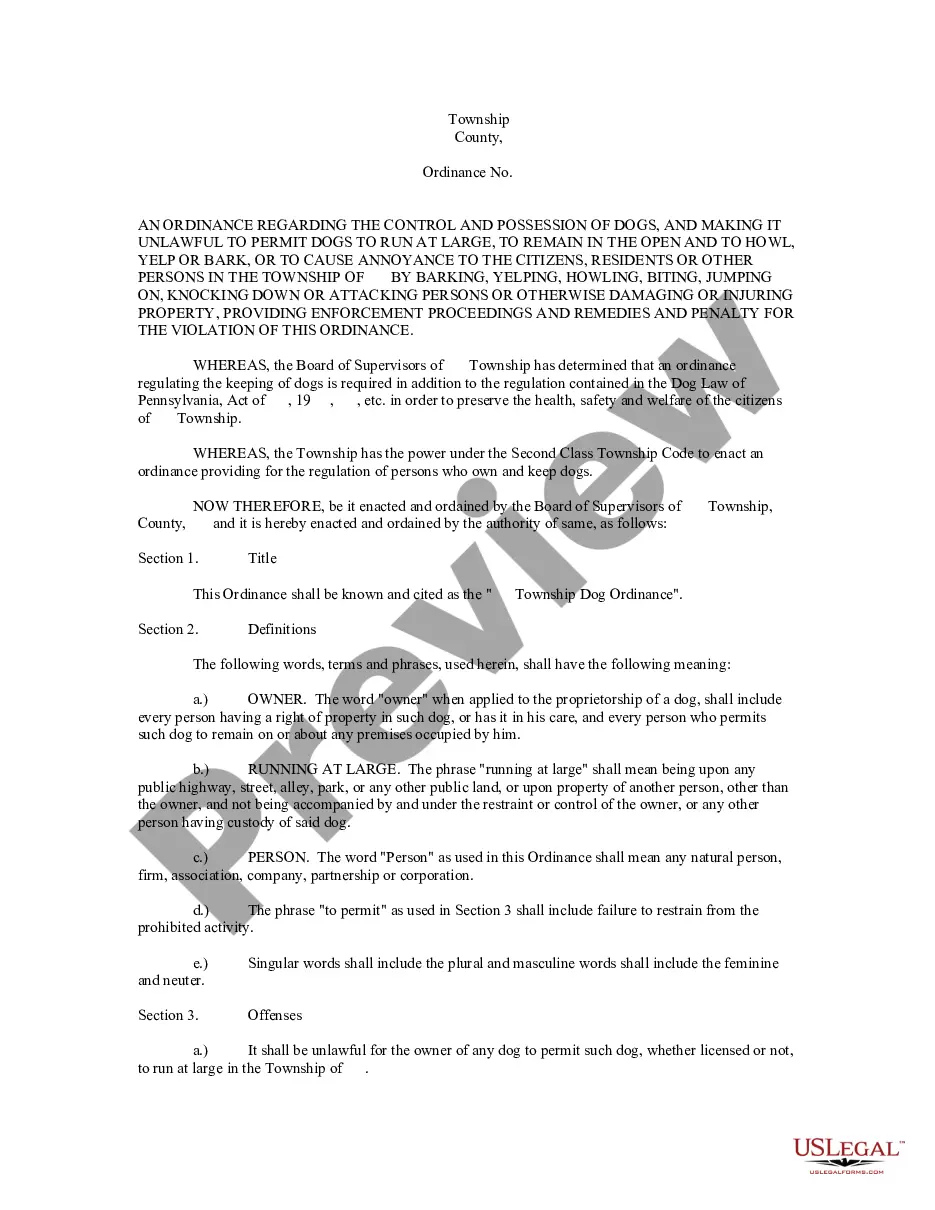
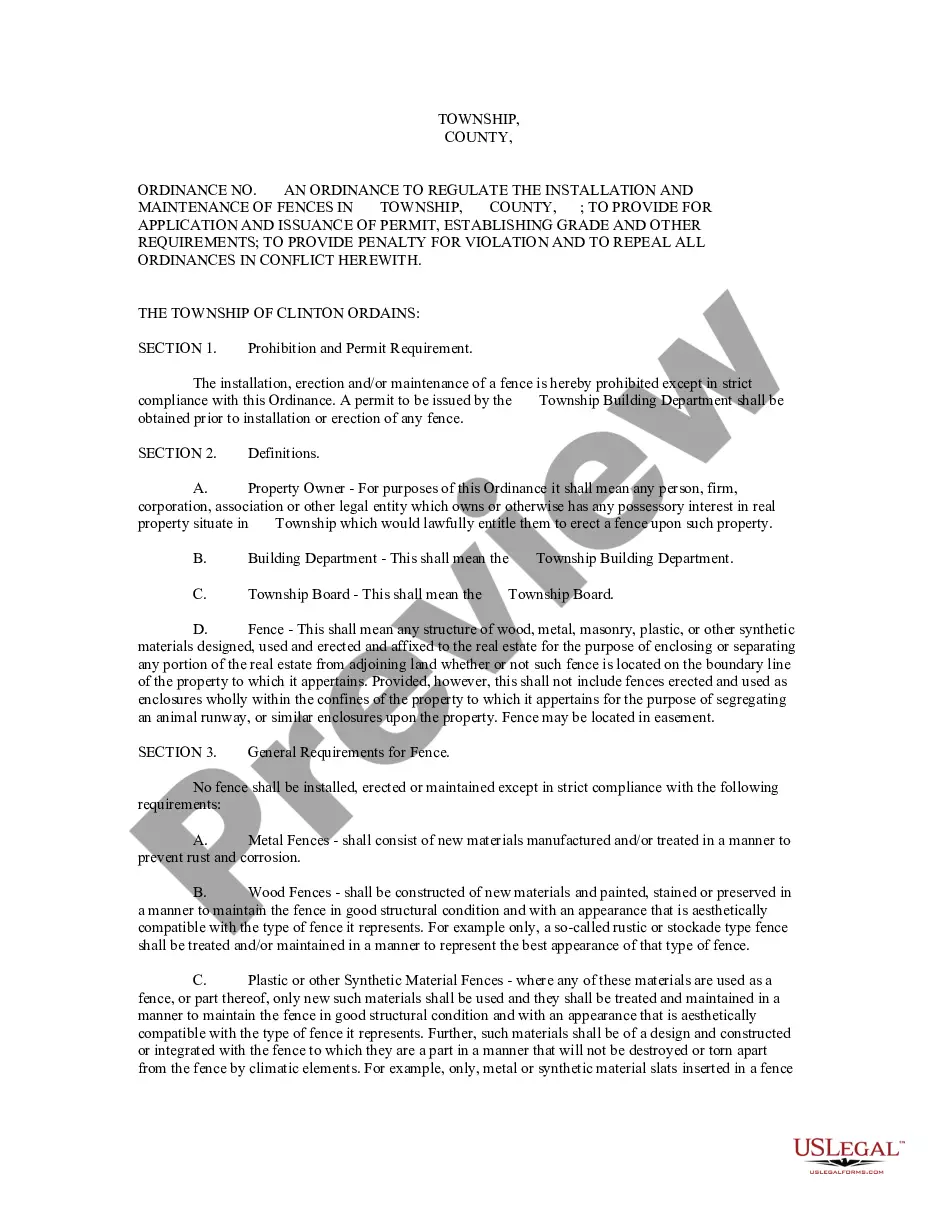
The Noise Ordinance is a municipal code template that establishes regulations to control excessive noise within a specific county. This form emphasizes the importance of maintaining public peace and safety by defining what constitutes unreasonably loud and disturbing noise. It serves as a guideline for local governments to protect citizens from excessive sound disruptions and differs from similar legal forms by specifically addressing noise levels and enforcement measures unique to the locality.
Main sections of this form
- Authorizes counties to regulate noise levels for public health and safety.
- Defines unreasonably loud and disturbing noise with clear criteria.
- Outlines enforcement provisions, including penalties for violations.
- Exempts agricultural operations from the ordinance.
- Establishes the ordinance's validity and implementation procedures.

When to use this form
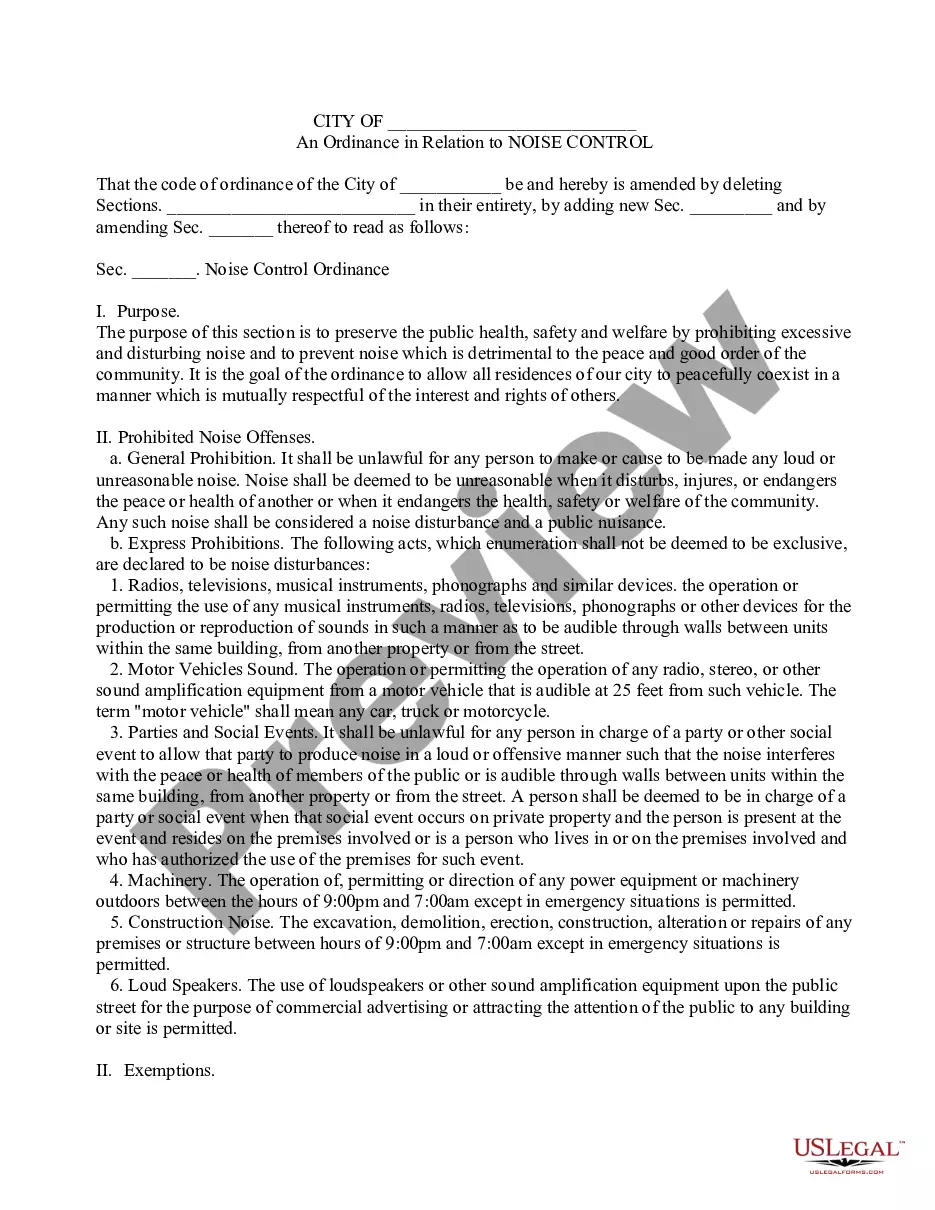
This form is useful for local governments or municipal boards seeking to implement or update noise regulations to address community concerns about noise pollution. It is applicable in instances such as urban planning, responding to citizen complaints about noise disturbances, or when considering new developments that may affect noise levels in residential areas.
Who should use this form
- Local government officials responsible for public safety and community welfare.
- Members of municipal boards or commissions engaged in law-making.
- Residents concerned about noise disturbances seeking to advocate for local ordinances.
How to prepare this document
- Insert the name of the county and any relevant authorizing statutes at the start of the ordinance.
- Define the specific parameters that will be considered as unreasonably loud or disturbing noise.
- Outline the enforcement mechanism and penalties for violations, ensuring they align with local laws.
- Specify any exemptions applicable to certain activities, such as farming operations.
- Provide details on the effective date once the ordinance is adopted.
Does this document require notarization?
This form does not typically require notarization unless specified by local law. Always check with relevant authorities to ensure compliance with local regulations regarding the adoption of municipal ordinances.
Get your form ready online
Our built-in tools help you complete, sign, share, and store your documents in one place.
Make edits, fill in missing information, and update formatting in US Legal Forms—just like you would in MS Word.
Download a copy, print it, send it by email, or mail it via USPS—whatever works best for your next step.
Sign and collect signatures with our SignNow integration. Send to multiple recipients, set reminders, and more. Go Premium to unlock E-Sign.
If this form requires notarization, complete it online through a secure video call—no need to meet a notary in person or wait for an appointment.
We protect your documents and personal data by following strict security and privacy standards.

Make edits, fill in missing information, and update formatting in US Legal Forms—just like you would in MS Word.

Download a copy, print it, send it by email, or mail it via USPS—whatever works best for your next step.

Sign and collect signatures with our SignNow integration. Send to multiple recipients, set reminders, and more. Go Premium to unlock E-Sign.

If this form requires notarization, complete it online through a secure video call—no need to meet a notary in person or wait for an appointment.

We protect your documents and personal data by following strict security and privacy standards.
Common mistakes to avoid
- Failing to include clear definitions for noise categories, leading to ambiguity in enforcement.
- Overlooking local legal requirements that may necessitate specific language adjustments.
- Neglecting to outline enforcement measures, which can result in ineffective application of the ordinance.
Benefits of completing this form online
- Convenient access to a legally vetted template that saves time and resources.
- Editable format allows users to customize the ordinance to meet local needs.
- Immediate availability ensures swift action can be taken in response to community concerns.
Legal use & context
- The Noise Ordinance holds legal weight once adopted by the municipal governing body.
- Violations can lead to fines or imprisonment under municipal law.
- This form is critical for enforcing noise regulations effectively within a community.
Main things to remember
- The Noise Ordinance is essential for regulating excessive noise in communities.
- Municipalities need to adopt this form to protect citizen welfare.
- Understanding local laws and definitions is critical for effective implementation.
Looking for another form?


Form popularity
FAQ
Proof is Easy to Come By A recording showing the decibels in your property of normal speech and background noise followed by a recording of the same areas when the neighbor is being noisy can be a very powerful tool for proving your case to law enforcement and in court.
Any complaints about noise should be directed to the Environmental Health Officer at your council.Call the police assistance line in NSW on 131 444 if the noise is non urgent or not related to violence.
In many cases the easiest way to record ambient sound is to use your video camera. Simply position the camera in a good spot to capture the scene's background noise, making sure you're not too close to anything that might sound noticeably louder then the rest of the background.
So that means, the quick answer to "is it legal for you to record noisy neighbours?" is "yes", but, as is so often the case with the law, there are caveats and exceptions. It is highly recommended that you follow the advice of a mediation service before installing any recording equipment.
If you have talked to your neighbour and they are still making noise you might consider getting the local authority involved. After you complain the council will send your neighbour a letter telling them that people have complained.
Re: Nuisance neighbour evidence.. To record it effectively you'll need a boundary or pressure zone mic -- or a contact mic -- fixed to the ceiling (or maybe a wall), and recorded with something that has a flat resposne down to 10Hz or so.
In industrial areas, the permissible limit is 75 dB for daytime and 70 dB at night. In commercial areas, it is 65 dB and 55 dB, while in residential areas it is 55 dB and 45 dB during daytime and night respectively.
Laws in the U.S. Related to Noise at Night The accepted standard is that people should not be playing loud music (50 decibels or higher) between the hours of 11 p.m. and 7 a.m. Many feel that it is acceptable to push that to midnight or 1 a.m. on weekends and holidays.
In dwellings, the critical effects of noise are on sleep, annoyance and speech interference. To avoid sleep disturbance, indoor guideline values for bedrooms are 30 dB LAeq for continuous noise and 45 dB LAmax for single sound events. Lower levels may be annoying, depending on the nature of the noise source.