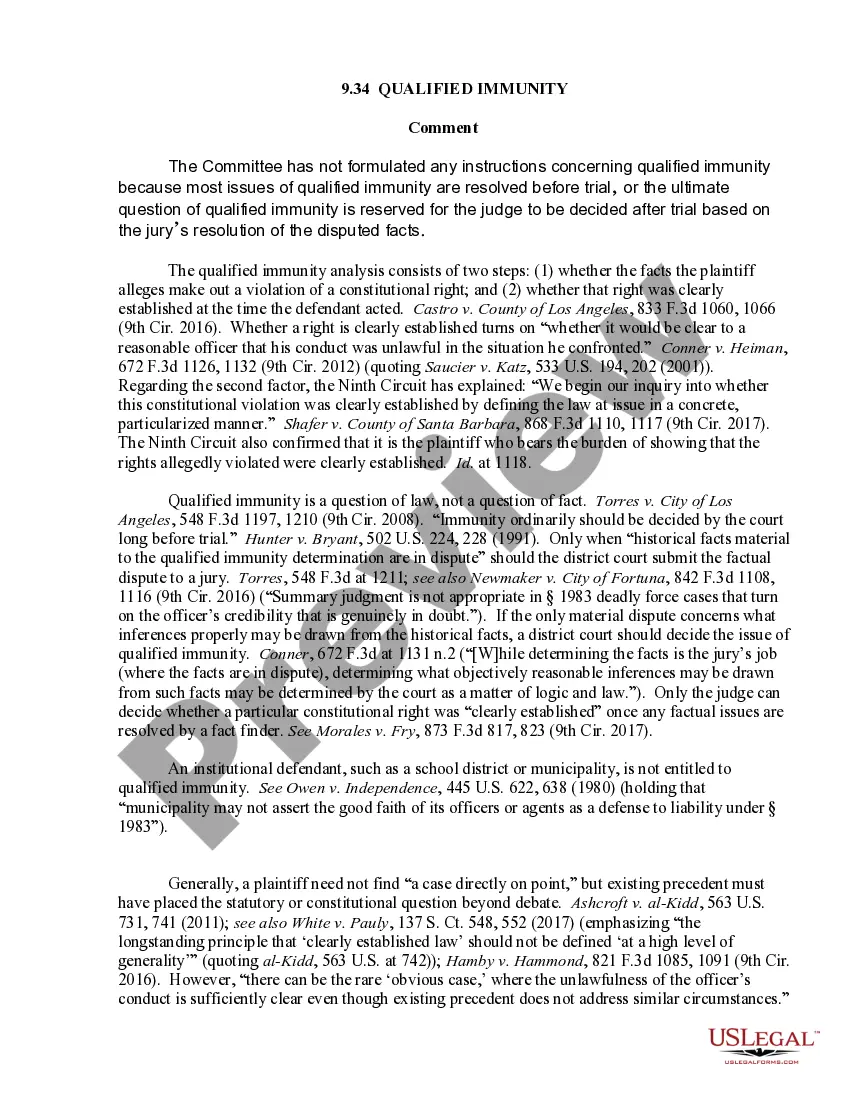
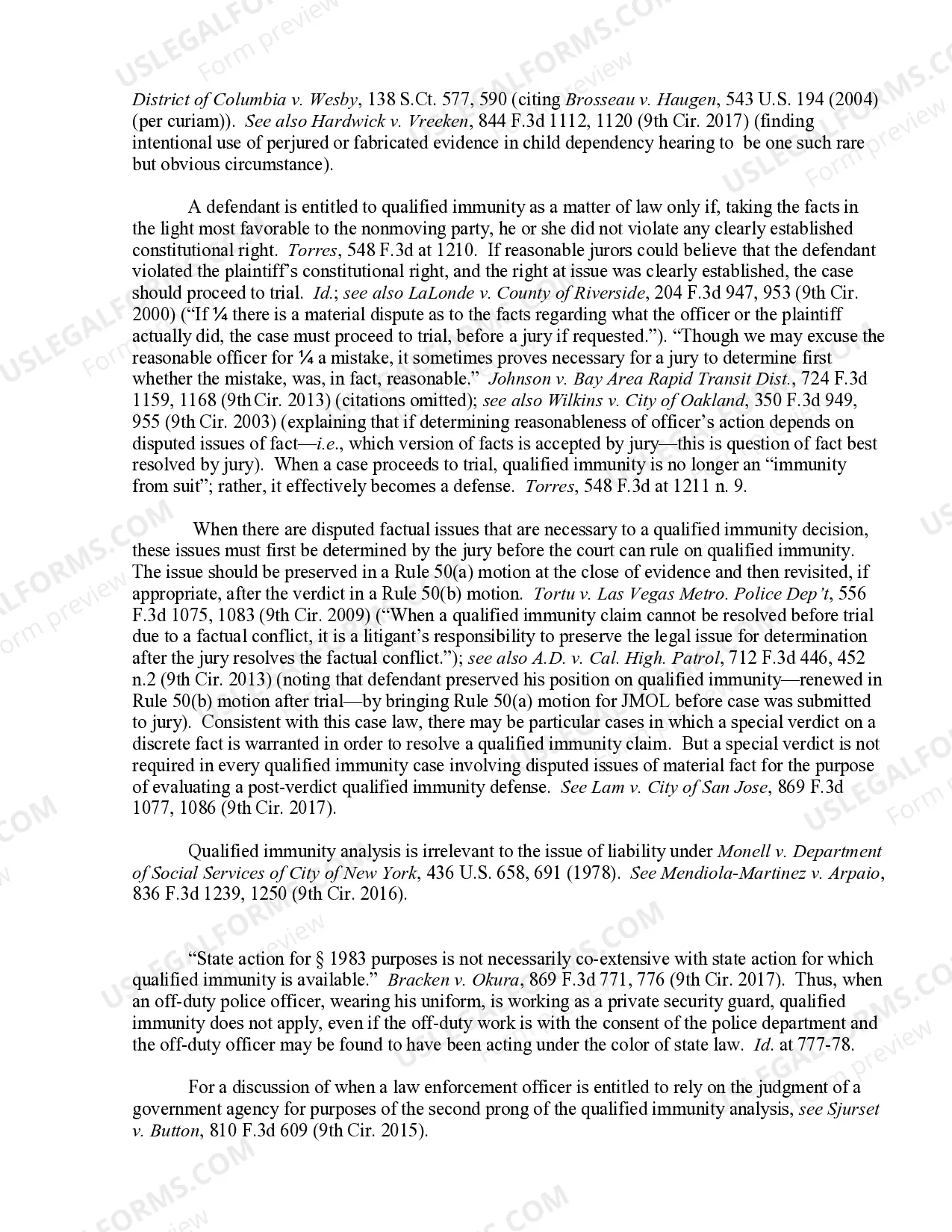
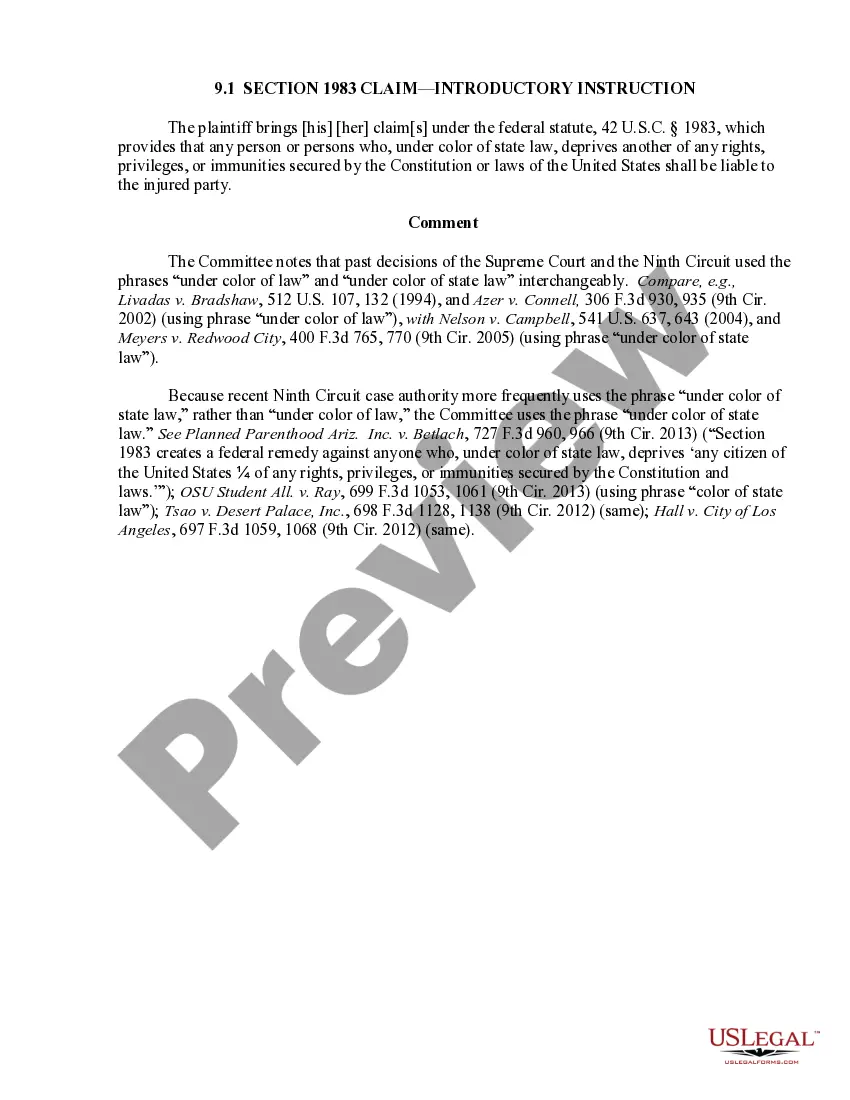
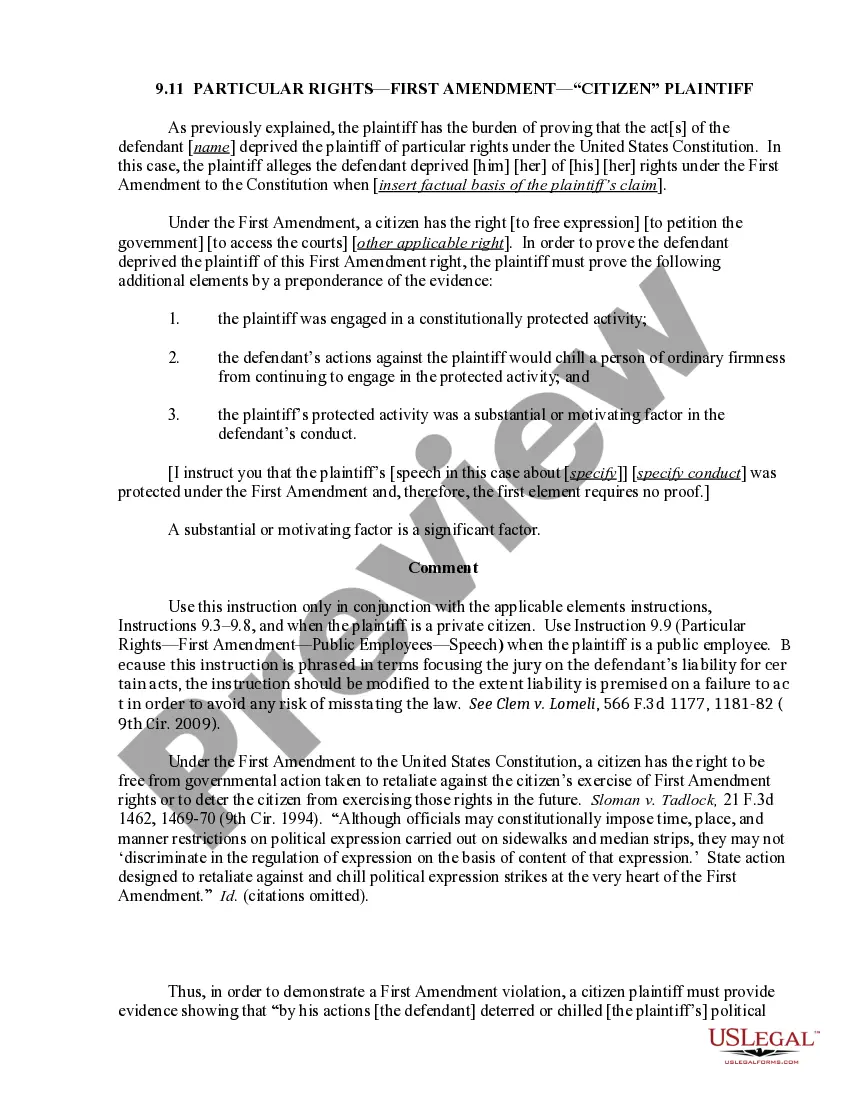
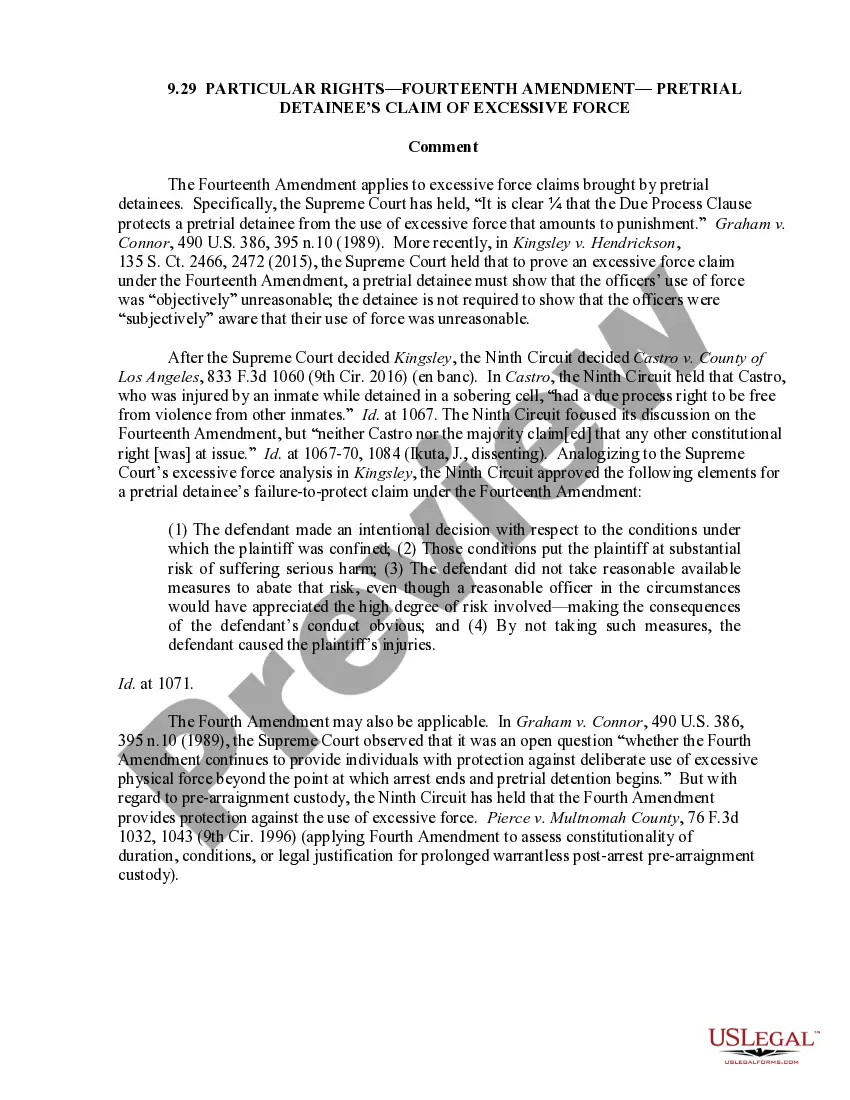
9.34 Qualified Immunity (Comment only)

Does this form need to be notarized?
This form usually doesn’t need to be notarized. However, local laws or specific transactions may require it. Our online notarization service, powered by Notarize, lets you complete it remotely through a secure video session, available 24/7.
Get your form ready online
Our built-in tools help you complete, sign, share, and store your documents in one place.
Make edits, fill in missing information, and update formatting in US Legal Forms—just like you would in MS Word.
Download a copy, print it, send it by email, or mail it via USPS—whatever works best for your next step.
Sign and collect signatures with our SignNow integration. Send to multiple recipients, set reminders, and more. Go Premium to unlock E-Sign.
If this form requires notarization, complete it online through a secure video call—no need to meet a notary in person or wait for an appointment.
We protect your documents and personal data by following strict security and privacy standards.

Make edits, fill in missing information, and update formatting in US Legal Forms—just like you would in MS Word.

Download a copy, print it, send it by email, or mail it via USPS—whatever works best for your next step.

Sign and collect signatures with our SignNow integration. Send to multiple recipients, set reminders, and more. Go Premium to unlock E-Sign.

If this form requires notarization, complete it online through a secure video call—no need to meet a notary in person or wait for an appointment.

We protect your documents and personal data by following strict security and privacy standards.
Looking for another form?



Form popularity
FAQ
There are multiple pathways to end qualified immunity. The Supreme Court can revisit the doctrine and abolish or limit it. Congressional legislation can also abolish qualified immunity, as the George Floyd Justice in Policing Act aimed to do before it stalled in the U.S. Senate.
The Supreme Court has set forth a two-part analysis when determining whether an official is entitled to qualified immunity: (1) whether the facts alleged by the plaintiff amount to a constitutional violation, and (2) if so, whether the constitutional right was ?clearly established? at the time of the misconduct.
Markey (D-MA) re-introduced their Ending Qualified Immunity Act, legislation that would eliminate the unjust and court-invented doctrine of qualified immunity and restore the ability for people to obtain relief when state and local officials, including police officers, violate their legal and constitutionally secured
Examples of Qualified Immunity. In 2013, three Fresno, California, police officers were accused of stealing $151,380 in cash and another $125,000 in rare coins while legally executing a search warrant in the home of two men suspected of (but never charged with) operating illegal gambling machines.
There are circumstances in which a public official can be held accountable for constitutional violations in civil court. However, in the Supreme Court's own words, qualified immunity is an officer-friendly doctrine that protects ?all but the plainly incompetent or those who knowingly violate the law."