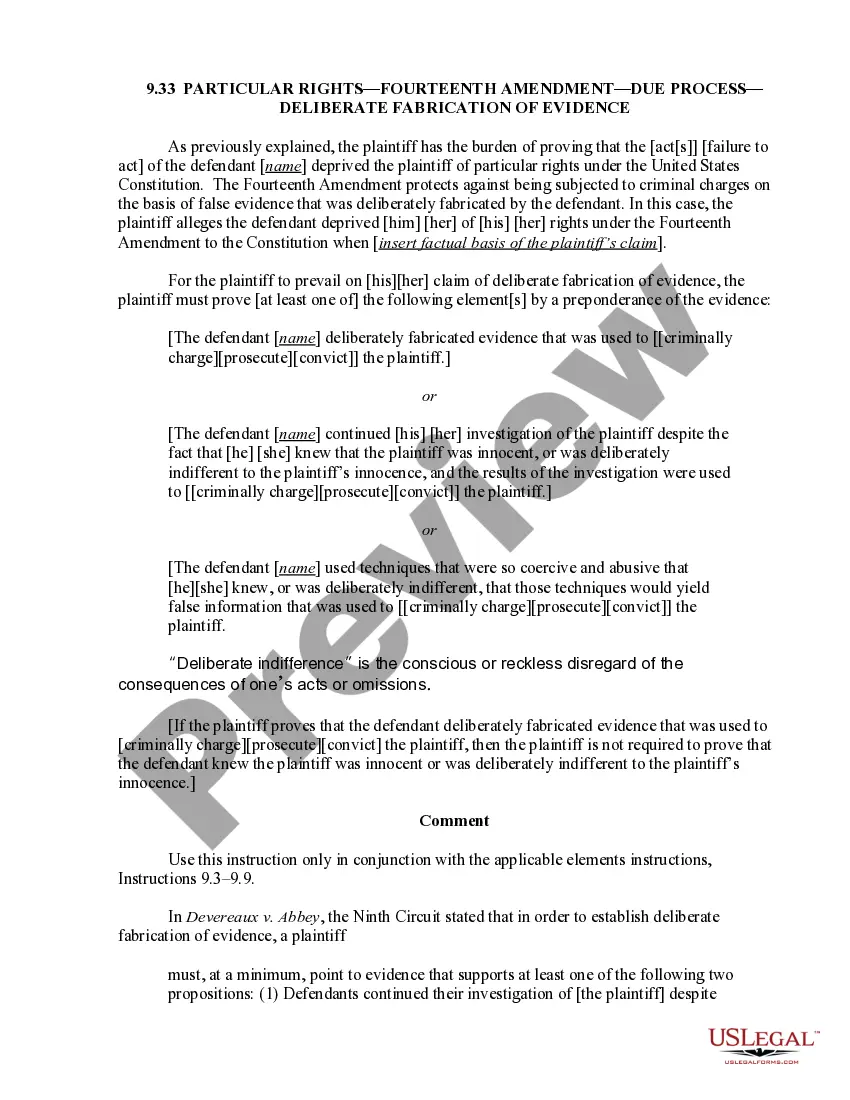
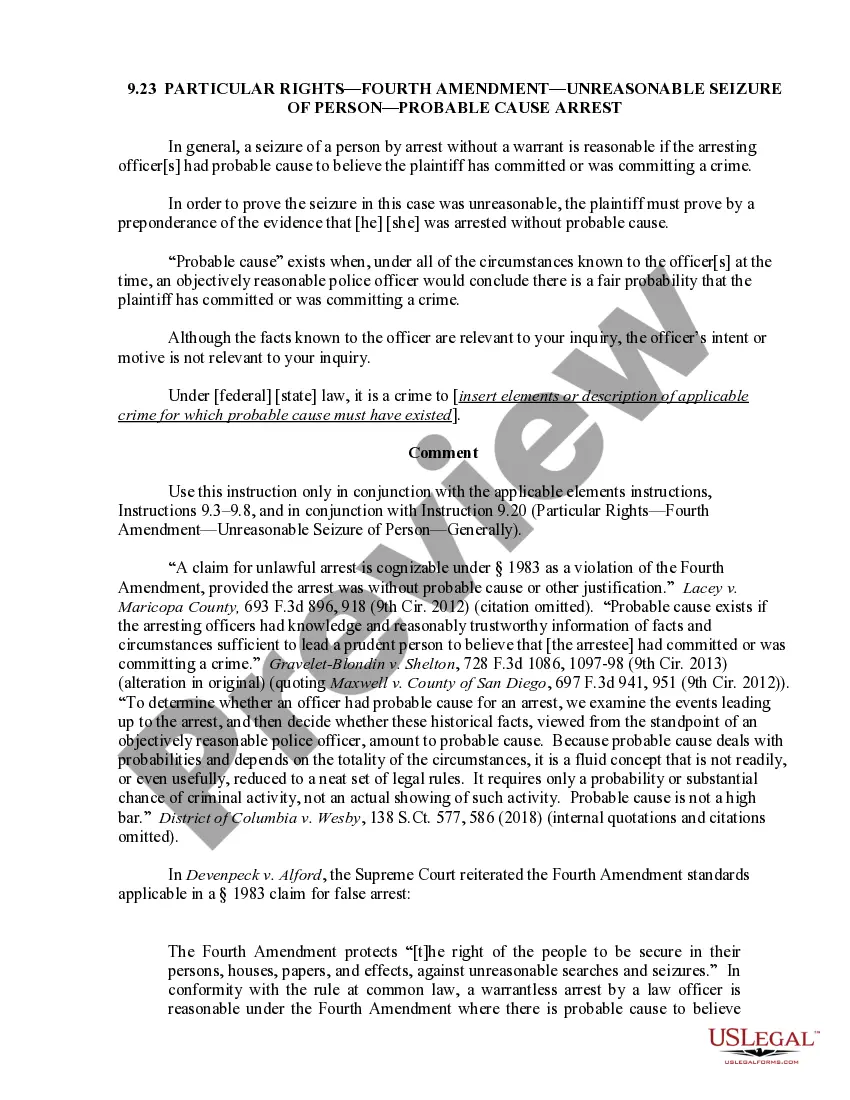
9.33 Particular Rights-Fourteenth Amendment-Due Process-Deliberate Fabrication of Evidence
Is notarization required?
Notarization is generally not required for this form. However, certain states or situations might demand it. You can complete notarization online through US Legal Forms, powered by Notarize, using a verified video call available anytime.
Get your form ready online
Our built-in tools help you complete, sign, share, and store your documents in one place.
Make edits, fill in missing information, and update formatting in US Legal Forms—just like you would in MS Word.
Download a copy, print it, send it by email, or mail it via USPS—whatever works best for your next step.
Sign and collect signatures with our SignNow integration. Send to multiple recipients, set reminders, and more. Go Premium to unlock E-Sign.
If this form requires notarization, complete it online through a secure video call—no need to meet a notary in person or wait for an appointment.
We protect your documents and personal data by following strict security and privacy standards.

Make edits, fill in missing information, and update formatting in US Legal Forms—just like you would in MS Word.

Download a copy, print it, send it by email, or mail it via USPS—whatever works best for your next step.

Sign and collect signatures with our SignNow integration. Send to multiple recipients, set reminders, and more. Go Premium to unlock E-Sign.

If this form requires notarization, complete it online through a secure video call—no need to meet a notary in person or wait for an appointment.

We protect your documents and personal data by following strict security and privacy standards.
Looking for another form?

Form popularity
FAQ
No State shall make or enforce any law which shall abridge the privileges or immunities of citizens of the United States; nor shall any State deprive any person of life, liberty, or property, without due process of law; nor deny to any person within its jurisdiction the equal protection of the laws.
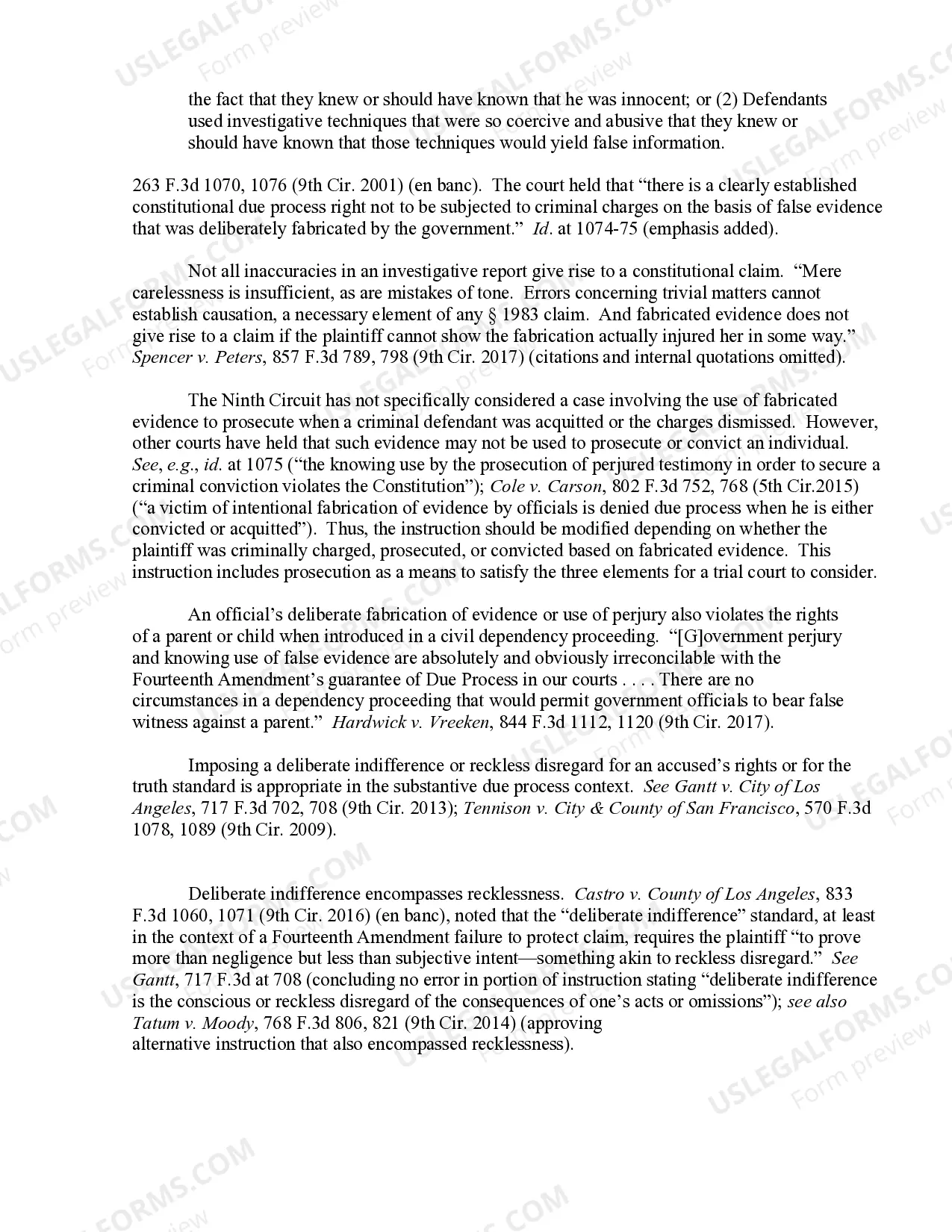
The Fourteenth Amendment protects against being subjected to criminal charges on the basis of false evidence that was deliberately fabricated by the defendant.
Making room for these innovations, the Court has determined that due process requires, at a minimum: (1) notice; (2) an opportunity to be heard; and (3) an impartial tribunal.
Due process under the Fourteenth Amendment can be broken down into two categories: procedural due process and substantive due process. Procedural due process, based on principles of ?fundamental fairness,? addresses which legal procedures are required to be followed in state proceedings.
List of 14th amendment cases Case nameYearCitationPlessy v. Ferguson1896163 U.S. 537Cumming v. Richmond County Board of Education1899175 U.S. 528Lum v. Rice1927275 U.S. 78Roberto Alvarez v. Board of Trustees of the Lemon Grove School District193166625 Cal. Super.28 more rows
The Constitution uses the phrase in the 5th and 14th Amendments, declaring that the government shall not deprive anyone of "life, liberty, or property, without due process of law..." The 5th Amendment protects people from actions of the federal government, and the 14th protects them from actions by state and local
Among them was the Fourteenth Amendment, which prohibits the states from depriving ?any person of life, liberty, or property, without due process of law.? When it was adopted, the Clause was understood to mean that the government could deprive a person of rights only ing to law applied by a court.
The core of these requirements is notice and a hearing before an impartial tribunal. Due process may also require an opportunity for confrontation and cross-examination, and for discovery; that a decision be made based on the record, and that a party be allowed to be represented by counsel.