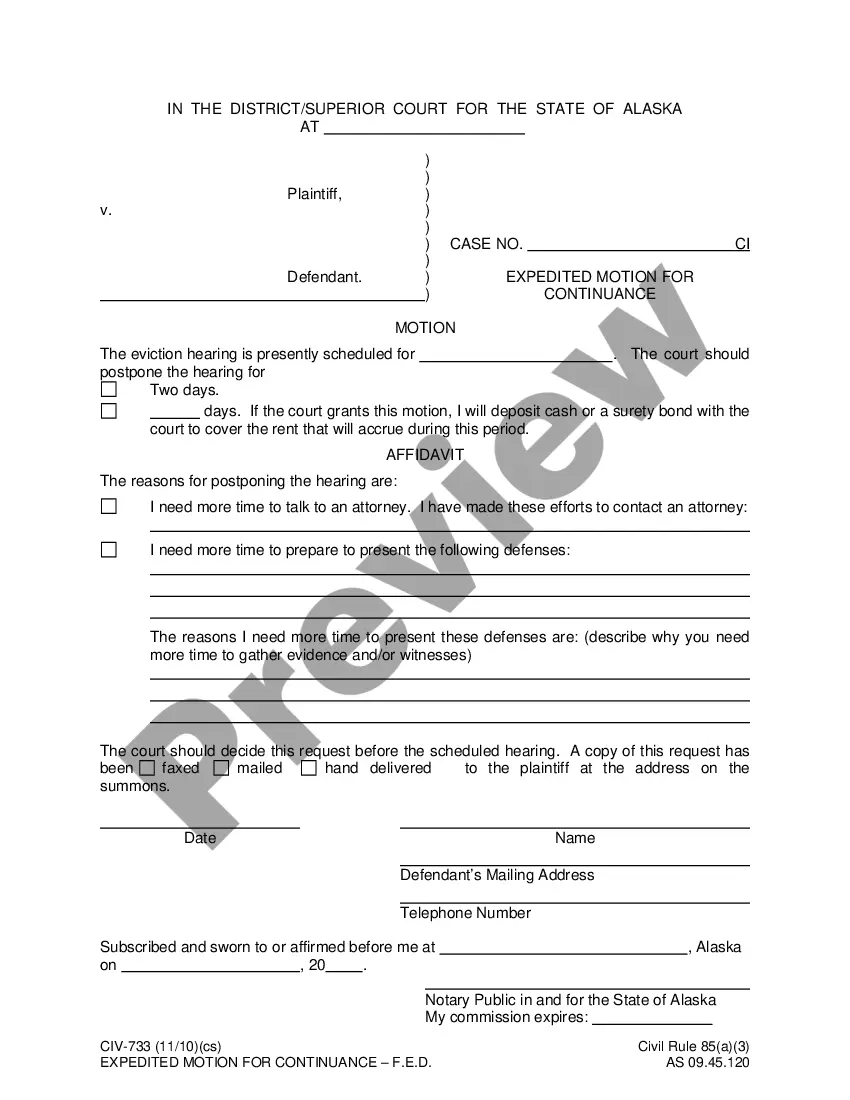
Ohio Insulation Contract for Contractor
Overview of this form
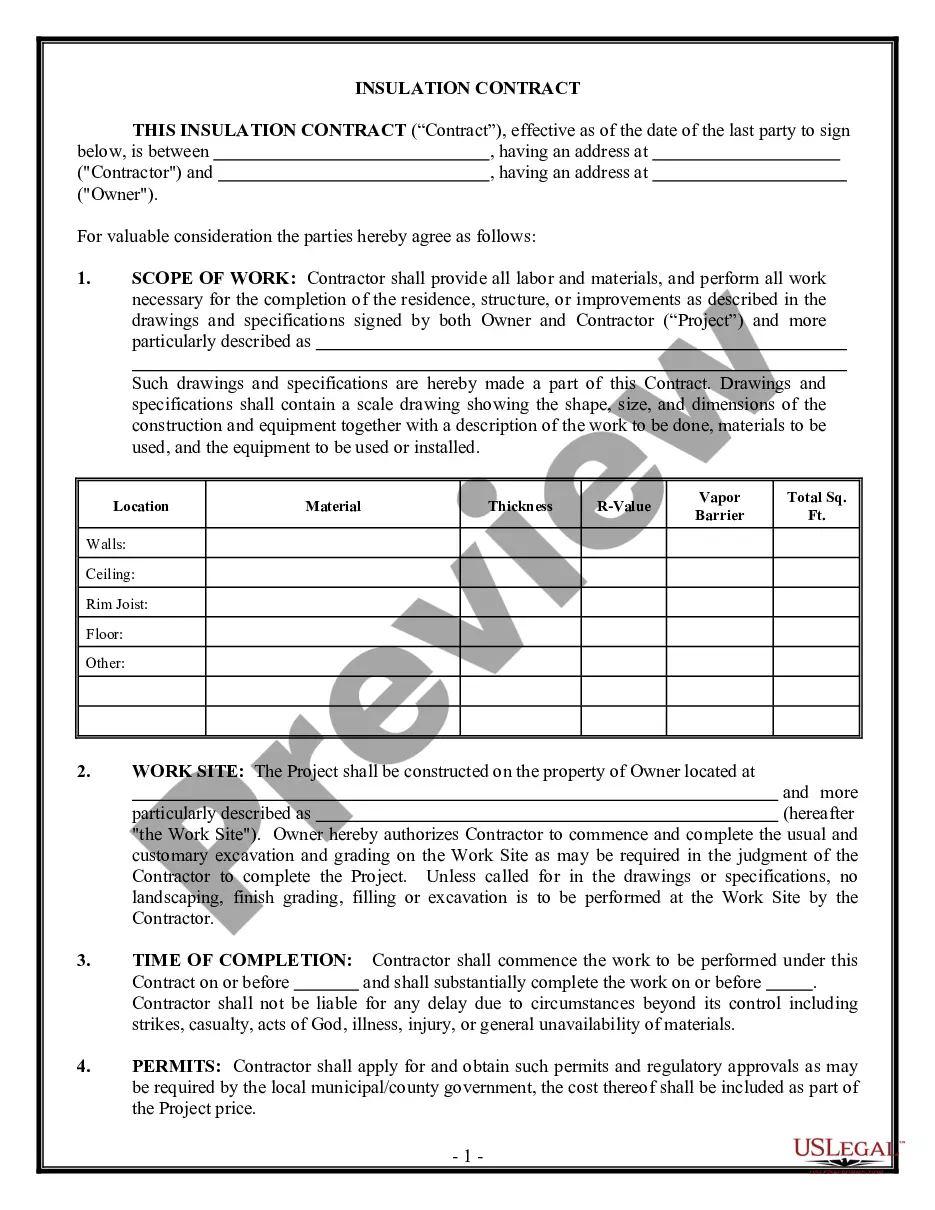
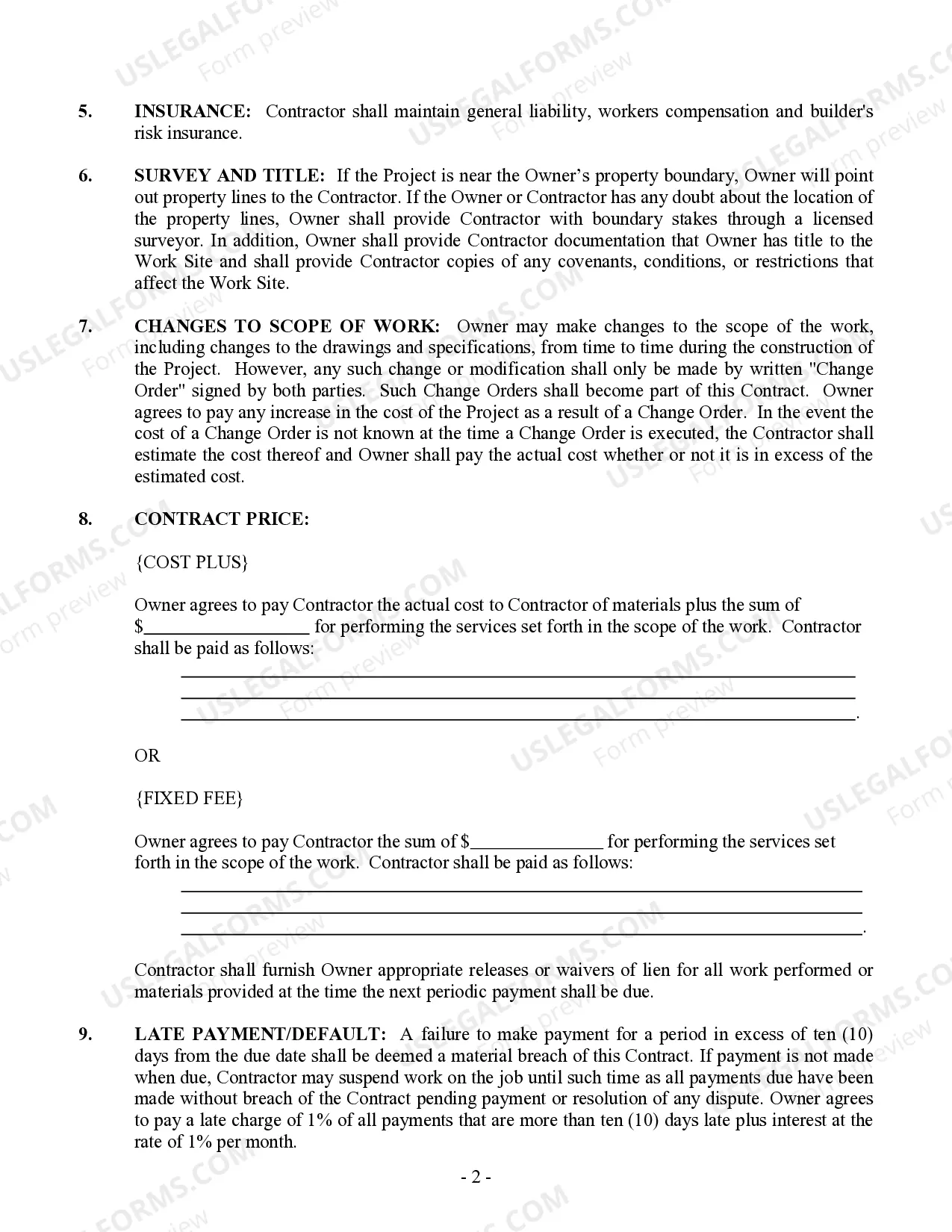
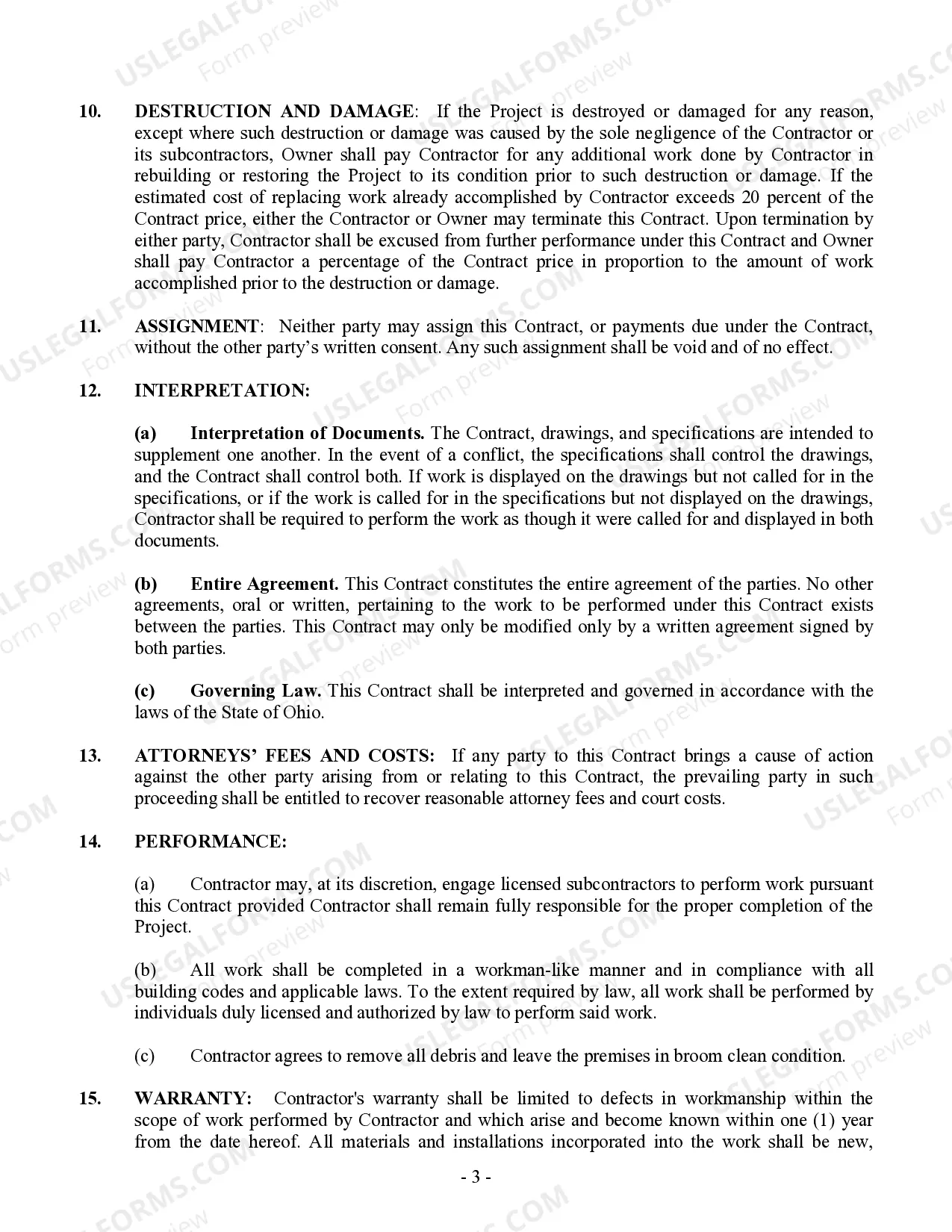
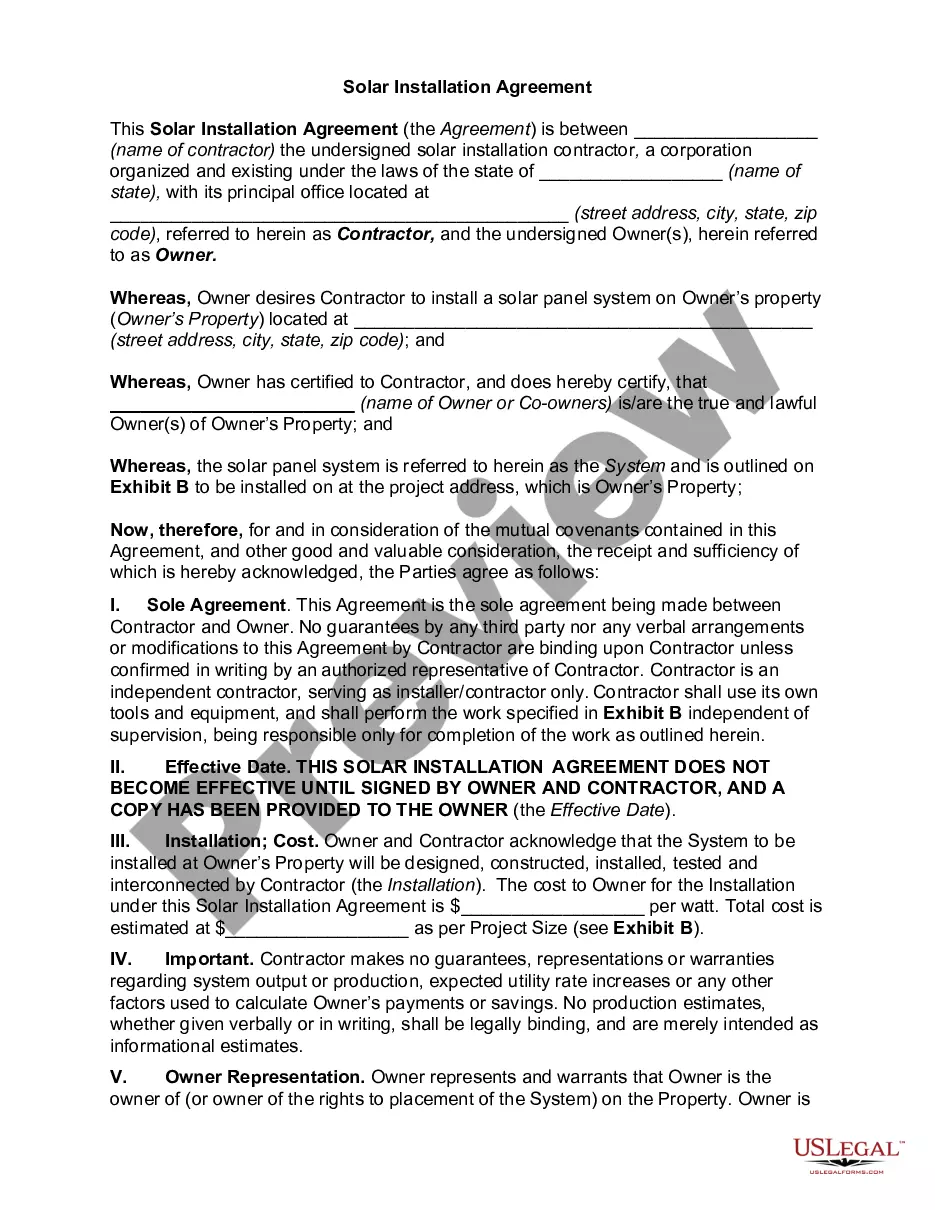
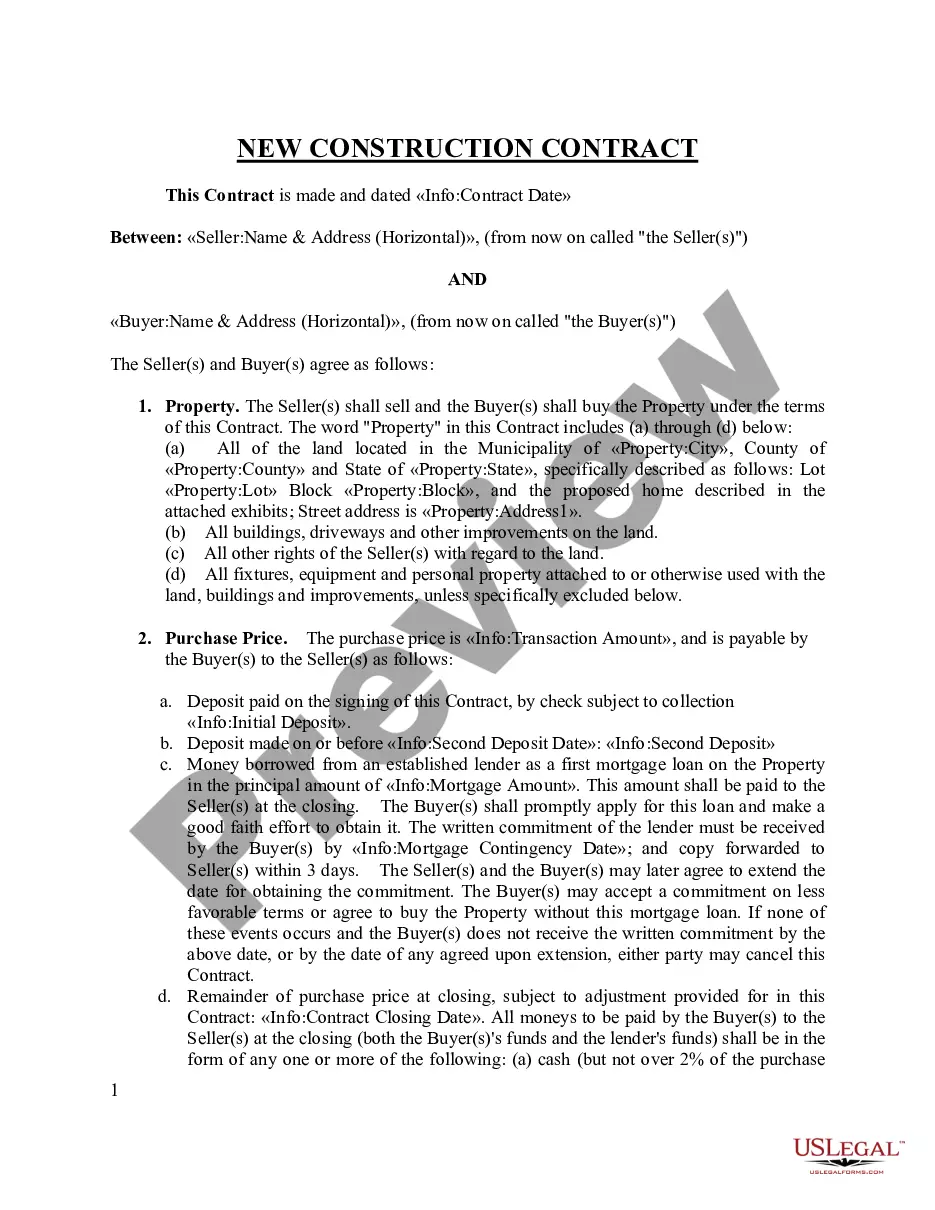
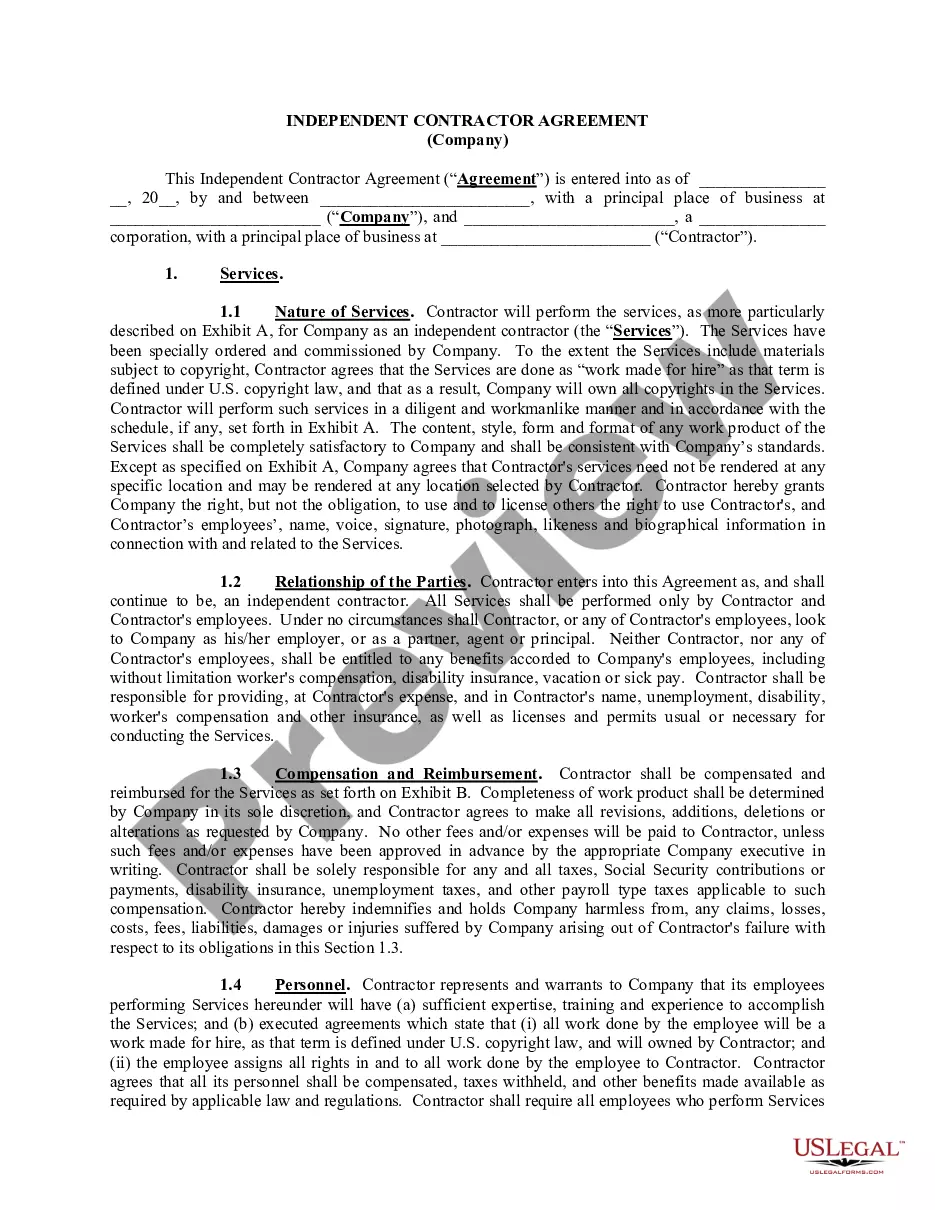
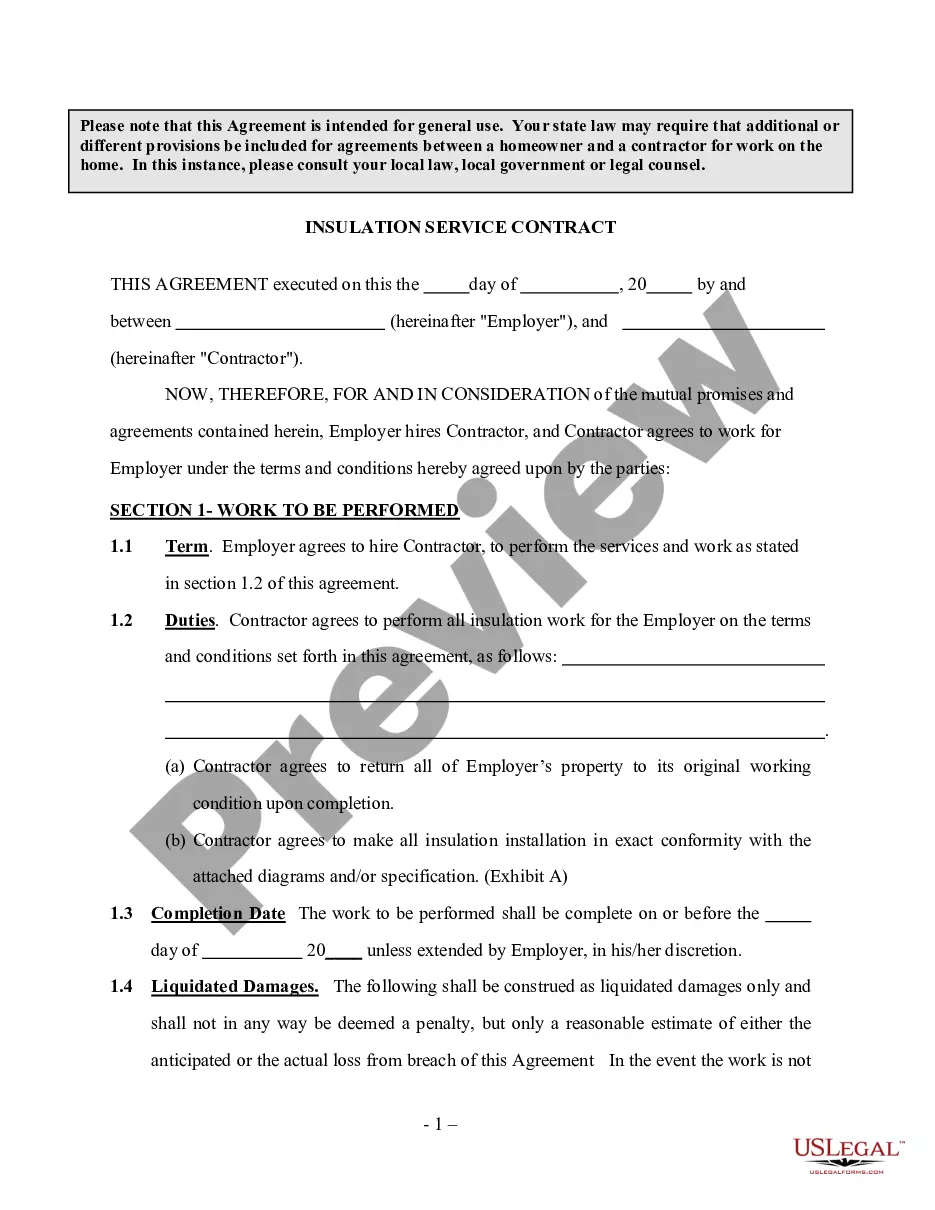
The Insulation Contract for Contractor is a legal document designed for use between insulation contractors and property owners. This contract outlines the terms of the project, including payment arrangements, change orders, insurance, and warranties. It is tailored to comply with the laws of the State of Ohio, distinguishing it from other construction contracts by its specific provisions related to insulation work.
Form components explained
- Location information: Specify the work site for insulation installation.
- Material details: Identify the type of insulation materials to be used.
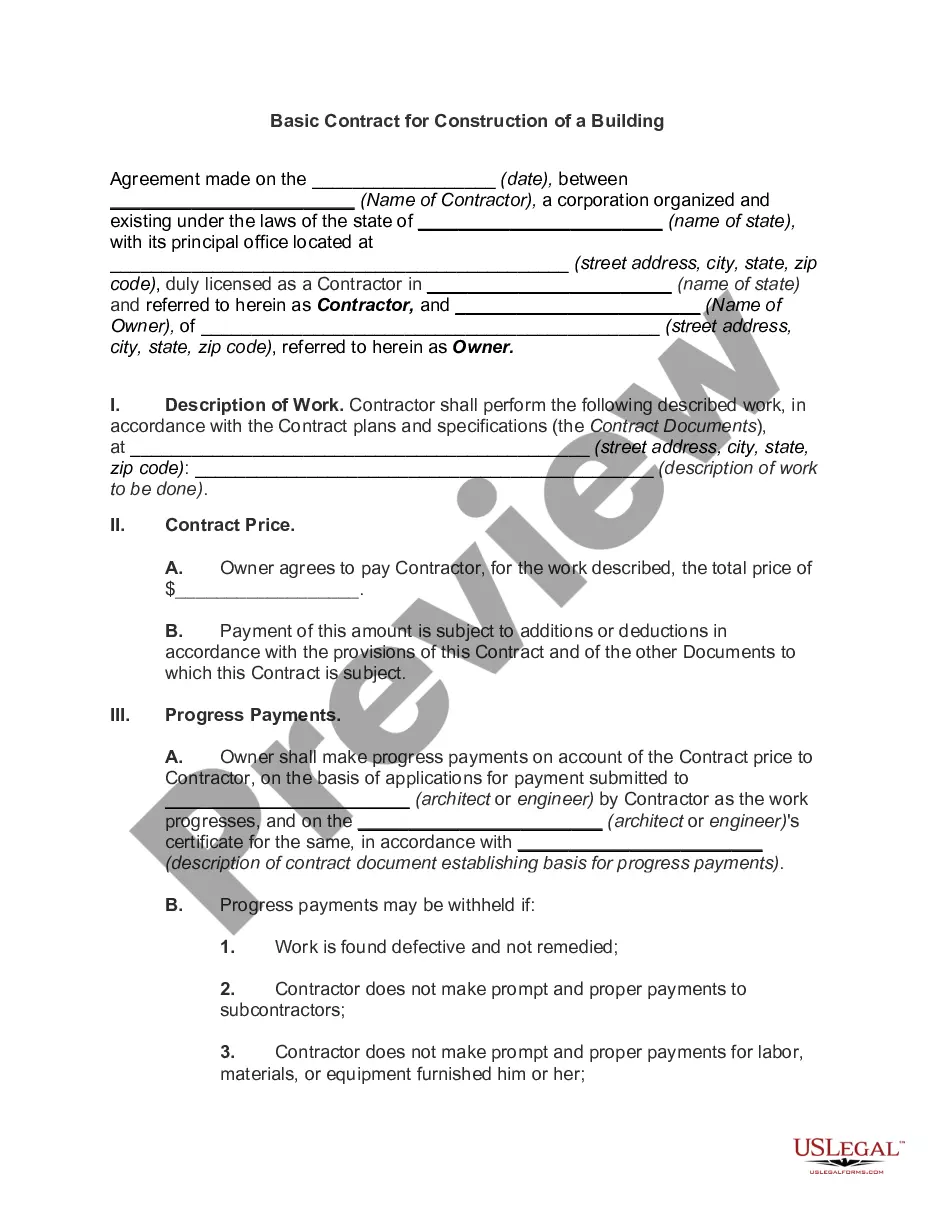
- Payment terms: Choose between cost plus or fixed fee arrangements.
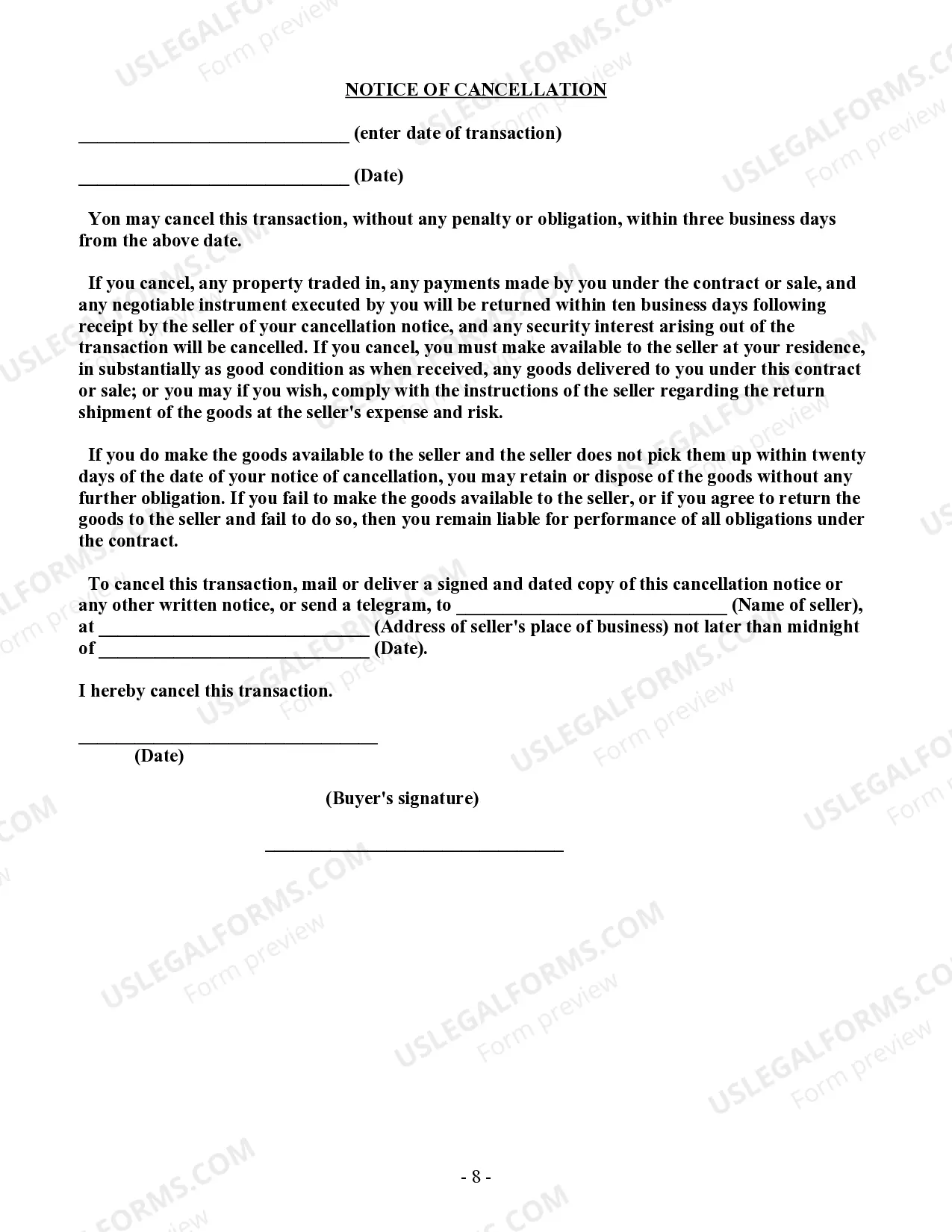
- Change orders: Outline the protocol for making modifications to the scope of work.
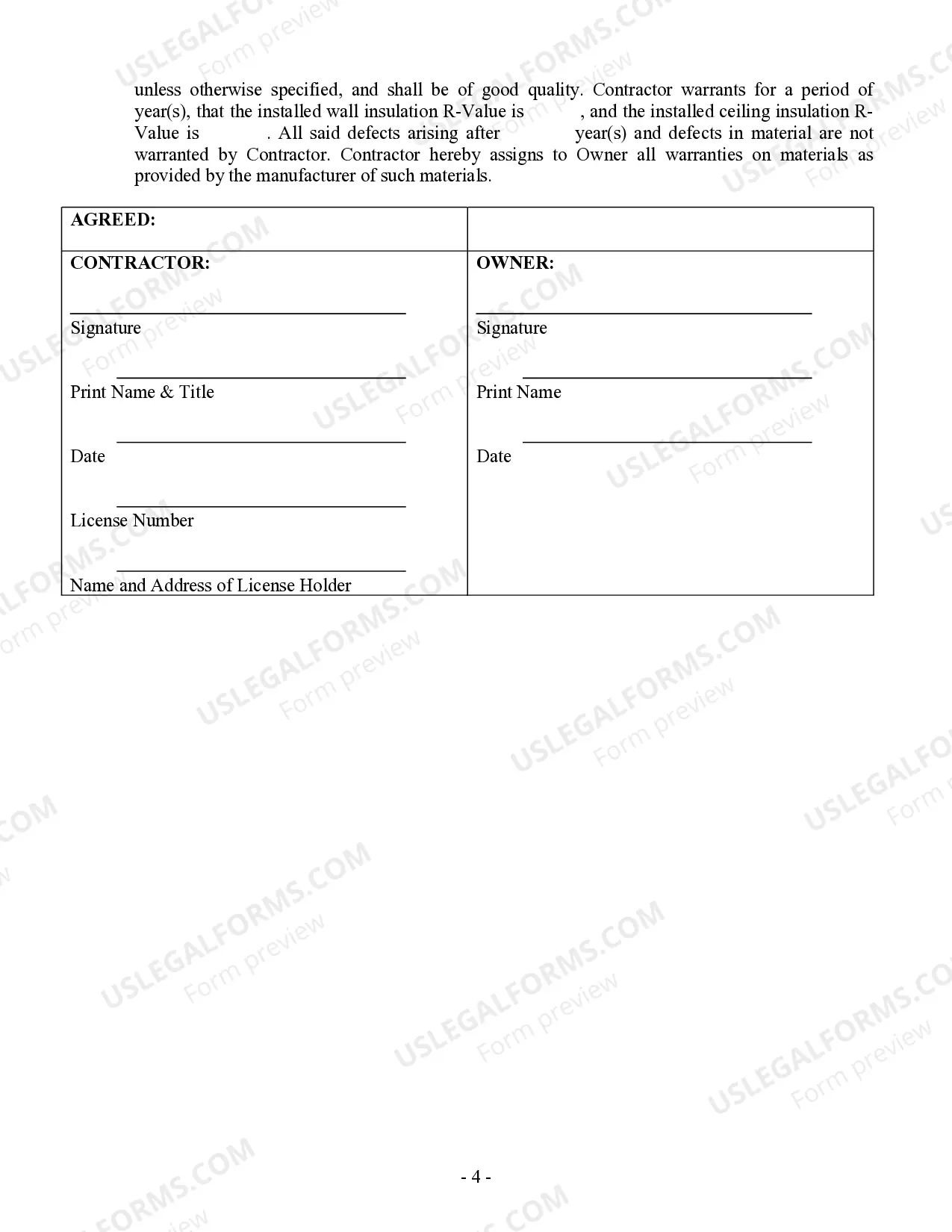
- Warranty and insurance requirements: Address the contractor's obligations for insurance coverage.
- Permits: Contractor responsibilities for obtaining necessary permits.
Common use cases
This form should be used when a property owner hires an insulation contractor for a project that may involve substantial work, such as adding insulation to a building or making modifications to insulation systems. It is applicable in scenarios where clear agreements on payment methods, materials, and project changes are necessary for successful project completion.
Intended users of this form
This form is intended for:
- Property owners who need insulation work done on their premises.
- Insulation contractors looking to formalize their agreements with clients.
- Legal professionals assisting clients in managing contracts related to construction and insulation.
How to prepare this document
- Identify the parties involved: Enter the contractor's name and the property owner's details.
- Specify the project details: Describe the location, materials, and work to be performed.
- Select the payment structure: Choose either a cost plus or fixed fee payment arrangement.
- Fill out permit information: Indicate who is responsible for obtaining necessary permits.
- Review and sign: Ensure all parties understand the contract terms and provide their signatures.
Notarization guidance
This form does not typically require notarization unless specified by local law. Ensure to check any unique municipal regulations that may apply to your insulation contract.
Get your form ready online
Our built-in tools help you complete, sign, share, and store your documents in one place.
Make edits, fill in missing information, and update formatting in US Legal Forms—just like you would in MS Word.
Download a copy, print it, send it by email, or mail it via USPS—whatever works best for your next step.
Sign and collect signatures with our SignNow integration. Send to multiple recipients, set reminders, and more. Go Premium to unlock E-Sign.
If this form requires notarization, complete it online through a secure video call—no need to meet a notary in person or wait for an appointment.
We protect your documents and personal data by following strict security and privacy standards.

Make edits, fill in missing information, and update formatting in US Legal Forms—just like you would in MS Word.

Download a copy, print it, send it by email, or mail it via USPS—whatever works best for your next step.

Sign and collect signatures with our SignNow integration. Send to multiple recipients, set reminders, and more. Go Premium to unlock E-Sign.

If this form requires notarization, complete it online through a secure video call—no need to meet a notary in person or wait for an appointment.

We protect your documents and personal data by following strict security and privacy standards.
Common mistakes
- Not specifying the exact location and details of the work to be done.
- Neglecting to address change order procedures clearly.
- Failing to include insurance requirements, leaving the contractor unprotected.
Benefits of completing this form online
- Convenience of downloading and filling the form at any time.
- Editable templates allow for customization to suit specific project needs.
- Reliability of forms drafted by licensed attorneys familiar with Ohio construction laws.
Legal use & context
- This contract serves as a binding agreement and can be enforced in courts.
- It's crucial to retain a copy signed by both parties for legal purposes.
- Cancellations must adhere to the guidelines within the contract to be valid.
Summary of main points
- The Insulation Contract for Contractor clarifies the obligations and rights of both parties involved in insulation work.
- This form is tailored for compliance with Ohio laws, ensuring legal adequacy.
- Using this form helps avoid misunderstandings and provides a clear framework for managing changes during the project.
Looking for another form?
Form popularity
FAQ
Timeframe or key milestones of the project; hours of work; deliverables of the project; and. way the business will pay the contractor for their services.
Go to Small Claims Court. Small claims court is a legal venue for homeowners who feel they are owed money back from a contractor. Hire an Attorney. File a Complaint with the State. Pursue a Bond Claim. Post Reviews.
Name of contractor and contact information. Name of homeowner and contact information. Describe property in legal terms. List attachments to the contract. The cost. Failure of homeowner to obtain financing. Description of the work and the completion date. Right to stop the project.
Both parties should sign the contract, and both should be bound by the terms and conditions spelled out in the agreement. In general that means the contractor will be obliged to provide specified materials and to perform certain services for you. In turn, you will be required to pay for those goods and that labor.
Unless there are custom or specialty orders for materials, the contractor cannot ask for more than 10% upfront before work starts.
You shouldn't pay more than 10 percent of the estimated contract price upfront, according to the Contractors State License Board.
A: It's not uncommon for contractors to ask for a down payment up front to secure your spot on their schedule or purchase some of the job materials in advance. Asking for more than half of the project cost up front, though, is a big red flag.I recommend tying payments to progress made during the job.
Get it in writing. Keep it simple. Deal with the right person. Identify each party correctly. Spell out all of the details. Specify payment obligations. Agree on circumstances that terminate the contract. Agree on a way to resolve disputes.
Terms. This is the first section of any agreement or contract and states the names and locations of the parties involved. Responsibilities & Deliverables. Payment-Related Details. Confidentiality Clause. Contract Termination. Choice of Law.