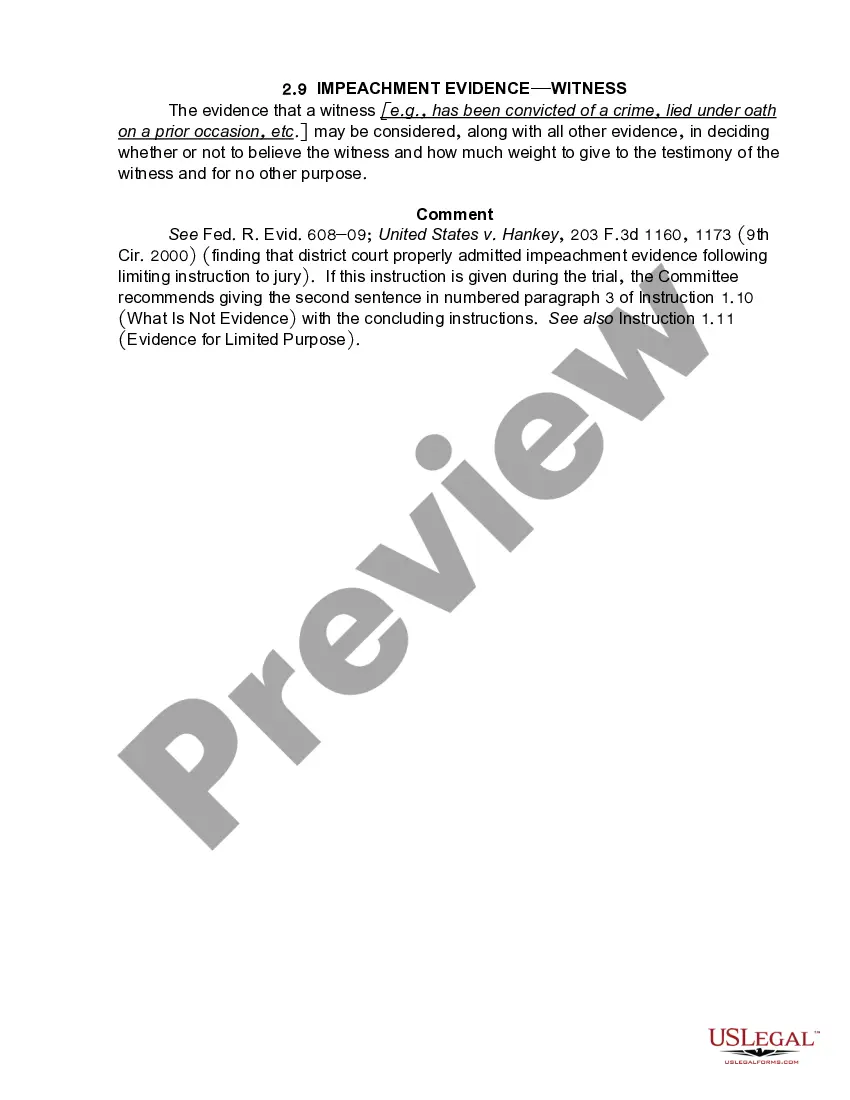
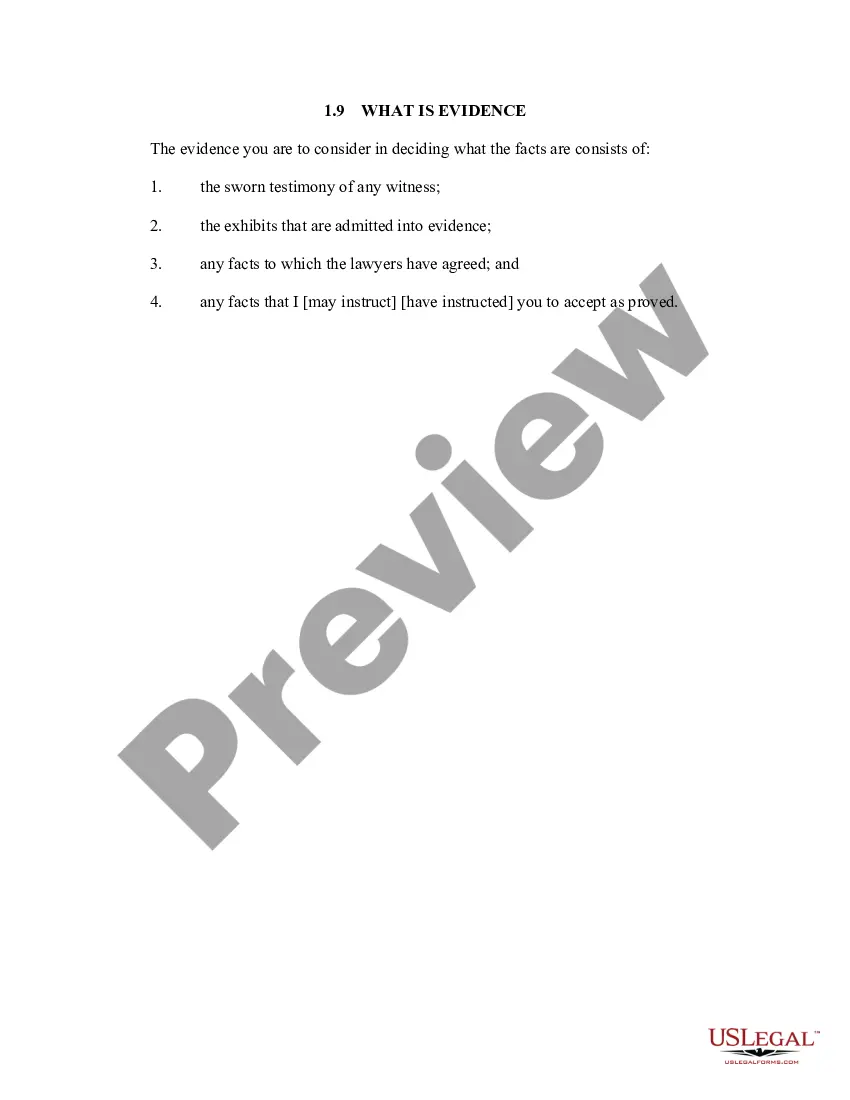
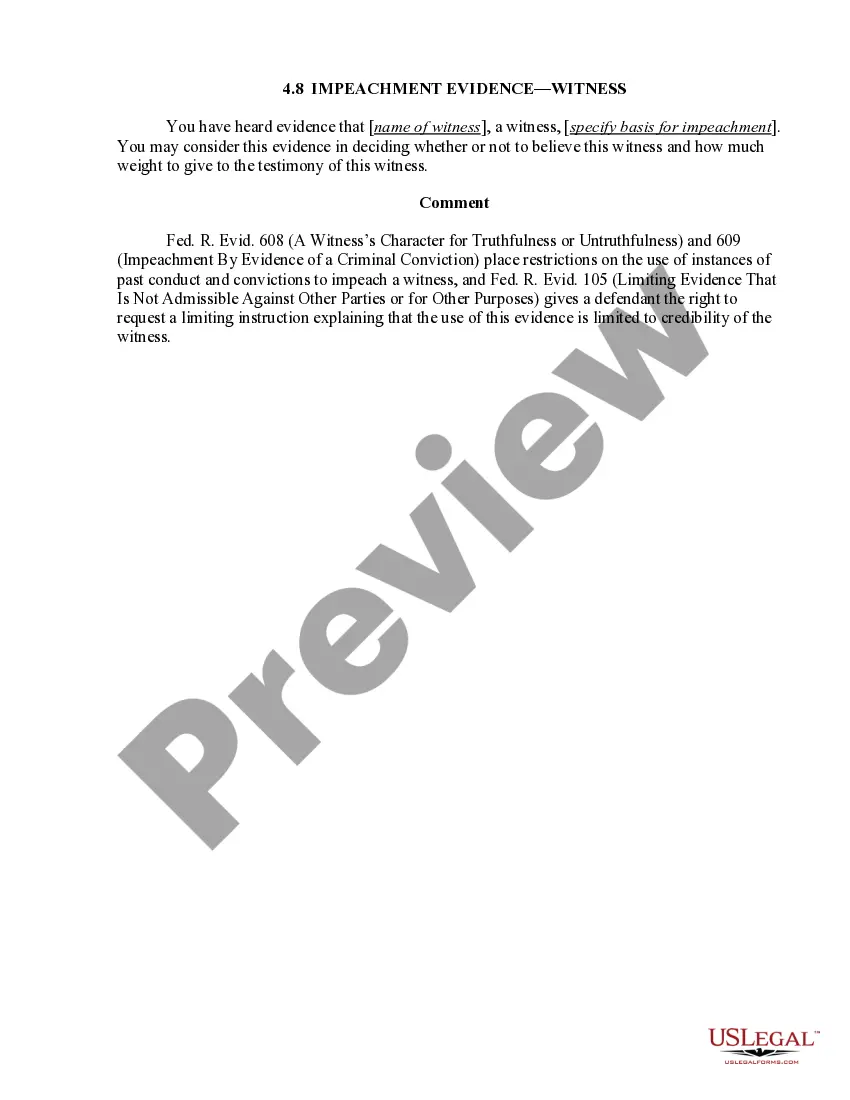
2.9 Impeachment Evidence-Witness
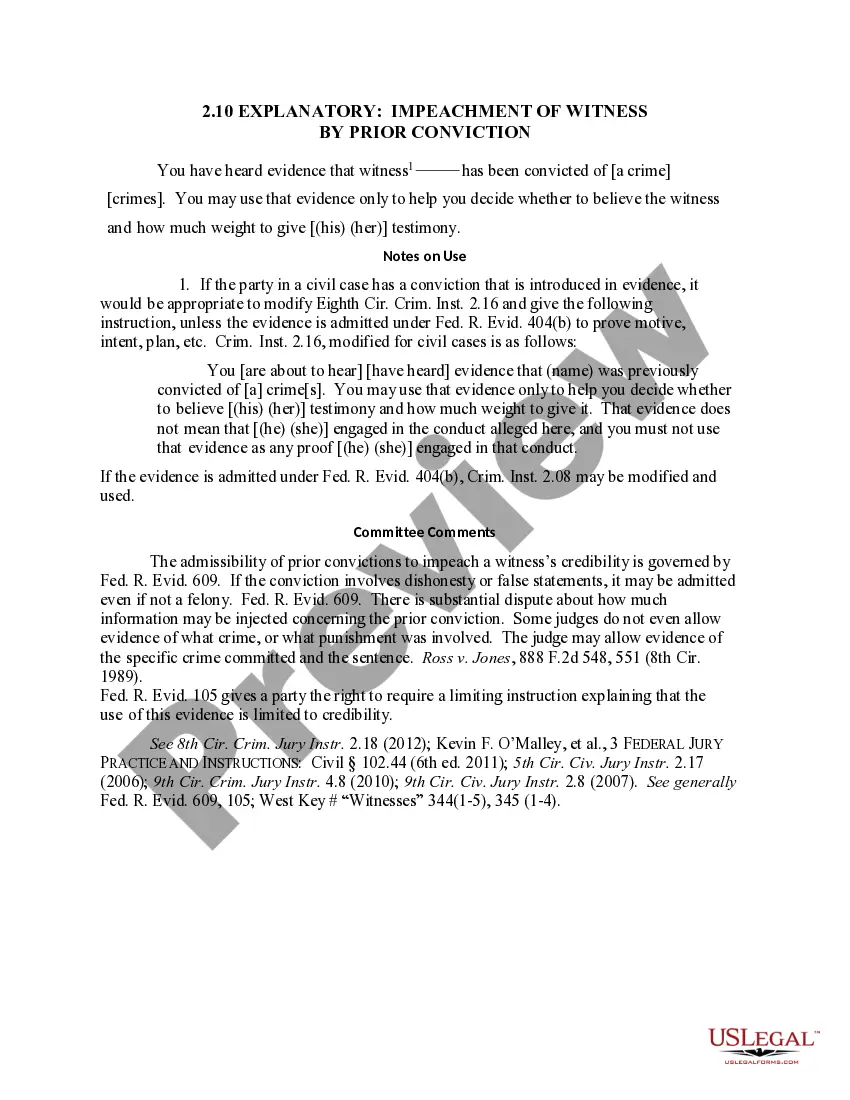
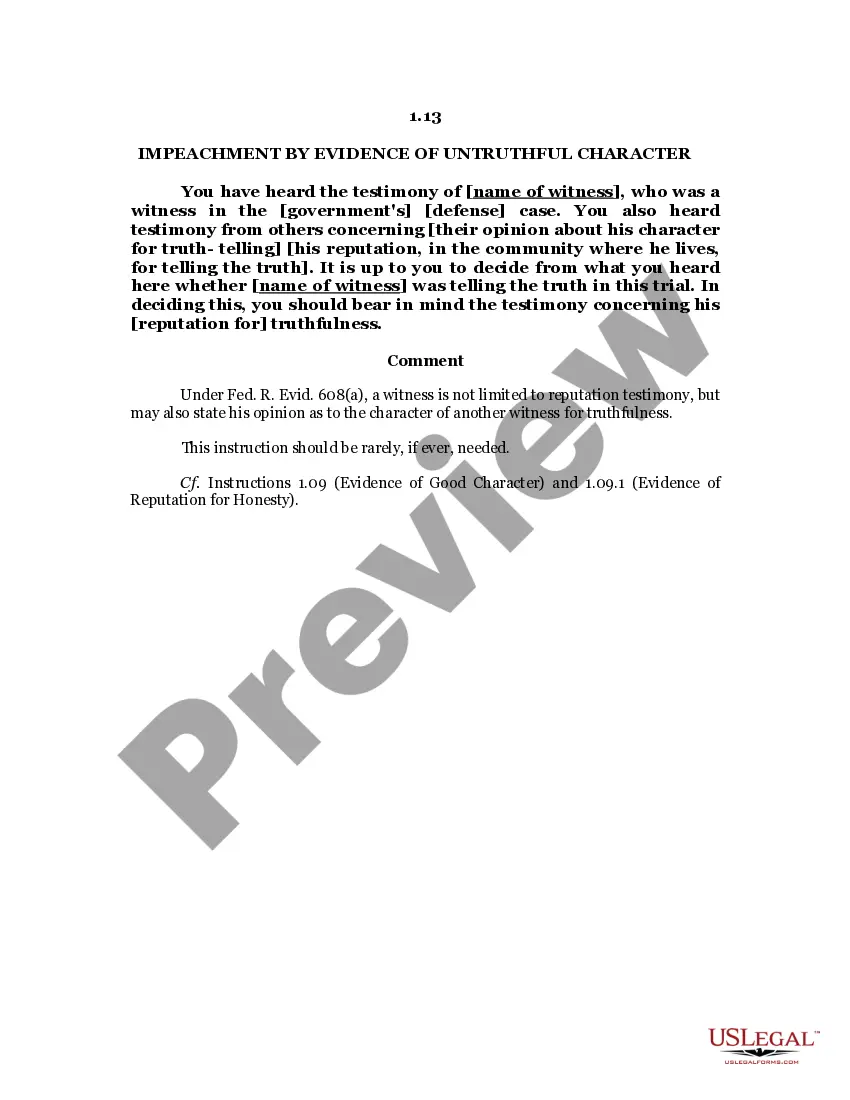
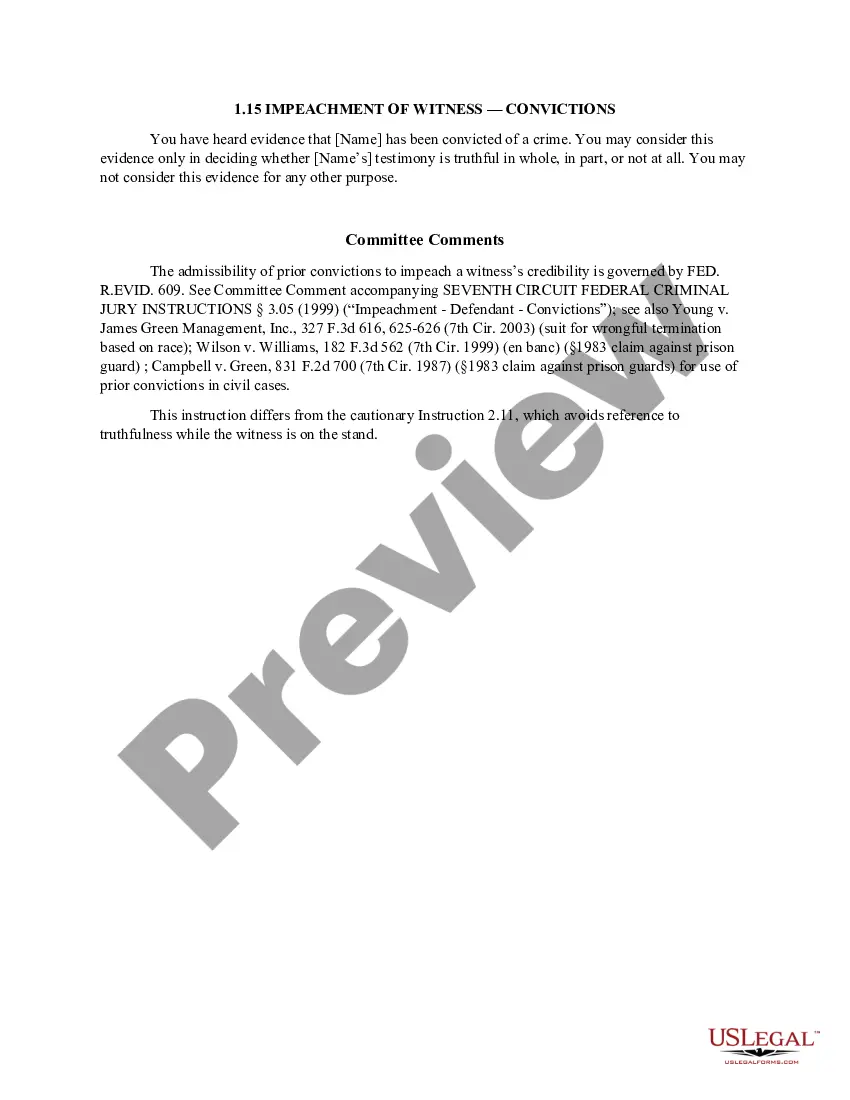
Notarization guidance
In most cases, this form does not require notarization. However, some jurisdictions or signing circumstances might. US Legal Forms offers online notarization powered by Notarize, accessible 24/7 for a quick, remote process.
Get your form ready online
Our built-in tools help you complete, sign, share, and store your documents in one place.
Make edits, fill in missing information, and update formatting in US Legal Forms—just like you would in MS Word.
Download a copy, print it, send it by email, or mail it via USPS—whatever works best for your next step.
Sign and collect signatures with our SignNow integration. Send to multiple recipients, set reminders, and more. Go Premium to unlock E-Sign.
If this form requires notarization, complete it online through a secure video call—no need to meet a notary in person or wait for an appointment.
We protect your documents and personal data by following strict security and privacy standards.

Make edits, fill in missing information, and update formatting in US Legal Forms—just like you would in MS Word.

Download a copy, print it, send it by email, or mail it via USPS—whatever works best for your next step.

Sign and collect signatures with our SignNow integration. Send to multiple recipients, set reminders, and more. Go Premium to unlock E-Sign.

If this form requires notarization, complete it online through a secure video call—no need to meet a notary in person or wait for an appointment.

We protect your documents and personal data by following strict security and privacy standards.
Looking for another form?
Form popularity
FAQ
A prior inconsistent statement is a common example where evidence may be offered to impeach a witness, as substantive evidence of a party's case, or both. A prior inconsistent may be offered as substantive evidence?if the statement was made under oath?in federal courts because it is not hearsay. See Fed.
What about impeachment? As with corroboration, a statement is not hearsay if it is offered to impeach a testifying witness. This does not, however, create a ?back door? for admitting the impeaching statement as substantive evidence. See State v.
A witnesses may be impeached with evidence that shows a defect in his or her perception, memory, or truthfulness, such as evidence of bias, mistake, character for untruthfulness, or prior inconsistent statements.
Materiality and Admissibility. Exculpatory and impeachment evidence is material to a finding of guilt?and thus the Constitution requires disclosure?when there is a reasonable probability that effective use of the evidence will result in an acquittal. United States v. Bagley, 475 U.S. 667, 676 (1985).
Bias, prejudice, interest, or any motive to misrepresent may be shown to impeach the witness either by examination of the witness or by extrinsic evidence.
Rule 608 states that witnesses can be impeached or rehabilitated by either opinon or reputation evidence as to their veracity. It also permits cross-examination of evidence of specific conduct relevant to a witness's credibility (this is allowed in most State but not Federal courts).
A witnesses may be impeached with evidence that shows a defect in his or her perception, memory, or truthfulness, such as evidence of bias, mistake, character for untruthfulness, or prior inconsistent statements.
Impeachment of a witness refers to the process of discrediting or undermining the credibility of a witness during a trial, by presenting evidence or asking questions that contradict their testimony or reveal a bias, inconsistency, or falsehood in their statements.