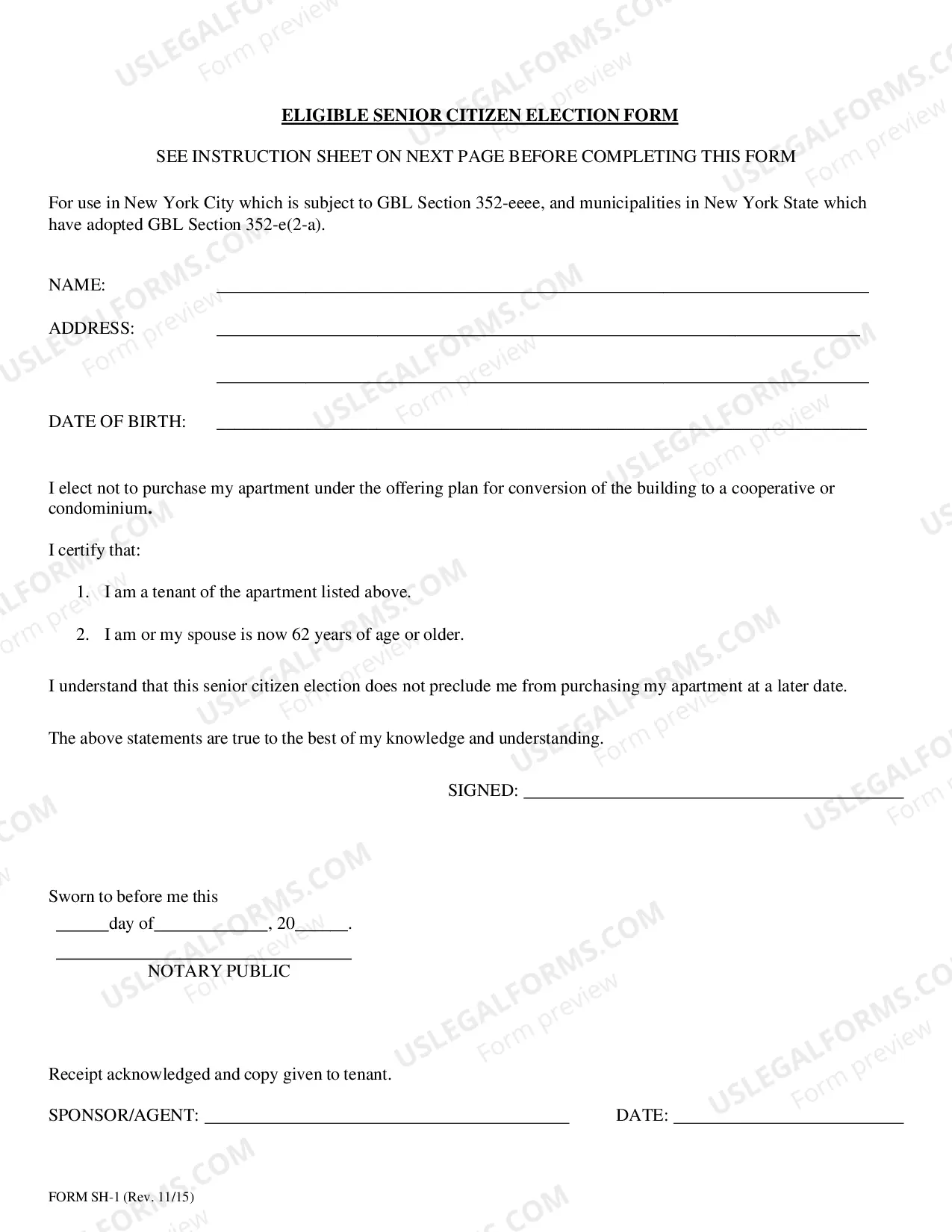
9.05 Mitigation of Damages
What is this form?
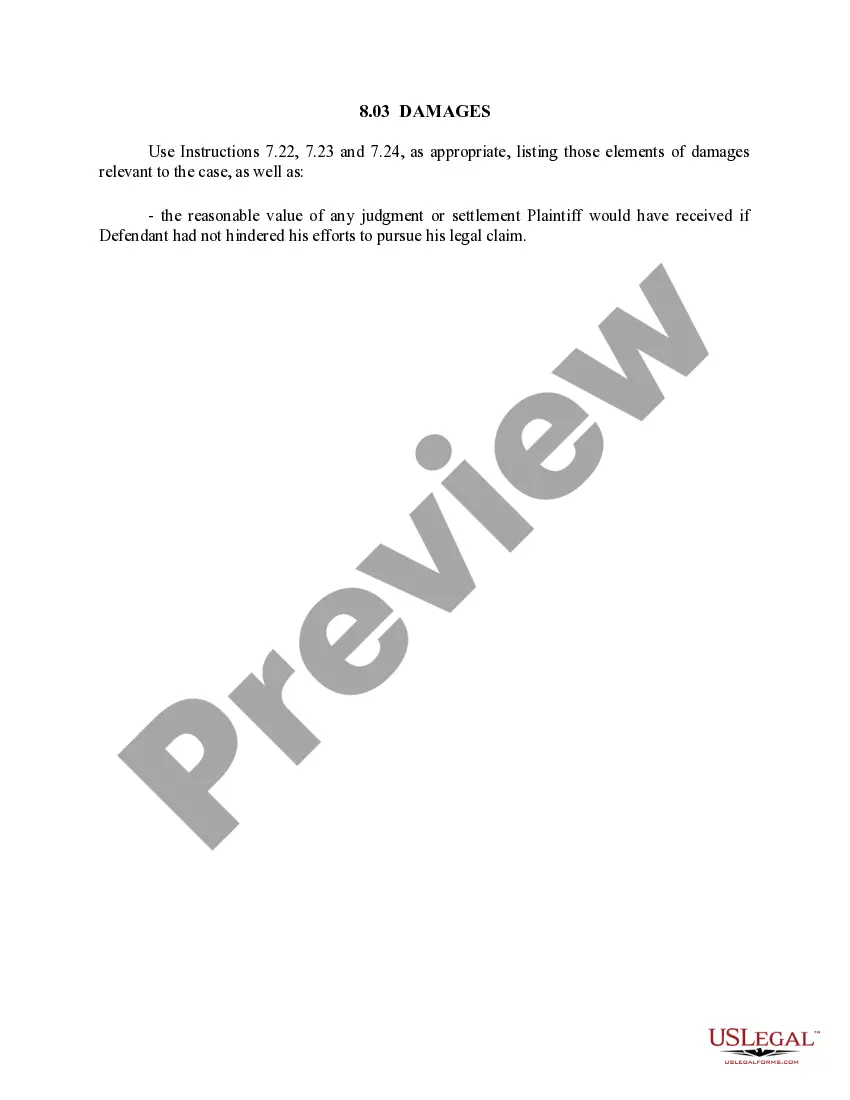
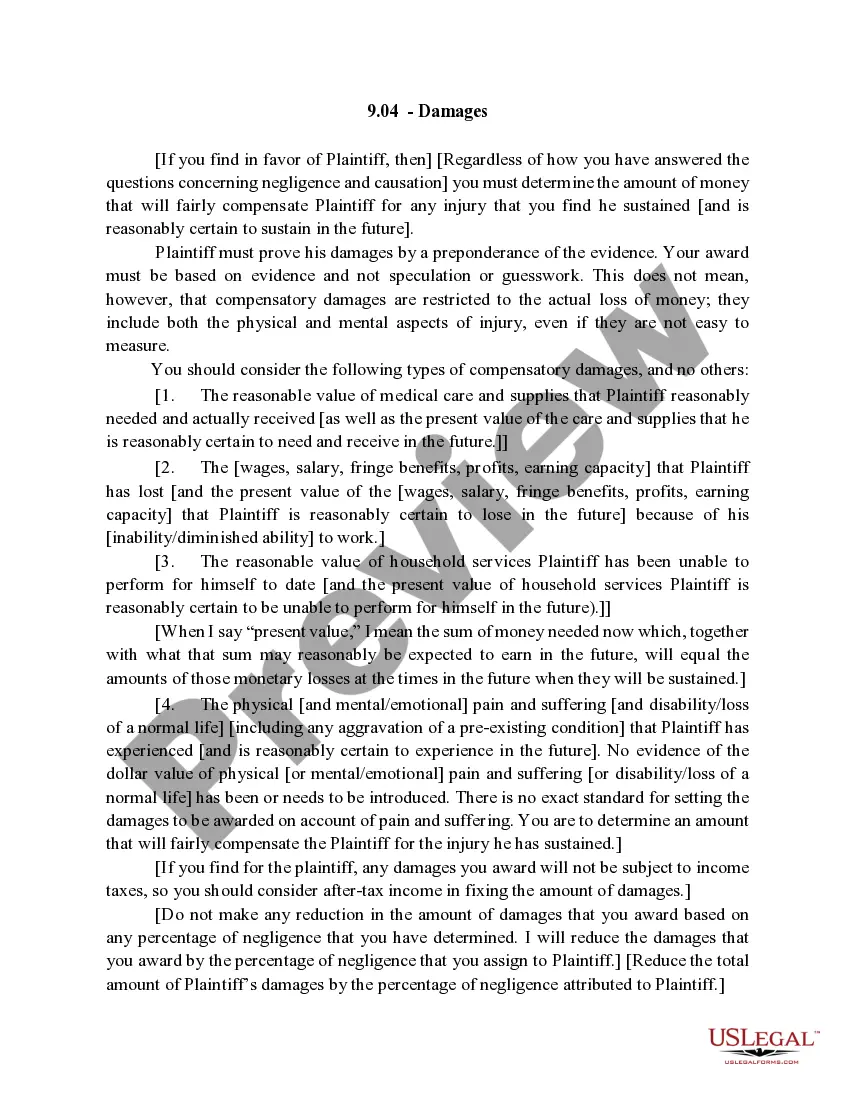
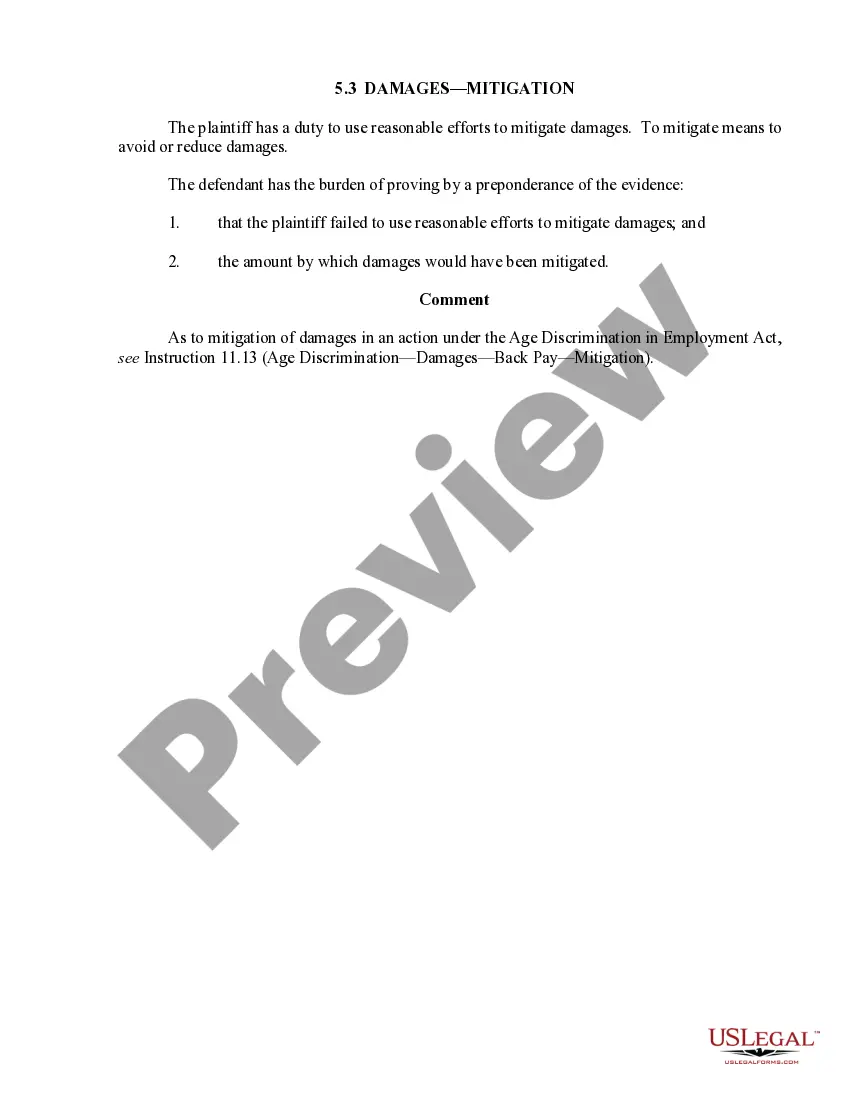
The Mitigation of Damages form is a crucial legal document guiding courts on the duty of injured plaintiffs to minimize their damages in certain legal cases. Specifically, it applies to Federal Employers Liability Act (FELA) claims, which involve railroad workers who become injured on the job. This form ensures that plaintiffs understand their obligation to mitigate losses, setting it apart from other legal forms that may not address this duty. By using the Mitigation of Damages form, plaintiffs can provide evidence and clarity regarding their efforts or failures to lessen the impact of their injuries on their earnings or other damages.
Key components of this form
- Definition of the duty to mitigate damages for injured plaintiffs.
- References to relevant court precedents and cases.
- Guidelines on evidence needed to support claims of mitigation or lack thereof.
- Specific instructions for addressing different types of damages.
- Legal context within the framework of FELA claims.
Situations where this form applies
This form should be used in cases involving FELA claims when an injured party is seeking damages. It is applicable when plaintiffs have suffered injuries that impact their ability to work and wish to recover losses related to their future earnings or other related expenses. Utilizing this form is essential when the defendant may argue that the plaintiff did not take necessary steps to minimize their damages, thus affecting the compensation awarded.
Who should use this form
- Injured employees of railroads seeking compensation for damages under FELA.
- Legal professionals representing plaintiffs in FELA cases.
- Anyone involved in litigation wherein mitigation of damages is a factor.
Instructions for completing this form
- Identify the injured party and the defendant involved in the case.
- Specify the nature and extent of the injuries claimed.
- Document efforts made by the plaintiff to seek alternative employment or reduce losses.
- Include any evidence or testimony that supports claims of damages mitigation.
- Review the completed form for accuracy and ensure all necessary information is included.
Does this document require notarization?
Notarization is not commonly needed for this form. However, certain documents or local rules may make it necessary. Our notarization service, powered by Notarize, allows you to finalize it securely online anytime, day or night.
Get your form ready online
Our built-in tools help you complete, sign, share, and store your documents in one place.
Make edits, fill in missing information, and update formatting in US Legal Forms—just like you would in MS Word.
Download a copy, print it, send it by email, or mail it via USPS—whatever works best for your next step.
Sign and collect signatures with our SignNow integration. Send to multiple recipients, set reminders, and more. Go Premium to unlock E-Sign.
If this form requires notarization, complete it online through a secure video call—no need to meet a notary in person or wait for an appointment.
We protect your documents and personal data by following strict security and privacy standards.

Make edits, fill in missing information, and update formatting in US Legal Forms—just like you would in MS Word.

Download a copy, print it, send it by email, or mail it via USPS—whatever works best for your next step.

Sign and collect signatures with our SignNow integration. Send to multiple recipients, set reminders, and more. Go Premium to unlock E-Sign.

If this form requires notarization, complete it online through a secure video call—no need to meet a notary in person or wait for an appointment.

We protect your documents and personal data by following strict security and privacy standards.
Typical mistakes to avoid
- Failing to provide adequate evidence of mitigation efforts.
- Overstating damages without clear documentation.
- Neglecting to specify the type of damages being mitigated.
Why complete this form online
- Convenient access to legally vetted templates that can be downloaded instantly.
- Editability allows for customization to fit specific case details.
- Reliability of using a form created in accordance with federal guidelines and legal precedents.
Legal use & context
- This form is supported by existing legal precedents that establish a plaintiff's duty to mitigate damages in personal injury cases under FELA.
- It is important for ensuring that damages awarded reflect the actual losses incurred.
- The proper use of this form can impact the outcome of a case significantly regarding compensation amounts.
Looking for another form?
Form popularity
FAQ
?Duty to mitigate? is your obligation as a plaintiff to take reasonable steps to reduce the extent of your injury or loss. In other words, even if the defendant's negligence caused your injury, the jury will not award you compensation for damages that you could have reasonably prevented.
The term mitigate damages refers to a doctrine most common in tort and contract law that a plaintiff's monetary recovery (stemming from an injury or a breach of contract) can be reduced by the extent to which the plaintiff could have taken reasonable steps to avoid or ?mitigate? his or her damages.
The victim is legally bound to behave to mitigate both the consequences of the breach and their losses. This is true even if the victim who suffers personal injury through no fault of their own must take reasonable steps to avoid further loss and minimize the loss consequences of the injury.
Ing to Pennsylvania case law, the claimant must make ?reasonable efforts to mitigate their losses,? meaning that someone who has suffered damages has to take reasonable steps to reduce the amount of damages they suffer.
The mitigation of damages doctrine, also known as the doctrine of avoidable consequences, prevents an injured party from recovering damages that could have been avoided through reasonable efforts. The duty to mitigate damages is most traditionally employed in the areas of tort and contract law.
The duty to mitigate damages is the idea that an injured party must take reasonable action to limit the extent of the harm they suffered due to a defendant. For example, in a car accident, you should pull off to the side of the road if possible to avoid being hit by another vehicle.
Under the mitigation of damages doctrine, the aggrieved party should take reasonable steps, where possible, to avoid additional injury or loss. The failure of the aggrieved party to take protective measures after suffering an injury or loss can reduce the plaintiff's recovery.
2d 1011, 1014 (Fla. 4th DCA 1984) (?The doctrine of avoidable consequences, commonly referred to as a duty to mitigate damages, prevents a party from recovering those damages inflicted by a wrongdoer which the injured party 'could have avoided without undue risk, burden, or humiliation.