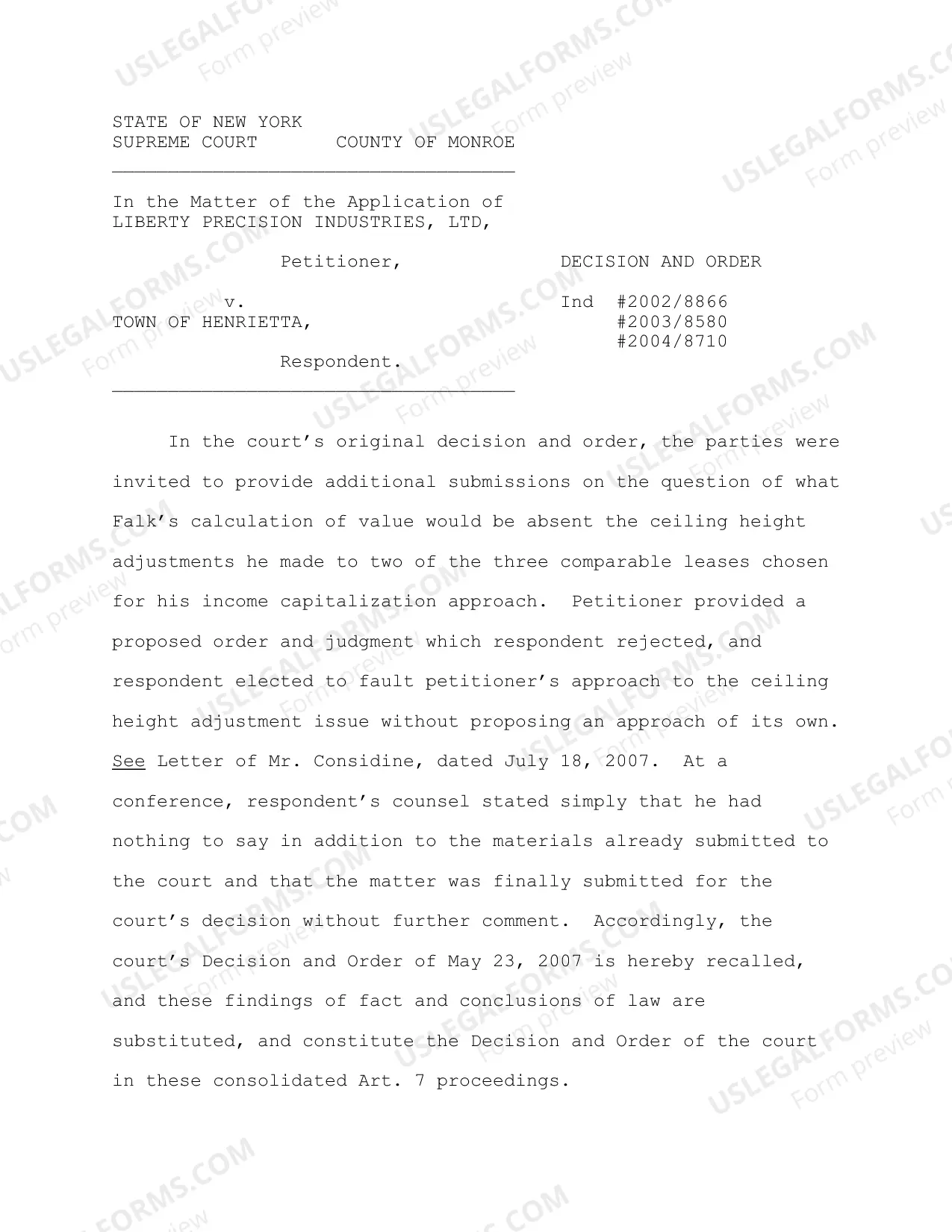
4.12 Damages: Mitigation
Understanding this form
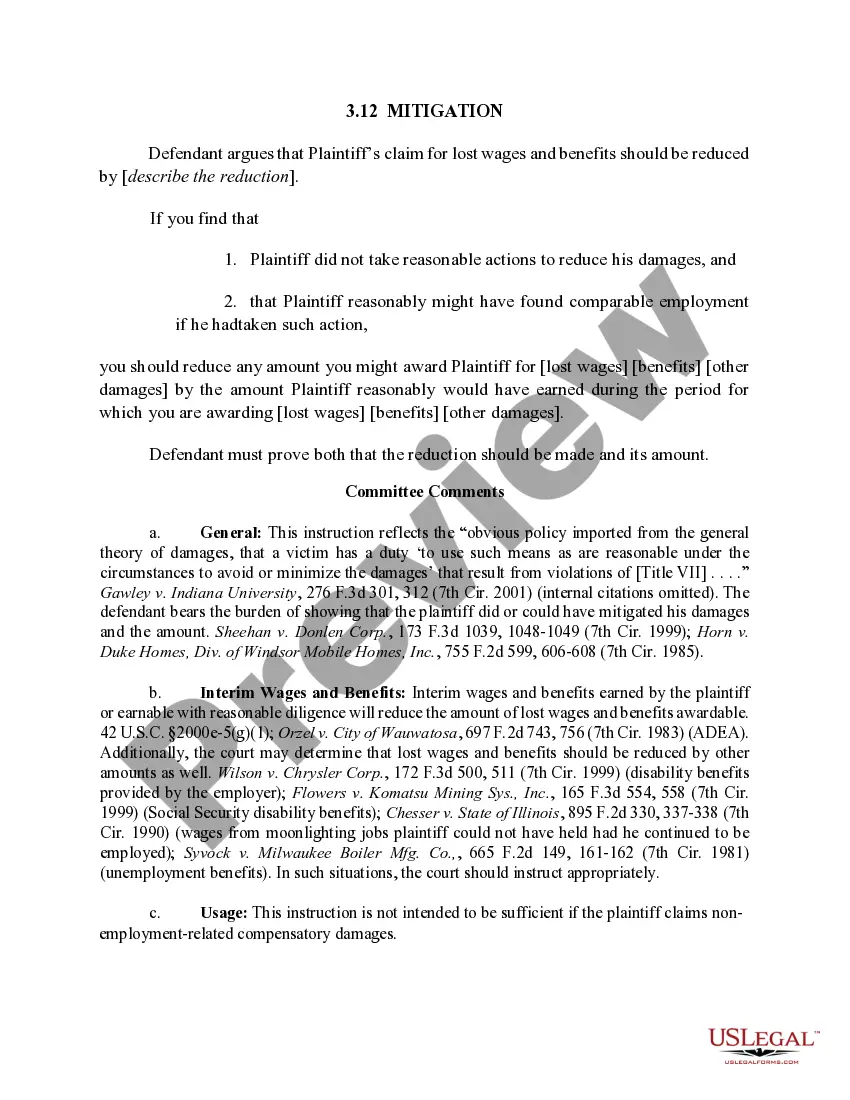
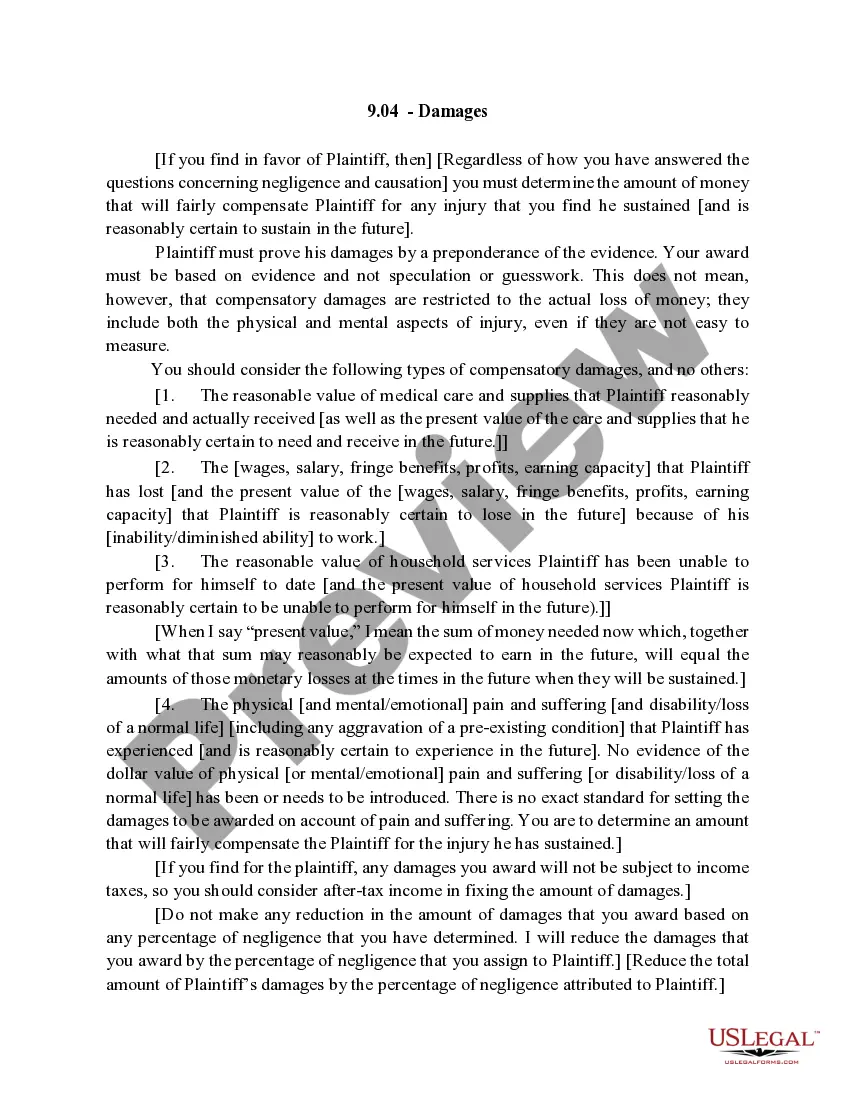
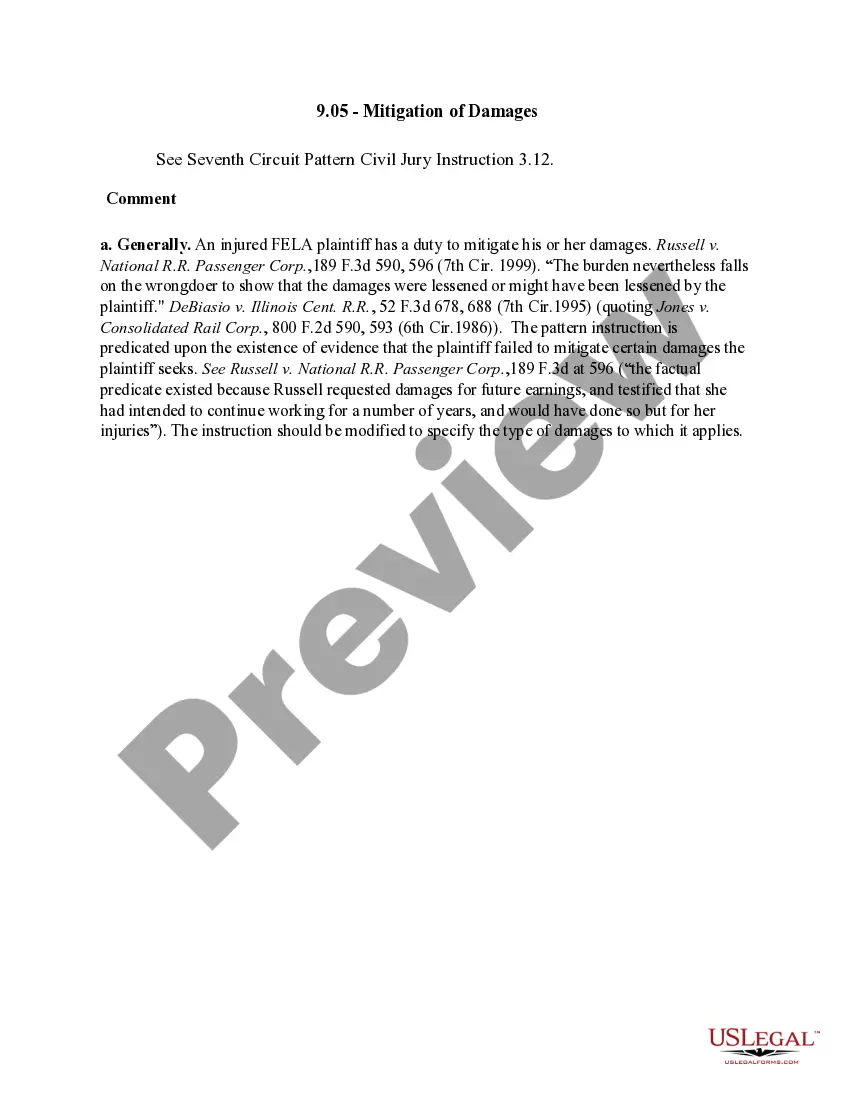
The Damages: Mitigation form is an official jury instruction adopted by the Federal 7th Circuit Court. This form guides juries on the principle of mitigation, which requires a plaintiff to take reasonable steps to minimize their damages. This form is important for ensuring that individuals do not recover damages that could have been avoided through reasonable actions, distinguishing it from other forms related to damages assessments.
Main sections of this form
- Reference to Instruction No. 3.12, which outlines the principle of mitigation.
- Framework for juries to evaluate the reasonableness of a plaintiff's actions to reduce their damages.


When this form is needed
This form should be used in civil cases where a plaintiff seeks damages after a loss or injury. It is particularly relevant in personal injury or contract disputes where the defendant argues that the plaintiff failed to mitigate their losses. The court can utilize this form to explain the legal obligations of the plaintiff in relation to their damages.
Who should use this form
- Judges and court officials who need to instruct juries on the mitigation of damages.
- Attorneys representing clients in civil litigation cases.
- Parties involved in legal disputes who need to understand the mitigation principle.
How to complete this form
- Review the principles outlined in Instruction No. 3.12 regarding mitigation of damages.
- Determine the specific context of the case and identify the relevant facts.
- Prepare the jury instruction, ensuring clarity on the plaintiff's duty to mitigate damages.
- Include any jurisdiction-specific legal references if necessary.
- File the completed instructions for use during trial proceedings.
Notarization guidance
This form does not typically require notarization to be legally valid. However, some jurisdictions or document types may still require it. US Legal Forms provides secure online notarization powered by Notarize, available 24/7 for added convenience.
Get your form ready online
Our built-in tools help you complete, sign, share, and store your documents in one place.
Make edits, fill in missing information, and update formatting in US Legal Forms—just like you would in MS Word.
Download a copy, print it, send it by email, or mail it via USPS—whatever works best for your next step.
Sign and collect signatures with our SignNow integration. Send to multiple recipients, set reminders, and more. Go Premium to unlock E-Sign.
If this form requires notarization, complete it online through a secure video call—no need to meet a notary in person or wait for an appointment.
We protect your documents and personal data by following strict security and privacy standards.

Make edits, fill in missing information, and update formatting in US Legal Forms—just like you would in MS Word.

Download a copy, print it, send it by email, or mail it via USPS—whatever works best for your next step.

Sign and collect signatures with our SignNow integration. Send to multiple recipients, set reminders, and more. Go Premium to unlock E-Sign.

If this form requires notarization, complete it online through a secure video call—no need to meet a notary in person or wait for an appointment.

We protect your documents and personal data by following strict security and privacy standards.
Common mistakes
- Failing to provide clear examples of reasonable mitigation efforts.
- Overlooking jurisdictional variations in mitigation principles.
- Not adapting the language to suit the specific case context and jury understanding.
Why complete this form online
- Convenient access to official jury instructions at any time.
- Editable Word format allows for easy customization to fit specific case needs.
- Ensures reliability by providing instructions that comply with federal guidelines.
Looking for another form?
Form popularity
FAQ
Failure to mitigate damages is an affirmative defense in a personal injury case. This means the defendant admits (or affirms) they were negligent, but points out that the fact the plaintiff failed to take steps to prevent or minimize injury should be considered.
The duty to mitigate damages is the idea that an injured party must take reasonable action to limit the extent of the harm they suffered due to a defendant. For example, in a car accident, you should pull off to the side of the road if possible to avoid being hit by another vehicle.
The mitigation of damages doctrine, also known as the doctrine of avoidable consequences, prevents an injured party from recovering damages that could have been avoided through reasonable efforts. The duty to mitigate damages is most traditionally employed in the areas of tort and contract law.
For example, if a tenant abandons their lease, a landlord has duty to mitigate damages caused by the breaching tenant. In this case, the mitigation of damages doctrine imposes a duty on the landlord to try to find a new tenant and re-rent their property.
Failure to mitigate damages can impact a personal injury claim because it may reduce the amount of compensation that you receive. If there is a genuine issue of whether you failed to mitigate damages, you may receive a lower settlement or a lower award at trial.
The most common example of a failure to mitigate damages is a person's decision to forego medical care after an accident. In such cases, the defendant will claim that the plaintiff accrued unreasonable damages due to their failure to seek prompt medical care.
What Does Mitigation of Damages Mean? Mitigation of damages is a contract law concept demanding a victim in a contract conflict to minimize the damages resulting from a breach of the contract. The victim is legally bound to behave to mitigate both the consequences of the breach and their losses.
Failure to mitigate damages is an affirmative defense in a personal injury case. This means the defendant admits (or affirms) they were negligent, but points out that the fact the plaintiff failed to take steps to prevent or minimize injury should be considered.