Copyright - Validity - Compilations and Collective Works
About this form
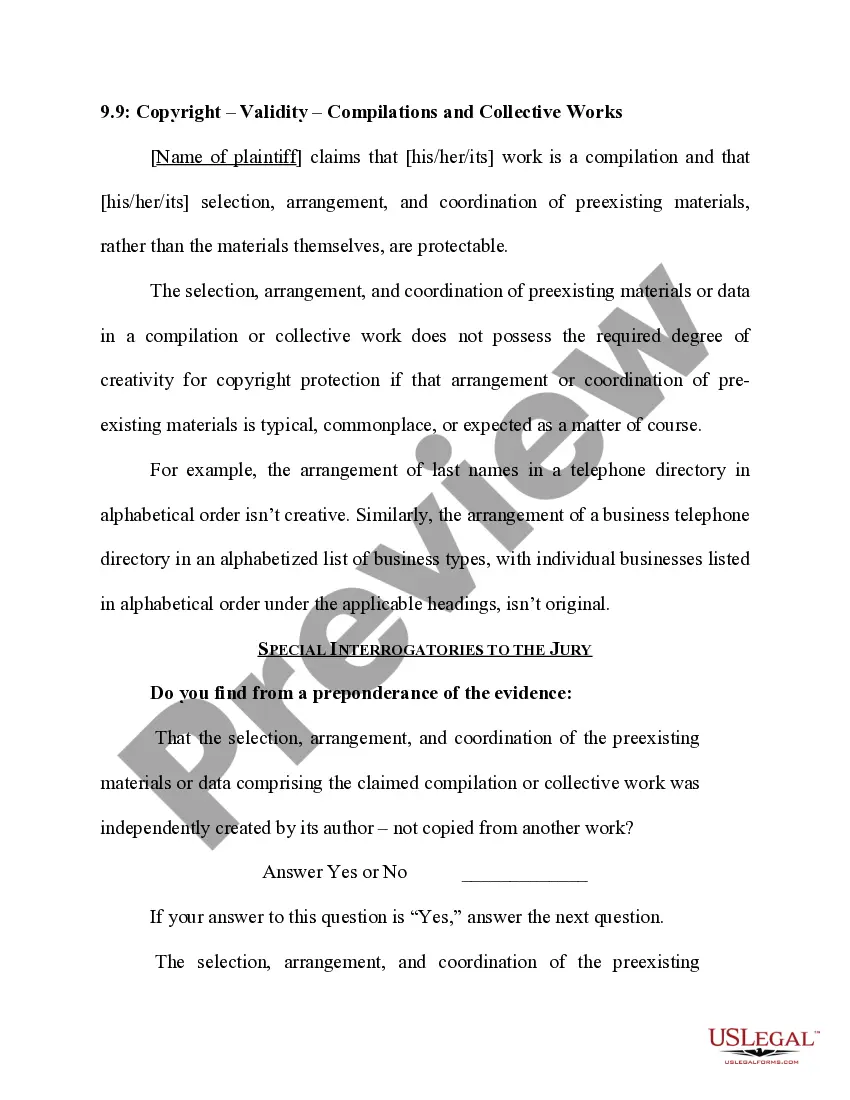
The Copyright - Validity - Compilations and Collective Works form is a legal document used to establish the copyright validity of compilations and collective works. It clarifies whether the selection, arrangement, and coordination of materials within a compilation may be protected under copyright law. This form assists in distinguishing between creative works and those that lack originality, such as standard compilations that do not meet the creative threshold necessary for copyright protection.
What’s included in this form
- Identification of the plaintiff's claim regarding the work as a compilation.
- Criteria for determining the originality of the selection, arrangement, and coordination of materials.
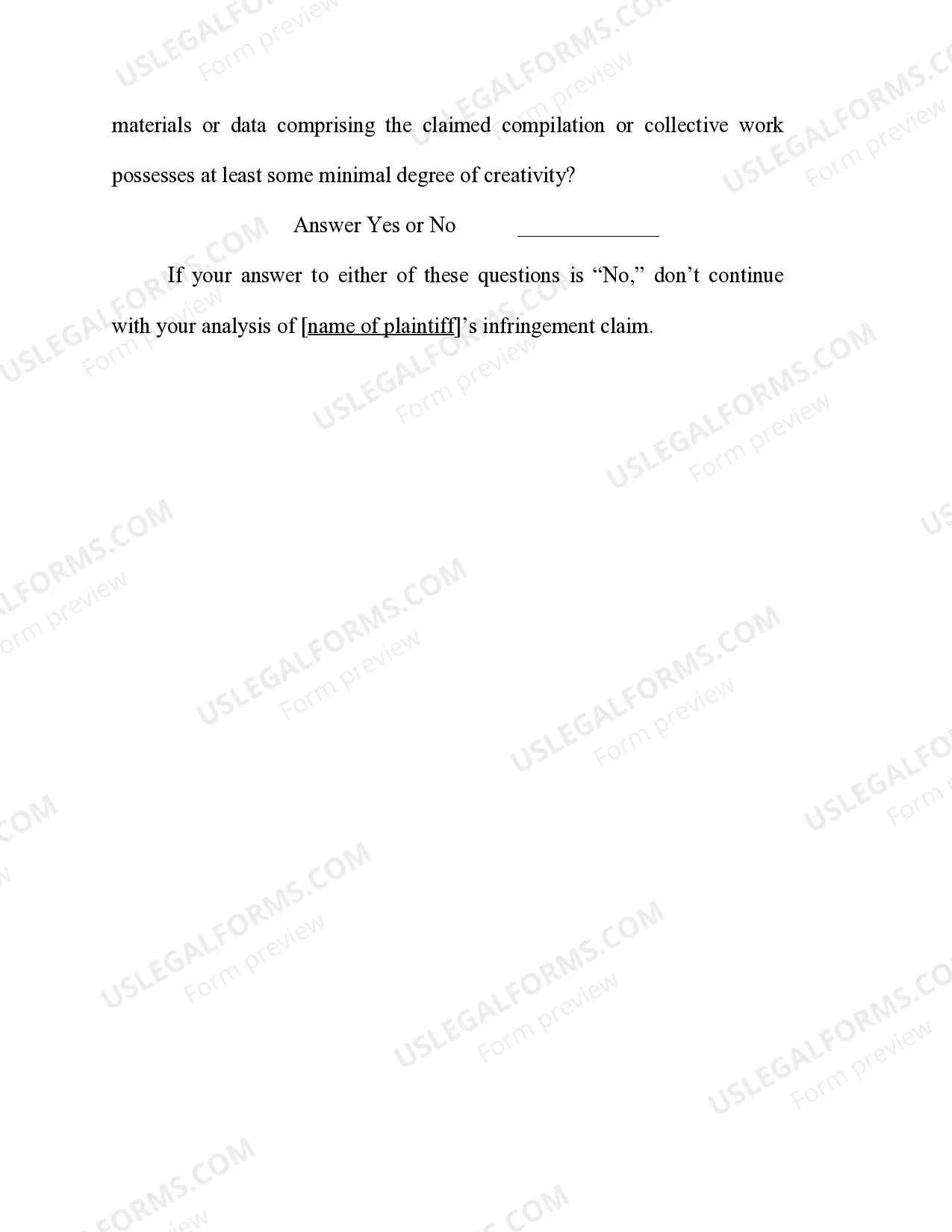
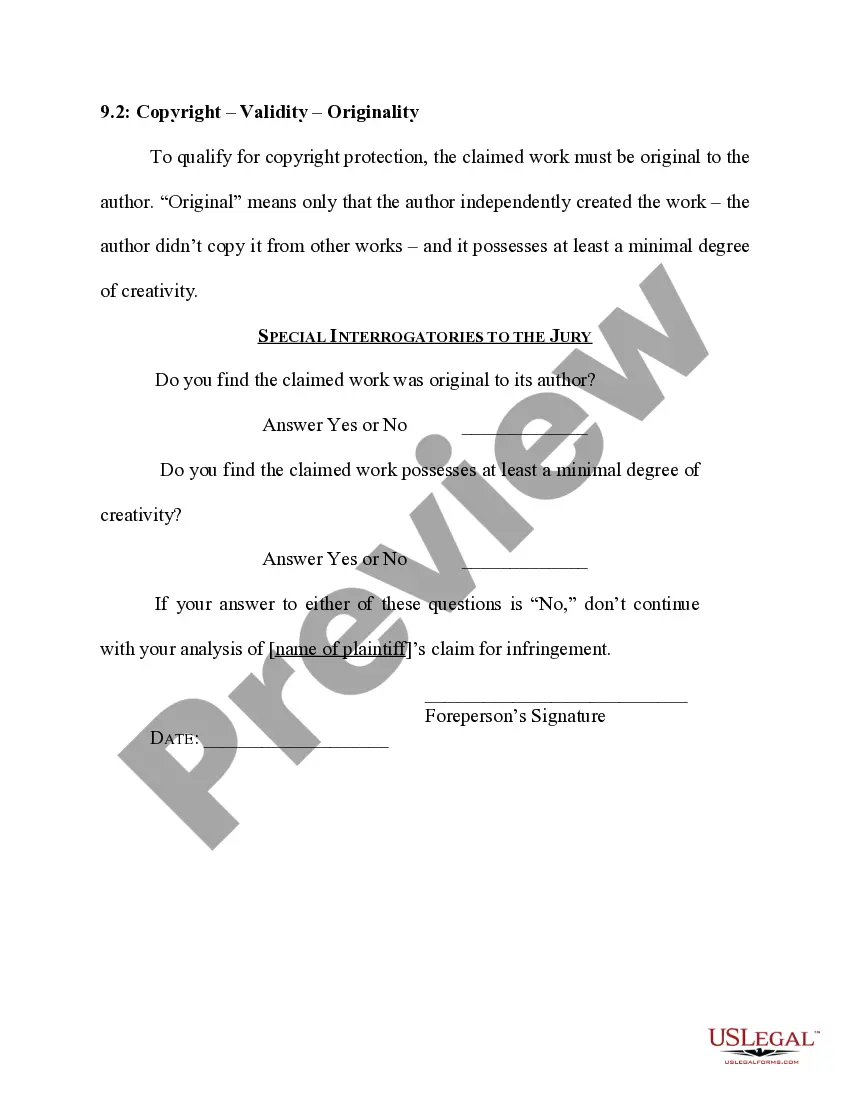
- Special interrogatories to the jury assessing the creativity and independence of the work's creation.
When to use this document
This form is applicable in instances where an individual or organization claims copyright protection over a compilation or collective work. Use this form when there is a dispute regarding the originality of the arrangement of materials, or when asserting that the work meets the necessary legal standards for copyright eligibility. It is crucial in legal cases involving copyright infringement or prior claims of copyright ownership.
Who needs this form
This form is intended for:
- Copyright holders who wish to assert their rights over compilations and collective works.
- Attorneys representing clients in copyright infringement cases.
- Individuals seeking to understand the validity of their copyright claims regarding non-original arrangements of data.
How to prepare this document
- Identify the name of the plaintiff and specify the work being claimed as a compilation or collective work.
- Detail the selection, arrangement, and coordination of preexisting materials that support the claim.
- Answer the special interrogatories regarding the independence of the work's creation and its creativity.
- Ensure accurate responses to each question to prevent dismissal of the claim.
- File the form according to the jurisdiction's court requirements.
Does this document require notarization?
This form usually doesn’t need to be notarized. However, local laws or specific transactions may require it. Our online notarization service, powered by Notarize, lets you complete it remotely through a secure video session, available 24/7.
Get your form ready online
Our built-in tools help you complete, sign, share, and store your documents in one place.
Make edits, fill in missing information, and update formatting in US Legal Forms—just like you would in MS Word.
Download a copy, print it, send it by email, or mail it via USPS—whatever works best for your next step.
Sign and collect signatures with our SignNow integration. Send to multiple recipients, set reminders, and more. Go Premium to unlock E-Sign.
If this form requires notarization, complete it online through a secure video call—no need to meet a notary in person or wait for an appointment.
We protect your documents and personal data by following strict security and privacy standards.

Make edits, fill in missing information, and update formatting in US Legal Forms—just like you would in MS Word.

Download a copy, print it, send it by email, or mail it via USPS—whatever works best for your next step.

Sign and collect signatures with our SignNow integration. Send to multiple recipients, set reminders, and more. Go Premium to unlock E-Sign.

If this form requires notarization, complete it online through a secure video call—no need to meet a notary in person or wait for an appointment.

We protect your documents and personal data by following strict security and privacy standards.
Typical mistakes to avoid
- Failing to adequately describe the selection and arrangement of materials.
- Not responding to all special interrogatories comprehensively.
- Assuming that all compilations receive automatic copyright protection.
Benefits of completing this form online
- Convenient access to legal forms written by licensed attorneys.
- Editability allows for customization to specific needs.
- Reliable formatting that adheres to legal standards.
Legal use & context
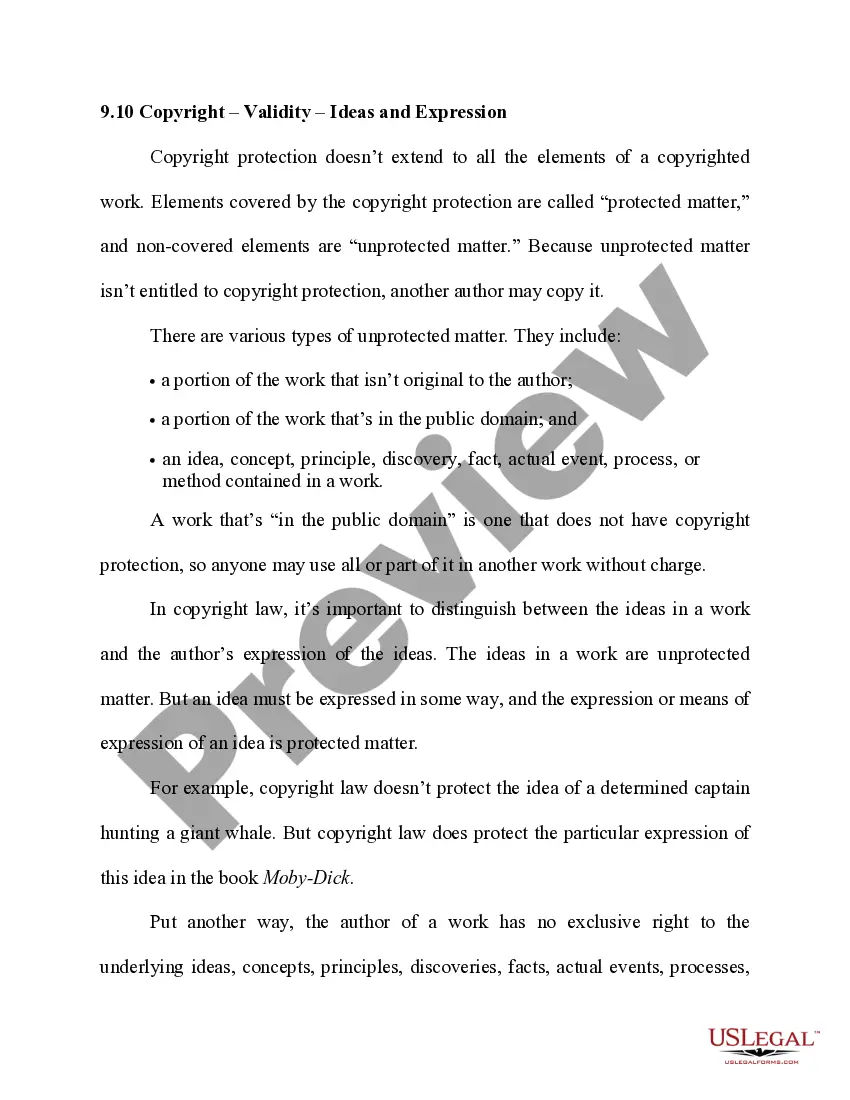
- Compilations must demonstrate a minimal degree of creativity for copyright protection.
- The arrangement of commonplace materials generally does not qualify for copyright status.
- Usage of this form helps clarify ownership rights in potential copyright disputes.
Looking for another form?

Form popularity
FAQ
Under the Copyright Act, a collective work is considered one work for purposes of registration. A registration for a collective work covers the copyrightable authorship in the selection, coordination, or arrangement of the work.
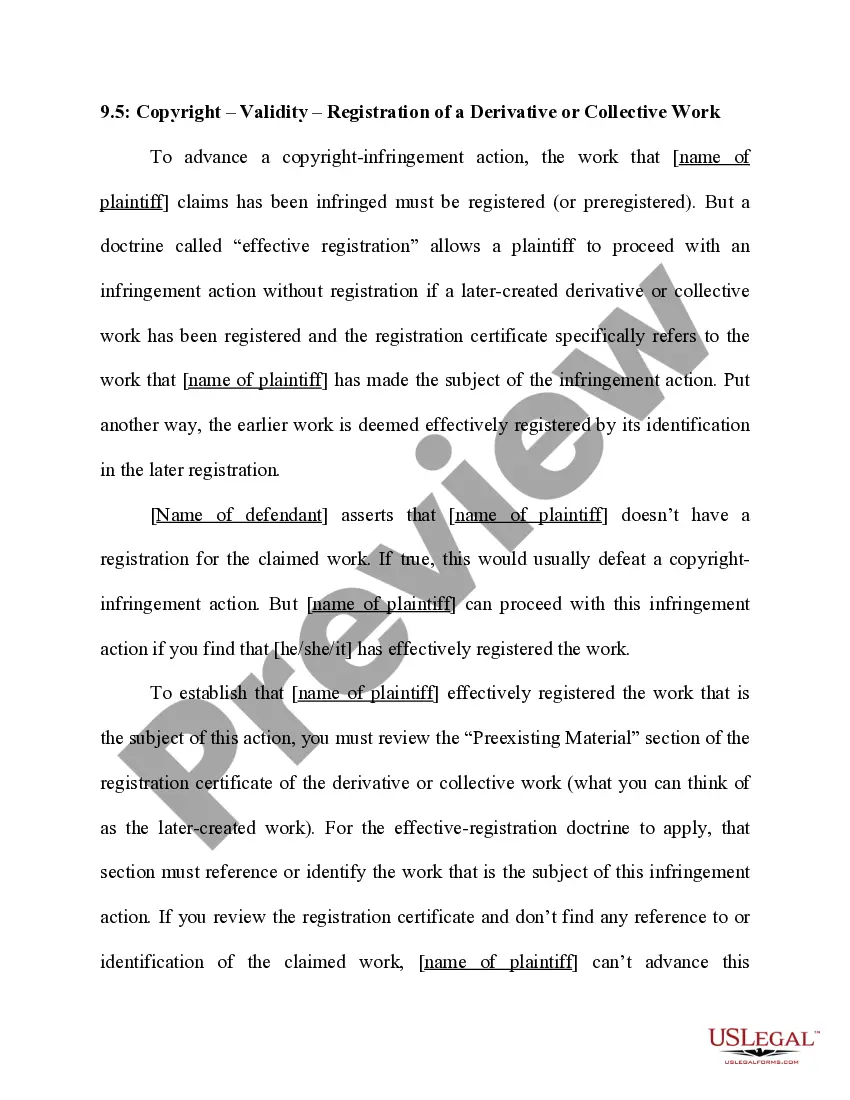
§ 103(b) provides: The copyright in a compilation or derivative work extends only to the material contributed by the author of such work, as distinguished from the preexisting material employed in the work, and does not imply any exclusive right in the preexisting material.
Copyright Protection in Derivative Works The copyright in a derivative work covers only the additions, changes, or other new material appearing for the first time in the work.
A collective work is generally a compilation, such as a periodical, anthology, or encyclopedia, in which a number of separate and independent works are assembled into one larger work. If you have contributed to a compilation, it does not change the copyright status of your work.
The copyright for the derivative work only covers the additions or changes to the original work, not the original itself. The owner of the original work retains control over the work, and in many circumstances can withdraw the license given to someone to create derivative works.
Collective Works A collective work is a compilation in which a number of contributions, constituting separate and independent works in themselves, are assembled into a collective whole. In most cases, the Copyright Office. requires each work of authorship to be. registered on a separate application.
A compilation of mere facts may not be copyrighted. Instead, a compilation may only be copyrighted if there is a creative or original act involved, i.e., in the selection and arrangement of materials. The protection is limited only to the creative or original aspects of the compilation.
The right to create a derivative work falls under the songwriting copyright, and the owner of the original underlying copyright is the only one who has the right to create or authorize someone else to create a derivative work or new version of their work. You can't create a derivate work without the owner's permission.