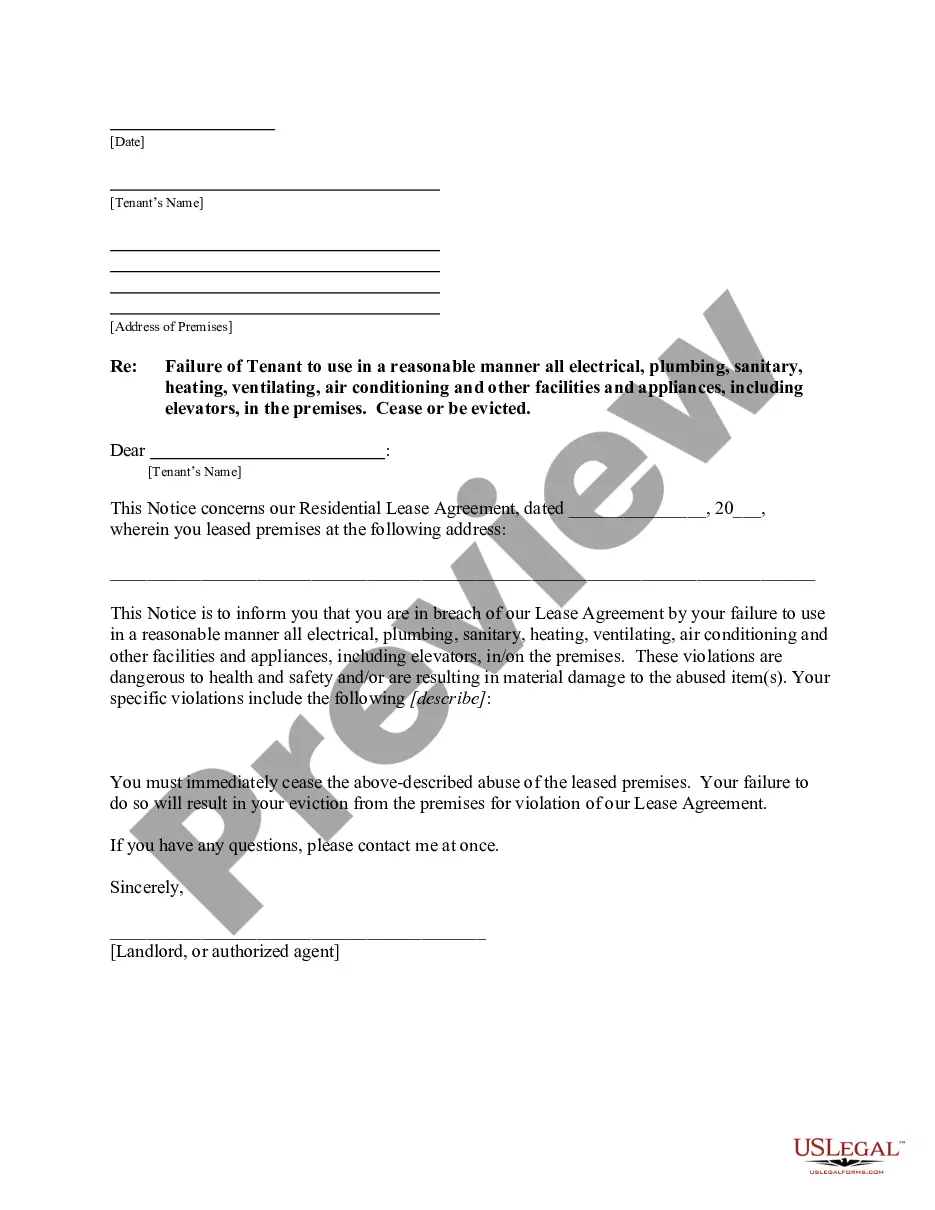
Telephone Systems Service Contract - Self-Employed
About this form
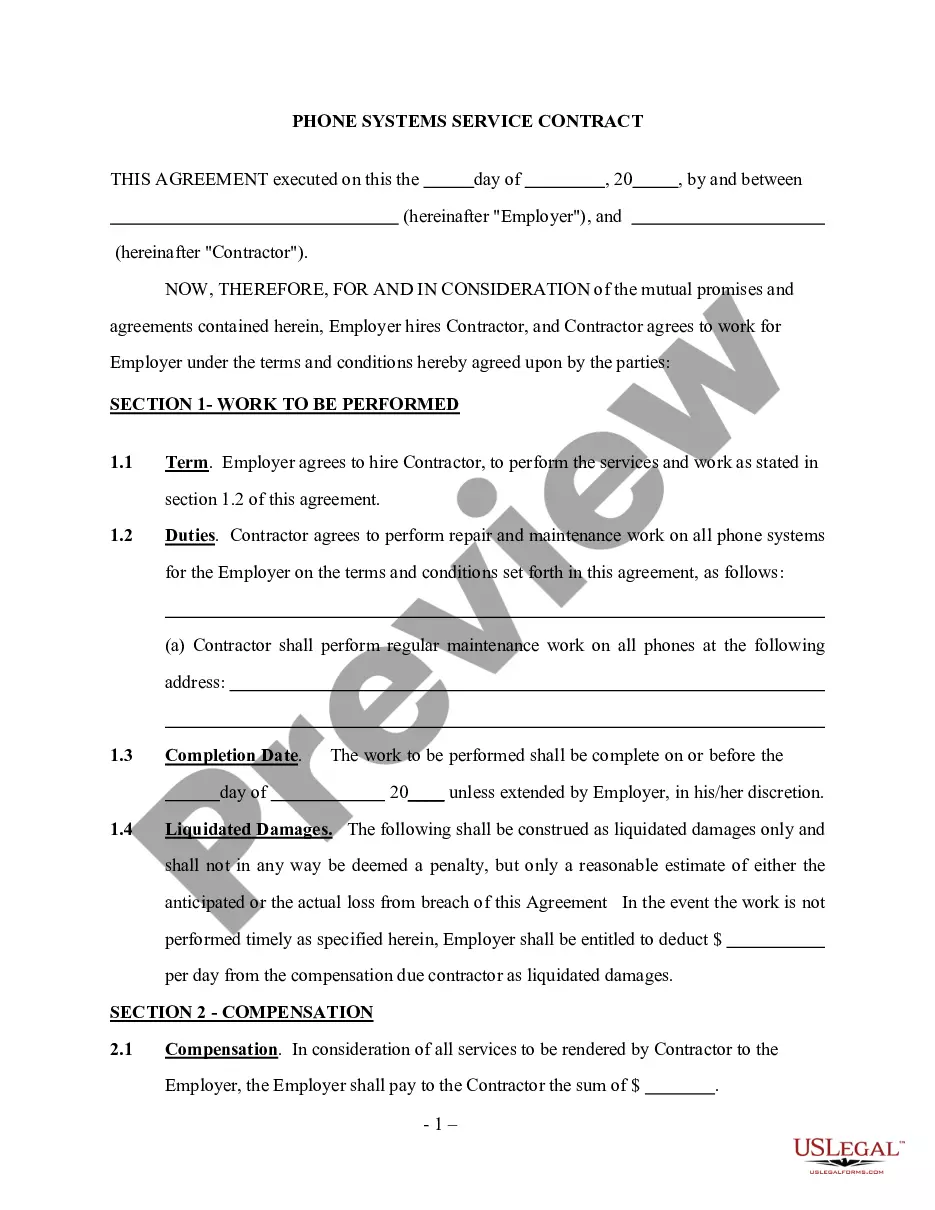
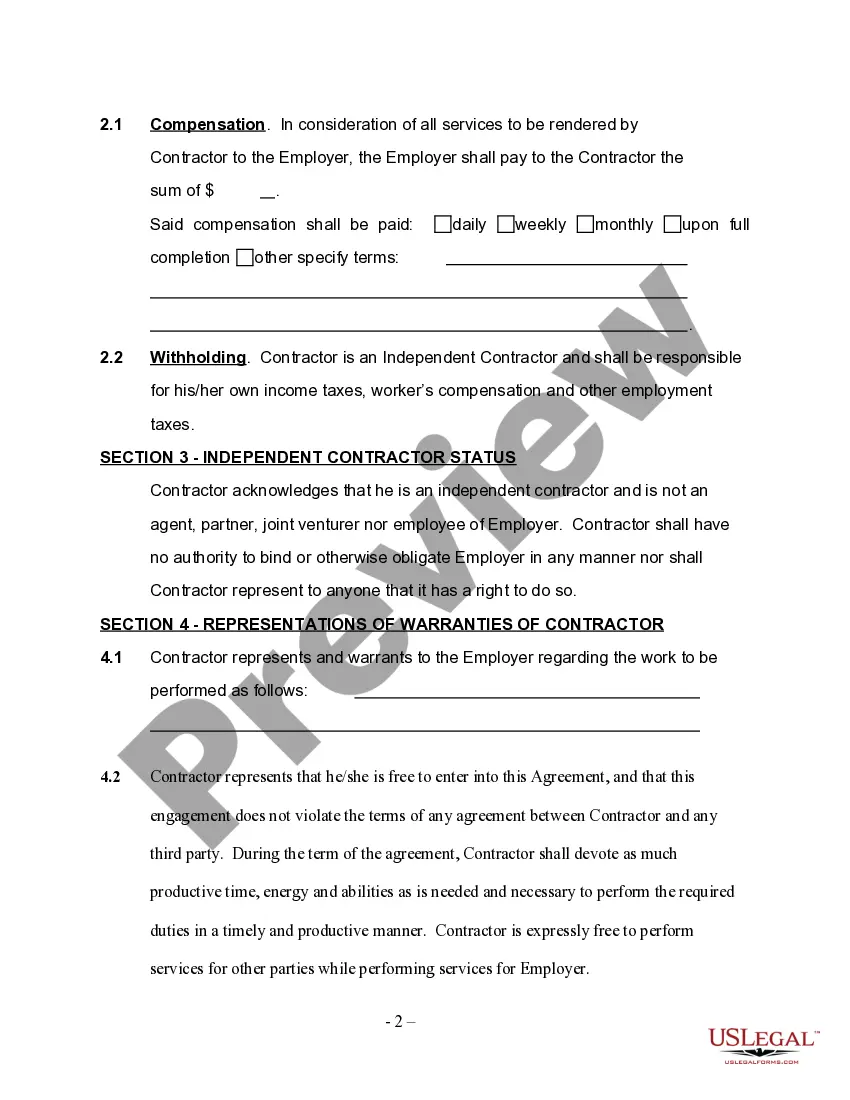
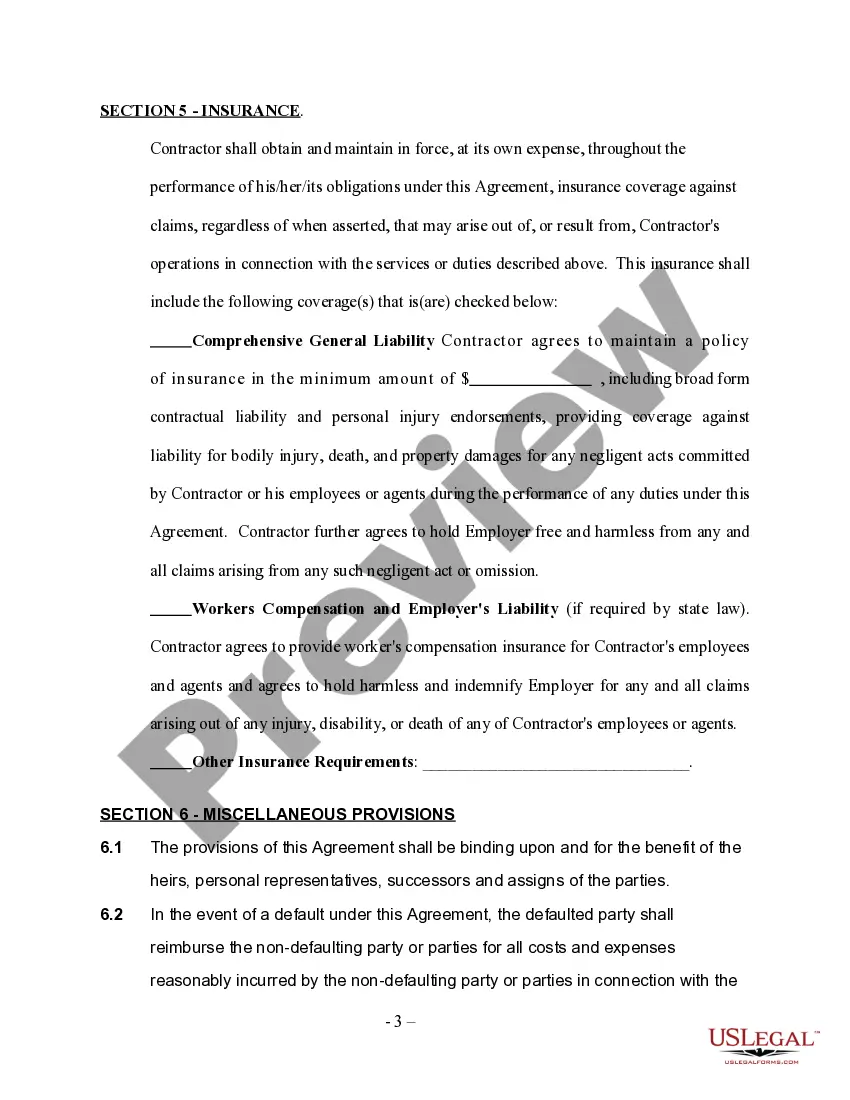
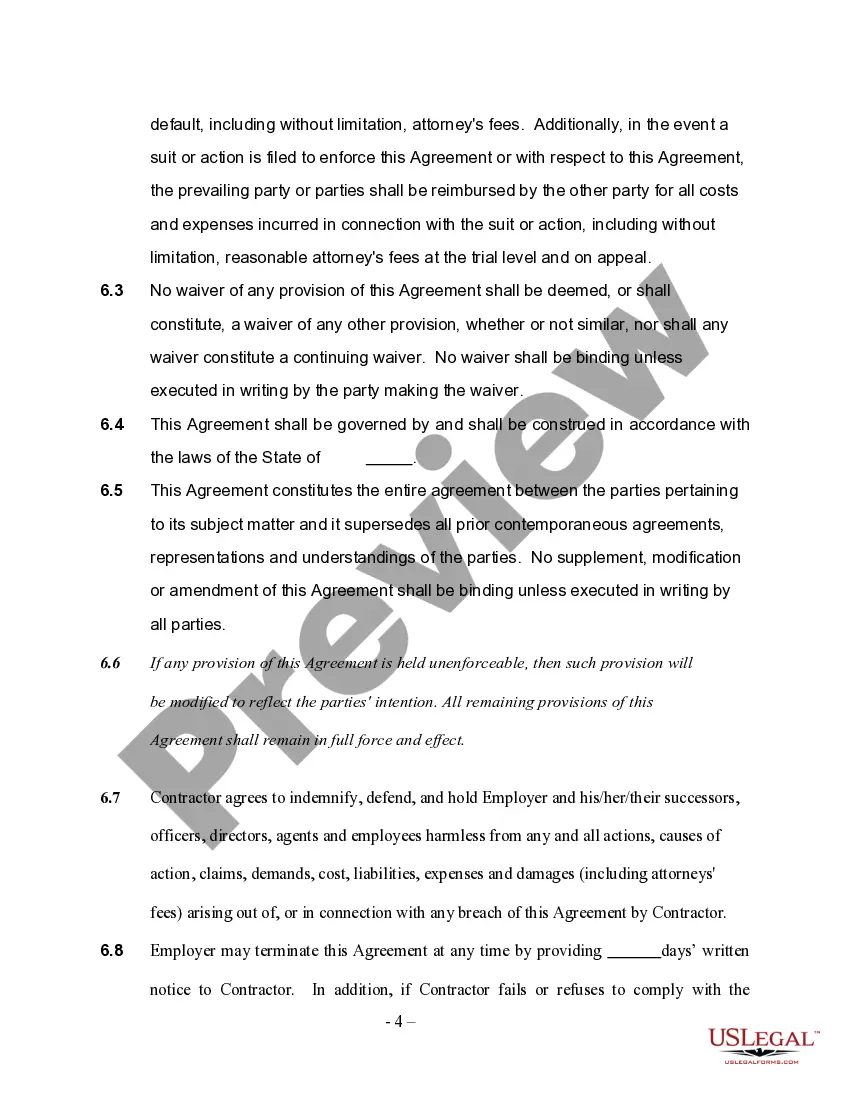
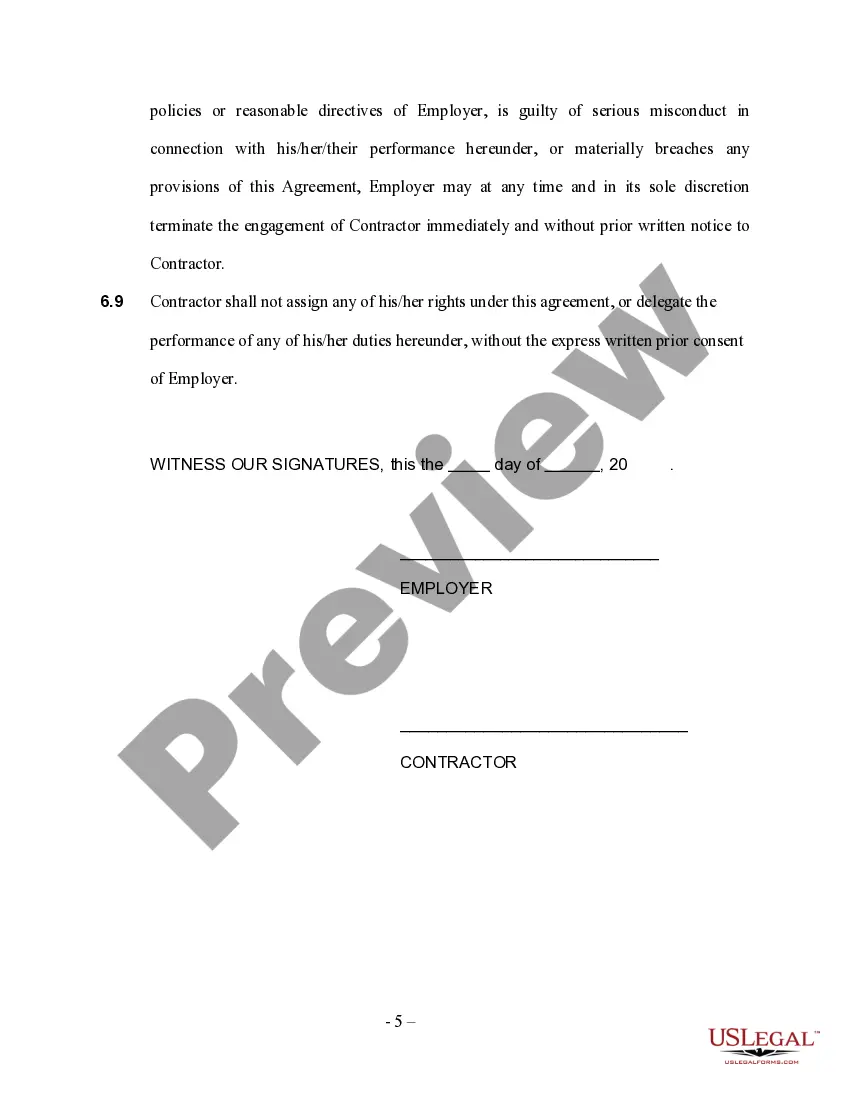
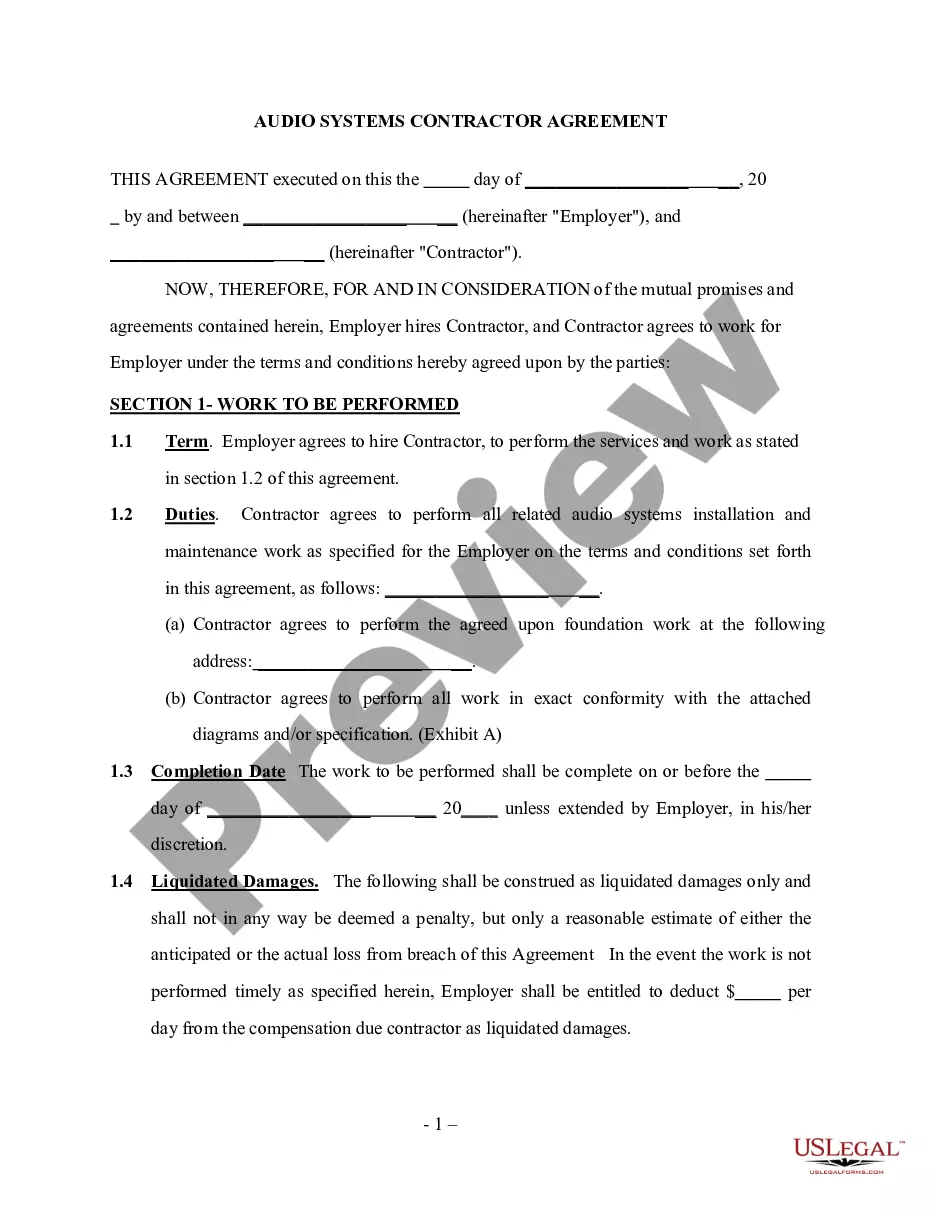
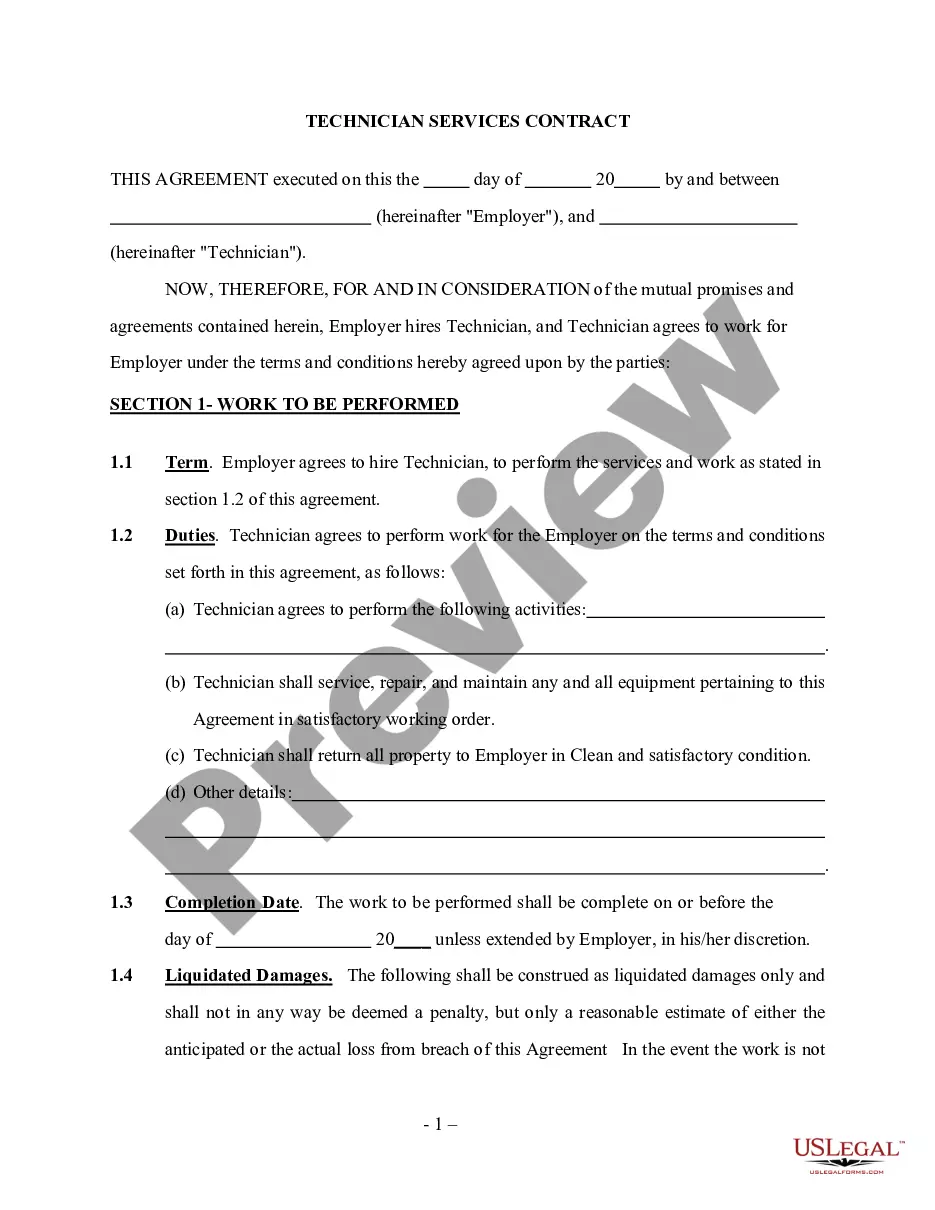
The Telephone Systems Service Contract - Self-Employed is a legal document that establishes an agreement between an employer and a self-employed contractor who provides telephone repair services. This form specifies the duties the contractor will perform, the professional relationship as an independent contractor, and includes insurance requirements. It aids in clarifying the expectations for both parties and serves as a binding contract for telephone service maintenance, distinguishing itself from typical employee agreements which may contain different terms regarding employment status and responsibilities.
Main sections of this form
- Section 1 - Work to be performed: Details the term and scope of work the contractor is hired to fulfill.
- Section 3 - Independent contractor status: Confirms that the contractor is not an employee or agent of the employer.
- Section 5 - Insurance: Outlines insurance obligations and requirements that the contractor must maintain.
- Consideration: States the mutual agreements that bind both parties under this contract.
Situations where this form applies
This form is used when a business requires telephone system maintenance and decides to hire a self-employed contractor. It is particularly useful in situations where a company needs to ensure that its telephone systems are regularly serviced without employing a full-time technician. Scenarios include businesses with multiple phone lines or those needing specialized repairs for client services.
Who can use this document
- Employers looking to hire independent contractors for telephone repair services.
- Self-employed contractors offering phone repair services to businesses.
- Businesses needing a clear contractual agreement for outsourced telephone maintenance work.
Steps to complete this form
- Identify the parties: Fill in the names and contact information of both the employer and the contractor.
- Specify the term: Clearly define the period during which the contractor will provide services.
- Detail the services: Outline the specific phone repair services to be performed under this agreement.
- Complete the insurance section: Specify the types of insurance coverage the contractor must maintain.
- Sign and date: Ensure both parties sign the agreement to validate the contract.
Does this form need to be notarized?
This form does not typically require notarization to be legally valid. However, some jurisdictions or document types may still require it. US Legal Forms provides secure online notarization powered by Notarize, available 24/7 for added convenience.
Get your form ready online
Our built-in tools help you complete, sign, share, and store your documents in one place.
Make edits, fill in missing information, and update formatting in US Legal Forms—just like you would in MS Word.
Download a copy, print it, send it by email, or mail it via USPS—whatever works best for your next step.
Sign and collect signatures with our SignNow integration. Send to multiple recipients, set reminders, and more. Go Premium to unlock E-Sign.
If this form requires notarization, complete it online through a secure video call—no need to meet a notary in person or wait for an appointment.
We protect your documents and personal data by following strict security and privacy standards.

Make edits, fill in missing information, and update formatting in US Legal Forms—just like you would in MS Word.

Download a copy, print it, send it by email, or mail it via USPS—whatever works best for your next step.

Sign and collect signatures with our SignNow integration. Send to multiple recipients, set reminders, and more. Go Premium to unlock E-Sign.

If this form requires notarization, complete it online through a secure video call—no need to meet a notary in person or wait for an appointment.

We protect your documents and personal data by following strict security and privacy standards.
Common mistakes to avoid
- Failing to clearly specify the scope of work, which can lead to misunderstandings.
- Not confirming the independent contractor status, potentially exposing the employer to legal liability.
- Omitting insurance obligations, which can risk financial exposure in case of accidents or damages.
- Leaving the agreement unsigned, making it unenforceable in a legal dispute.
Benefits of completing this form online
- Convenience of immediate access and ability to download the contract at any time.
- Editability allows users to tailor the agreement to their specific needs.
- Reliability of professionally drafted and legally vetted content, ensuring it meets legal standards.
Legal use & context
The Telephone Systems Service Contract - Self-Employed is legally binding once signed by both parties. It establishes the rights and responsibilities of the contractor and the employer, ensuring clarity in the professional relationship and protecting both parties in case of disputes.
What to keep in mind
- The contract formalizes the relationship between a business and a self-employed contractor.
- It is essential for defining work scope, terms, and liabilities.
- Ensure clarity on insurance and independent contractor status to avoid legal pitfalls.
Looking for another form?



Form popularity
FAQ
To set yourself up as a self-employed taxpayer with the IRS, you simply start paying estimated taxes (on Form 1040-ES, Estimated Tax for Individuals) and file Schedule C, Profit or Loss From Business, and Schedule SE, Self-Employment Tax, with your Form 1040 tax return each April.
You'll need to file a tax return with the IRS if your net earnings from self-employment are $400 or more. Along with your Form 1040, you'll file a Schedule C to calculate your net income or loss for your business. You can file a Schedule C-EZ form if you have less than $5,000 in business expenses.
Simply put, being an independent contractor is one way to be self-employed. Being self-employed means that you earn money but don't work as an employee for someone else.An independent contractor is someone who provides a service on a contractual basis.
Finally, the new stimulus bill provides independent contractors with paid sick and paid family leave benefits through March 14, 2021.Under CARES Act II, unemployed or underemployed independent contractors who have an income mix from self-employment and wages paid by an employer are still eligible for PUA.
For CPP and income tax, CRA considers an individual NOT employed under a contract of service to be self-employed, and he/she is responsible for paying his/her CPP and income tax deductions.
Self-employed persons, including direct sellers, report their income on Schedule C (Form 1040), Profit or Loss from Business (Sole Proprietorship). Use Schedule SE (Form 1040), Self-Employment Tax if the net earnings from self-employment are $400 or more.
The earnings of a person who is working as an independent contractor are subject to Self-Employment Tax. If you are an independent contractor, you are self-employed.You are not an independent contractor if you perform services that can be controlled by an employer (what will be done and how it will be done).
Apply online at Unemployment Benefit Services ( UBS ) 24 hours a day, 7 days a week by selecting Apply for Benefits. Call our Tele-Center at 800-939-6631 from 7 a.m. to 7 p.m. seven days a week and speak to a customer service representative.
If you received a 1099 form instead of a W-2 , then the payer of your income did not consider you an employee and did not withhold federal income tax or Social Security and Medicare tax. A 1099-MISC or NEC means that you are classified as an independent contractor and independent contractors are self-employed.