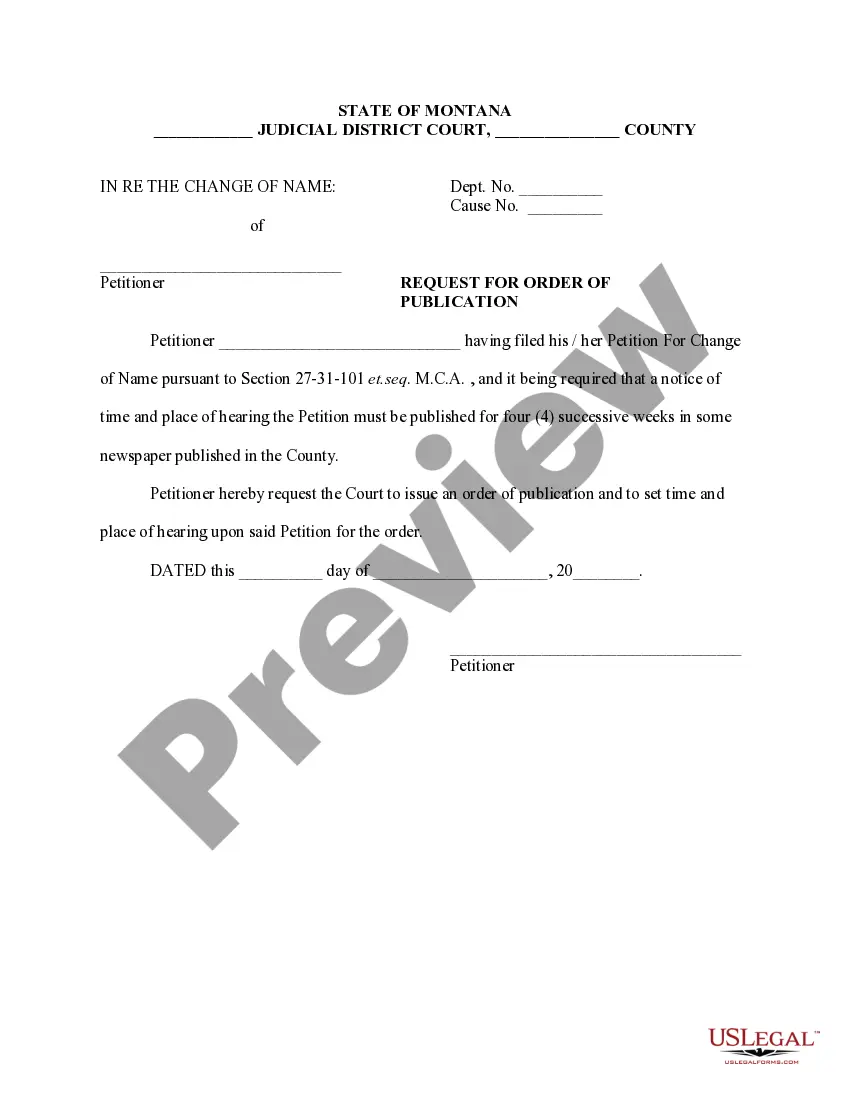
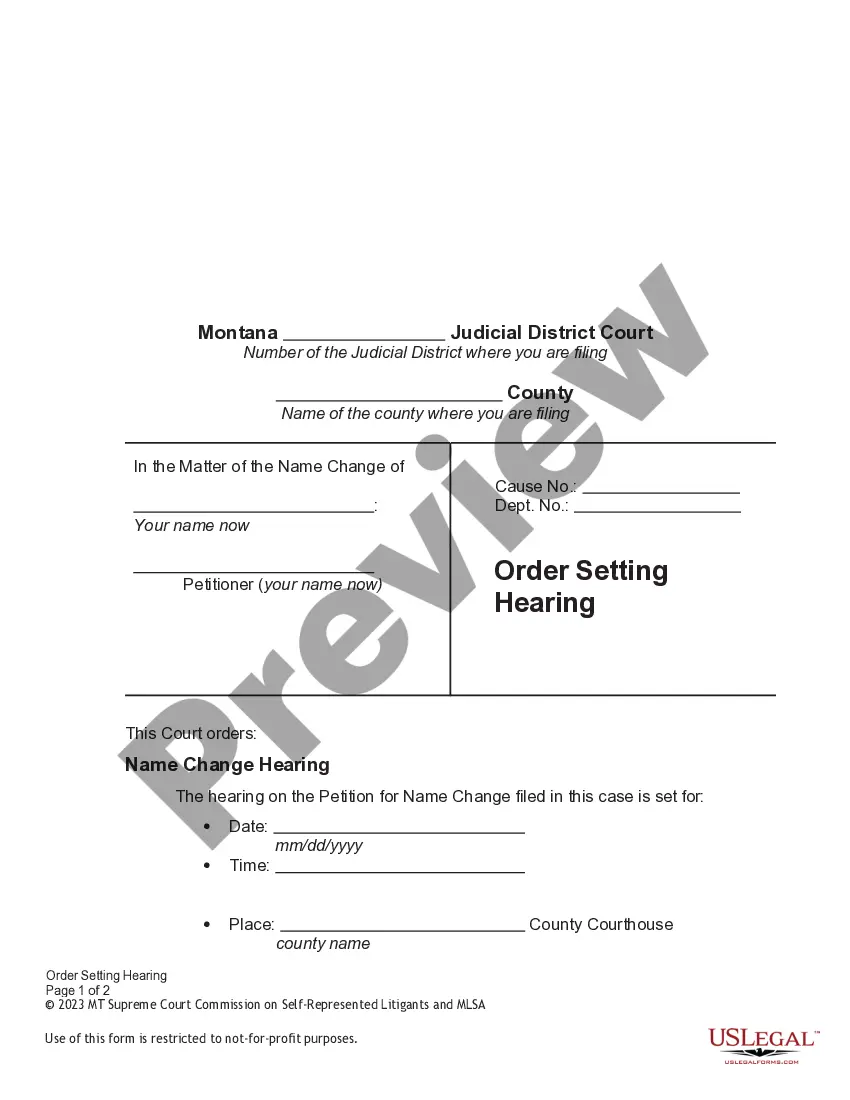
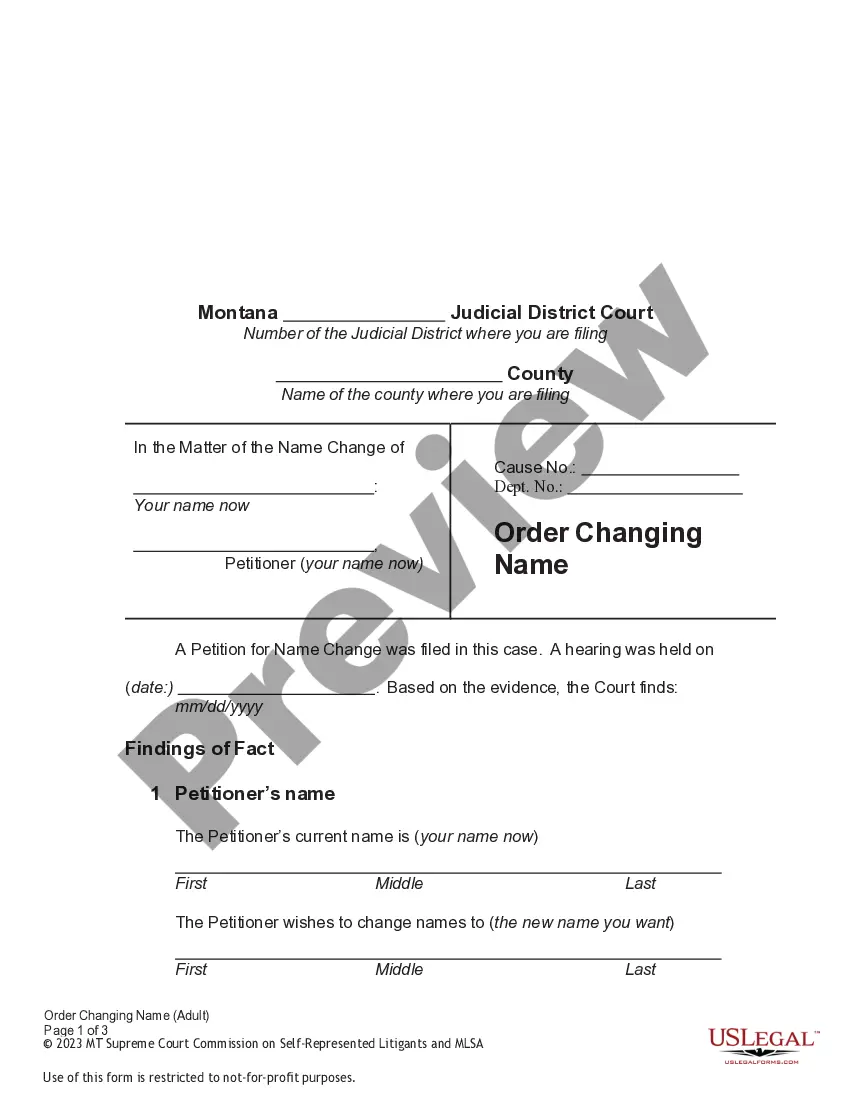
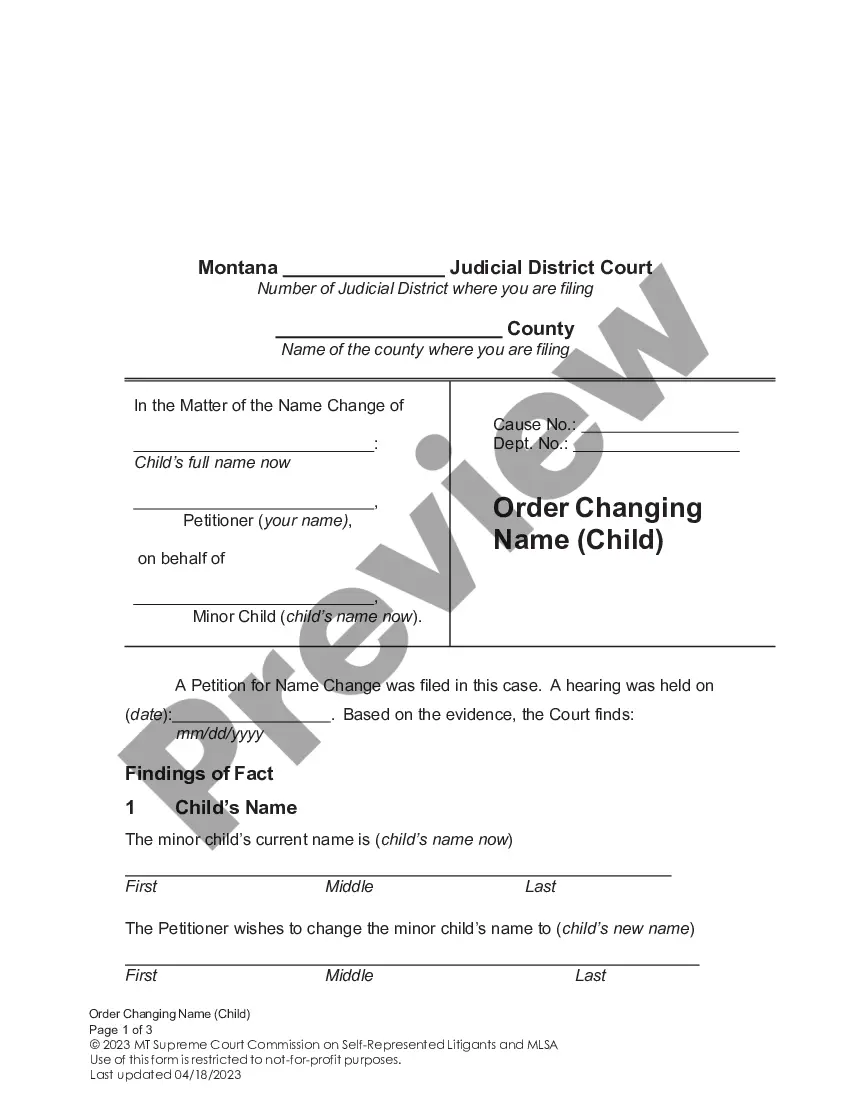
Complaint regarding Product Liability - Household Cleanser
What is this form?
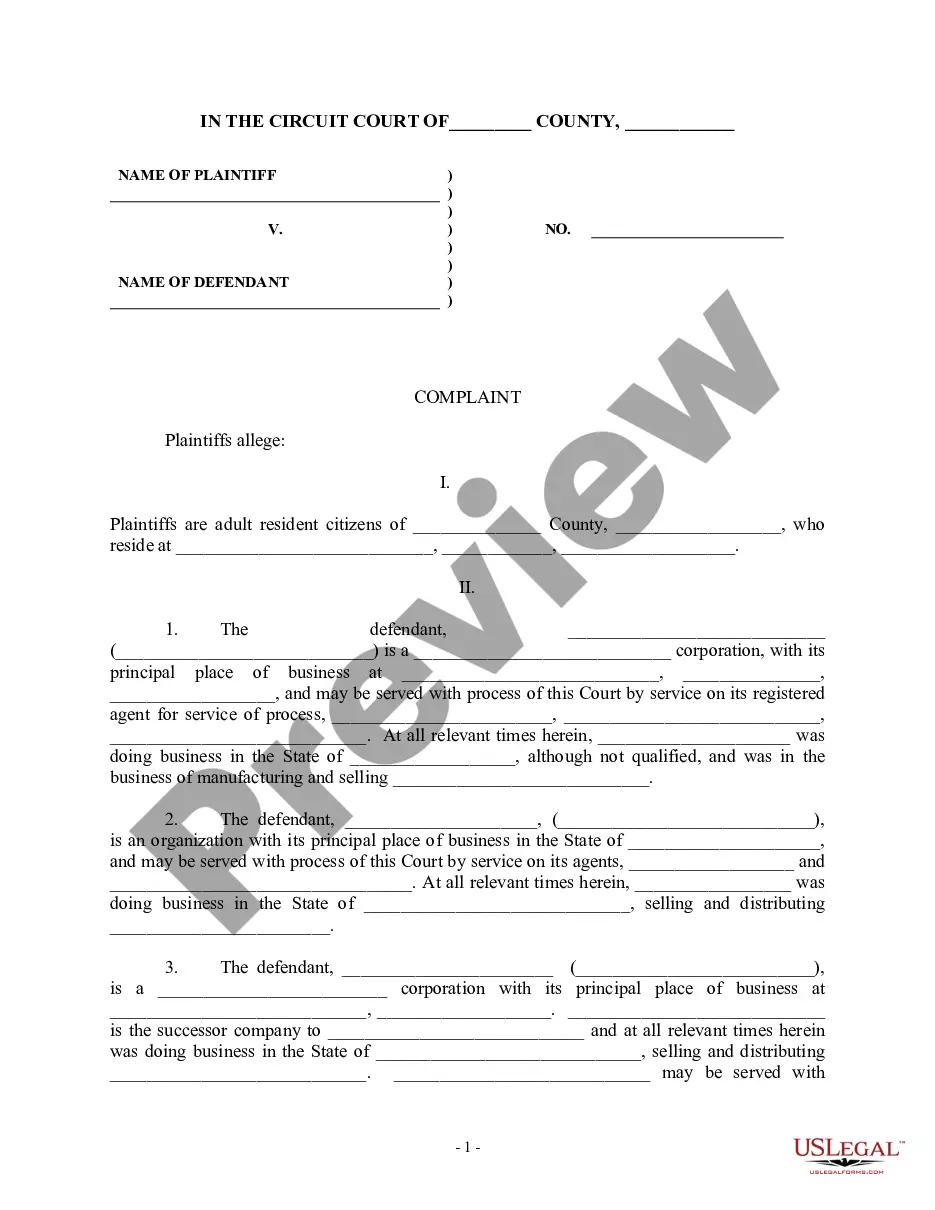
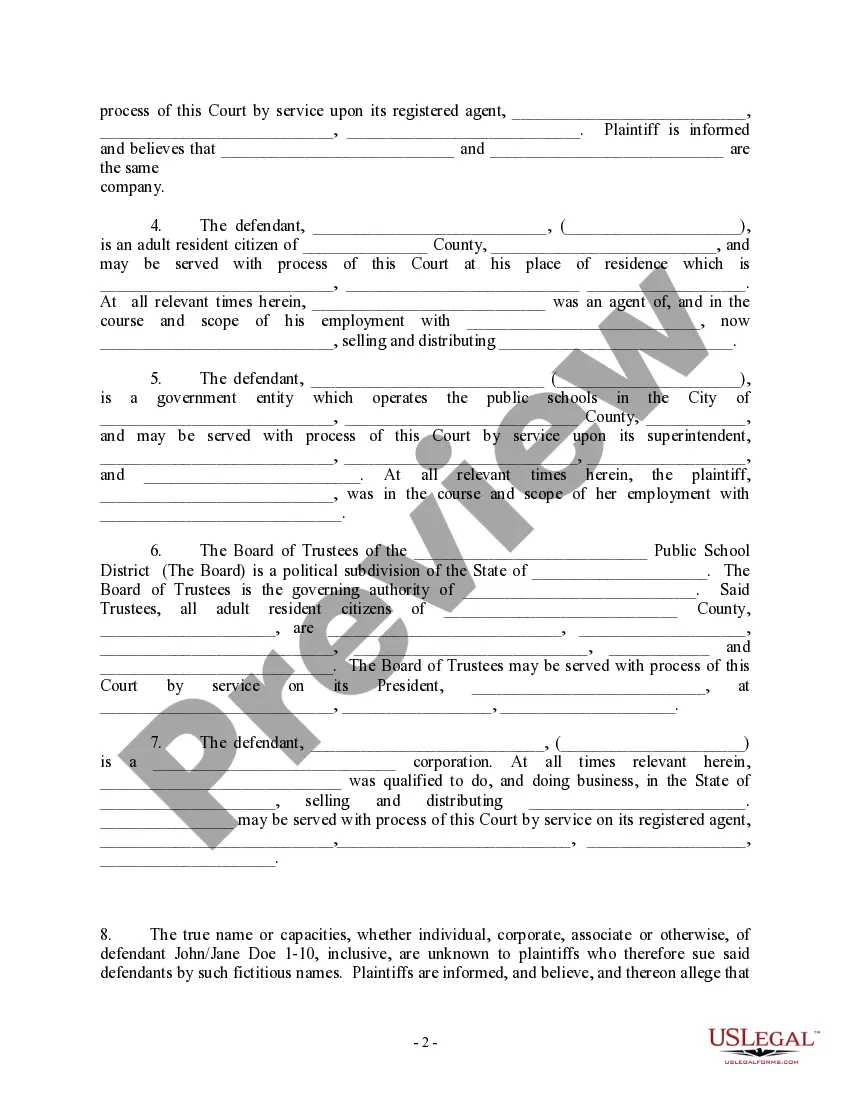
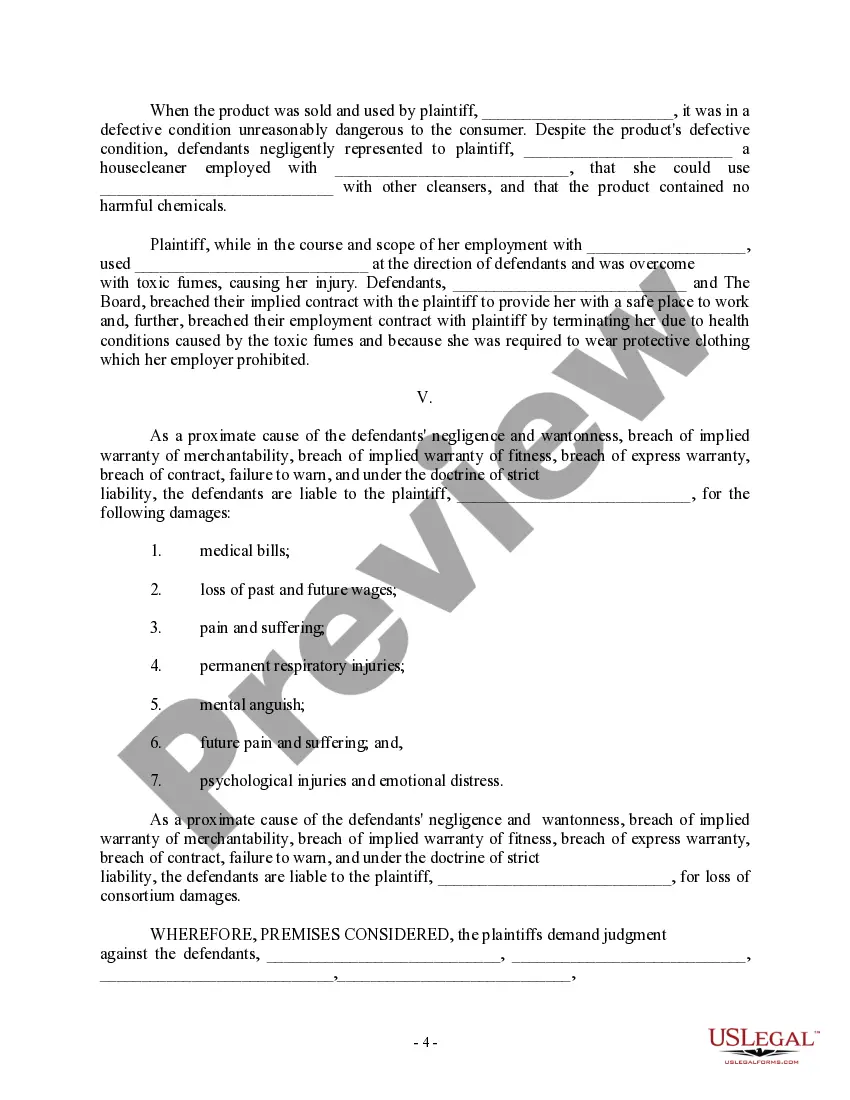
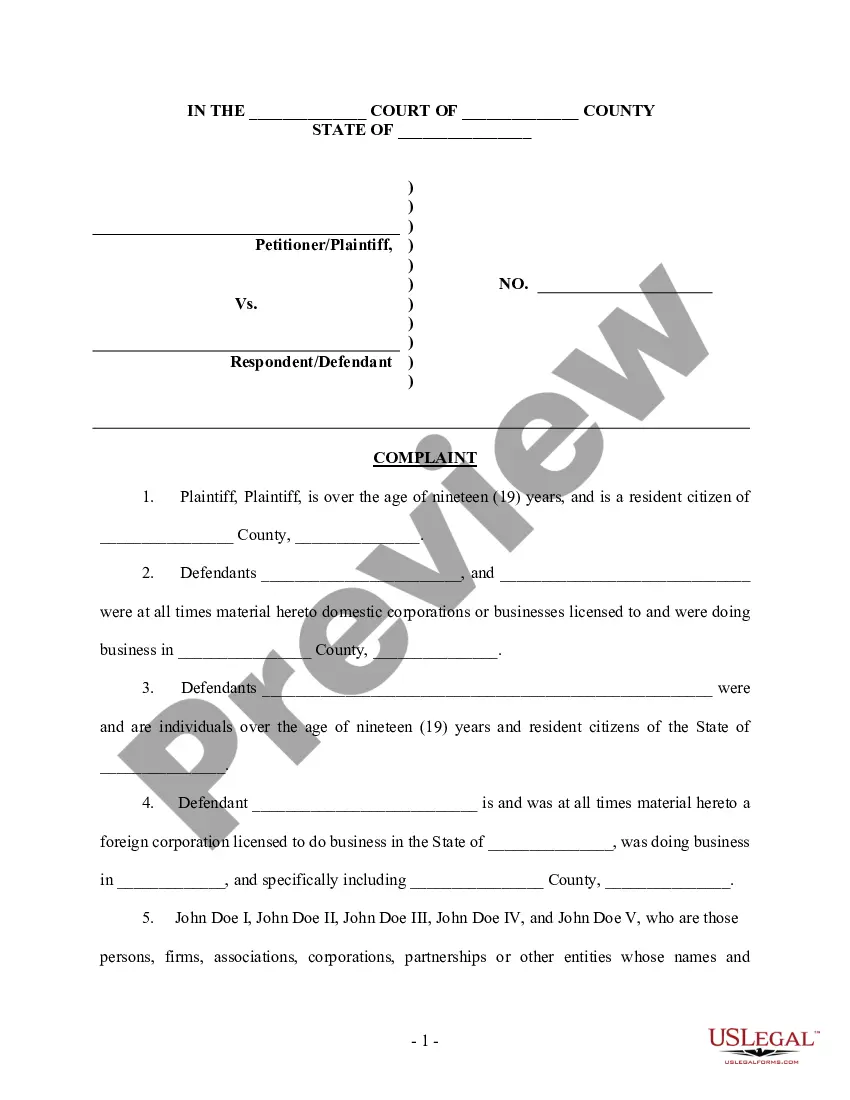
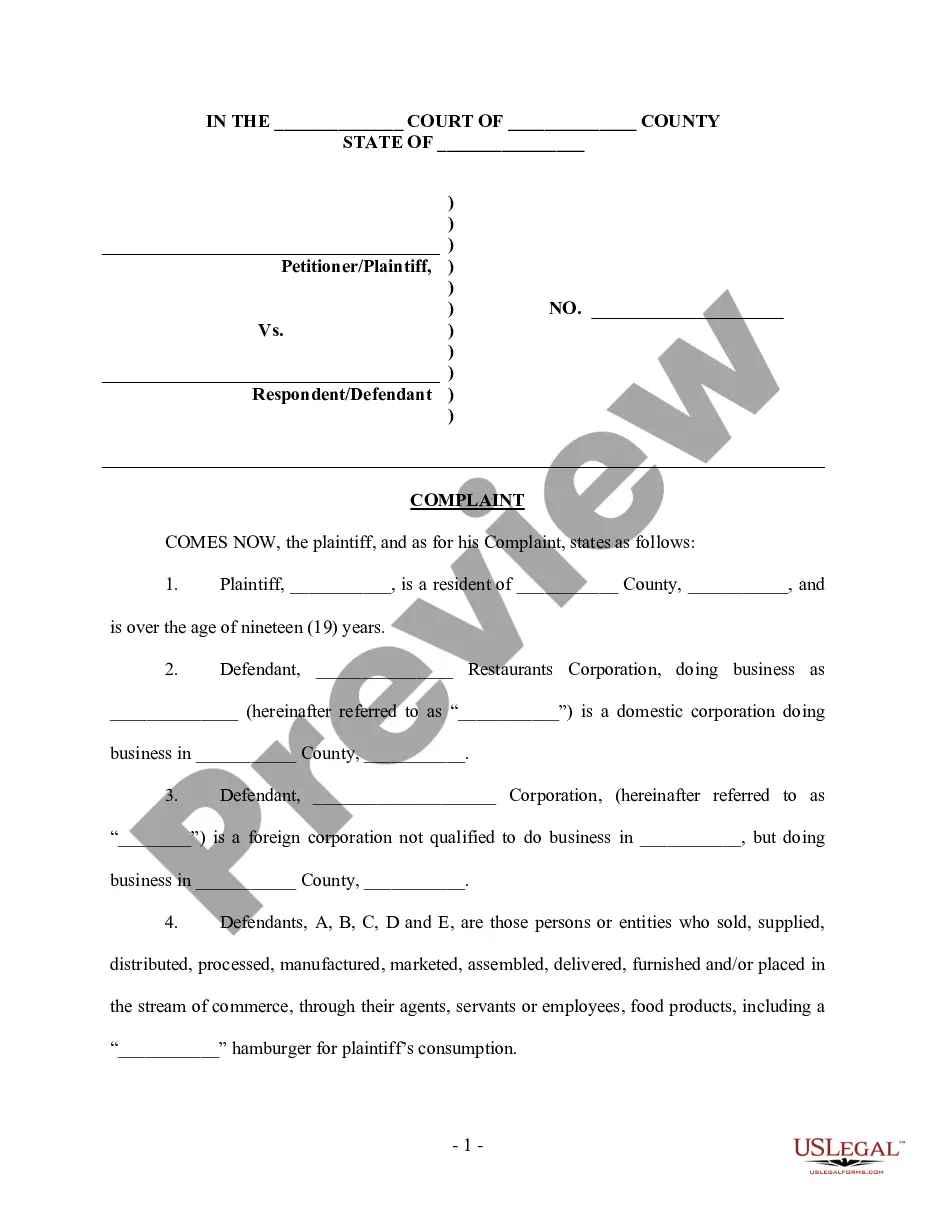
The Complaint regarding Product Liability - Household Cleanser is a legal document used to initiate a lawsuit against a manufacturer or distributor of a household cleaning product believed to cause harm. This form, which can be used in multiple states, outlines the plaintiff's claims, specifying the defects in the product, the injuries sustained, and the defendants involved. It differs from other complaint forms by focusing specifically on product liability related to household cleaning agents and the unique injuries that may arise from their use.
Main sections of this form
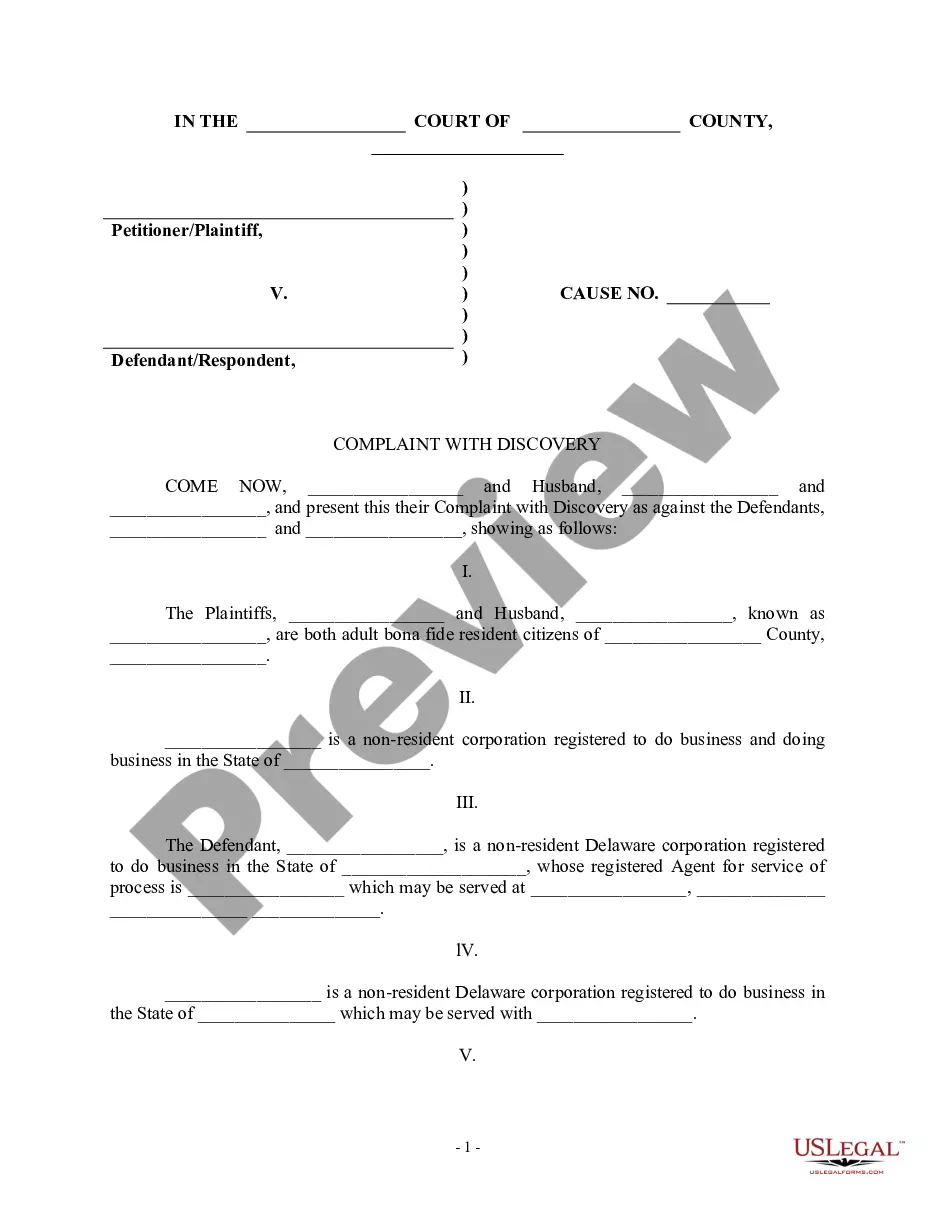
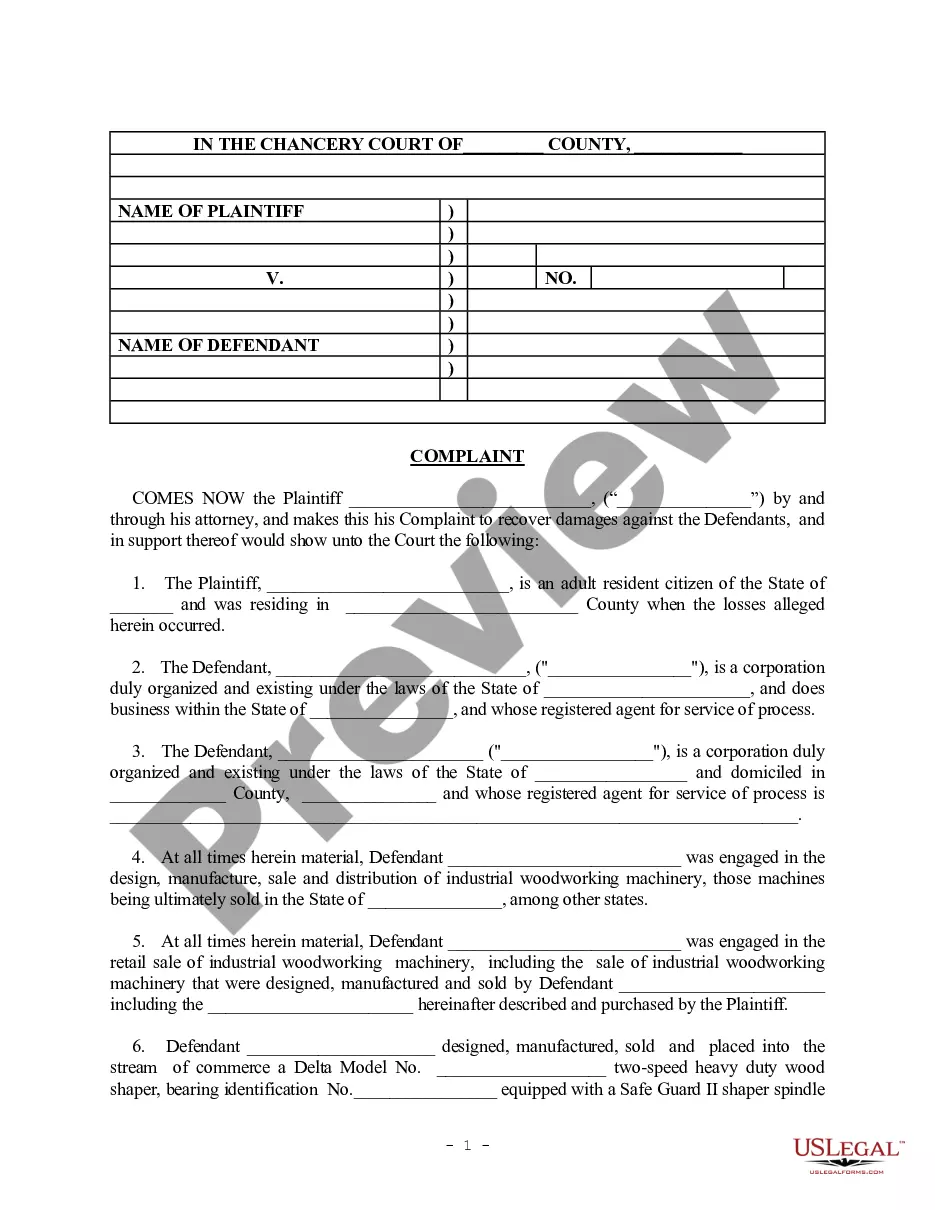
- Defendant identification: Details of the corporations and individuals involved in the case.
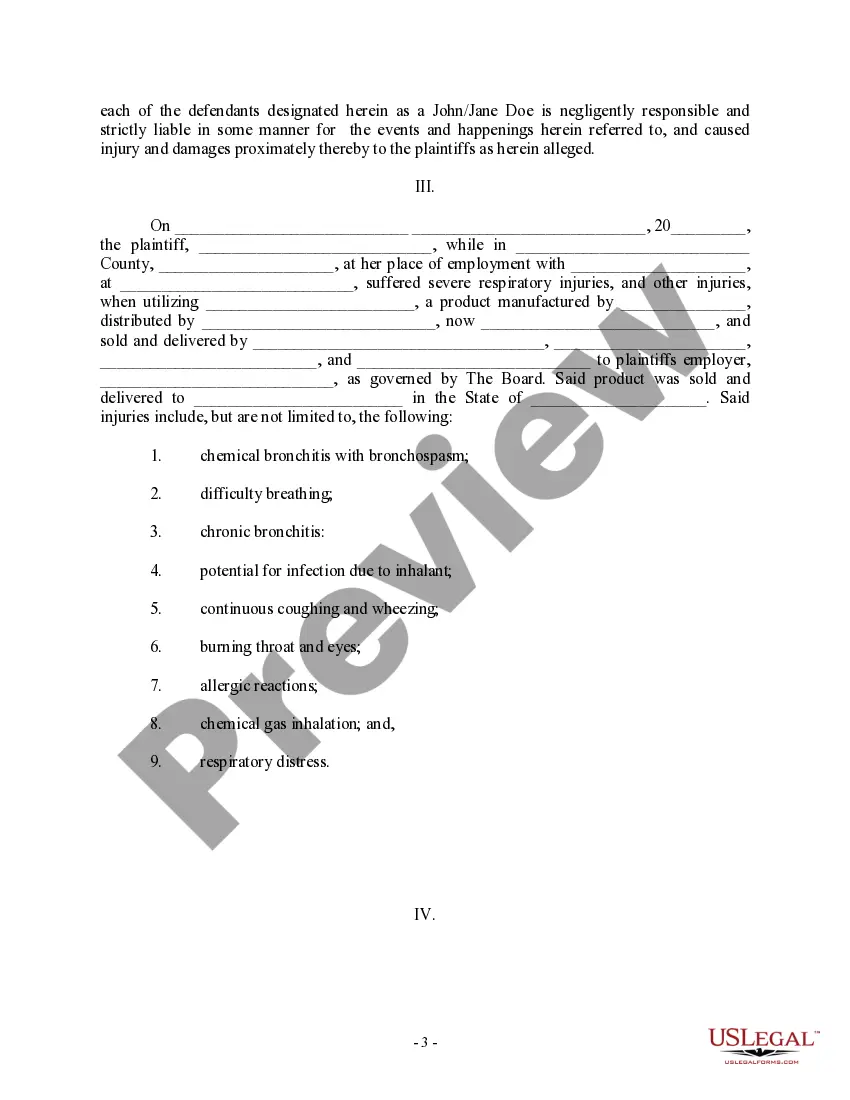
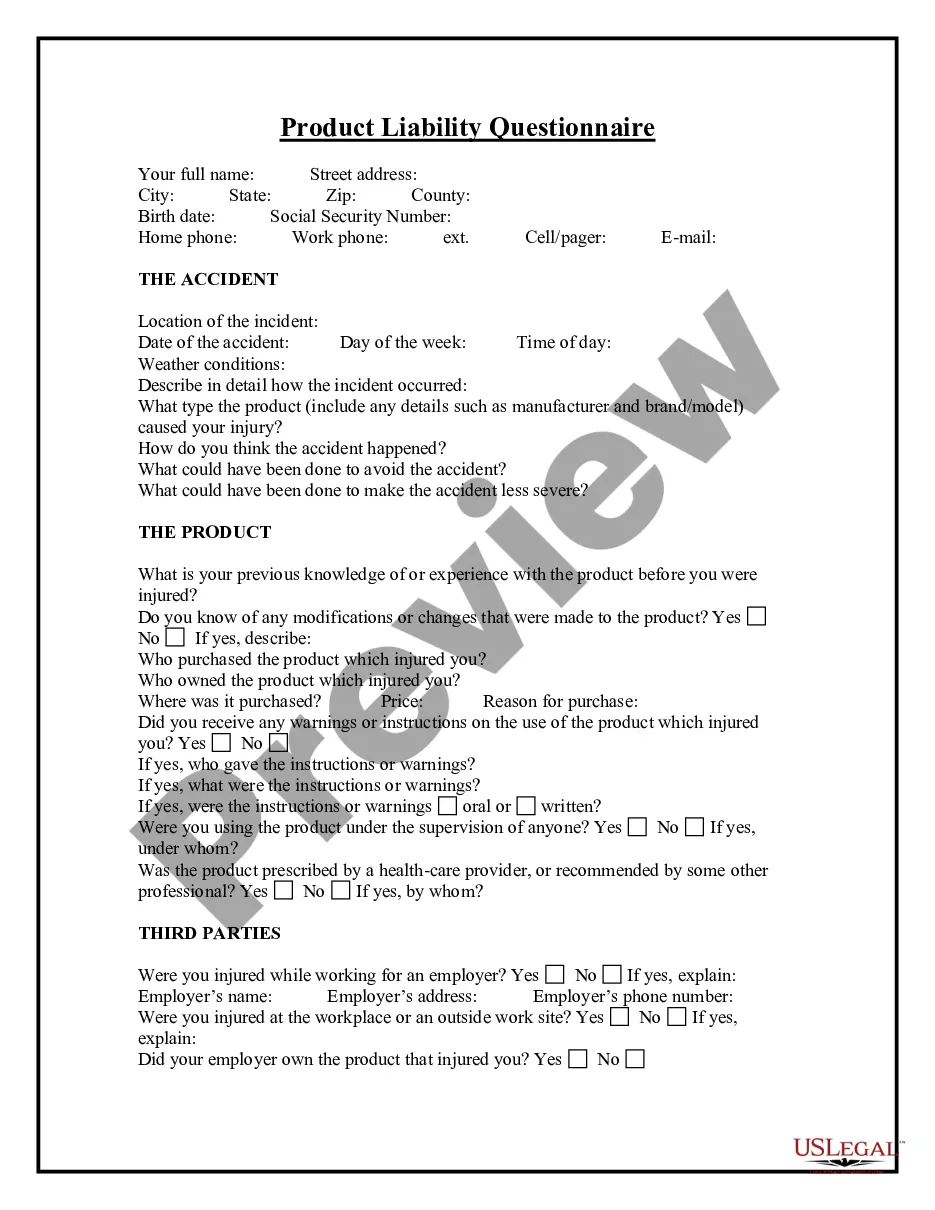
- Injury claims: A detailed account of the injuries suffered by the plaintiff as a result of using the product.
- Product liability basis: Statement of the product being defective and unreasonably dangerous.
- Negligence allegations: Claims regarding the failure of defendants to provide a safe product and working environment.
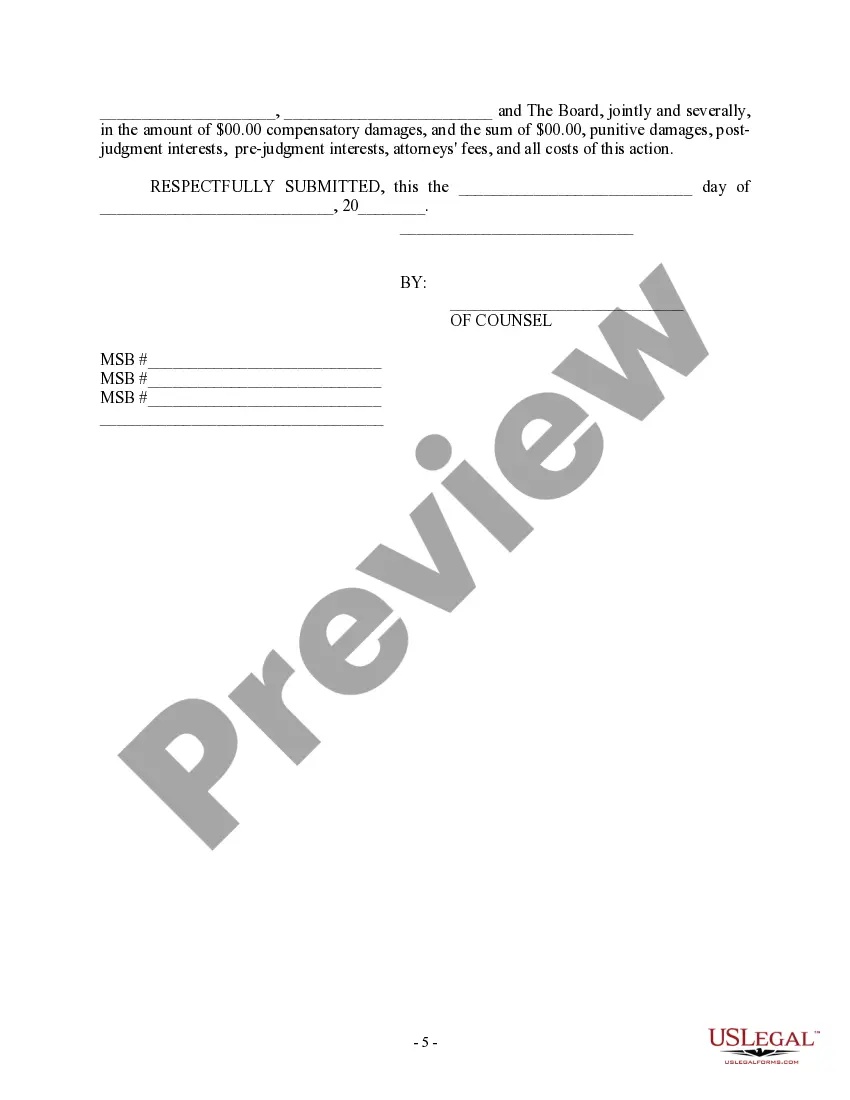
- Damages sought: A list of compensatory and punitive damages the plaintiff is requesting.
Common use cases
This form should be used when a person has suffered injuries from using a household cleanser that is believed to be defective or unreasonably dangerous. Situations include experiencing severe respiratory issues after using a cleaning product, or when the product was marketed without adequate warnings regarding its safety and use. This form is essential for those seeking legal recourse against companies whose products caused harm.
Who should use this form
- Individuals who have sustained injuries due to the use of a household cleaning product.
- Employees who experienced harm while using cleaning products at their workplace.
- Consumers seeking to hold manufacturers or distributors responsible for defects in their products.
- Attorneys representing clients in product liability cases.
Instructions for completing this form
- Identify the defendants: Enter the names and addresses of all parties involved in the claim.
- Detail the injuries: Clearly specify the nature and extent of injuries caused by the product.
- Describe product defects: State how the cleaning product was defective and why it poses a danger.
- List damages sought: Outline the specific compensatory and punitive damages being requested.
- Sign and date the form: Ensure that all required signatures are included before submission.
Is notarization required?
This form does not typically require notarization to be legally valid. However, some jurisdictions or document types may still require it. US Legal Forms provides secure online notarization powered by Notarize, available 24/7 for added convenience.
Get your form ready online
Our built-in tools help you complete, sign, share, and store your documents in one place.
Make edits, fill in missing information, and update formatting in US Legal Forms—just like you would in MS Word.
Download a copy, print it, send it by email, or mail it via USPS—whatever works best for your next step.
Sign and collect signatures with our SignNow integration. Send to multiple recipients, set reminders, and more. Go Premium to unlock E-Sign.
If this form requires notarization, complete it online through a secure video call—no need to meet a notary in person or wait for an appointment.
We protect your documents and personal data by following strict security and privacy standards.

Make edits, fill in missing information, and update formatting in US Legal Forms—just like you would in MS Word.

Download a copy, print it, send it by email, or mail it via USPS—whatever works best for your next step.

Sign and collect signatures with our SignNow integration. Send to multiple recipients, set reminders, and more. Go Premium to unlock E-Sign.

If this form requires notarization, complete it online through a secure video call—no need to meet a notary in person or wait for an appointment.

We protect your documents and personal data by following strict security and privacy standards.
Mistakes to watch out for
- Failing to accurately identify all defendants involved in the case.
- Omitting key details about the injuries sustained.
- Not specifying the alleged defects in the product clearly.
- Neglecting to provide adequate documentation of damages claimed.
- Submitting the form with incomplete information or missing signatures.
Advantages of online completion
- Convenience: Easily access and download the form from anywhere.
- Editability: Customize the form to fit your specific situation and needs.
- Reliability: Use professionally drafted templates created by licensed attorneys.
Looking for another form?


Form popularity
FAQ
Generally, any manufacturers as well as any sellers down the distribution chain (i.e., distributors, wholesalers, and retailers) can be held legally responsible for a defective product causing injury.
What is product liability insurance? Product liability insurance protects your business should a customer incur damages as a result of a fault with the product you have provided them with. It covers liability for compensatory costs, legal fees and any other costs associated with the case.
Transfer Risk through Management of Suppliers. A risk transfer program helps your business avoid financial vulnerability to damages and claims due to liabilities caused or contributed to by others. Managing Supplies and Imported Goods. Build Safety into Design. Keep Essential Records. Enable and Review Customer Feedback.
The manufacturer sold the product; The consumer used it in a foreseeable (intended) way; The product did not substantially change from the condition in which it was first sold; and. A defect in the product caused an injury, resulting in damages.
If a product with manufacturing defects causes injury to the intended user, then the manufacturer can be held liable. Manufacturing defect claims can be difficult to prove in court because they usually involve a limited number of products, unlike design or warning defects.
Product liability is a claim of injury suffered because of a defective product. In such cases, there are three grounds for pursuing a claim and seeking damages (that is, three theories of recovery): negligence, strict liability, and breach of warranty. Most plaintiffs use as many of these three grounds as possible.
Generally, to prevail on a strict product liability claim, a plaintiff must prove that an inherent defect in a product caused the damages claimed. In other words, the plaintiff must prove (1) that the product was inherently defective and (2) that the defect in the product caused the injury or damage.
Make Sure You Keep the Product. The Different Types of Product Defects. Document Everything. Understand the Statute of Limitations in Your State. Hire an Attorney. Filing the Claim. Make Sure Your Product Liability Claim Goes Smoothly.