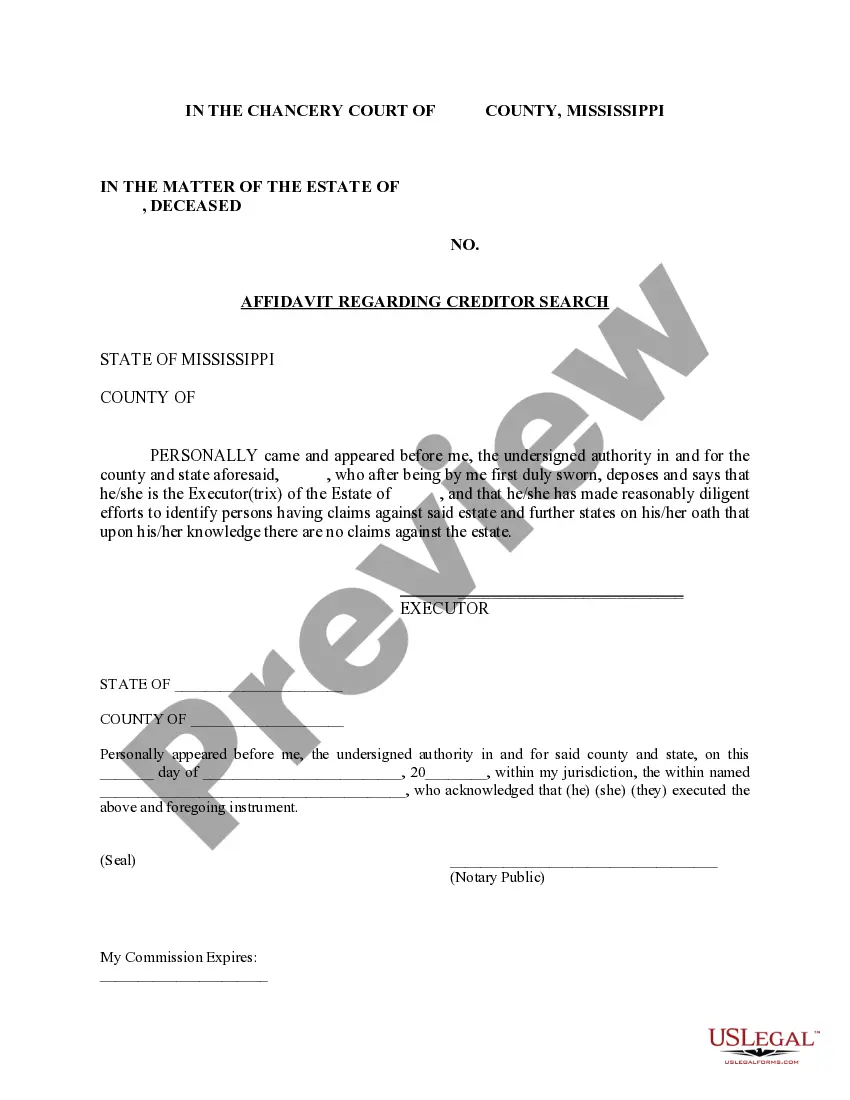
Contribution and Assumption Agreement - direct and indirect subsidiaries engaging in internal restructuring
What is this form?
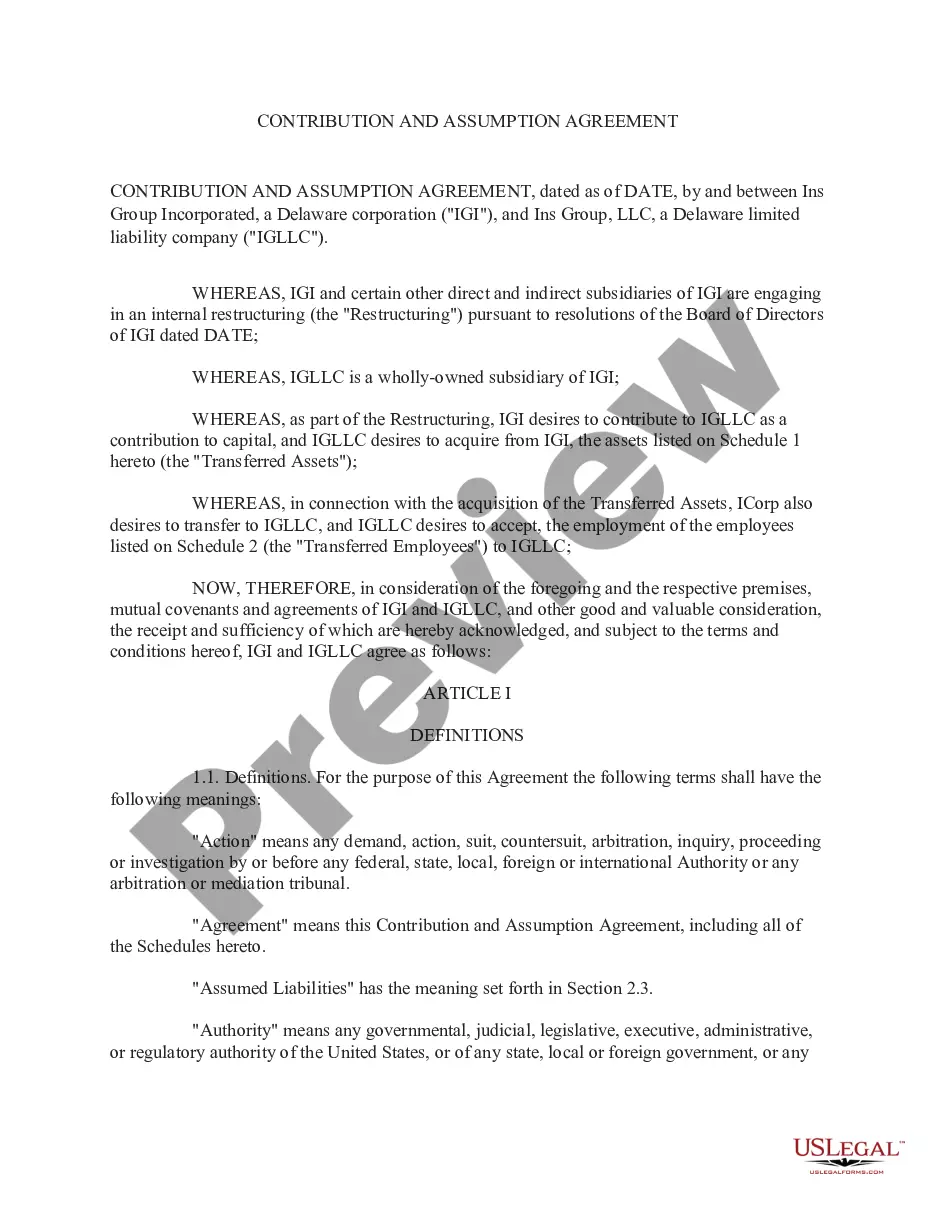
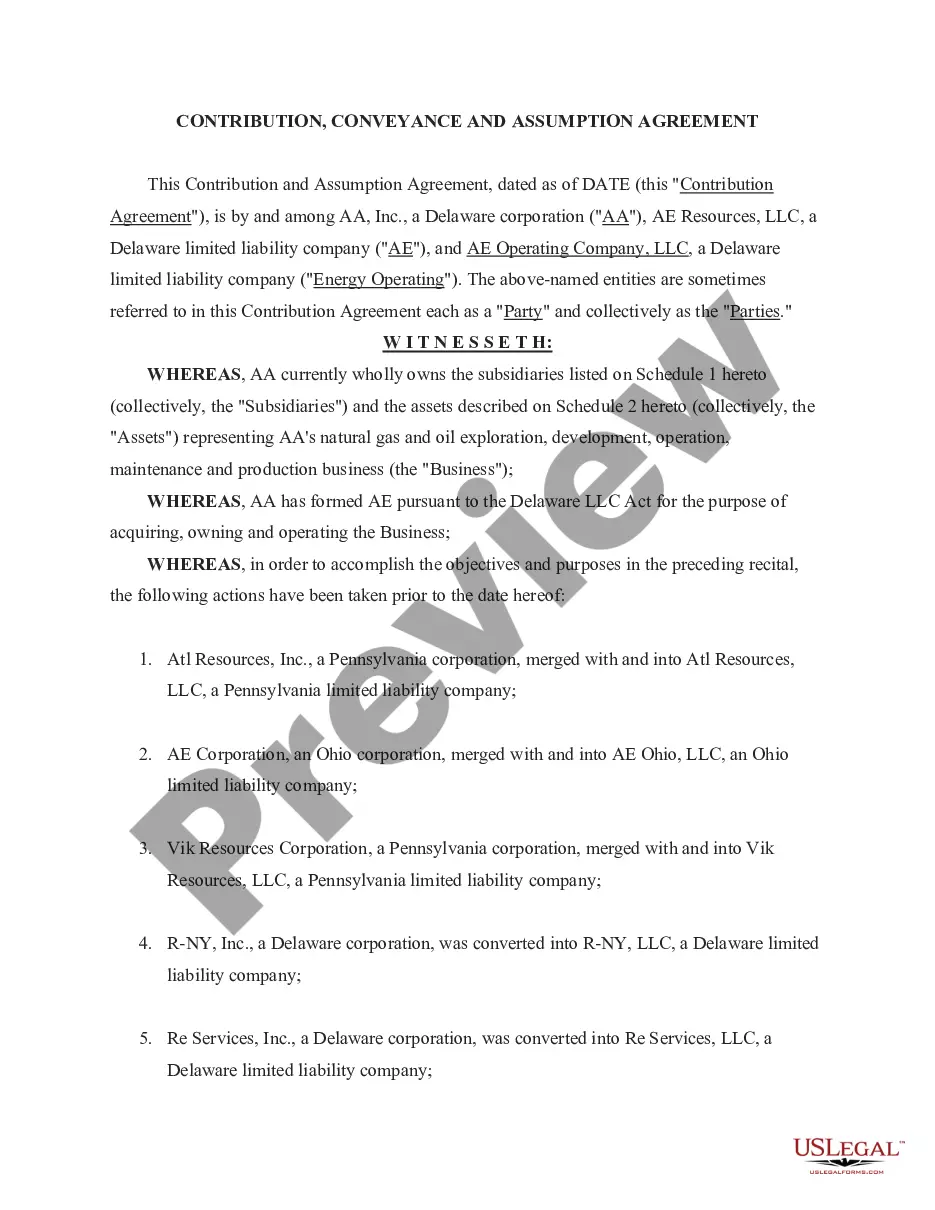
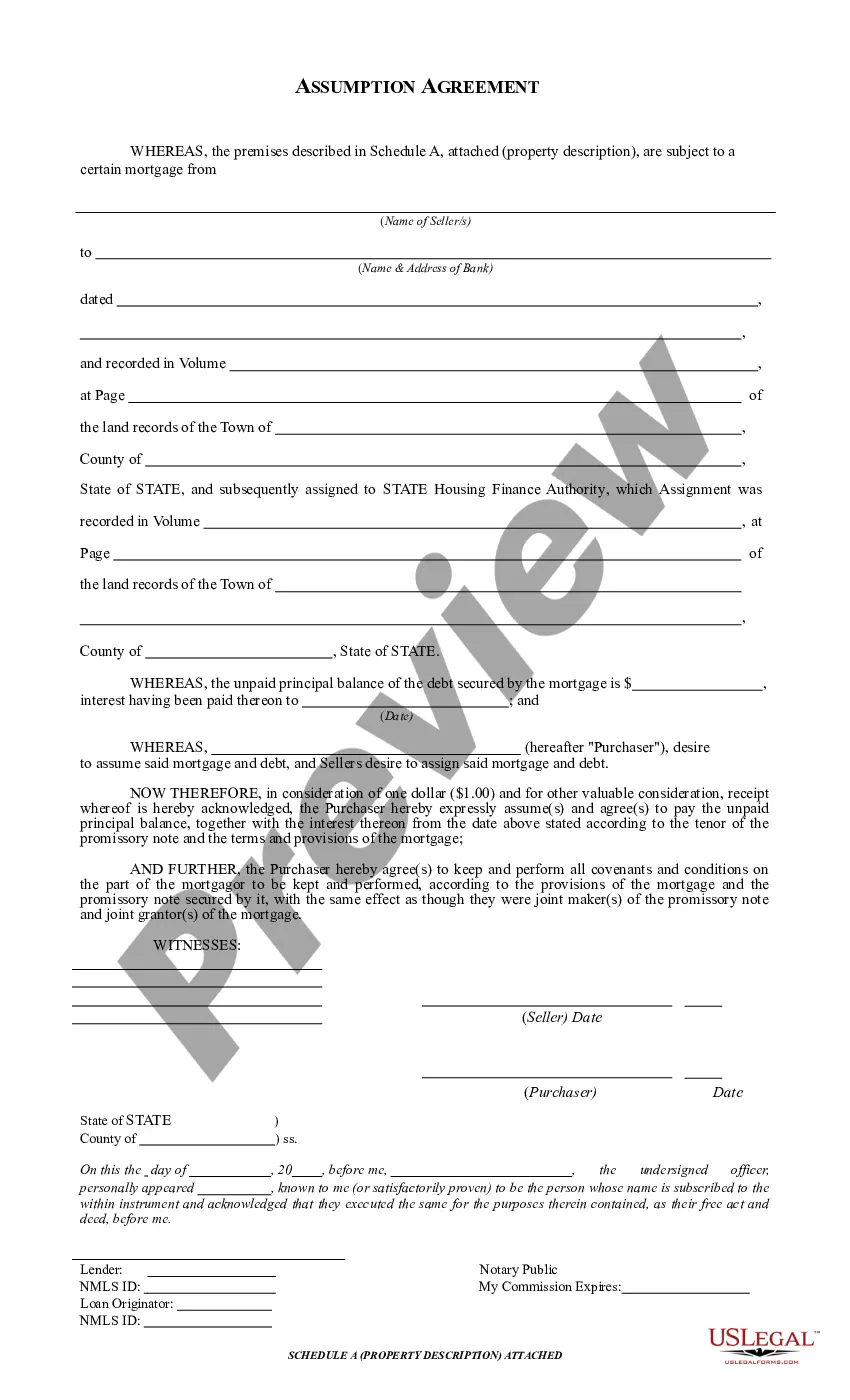
The Contribution and Assumption Agreement is a legal document used by corporations to outline the details of internal restructuring involving direct and indirect subsidiaries. This form serves to formalize the transfer of assets and the assumption of liabilities between a parent company and its subsidiary. It is essential for ensuring legal clarity and compliance during the restructuring process, distinguishing itself from other corporate agreements by its specific focus on contributions and assumptions in a restructuring context.
Form components explained
- Preamble: Identifies the parties involved in the agreement.
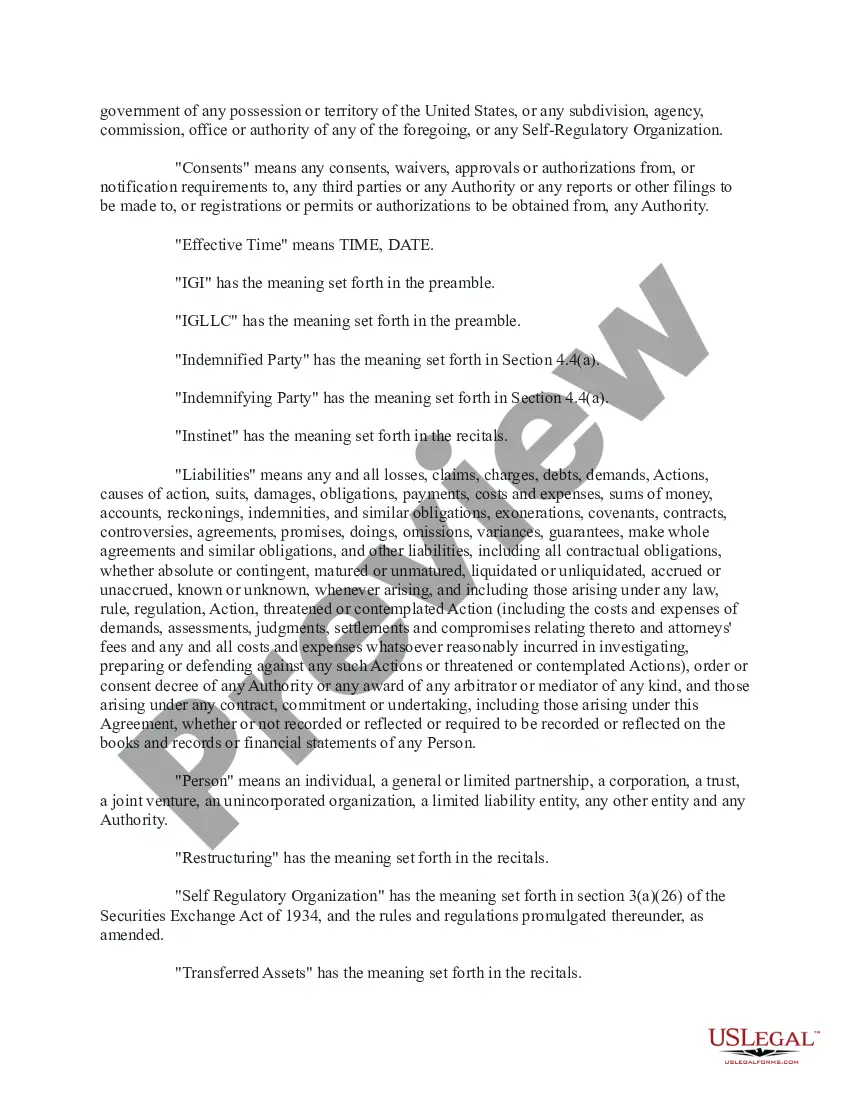
- Definitions: Clarifies key terms used throughout the agreement.
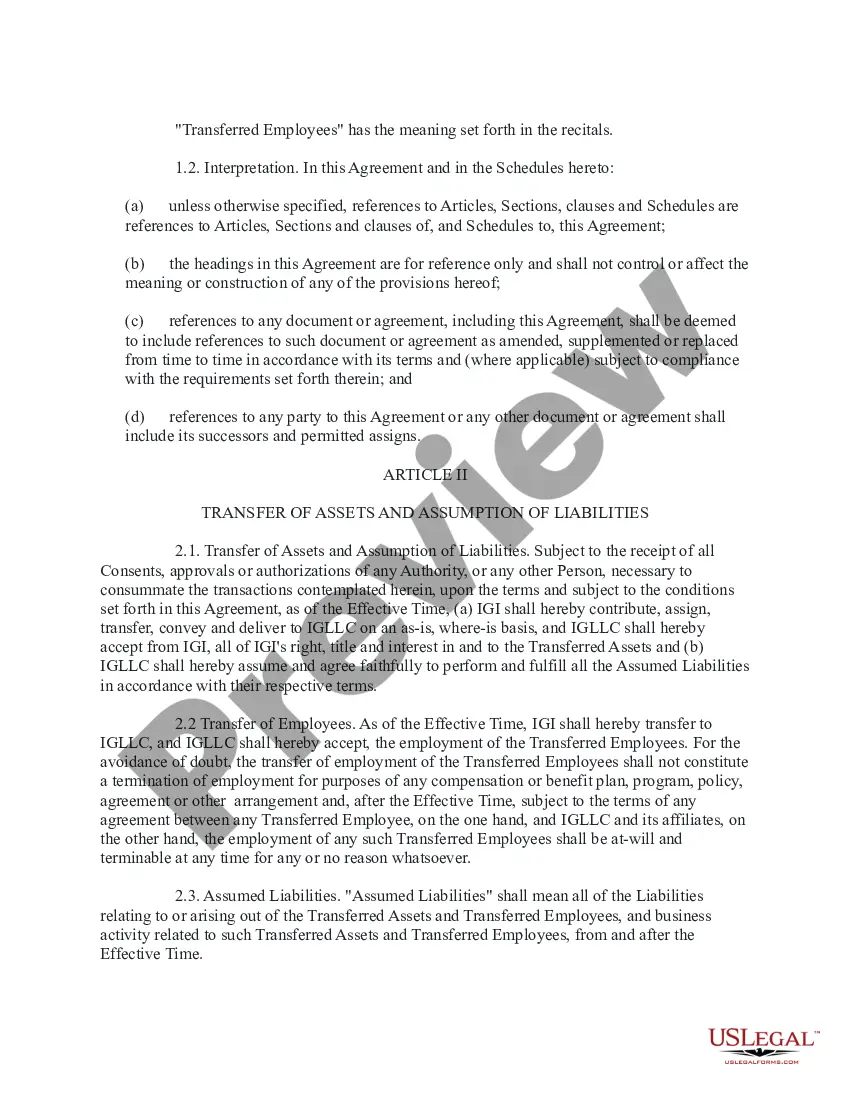
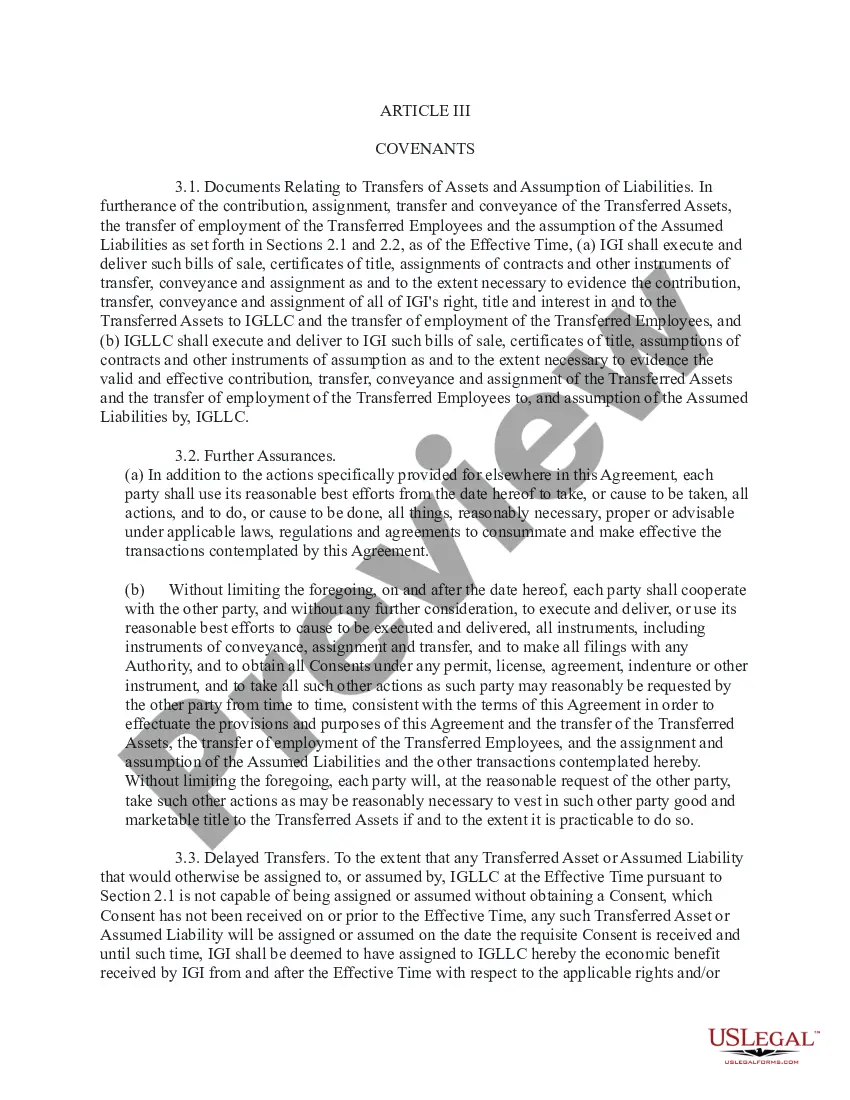
- Transfer of Assets: Details the assets being transferred from the parent company to the subsidiary.
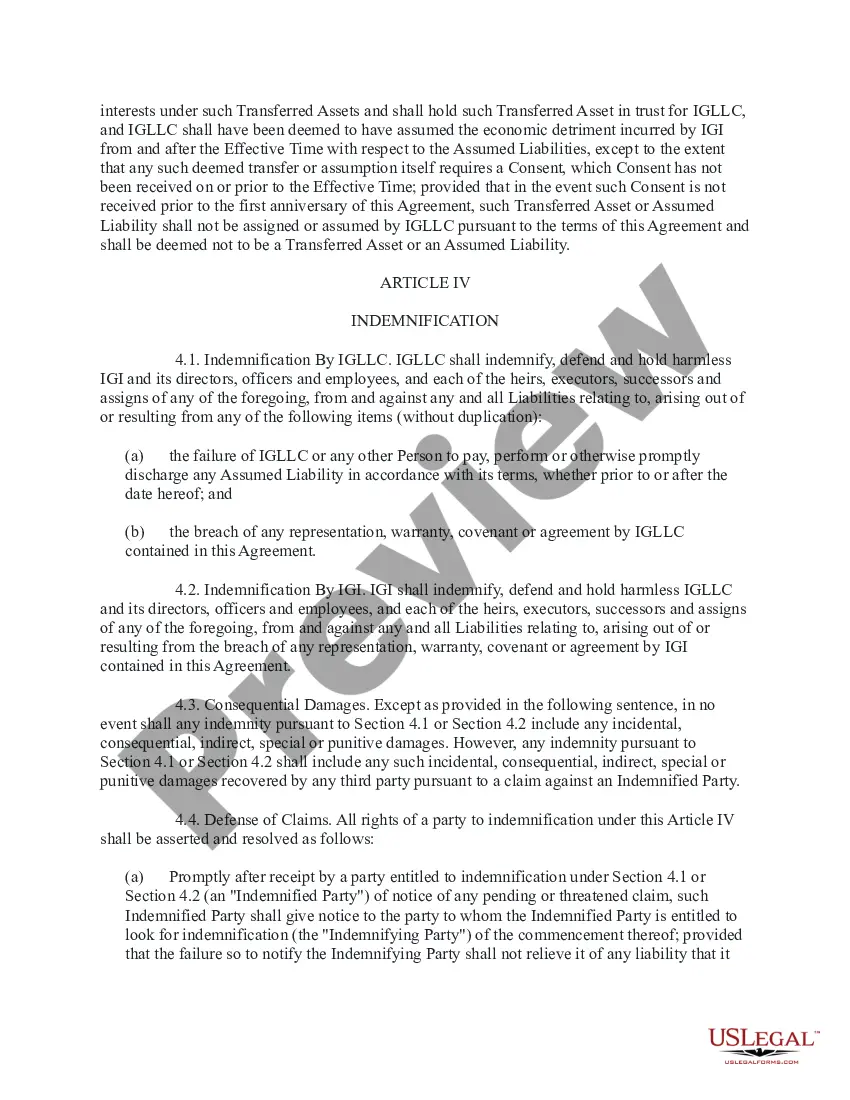
- Assumption of Liabilities: Outlines which liabilities the subsidiary agrees to assume as part of the agreement.
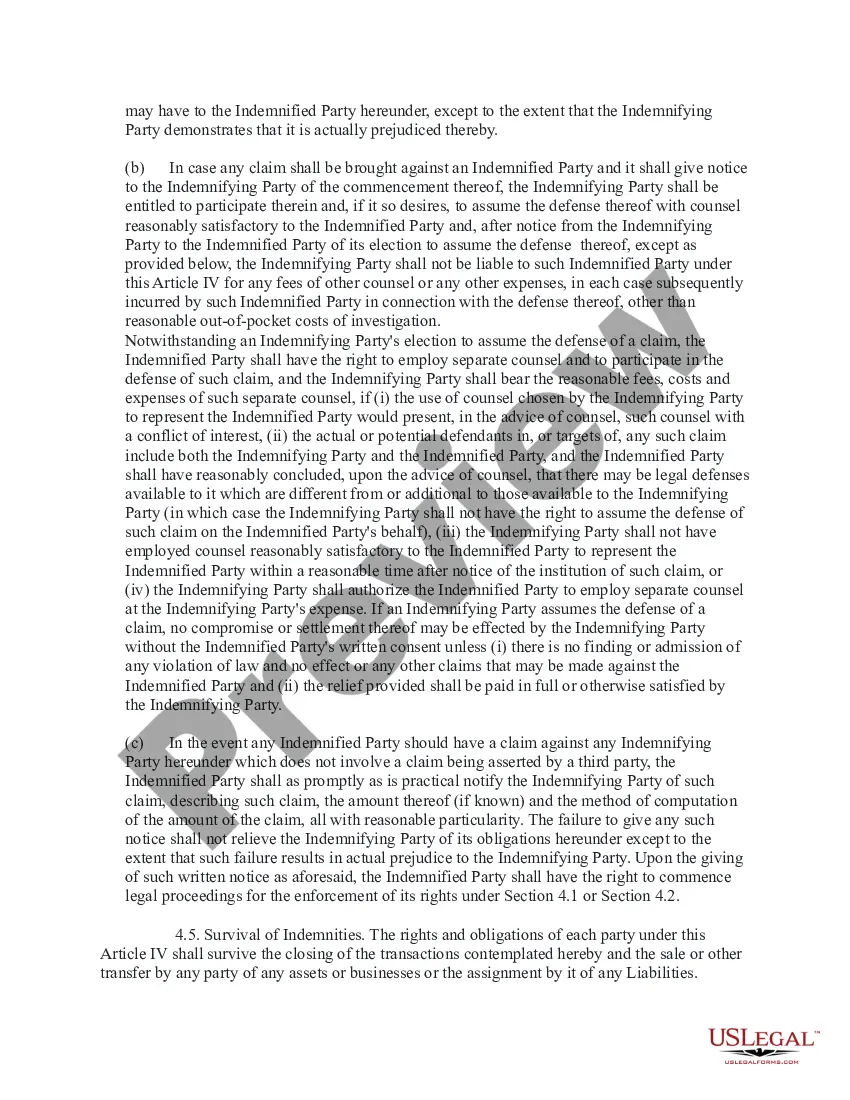
- Indemnification: Sets forth the responsibilities of each party to defend and hold harmless the other against certain liabilities.
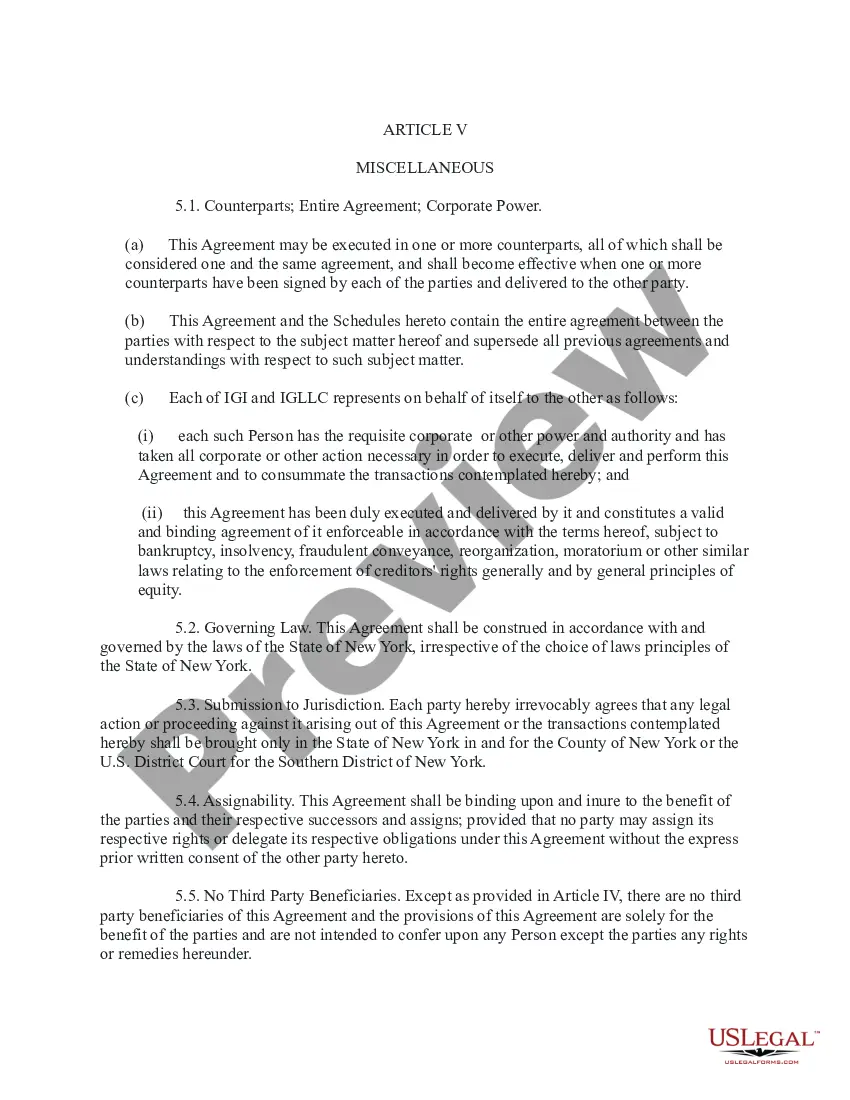
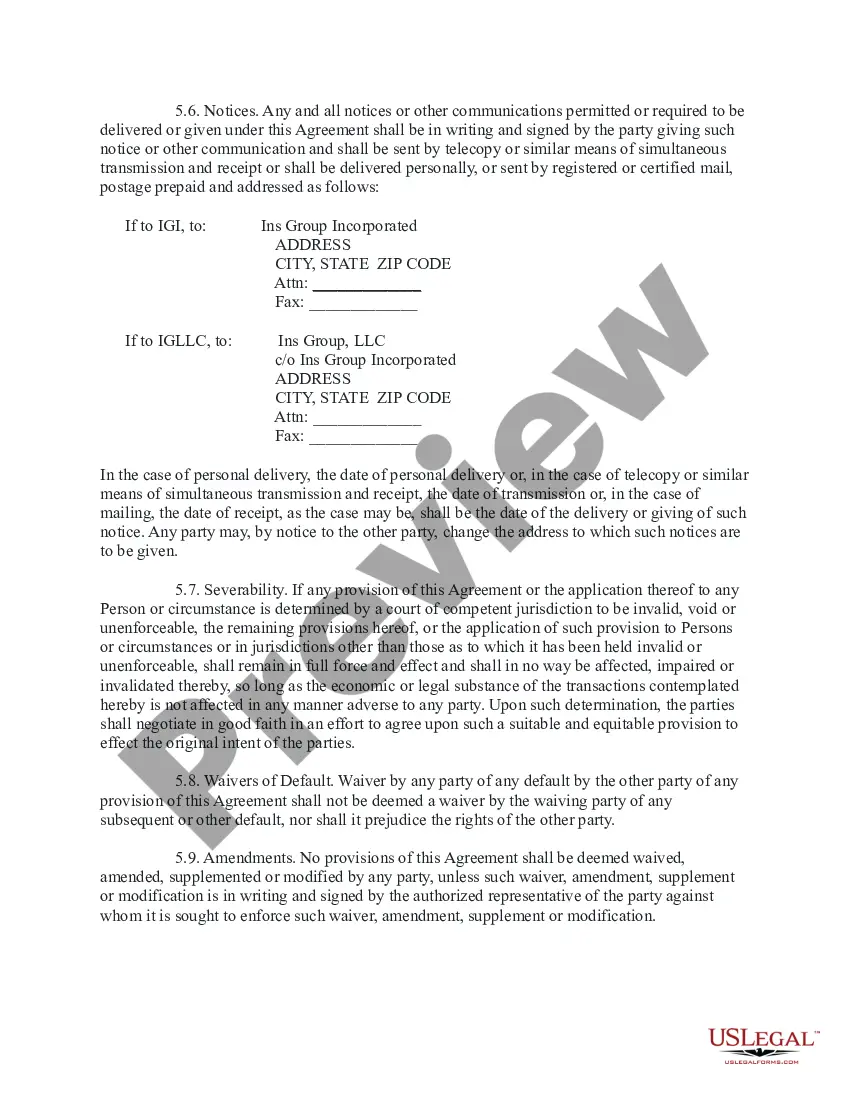
- Miscellaneous Provisions: Includes standard legal clauses regarding jurisdiction, amendments, and notices.

When to use this document
This form should be used when a parent corporation and its direct or indirect subsidiaries engage in an internal restructuring. Situations may include reorganizing assets, transferring employee responsibilities, or consolidating operations, particularly in industries like natural gas and oil exploration where such transitions are common. Using this agreement helps to clearly outline the terms of the restructuring, ensuring compliance with applicable laws and protecting the interests of all parties involved.
Who needs this form
- Corporations involved in internal restructuring.
- Legal teams responsible for drafting corporate agreements.
- Finance departments managing asset transfers and liability assumptions.
- Business owners or executives overseeing subsidiary operations.
How to prepare this document
- Identify the parties involved including the parent company and the subsidiary.
- Specify the assets being transferred by listing them in Schedule 1.
- Indicate which liabilities are being assumed by the subsidiary.
- Complete the necessary definitions to ensure clarity in the agreement.
- Enter relevant dates for the agreement, including the effective time.
- Obtain signatures from authorized representatives of both parties to validate the agreement.
Does this document require notarization?
This form does not typically require notarization unless specified by local law. It is important to check with local regulations to ensure compliance.
Get your form ready online
Our built-in tools help you complete, sign, share, and store your documents in one place.
Make edits, fill in missing information, and update formatting in US Legal Forms—just like you would in MS Word.
Download a copy, print it, send it by email, or mail it via USPS—whatever works best for your next step.
Sign and collect signatures with our SignNow integration. Send to multiple recipients, set reminders, and more. Go Premium to unlock E-Sign.
If this form requires notarization, complete it online through a secure video call—no need to meet a notary in person or wait for an appointment.
We protect your documents and personal data by following strict security and privacy standards.

Make edits, fill in missing information, and update formatting in US Legal Forms—just like you would in MS Word.

Download a copy, print it, send it by email, or mail it via USPS—whatever works best for your next step.

Sign and collect signatures with our SignNow integration. Send to multiple recipients, set reminders, and more. Go Premium to unlock E-Sign.

If this form requires notarization, complete it online through a secure video call—no need to meet a notary in person or wait for an appointment.

We protect your documents and personal data by following strict security and privacy standards.
Mistakes to watch out for
- Failing to clearly define the terms, leading to ambiguity.
- Not listing all relevant assets and liabilities, resulting in incomplete transfers.
- Omitting necessary signatures or dates, which can invalidate the agreement.
- Neglecting to obtain required consents from third parties before asset transfers.
Why complete this form online
- Immediate access to a professionally drafted legal document.
- Easy customization to fit specific corporate needs and local regulations.
- Time-saving convenience of downloading and completing the form at your own pace.
- Increased reliability knowing the form has been prepared by licensed attorneys.
Legal use & context
- This agreement serves as a binding contract outlining the responsibilities and rights of both parties during restructuring.
- Properly executed, it protects the interests of the parent company and the subsidiary from future disputes regarding asset and liability transfers.
- Compliance with state-specific laws is crucial to ensure the agreement's enforceability.
Main things to remember
- The Contribution and Assumption Agreement is critical during corporate restructuring.
- It carefully details asset transfers and liability assumptions to avoid future disputes.
- Customizing the form as per local laws enhances its enforceability.
Looking for another form?

Form popularity
FAQ
Unilateral contract modification occurs when one party changes the terms of the contract without input from other contracting parties. This is actually very common, especially in updates to service agreements or Terms and Conditions.
If one of the parties, who has entered into a contract, turns out to have misrepresented themselves, or acted illegally, then the contract termination is known as rescission of a contract. This essentially serves a complete eradication of the contract.
A joinder agreement is a legal contract used to add a new party to an original contract. Joinder agreements make the terms and conditions of the contract binding for the new party as if they were a party to the original contract.
A contract amendment allows the parties to make a mutually agreed-upon change to an existing contract. An amendment can add to an existing contract, delete from it, or change parts of it. The original contract remains in place, only with some terms altered by way of the amendment.
Changes to a contract, or a contract modification, can occur when one or both parties need or want to make adjustments to a legally-binding agreement. Such modifications can be made either in writing or verbally, and can be done prior to all of the involved parties signing the contract, or even after.
Unless an assignment is prohibited in a contract, a party may generally assign the rights (benefit) under the contract to a third party without the consent of the other party. However, you cannot usually assign the obligations (burden) under a contract.
Thus, under common law rules, parties who wish to modify a contract will need to provide new consideration (i.e., something of value).
Novation is the replacement of one of the parties in an agreement between two parties, with the consent of all three parties involved. To novate is to replace an old obligation with a new one.