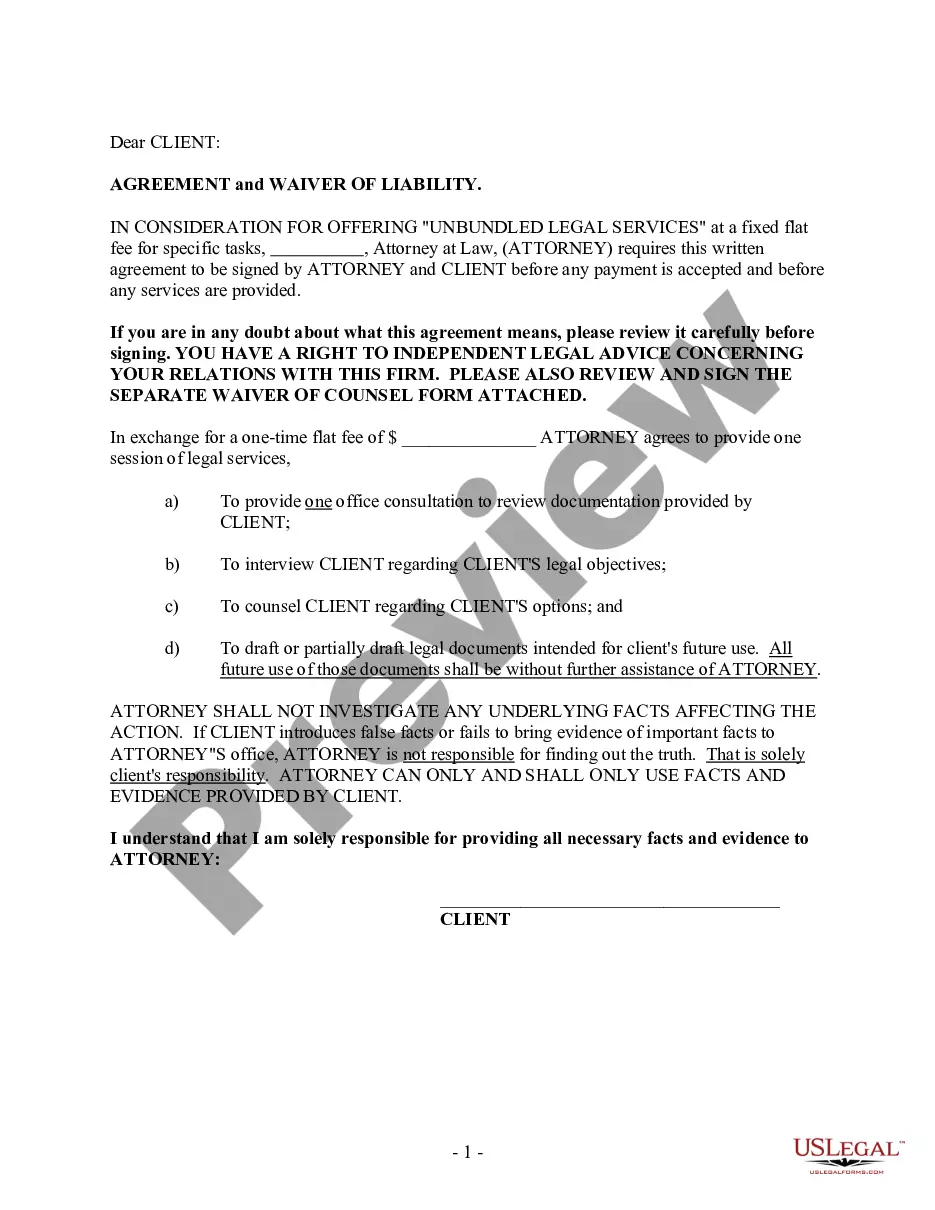
Other Harassment Action Checklist - Workplace
Overview of this form
The Other Harassment Action Checklist - Workplace is a comprehensive tool designed to help employers and employees address and document any type of harassment in the workplace that is not sexual in nature. This form serves to ensure that all relevant aspects of the harassment incident are carefully considered and recorded, providing a clear pathway for investigation and resolution. Utilizing this checklist distinguishes it from other forms, specifically those focused solely on sexual harassment, making it a vital resource for maintaining a respectful and professional work environment.
Key components of this form
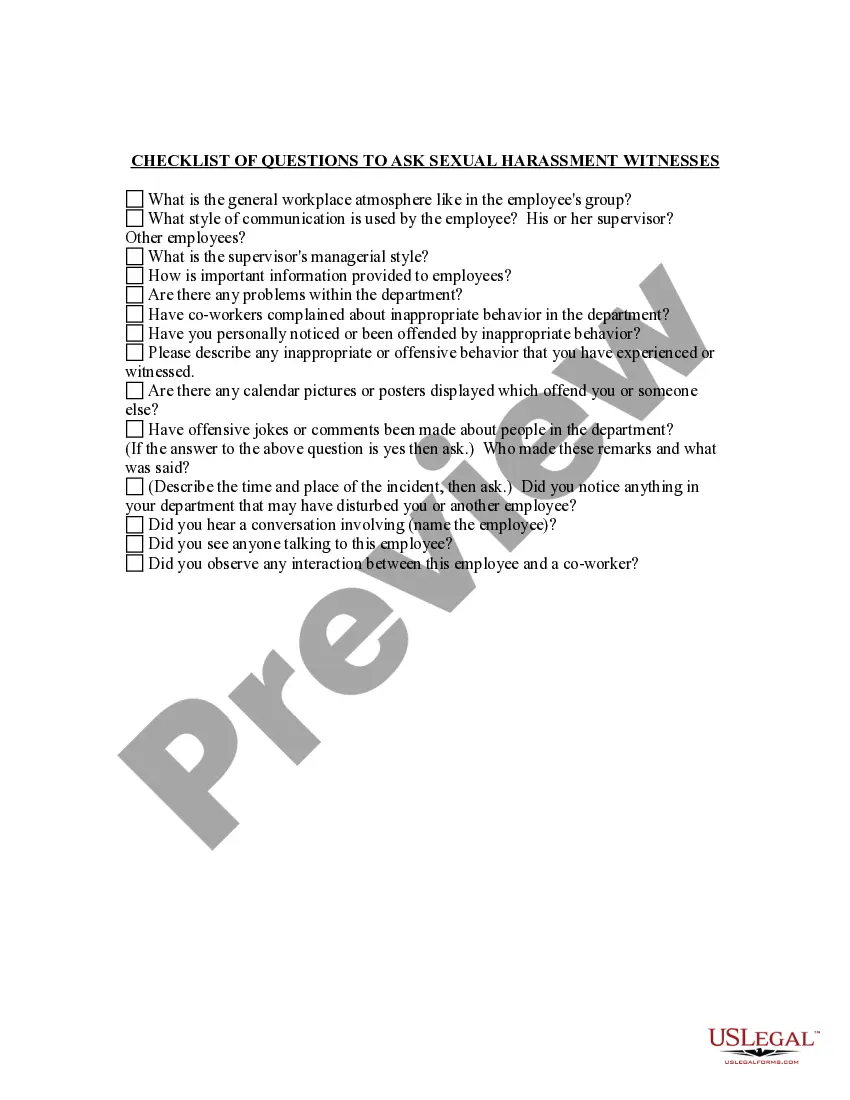
- Incident Description: Provides space to detail the nature of the harassment incidents.
- Involved Parties: Identifies the individuals involved, including the harasser and the affected employee.
- Witness Information: Includes sections for listing any witnesses who observed the harassment.
- Company Policies: Acknowledges relevant workplace harassment policies guiding the response.
- Actions Taken: Documents any actions already taken to address the harassment.
- Recommendations: Offers space for suggested follow-up actions to prevent future incidents.

Situations where this form applies
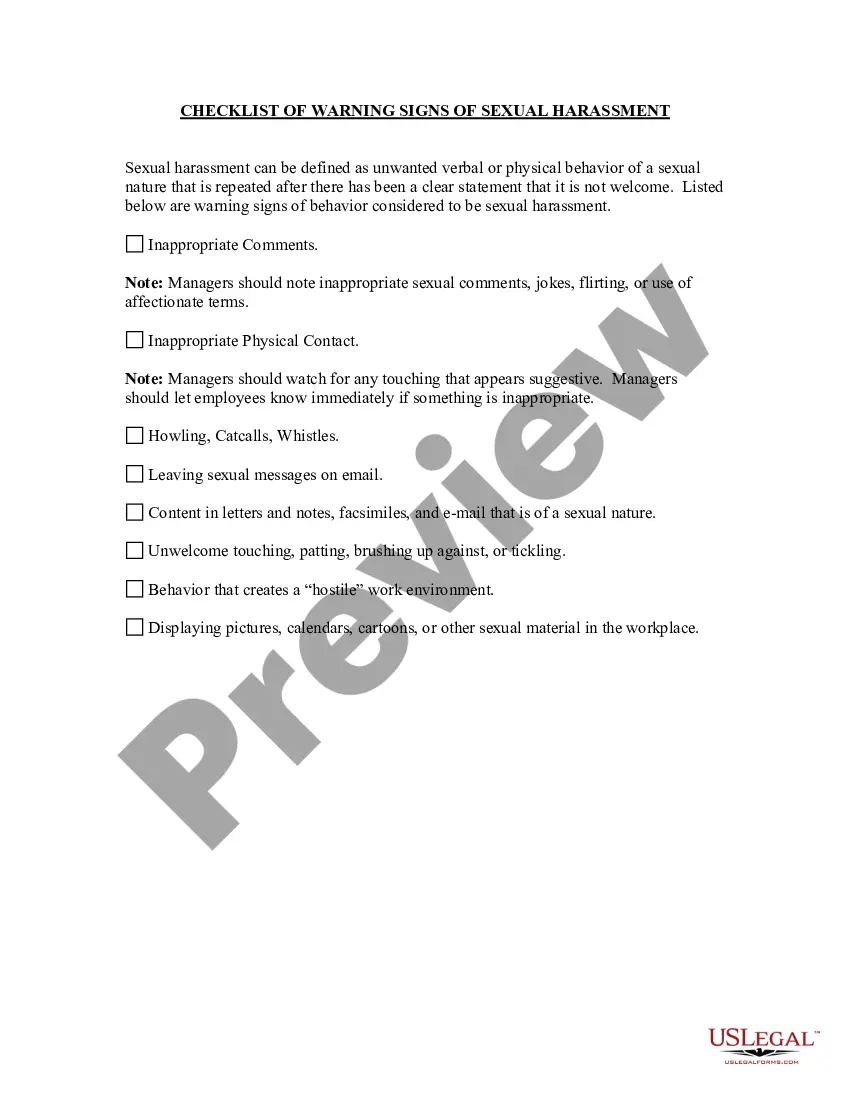
This checklist should be utilized in situations where an employee has reported harassment of any kind, including derogatory remarks, bullying, or discrimination based on race, ethnicity, age, or other protected characteristics. It serves as a vital step for employers to take when responding to reports, ensuring a neutral and organized approach to managing workplace harassment issues.
Intended users of this form
- Human resources professionals managing workplace complaints.
- Managers and supervisors responsible for employee welfare.
- Employees who have experienced harassment and need to document their experiences.
- Any stakeholder involved in workplace culture and compliance with anti-harassment policies.
How to prepare this document
- Clearly identify all parties involved in the incident, including the victim and the alleged harasser.
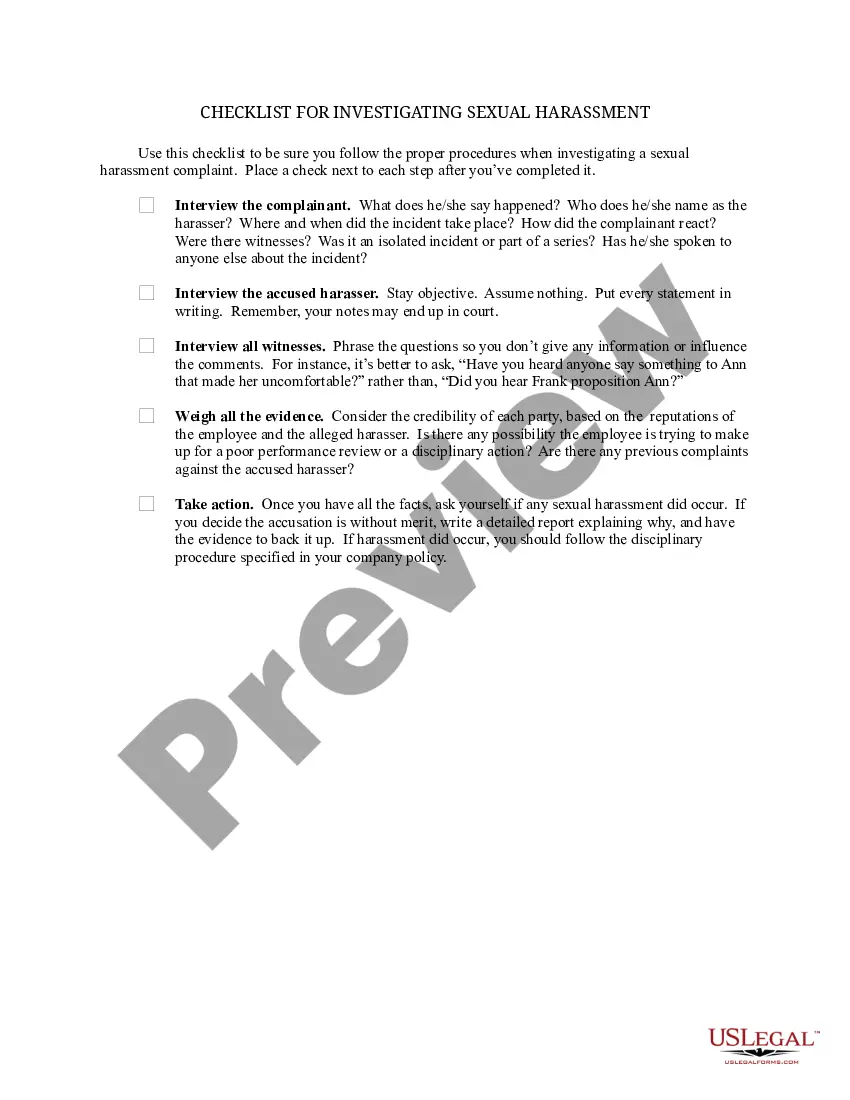
- Detail the specific nature of the harassment, including dates, times, and any incidents that occurred.
- List any witnesses who may have observed the incidents or can provide additional context.
- Refer to your company's harassment policies and document any actions already taken regarding the complaint.
- Outline recommendations for further actions needed to address the incident and prevent recurrence.
Does this document require notarization?
This form does not typically require notarization to be legally valid. However, some jurisdictions or document types may still require it. US Legal Forms provides secure online notarization powered by Notarize, available 24/7 for added convenience.
Get your form ready online
Our built-in tools help you complete, sign, share, and store your documents in one place.
Make edits, fill in missing information, and update formatting in US Legal Forms—just like you would in MS Word.
Download a copy, print it, send it by email, or mail it via USPS—whatever works best for your next step.
Sign and collect signatures with our SignNow integration. Send to multiple recipients, set reminders, and more. Go Premium to unlock E-Sign.
If this form requires notarization, complete it online through a secure video call—no need to meet a notary in person or wait for an appointment.
We protect your documents and personal data by following strict security and privacy standards.

Make edits, fill in missing information, and update formatting in US Legal Forms—just like you would in MS Word.

Download a copy, print it, send it by email, or mail it via USPS—whatever works best for your next step.

Sign and collect signatures with our SignNow integration. Send to multiple recipients, set reminders, and more. Go Premium to unlock E-Sign.

If this form requires notarization, complete it online through a secure video call—no need to meet a notary in person or wait for an appointment.

We protect your documents and personal data by following strict security and privacy standards.
Common mistakes
- Failing to document all incidents thoroughly.
- Not including witness statements or evidence.
- Disregarding company policies while filling out the checklist.
- Missing deadlines for reporting incidents.
- Not following up on the actions taken post-reporting.
Advantages of online completion
- Easy access for employees and HR personnel at any time.
- Quickly editable format to ensure accurate documentation.
- Secure storage of the record, maintaining confidentiality and compliance.
- Streamlined process for tracking incidents and follow-up actions.
Looking for another form?
Form popularity
FAQ
If you feel like you've been a victim of workplace harassment, you can file a claim with the Equal Employment Opportunity Commission (EEOC). Before you file the claim, educate yourself to ensure that the incident actually counts as harassment. For various reasons, people make many false claims of harassment.
Harassment based on race. Harassment based on gender. Harassment based on religion. Harassment based on disability. Harassment based on sexual orientation. Age-related harassment. Sexual harassment. Quid pro quo sexual harassment.
Examples of harassment in the workplace include derogatory jokes, racial slurs, personal insults, and expressions of disgust or intolerance toward a particular race. Abuse may range from mocking a worker's accent to psychologically intimidating employees by making threats or displaying discriminatory symbols.
Legal Requirements for a Hostile Environment The actions or behavior must discriminate against a protected classification such as age, religion, disability, or race. The behavior or communication must be pervasive, lasting over time, and not limited to an off-color remark or two that a coworker found annoying.
The first thing an employee experiencing harassment should do is to inform their employer.
Verbal/Written. Physical. Visual.
Step 1: Listen attentively to allegations of harassment. Step 2: Take immediate action pending an investigation. Step 3: Investigate the harassment complaint. Step 4: Draw reasonable, good-faith conclusions about the harassment complaint.
Make use of resources. The first step is to check your company's employee handbook. Report it. Write it down. Band together with co-workers. Keep your own records. Get witnesses. Gather information. Consider filing with the EEOC.
5. The first step of handling any workplace harassment is to confront your harasser directly. Is this a true statement? Yes, it's true because you must give the harasser a chance to apologize and change their behavior before filing an official complaint.