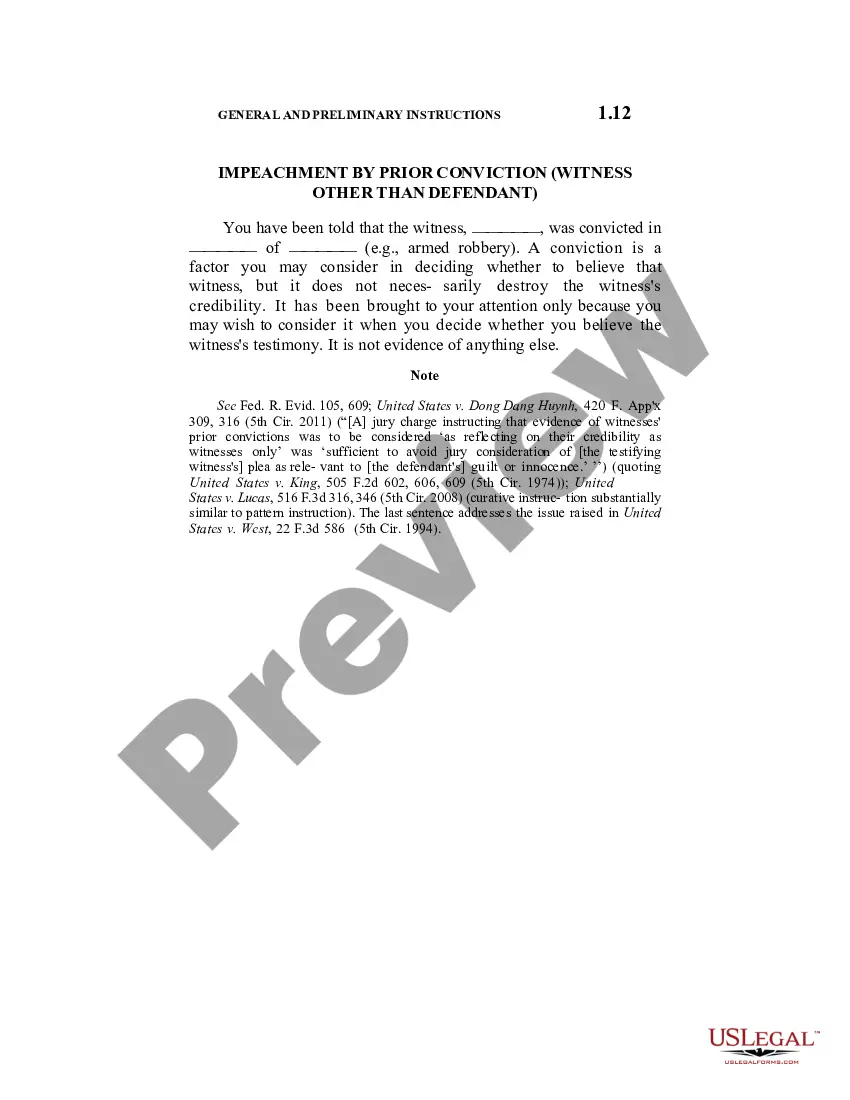
Impeachment Prior Convition (Witness Other Than Defendant)
What this document covers
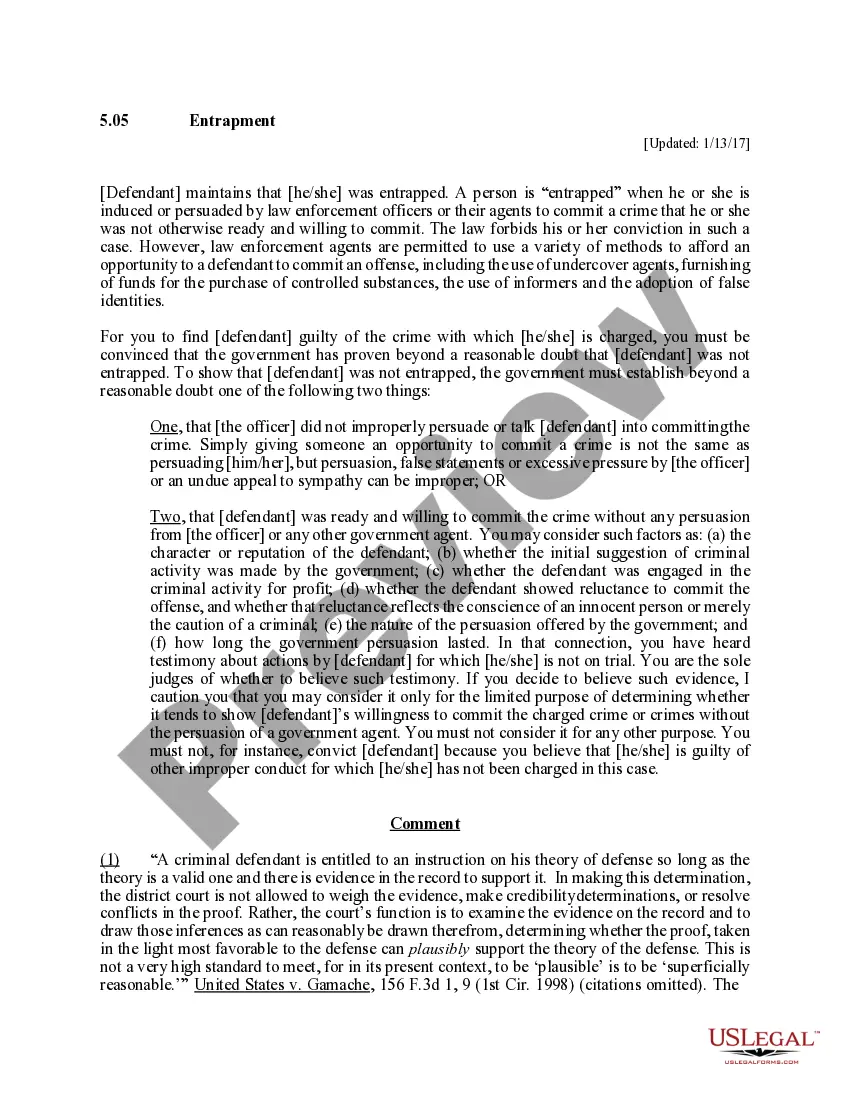
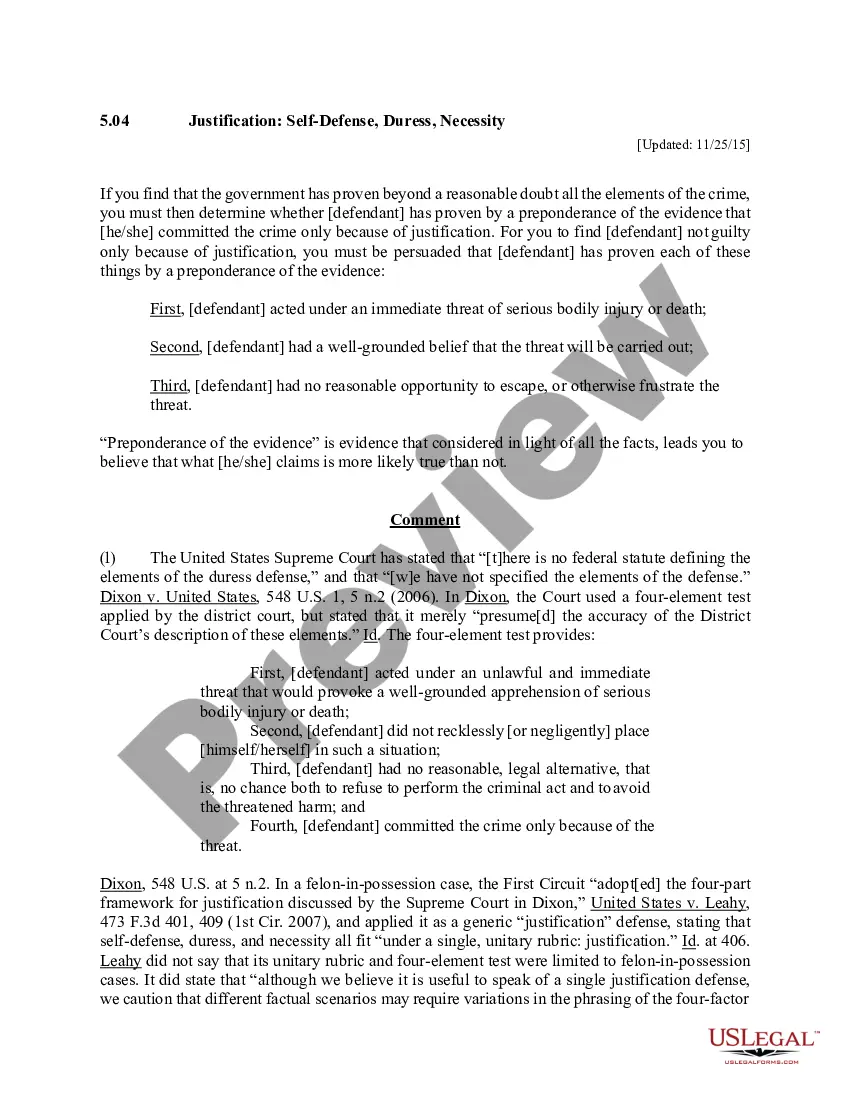
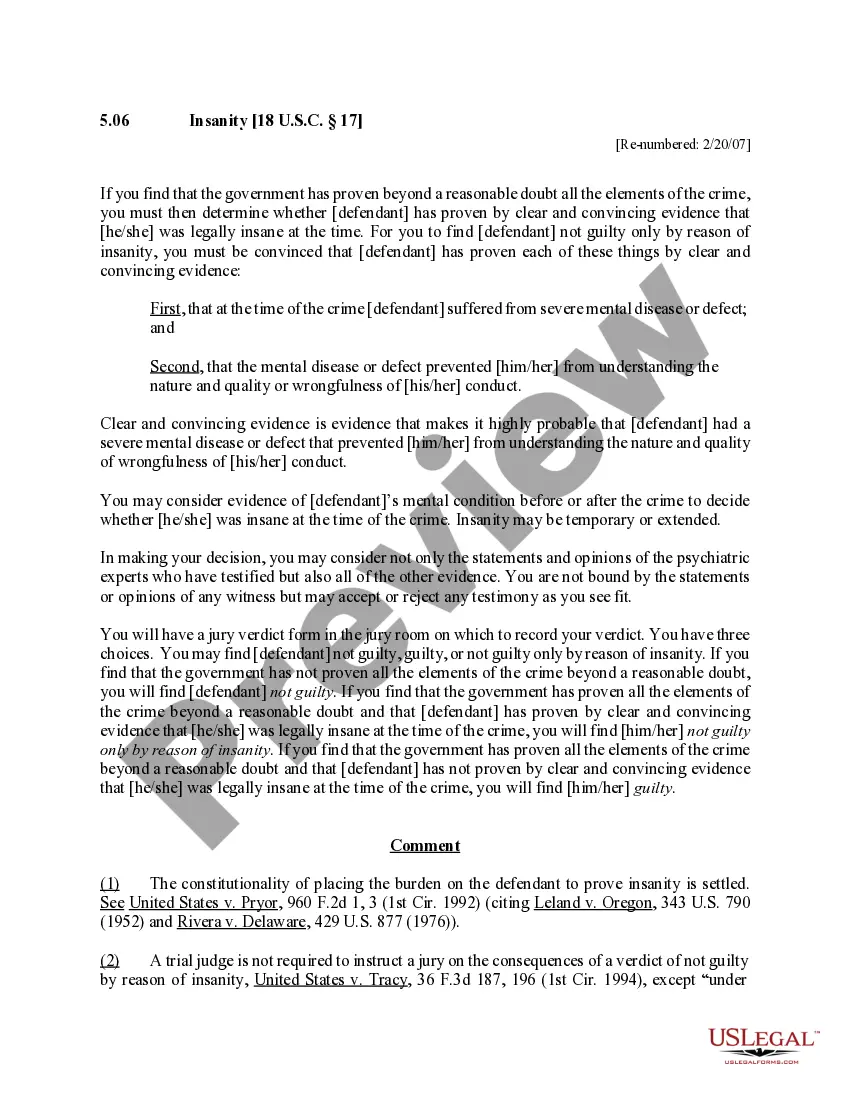
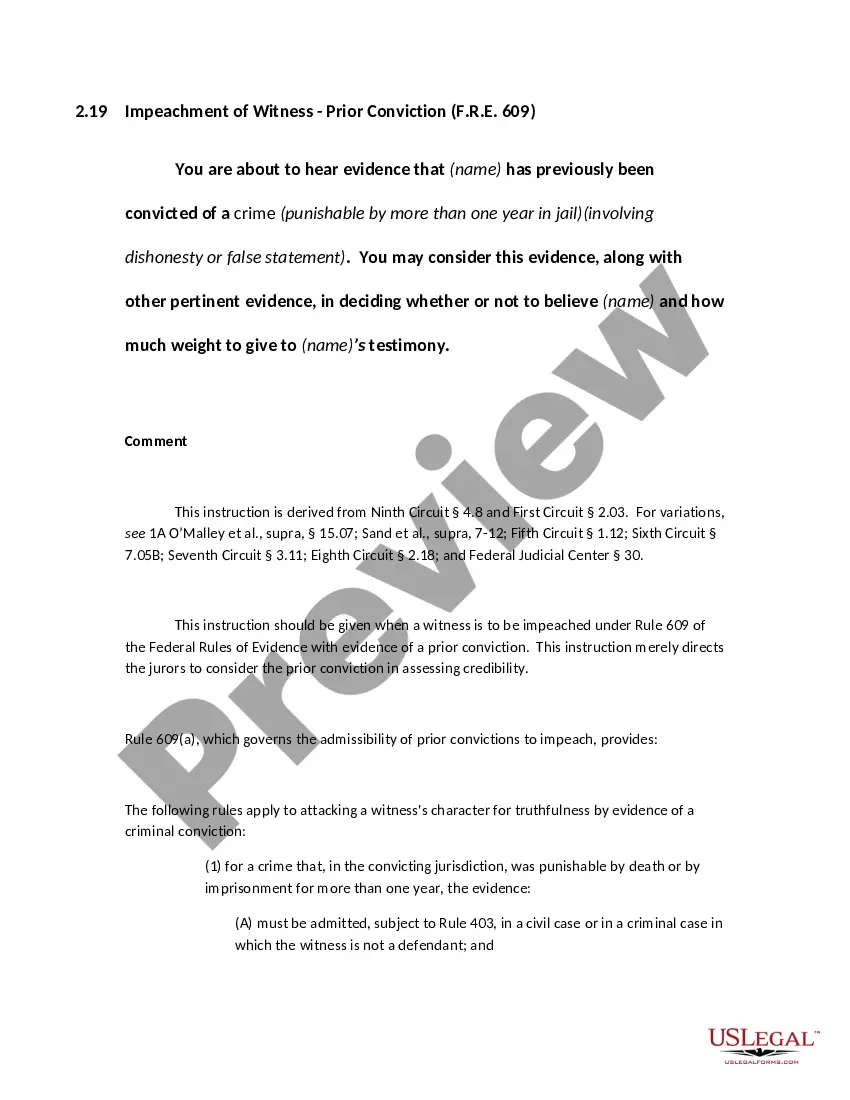
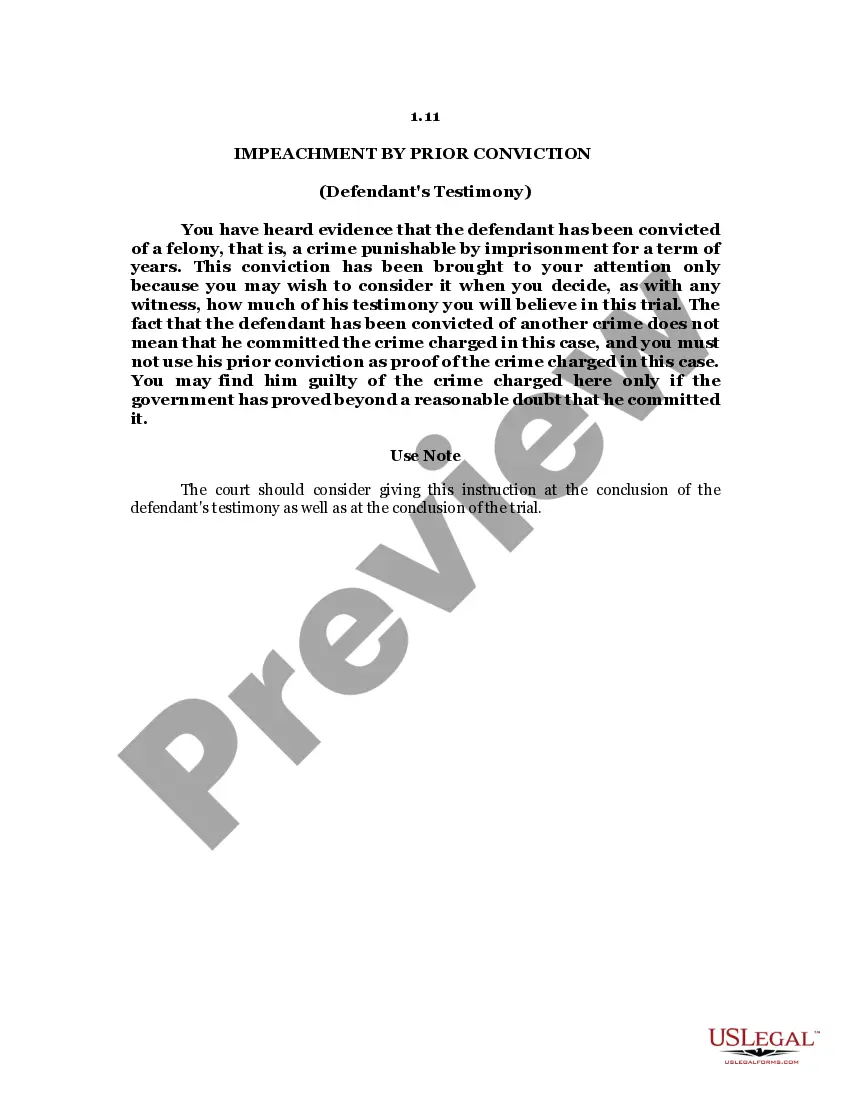
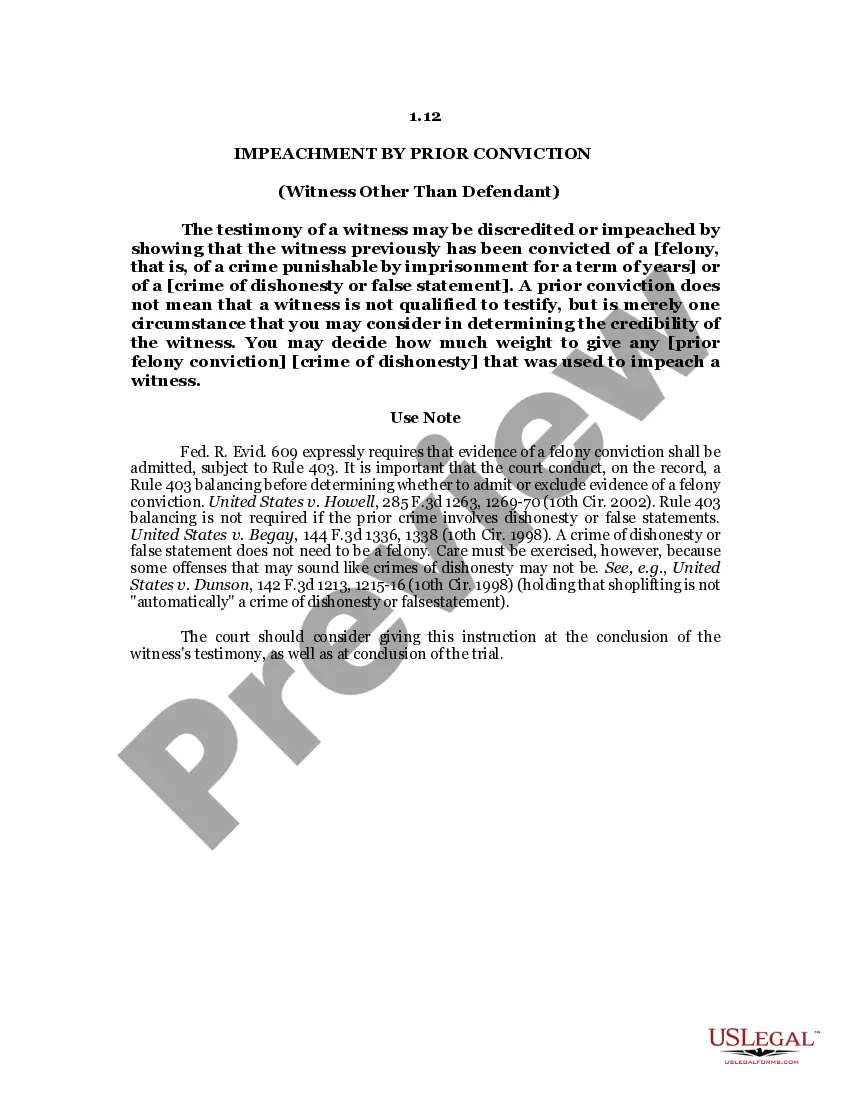
The Impeachment by Prior Conviction (Witness Other Than Defendant) form is used in legal proceedings to challenge the credibility of a witness based on their prior criminal convictions. This form allows the parties involved to bring to light any past convictions of a witness, as such information may influence the jury's perception of the witness's reliability. Unlike other legal forms pertaining to witness testimony, this form specifically focuses on the witness's previous legal issues, rather than those of the defendant.
Key parts of this document
- Witness identification: Capture the name of the witness whose prior conviction will be disclosed.
- Conviction details: Specify the nature of the conviction, including the type of crime and the date it occurred.
- Judicial instructions: Guidelines on how to consider the prior conviction in relation to the witness's credibility.
- Citation of relevant laws: Reference pertinent federal rules and case laws that support the use of this form.

Situations where this form applies
This form is typically used during trial proceedings when a party wishes to undermine a witness's credibility based on their past criminal convictions. Situations may include cases where a witness's testimony is crucial to the outcome, and the opposing party seeks to provide context for their potential bias or reliability issues stemming from their conviction history.
Intended users of this form
- Attorneys representing either party in a legal case.
- Prosecutors wishing to clarify a witness's background and enhance the quality of their evidence.
- Defendants who aim to challenge the credibility of prosecution witnesses.
- Legal professionals who are involved in the trial process and require formal documentation of witness qualifications.
Completing this form step by step
- Identify the witness you wish to impeach and enter their full name.
- Provide details regarding the witnessâs prior conviction, including the type of crime and the year it took place.
- Review and fill in any additional necessary judicial instructions that accompany the witness's prior convictions.
- Ensure relevant legal precedents and rules are cited within the form as needed.
- Sign and date the form, following any specific court or jurisdiction requirements.
Does this form need to be notarized?
This form does not typically require notarization unless specified by local law. Always consult with legal counsel to confirm any specific requirements in your jurisdiction.
Get your form ready online
Our built-in tools help you complete, sign, share, and store your documents in one place.
Make edits, fill in missing information, and update formatting in US Legal Forms—just like you would in MS Word.
Download a copy, print it, send it by email, or mail it via USPS—whatever works best for your next step.
Sign and collect signatures with our SignNow integration. Send to multiple recipients, set reminders, and more. Go Premium to unlock E-Sign.
If this form requires notarization, complete it online through a secure video call—no need to meet a notary in person or wait for an appointment.
We protect your documents and personal data by following strict security and privacy standards.

Make edits, fill in missing information, and update formatting in US Legal Forms—just like you would in MS Word.

Download a copy, print it, send it by email, or mail it via USPS—whatever works best for your next step.

Sign and collect signatures with our SignNow integration. Send to multiple recipients, set reminders, and more. Go Premium to unlock E-Sign.

If this form requires notarization, complete it online through a secure video call—no need to meet a notary in person or wait for an appointment.

We protect your documents and personal data by following strict security and privacy standards.
Typical mistakes to avoid
- Failing to accurately identify the witness, which can lead to confusion in court.
- Neglecting to provide complete details about the prior conviction.
- Not adhering to jurisdiction-specific requirements, resulting in the form being deemed invalid.
- Overlooking necessary judicial instructions that accompany the form.
Why complete this form online
- Convenient access to legally vetted forms created by licensed attorneys.
- Speed in downloading the form and initiating the legal process, without the need for in-person visits.
- Editable templates that can be customized to meet specific case needs.
- Reliable resources that ensure compliance with current legal standards.
Looking for another form?

Form popularity
FAQ
Under this provision, evidence of a general felony crime can be used for impeachment purposes only if the court determines that the probative value of admitting this evidence outweighs its prejudicial effect to the defendant.
Evidence of the conviction is admissible only if: (1) its probative value, supported by specific facts and circumstances, substantially outweighs its prejudicial effect; and (2) the proponent gives an adverse party reasonable written notice of the intent to use it so that the party has a fair opportunity to contest its
To impeach, the attorney must be able to show witness's motivation, bias, prejudice, or interest in case outcome, as well as a general reputation for untruthfulness or lack of credibility.
Although the rule does not forbid all use of convictions to impeach a defendant, it requires that the government show that the probative value of convictions as impeachment evidence outweighs their prejudicial effect.
Impeachment of a witness refers to the process of discrediting or undermining the credibility of a witness during a trial, by presenting evidence or asking questions that contradict their testimony or reveal a bias, inconsistency, or falsehood in their statements.
A witness's credibility may be impeached by any party with a good faith basis for making the impeachment, including the party that called the witness.
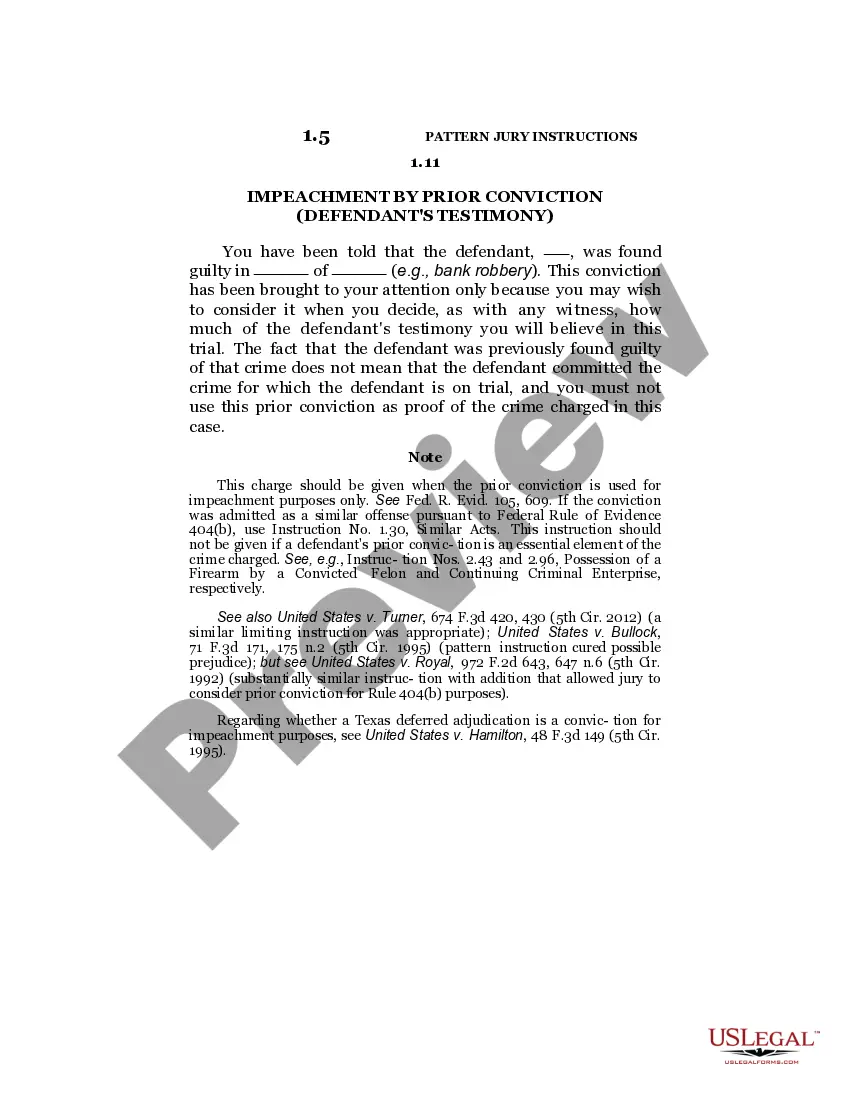
Evidence has been presented that the defendant has heretofore been convicted of (another offense)/(other offenses) distinct from that charged in the information. This evidence is called impeachment evidence, and it is offered to show that the defendant's testimony is not believable or truthful.