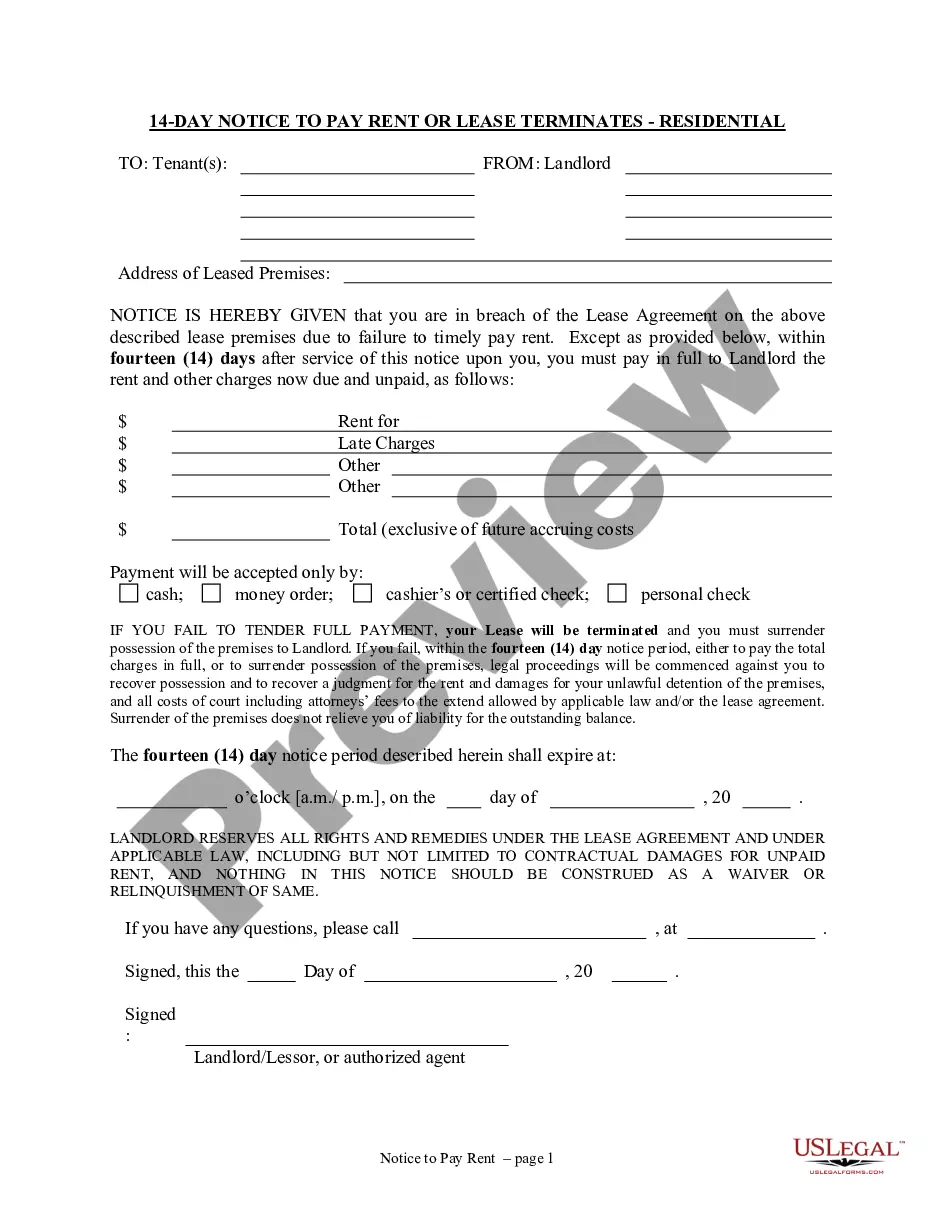
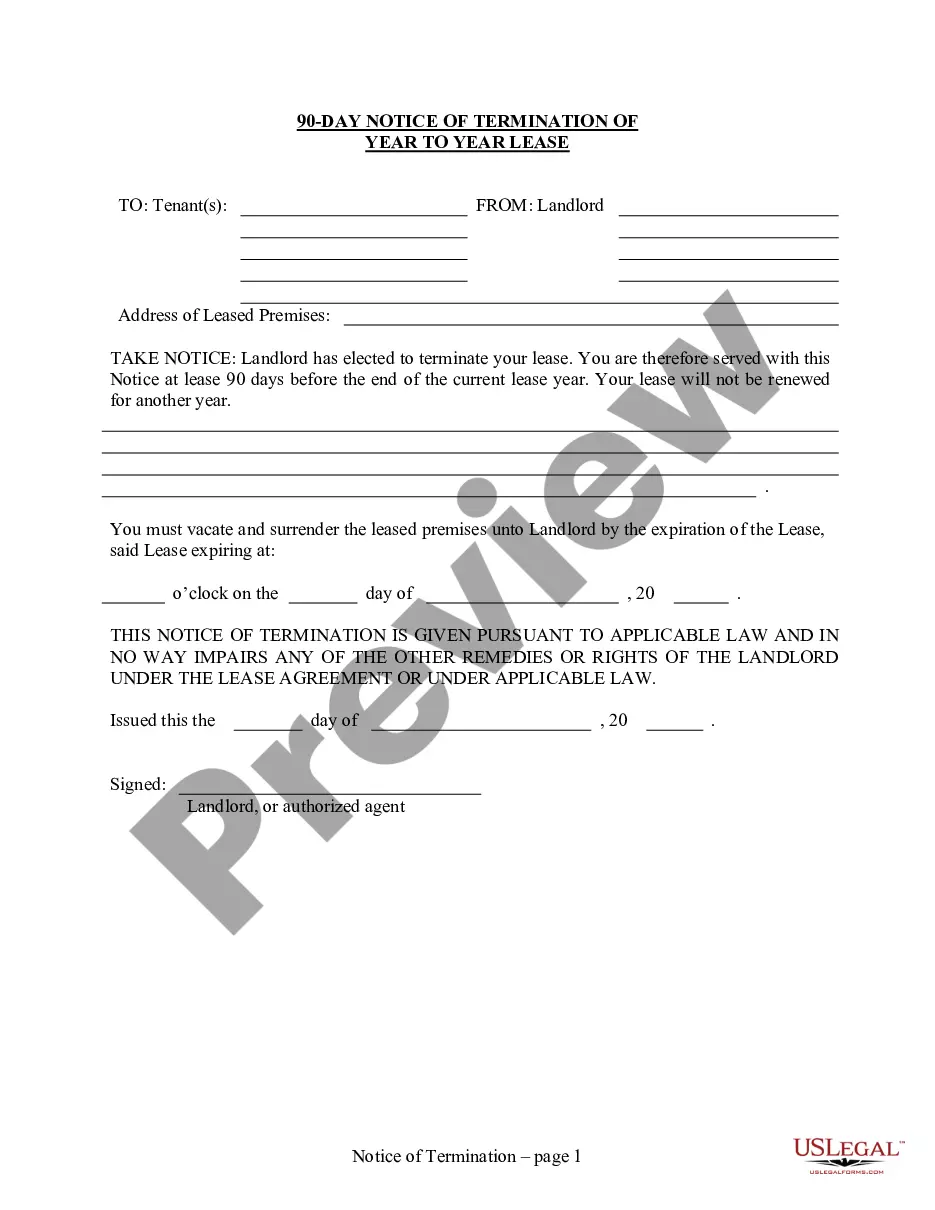
Request for Dual Employment
About this form
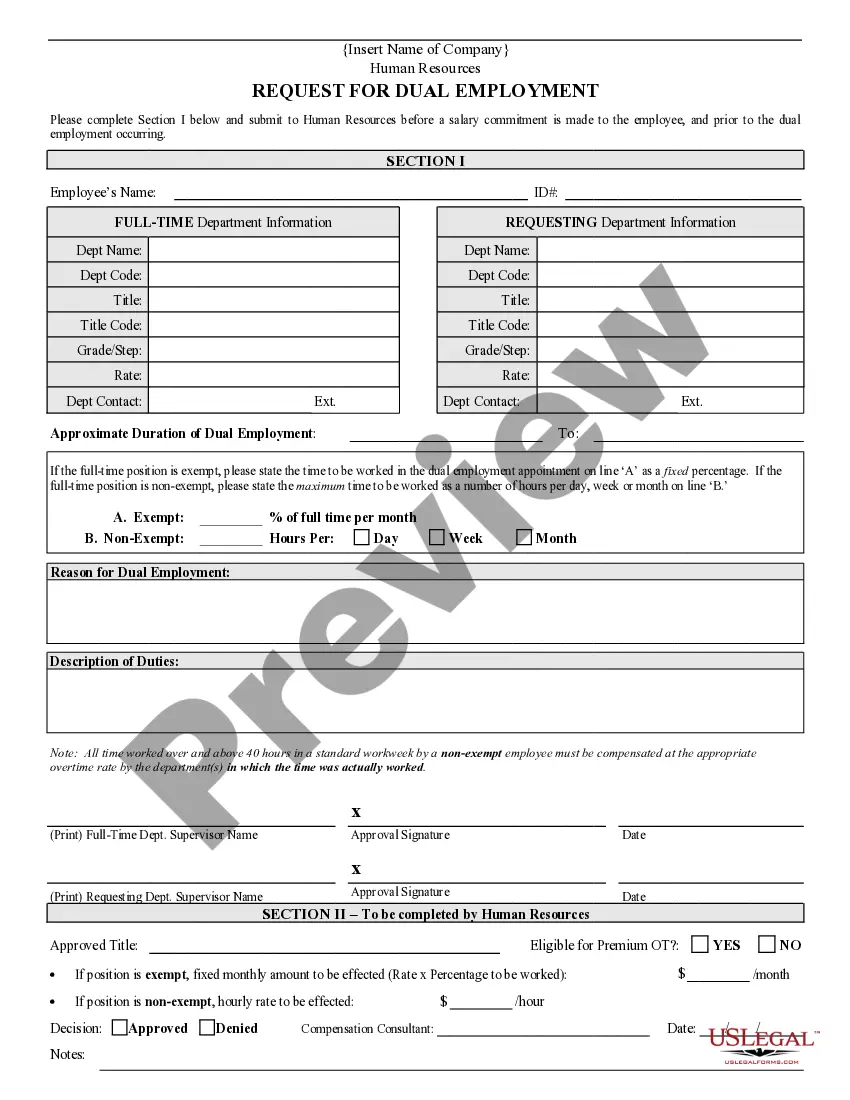
The Request for Dual Employment is a legal document used by employees to formally request employment in two separate departments within the same company. This form is crucial for ensuring that all parties acknowledge and approve the employee's dual employment status, which can differ from standard employment requests or inter-departmental transfer forms.
Main sections of this form
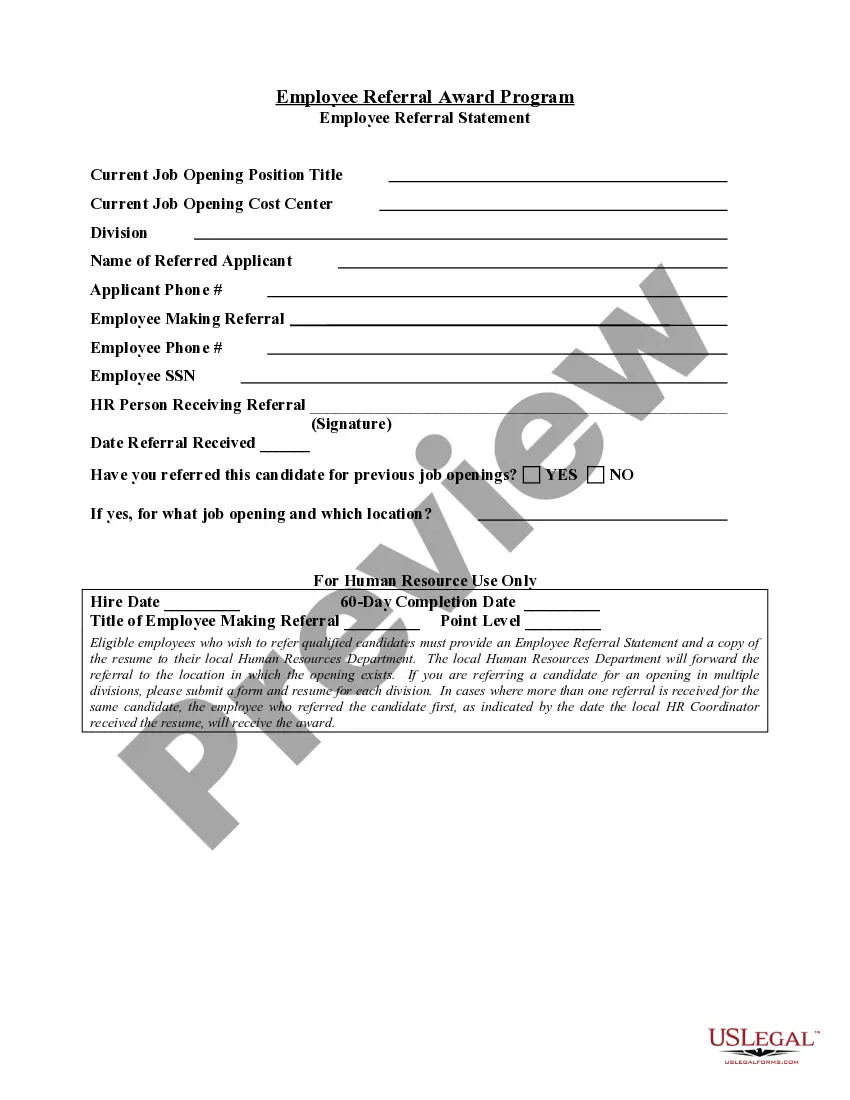
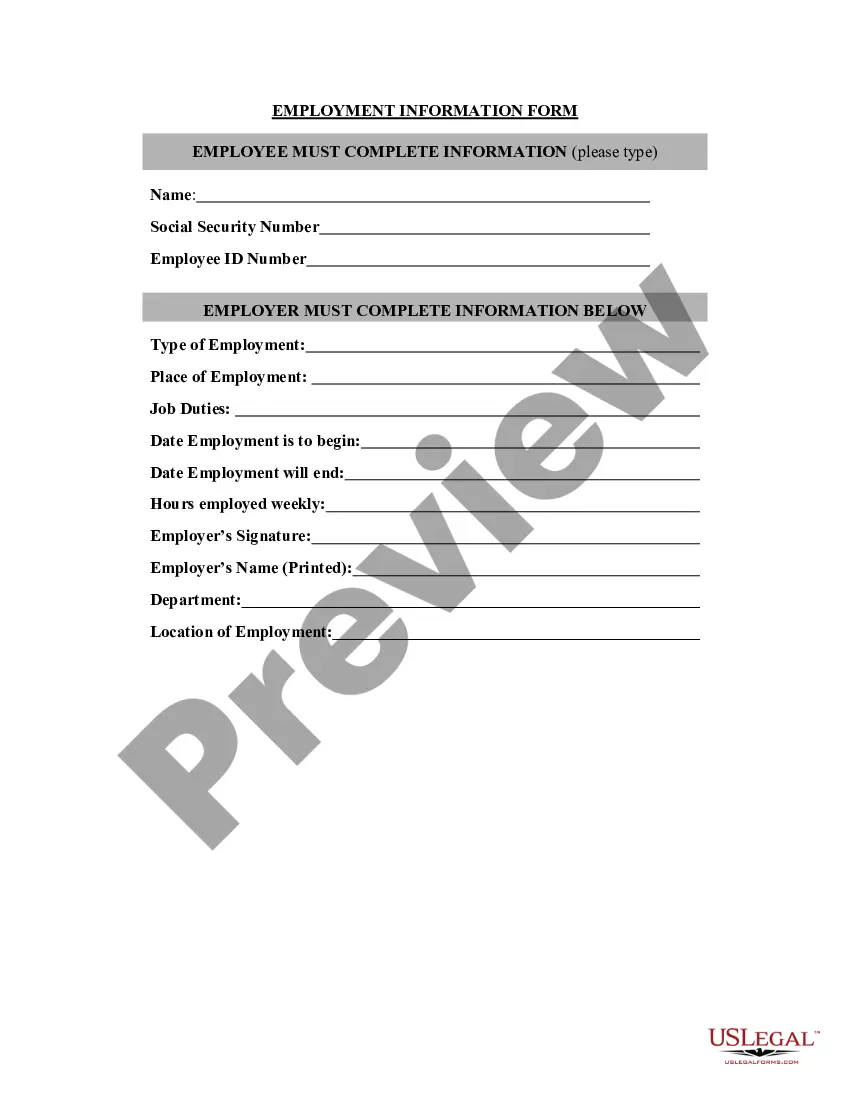
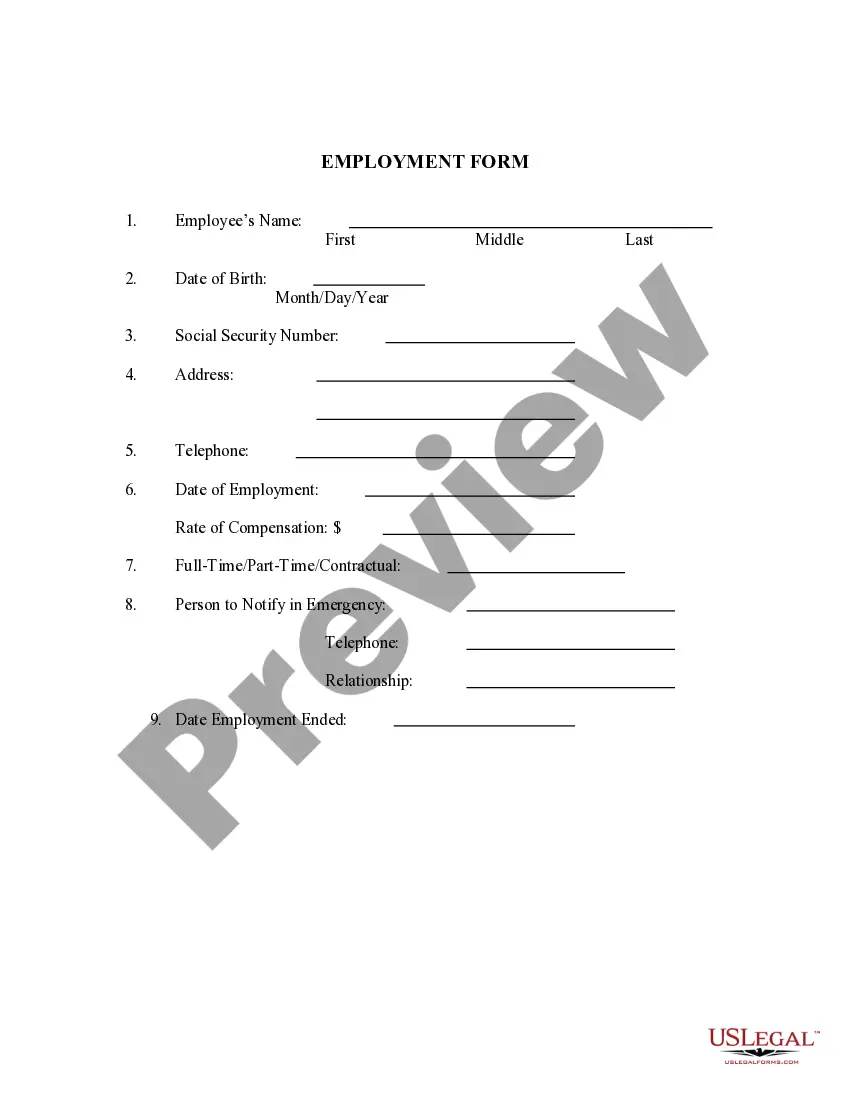
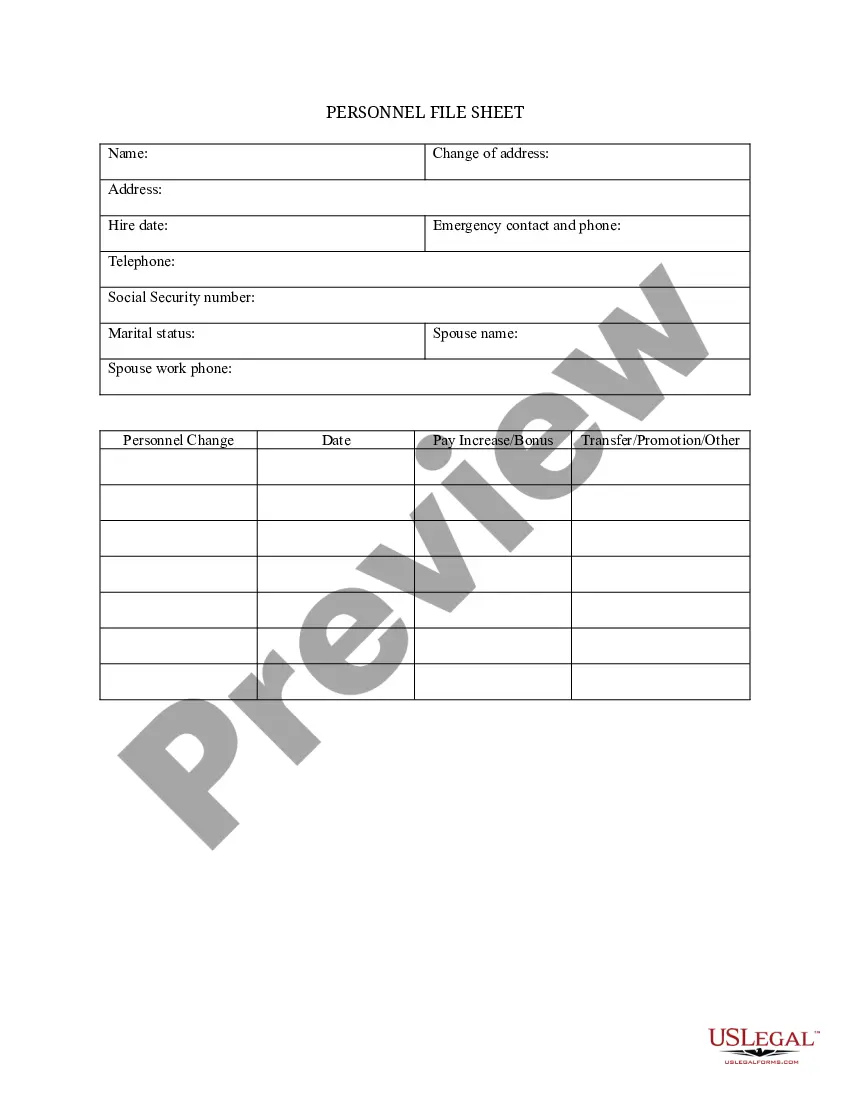
- Employee information: Name, contact details, and current position.
- Departments involved: Names and details of the departments for dual employment.
- Reason for request: An explanation of why the employee is seeking dual employment.
- Management approval section: Signatures or acknowledgments from department heads.
- Terms of employment: Any specific conditions related to the dual roles.

When this form is needed
This form is used when an employee wishes to take on an additional role in a different department while maintaining their primary job position. Scenarios for use include seeking part-time work in another department, handling special projects, or expanding responsibilities unique to another area within the company.
Who needs this form
- Employees seeking to expand their professional roles within their current employer.
- Managers responsible for evaluating dual employment requests.
- Human Resources personnel involved in employment documentation.
Completing this form step by step
- Provide your personal information in the designated fields, including your current position.
- Identify the departments you wish to work in and provide their details.
- Clearly state the reason for your request for dual employment.
- Obtain the necessary management approval by collecting signatures from relevant department heads.
- Review the completed form for accuracy before submission to Human Resources.
Notarization guidance
In most cases, this form does not require notarization. However, some jurisdictions or signing circumstances might. US Legal Forms offers online notarization powered by Notarize, accessible 24/7 for a quick, remote process.
Get your form ready online
Our built-in tools help you complete, sign, share, and store your documents in one place.
Make edits, fill in missing information, and update formatting in US Legal Forms—just like you would in MS Word.
Download a copy, print it, send it by email, or mail it via USPS—whatever works best for your next step.
Sign and collect signatures with our SignNow integration. Send to multiple recipients, set reminders, and more. Go Premium to unlock E-Sign.
If this form requires notarization, complete it online through a secure video call—no need to meet a notary in person or wait for an appointment.
We protect your documents and personal data by following strict security and privacy standards.

Make edits, fill in missing information, and update formatting in US Legal Forms—just like you would in MS Word.

Download a copy, print it, send it by email, or mail it via USPS—whatever works best for your next step.

Sign and collect signatures with our SignNow integration. Send to multiple recipients, set reminders, and more. Go Premium to unlock E-Sign.

If this form requires notarization, complete it online through a secure video call—no need to meet a notary in person or wait for an appointment.

We protect your documents and personal data by following strict security and privacy standards.
Avoid these common issues
- Failing to provide a clear reason for the request.
- Not obtaining all required signatures from management.
- Submitting the form without reviewing for completeness and accuracy.
Advantages of online completion
- Convenience: Easily fill out and download the form at your convenience.
- Editability: Modify necessary information before finalizing your submission.
- Reliability: Access templates created and reviewed by licensed attorneys.
Legal use & context
- Ensures that both the company and employee are aware of the implications of dual roles.
- Protects employees by formalizing their request in writing.
- Clarifies any potential conflicts or limitations associated with holding multiple positions.
Quick recap
- The Request for Dual Employment is important for employees wishing to take on additional roles within their company.
- Ensure that all necessary management approvals are obtained before submission.
- Review local company policies regarding dual employment for compliance.
Looking for another form?
Form popularity
FAQ
This is prohibited under Article IX-B, Section 8 of the Constitution which states that "No elective or appointive public officer or employee shall receive additional, double, or indirect compensation x x x .""Daquer was able to get employment from another government agency (AFP) during the period of his separation.
But there are no specific provisions under the Indian labour laws barring dual employment except for Section 60 of the Factories Act, 1948.Apart from that he is also snatching the opportunity of another person's employment. Though there are no such provisions but you are very likely to be terminated.
Dual Employment in India or double employment rule in India means being employed by more than one employer at the same time. This means that an employee occupies full-time employment and receives wages from one employer while having an additional job in another organization.
As a generic terminology, the catchphrase 'Dual Employment' or 'Double Employment' means holding two employments at the same time or we may also express it as whenan employee holds a full-time position and payroll with one employer and takes on an additional employment with another employer Dual employment occurs
Dual employment is legal.
Even so, it's still not illegal. It would simply be a breach of contract. There is no piece of legislation that says "You may not have more than one job".
That means that an employee can not take up dual jobs.Section 8 under Schedule I-B of the Industrial Employment (Standing Orders) Central Rules, 1946 states that a workman cannot work against the interest of an industrial establishment by taking dual employment in addition to their existing job.
Dual Employment is the term used to describe additional time worked by a staff employee in either (a) the employee's home department, but in a different job than the employee's permanent appointment or (b) a department other than the employee's home department.