Recapitalization Agreement with Issuance of New Shares to Creditors (Type E Reorganization)
About this form
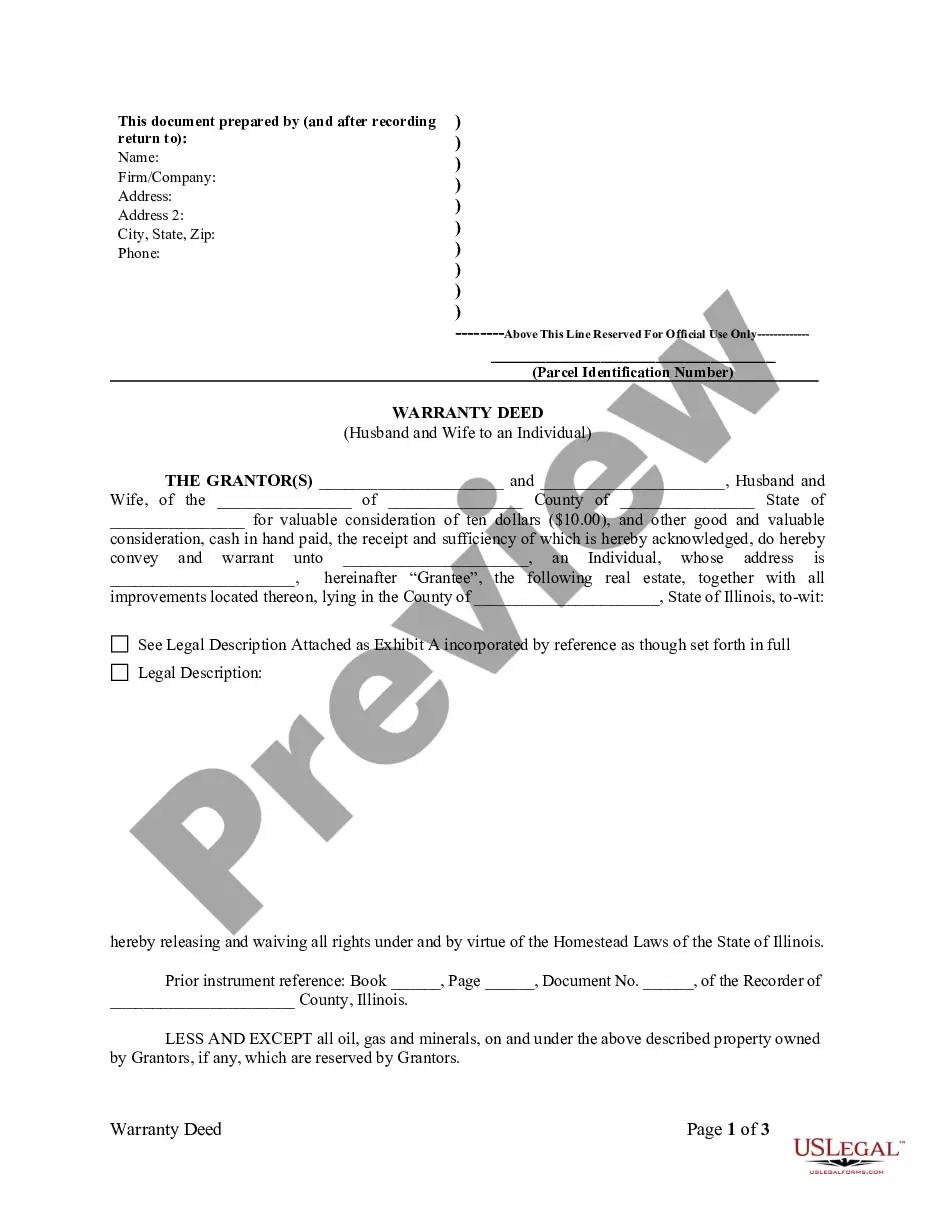
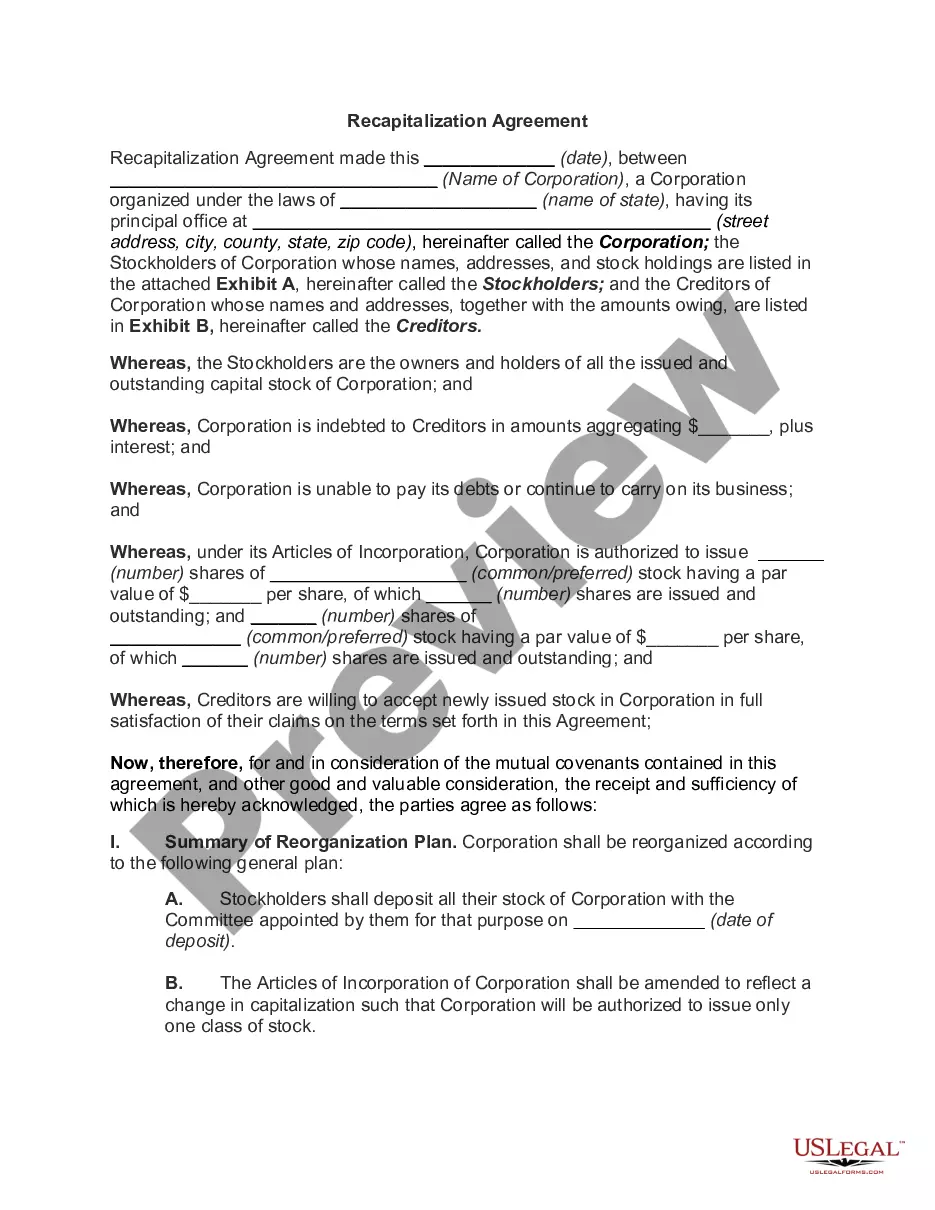
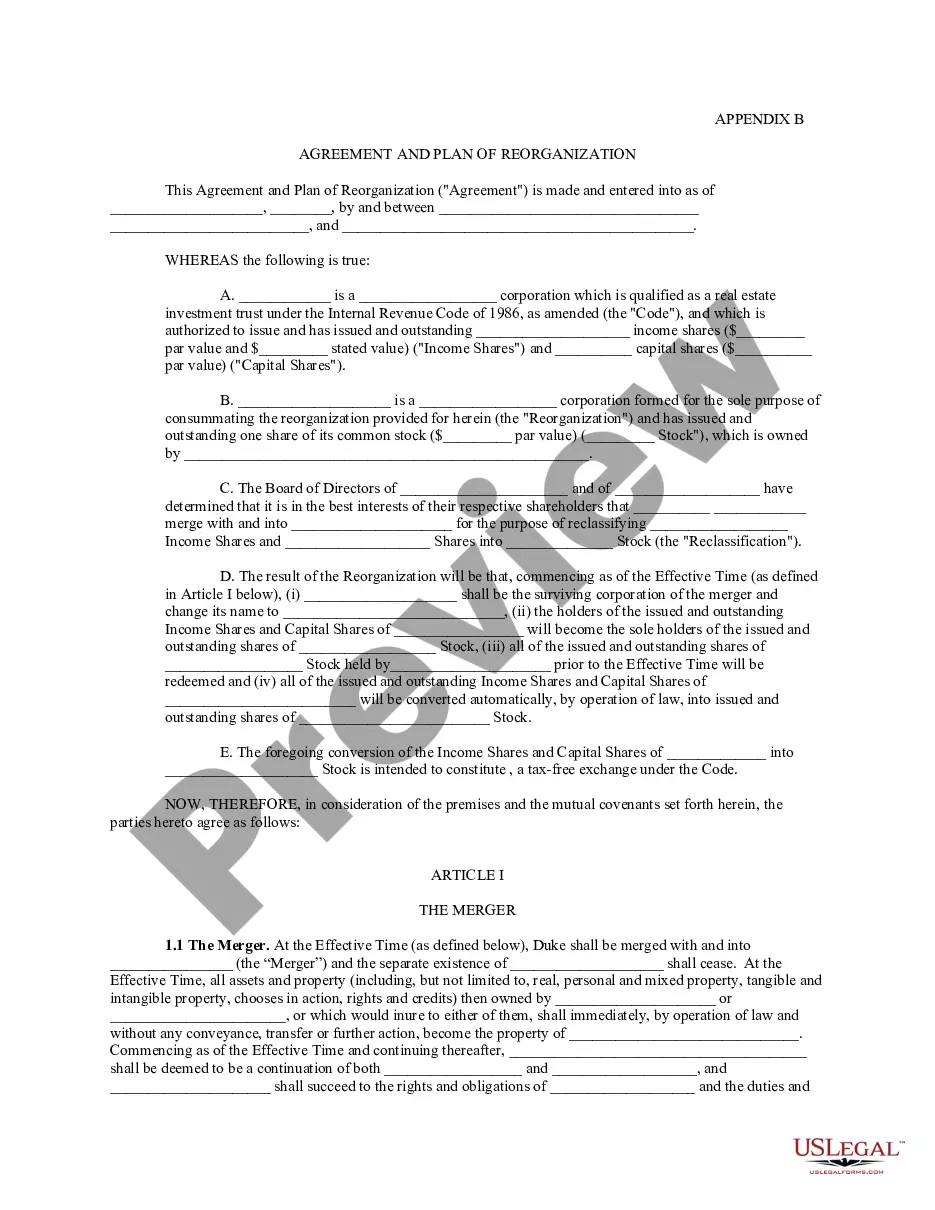
The Recapitalization Agreement with Issuance of New Shares to Creditors is a legal document used in corporate finance to restructure a company's capital. This form is specifically designed for a type E reorganization, allowing a corporation to exchange its existing stocks and securities for new ones. This process helps provide relief from financial distress by facilitating the negotiation of terms between stockholders and creditors. Unlike other agreements, this form focuses on the intricacies of issuing new shares to creditors in order to settle debts, adjusting the company's capital structure effectively and efficiently.
What’s included in this form
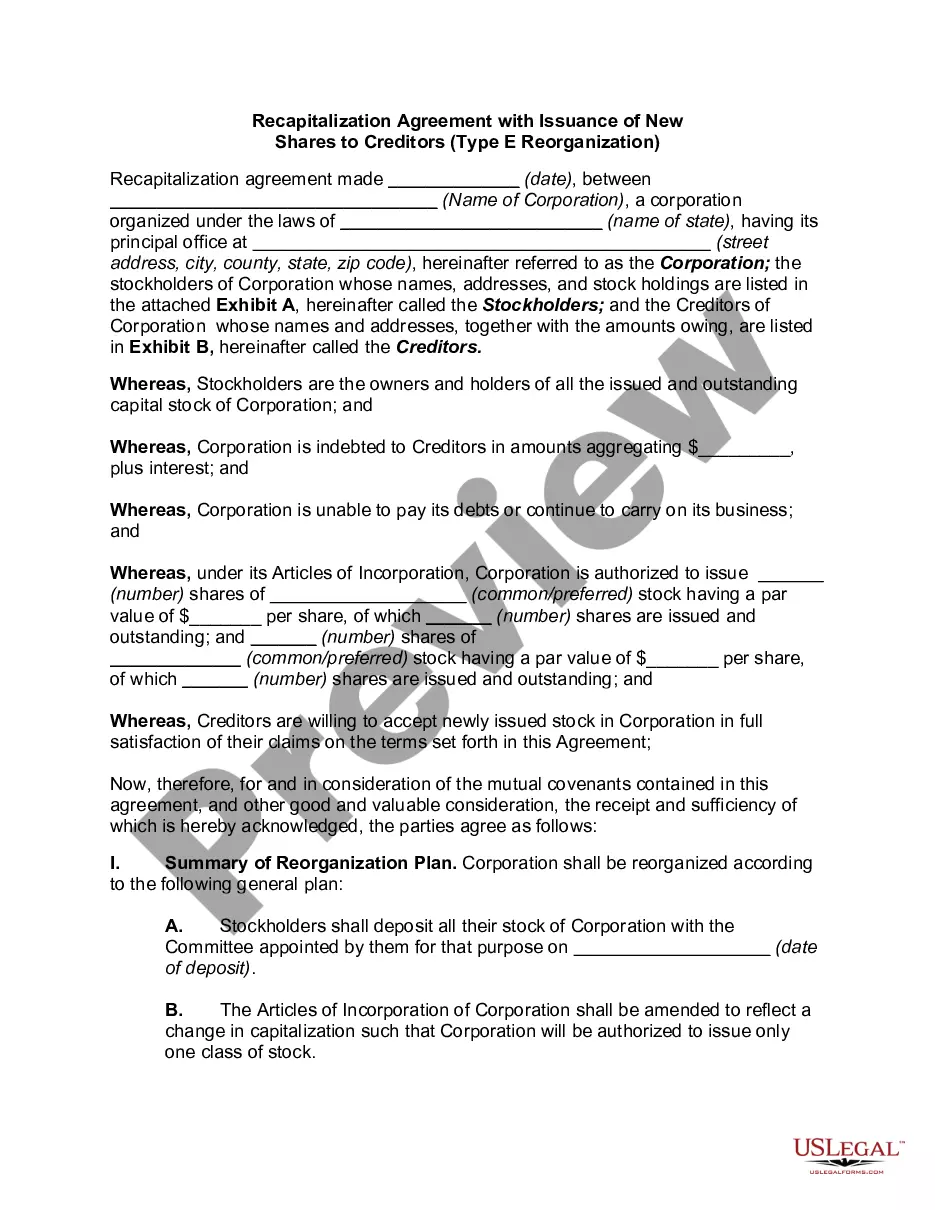
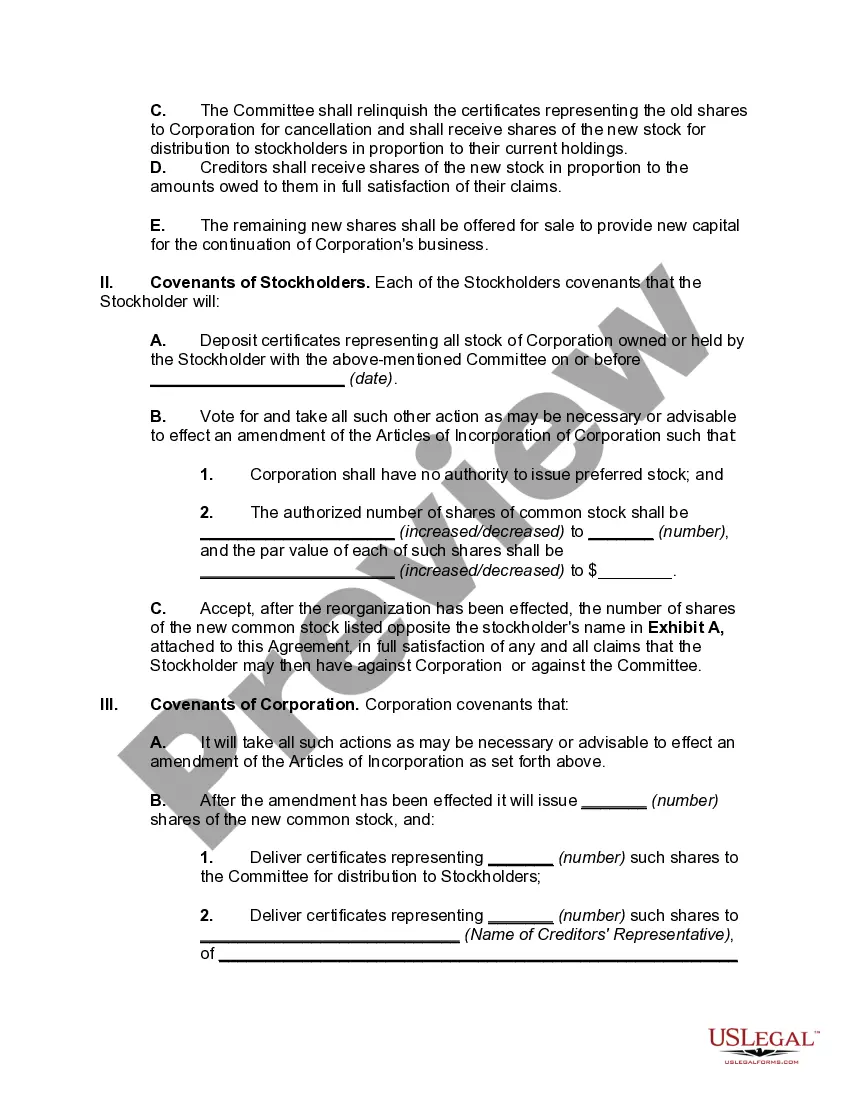
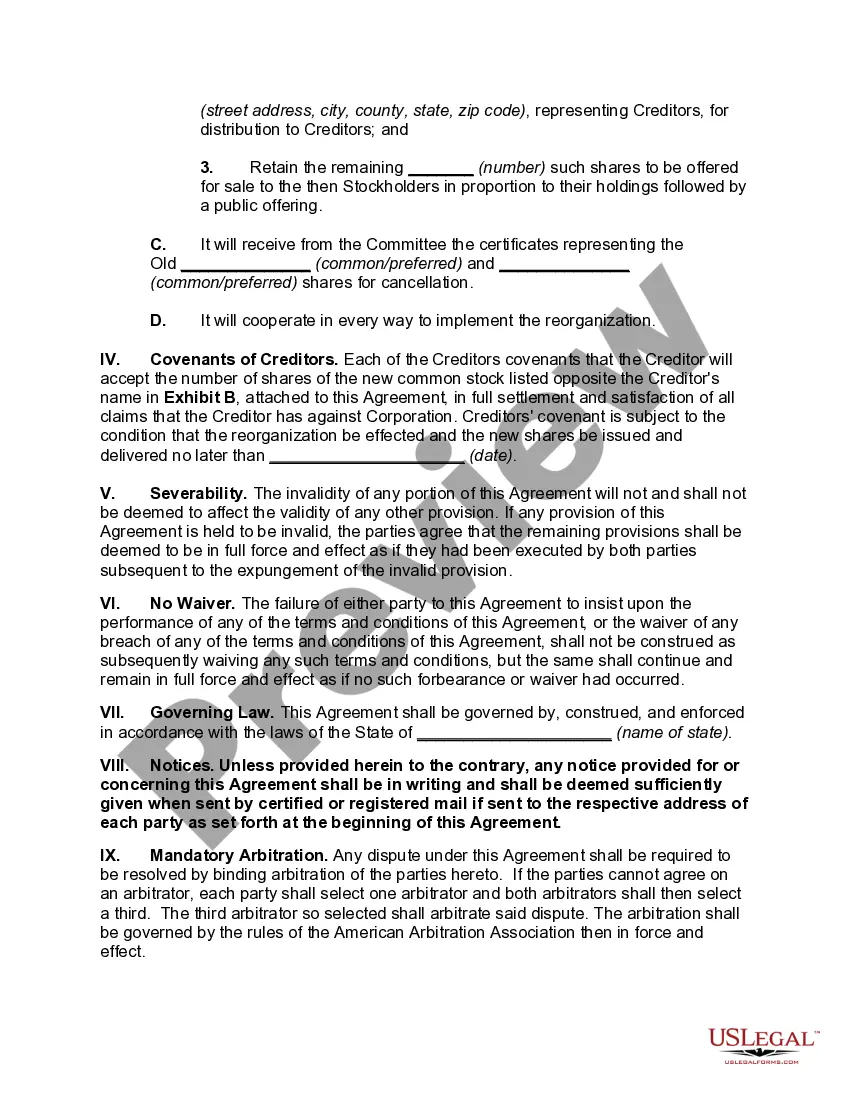
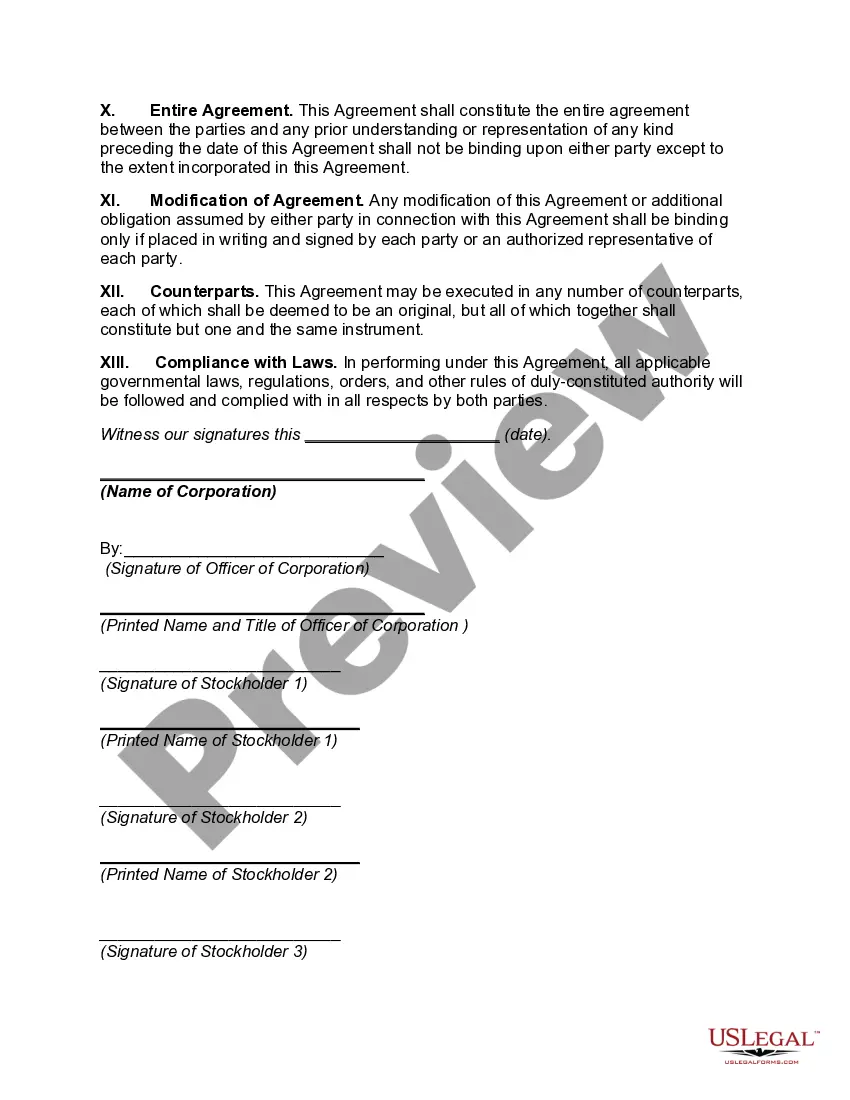
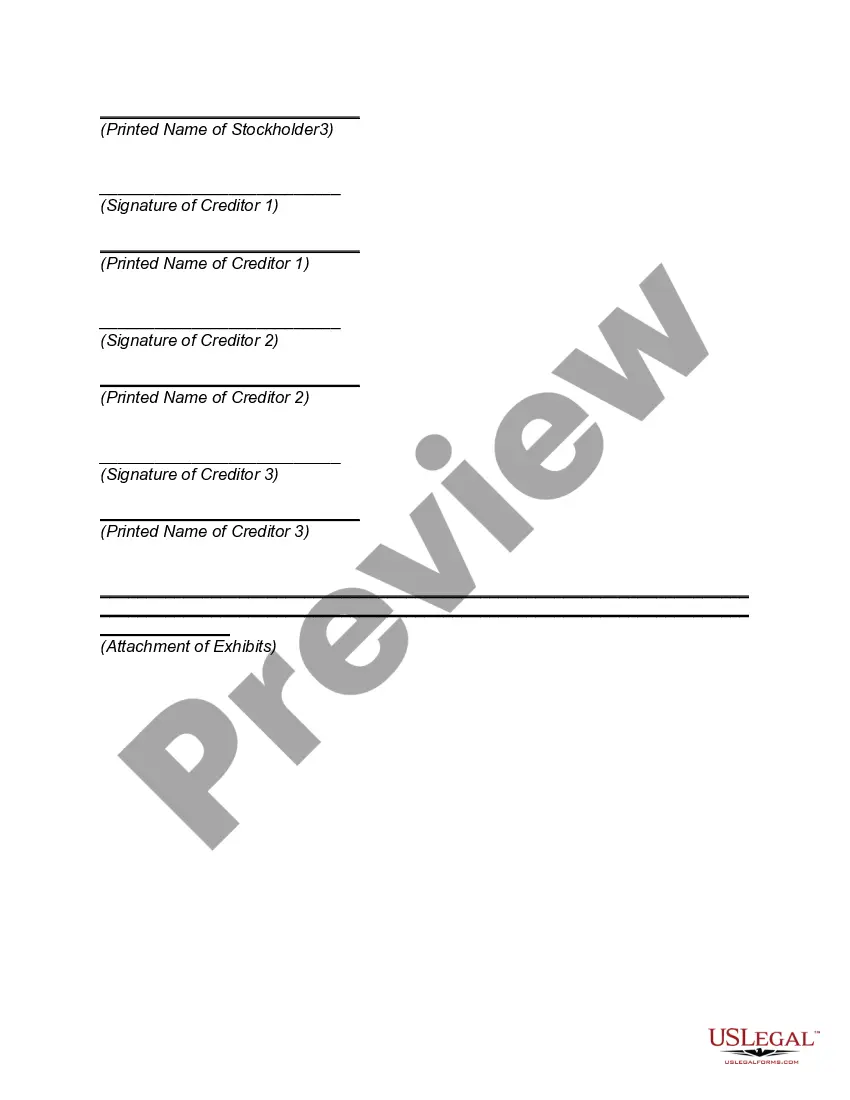
- Introduction of the parties involved, including the Corporation, Stockholders, and Creditors.
- Summary of the reorganization plan, outlining the steps for stock exchange and amendment of articles of incorporation.
- Covenants of Stockholders detailing their commitments post-reorganization.
- Covenants of the Corporation specifying obligations related to stock issuance and compliance with legal requirements.
- Covenants of Creditors agreeing to accept new stock in settlement of their claims.
- Provisions for dispute resolution, modification, and severability of the agreement.
When this form is needed
This form should be used when a corporation is facing financial difficulties and needs to restructure its debt obligations. It is particularly applicable when the company cannot meet its financial commitments and wants to negotiate with creditors by offering shares in exchange for the debt. Use it to prevent insolvency or bankruptcy while providing creditors with equity in the company, thereby alleviating immediate financial pressure.
Who this form is for
This form is intended for:
- Corporations undergoing financial reorganization.
- Stockholders who need to negotiate terms of their stock ownership.
- Creditors seeking to resolve outstanding debts through equity in the corporation.
Completing this form step by step
- Identify and input the parties' names, including the corporation, stockholders, and creditors.
- Specify the date of the agreement and the associated deadlines for necessary actions.
- Detail the amounts owed to creditors and the number of shares to be issued in return.
- Amend the corporationâs articles of incorporation as necessary, reflecting changes in capitalization.
- Gather signatures from all relevant parties to finalize the agreement.
Notarization requirements for this form
This form does not typically require notarization unless specified by local law. Always check state regulations to confirm whether notarization is needed for enforceability.
Get your form ready online
Our built-in tools help you complete, sign, share, and store your documents in one place.
Make edits, fill in missing information, and update formatting in US Legal Forms—just like you would in MS Word.
Download a copy, print it, send it by email, or mail it via USPS—whatever works best for your next step.
Sign and collect signatures with our SignNow integration. Send to multiple recipients, set reminders, and more. Go Premium to unlock E-Sign.
If this form requires notarization, complete it online through a secure video call—no need to meet a notary in person or wait for an appointment.
We protect your documents and personal data by following strict security and privacy standards.

Make edits, fill in missing information, and update formatting in US Legal Forms—just like you would in MS Word.

Download a copy, print it, send it by email, or mail it via USPS—whatever works best for your next step.

Sign and collect signatures with our SignNow integration. Send to multiple recipients, set reminders, and more. Go Premium to unlock E-Sign.

If this form requires notarization, complete it online through a secure video call—no need to meet a notary in person or wait for an appointment.

We protect your documents and personal data by following strict security and privacy standards.
Mistakes to watch out for
- Failing to obtain signatures from all parties involved.
- Not specifying the correct amounts and dates, which can lead to confusion.
- Overlooking state-specific regulations that could affect the validity of the agreement.
Why complete this form online
- Convenient downloading and immediate access to the form.
- Editability allows for customization according to specific needs.
- Reliability of templates drafted by licensed attorneys ensures legal compliance.
Looking for another form?
Form popularity
FAQ
Does a Chapter 11 bankruptcy erase a business's debts? Not exactly. Creditors often have to accept less under a court-approved reorganization plan. But the idea is for the business to keep earning money so it can pay back as much as possible.
For example, an E reorganization occurs if a corporation discharges outstanding bond indebtedness by issuing preferred stock to the shareholders in exchange for the bonds instead of paying them off in cash.
What Are the Main Differences Between a Chapter 11 and Chapter 13 Bankruptcy? Almost anyone can file for Chapter 11 bankruptcy. This includes individuals, companies, partnerships, joint ventures, and LLCs. The filer doesn't have to meet any debt limits under Chapter 11 rules and there are no limits to file.
Examples Of Chapter 11 Bankruptcy While Chapter 11 bankruptcies may appear to be a lot more successful than Chapter 7 situations, history shows that most companies entering Chapter 11 don't survive either. Less than 10% of Chapter 11 filings have actually been successful.
A stock split falls within the scope of Section 1202(h)(4) because it qualifies under Section 368 as an ?E? reorganization.
The discharge received by an individual debtor in a Chapter 11 case discharges the debtor from all pre-confirmation debts except those that would not be dischargeable in a Chapter 7 case filed by the same debtor.
One reorganization (an "E" reorganization) is a "recapitalization." A recapitalization is typically a transaction between a corporation and some or all of its shareholders or creditors. As a part of the transaction, outstanding securities (stock or debt) are exchanged for other securities.
Once the debtor has fulfilled the obligations in the plan, the remaining debts are discharged. That means that the debtor no longer owes the debt, and creditors cannot make an effort to collect them. With the debts wiped out, the debtor can begin to recover their financial and credit health.