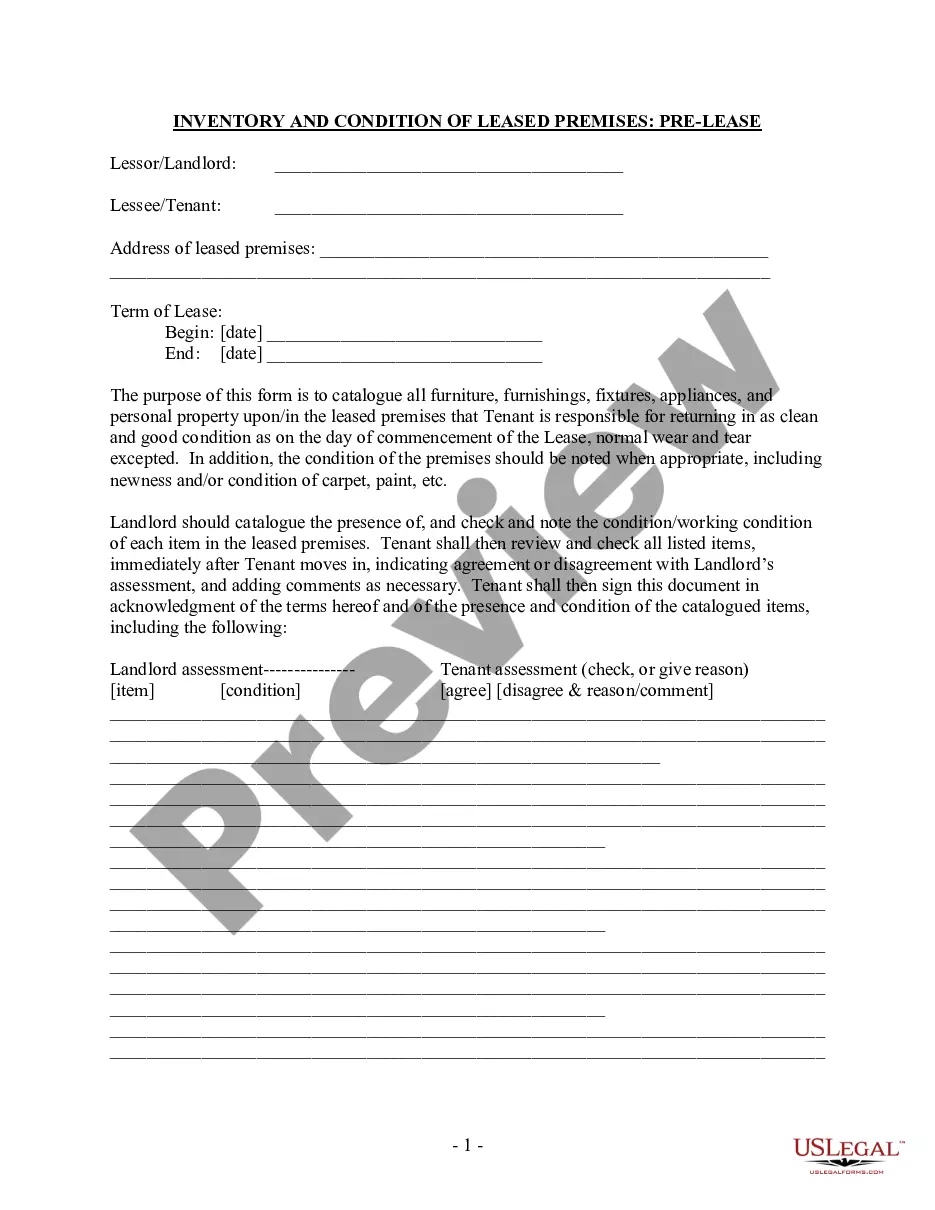
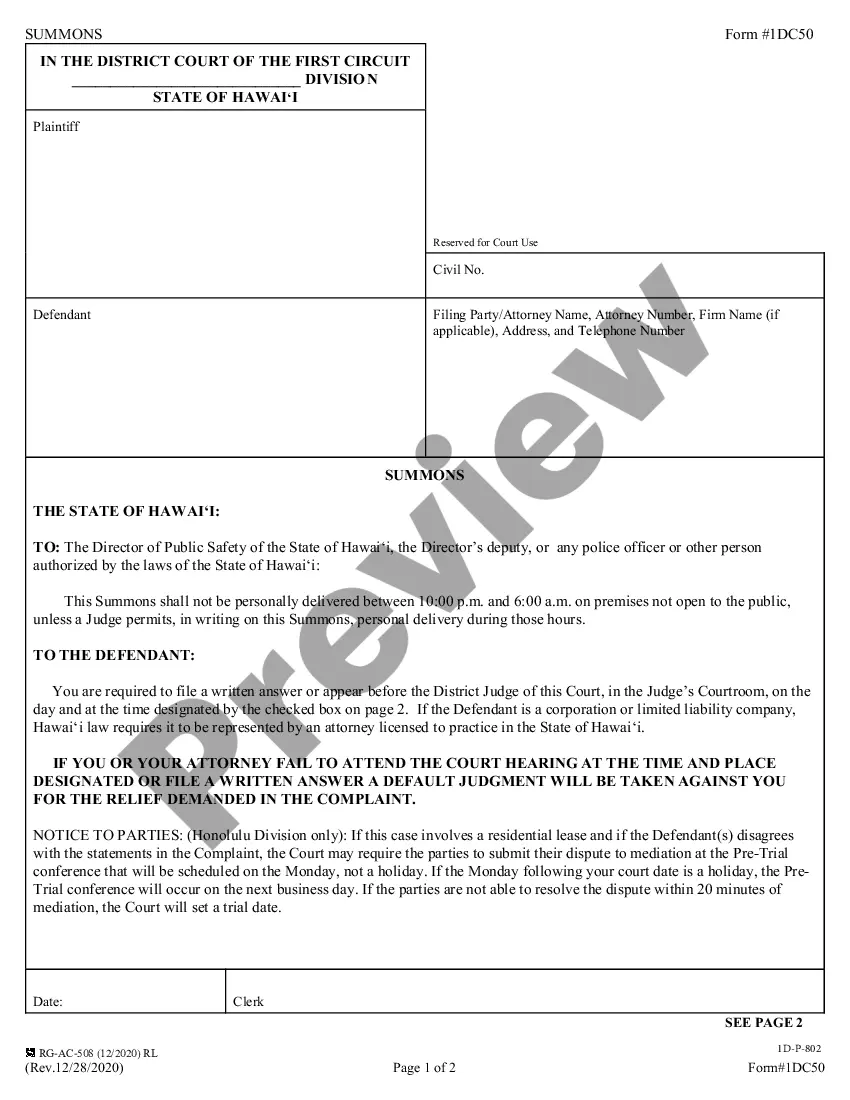
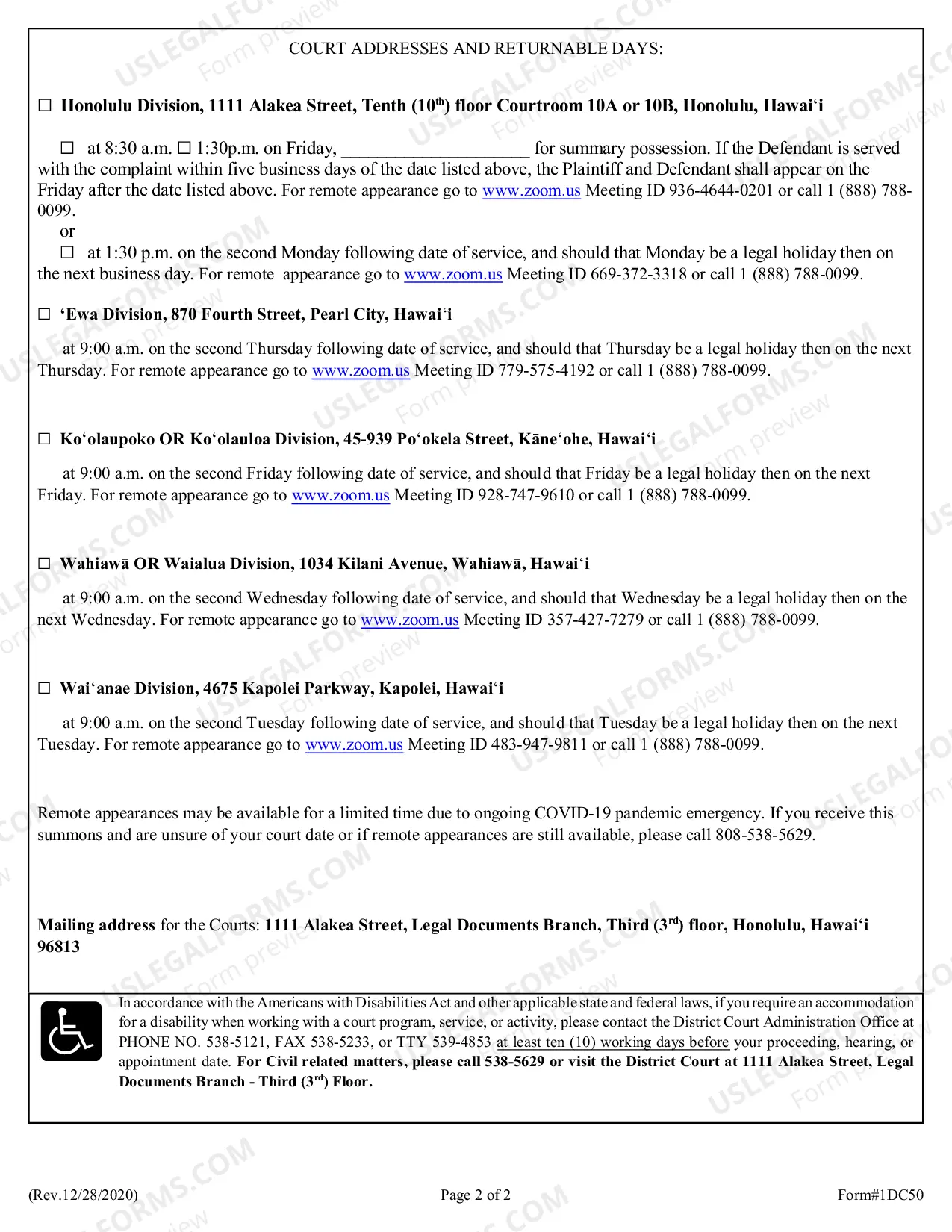
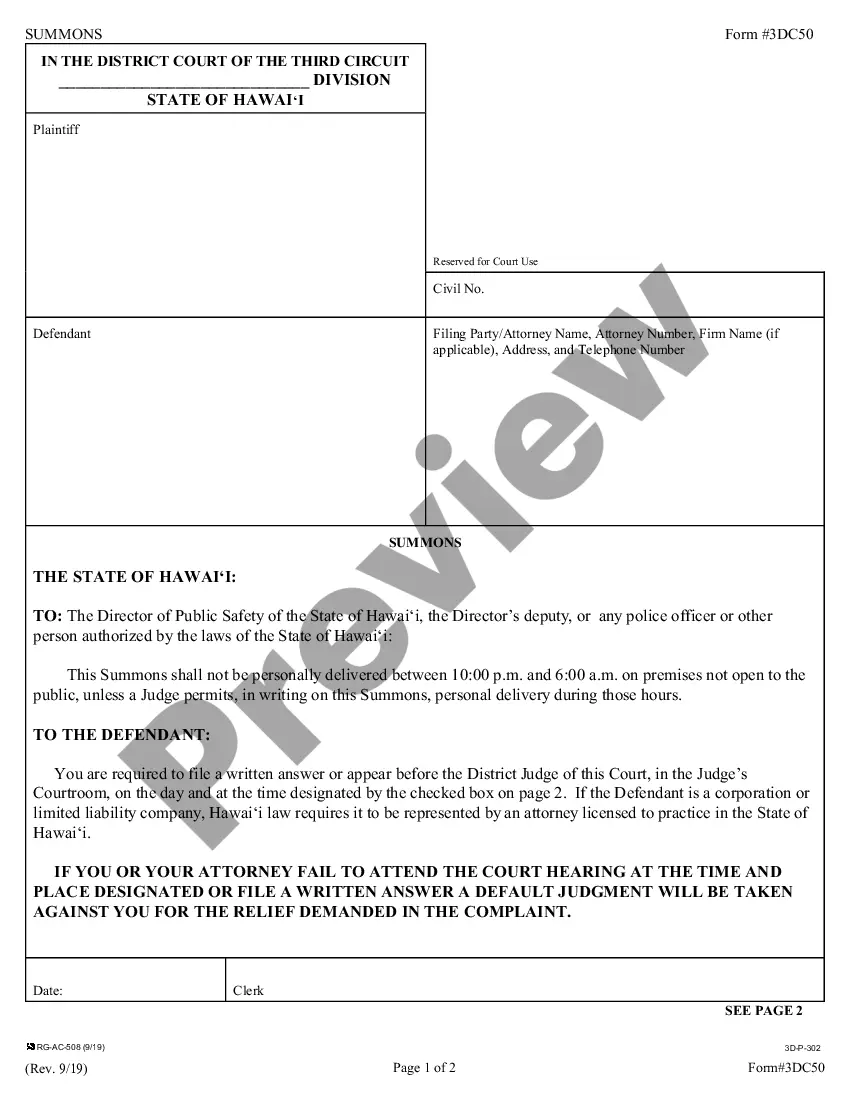
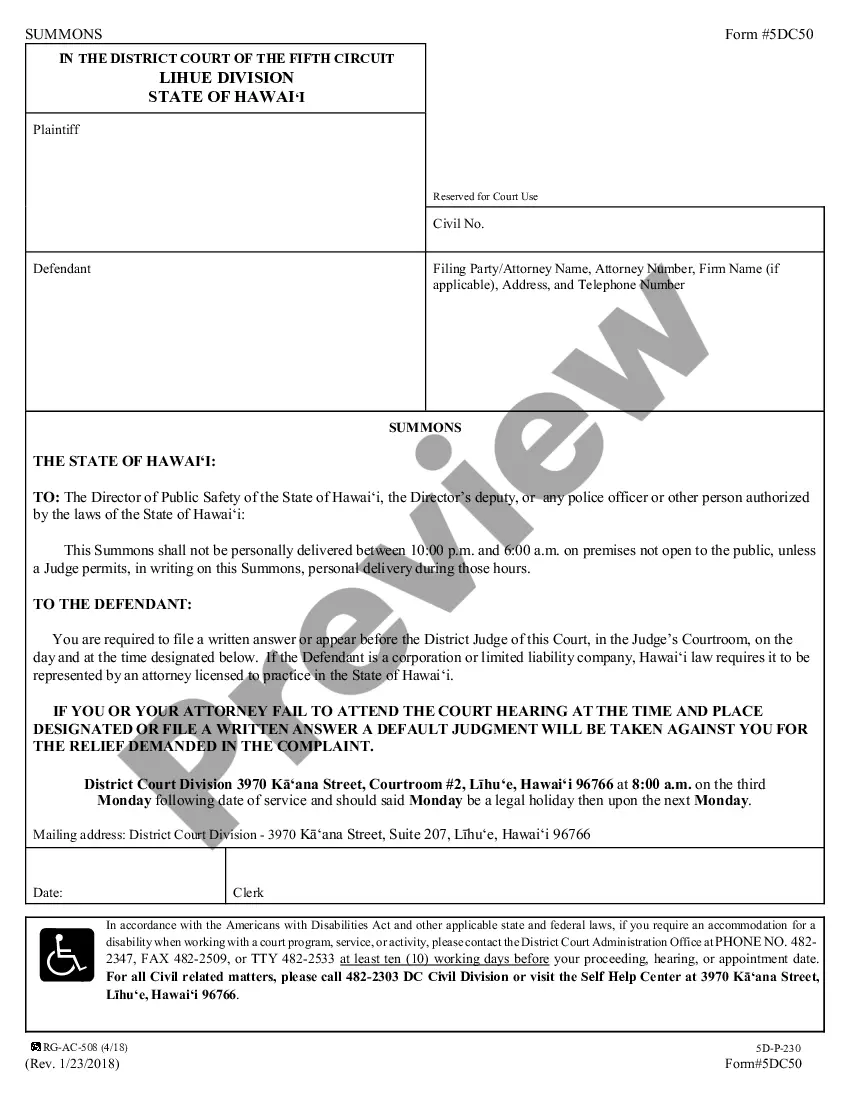
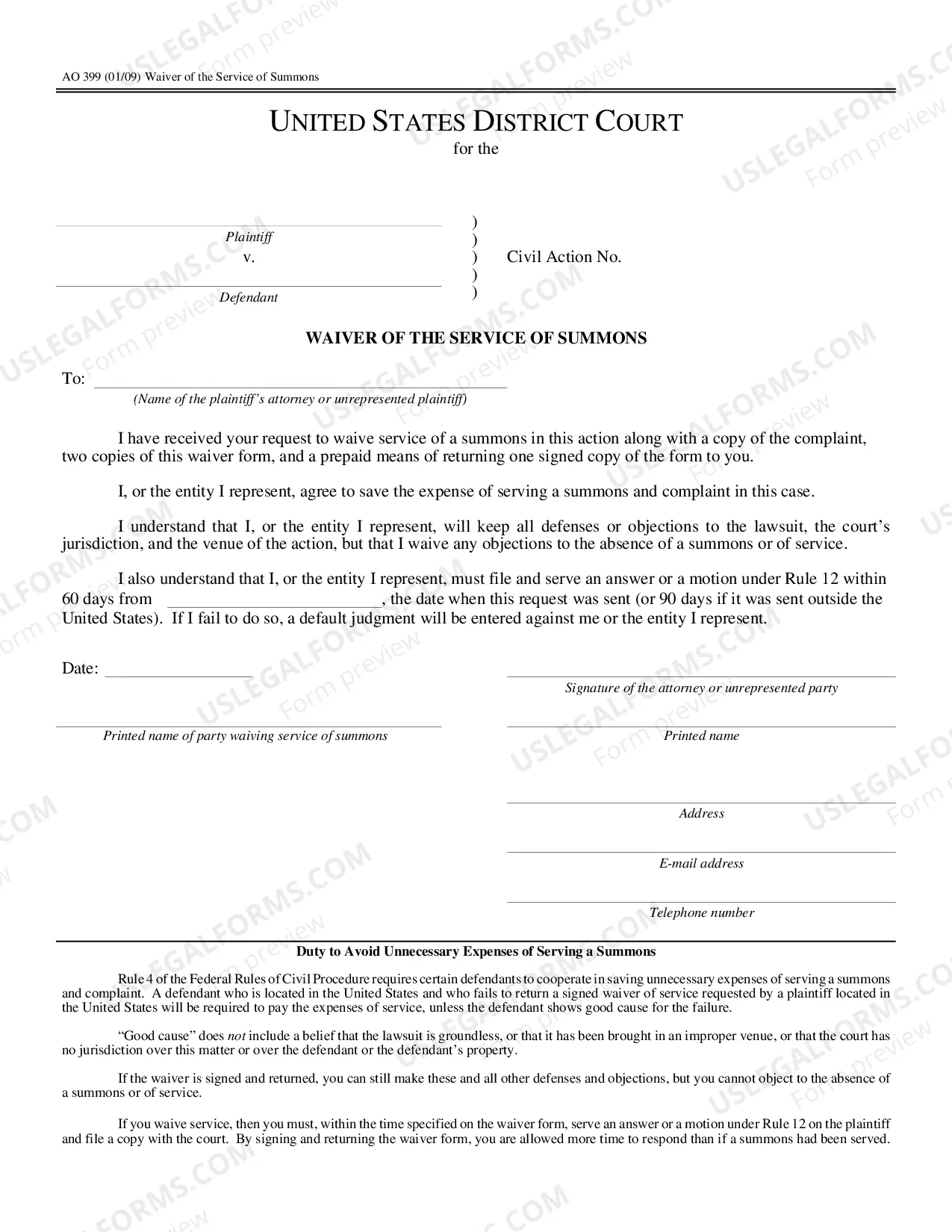
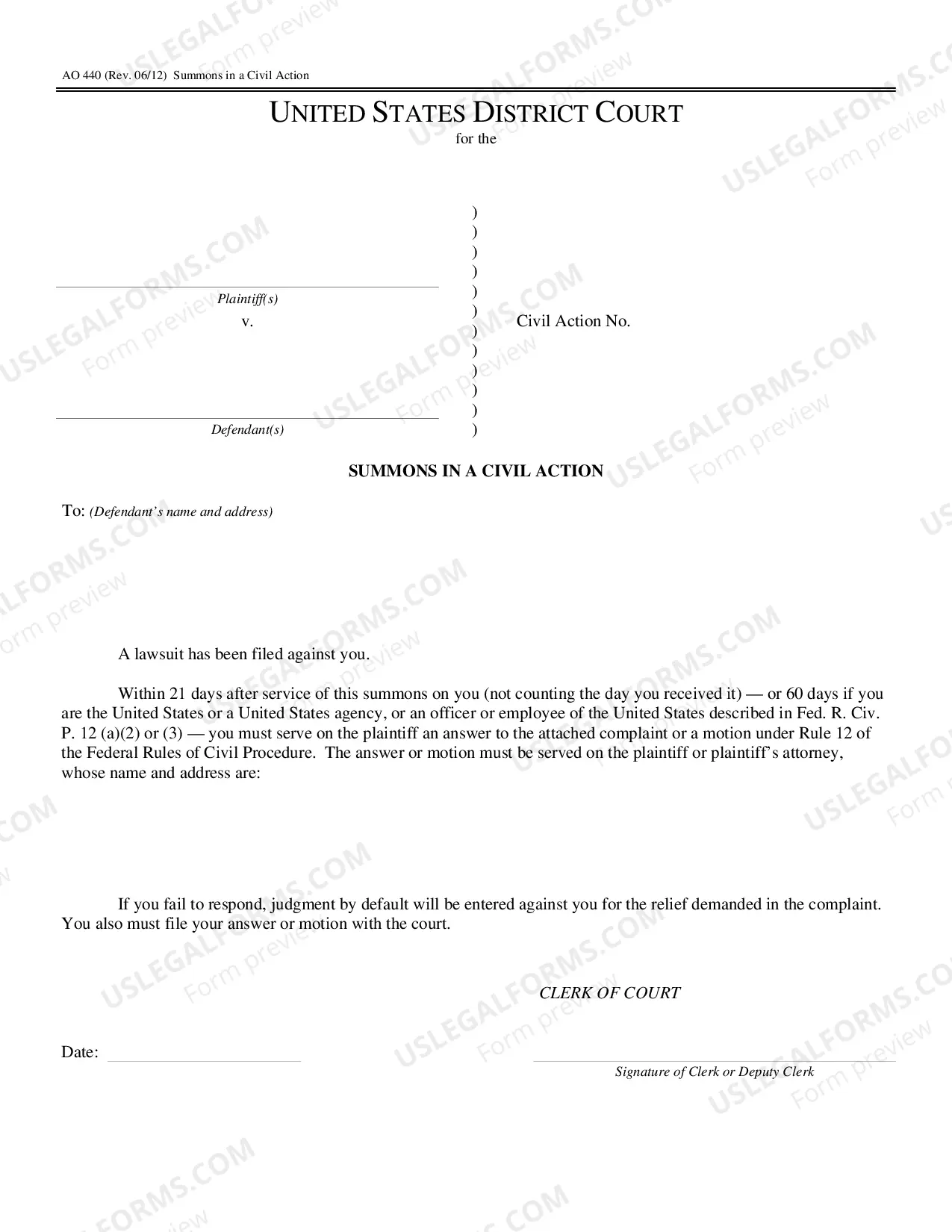
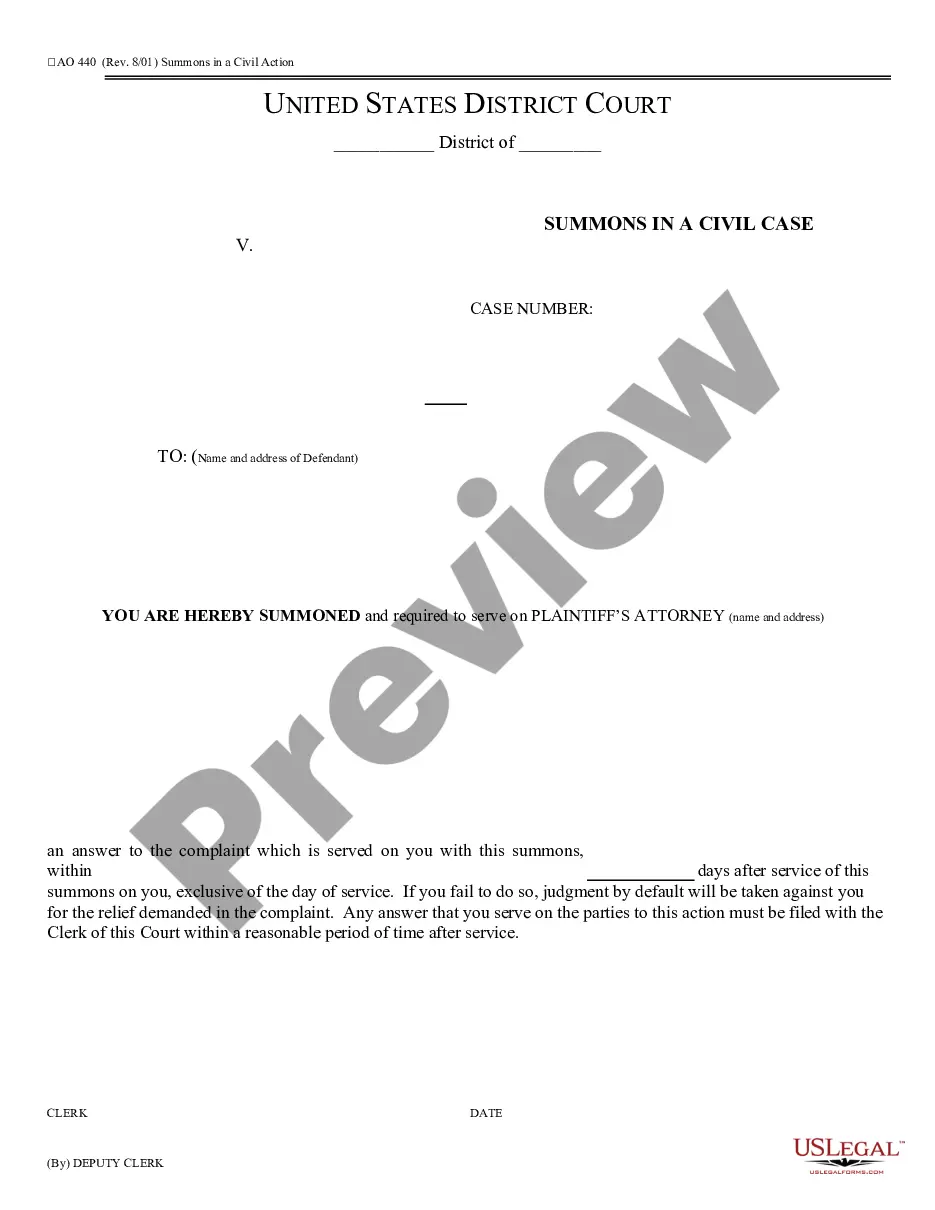
This official form is sent by the Court to a defendant and demanding that said defendant appear before the Court on a certain day and time. It also warns that failure to appear may result in default judgment or dismissal.
Hawaii Summons
Instant download
This website is not affiliated with any governmental entity
Public form
Description
Free preview
Get your form ready online
Our built-in tools help you complete, sign, share, and store your documents in one place.
Built-in online Word editor
Make edits, fill in missing information, and update formatting in US Legal Forms—just like you would in MS Word.
Export easily
Download a copy, print it, send it by email, or mail it via USPS—whatever works best for your next step.
E-sign your document
Sign and collect signatures with our SignNow integration. Send to multiple recipients, set reminders, and more. Go Premium to unlock E-Sign.
Notarize online 24/7
If this form requires notarization, complete it online through a secure video call—no need to meet a notary in person or wait for an appointment.
Store your document securely
We protect your documents and personal data by following strict security and privacy standards.

Make edits, fill in missing information, and update formatting in US Legal Forms—just like you would in MS Word.

Download a copy, print it, send it by email, or mail it via USPS—whatever works best for your next step.

Sign and collect signatures with our SignNow integration. Send to multiple recipients, set reminders, and more. Go Premium to unlock E-Sign.

If this form requires notarization, complete it online through a secure video call—no need to meet a notary in person or wait for an appointment.

We protect your documents and personal data by following strict security and privacy standards.
Looking for another form?
How to fill out Hawaii Summons?
Obtain the most comprehensive collection of approved forms.
US Legal Forms is truly a resource for locating any state-specific document in just a few clicks, including Hawaii Summons samples.
No need to squander hours searching for a court-acceptable template. Our skilled professionals guarantee that you receive current templates every time.
If everything is accurate, click the Buy Now button. After selecting a subscription plan, establish your account. Make the payment using card or PayPal. Download the document to your computer by clicking Download. That's it! You need to submit the Hawaii Summons form and proceed with it. To confirm that everything is correct, consult your local legal advisor for assistance. Join and effortlessly access over 85,000 valuable templates.
- To utilize the documents library, select a subscription and establish an account.
- If you have already done this, simply Log In and then click Download.
- The Hawaii Summons template will be promptly saved in the My documents tab (a tab for each form you obtain from US Legal Forms).
- To create a new profile, follow the straightforward instructions below.
- If you are planning to use a state-specific document, ensure you specify the correct state.
- If possible, review the description to grasp all the details of the document.
- Utilize the Preview option if available to examine the content of the document.
Form popularity
FAQ
To find out if you have a summons, check your local court's records or online database. Most jurisdictions allow you to search for active cases by name or case number. Being proactive about checking for a Hawaii Summons can help you stay informed and prepare your response accordingly.
To obtain a summons in Hawaii, you must first file your complaint with the court. After the court accepts your filing, you can request the issuance of a Hawaii Summons. It's essential to follow the filing procedures correctly to avoid delays in your case.
Serving someone who is actively avoiding you can be challenging. You have several options, including hiring a professional process server, using alternative service methods, or seeking court permission for substitute service. Each option ensures the Hawaii Summons reaches the intended recipient, which is vital for advancing your legal matter.
To summons someone, you must prepare a legal document that clearly outlines the claims against them. After drafting this document, you can file it with the court to initiate the process. Once filed, you will need to serve the Hawaii Summons to the individual, informing them of the legal action and requiring them to respond.
Rule 9 in Hawaii refers to the procedural guidelines for serving a summons and complaint. This rule establishes important steps required for proper legal notification in Hawaii Summons cases. Understanding these rules is crucial for ensuring your documents are legally valid and that you comply with state regulations.
A Hawaii Summons and a warrant serve different legal purposes and should not be confused with each other. A summons notifies you of a court action and typically requires your presence, while a warrant authorizes law enforcement to arrest an individual. Understanding these differences is key to navigating legal matters effectively. If you need more clarity on legal documentation or processes, US Legal Forms can provide answers and options tailored to your situation.
Rule 37 in Hawaii relates to the discovery process, particularly addressing failures to make disclosures or cooperate during discovery. It allows parties to seek court orders to compel compliance when necessary. This rule plays a significant role in cases involving a Hawaii Summons, as proper discovery ensures all sides can present their evidence. For detailed resources on navigating these rules, consider using US Legal Forms to help manage your legal documentation.
Receiving a Hawaii Summons does not necessarily imply that you have been charged with a crime. Instead, it informs you of a legal action being taken, requiring your response or attendance in court. This document is a crucial step in legal processes that could lead to charges, so responding accordingly is important. For assistance with your response and understanding legal expectations, US Legal Forms offers helpful templates.
Rule 48 in Hawaii governs the timeline for civil cases, specifically addressing when the court must dismiss a case if it is not brought to trial within a specified period. This rule emphasizes the importance of timely legal proceedings, helping maintain efficiency within the court system. Understanding the implications of this rule can be crucial, especially when dealing with a Hawaii Summons. US Legal Forms can provide detailed guidance regarding this rule and how it affects your case.
In Hawaii, a summons is typically served by a process server or a sheriff. These individuals are responsible for delivering legal documents to ensure you receive official notice of court actions. It's important to understand that receiving a Hawaii Summons means your participation in a legal matter is required. If you want to learn more about the serving process, US Legal Forms provides resources to clarify legal procedures.