Motion For Post-Conviction Relief
About this form
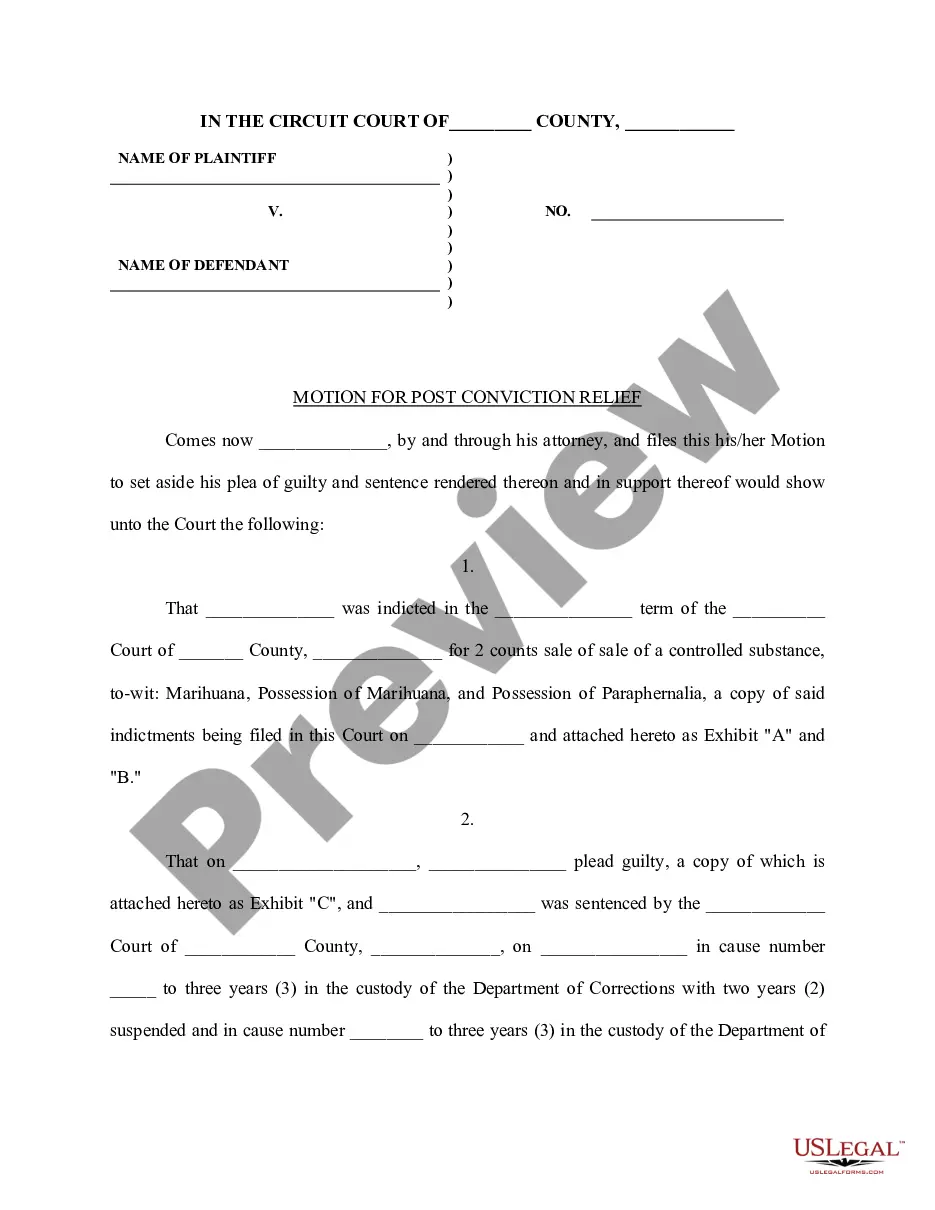
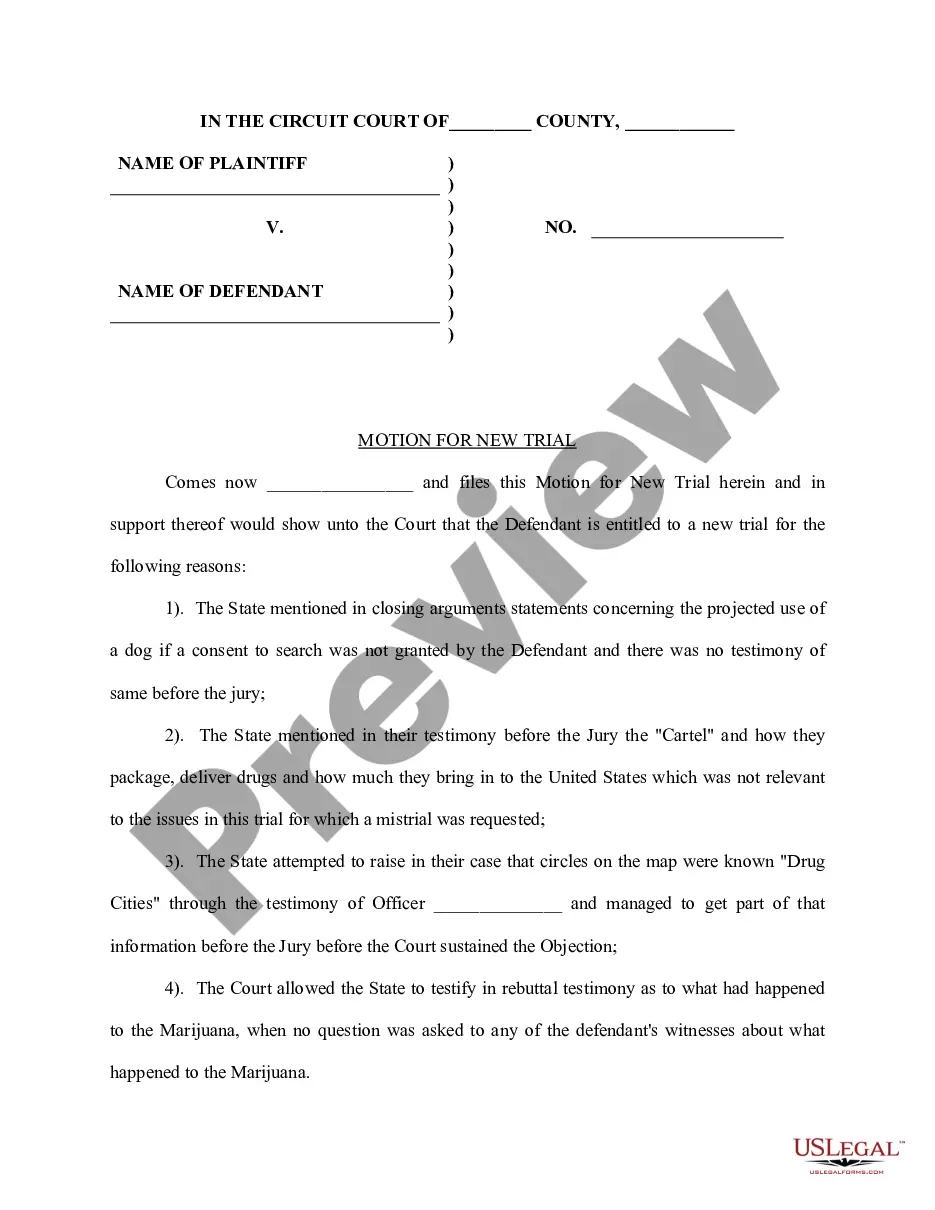
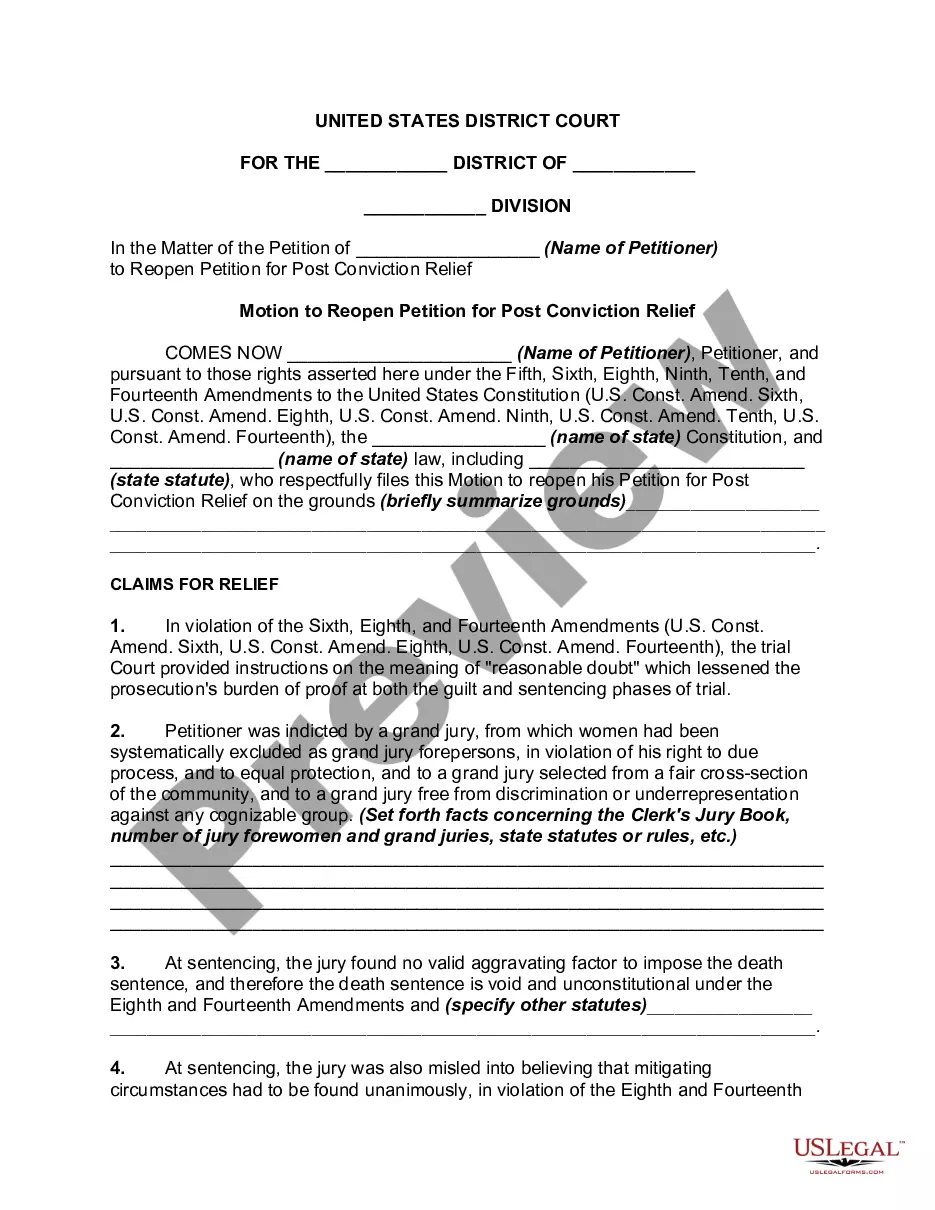
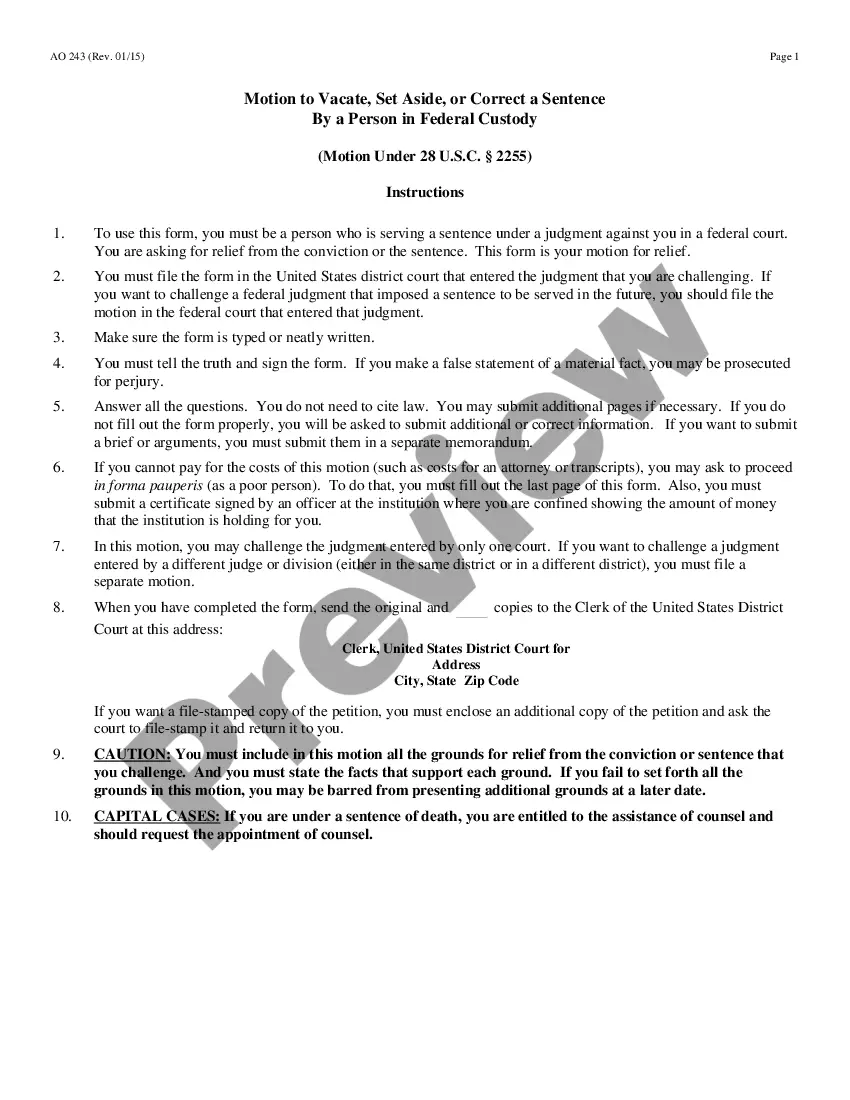
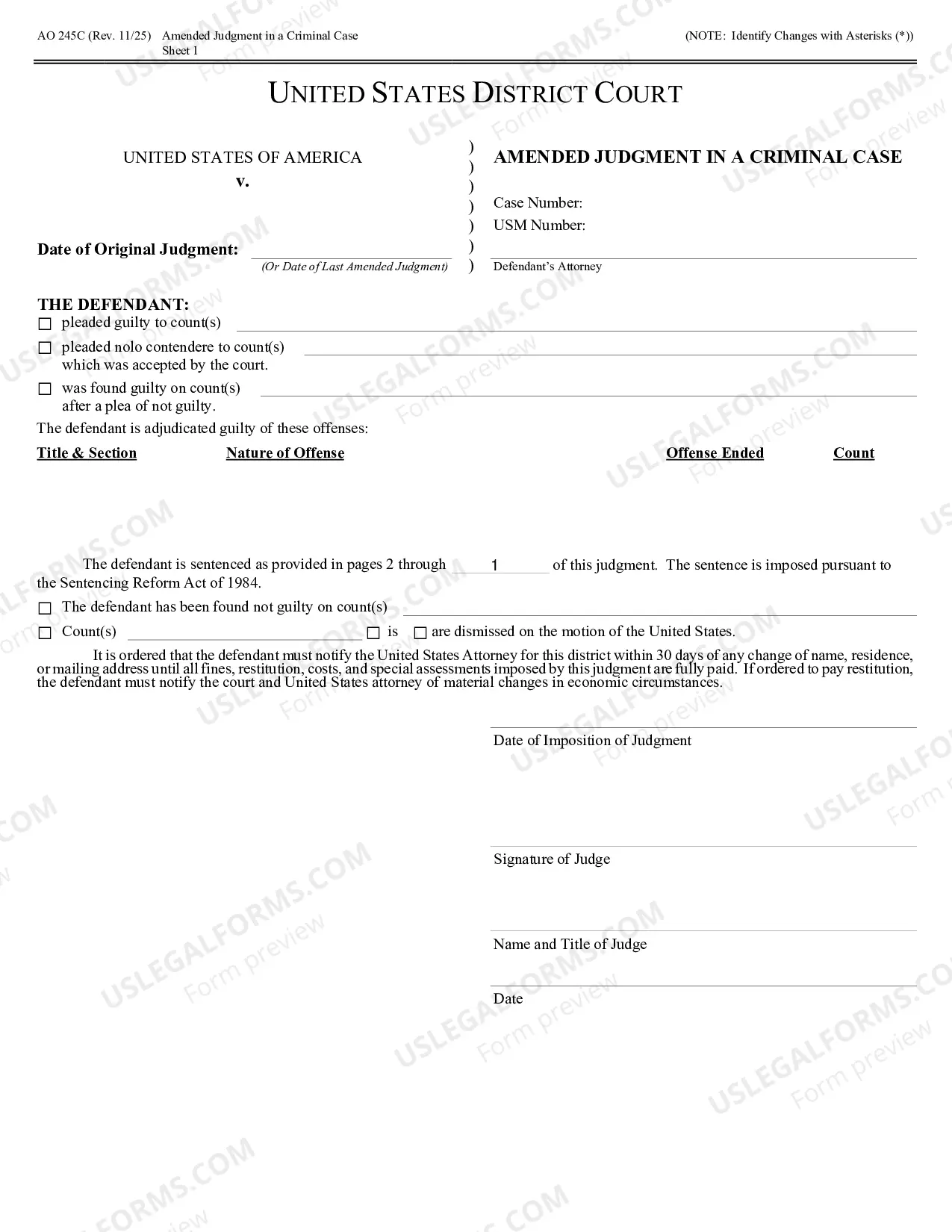
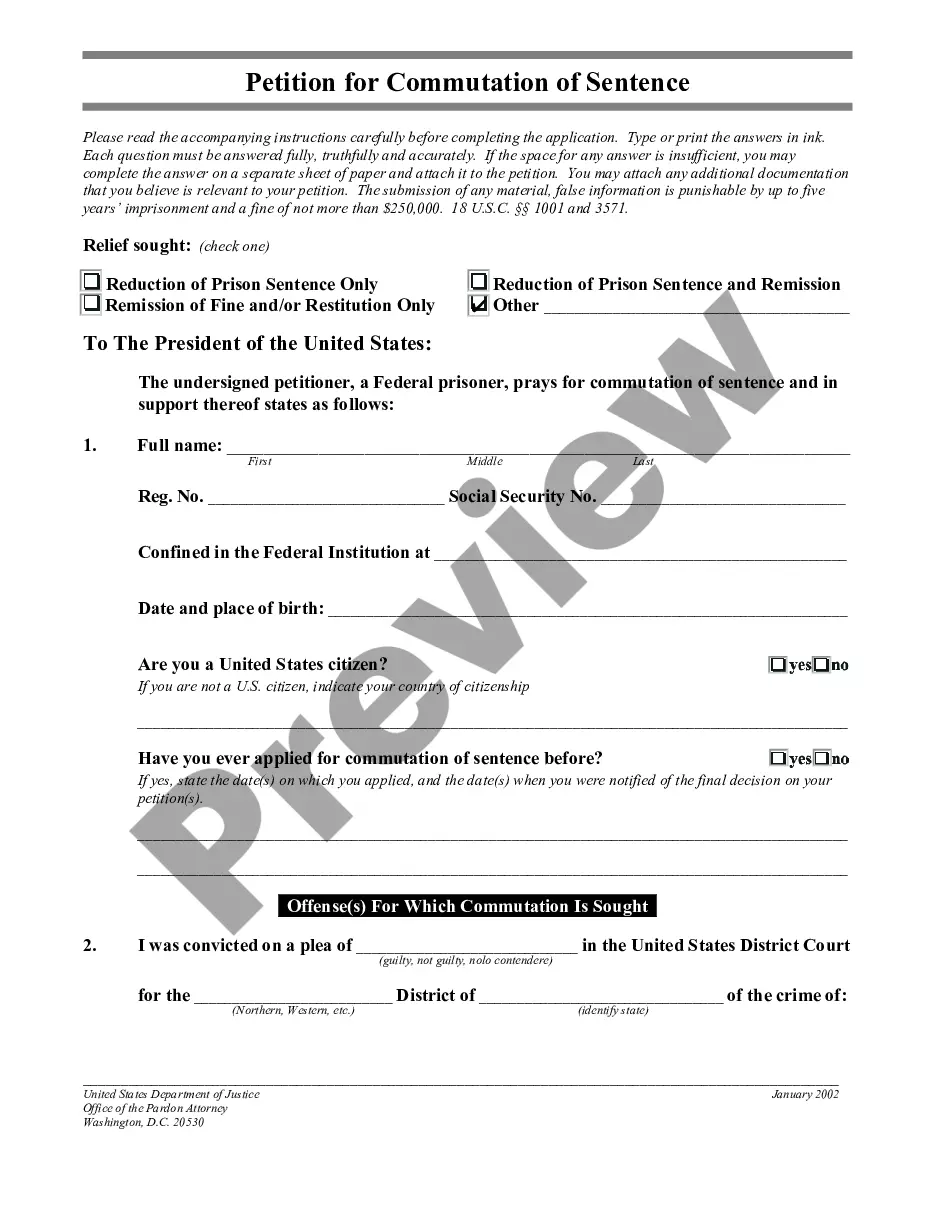
This Motion for Post-Conviction Relief is a legal document used by defendants seeking to overturn a prior conviction. This form is specifically for situations where a defendant pleaded guilty to multiple crimes but contends that they were only guilty of one. The motion aims to address potential due process violations and rectify injustices in sentencing. Unlike forms related to appeals or other post-conviction motions, this document is focused specifically on rectifying the terms of a guilty plea.
Main sections of this form
- Identification of the defendant and the court where the original conviction occurred.
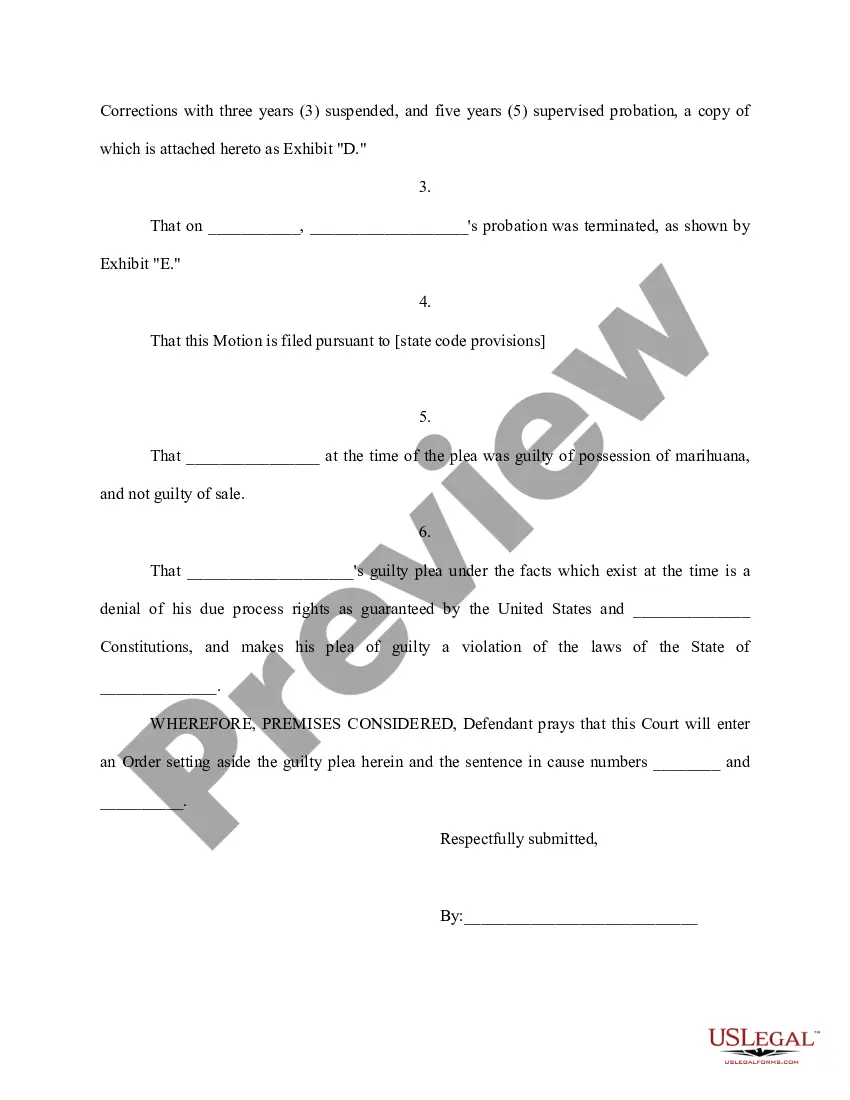
- Details of the original charges and the defendant's guilty plea.
- Reference to relevant exhibits supporting the motion.
- Statement of due process violations related to the plea.
- A formal request for the court to set aside the guilty plea and sentence.
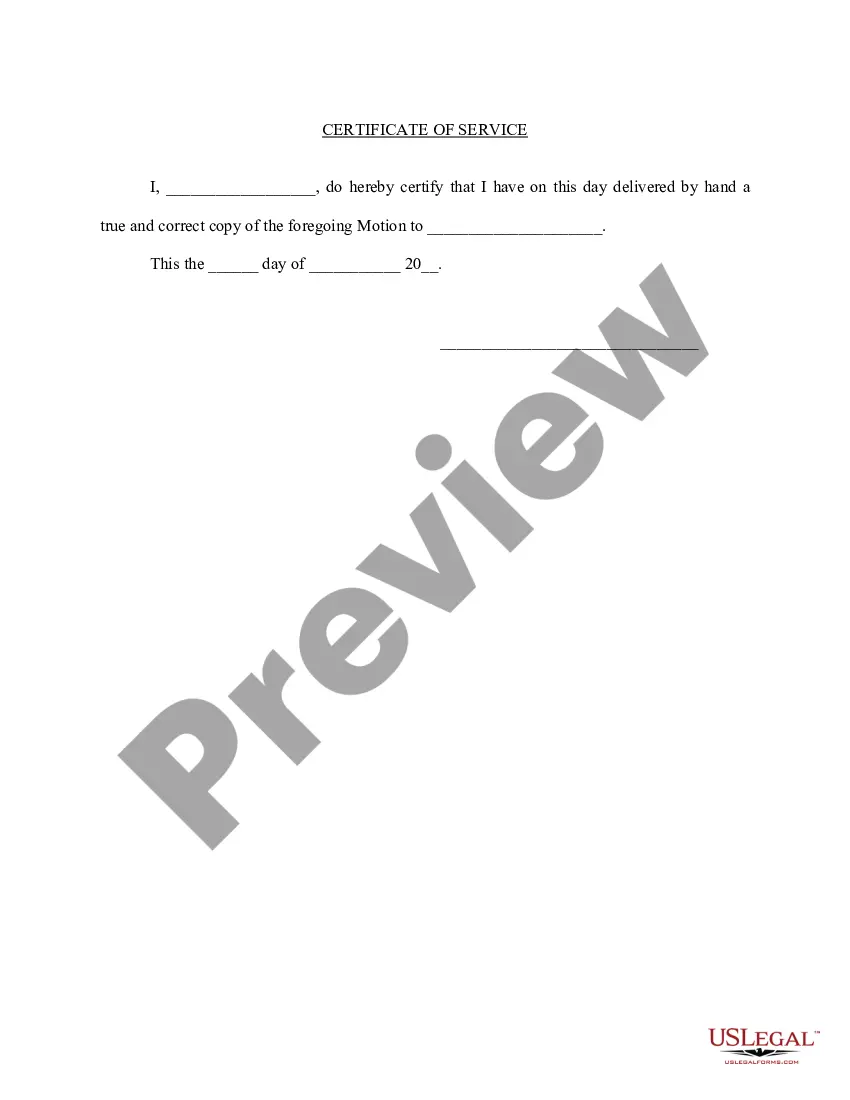
- Certification of service, ensuring that copies of the motion are delivered to all parties involved.
When to use this form
This form should be used when a defendant has pleaded guilty to multiple charges but believes that the plea was unjust due to a lack of clarity regarding guilt. For instance, if a defendant pleaded guilty to both sale and possession of marijuana but asserts they were only guilty of possession, this motion can be employed to seek relief from the sale conviction. This is particularly relevant if the guilty plea may have been entered under duress or without a full understanding of its implications.
Who can use this document
- Individuals who have pleaded guilty to multiple criminal charges yet believe they were only guilty of one.
- Defendants seeking to challenge their sentences based on due process violations.
- Anyone requiring a formal process to request the court to overturn a prior conviction.
Completing this form step by step
- Identify the defendant's name and the details of the court where the original charges were filed.
- List the specific criminal charges the defendant was convicted of and clarify which charge they contest.
- Attach supporting documents that illustrate the original guilty plea and sentence.
- Clearly state the due process violations that warrant the request for relief.
- Sign and date the motion, then ensure it is properly served to the involved parties.
Does this form need to be notarized?
This form does not typically require notarization unless specified by local law. It is advisable to check your state's requirements to ensure compliance.
Get your form ready online
Our built-in tools help you complete, sign, share, and store your documents in one place.
Make edits, fill in missing information, and update formatting in US Legal Forms—just like you would in MS Word.
Download a copy, print it, send it by email, or mail it via USPS—whatever works best for your next step.
Sign and collect signatures with our SignNow integration. Send to multiple recipients, set reminders, and more. Go Premium to unlock E-Sign.
If this form requires notarization, complete it online through a secure video call—no need to meet a notary in person or wait for an appointment.
We protect your documents and personal data by following strict security and privacy standards.

Make edits, fill in missing information, and update formatting in US Legal Forms—just like you would in MS Word.

Download a copy, print it, send it by email, or mail it via USPS—whatever works best for your next step.

Sign and collect signatures with our SignNow integration. Send to multiple recipients, set reminders, and more. Go Premium to unlock E-Sign.

If this form requires notarization, complete it online through a secure video call—no need to meet a notary in person or wait for an appointment.

We protect your documents and personal data by following strict security and privacy standards.
Common mistakes
- Failing to attach necessary exhibits that support the motion.
- Not clearly outlining the specific violations of due process.
- Submitting the motion in the wrong court or jurisdiction.
- Neglecting to serve copies of the motion to all required parties.
Benefits of using this form online
- Convenient access to legal templates at any time.
- Easy customization to meet individual needs.
- Access to forms drafted by licensed attorneys, ensuring legal validity.
Summary of main points
- The Motion for Post-Conviction Relief allows defendants to contest erroneous convictions.
- It is vital to include all necessary documentation when filing the motion.
- Understanding your local laws can aid in utilizing this motion effectively.
Looking for another form?
Form popularity
FAQ
A defendant who requests post-conviction relief asks the court to vacate or modify a judgment of conviction, or to reduce or modify a sentence. 2 PROCESS. The process for requesting post-conviction relief is contained in Rules 32 and 33 of the Arizona Rules of Criminal Procedure.
You must not be on probation at the time of application. You must not be charged in any current criminal cases. The crime that put you on the record must not have resulted in a state prison sentence.
The term post-conviction relief refers to legal channels by which defendants convicted of a crime can seek to get their convictions overturned, sentences modified, records expunged or civil rights reinstated.
Attorneys charge a sum between $400 to $1,400 per criminal charge. Attorney fees could rise to between $1000 to $4000 if the criminal case is complicated. If you can't afford the fee to file a petition for expungement, you or your attorney may request a fee waiver.
In law, post conviction refers to the legal process which takes place after a trial results in conviction of the defendant. After conviction, a court will proceed with sentencing the guilty party.The goal of these proceedings is exoneration, or proving a convicted person innocent.
The most common basis for relief in a petition for post-conviction relief is that a client did not receive effective assistance of counsel in connection with a guilty plea, at trial, at sentencing, or on appeal.