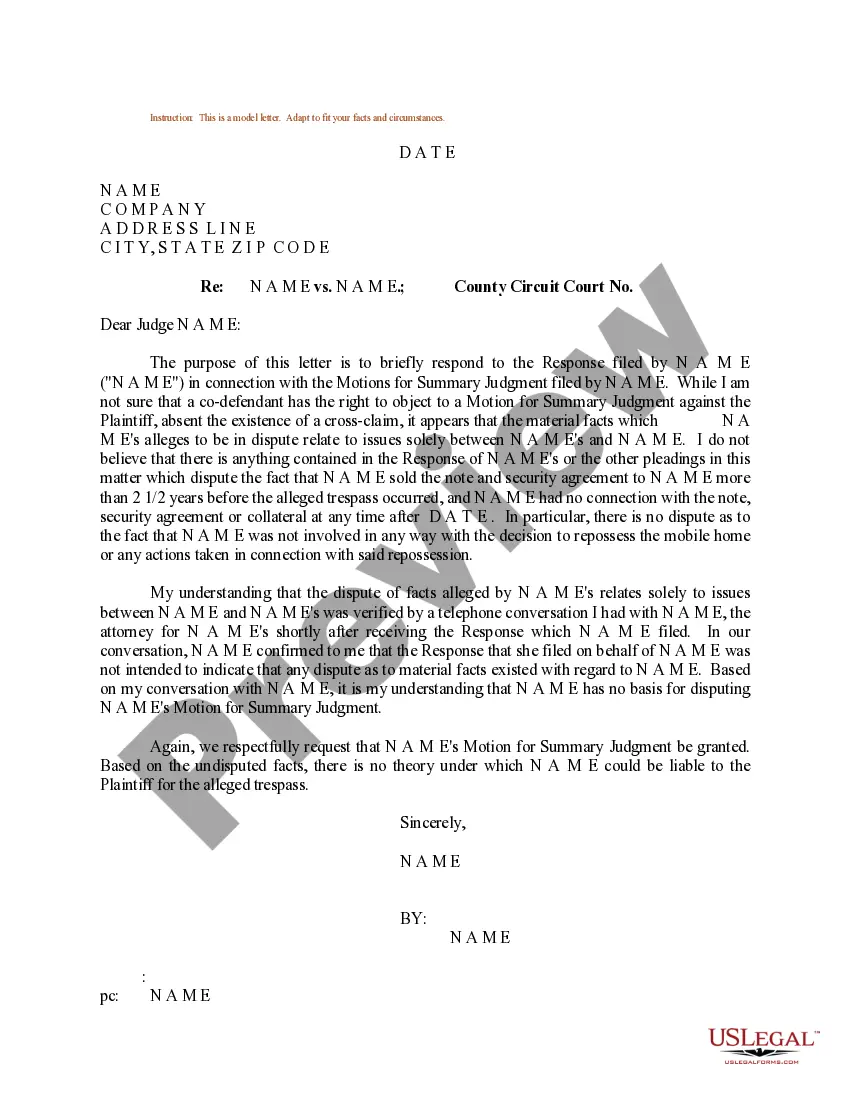
Sample Letter for Response in connection with Motions for Summary Judgment
What is this form?
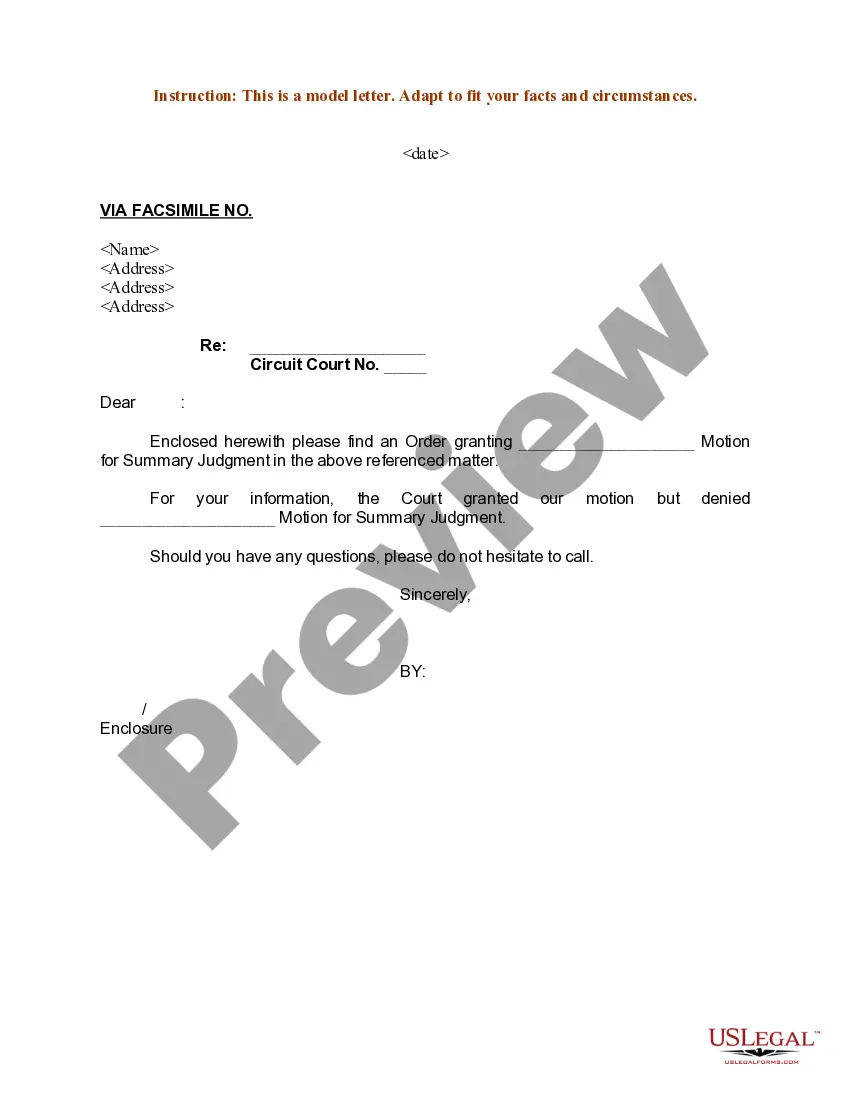
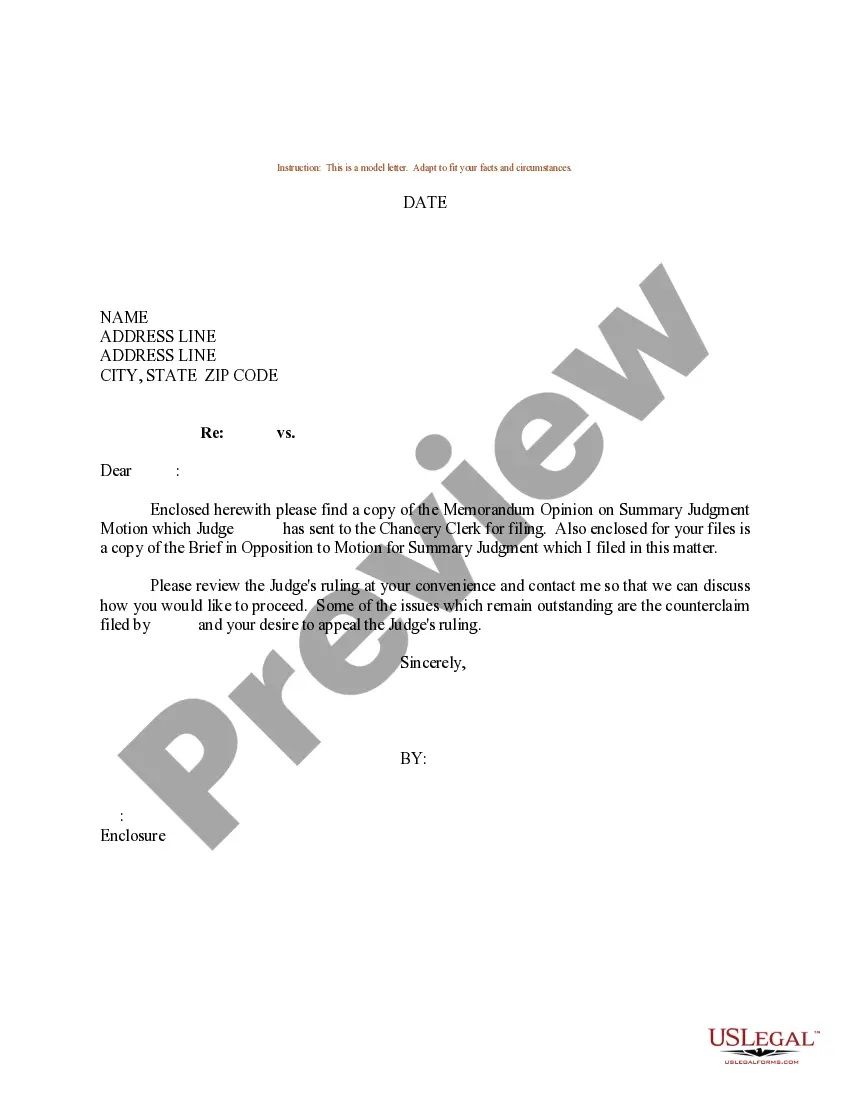
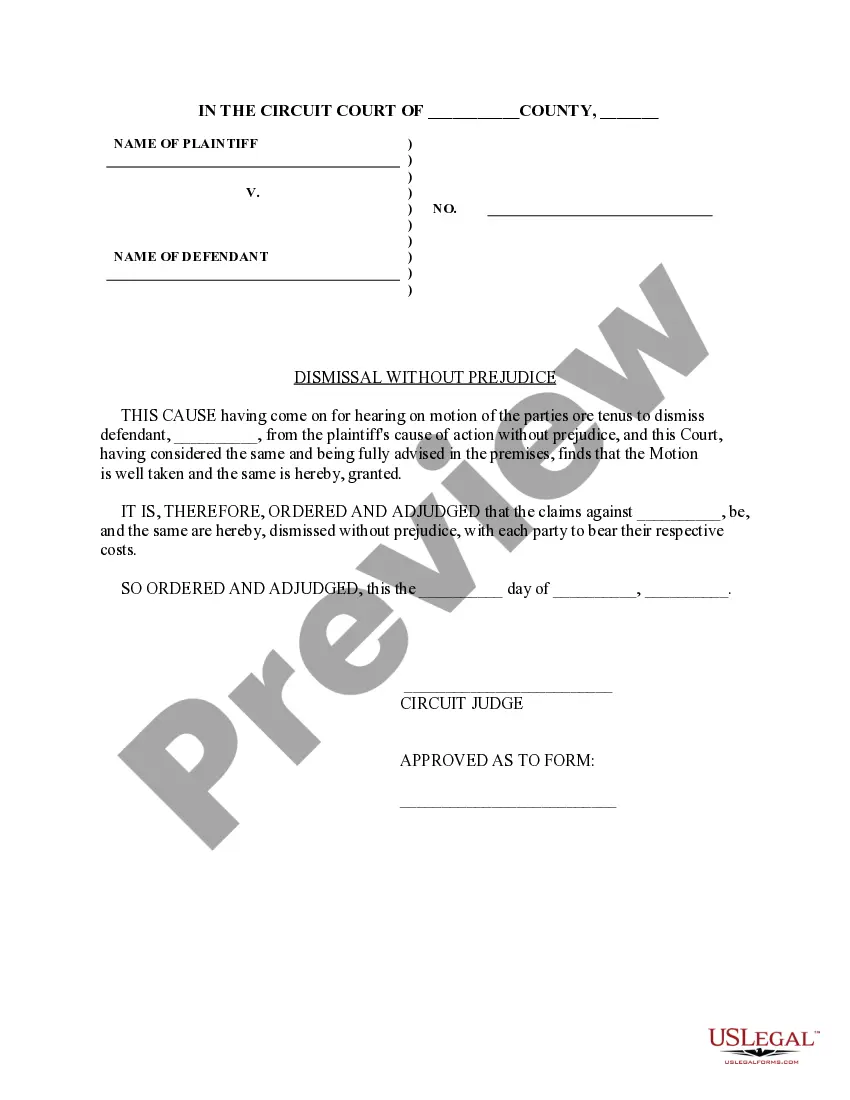
The Sample Letter for Response in connection with Motions for Summary Judgment is a template designed to assist parties involved in legal disputes. This form allows users to formally communicate their understanding of specific factual disputes and the lack of material disputes regarding a motion for summary judgment. Unlike other legal forms, this letter serves as a clear, concise communication tool, guiding parties in adhering to legal protocols during summary judgment proceedings.
Key parts of this document
- Date: Where to indicate when the letter is created.
- Recipient details: Includes sections for the name and address of the party being addressed.
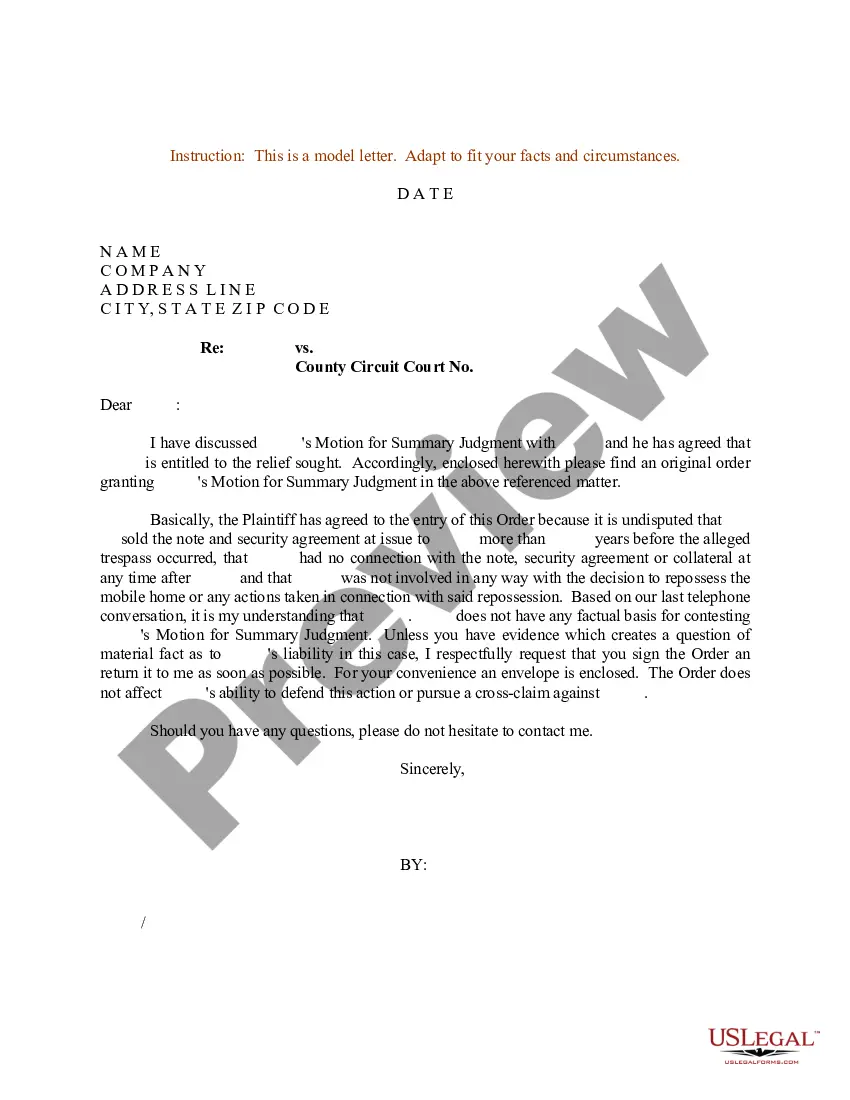
- Verification of understanding: A statement affirming the conversation with the opposing attorney regarding the factual disputes.
- Conclusion of understanding: A summary indicating that there are no material facts in dispute and the rationale behind this conclusion.
When to use this form
This form is useful when a party needs to respond to a motion for summary judgment in a legal case. It is typically employed after receiving a response from the opposing side, clarifying the understanding of the disputed facts and confirming any agreements reached during discussions. Utilizing this form helps maintain clear communication and adhere to the procedural requirements of the court.
Who should use this form
This form is intended for:
- Individuals or legal representatives involved in a civil lawsuit.
- Parties responding to motions for summary judgment.
- Attorneys who require a formal template for client correspondence related to factual disputes.
Steps to complete this form
- Enter the current date at the top of the letter.
- Fill in the recipient's name and address in the appropriate fields.
- State your understanding of the dispute based on prior communication with the opposing attorney.
- Confirm the lack of material disputes concerning the motion for summary judgment.
- Sign and date the letter before sending it to the intended party.
Notarization guidance
This form usually doesn’t need to be notarized. However, local laws or specific transactions may require it. Our online notarization service, powered by Notarize, lets you complete it remotely through a secure video session, available 24/7.
Get your form ready online
Our built-in tools help you complete, sign, share, and store your documents in one place.
Make edits, fill in missing information, and update formatting in US Legal Forms—just like you would in MS Word.
Download a copy, print it, send it by email, or mail it via USPS—whatever works best for your next step.
Sign and collect signatures with our SignNow integration. Send to multiple recipients, set reminders, and more. Go Premium to unlock E-Sign.
If this form requires notarization, complete it online through a secure video call—no need to meet a notary in person or wait for an appointment.
We protect your documents and personal data by following strict security and privacy standards.

Make edits, fill in missing information, and update formatting in US Legal Forms—just like you would in MS Word.

Download a copy, print it, send it by email, or mail it via USPS—whatever works best for your next step.

Sign and collect signatures with our SignNow integration. Send to multiple recipients, set reminders, and more. Go Premium to unlock E-Sign.

If this form requires notarization, complete it online through a secure video call—no need to meet a notary in person or wait for an appointment.

We protect your documents and personal data by following strict security and privacy standards.
Avoid these common issues
- Failing to include the date at the top of the letter.
- Not verifying or accurately representing the opposing party's position.
- Omitting signature and date before submitting the letter.
Why complete this form online
- Convenience: Easily downloadable and editable format allows for quick customization.
- Access: Available from anywhere, providing immediate access to necessary legal documentation.
- Reliability: Templates drafted by licensed attorneys ensure compliance with legal standards.
Legal use & context
- The letter serves to document communication regarding factual disputes in legal proceedings.
- Utilizing a standardized form helps ensure clarity and adherence to procedural norms.
- This form is not legally binding on its own but supports the legal process when submitted to the court.
Looking for another form?
Form popularity
FAQ
The response to the Motion must be filed at least 7 days prior to any hearing. The Response should contain an affidavit specifically creating a fact issue in the case.
If a motion for summary judgment is filed before a responsive pleading is due from a party affected by the motion, the time for responding to the motion is 21 days after the responsive pleading is due.
If the motion is granted, the judgment on the issue or case is deemed to be a final judgment from which a party may seek an appeal. The court of appeal can reverse the grant of summary judgment and reinstate the claim in the lower court. However, this is rarely done and most summary judgments are upheld on appeal.
The key to defeating a motion for summary judgment is to show the court that there are still facts in dispute. Summary judgment is only appropriate if none of the facts are disputed.
A response must be in writing and include the same supporting documents as a motion for summary judgment. The opposition to the motion for summary judgment should also include a statement of facts showing the dispute and supporting documents.
The response to the Motion must be filed at least 7 days prior to any hearing. The Response should contain an affidavit specifically creating a fact issue in the case.
Stated different, to successfully defend against summary judgment the non-moving party (you) should seek to demonstrate that indeed there are material facts in dispute. Alternatively, the non-moving party (you) can argue that the undisputed facts support a judgment as a matter of law in your favor.