Sample Letter for Letter Template #2
About this form
This Sample Letter serves as a template for users looking to draft correspondence that aligns with the context of their specific needs. It provides a structured format that can be easily customized for various purposes, differentiating it from other generic letter formats by offering a specific outline that includes essential components relevant to legal correspondence or personal communication.
Form components explained
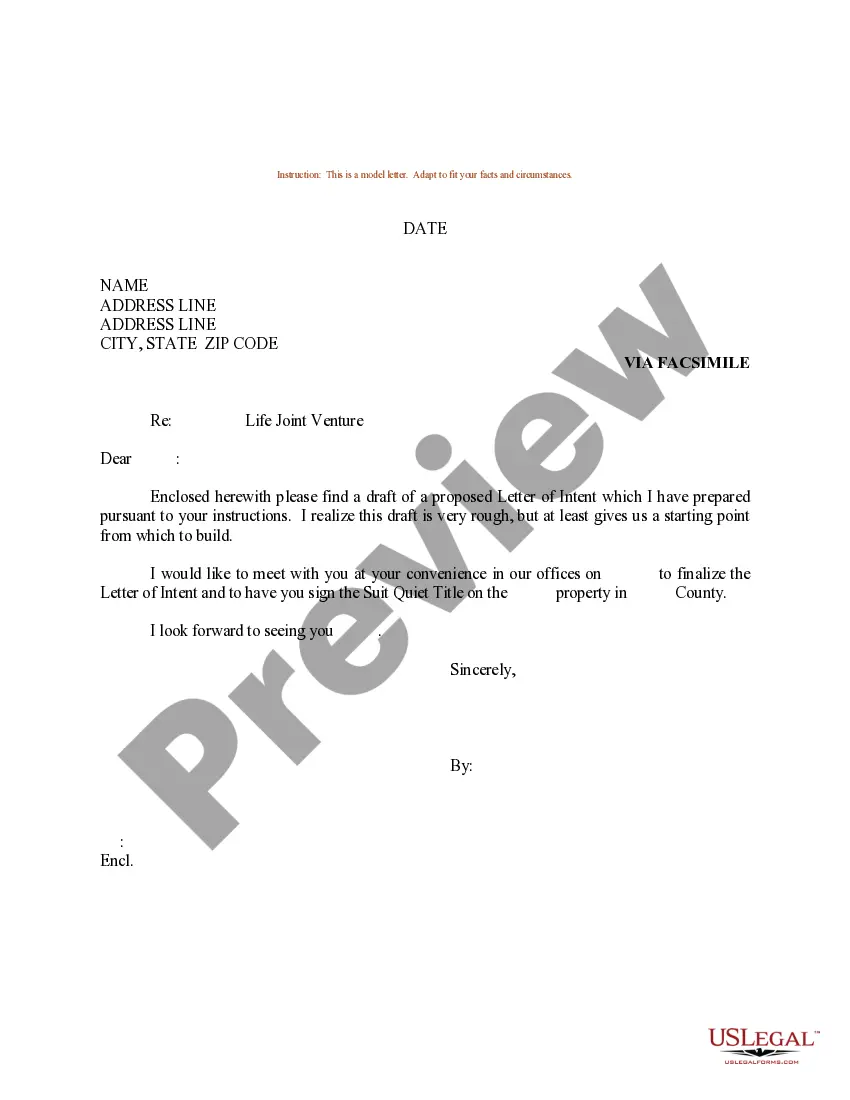
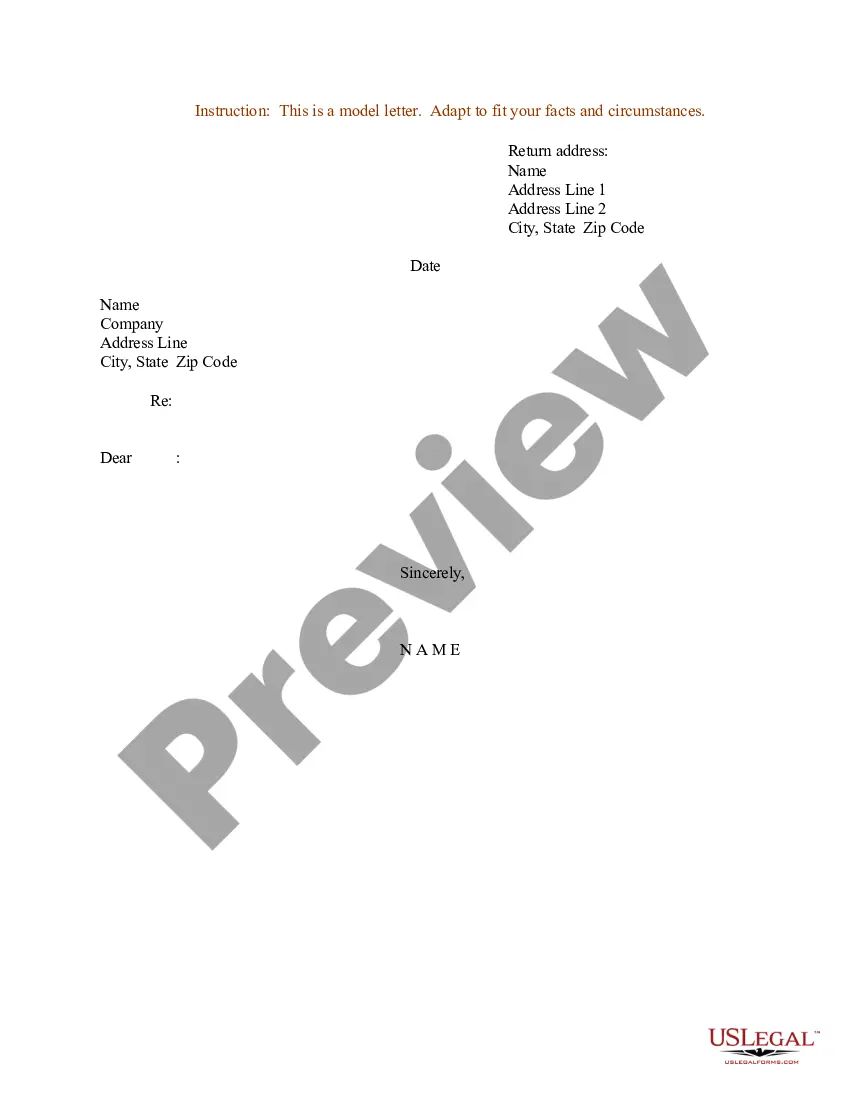
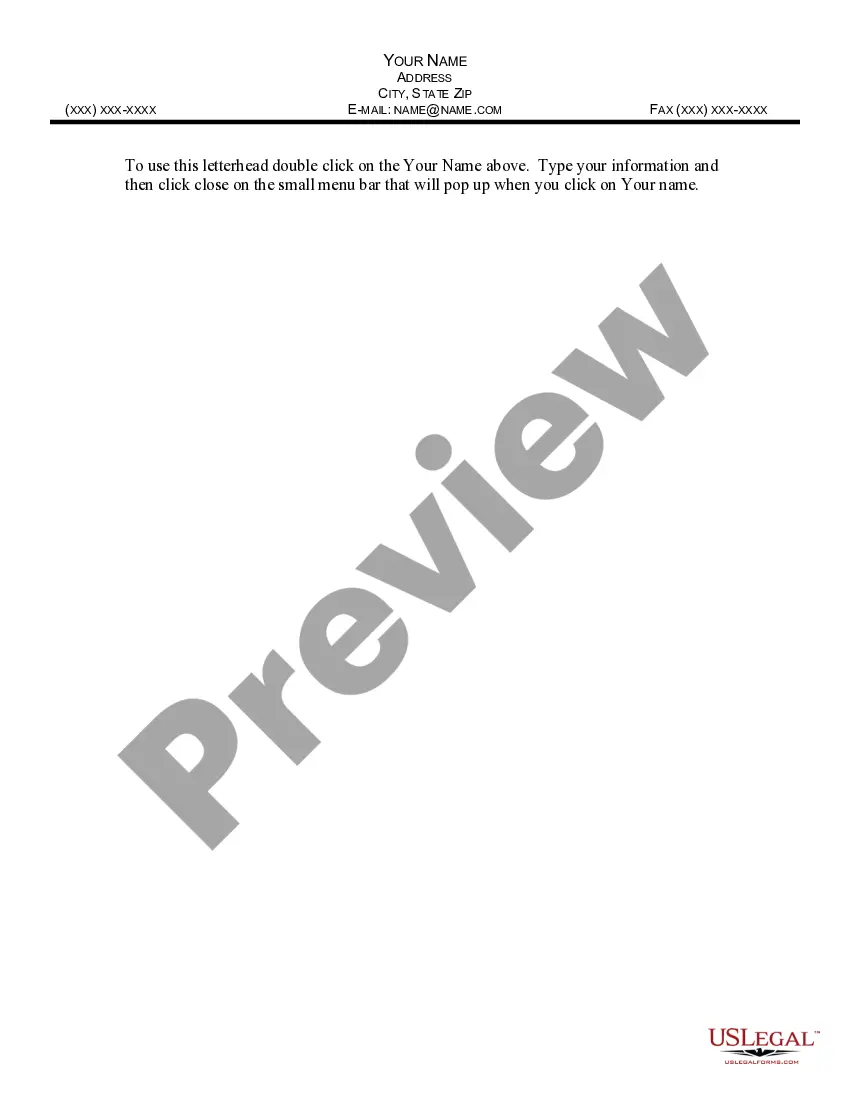
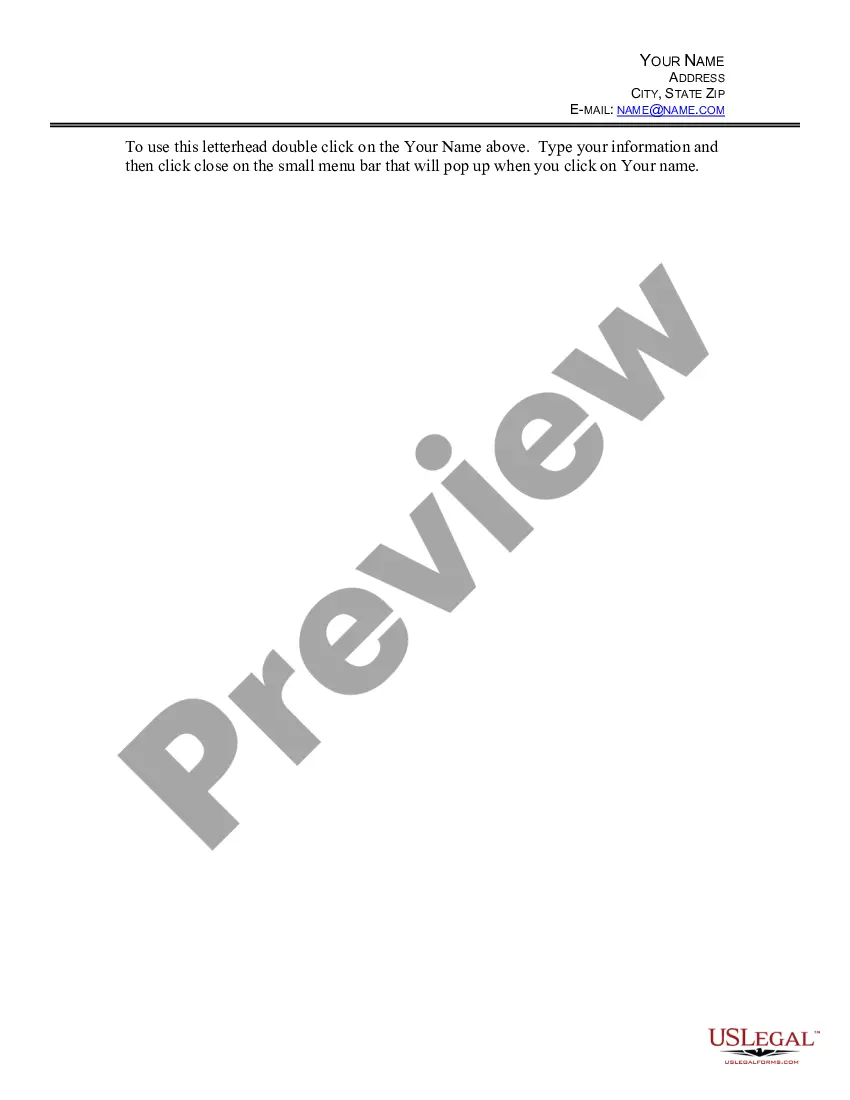
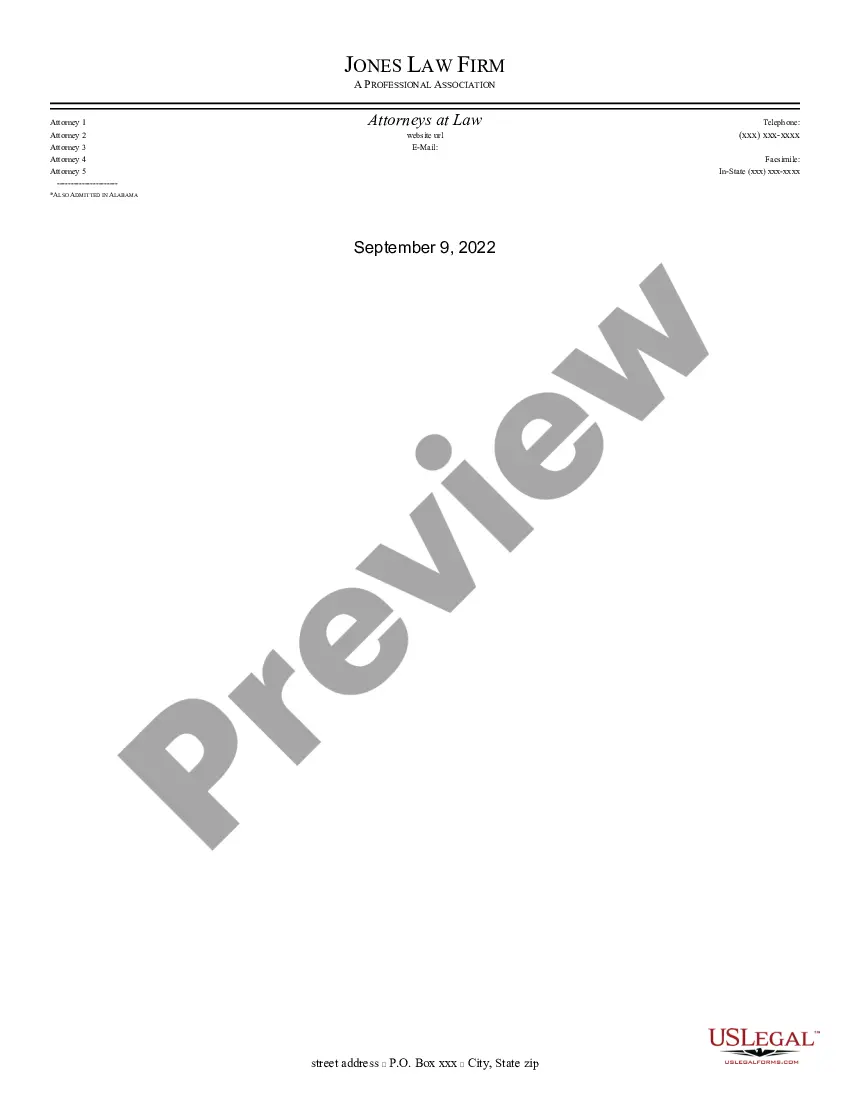
- Sender's information: Include the sender's name and contact details.
- Date: The date when the letter is written.
- Recipient's information: Full name and address of the recipient.
- Subject line: A brief statement indicating the purpose of the letter.
- Body text: The main content where the message is conveyed, including any necessary details.
- Closing statement: A polite conclusion and any necessary call to action.
When this form is needed
This form can be utilized in various scenarios, such as drafting a formal request, providing information, or communicating important updates. It is especially useful when a clear and concise communication style is required, making it appropriate for both personal and professional settings.
Who can use this document
Individuals and businesses looking to communicate formally may find this form beneficial. The following groups are particularly suited for this template:
- Business professionals needing to correspond with clients.
- Individuals writing to organizations or institutions.
- Anyone looking for a structured format to present their letters.
Instructions for completing this form
- Identify the sender and recipient information.
- Enter the current date in the specified format.
- Clearly define the subject of the letter in the subject line.
- Draft the body of the letter, ensuring clarity and professionalism.
- Include a closing statement and sign or print your name if required.
Does this document require notarization?
This form usually doesn’t need to be notarized. However, local laws or specific transactions may require it. Our online notarization service, powered by Notarize, lets you complete it remotely through a secure video session, available 24/7.
Get your form ready online
Our built-in tools help you complete, sign, share, and store your documents in one place.
Make edits, fill in missing information, and update formatting in US Legal Forms—just like you would in MS Word.
Download a copy, print it, send it by email, or mail it via USPS—whatever works best for your next step.
Sign and collect signatures with our SignNow integration. Send to multiple recipients, set reminders, and more. Go Premium to unlock E-Sign.
If this form requires notarization, complete it online through a secure video call—no need to meet a notary in person or wait for an appointment.
We protect your documents and personal data by following strict security and privacy standards.

Make edits, fill in missing information, and update formatting in US Legal Forms—just like you would in MS Word.

Download a copy, print it, send it by email, or mail it via USPS—whatever works best for your next step.

Sign and collect signatures with our SignNow integration. Send to multiple recipients, set reminders, and more. Go Premium to unlock E-Sign.

If this form requires notarization, complete it online through a secure video call—no need to meet a notary in person or wait for an appointment.

We protect your documents and personal data by following strict security and privacy standards.
Typical mistakes to avoid
- Neglecting to proofread for grammatical errors or typos.
- Failing to include a clear subject line.
- Using overly complex language instead of straightforward wording.
Why complete this form online
- Convenient access to a downloadable template at any time.
- Editable format allows for personalized content.
- Reliability of using a form drafted by licensed attorneys.
Legal use & context
- The form is useful for establishing clear communication in legal matters.
- It can serve as evidence of intent or notice in formal transactions.
- While it is not a legally binding document itself, it represents formal correspondence necessary in legal contexts.
Summary of main points
- A Sample Letter is an essential tool for structured communication.
- This form is versatile and applicable across various situations.
- Understanding its components is vital for effective use.
Looking for another form?

Form popularity
FAQ
State you interest for the board with reasons. Overview what you have to offer include salient points from your matrix. Explain how your skills/ experiences/ networks will assist them with their current issues/ challenges.
Contact Information (Include your contact information unless you are writing on letterhead that already includes it.) Your Name. Your Address. Date. Contact Information (The person or company you are writing to) Name. Title. Greeting (Salutation Examples) Body of Letter. Closing. Signature. Typed Signature.
Start with an introduction. Include recent skills you've developed. Describe your employment background. Explain why this job is the right fit. Research the company. Network. Learn your audience's name. Include versatile skills.
Don't use this overused opening line. I'm writing to apply for the role of2026 is the most overused opening line job seekers use on their cover letters. Cut meaningless buzzwords. Don't mention every past job. Use snappy, short words rather than long phrases.
Say thanks. Make sure to offer thanks for their time and consideration, and choose a professional closing salutation such as, Sincerely, Best regards or Thank you for your consideration. Avoid overly familiar phrases like, Yours, Cheers or Take care.
Ideally, the statement will address (1) your interest in the field/industry/employer, (2) how the shadow will help your career exploration process, and (3) provide a general idea of your travel plan for the job shadow.
Sender's address. Date. Name / Designation of Addressee. Address of the Addressee. Salutation. Subject. Body Introduction, Content, Conclusion. Complimentary Close.
Set up your font and margins. Create your heading. Write your salutation. Use your body paragraphs to state your reasons for writing. Add your closing body paragraph and signature. Mention and add your enclosures. Proofread and send your letter.
Contact person. First, try to find someone specific at the company to send the letter to, such as an executive in a division you're interested in. What to include in the letter. Letter conclusion. Include your contact information. Keep your letter short and to the point.